Spend over €100 for discounted shipping!

+421 950 333 113info@handymade.store

Candle fragrance oils

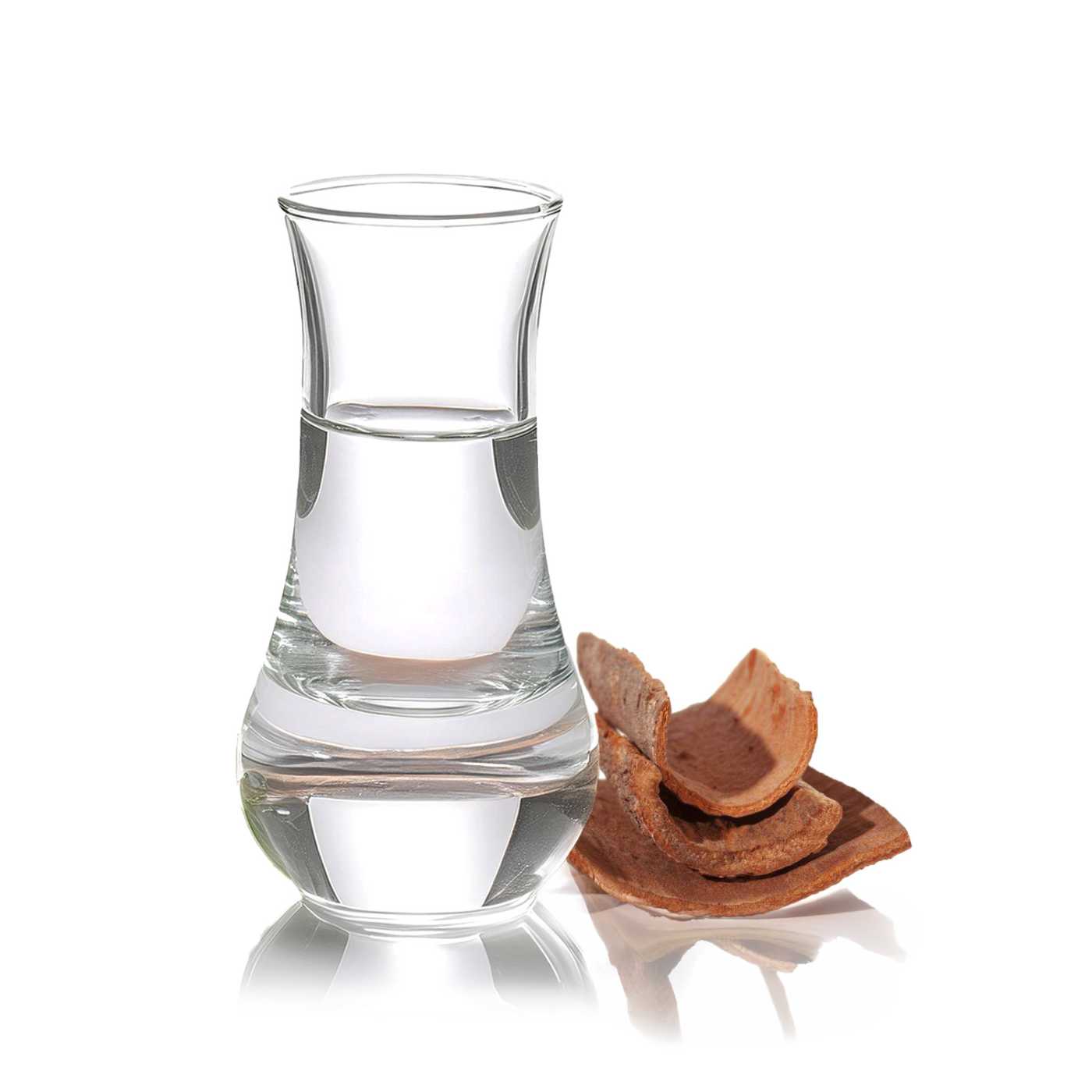
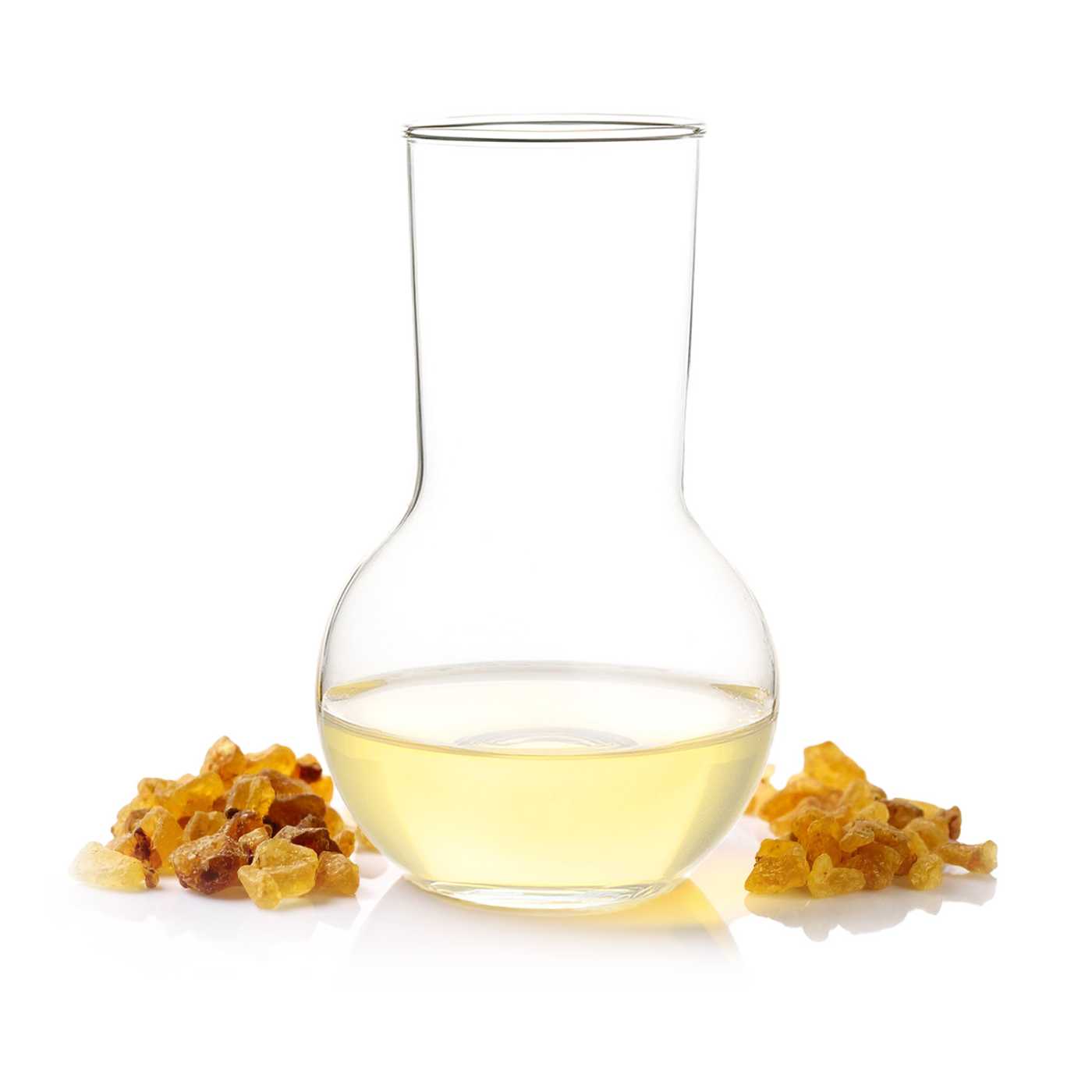
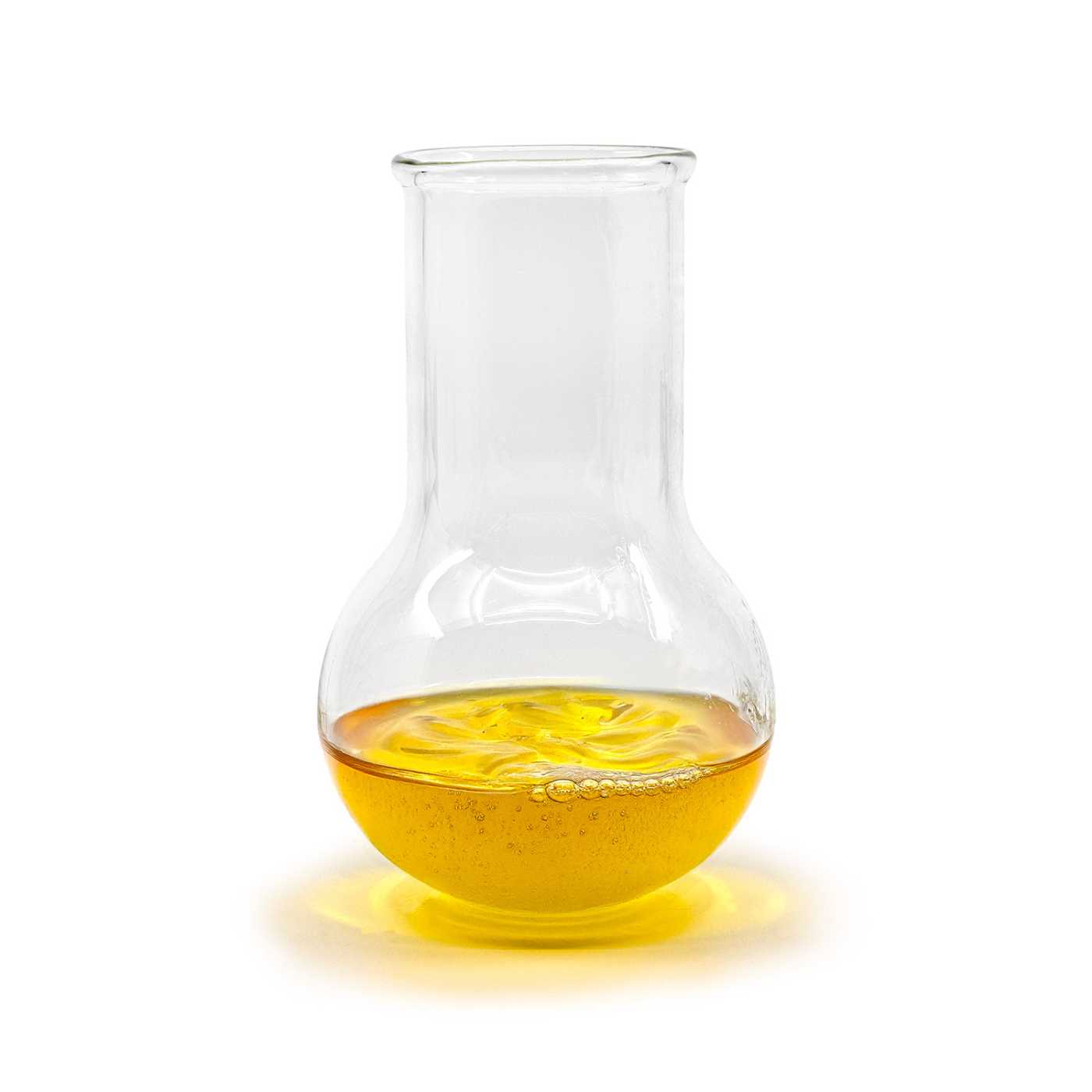
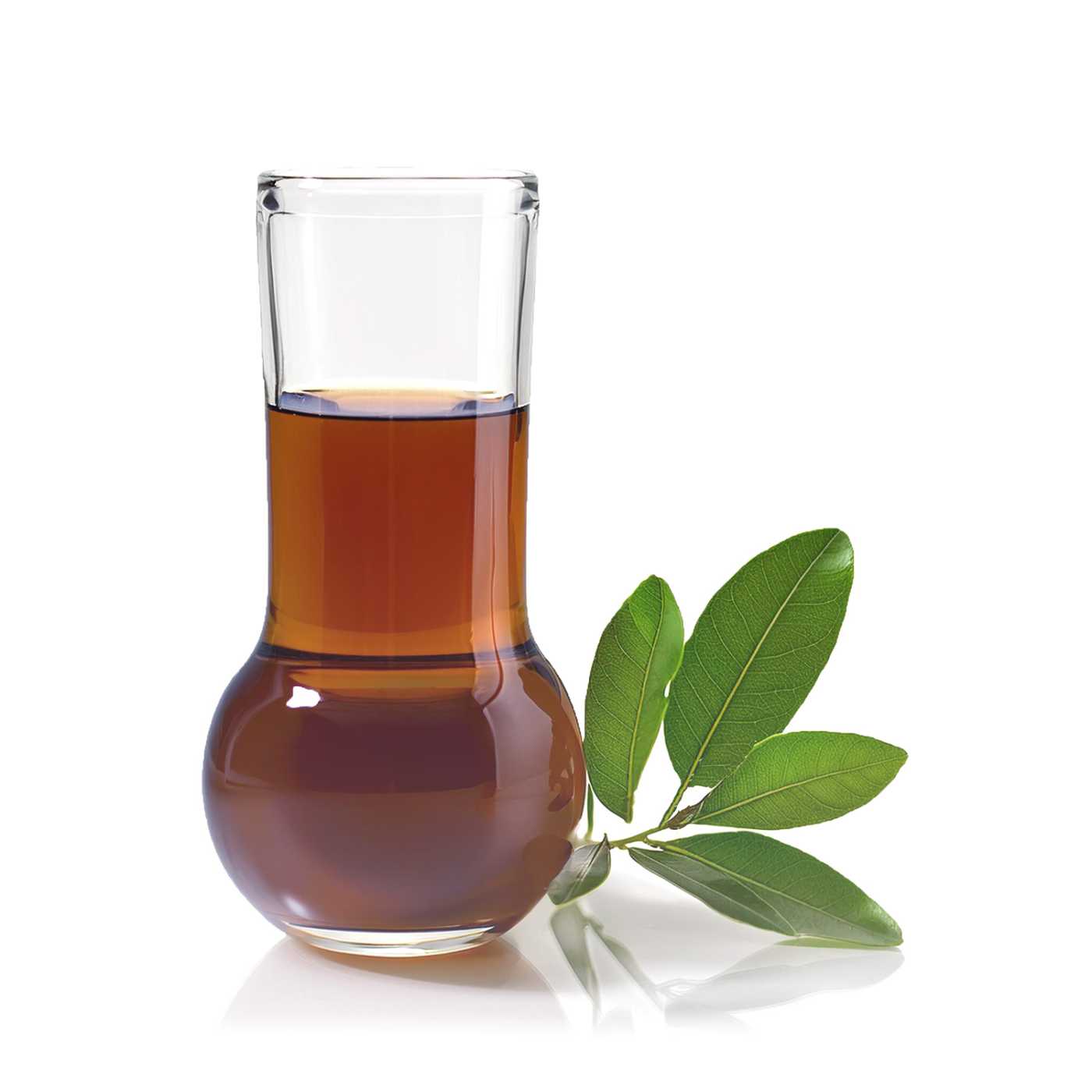
Ho Wood Essential Oil, 100 ml

Pack size10 ml100 ml500 ml1 l

Ho Wood essential oil is obtained by steam distillation from the wood of the camphor tree, linalool chemotype ( Cinnamomum camphora ct linalool ). full description

AvailabilityIn stock · 11 packs
Product codeEON030_100
Batch21753
Best before10/2028
€23.09incl. VAT€230.90/l

Lowest price in the last 30 days: €23.09

Product description

Ho Wood essential oil is obtained by steam distillation from the wood of the camphor tree, linalool chemotype (Cinnamomum camphora ct linalool). It brings a warm, woody scent to a formulation and also works as an active ingredient in products for problem and acne-prone skin. The oil is of Asian origin and is vegan.

In a formulation it does two jobs at once: it fragrances the product and, according to the manufacturer, soothes the skin. It does not come from any species listed in the appendices of the CITES convention.


Key properties

  • Warm, woody scent – the manufacturer describes it as calming and balancing. It suits evening and relaxation products.
  • Soothing effect on the skin – according to the manufacturer, the oil helps reduce redness and brings relief to irritated skin. It is therefore used in products for problem and acne-prone skin as a complement to other active ingredients.
  • Antimicrobial properties – the manufacturer gives these as the reason the oil suits facial and body cleansing products. The effect in the finished product depends on the usage rate and the whole formulation, and it does not replace a preservative system.
  • Warming sensation – according to the manufacturer, it leaves a mild warming feeling on the skin, which is used in massage oils and body creams.
  • Aromatherapy – in diffusers, bath products and room sprays it creates a calm atmosphere.

Use in formulations

The oil is soluble in oil and in alcohol and does not dissolve in water. In emulsions it is added in the oil phase or in the cool-down phase. In toners and water-based sprays it can only be used with a solubiliser; otherwise it separates and stays on the surface. In anhydrous products such as body oils, balms and solid perfumes, it is mixed into the finished oil blend.

The recommended processing temperature is below 40 °C. The oil is a blend of volatile substances, and at higher temperatures part of them evaporates, so the resulting scent is weaker. In creams and lotions it is therefore added only after emulsification, once the mixture has cooled, and mixed in briefly. In cold process soap it is added before pouring into the mould. We recommend a test batch.

The manufacturer does not state a recommended usage rate range. The maximum permitted amount in the finished product is set by the IFRA limit for the given category. Category 1 covers lip products, category 4 perfumes and eaux de toilette, category 5B face creams and toners, and category 9 soaps, shampoos and shower gels. The limits for all categories are in the IFRA certificate in the Product documentation section.

Before setting the usage rate, open the IFRA certificate and find the category your product belongs to. The same oil has a different ceiling in a lip balm, in a cream deodorant and in a shower gel, so there is no single value for everything.

The oil is compatible with alcohol and with common perfumery raw materials, with no known restrictions. In alcohol-based perfumes and aftershaves it dissolves directly in ethanol.


Suitable for products such as

  • Face care – face oils, serums, creams and cleansing products for problem and acne-prone skin, where the soothing effect described by the manufacturer is used.
  • Body care – massage oils, body butters and lotions, hand and foot creams. The warming sensation and calming scent suit evening and relaxation products.
  • Hair care – hair oils, masks and scalp products, where the manufacturer recommends it for its soothing scent.
  • Perfumery – alcohol-based and oil-based perfumes, solid perfumes and scented creams.
  • Bath bombs and salts, shower gels, soaps – rinse-off products, where the scent works mainly during use.
  • Candles, diffusers, household cleaning products – for candles, the limit of IFRA category 12 applies, and it is good to check the scent intensity with a test pour.

Good to know

Ho Wood is the linalool chemotype. Oils of other chemotypes with a different composition are also distilled from the same tree species, Cinnamomum camphora, so when buying, go by the chemotype designation, not just the botanical name.

The oil contains fragrance allergens listed in Annex III of Regulation (EC) No 1223/2009. It is not classified as carcinogenic, mutagenic or toxic for reproduction. It contains no palm oil ingredients, GMOs or alcohol.

The oil is classified under the CLP Regulation with the GHS07 pictogram (irritant, sensitisation). Do not apply it to the skin undiluted. You can find details on safe handling in the safety data sheet.


Frequently asked questions

Is Ho Wood essential oil soluble in water?
No, Ho Wood essential oil does not dissolve in water; it dissolves in oils and in alcohol. In toners, hydrosol sprays or bath salts, it is therefore added with a solubiliser or first mixed into the oil component of the formulation. Without a solubiliser it stays on the surface and reaches the skin in undiluted form.
How much Ho Wood essential oil can I put in a cream?
A single universal value cannot be given, as the manufacturer does not state a recommended usage rate. The maximum amount in the finished product is set by the IFRA limit for the given category. Face creams belong to category 5B and body creams to category 5A. You can find the specific percentages in the IFRA certificate in the Product documentation section.
When is Ho Wood essential oil added to an emulsion?
Ho Wood essential oil is added in the cool-down phase, when the emulsion is below 40 °C. At a higher temperature part of the volatile components evaporates and the resulting scent is weaker. The oil is mixed briefly into the cooled mixture so that it disperses evenly.
Is Ho Wood essential oil suitable for acne-prone skin?
Yes, Ho Wood essential oil is classed among the raw materials suitable for problem and acne-prone skin. The manufacturer states soothing and antimicrobial properties, which are used in such formulations as a complement to other active ingredients. The oil contains fragrance allergens, so it is good to test tolerance on a small area of skin.
Can I use Ho Wood essential oil in a candle?
Yes, candles are among the recommended uses of Ho Wood essential oil. They fall into IFRA category 12, for which a separate limit applies, stated in the IFRA certificate. Before making a larger batch, we recommend a test pour to check the scent intensity in your specific wax.

Parameters

INCI
CINNAMOMUM CAMPHORA LINALOOLIFERUM WOOD OILCinnamomum Camphora Linalooliferum Wood Oil
CAS No.
91745-89-0
EC number
294-760-2
Product colour
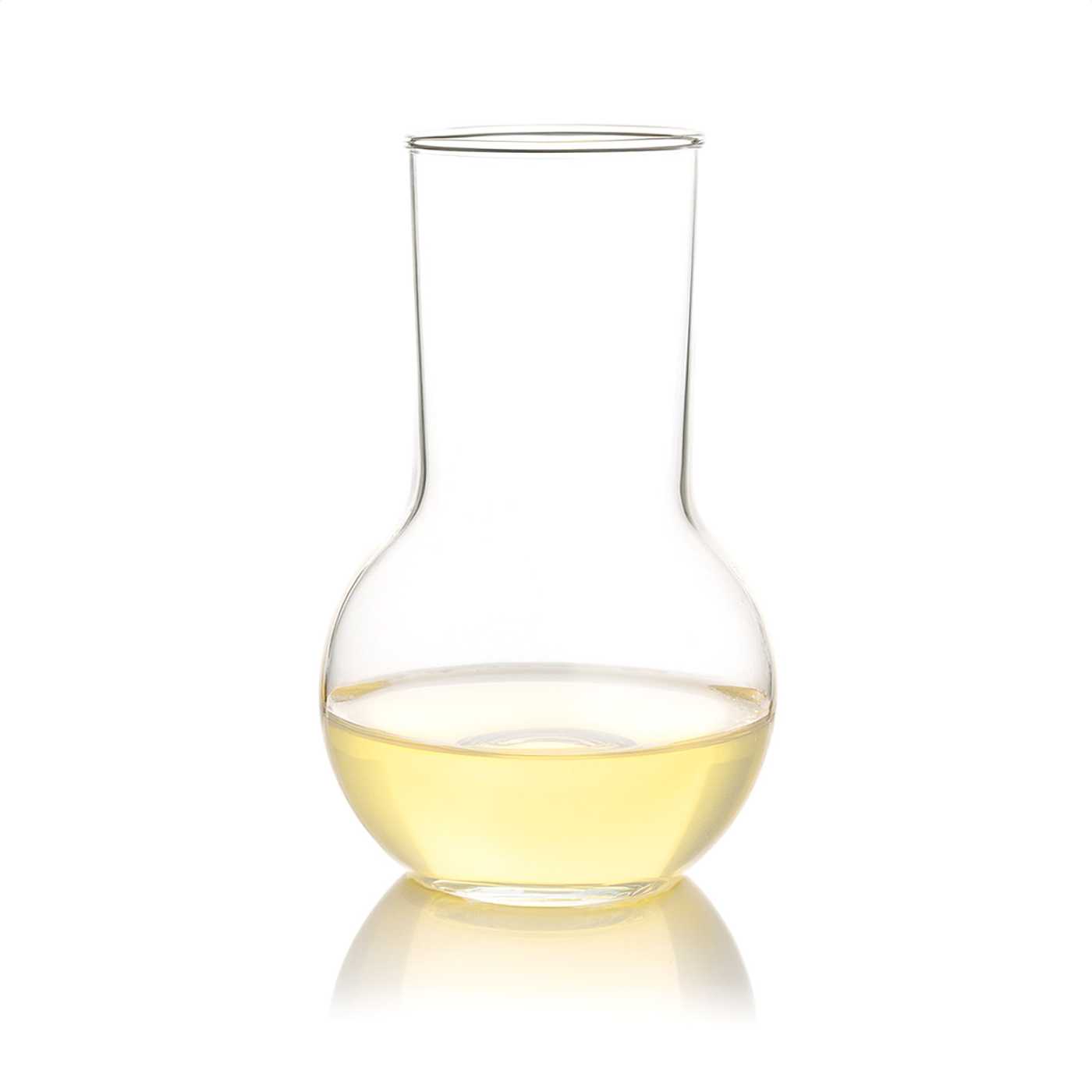
Colourless
Appearance
Liquid
Recommended processing temperature
< 40 °C
Application type
Leave-onRinse-off
Certifications
Vegan
Manufacturer's certificate
BRC
Natural Index (NI ISO 16128)
1,00
Natural Origin Index (NOI ISO 16128)
1,00
Organic content
0 %
Renewable Carbon Content (RCC)
100 %
Volume
100 ml

Product documentation

CoACertificate of Analysis
batch 21753PDF ↓
TDSTechnical Data Sheet
Physical parameters and processingPDF ↓
SDSSafety Data Sheet
Available for purchased products —
Download all (ZIP)

2 PDF files in one archive

Andrea S.7 Oct 2026CS

Verified purchase

Variant: Esenciálny olej, Ho Wood 100 ml

Smells beautiful

Translated automatically

Zákazník9 Aug 2026SK

Verified purchase

A cooling scent of wood...

Translated automatically

Adam V.5 Nov 2026SK

Verified purchase

(3 reviews)