+421 950 333 113info@handymade.store−10 %Shop now

Candle fragrance oils

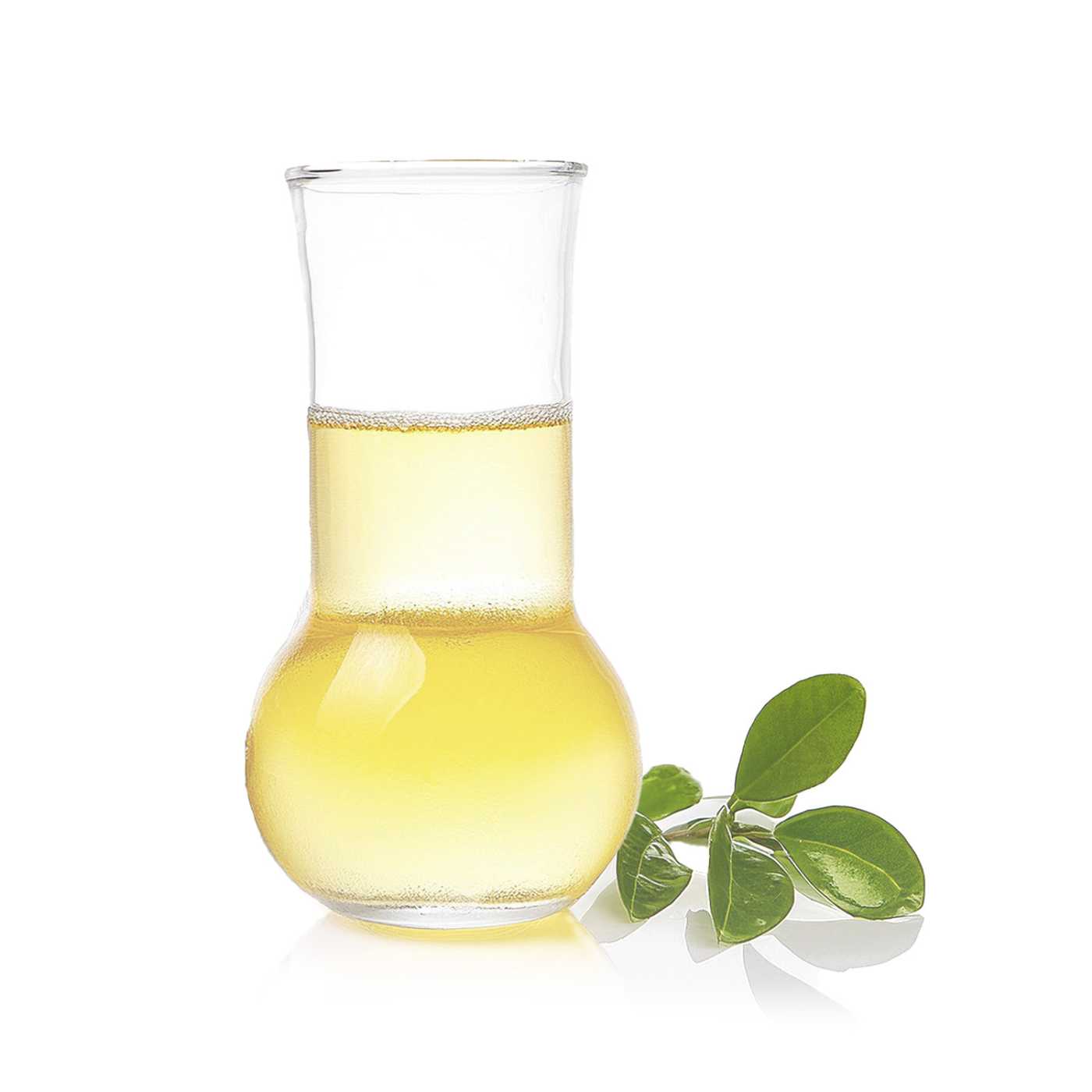
Petitgrain Essential Oil, 1 l

Pack size10 ml100 ml500 ml1 l

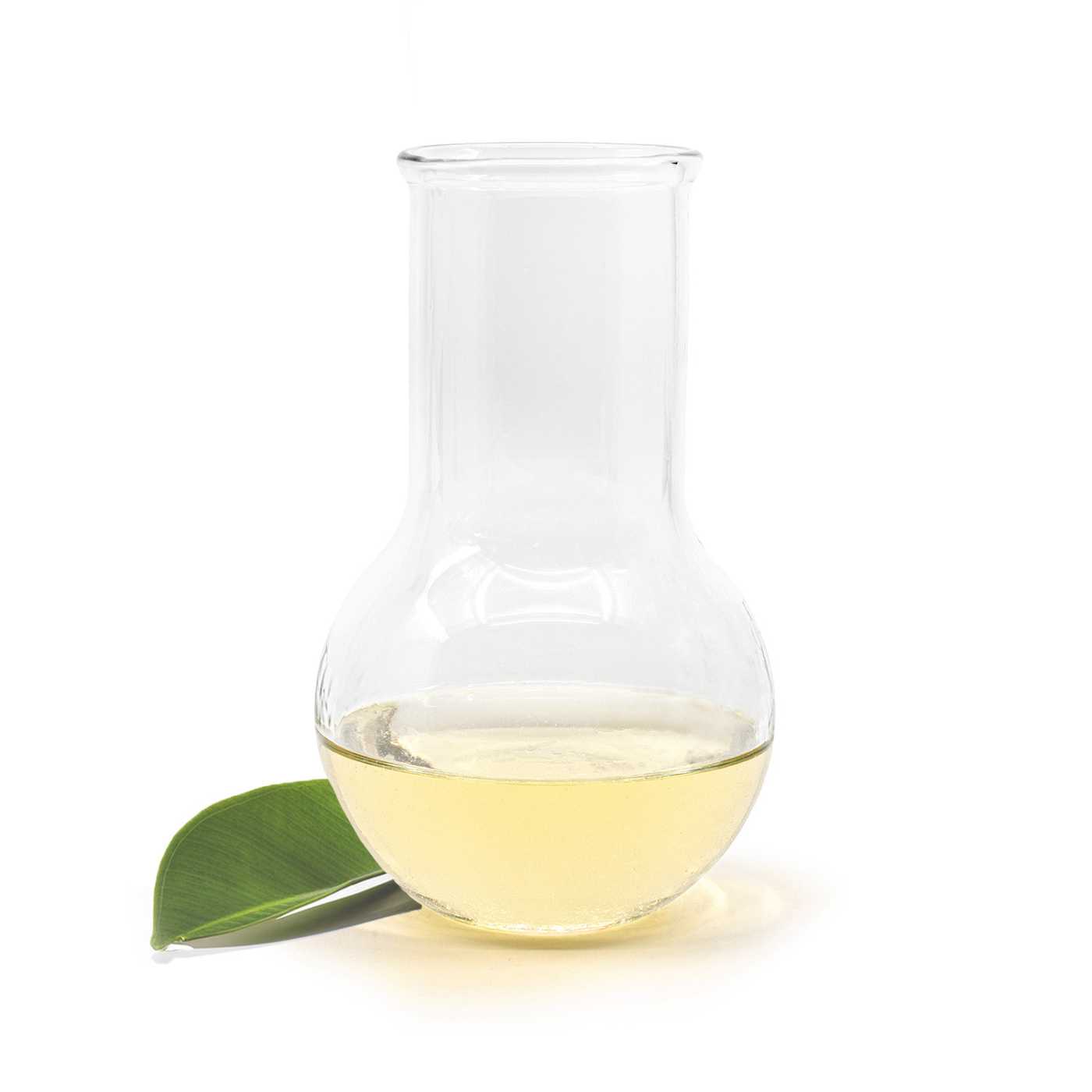
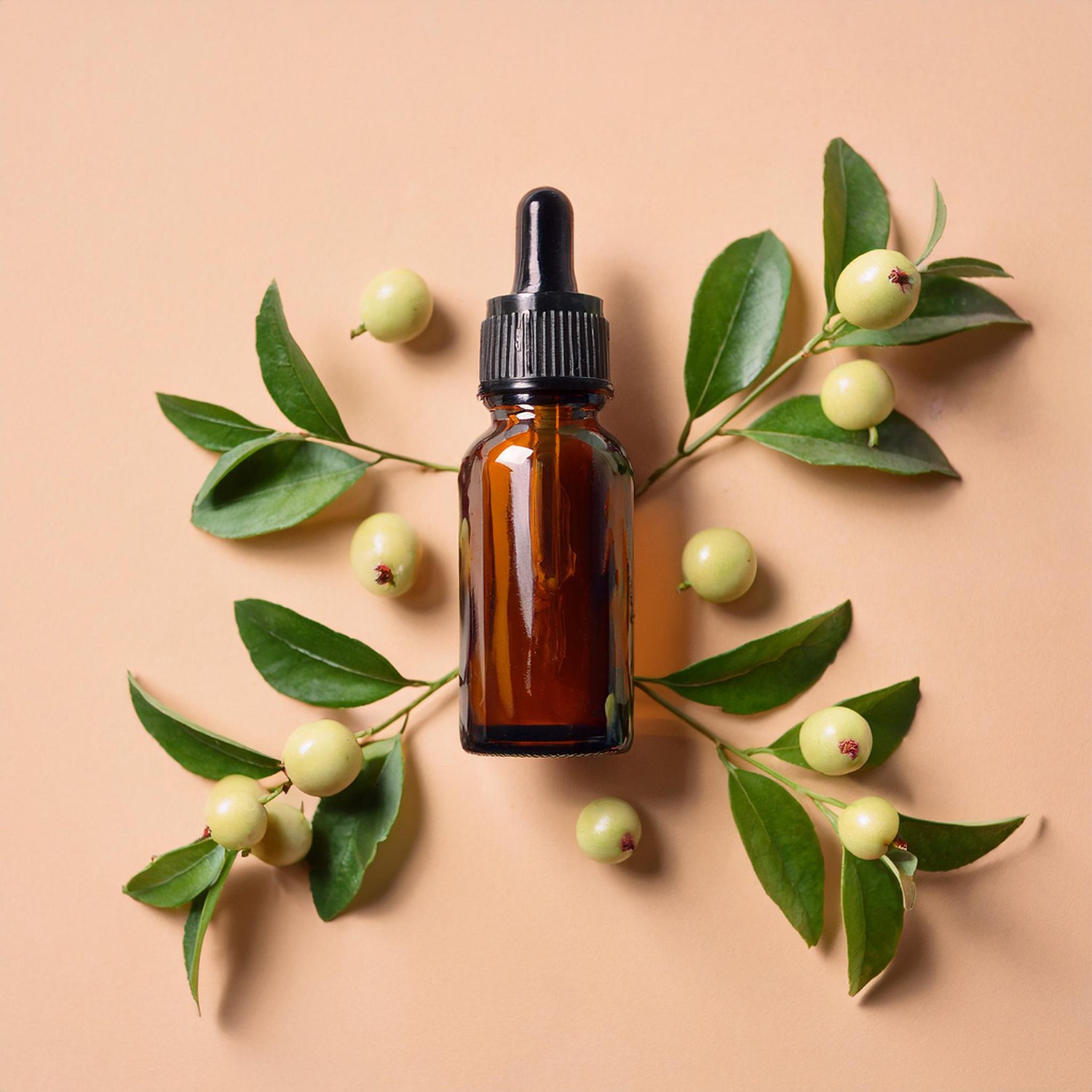
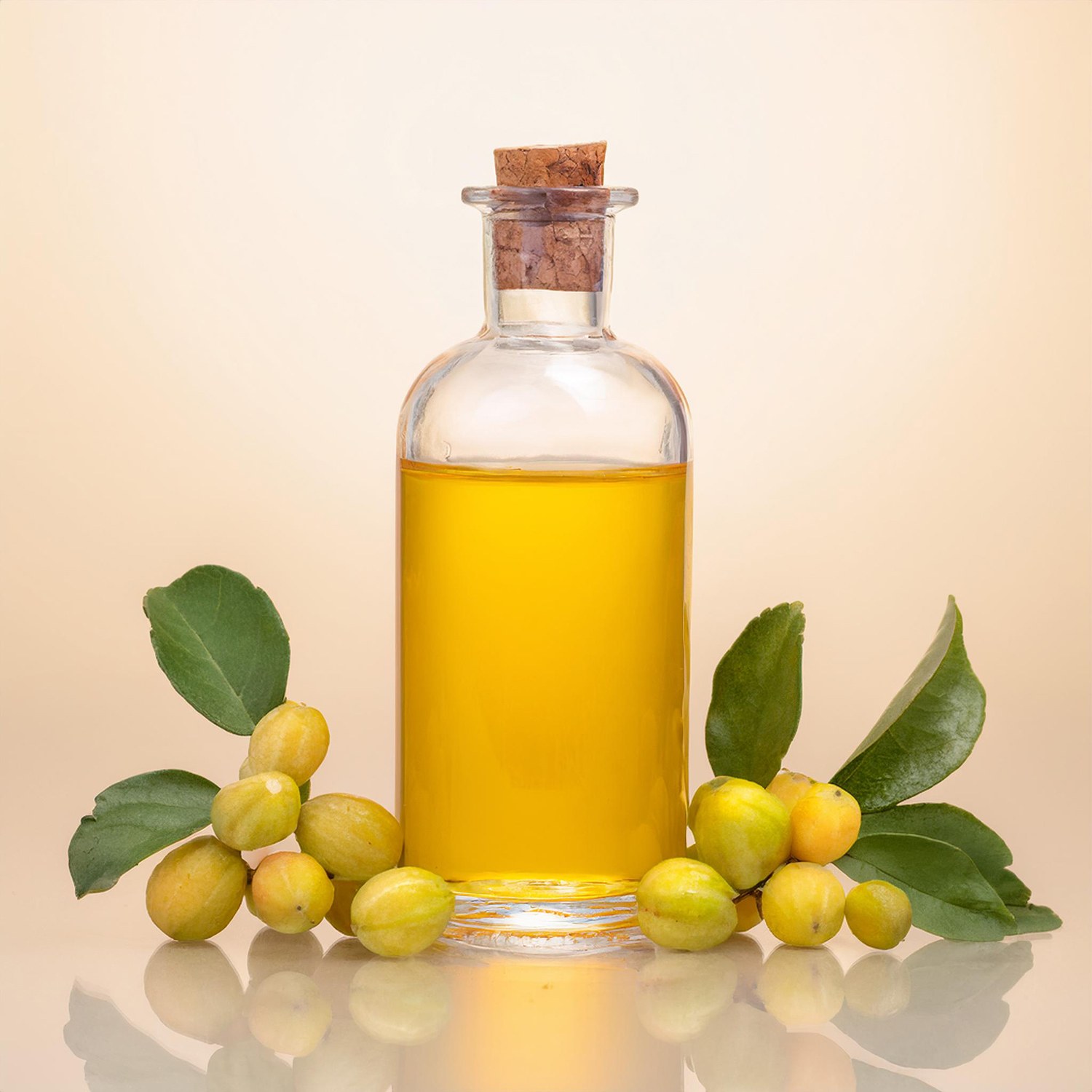
Petitgrain essential oil is obtained by steam distillation of the leaves and twigs of the bitter orange (Citrus aurantium amara). It gives products a fresh citrus fragrance and refreshes and soothes the skin. full description

AvailabilityPre-order
Product codeEON066_1000
€178.49incl. VAT€178.49/l

Lowest price in the last 30 days: €178.49

Pre-orderThis variant is currently out of stock — your order will be a pre-order and delivery may take longer.

Product description

Petitgrain essential oil is obtained by steam distillation of the leaves and twigs of the bitter orange (Citrus aurantium amara). It gives products a fresh citrus fragrance and refreshes and soothes the skin. It is used in facial, body and hair cosmetics, in soaps, candles and diffusers.

The oil is of European origin and is supplied as 100% essential oil without a carrier or other additives. It is also suitable for vegan formulations.


Effect on skin and hair

In facial mists, toners and serums, it helps give the skin a fresh and balanced appearance. It is especially useful for oily and problem skin.

In rinse-off products, it supports cleansing. It helps remove impurities and excess sebum from the skin and hair and leaves a fresh, cooling feeling.

In hair cosmetics, it serves mainly as a fragrance. It gives shampoos, conditioners and hair mists a citrus note and refreshes the hair and scalp.


Petitgrain, neroli and bitter orange

Three different essential oils come from the bitter orange, and they are often confused. Petitgrain is distilled from the leaves and twigs, neroli from the flowers, and bitter orange oil is pressed from the peel of the fruit. They differ in both composition and fragrance. Replacing one with another in a formulation changes the fragrance of the product.


Use in formulations

Petitgrain is added during the cooling phase, below 40 °C. At higher temperatures, the volatile components evaporate and the fragrance of the finished product weakens.

It mixes with the oil phase, with other fragrance ingredients and with alcohol. In water-based products such as toners and mists, it is first dispersed in oil or in a solubiliser and only then incorporated into the water phase.

The usage rate depends on the type of product:

  • Leave-on products – 0.5–2% (creams, body oils, serums, toners)
  • Rinse-off products – up to 3–4% (soaps, shampoos, shower gels)

The final maximum for a specific product is determined by the IFRA certificate according to the product category. Before setting the usage rate, compare it with the recommended usage rate and use the lower of the two values.

In soap making, the oil is added only to the finished mixture. It is not mixed with concentrated lye solution, because it does not tolerate contact with strong alkalis, acids or oxidising agents.


Suitable for products such as

  • Facial toners, mists and serums – to refresh the skin
  • Body creams, lotions, butters and oils – as a natural fragrance ingredient with a fresh citrus note
  • Shampoos, conditioners and hair mists – to refresh the hair and scalp
  • Solid and liquid soaps, shower gels – fragrance and cleansing support in rinse-off products
  • Candles of all types, including container candles – in an amount up to the IFRA limit for category 12
  • Diffusers and aromatherapy – on its own or in fragrance blends

Good to know

The oil must always be diluted before it is applied to the skin, either in a carrier oil or as part of a formulation. Before using a new product, we recommend a test on a small area of skin.

The flash point is 71 °C. Do not add the oil to a hot melt and do not work with it near an open flame or sparks. Ventilate while working and use protective equipment.

The main component of the oil is linalyl acetate. In fresh oil, it is only a weak allergen, but when exposed to air it forms hydroperoxides, which significantly increase the risk of sensitisation. Old or long-opened oil may irritate the skin more than fresh oil. Marked darkening or a change in fragrance indicates oxidation. Close the bottle tightly after each use and do not use the oil after its expiry date.

The oil is classified under the CLP regulation and contains fragrance allergens from Annex III of Regulation (EC) No 1223/2009. They are listed on the label of the finished product according to the allergen declaration.


Frequently asked questions

What is the usage rate of Petitgrain essential oil in cosmetics?
In leave-on products, Petitgrain essential oil is used at 0.5–2%, in rinse-off products at up to 3–4%. Leave-on products include creams, serums and body oils, and rinse-off products include soaps, shampoos and shower gels. The maximum permitted amount for a specific type of product is determined by the IFRA certificate. Always compare the usage rate with the limit for the given category.
Can Petitgrain essential oil be added to a toner or facial mist?
Yes, Petitgrain essential oil can be added to both a toner and a facial mist, but it must first be dispersed in a solubiliser or in oil. Petitgrain mixes with oils, alcohol and fragrance blends. The mixture with the solubiliser is then stirred into the water phase cooled below 40 °C. At higher temperatures, the volatile components evaporate and the fragrance weakens.
What is the difference between Petitgrain essential oil and neroli?
Petitgrain is distilled from the leaves and twigs of the bitter orange, neroli from its flowers. Both oils come from the same tree, but they differ in composition and fragrance. The third oil from this plant is bitter orange, which is pressed from the peel of the fruit. In a formulation, they cannot replace one another without changing the fragrance of the product.
Is Petitgrain essential oil suitable for candles?
Yes, Petitgrain essential oil is used in candles of all types, including container candles. The amount follows the IFRA limit for category 12. The flash point of the oil is 71 °C. The oil is not added to hot melted wax and should be kept away from open flames and sparks while working.
Can Petitgrain essential oil be applied to the skin undiluted?
No, Petitgrain essential oil must always be diluted before it is applied to the skin, either in a carrier oil or as part of a finished formulation. The oil contains fragrance allergens and is subject to CLP classification. Before first use of the product, we recommend a test on a small area of skin and compliance with the IFRA limits for the given type of product.

Parameters

INCI
Citrus Aurantium Amara Leaf/twig OilCitrus Aurantium Amara Leaf /Twig Oil
CAS No.
68916-04-1 / 72968-50-4
EC number
277-143-2
Product colour
Yellow
Country of origin
Spain
Processing method
Steam distillation
Appearance
Oily liquid
Formulation phase
Cool-down phase
Function in formulation
Fragrance component
Application area
FaceHairScalpBody
Recommended processing temperature
< 40 °C
Application type
Leave-onRinse-off
Biodegradability
Readily biodegradable
Certifications
Vegan
Manufacturer's certificate
BRC
Natural Index (NI ISO 16128)
1,00
Natural Origin Index (NOI ISO 16128)
1,00
Renewable Carbon Content (RCC)
100 %
Volume
1000 ml

Product documentation

CoACertificate of Analysis
batch 22610PDF ↓
TDSTechnical Data Sheet
Physical parameters and processingPDF ↓
SDSSafety Data Sheet
Available for purchased products —
Download all (ZIP)

2 PDF files in one archive

Learn how to work with it

From our blog
REVIEWS

Verified by customers.

No reviews yet.

Only customers with a delivered order can write reviews.