Amyris sandalwood essential oil gives cosmetics and fragrance compositions a sweet, woody and balsamic fragrance. It is obtained by steam distillation of the bark of the tree Amyris balsamifera and acts as a fragrance component in a formulation. In face and body care it is also used for its soothing and warming effect on the skin, especially in formulations for dry skin.
Despite its name, this is not an oil from the sandalwood tree. The botanical source is Amyris balsamifera, a tree from the Caribbean region, and its oil is used as a woody fragrance component with a character reminiscent of sandalwood. The oil is not subject to the CITES convention, contains no ingredients of animal origin, and the manufacturer states that it is not tested on animals.
Fragrance and consistency
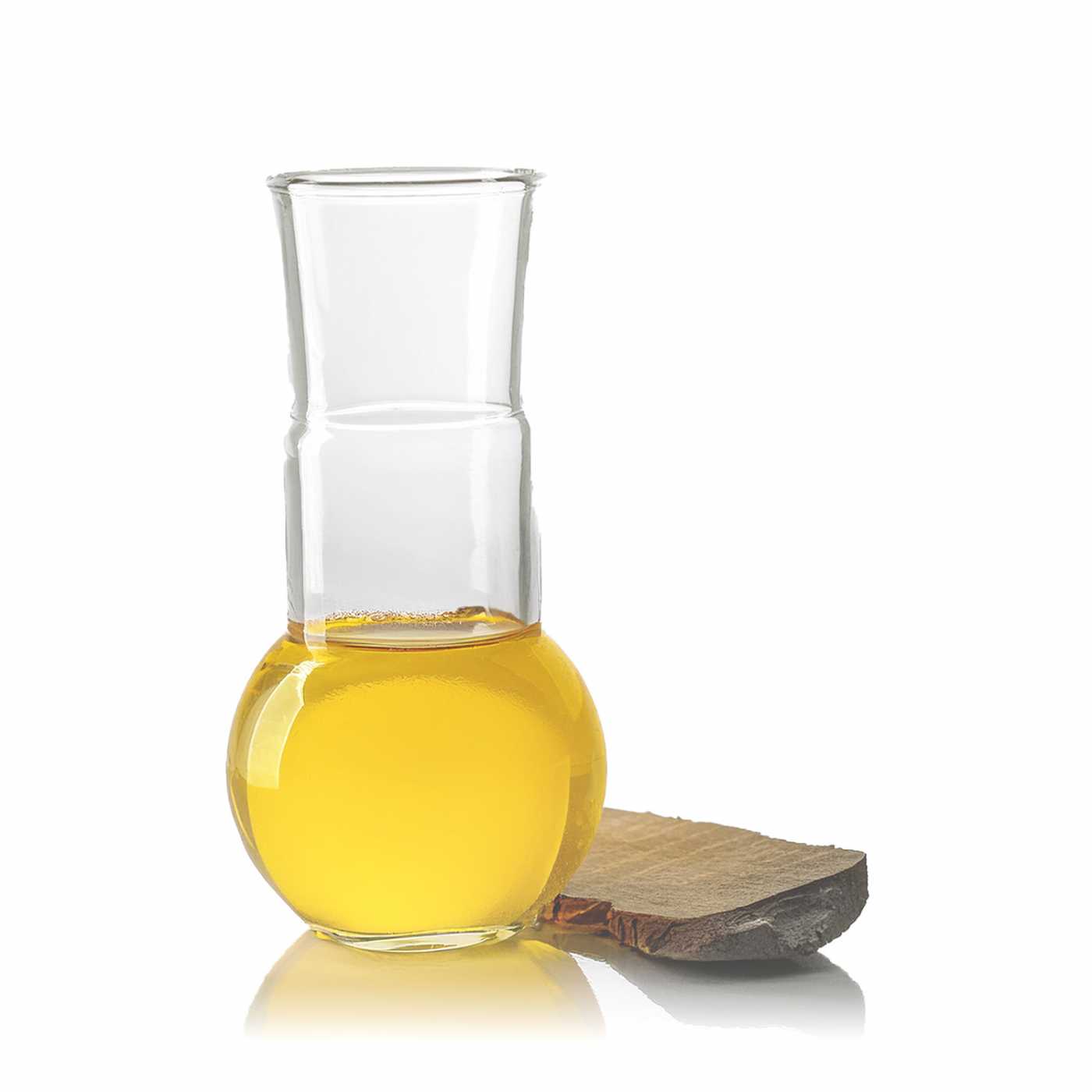
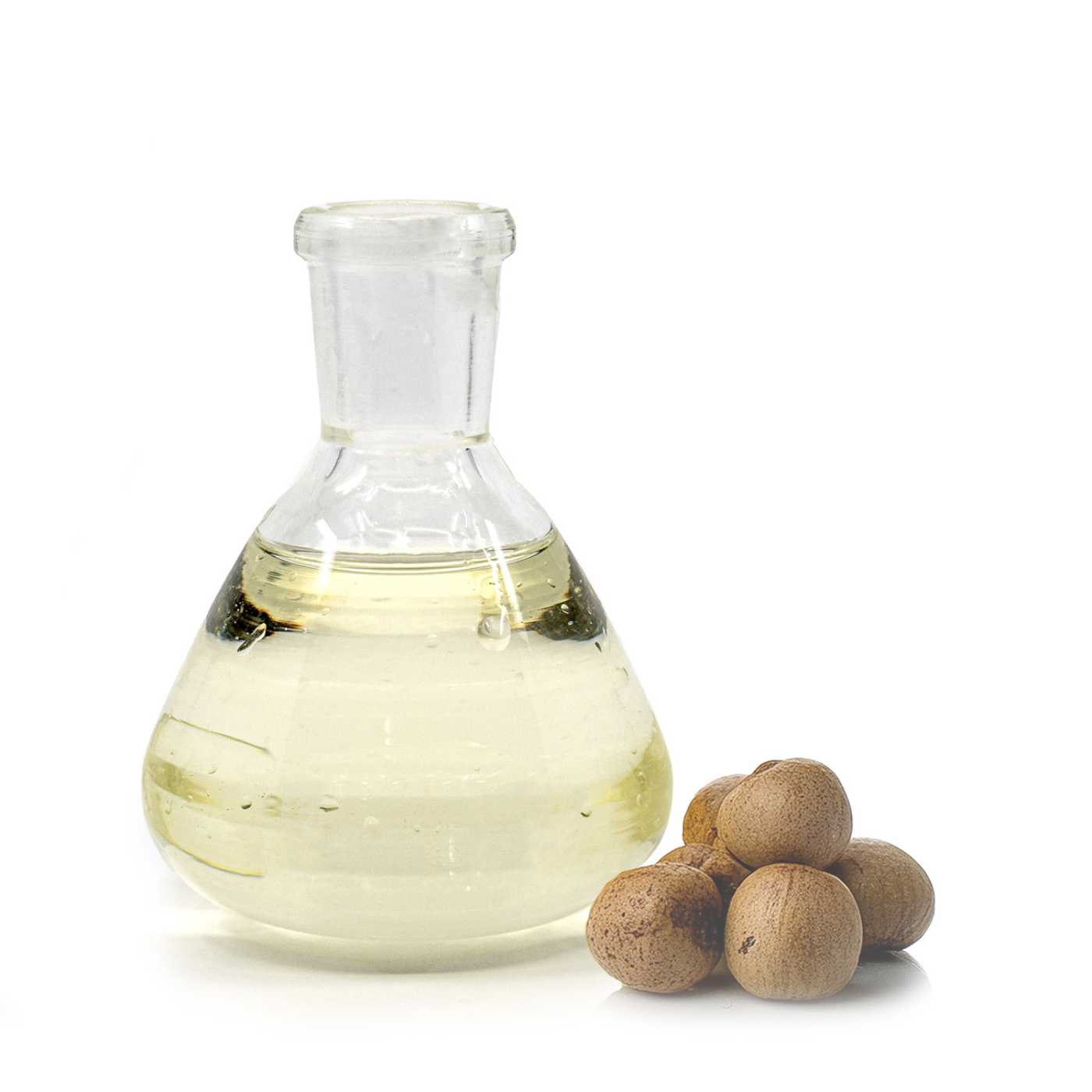
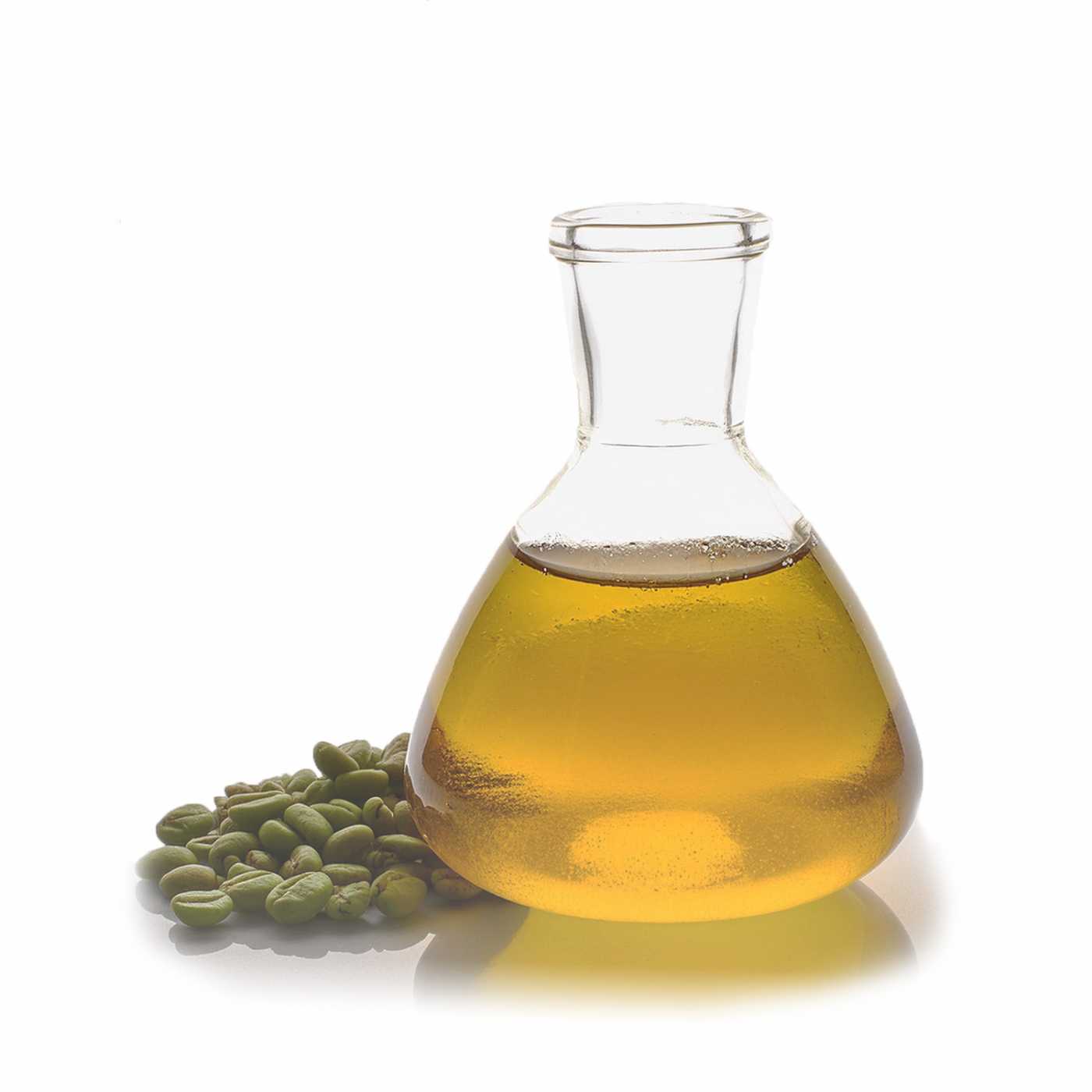
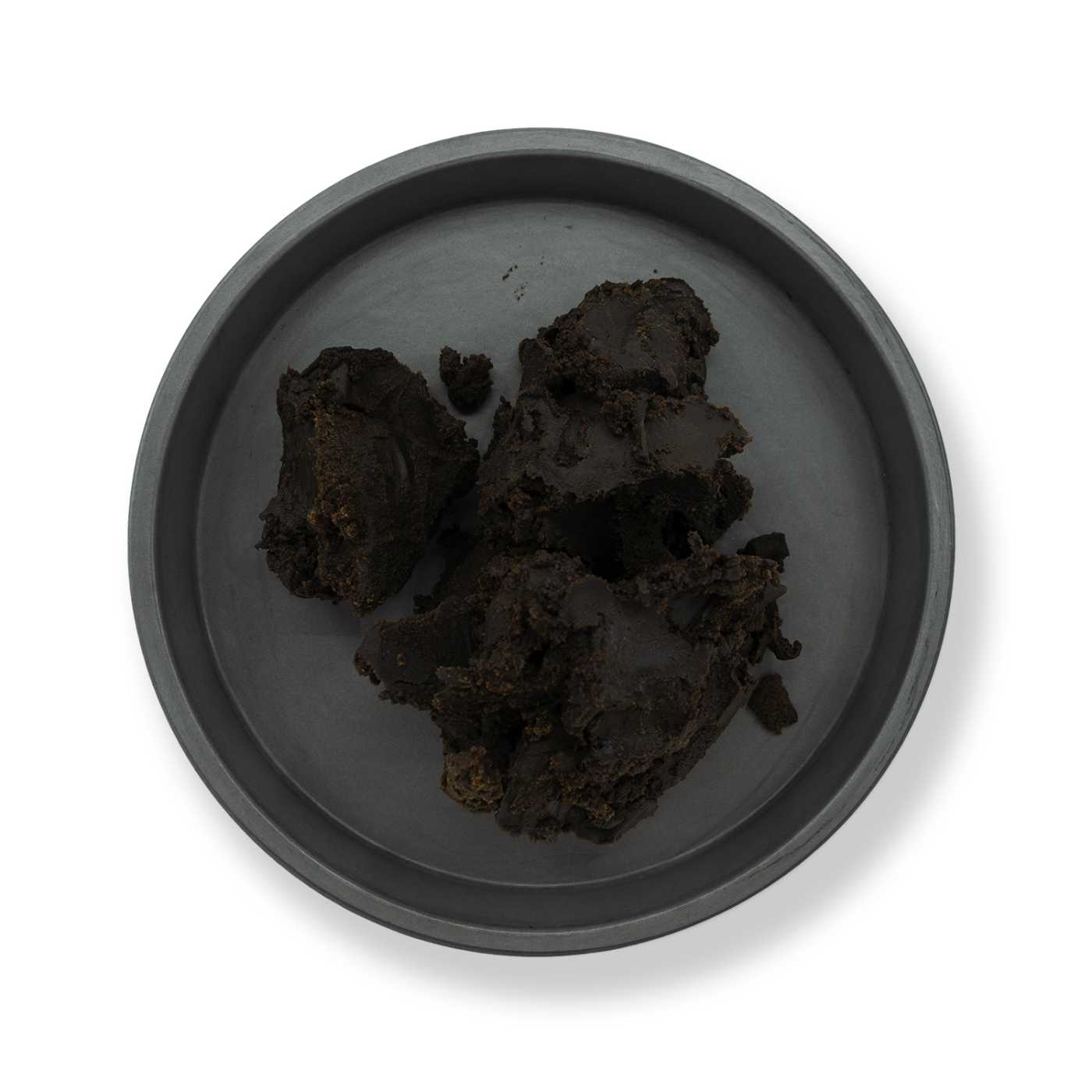
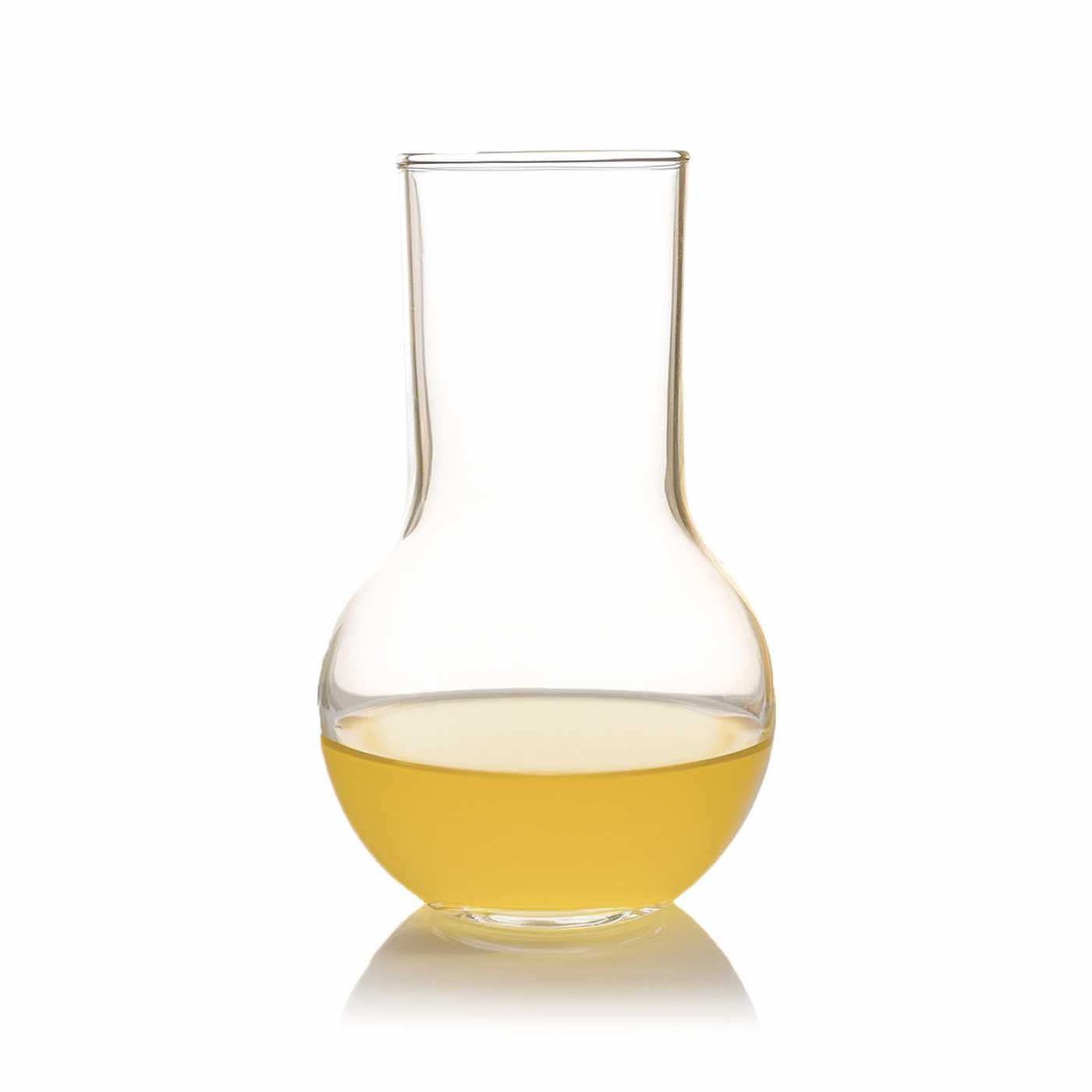
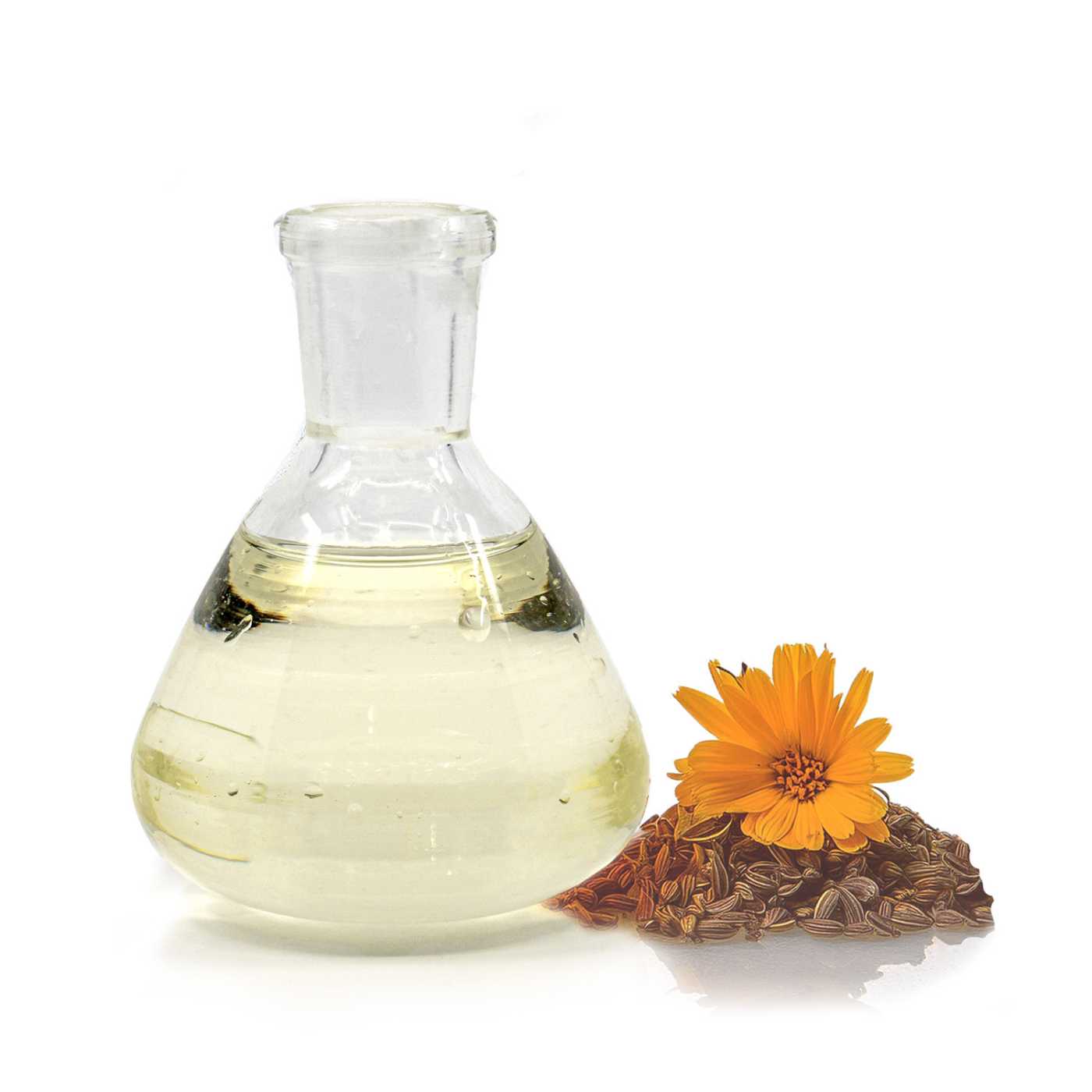
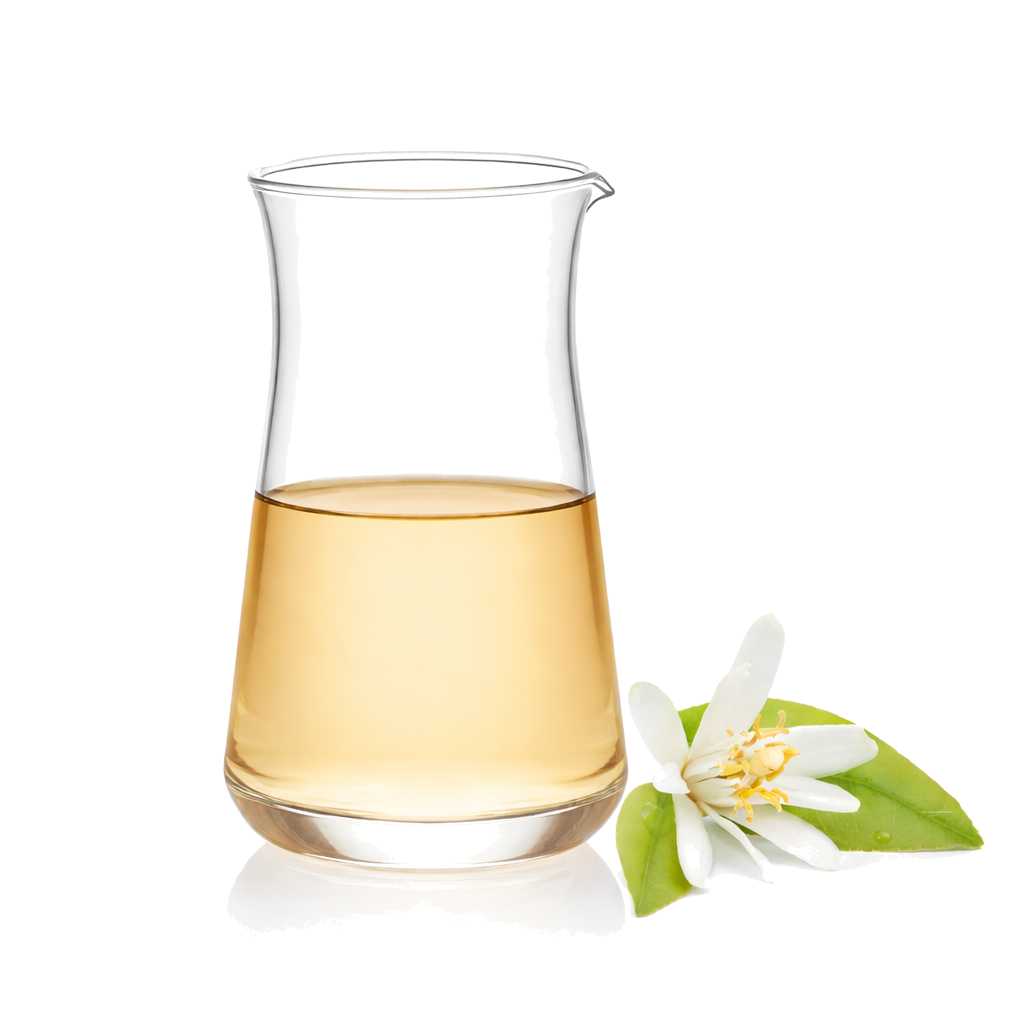
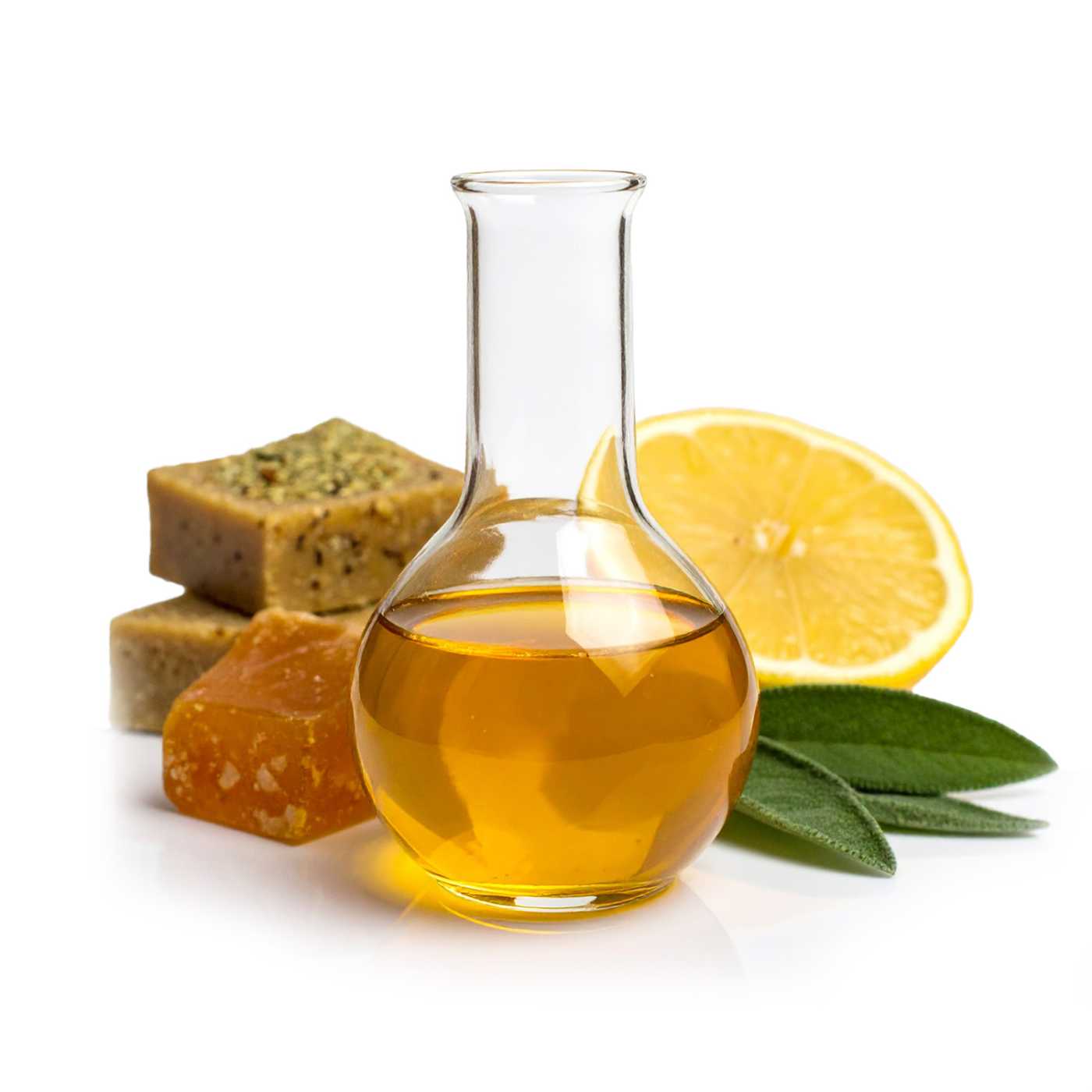
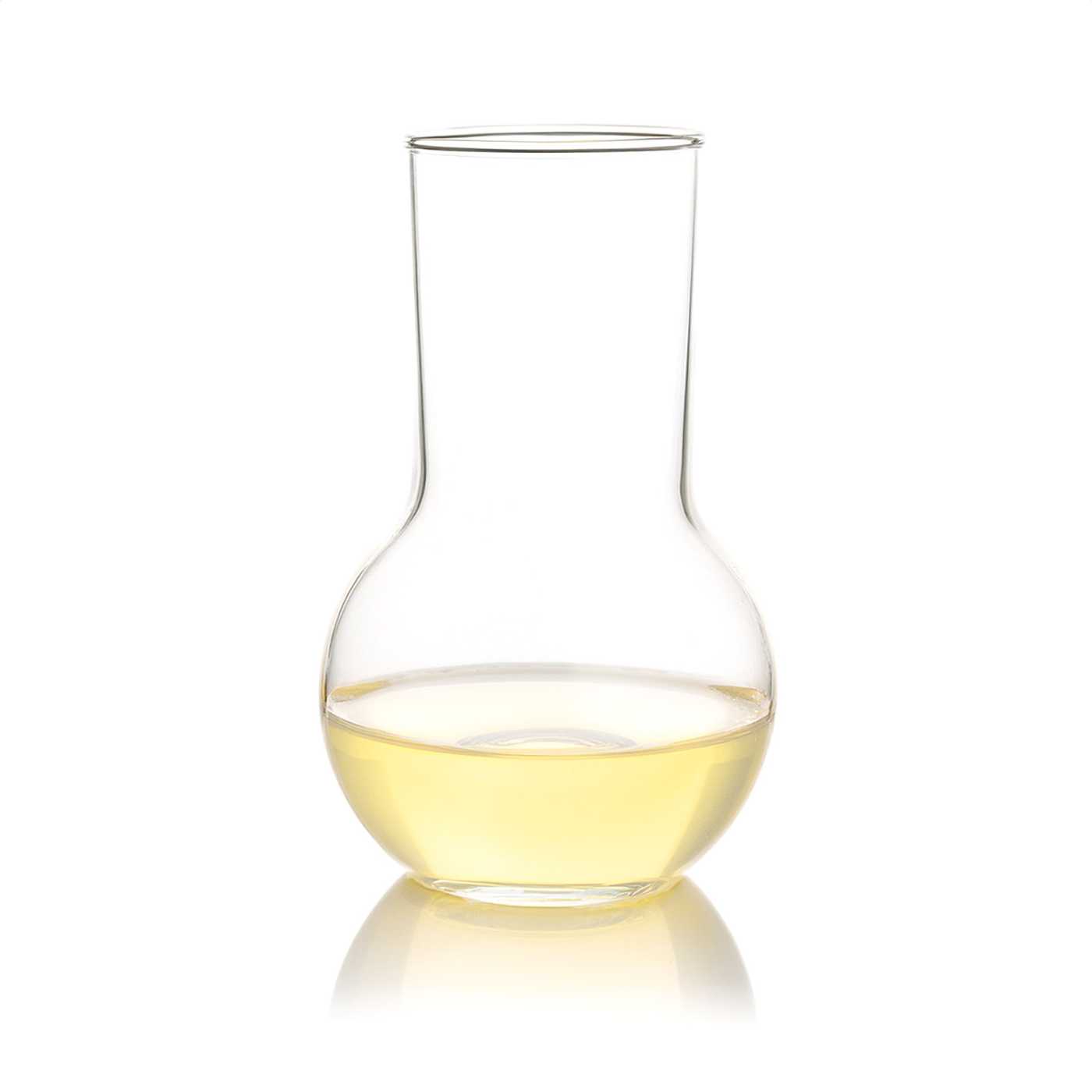
The fragrance is characteristic, sweet and woody with a balsamic undertone. The oil is yellow to gold in colour and has a viscous consistency, which you need to allow for when measuring it by the drop.
What it brings to a formulation
- Woody fragrance component – a sweet, woody, balsamic character for perfumes, massage oils and soaps.
- Soothing effect on the skin – according to the manufacturer’s data, the oil has a soothing effect, which is used in body oils and creams for dry skin.
- Support for hydration – the manufacturer states that it supports skin hydration, so it suits formulations for dry and dehydrated skin. The final effect depends on the composition of the whole product.
- Warming effect – it leaves a gently warming feeling on the skin, which the manufacturer recommends using in massage oils and creams intended for relaxation.
- Antimicrobial effect – according to the manufacturer’s parameters, it has antimicrobial properties. In a finished product, however, it cannot be considered a substitute for a preservative system.
- Aromatherapy – the manufacturer states that the fragrance is both relaxing and invigorating, so it is used in diffusers and aromatherapy blends.
Use in a formulation
The oil is soluble in oils and in alcohol and does not dissolve in water. In anhydrous products (body oils, butters, balms) it is mixed directly into the oil phase. In emulsions it belongs in the cooling phase, that is, only after the emulsion has cooled below 40 °C. An essential oil is a mixture of volatile compounds, and a higher processing temperature would evaporate part of the fragrance. In water-based products such as toners or sprays it cannot be incorporated without a solubiliser and would form an oil film on the surface.
Its compatibility with alcohol allows its use in perfumes, colognes and alcohol-based fragrance blends, where amyris works as a woody component of the composition.
The exact recommended usage rate is not available. Essential oils are added to cosmetics in low concentrations, and the upper limit depends on the product category according to IFRA. This differs for a rinse-off product, a body cream, a face product or a perfume. Check the limit for your specific category before finalising the formulation.
For more accurate measuring, weigh the oil instead of counting drops. With a viscous consistency the drops are larger and slower, so their number does not match the usual conversions for essential oils.
Suitable for products such as
- Massage and body oils – a warming and soothing effect together with a woody fragrance, incorporated directly into the oil base.
- Body butters, creams and lotions – as a fragrance component for dry skin, added in the cooling phase.
- Face oils and creams for dry skin – at a low usage rate corresponding to face products according to IFRA.
- Hair oils and conditioners – mainly for the fragrance; the manufacturer states that the oil is not normally used for direct effects on the hair.
- Soaps – as a fragrance component with a woody character.
- Perfumes and alcohol-based compositions – a woody component that is combined with other woody and resinous oils.
- Diffusers and aromatherapy – on its own or in blends for relaxation.
Good to know
The fragrance of amyris is reminiscent of sandalwood but is not identical to it. If you are replacing sandalwood oil in an existing formulation, test a small sample first and adjust the proportions of the other components of the composition if necessary.
The oil is intended for rinse-off and leave-on products and for application to the face, body, hair and scalp. The yellow to gold colour may affect the shade of light-coloured products at a higher usage rate, so check this on a sample.
The oil is readily biodegradable according to OECD 301, free from parabens and free from ingredients of animal origin. According to the documentation, it is not classified as carcinogenic, mutagenic or toxic for reproduction.
The substance is classified under Regulation (EC) No 1272/2008 (CLP) and contains hazardous substances. Detailed information on composition, classification and safe handling is given in the safety data sheet.
Frequently asked questions
Is amyris sandalwood essential oil soluble in water?
No, amyris essential oil does not dissolve in water; it dissolves in oils and in alcohol. In water-based products such as toners, hydrosols or sprays it is added only with a solubiliser, otherwise it separates and forms a film on the surface. In anhydrous oil-based products and in alcohol-based compositions it is mixed in directly.
What is the difference between amyris essential oil and sandalwood?
Amyris essential oil comes from the tree Amyris balsamifera, not from the sandalwood tree. Its fragrance is sweet, woody and balsamic, and its character is reminiscent of sandalwood, so it is used as a woody alternative to it. The composition and fragrance of the two oils are not identical, and when substituting in a formulation we recommend testing on a small sample.
When is amyris essential oil added to a cream?
In emulsions, amyris essential oil is added in the cooling phase, when the emulsion is below 40 °C. At a higher temperature, part of the volatile components of the fragrance would evaporate. In anhydrous products it is mixed directly into the oil phase at room temperature or after the phase has cooled.
Is amyris essential oil suitable for dry skin?
Yes, according to its parameters, amyris essential oil is intended for dry skin. The manufacturer states a soothing and warming effect and support for hydration, so it is used in body oils, butters and creams for dry and dehydrated skin. The final effect of the product depends on the whole composition and on the usage rate within the IFRA limits for the given category.
How much amyris essential oil is added to cosmetics?
The exact recommended usage rate of amyris essential oil is not available. Essential oils are used in low concentrations, and the maximum amount depends on the product category according to IFRA, which differs for rinse-off products, body creams, face products and perfumes. For accuracy, we recommend weighing the oil, because the viscous consistency distorts conversions based on drops.
Can amyris essential oil be used in soap and in a diffuser?
Yes, amyris essential oil is intended for use in soaps as well as in diffusers and aromatherapy. In soap it serves as a woody fragrance component, and in a diffuser it is used on its own or in a blend with other woody or resinous oils. We recommend checking its specific behaviour in a soap formulation on a test batch.