Fucocert, Biosaccharide Gum-1, 30 ml
Pre-order€3.66(€122.00/l)

Herbal and spicy aromas 1 l
Pack size10 ml100 ml500 ml1 l5 l
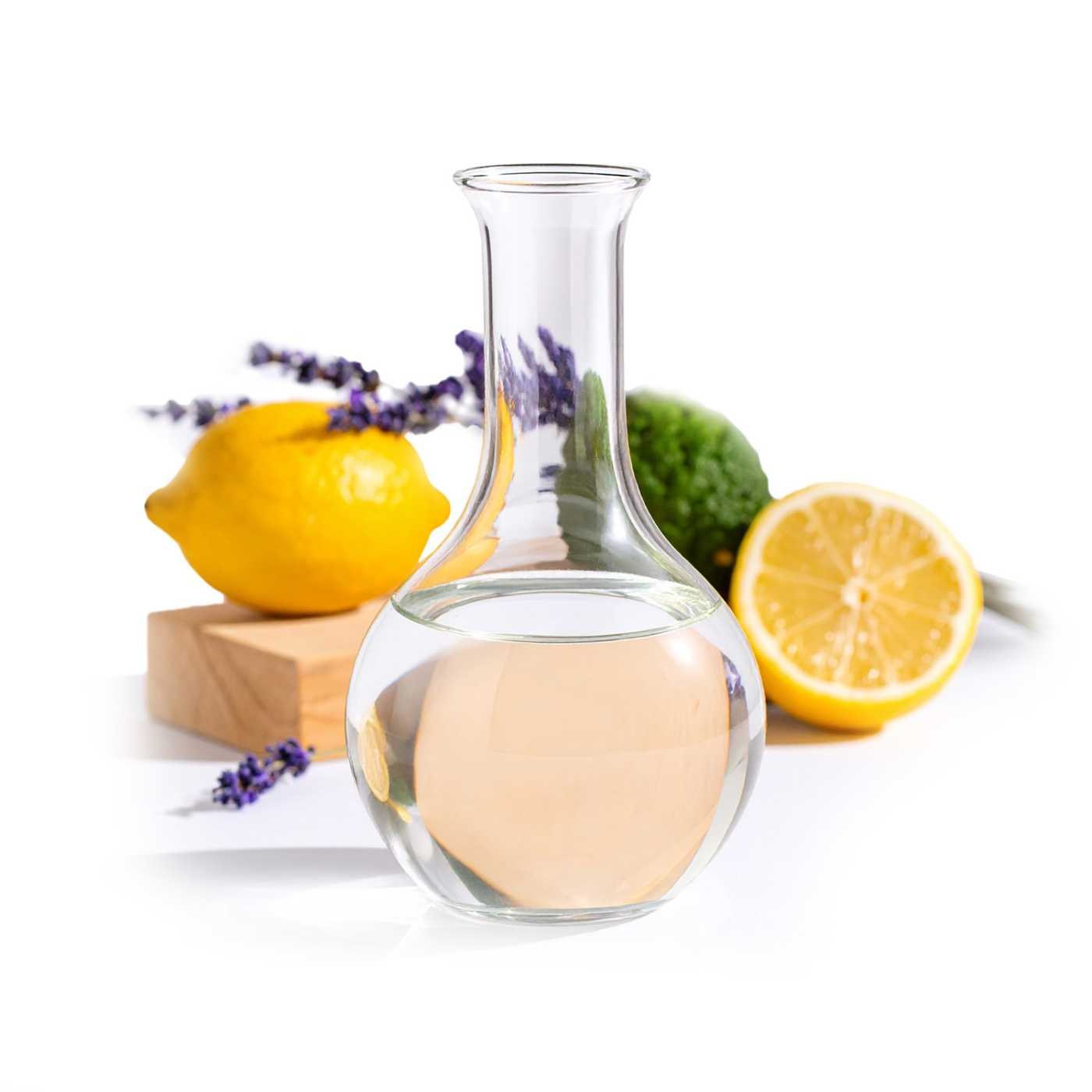
The Pán Božský fragrance oil is a fragrance composition for home and craft cosmetics that gives the product its scent and changes nothing else in it. full description
Lowest price in the last 30 days: €431.99
The Pán Božský fragrance oil is a fragrance composition for home and craft cosmetics that gives the product its scent and changes nothing else in it. It is suitable for soaps, body care products, alcohol-based and oil-based perfumes, and emulsions, to which it is added in the cooling phase. The composition is oil-soluble and alcohol-soluble and does not dissolve in water, which determines the phase and the types of products it belongs in.
The fragrance oil is incorporated by simple stirring. In emulsions, it is added in the cooling phase, that is, after the water phase and the oil phase have been combined, into the cooling emulsion. In anhydrous products, it is added at the end, into the melted and slightly cooled oil or wax phase. In alcohol-based perfumes, the composition is diluted directly in the alcohol.
In water-based products without surfactants, such as toners or refreshing sprays, the fragrance oil does not dissolve on its own. It needs a solubiliser, with which it is first mixed and only then added to the water phase. We recommend testing the ratio of solubiliser to fragrance oil on a small sample.
Cold process soap: in a practical test by a soap maker, the fragrance oil behaved without any problems. After the fragrance was added, the mixture did not thicken and trace did not accelerate, so there was enough time left for colouring, layering and patterns. The mixture did not discolour either. The fragrance is added in the standard way, into the soap mixture before pouring into the mould, without needing to work faster than usual.
In cold process soap, the Pán Božský fragrance did not accelerate trace or discolour the mixture in a practical test. It is also suitable for soaps with more complex patterns that need a longer working time.
There is no single universal usage rate. The manufacturer does not state a recommended range, and the highest permitted amount in the finished product is determined by the IFRA limit for the given product category. The limit differs depending on whether it is a lip product (category 1), a perfume (category 4), a body cream (category 5A), a solid soap or shower gel (category 9), or a candle (category 12). You will find the specific values for all categories in the IFRA certificate in the Product documentation section.
The percentage refers to the total weight of the finished product. We recommend fine-tuning the fragrance intensity within the limit on a small test batch.
Before production, check the IFRA limit for your product category. Separate limits also apply to lip products, deodorants and products for the eye area.
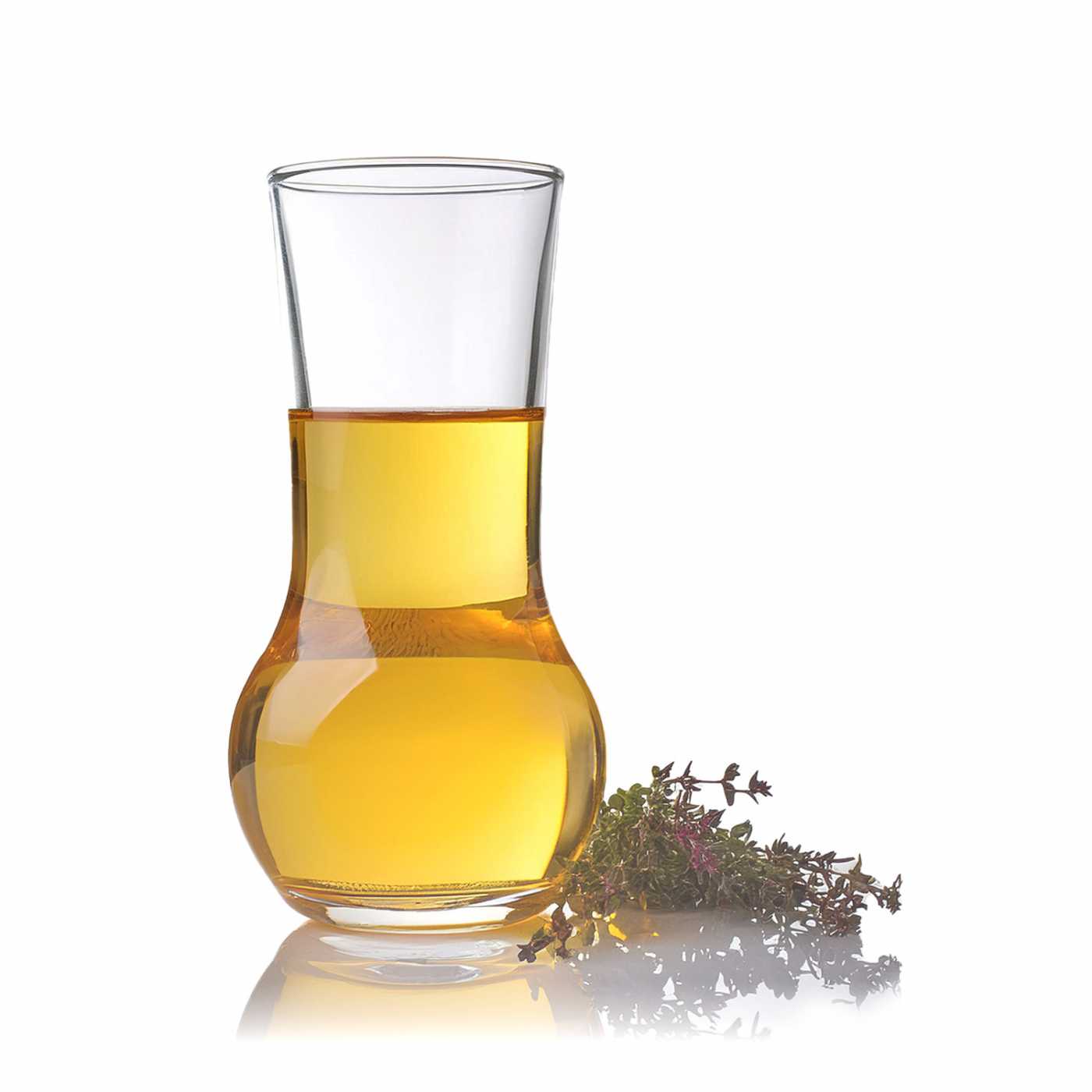
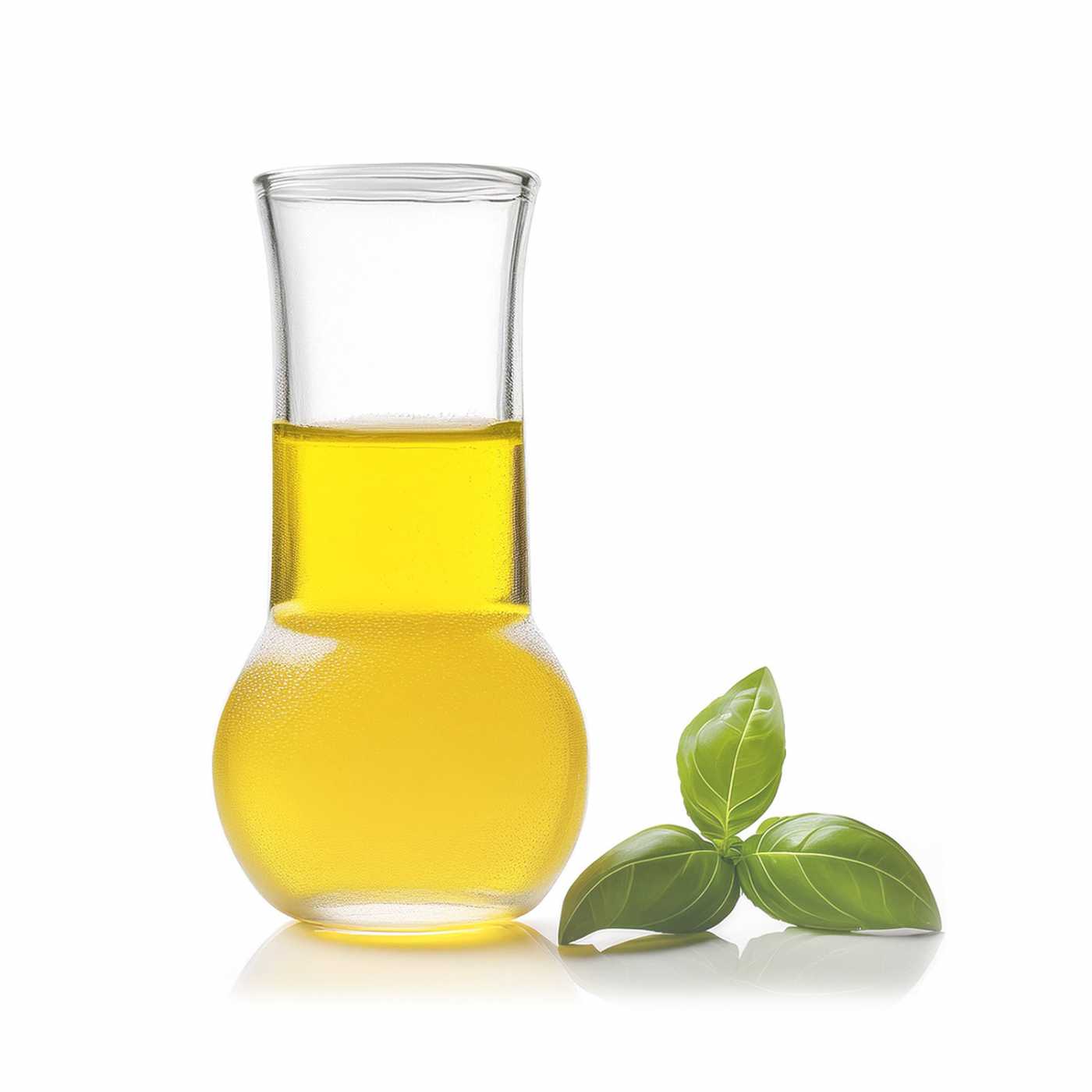
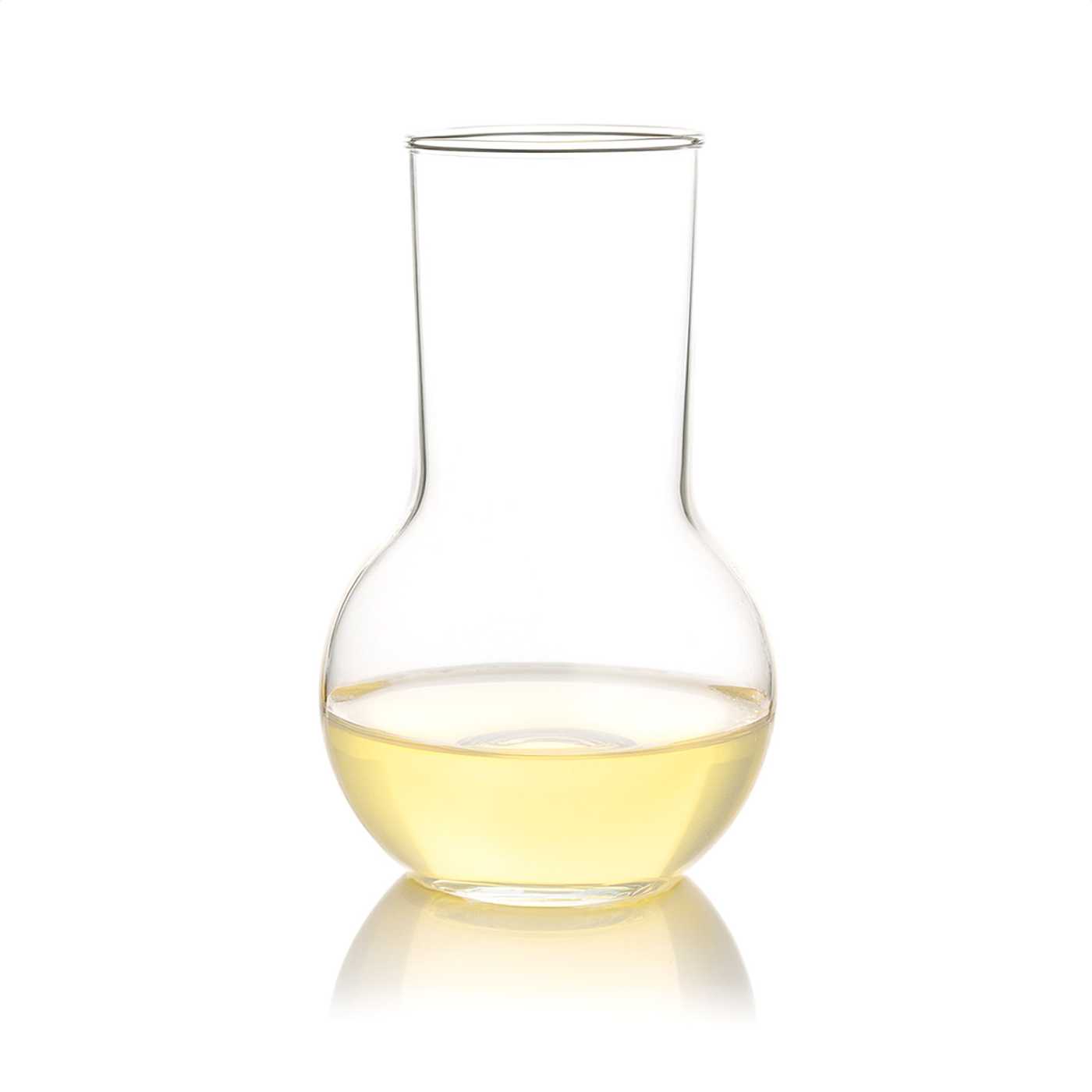
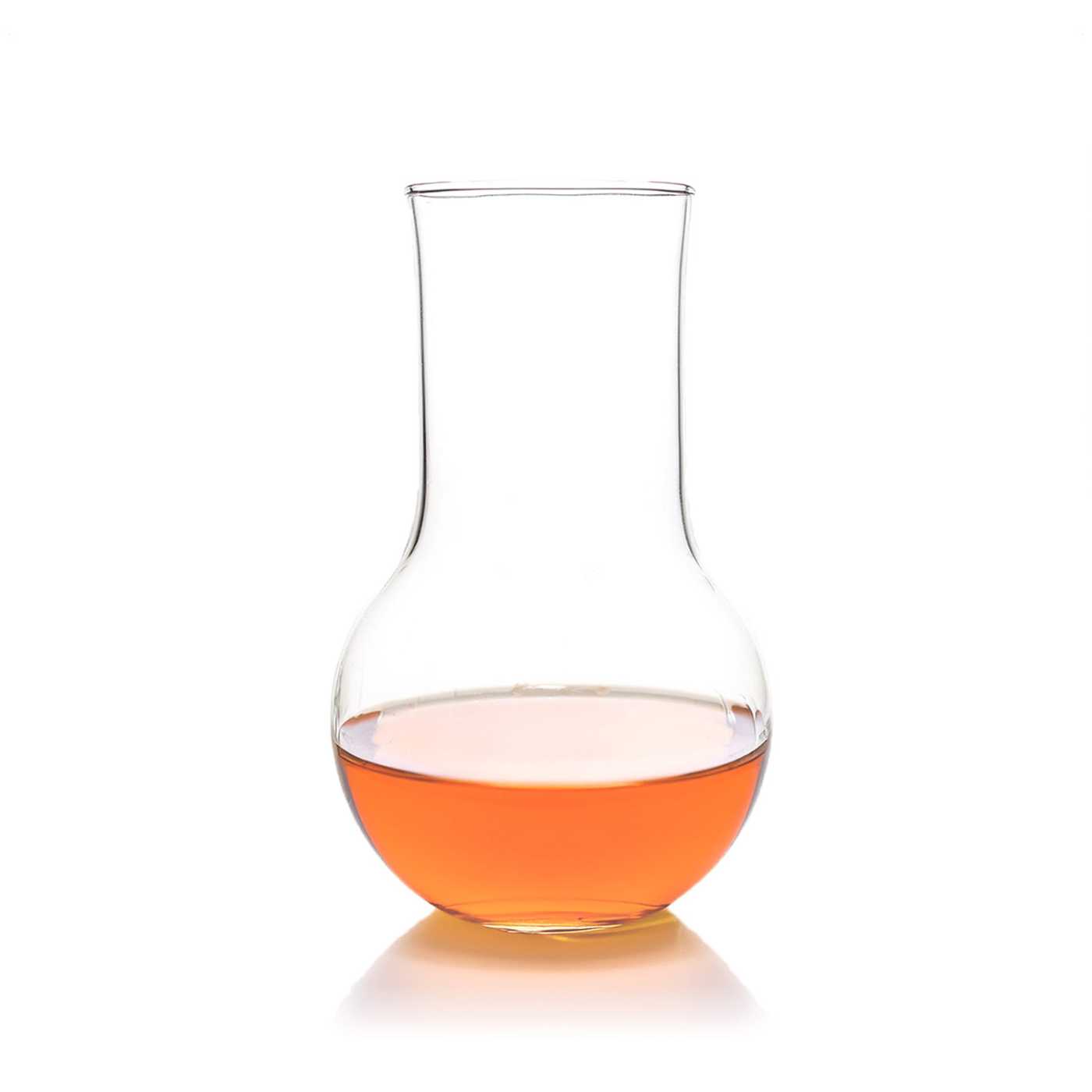
The composition has a yellow colour. In a practical test in cold process soap, the mixture did not discolour. At a higher usage rate in purely white products, we recommend making a sample, because the resulting colour depends on the amount of fragrance and on the base to which it is added.
The fragrance oil is subject to classification under the CLP Regulation and contains hazardous substances with the GHS07 (irritant, sensitisation) and GHS09 (hazardous to the aquatic environment) pictograms. Hexyl Salicylate and Lemon Oil are listed among the components. The safety data sheet contains details on the composition, classification and safe handling.
For candles, the IFRA certificate states the limit for category 12. We recommend always testing the behaviour in the wax, that is, the scent throw and the effect on burning, on a test candle.
Only customers with a delivered order can write reviews.