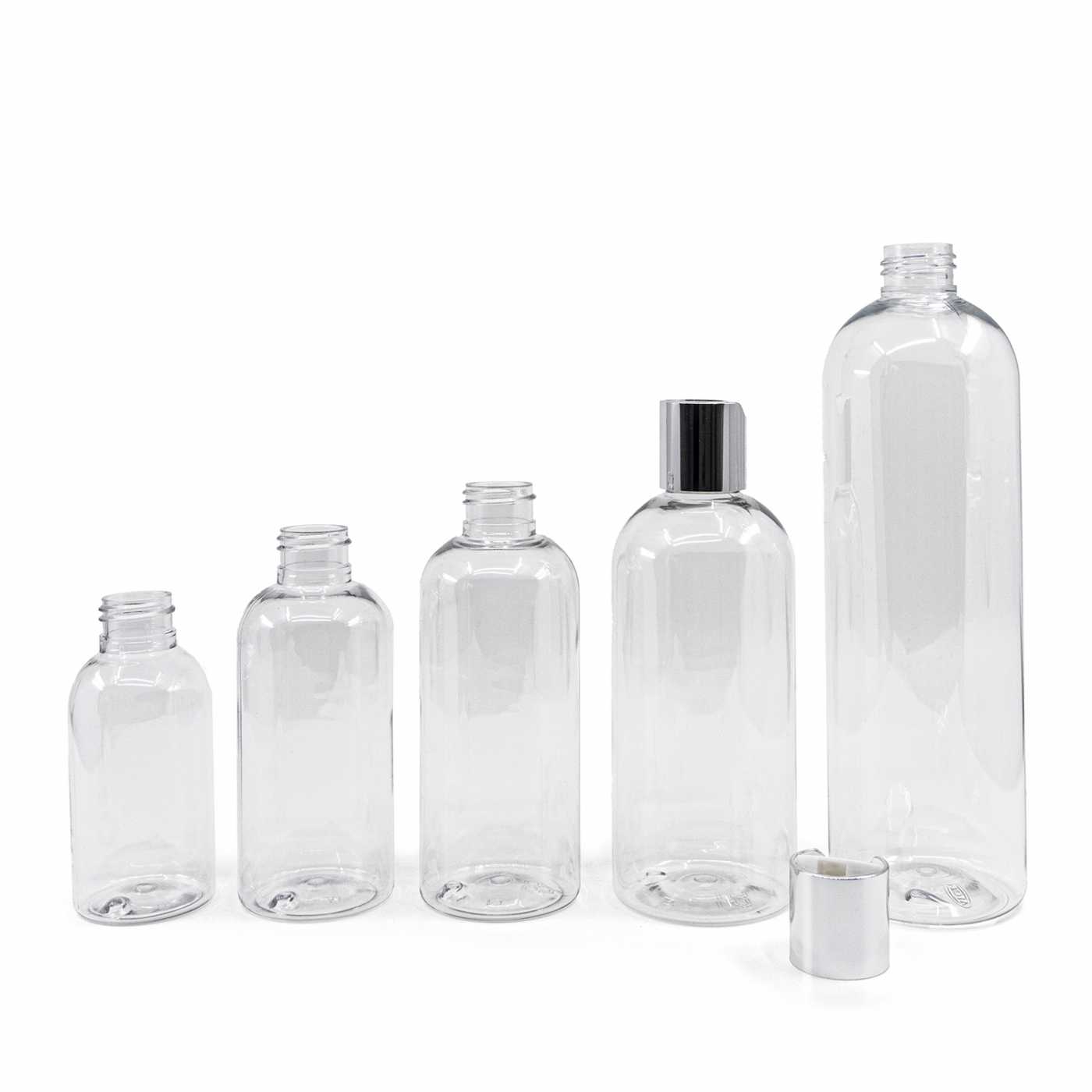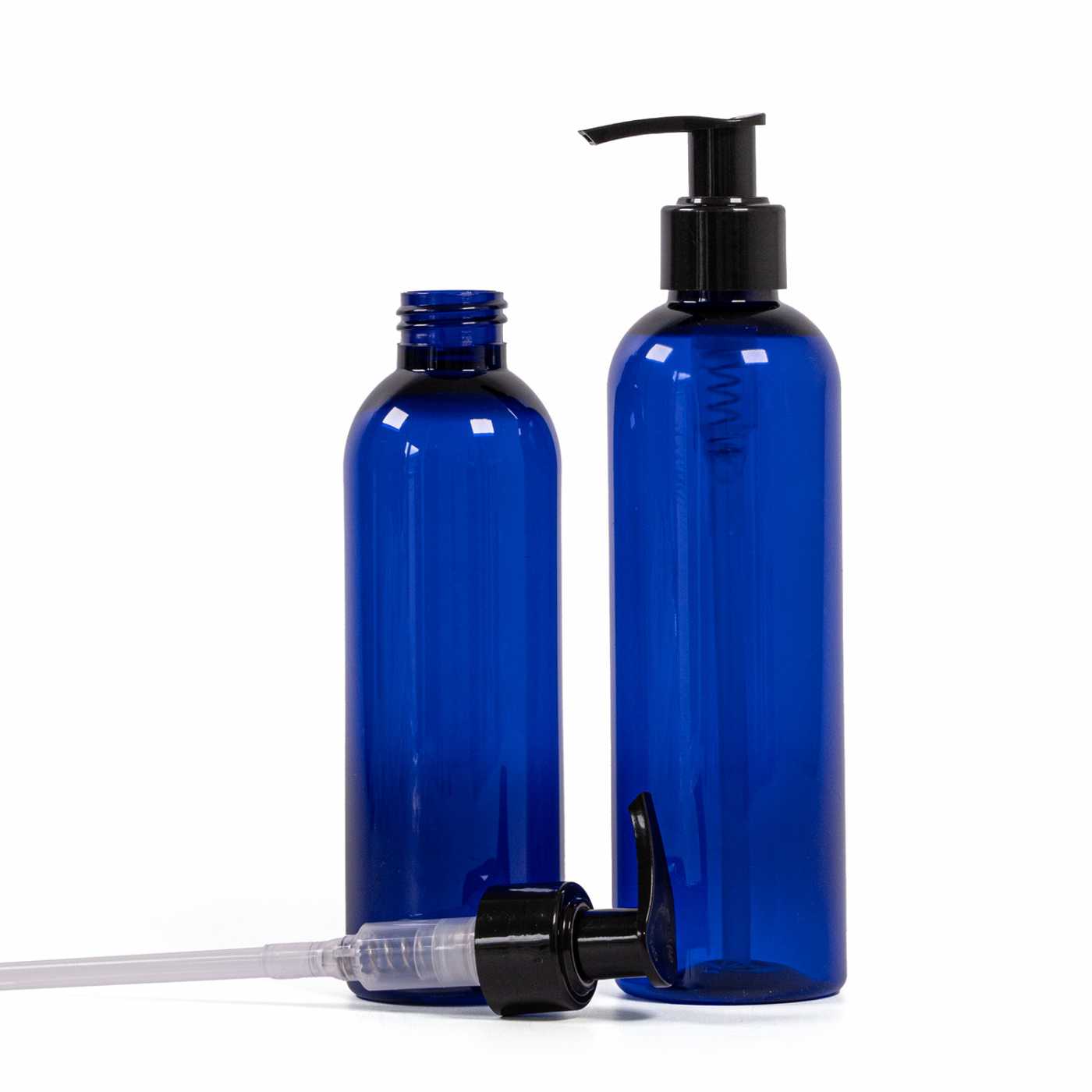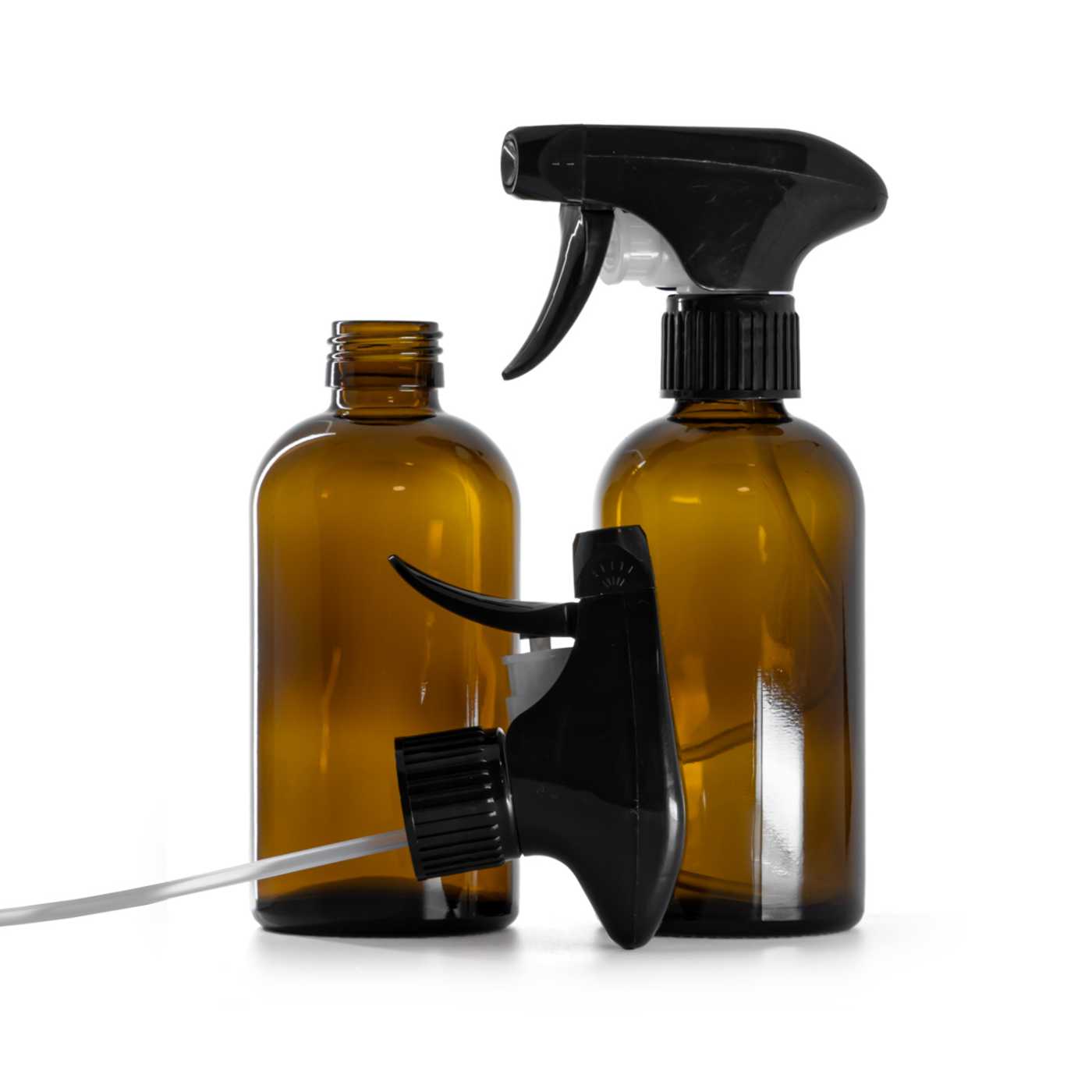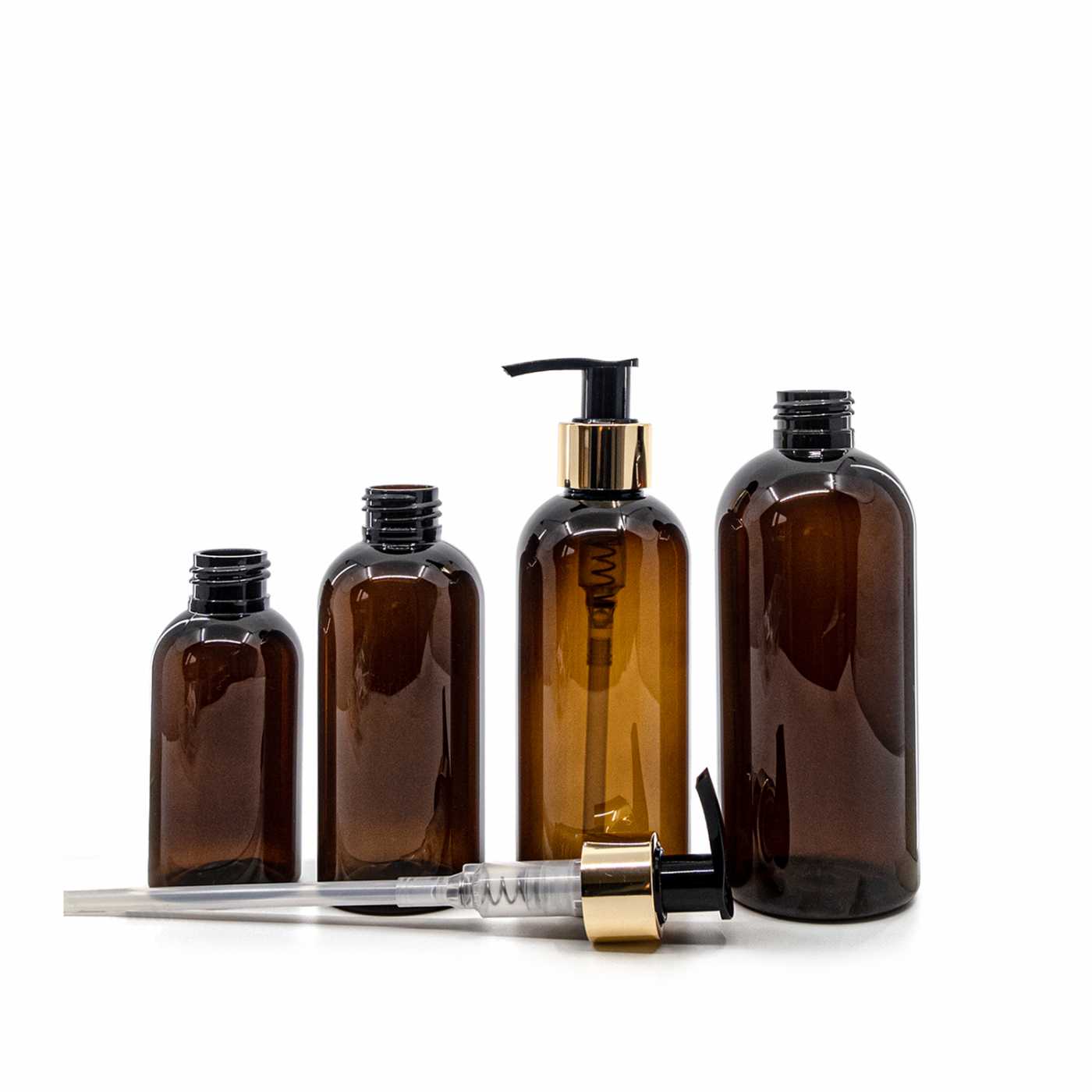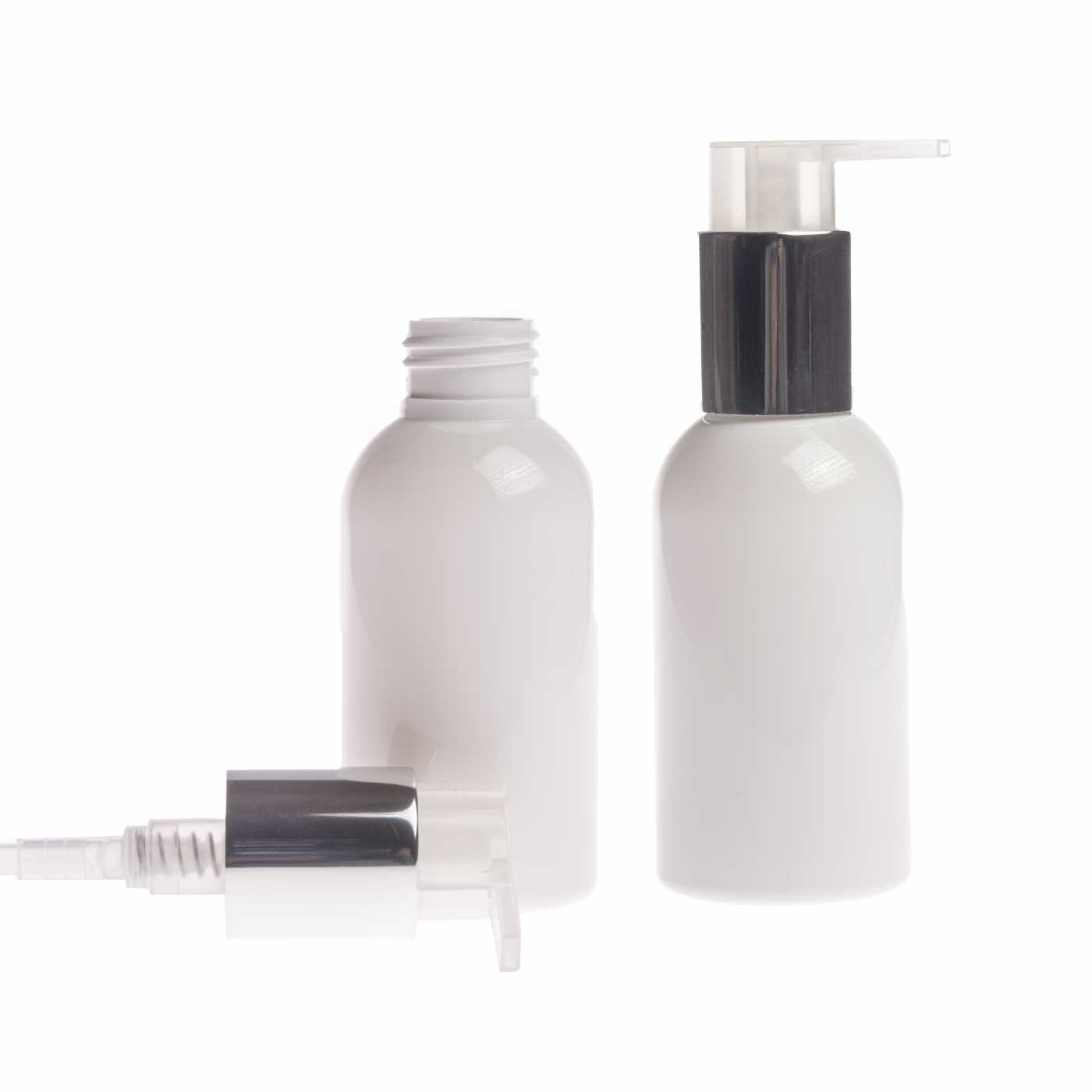
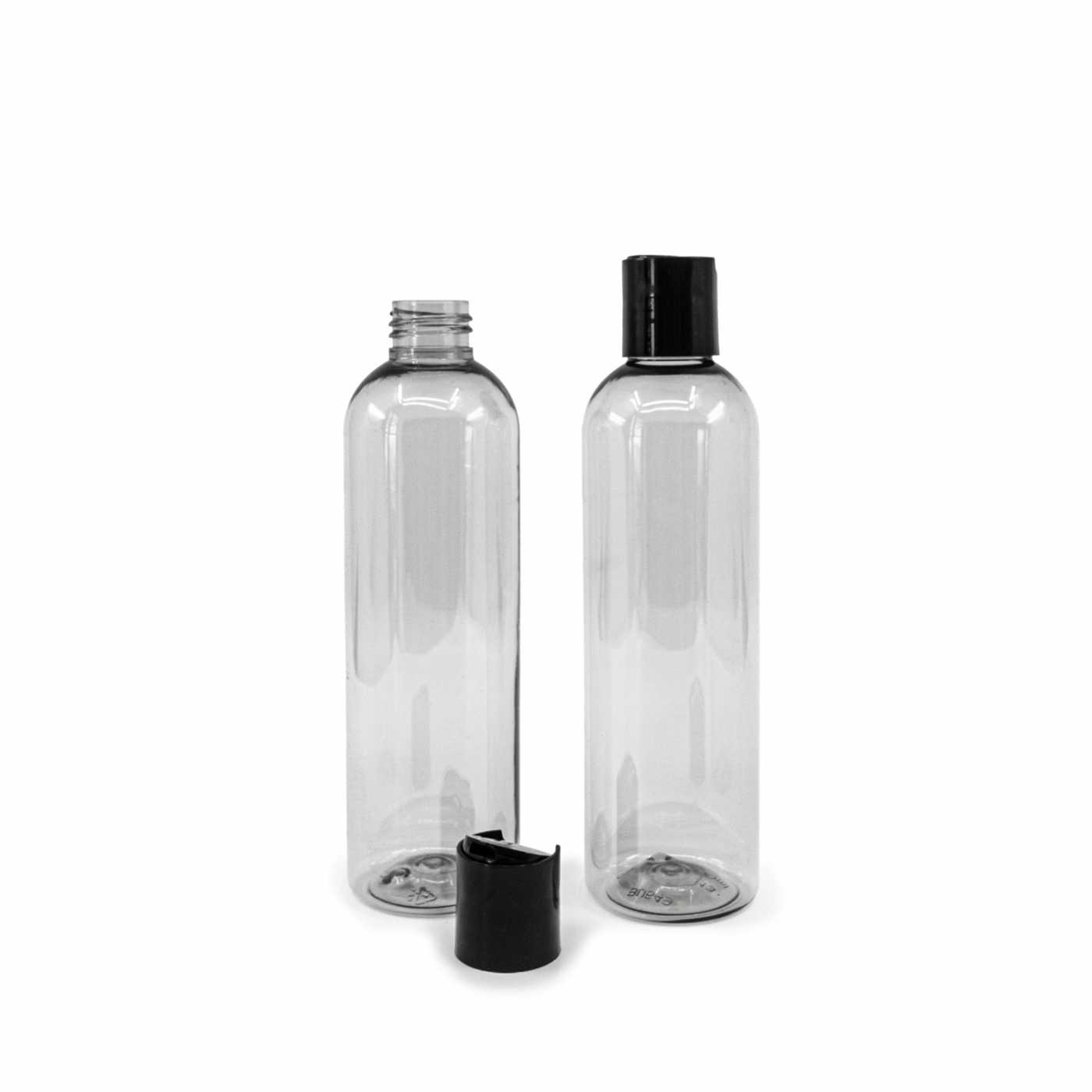
Recycled Plastic Bottle, Black Disc Top, 250 ml
Pre-order€1.12

HUMECTANTS
Pack size100 ml500 ml1 l5 l10 l20 l
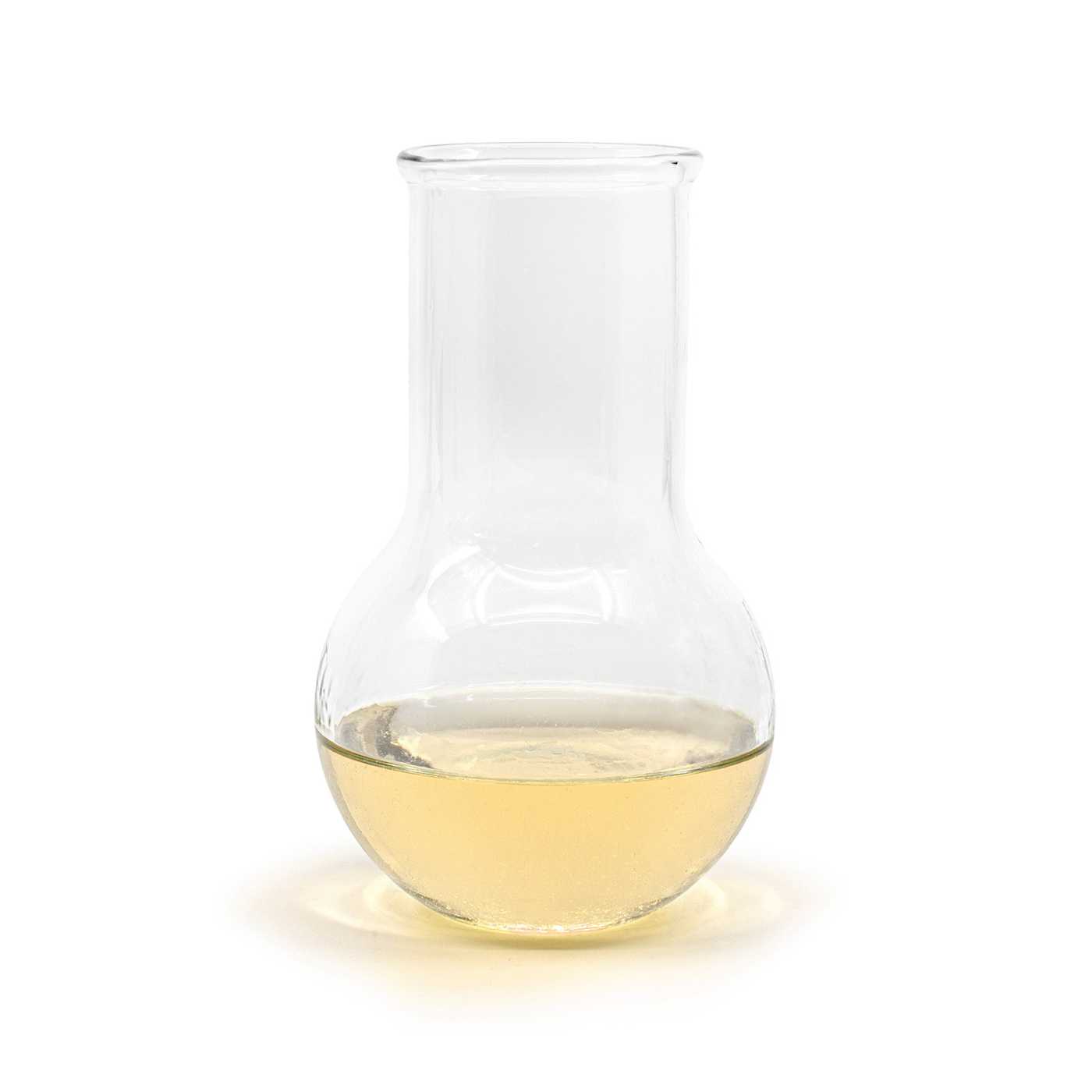
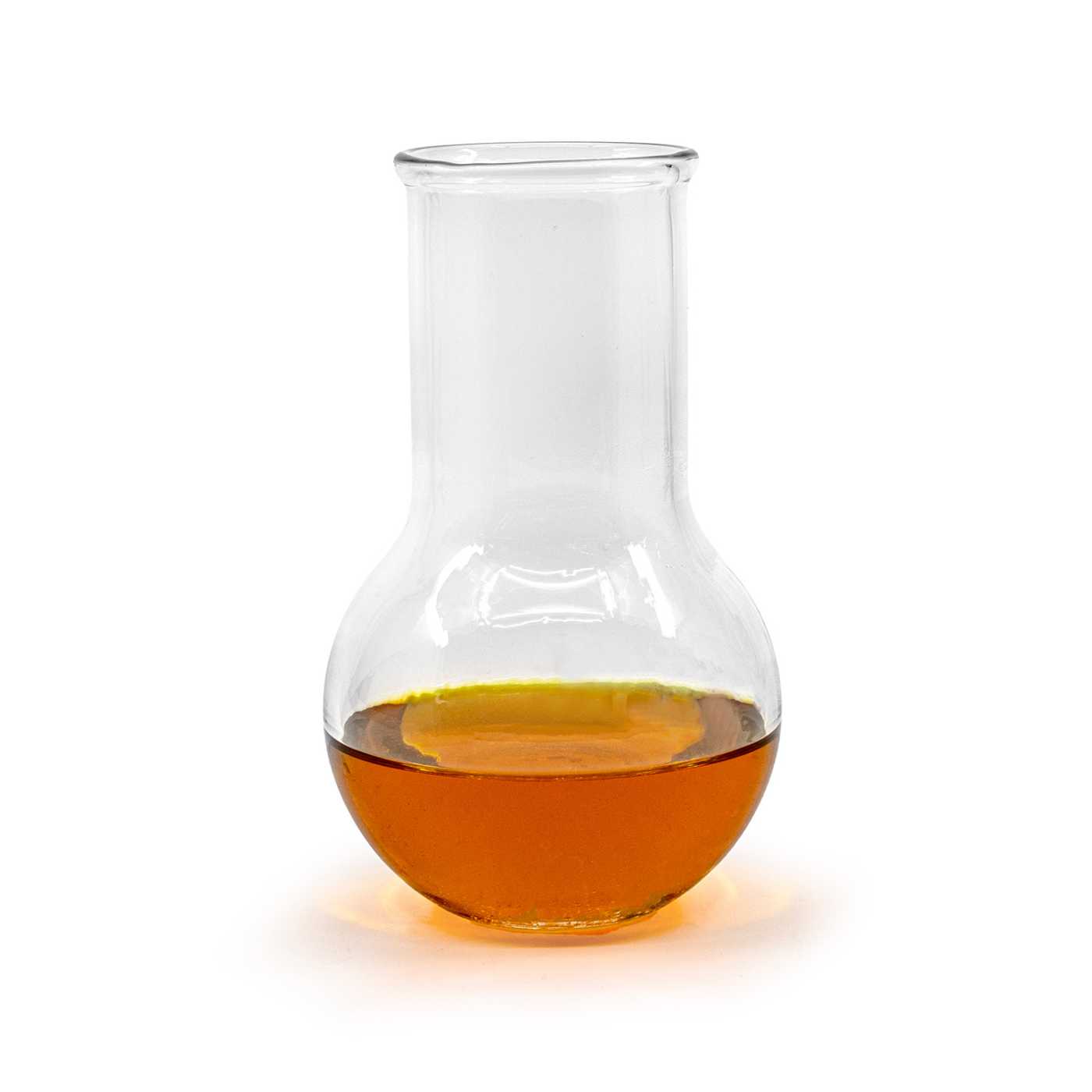
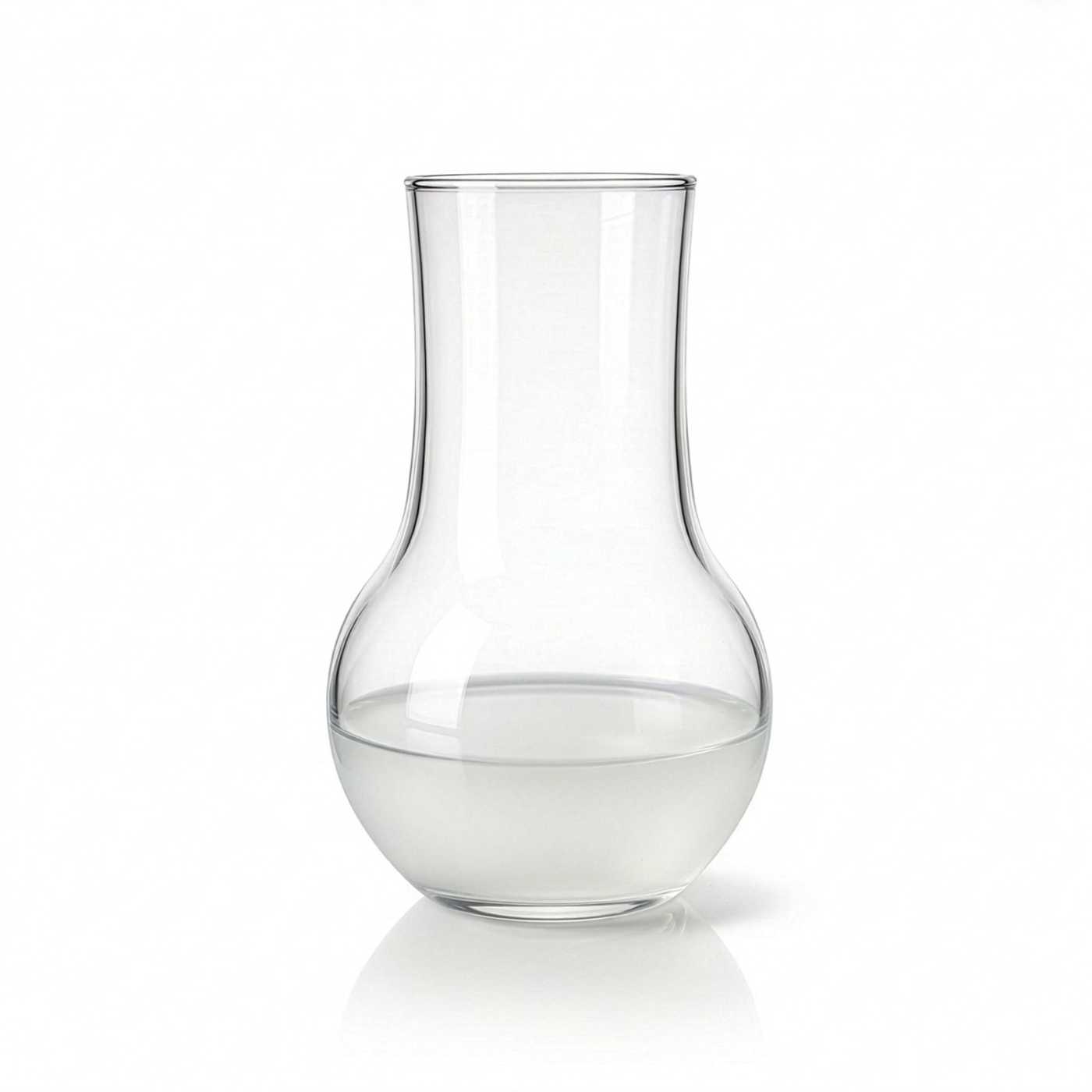
Vegetable glycerine 99.5% USP/BP is a humectant and solvent for the water phase that helps skin and hair bind and retain water. full description
Lowest price in the last 30 days: €6.29
Vegetable glycerine 99.5% USP/BP is a humectant and solvent for the water phase that helps skin and hair bind and retain water. It is produced in Europe from rapeseed and sunflower oil of European origin, without palm or palm kernel oil. A purity of at least 99.5% meets the EP and USP pharmacopoeias and the FCC food codex, so the same raw material suits face and body cosmetics, lip products and oral care products, and in food it is known as the additive E422.
It is used in rinse-off and leave-on products, from creams and toners to shampoos, soaps and bath bombs, and it tolerates both acidic and alkaline formulations.
Glycerine belongs in the water phase. In emulsions it is weighed into the water or hydrosol before emulsification, and in cold processing it is mixed into the water component. Heating up to 80 °C does not harm it, but a higher processing temperature is not recommended. The recommended usage rate is 1–10%, and the formulator adjusts the exact amount to the product type and the desired texture.
Powder thickeners such as xanthan gum can first be stirred into a small amount of glycerine and only then poured into the water. This disperses the gum more evenly.
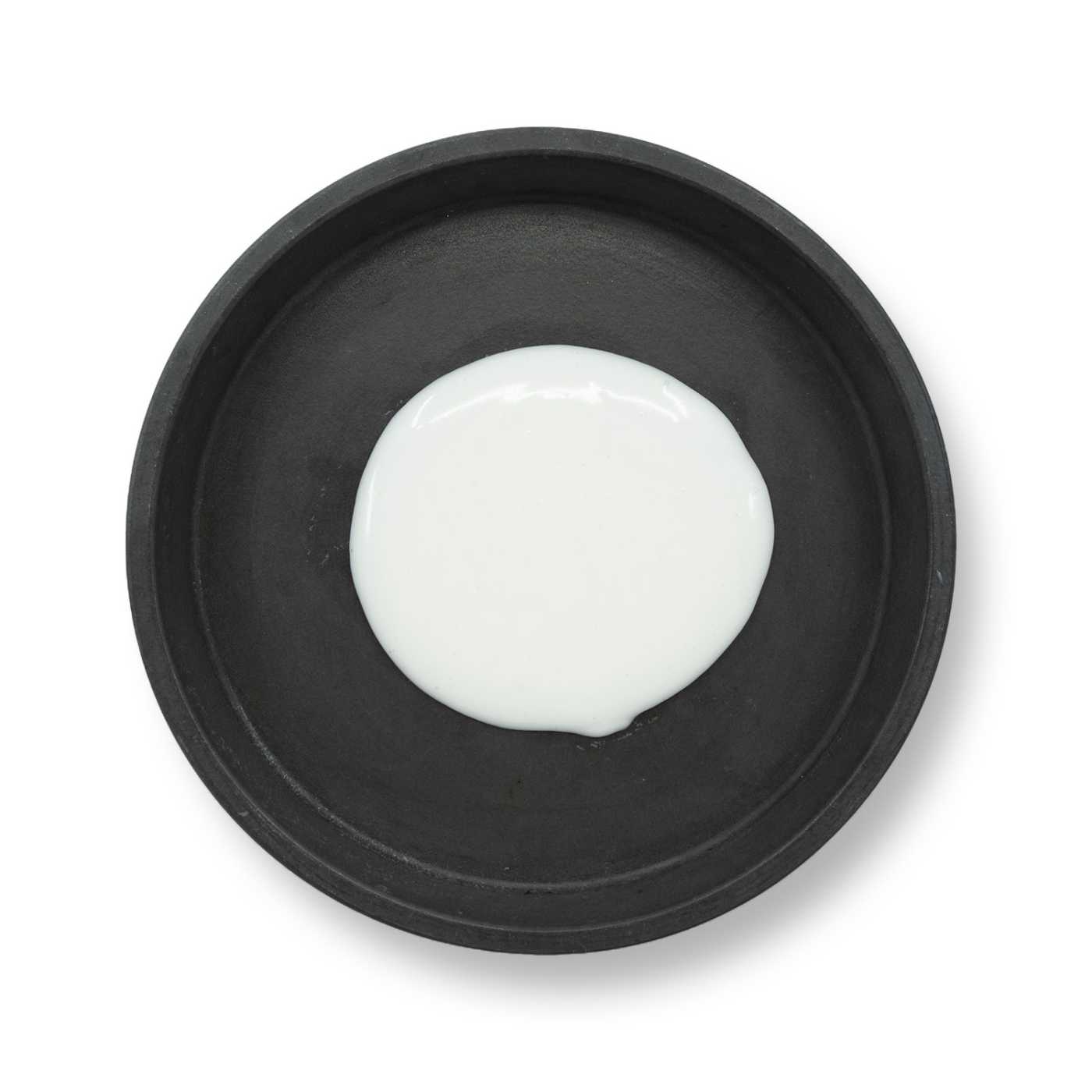
The raw material has a syrupy consistency, and its viscosity at 20 °C is approximately 1 410 mPa·s. A measuring cup dispenses it imprecisely and slowly, so we recommend weighing it directly into the container. Below approximately 18 °C it may thicken or even solidify, and it returns to a liquid state once warmed to room temperature.
It mixes with water and alcohol and dissolves in glycols, but it is insoluble in oil. For this reason it is not added to purely oil-based serums and massage oils, where it would separate from the oil phase. It is used routinely in anhydrous formulations with a solid or loose structure, such as bath bombs, salts and soaps.
The raw material contains at most 0.5% water. It is not a preservative, however, and formulations containing water or hydrosol need preservation regardless of the glycerine usage rate.
The pH of the raw material is 6.5–7, so it is almost neutral. We still recommend checking the pH and stability of the finished product. Glycerine is clear and odourless, and it does not change the appearance or scent of the product.
Glycerine is not classified as a hazardous substance under the CLP Regulation, and a safety data sheet is not required for it. However, the usual precautions against burns apply when working with a hot water phase.
The raw material meets the requirements of Regulation (EC) No 1223/2009 on cosmetic products, is registered under the REACH Regulation and contains no materials of animal origin.

Excellent quality, fast shipping, and outstanding customer service. The products are always carefully made, and whenever I have a question, the seller is very helpful and responsive. Highly recommended!
Translated automatically

Great quality
Translated automatically
I use it in creams, in masks and also a few drops in the water for washing parquet floors.
Translated automatically