+421 950 333 113info@handymade.storeHandymade Days: −10 % on all ready-made productsShop now

MICA POWDERS

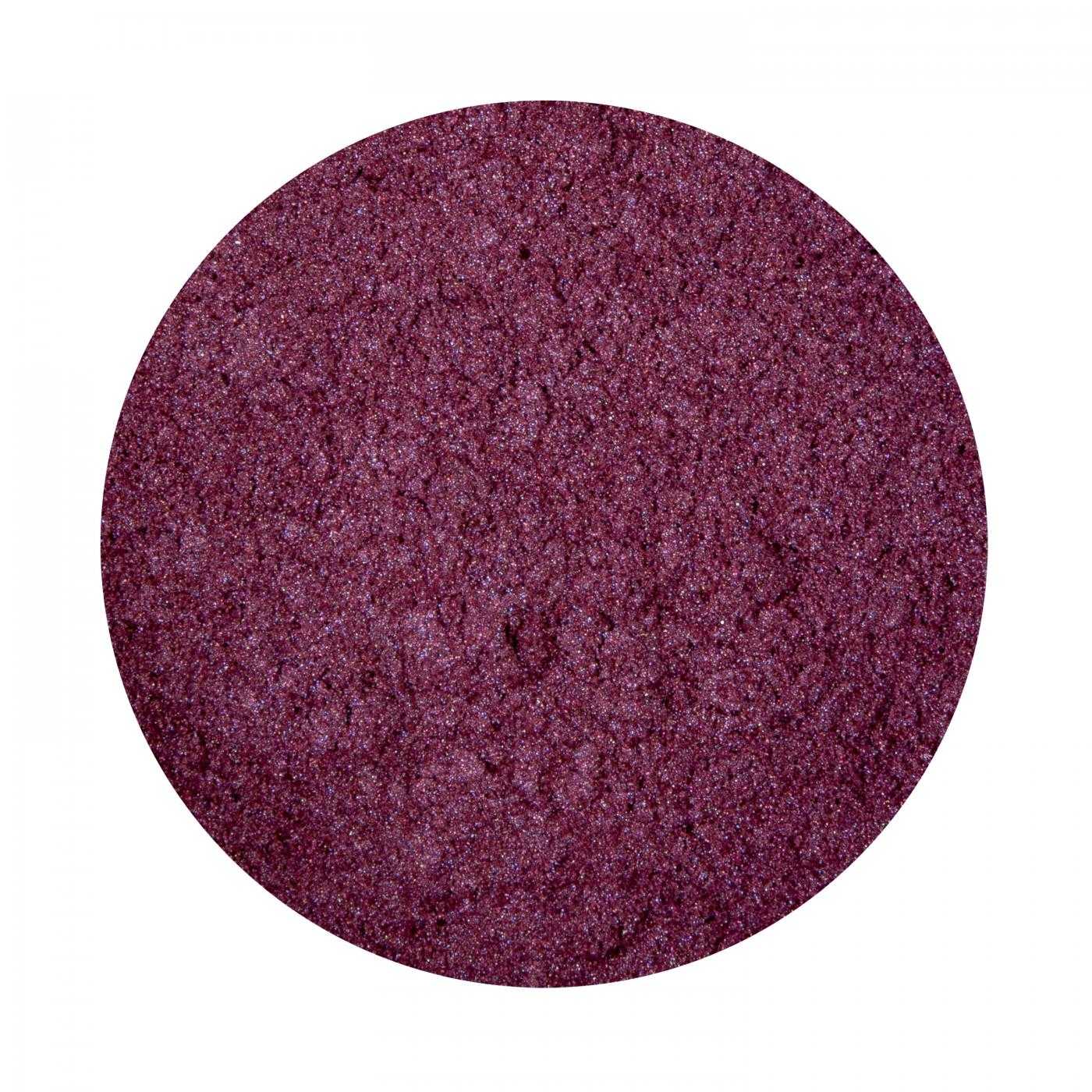
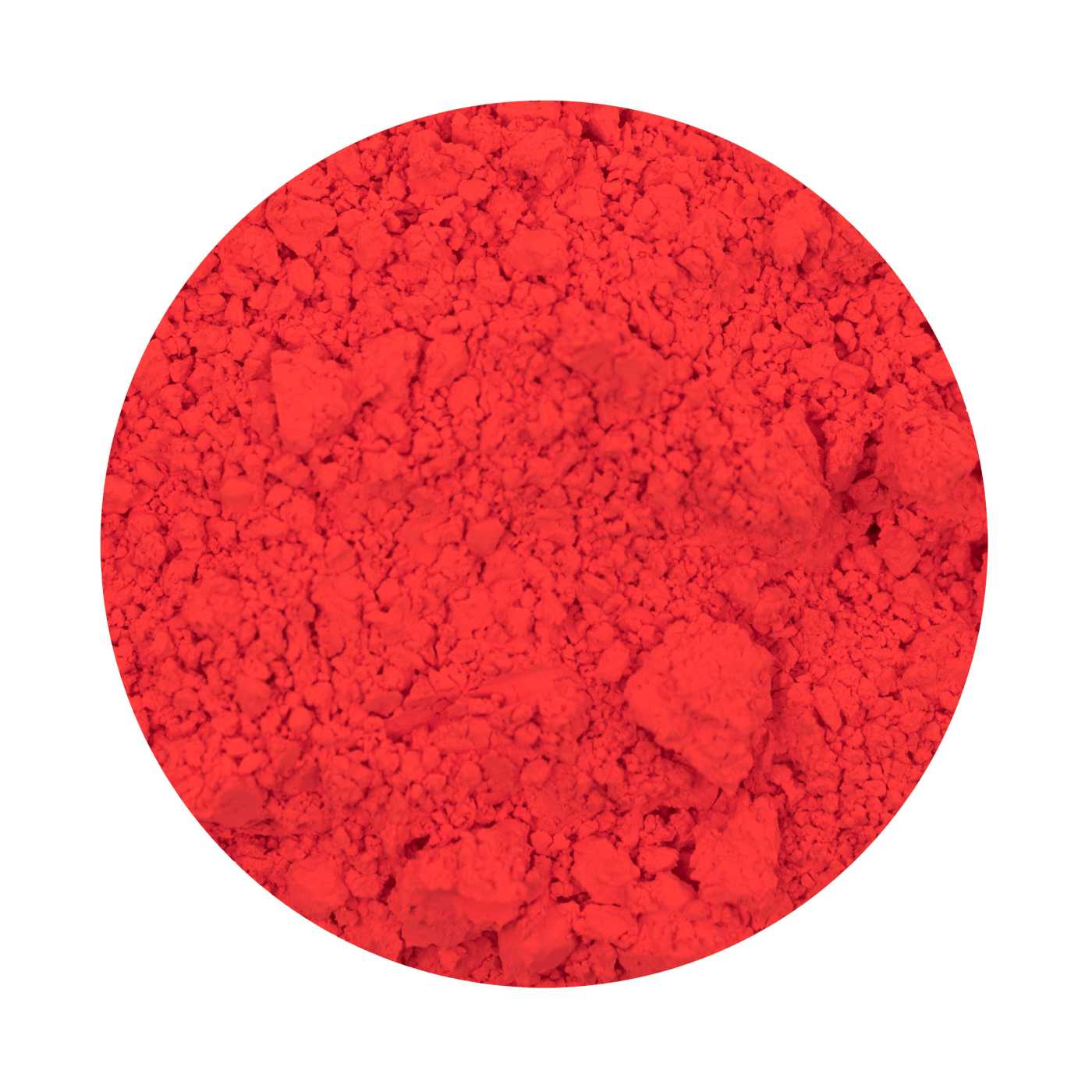
MICA Pigment Powder, Grape, 500 g

Pack size10 g50 g200 g500 g

Mica Grape is a purple pearlescent pigment of mineral origin. It gives products both colour and pearlescent shine at the same time. full description

AvailabilityPre-order
Product codeFM592_500
€69.99incl. VAT€139.98/kg

Lowest price in the last 30 days: €69.99

Pre-orderThis variant is currently out of stock — your order will be a pre-order and delivery may take longer.

Product description

Mica Grape is a purple pearlescent pigment of mineral origin. It gives products both colour and pearlescent shine at the same time. It is used mainly in decorative cosmetics, for example in eye shadows, highlighters and lip glosses, and it can also be used around the eyes and on the lips.

The pigment is based on mica flakes coated with titanium dioxide. The thin layer of oxide on the smooth surface of the mica reflects and refracts light, which creates the pearlescent shine. The pigment also contains black and red iron oxide and tin oxide.


What effect it creates

The particles have an average size of 10–60 µm. At this size the pigment creates a continuous pearlescent shine without coarse sparkles. The intensity of both the colour and the shine increases with the usage rate. At a low usage rate the product keeps a purple tint with a soft shine, while at a high usage rate the colour is rich and the shine pronounced.


Key properties

  • Colour and shine in one ingredient – a single pigment provides both the purple shade and the pearlescent effect.
  • Wide range of uses – rinse-off and leave-on products for the face, the eye area, lips, hair, scalp, body, hands, feet and nails.
  • Heat stability – the pigment is stable up to 800 °C and there is no limit on processing temperature.
  • Mineral composition – free from materials of animal origin, nanomaterials and microplastics.
  • Purity for cosmetic dyes – meets the purity criteria, including heavy metal limits, set out in Annex IV of Regulation (EC) No 1223/2009.

Use in formulations

The pigment does not dissolve in water and stays dispersed in the product as particles. The final colour depends on how evenly it is mixed in. It is added to the oil phase, during the cooling phase, or afterwards into the finished base.

The usage rate is 1–30%. The upper part of the range is for decorative cosmetics, such as eye shadows, where the pigment makes up a substantial part of the product. Lower rates are enough where the product only needs a tint and shine.

When pre-mixing with oil, take into account how much oil the pigment binds. Every 100 g of pigment binds 50–65 g of oil.

You can first mix the pigment with part of the oil from the recipe into a paste and only then add it to the rest of the product. This makes it easier to disperse evenly.

The recommended pH of the product is 6.0–9.0. The pigment is odourless.


Suitable for products such as

  • eye shadows, loose and pressed,
  • highlighters and blushes,
  • lip glosses, balms and lipsticks,
  • body butters, oils and creams with a pearlescent shine,
  • nail products,
  • hair and rinse-off products with a pearlescent effect.

Good to know

In thin water-based and liquid products, the pigment particles may sink to the bottom over time. We recommend testing the stability of the suspension on a sample before you make a larger quantity.

Cold process soap has a higher pH than the range recommended for this pigment. We recommend testing the stability of the shade in soap first on a small batch.

When working with pigment powder, do not inhale the dust. Use a dust mask and eye protection, and wash your hands before and after work.


Frequently asked questions

Is mica Grape soluble in water?
No, mica Grape is insoluble in water. It stays dispersed in the product as fine particles that reflect light and create the pearlescent shine. It is added to the oil phase, during the cooling phase, or into the finished base. In thin water-based products, we recommend testing whether the pigment settles over time.
How much mica Grape pigment should I add to cosmetics?
The recommended usage rate of mica Grape pigment is 1–30%. The upper part of the range is used in decorative cosmetics, for example in eye shadows, where the pigment makes up a large part of the product. For a purple tint and shine in a body butter, balm or cream, rates near the lower end are enough. It is best to fine-tune the colour intensity on a small sample.
Is mica Grape suitable for eye shadows and lips?
Yes, mica Grape is suitable for products intended for the eye area and for the lips. It meets the requirements for cosmetic dyes under Annex IV of Regulation (EC) No 1223/2009, including heavy metal limits. It contains no nanomaterials or ingredients of animal origin. It can be used in both rinse-off and leave-on products.
Can mica Grape be used in cold process soap?
We recommend testing mica Grape pigment on a small batch first before using it in cold process soap. The recommended pH of the product is 6.0–9.0, and cold process soap has a higher pH. The test will show whether the colour keeps its shade in your particular recipe even after the soap has cured.
Can mica Grape be added to a hot oil phase?
Yes, mica Grape is heat stable up to 800 °C and there is no limit on processing temperature. The pigment can be added to a hot oil phase and to melted waxes and butters when making balms, lipsticks or solid highlighters. It can equally be incorporated during the cooling phase or afterwards into the finished base.

Parameters

INCI
Mica, Titanium Dioxide, Iron Oxide Black, Iron Oxide Red, Tin Oxide
CAS No.
12001-26-2, 13463-67-7, 1317-61-9, 1309-37-1, 18282-10-512001-26-2, 13463-67-7, 1317-61-9, 1309-37-1, , 18282-10-5
EC number
310-127-6, 236-675-5, 215-277-5, 215-168-2, 242-159-0
CI number
CI 77019, CI 77891, CI 77499, CI 77491, CI 7786177019, 77891, 77499, 77491, 77861
Product colour
Purple
Country of origin
Spain
Appearance
Powder
Function in formulation
Colorant
Recommended processing temperature
Bez obmedzenia °C
Recommended usage rate
1 - 30 %
Recommended formulation pH range
6,00 – 9,00
Solubility
Water-insoluble
Application type
Leave-onRinse-off
Biodegradability
Not applicable
Natural Index (NI ISO 16128)
0,00
Organic content
0 %
Renewable Carbon Content (RCC)
0 %

Product documentation

CoACertificate of Analysis
batch 42257PDF ↓
TDSTechnical Data Sheet
Physical parameters and processingPDF ↓
SDSSafety Data Sheet
Available for purchased products —
Download all (ZIP)

2 PDF files in one archive

REVIEWS

Verified by customers.

No reviews yet.

Only customers with a delivered order can write reviews.