

Pre-orderSold out
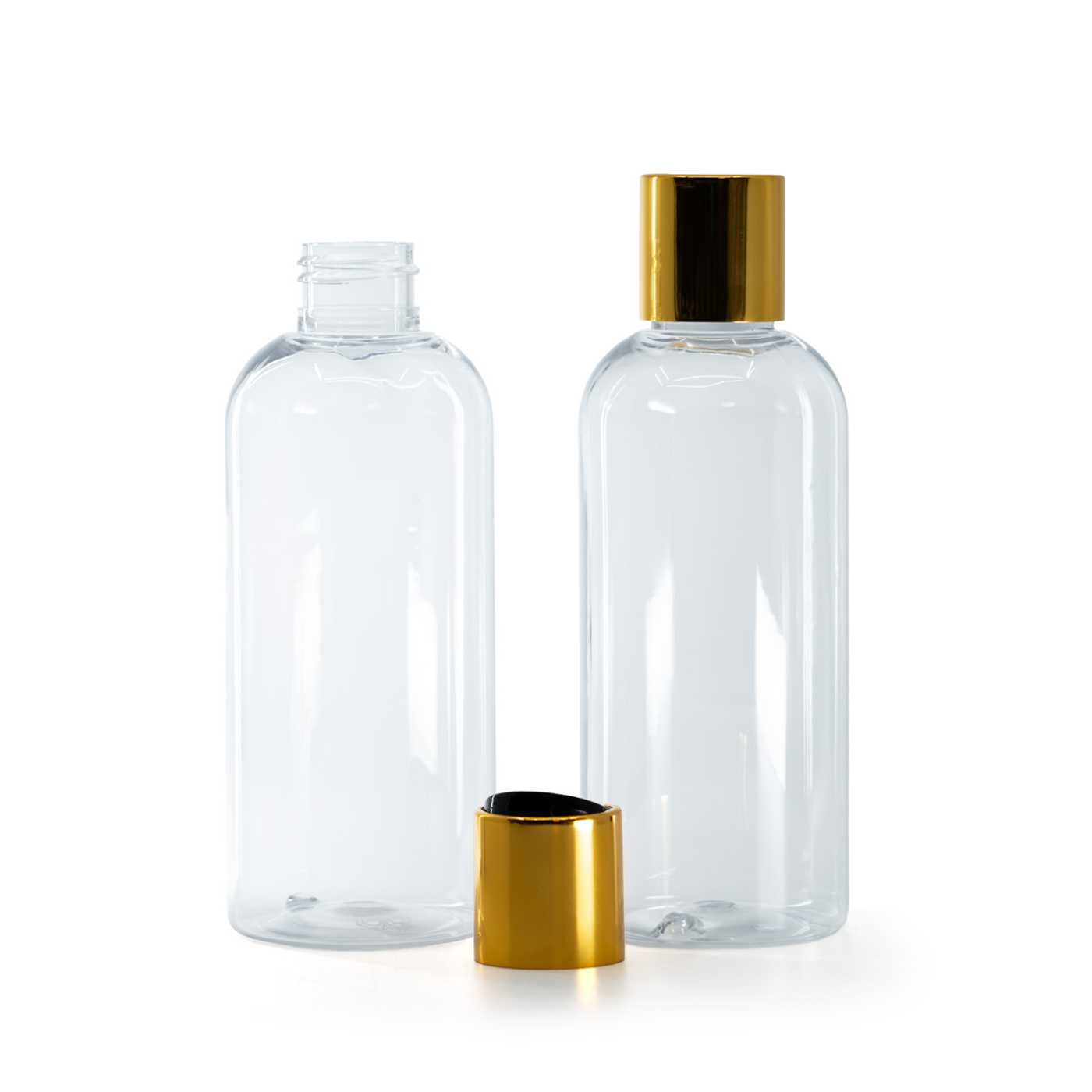
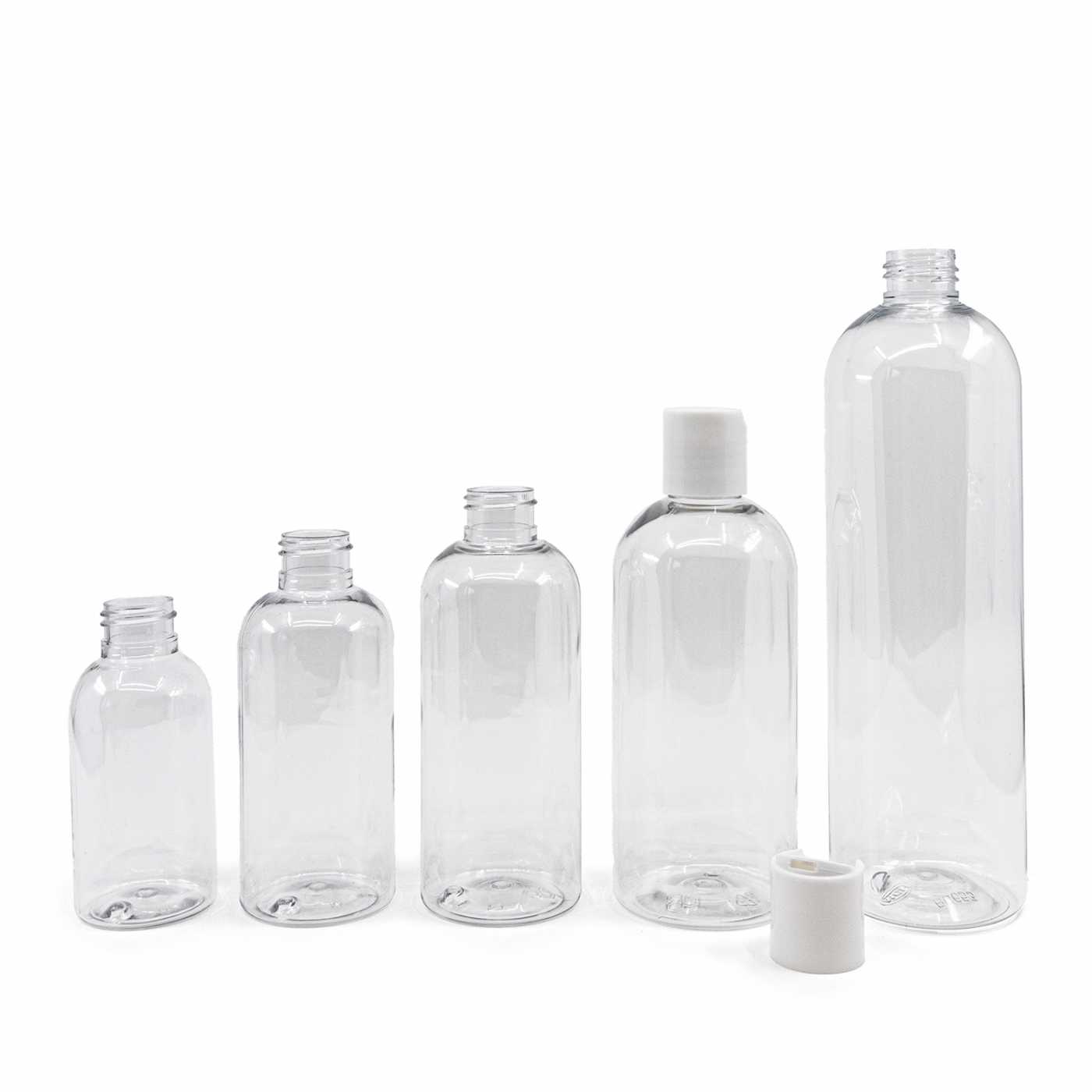
Rounded Clear Plastic Bottle, Black Plastic Disc Top With Golden Aluminum Collar, 200 ml
€1.28

EMULGATORS
Olivem 1000 is a vegetable emulsifier made from olive oil, designed for oil-in-water (O/W) emulsions. It emulsifies a cream or body lotion on its own, without any additional emulsifier, and creates a liquid crystal structure in the emulsion. It is used in facial, body and hair cosmetics, in both leave-on and rinse-off products.
The raw material is based on fatty acid esters of olive oil. The emulsifier is non-ionic and PEG-free, and no ethylene oxide is used in its production. It is of European origin.
A common emulsifier coats an oil droplet with a single layer. Olivem 1000 arranges itself together with water into several layers, known as lamellar liquid crystals. These surround the oil droplets and also extend through the water phase, which gives the emulsion its stability. The layered structure resembles the arrangement of lipids in the surface layer of the skin, and water is bound between the layers.
The formation of this structure depends on the composition of the formulation and on temperature. If heating is insufficient, or if homogenisation takes place only during cooling, the structure may not form correctly.
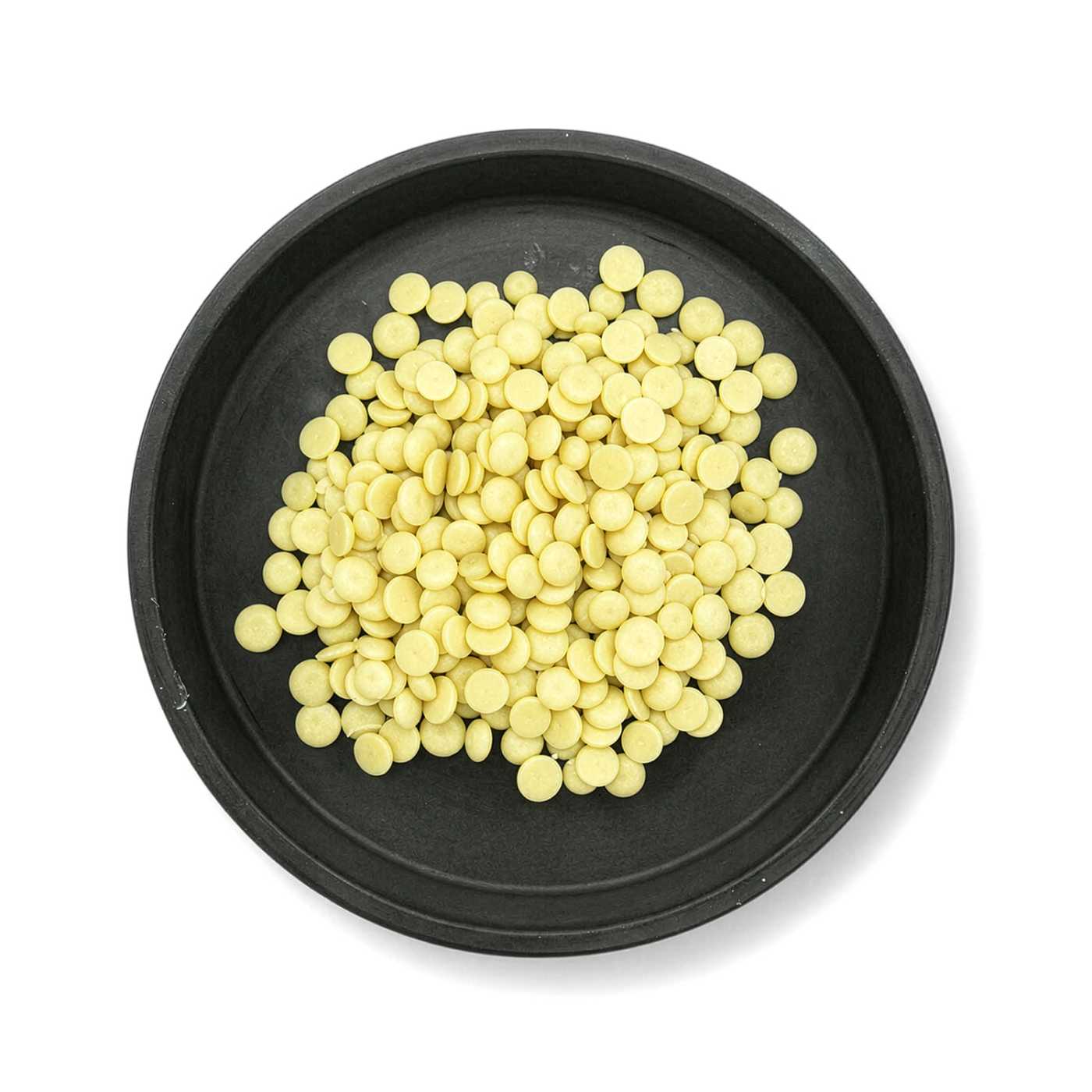
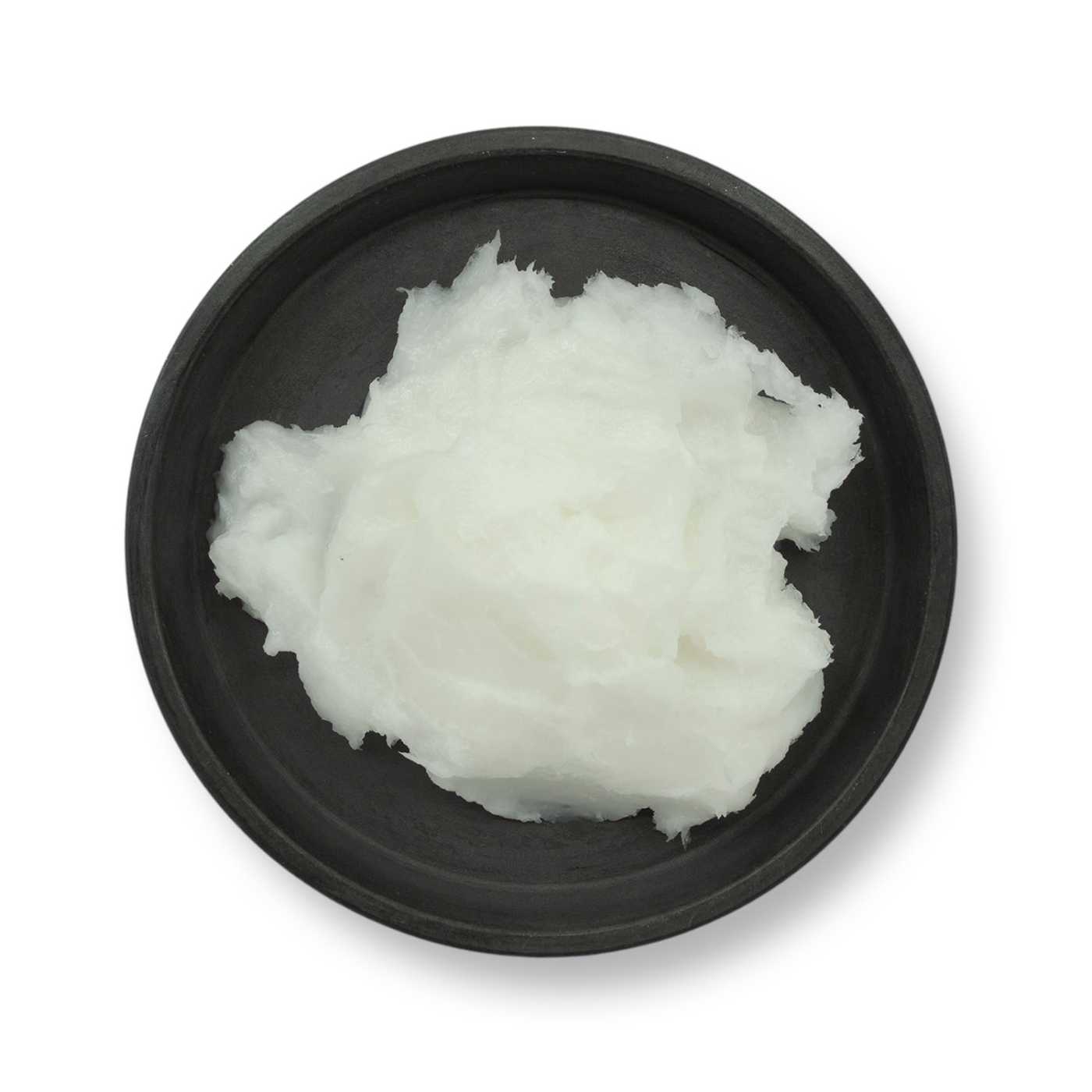
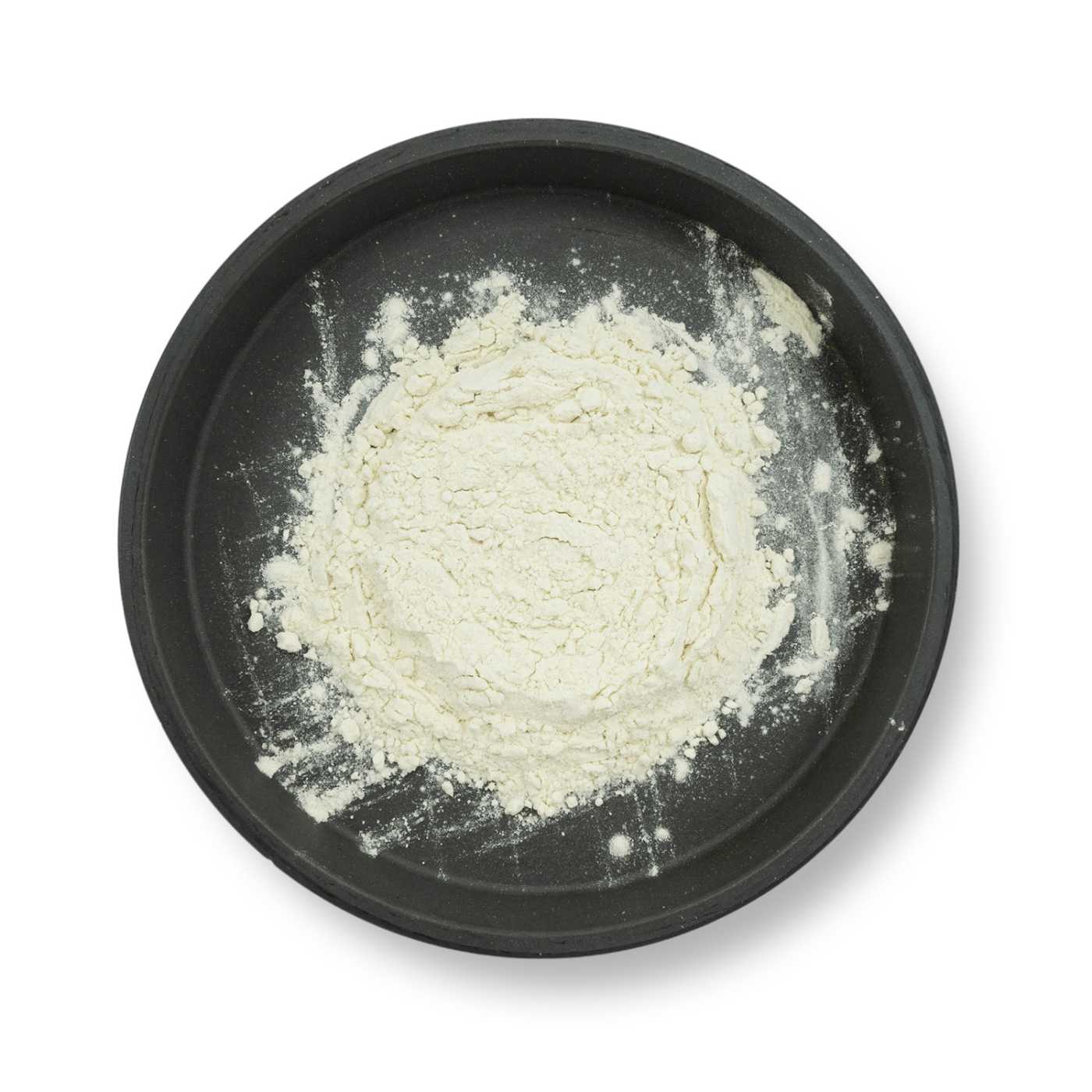
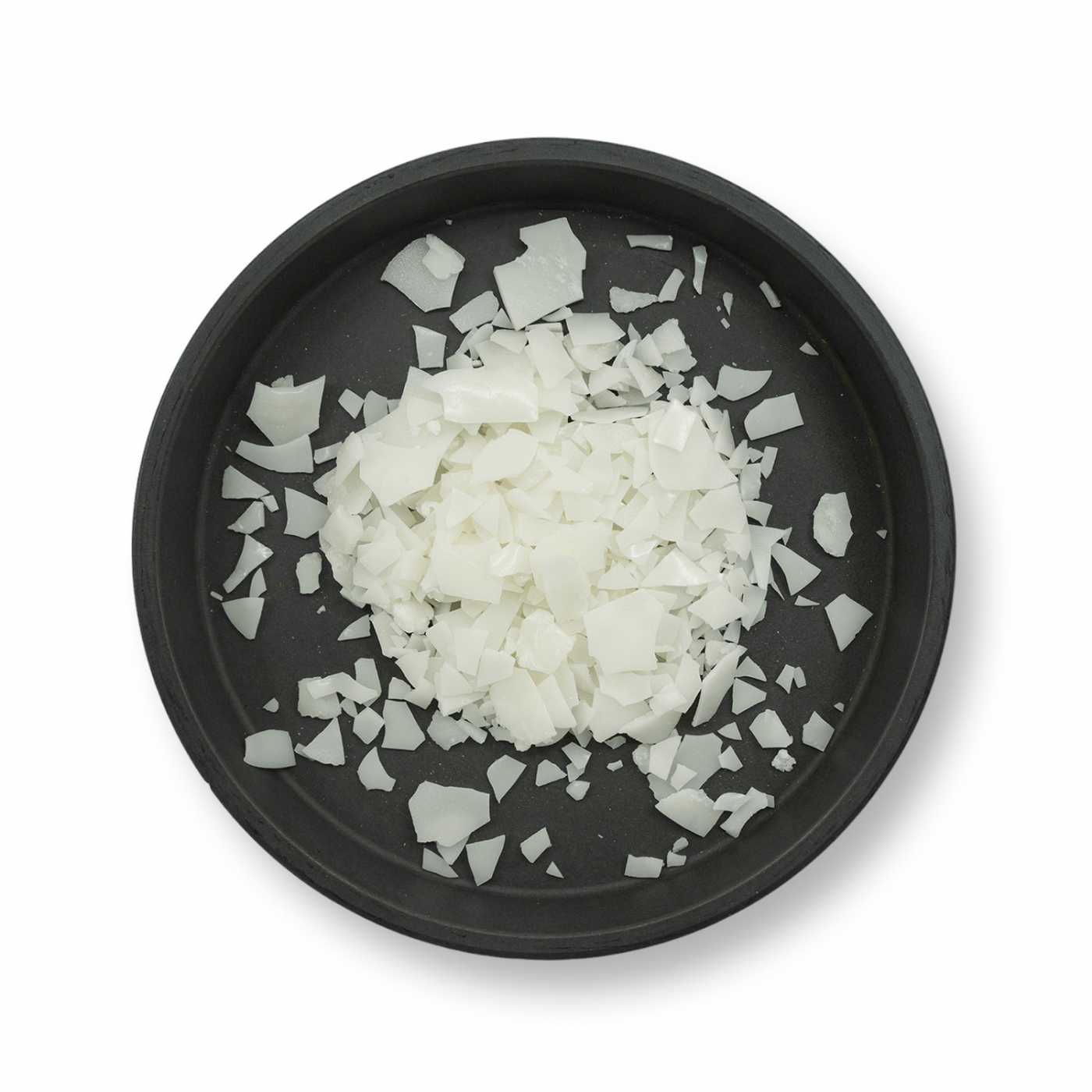
The raw material comes in the form of wax flakes that are white to ivory in colour, with a faint characteristic odour. It contains at least 99% active ingredient. It melts at 65–75 °C and is processed at a temperature above 75 °C.
It can be added to either the oil phase or the water phase. In the oil phase the flakes melt, and in water the emulsifier is dispersible. The phase containing the emulsifier is heated until the flakes have melted completely, and only then is it homogenised.
Heat both phases, the water phase to 80–85 °C and the oil phase to 75–80 °C, and homogenise the emulsion before it starts to cool.
An emulsion with 5% emulsifier prepared by this method withstood centrifugation without creaming or phase separation.
A firmer cream consistency can be achieved by combining it with cetyl alcohol or Glyceryl Stearate. In formulations the emulsifier is commonly combined with xanthan gum, glycerine, propanediol, squalane and allantoin. Tocopherol is almost always added as well.
The recommended usage rate is 0.5–5%, and in formulations it is most often used at around 4%. The amount depends on the type of product:
The finished formulation can have a pH of 4.5–8.0. The raw material itself has a pH of 5–7.
In a stability test, an emulsion with 5% emulsifier, 10% oil and a small amount of polyacrylate thickener kept its viscosity unchanged for 6 months at 4 °C, at room temperature and at 40 °C. Its pH remained within the range of 5.5–6.5.
The tested emulsion also contained a chelating agent (Disodium EDTA) and tocopheryl acetate. We recommend verifying the stability of your own formulation, especially if you use a different proportion of oil or a different thickener.

Excellent emulsifier
Translated automatically
I've tried everything possible, but this is the best emulsifier.
Translated automatically
excellent emulsifier — I've been using it for a long time, I'm happy with it
Translated automatically
excellent product — I use it when making creams, so far it's the best emulsifier I've tried
Translated automatically

Variant: Olivem 1000, 100 g