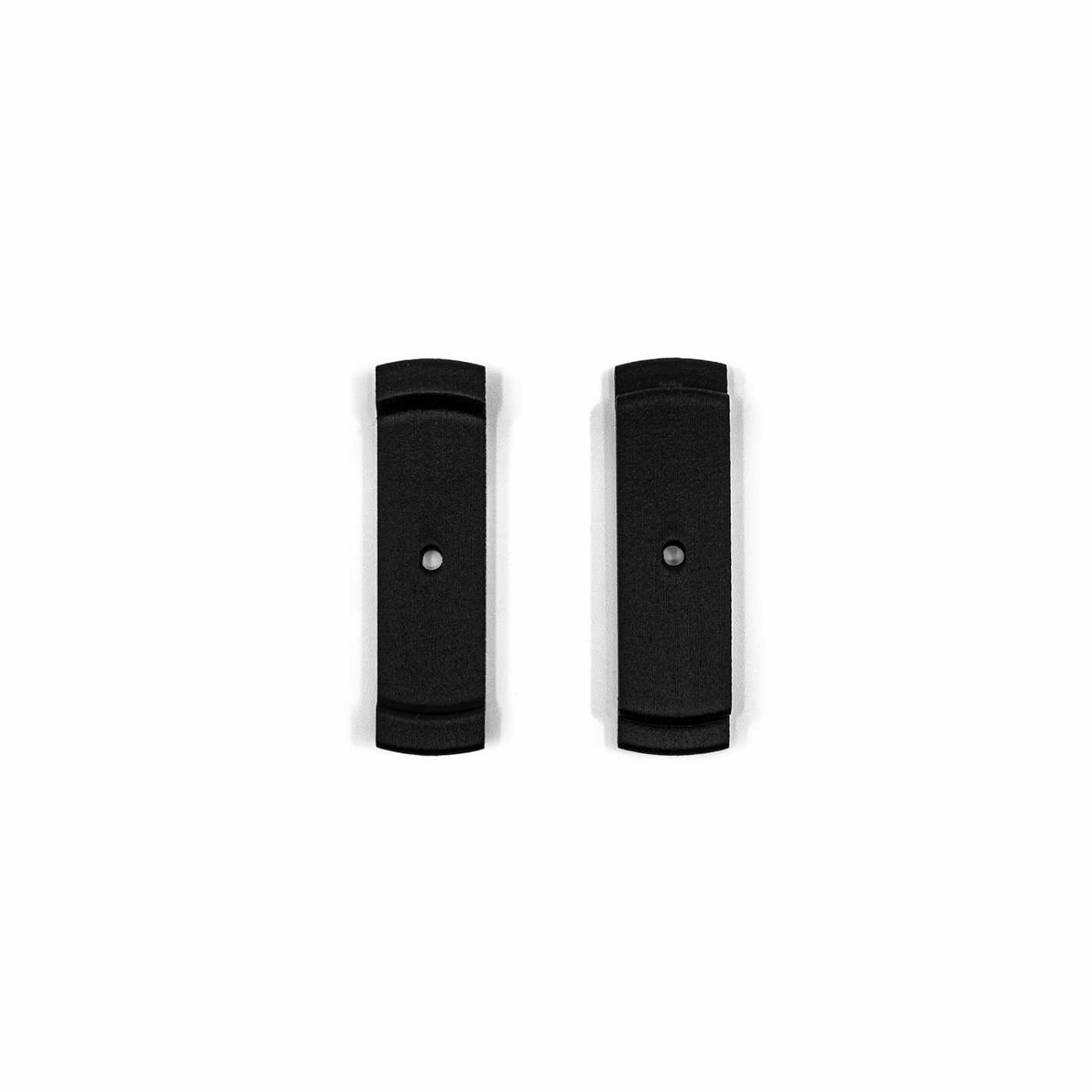
Candle Wick Centering Tool for 100 ml Jar
Pre-order€0.72

Candle fragrance oils
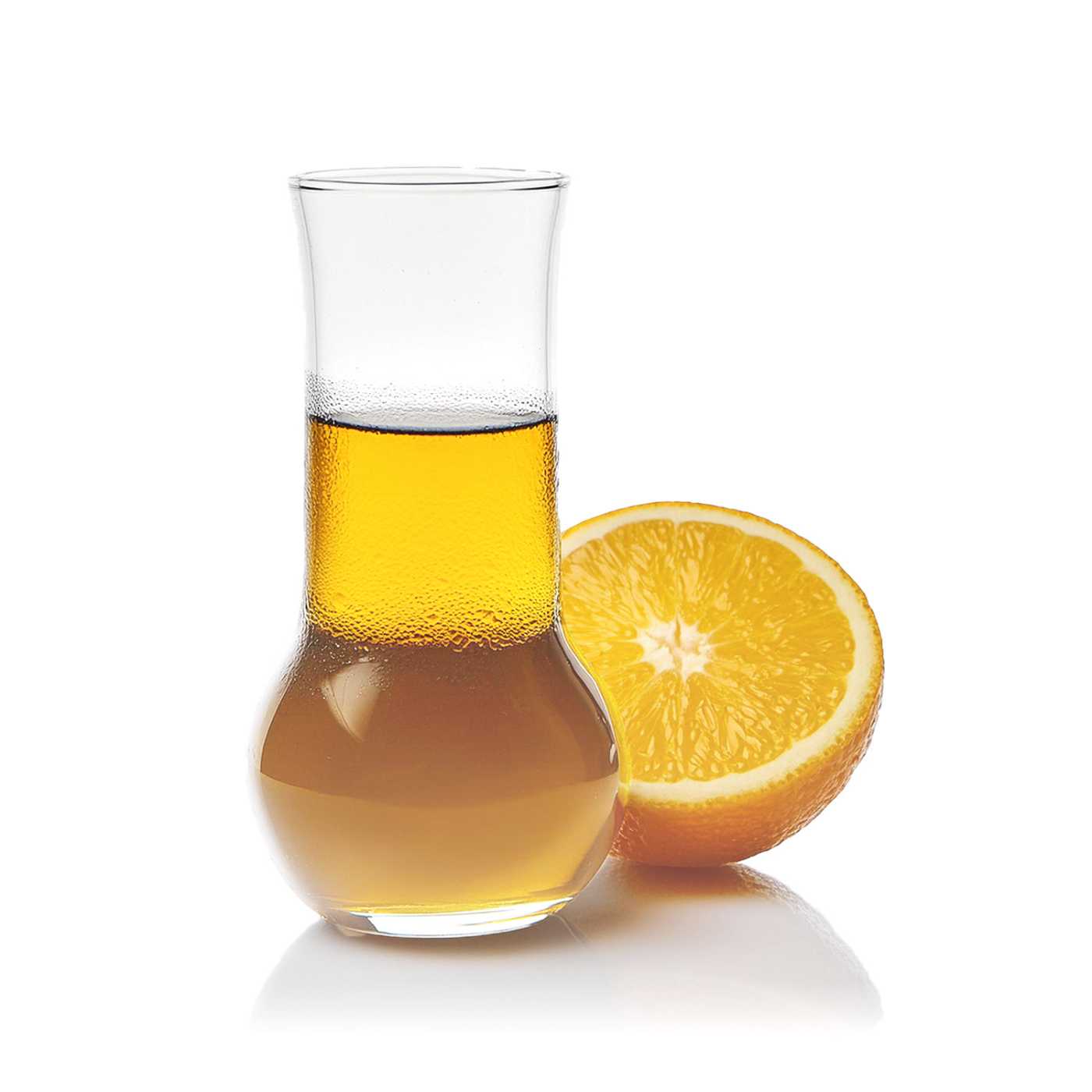
Bitter orange peel essential oil gives cosmetics, soaps and home fragrances a fruity citrus scent and acts as a fragrance ingredient in the formulation. full description
Lowest price in the last 30 days: €142.99
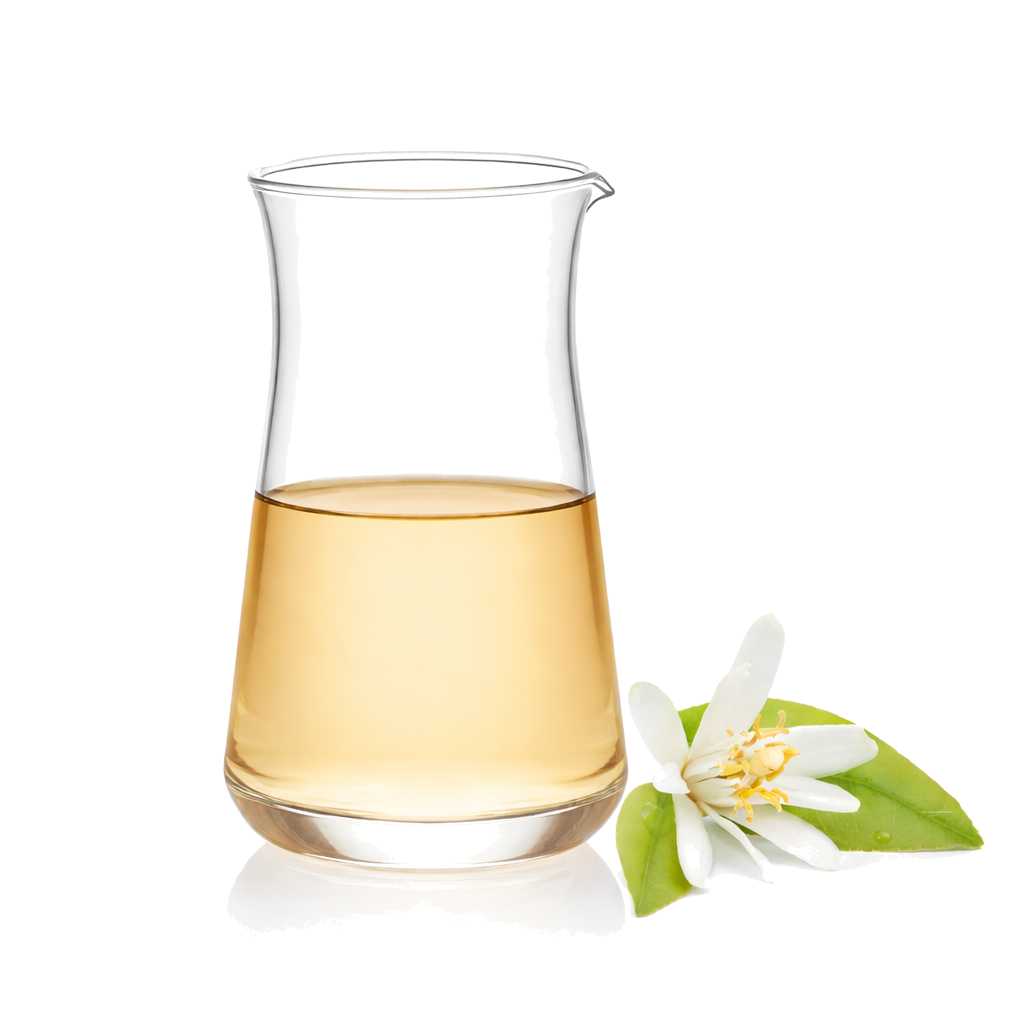
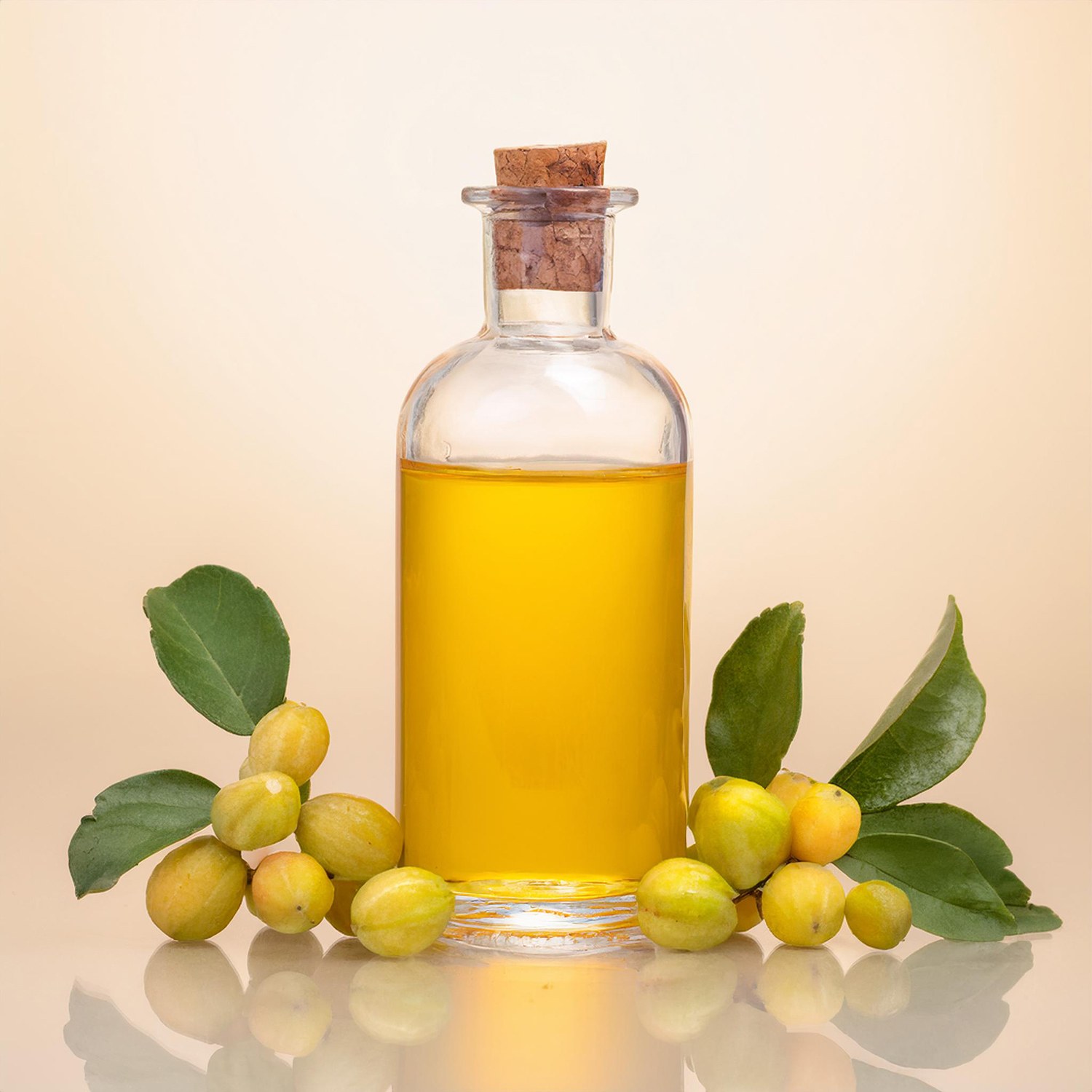
Bitter orange peel essential oil gives cosmetics, soaps and home fragrances a fruity citrus scent and acts as a fragrance ingredient in the formulation. It is obtained by cold pressing the peel of bitter orange fruits (Citrus aurantium L.), followed by filtration, without distillation and without solvents. The fruits come from growing regions in North and South America.
It influences the finished product mainly through its fragrance. The manufacturer also attributes cleansing, refreshing and cooling properties to it, which are useful in facial, body and hair cosmetics. The raw material is Vegan certified.
The oil dissolves in vegetable oils and in alcohol, but not in water. In anhydrous products (body oils, massage blends, balms) it is enough to mix it into the oil base. In emulsions it is added in the cooling phase or afterwards, when the mixture is below 40 °C, with constant stirring, so that the volatile components of the fragrance are not lost to heat. Toners, facial lotions and water-based sprays need a solubiliser, otherwise the oil stays on the surface and the fragrance is distributed unevenly in the product. For bath salts and bath bombs, the oil is first mixed with a small amount of carrier oil or directly with the salt, and only then combined with the rest of the recipe.
Usage rate has no single universal value. The manufacturer does not state a recommended range, and the maximum amount in the finished product is determined by the IFRA limit for the category the product belongs to. A different limit applies to lip products (category 1), to facial creams and toners (category 5B), to rinse-off soaps and shampoos (category 9) and to candles (category 12).
The limits for all categories are in the IFRA certificate, in the Product documentation section. Before calculating your recipe, look up the category of your product there and set the usage rate below the stated limit.
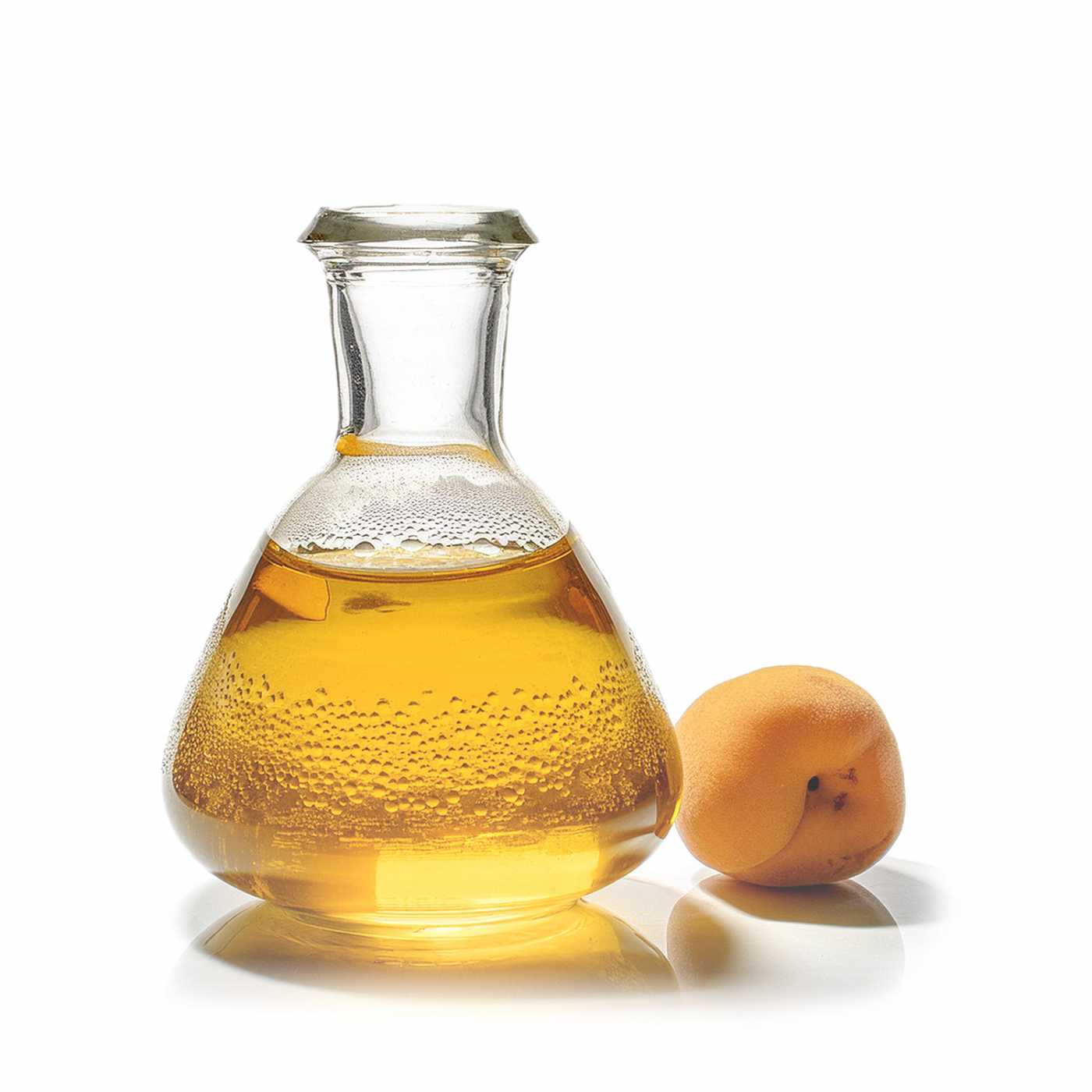
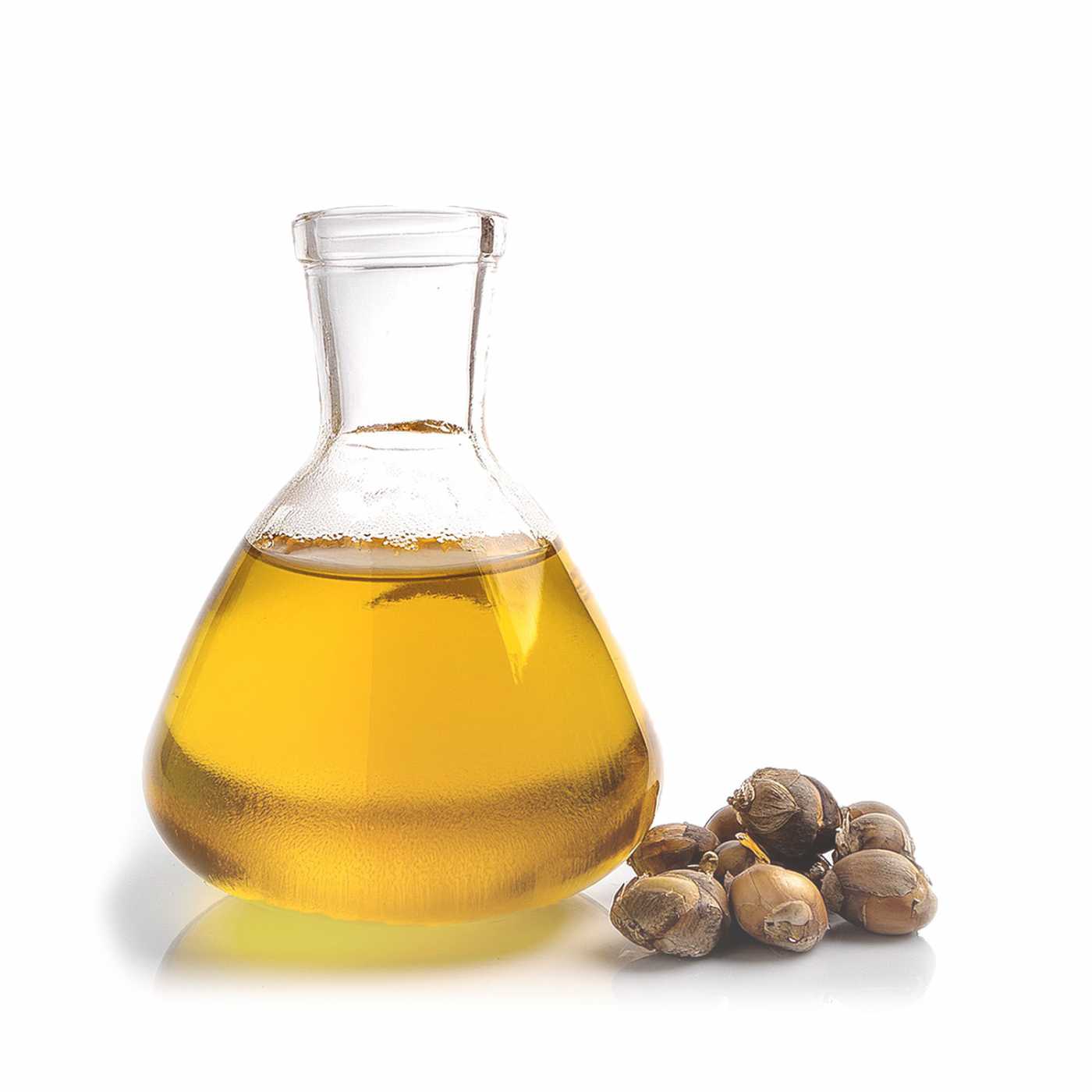
The colour of the oil ranges from dark olive through light brownish-yellow to orange, so at higher usage rates it can affect the shade of light and clear products. The same tree yields two more essential oils: neroli from the flowers and petitgrain from the leaves and young shoots. The oil from the peel differs from them in both scent and method of production, so when purchasing, make sure you have the correct raw material in your recipe.
The oil contains one or more fragrance allergens listed in Annex III of Regulation (EC) No 1223/2009, which must be taken into account when labelling the finished cosmetic product. For candles, the oil is added to the wax at the lowest temperature at which it can still be poured, and away from open flame.
According to CLP, the raw material is classified as a flammable liquid with a flash point of 47 °C, as irritant and sensitising, with serious health risks on prolonged exposure, and as hazardous to the environment. Wear gloves and work in a ventilated area when handling the undiluted oil, and apply it to the skin only when diluted.
Only customers with a delivered order can write reviews.