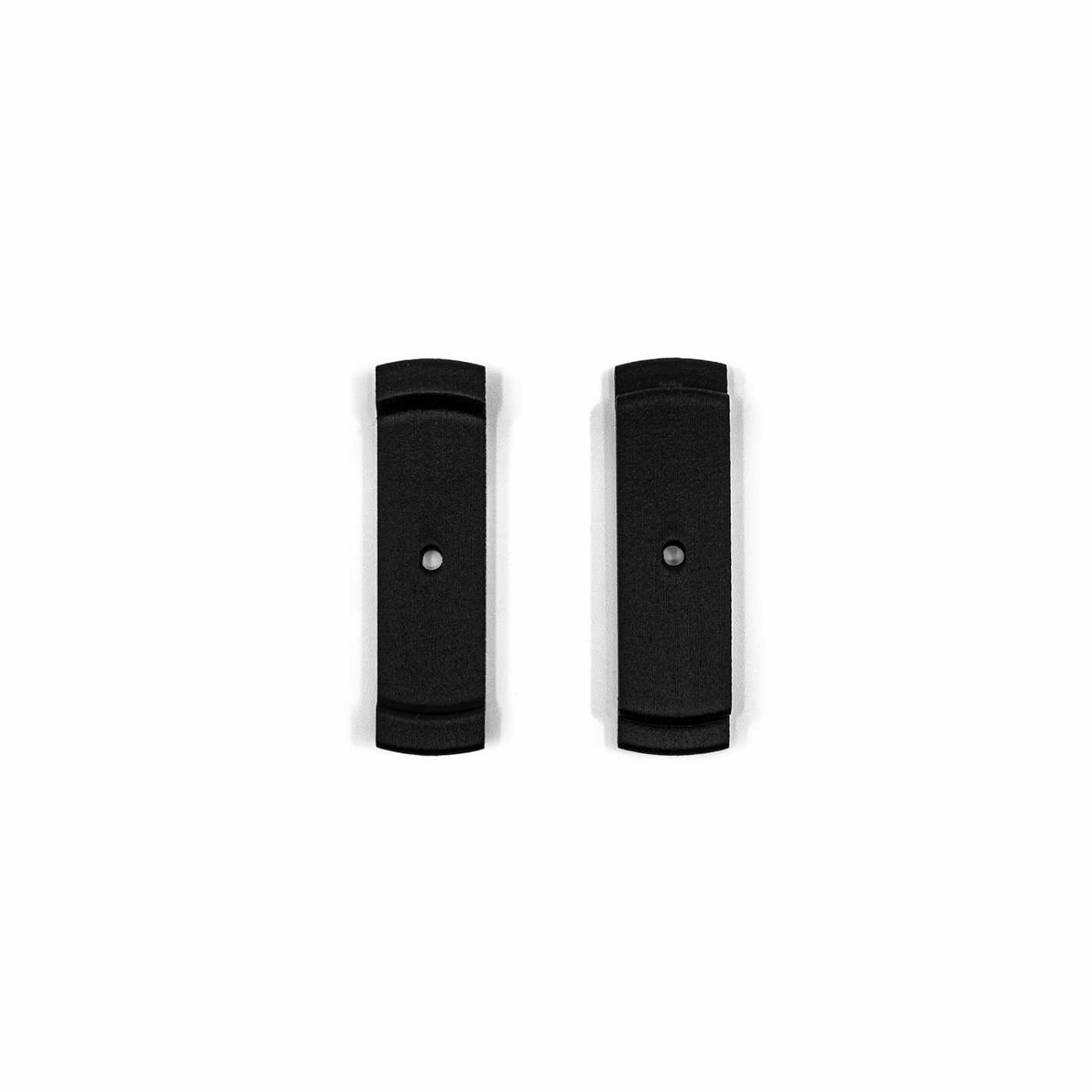
Candle Wick Centering Tool for 100 ml Jar
Pre-order€0.72

Candle fragrance oils
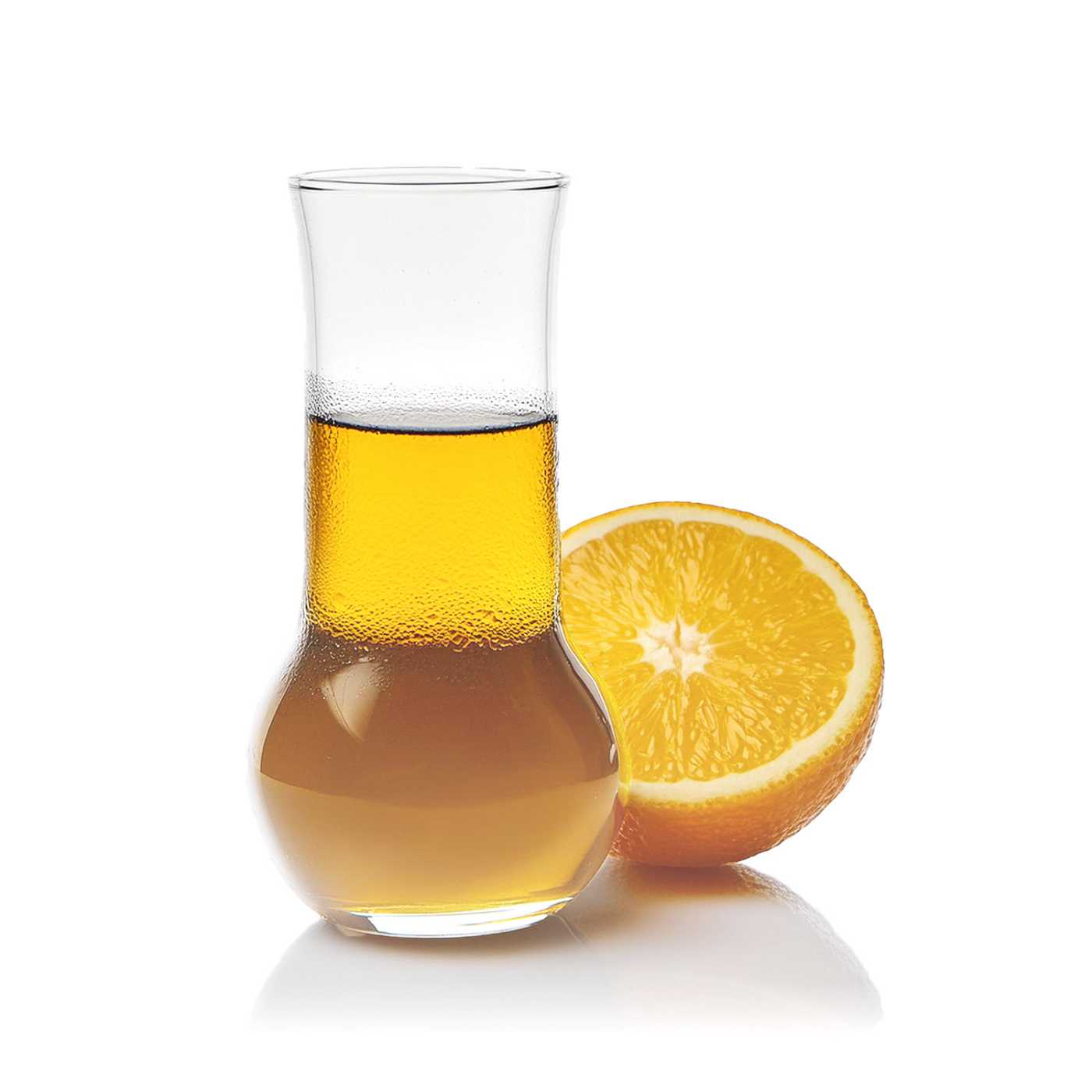
Bitter orange essential oil is added to cosmetics as a fragrance ingredient with a fruity, citrus fragrance. full description
Lowest price in the last 30 days: €31.00
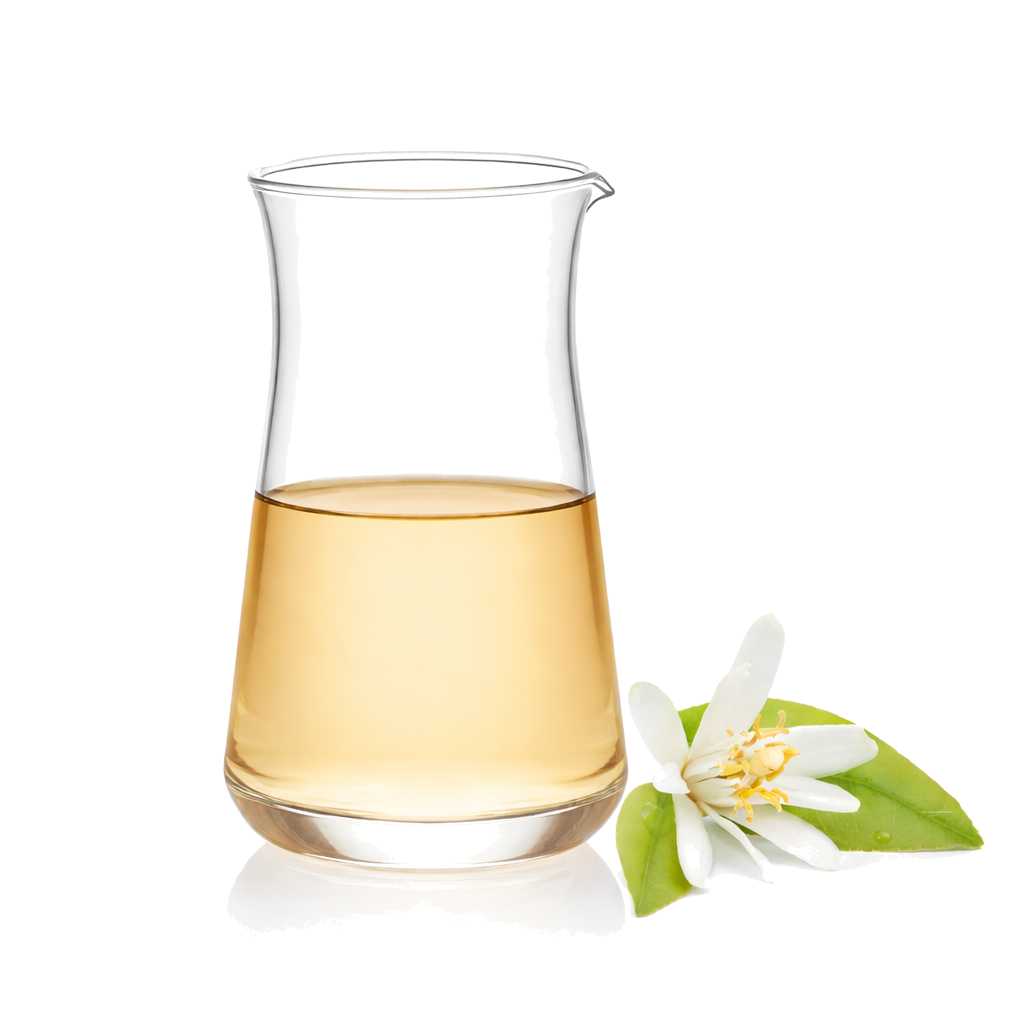
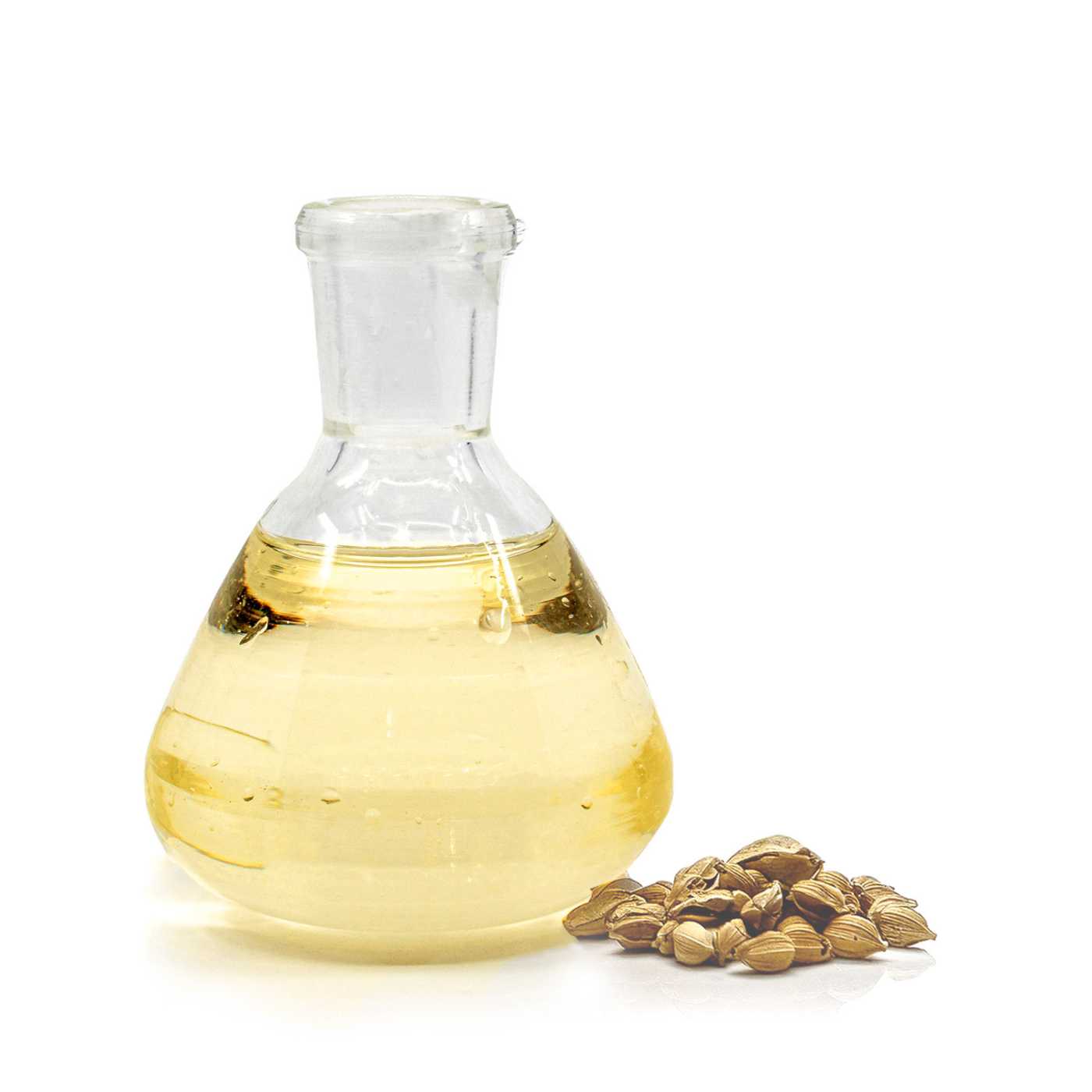
Bitter orange essential oil is added to cosmetics as a fragrance ingredient with a fruity, citrus fragrance. It is obtained by cold pressing the peel of the fruit of Citrus aurantium L., followed by filtration, without the use of solvents.
It is suitable wherever a product is meant to smell fresh and clean: in soaps, bath salts and bath bombs, body oils, shower gels, shampoos, candles and diffusers. The manufacturer attributes cleansing and refreshing properties to it, which can be used mainly in products for oilier skin and scalp. It dissolves in oils and alcohol but not in water, so in water-based products it is incorporated through the oil phase or with a solubiliser.
The oil is added only in the cooling phase, at a temperature below 40 °C, or is incorporated afterwards into the finished base. At higher temperatures the volatile components are lost and the fragrance weakens, so in emulsions it is added only after the emulsion has formed and cooled, with constant stirring. In anhydrous products such as body oils, balms and massage blends, it is mixed directly into the oil phase.
In water-based systems, for example toners, body sprays or bath waters, it does not dissolve on its own and would form droplets on the surface. Before adding it to water, mix it with a solubiliser (e.g. Polysorbate 20 or PEG-40 Hydrogenated Castor Oil) and only then pour it into the water phase. Its good solubility in alcohol makes it suitable for hydroalcoholic perfumes, eaux de toilette and aftershaves.
The usage rate is governed by the current IFRA limits for the particular product category. The limits differ significantly between categories. One range applies to leave-on skin products, another to soaps and shampoos, and another to candles or air fresheners. The individual categories are listed in the product parameters.
The oil is classified under CLP as flammable and irritant and contains fragrance allergens listed in Annex III of Regulation (EC) No 1223/2009. Handle the concentrate away from heat sources, with hand and eye protection, and for a product intended for sale take the allergens into account in the labelling.
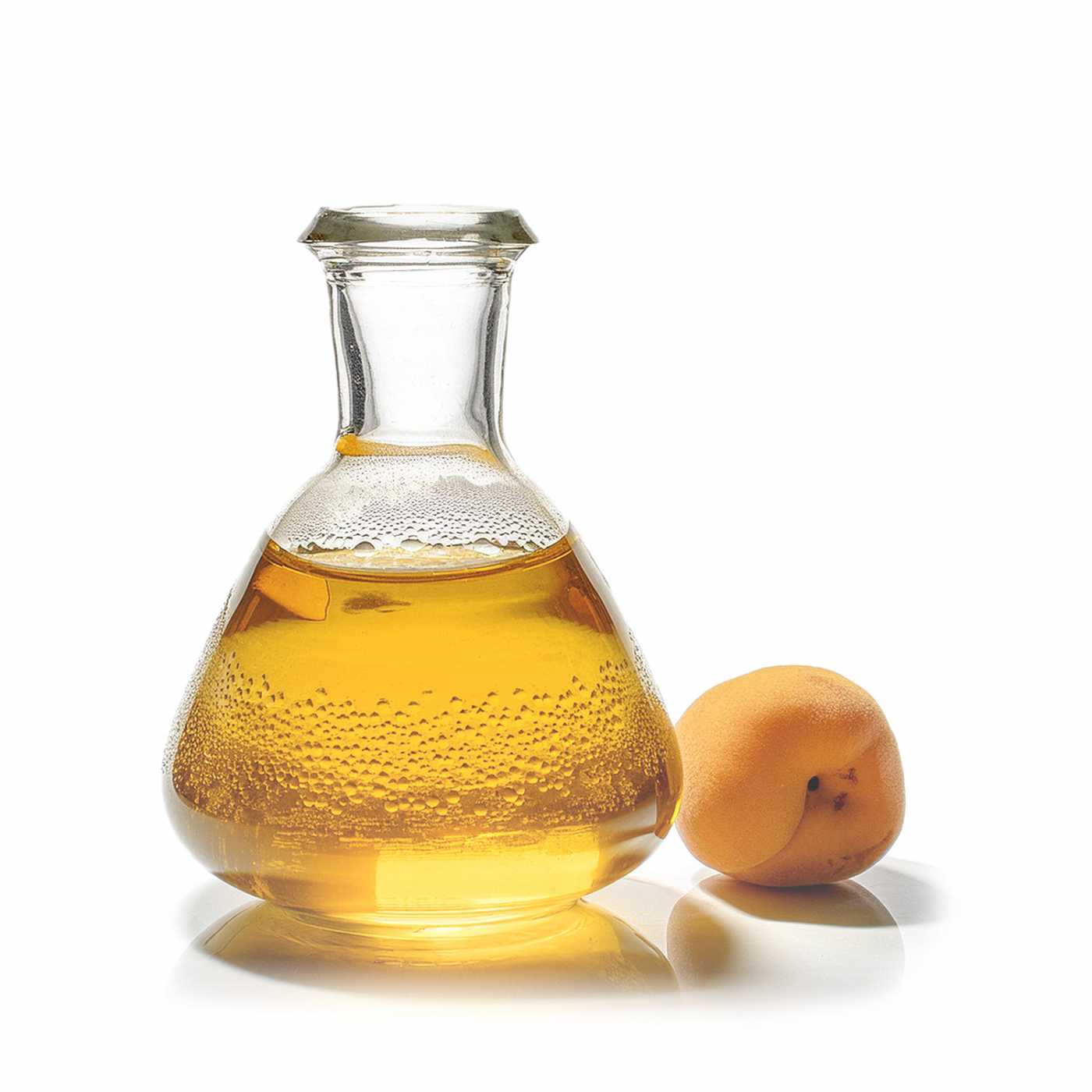
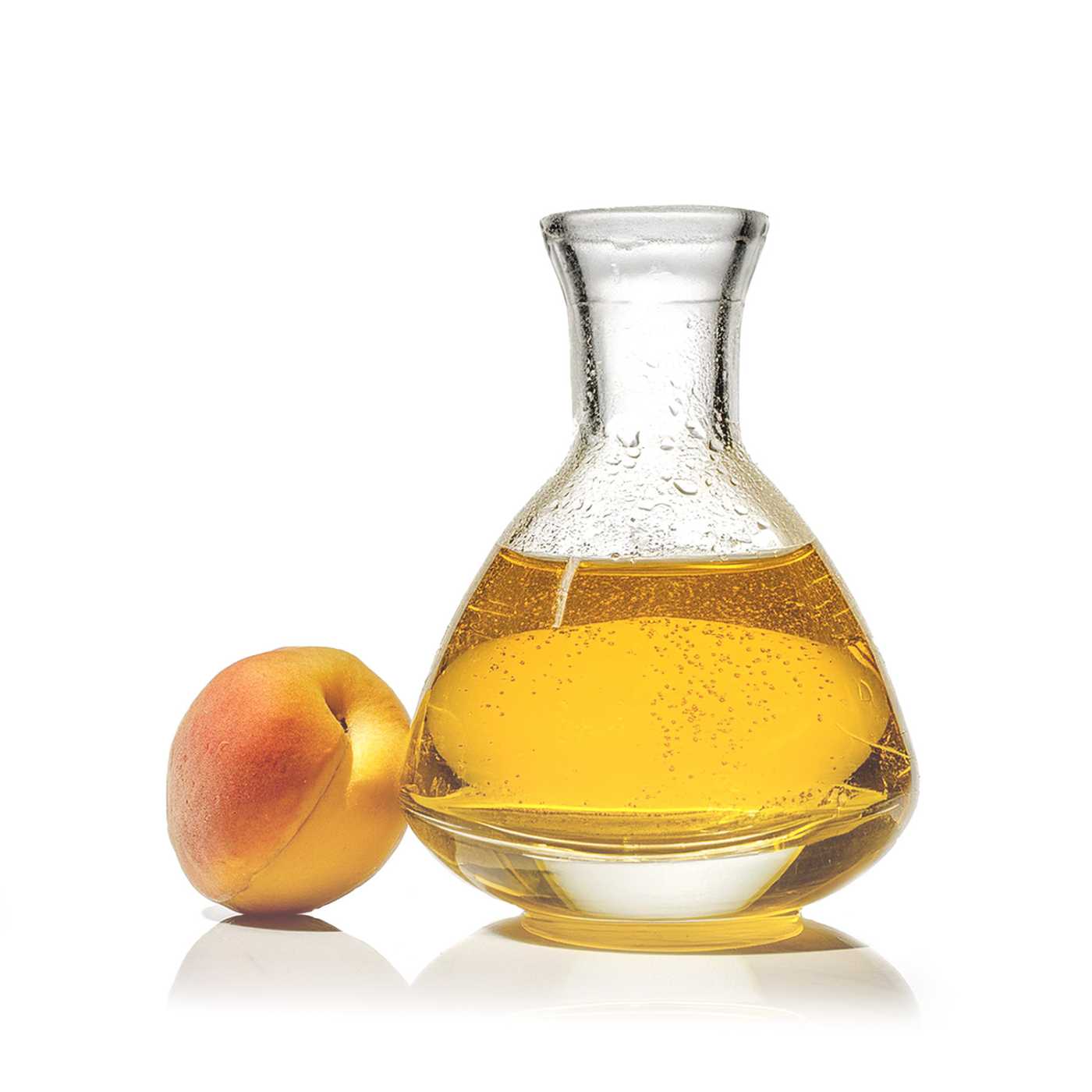
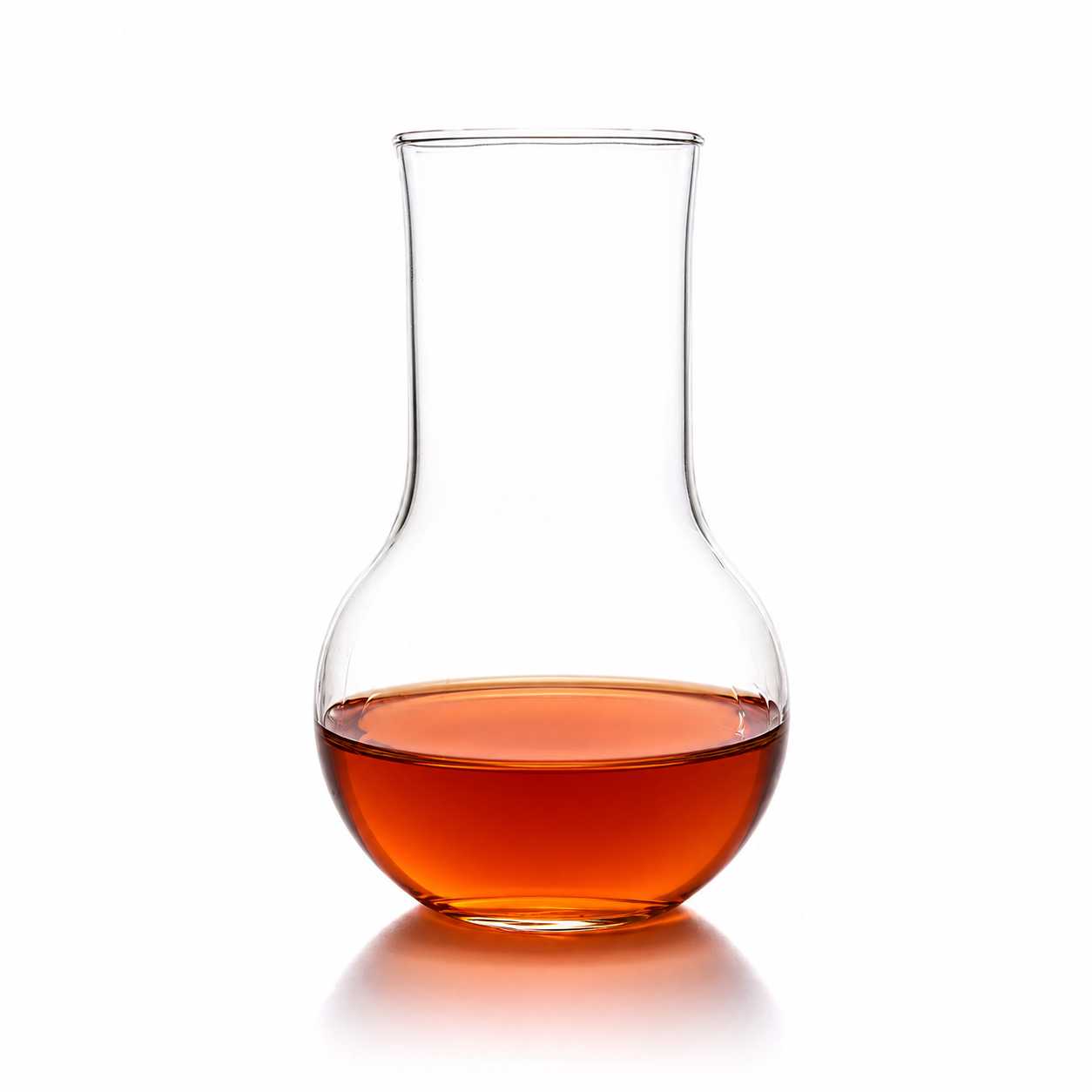
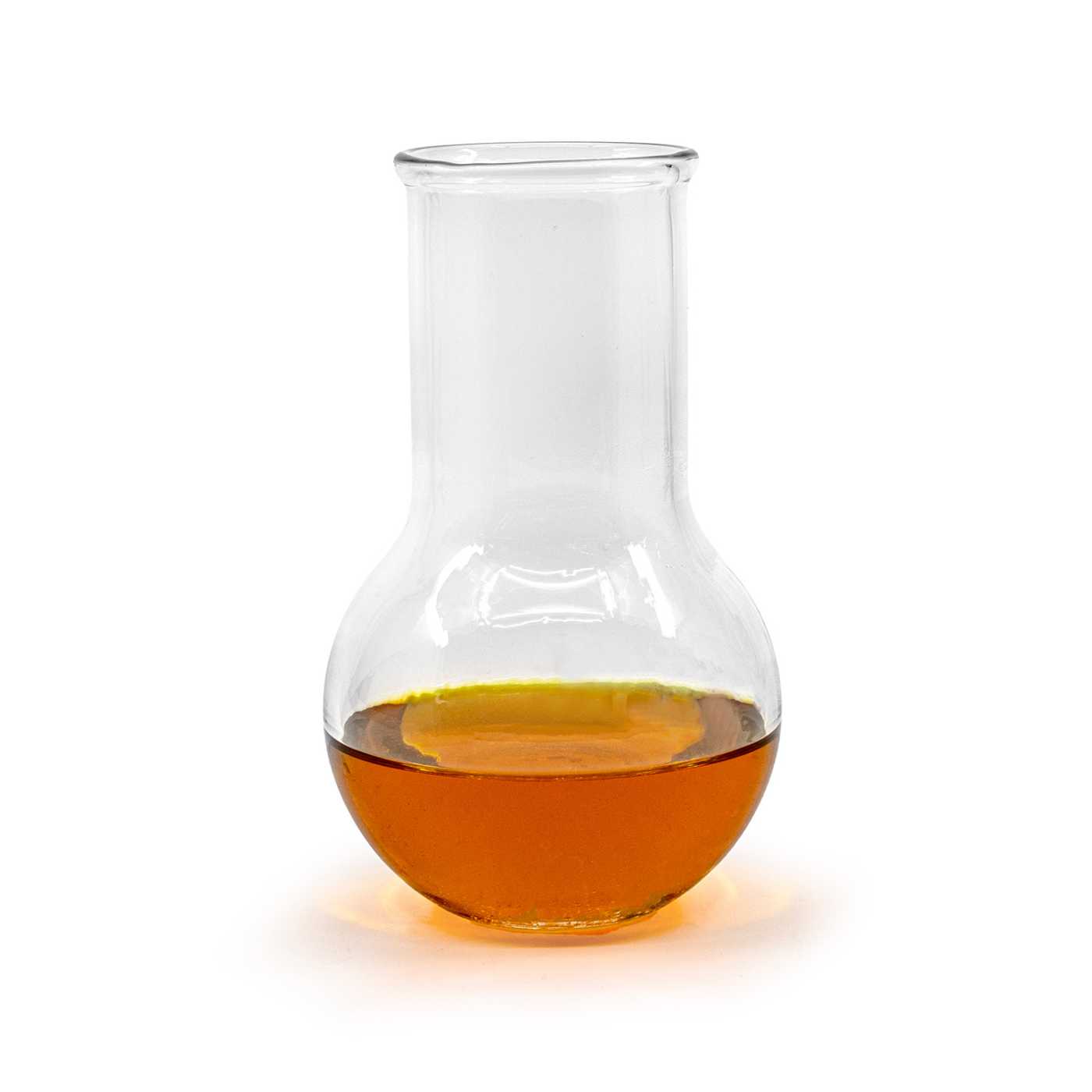
The colour of the oil ranges from dark olive through brownish yellow to orange. For white or clear products, we recommend checking the effect on colour in a test batch.
The citrus fragrance fades in the finished product sooner than the longer-lasting components of the composition. If it is to last longer, complement the bitter orange oil with longer-lasting notes and monitor how the fragrance develops during the first weeks after production.
The oil is volatile, so close the container immediately after taking out the amount you need and add the oil to the product as one of the last ingredients. In soaps, bath bombs and candles, try a smaller amount and check how the fragrance holds in the finished product. The usage rate in products for children and in lip products has its own IFRA category with specific limits, so do not use the same amount as in a body oil for adults.
In water-based and emulsion products, the oil has no preservative function. The antimicrobial effect stated by the manufacturer relates to the properties of the oil, not to protection of the finished recipe, which is provided by a separate preservative.
Only customers with a delivered order can write reviews.