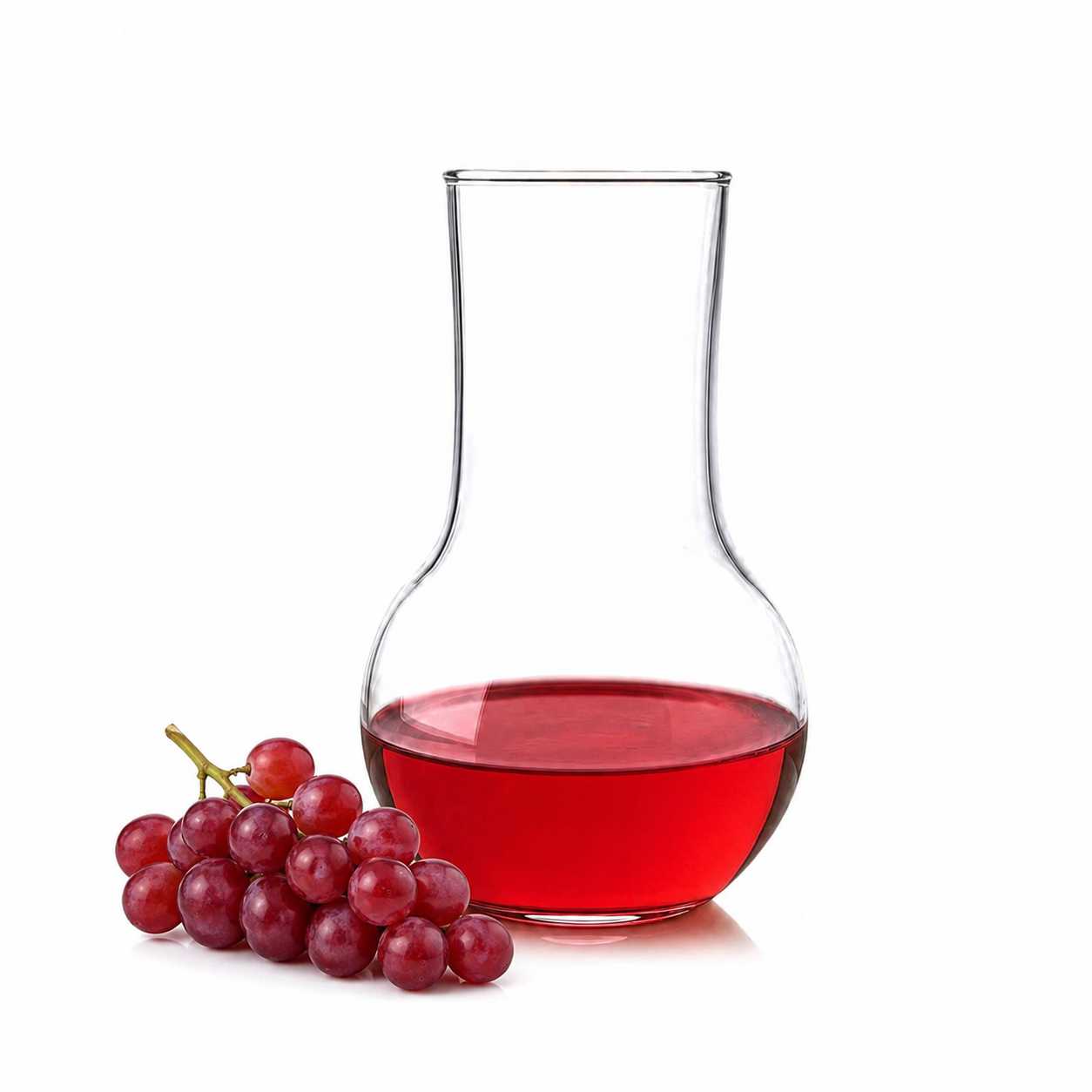
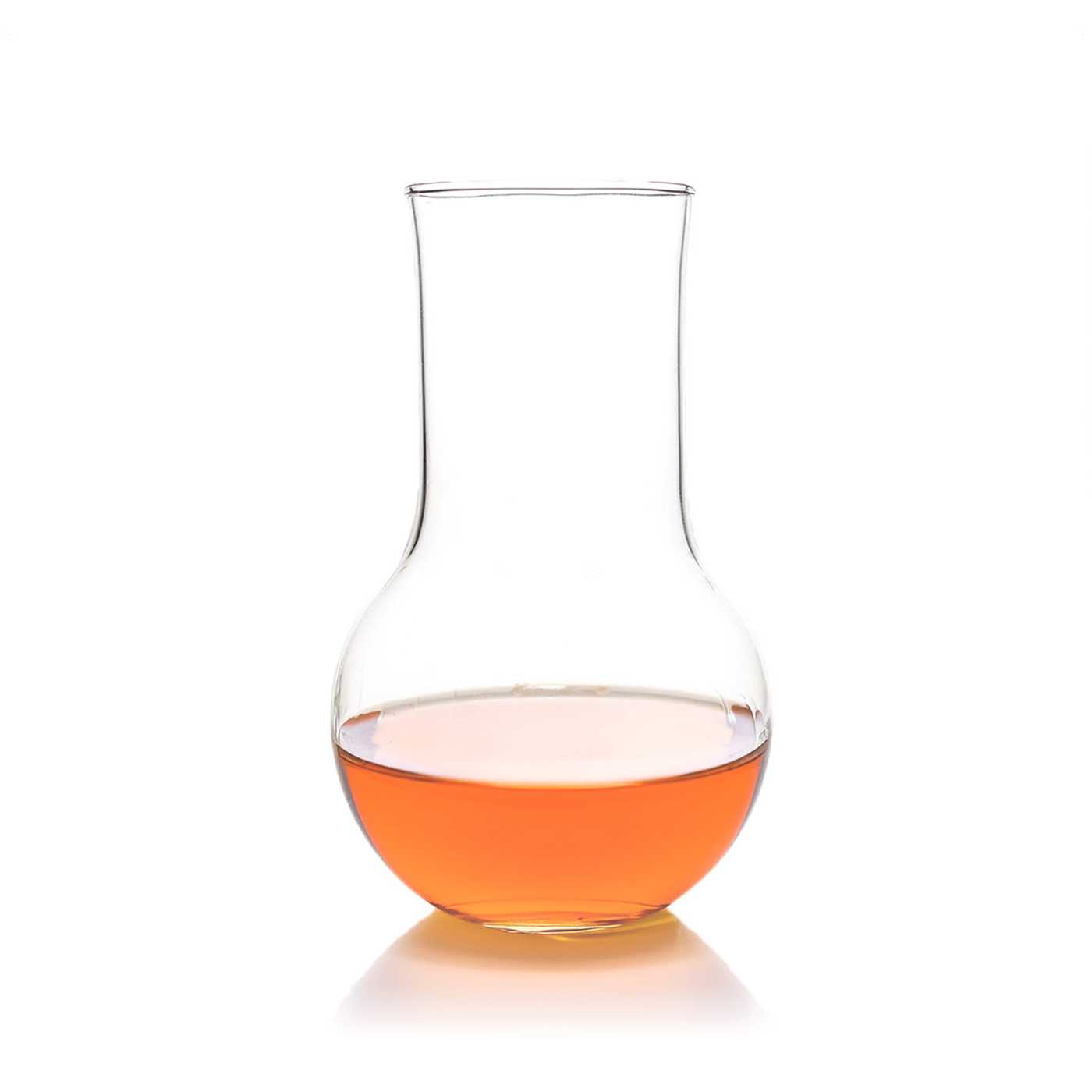
Active aqueous extract of red grape in organic quality is a cosmetic raw material of plant origin obtained from the grapes of the vine
Vitis vinifera, generally from red grape varieties that are naturally rich in polyphenolic substances. It is produced by
aqueous extraction, during which mainly hydrophilic bioactive components are released from the plant raw material – above all
polyphenols, flavonoids, anthocyanins and tannins.
Unlike oil-based extracts, this type of extract is intended primarily for the
aqueous phase of cosmetic formulations. Thanks to its origin and composition, it is suitable for preparations focused on
antioxidant protection, supporting skin vitality, care for tired skin and cosmetics for urban environments.
Red grape is valued in cosmetics especially for its content of plant polyphenols, which help protect the skin against the effects of oxidative stress. This arises, for example, due to UV radiation, polluted air, stress or the natural ageing of the skin. The extract therefore fits well into formulations where the product is intended to act in a
protective, refreshing and revitalising way, without significantly burdening the texture of the final product.
Key benefits
- Plant-based organic extract of red grape suitable for natural and modern active cosmetics.
- Contains naturally occurring polyphenols and flavonoids known for their antioxidant activity.
- Helps support cosmetic protection of the skin against the manifestations of oxidative stress.
- Suitable for products for tired, dull, stressed and more mature skin.
- Supports a fresh appearance of the skin and is suitable for formulations aimed at brightening and revitalisation.
- Thanks to its aqueous character, it is well suited for toners, gels, serums, emulsions and aqueous cosmetic bases.
- Can be part of cosmetics intended for everyday care in an urban environment, where the skin is exposed to pollution and external factors.
- Does not leave a greasy feel and does not burden the formulation with an oil phase.
Suitable for products such as
- Facial serums with an antioxidant and revitalising focus.
- Facial toners, mists and hydrating sprays for a fresh look of the skin.
- Gel-based preparations for light everyday care.
- Cream and emulsion products for normal, drier, combination and more mature skin.
- Face masks intended to support skin vitality and a well-rested appearance.
- Eye gels and light eye emulsions, provided the final formulation is suitably designed for the eye area.
- Body lotions, gels and light emulsions with plant active ingredients.
- Hair tonics and scalp waters focused on care of the scalp.
- After-sun and soothing aqueous preparations, where it can support the antioxidant profile of the formulation.
Use in formulation
- The active aqueous extract of red grape organic is water-soluble and suitable primarily for the aqueous phase of cosmetic products.
- It is miscible with water, hydrolats, moisturising components, gel bases and aqueous cosmetic solutions.
- It is compatible with common humectants such as glycerin, propanediol, hyaluronic acid, betaine, panthenol or aloe vera juice, provided the entire formulation is properly stabilised.
- In emulsions, it is usually added to the aqueous phase or to the cooling phase, depending on the temperature stability of the overall formulation.
- It is recommended to add it during cooling (at a temperature below 40 °C).
- For products with a higher content of electrolytes, acids or preservatives, it is advisable to carry out a stability and compatibility test.
- In aqueous formulations, it is necessary to use an appropriate preservative system, because plant aqueous extracts increase the demands on the microbiological stability of the final product.
- The recommended dosage depends on the specific type of product, the desired effect and the supplier’s data. For active plant aqueous extracts, cosmetic formulations often use low percentage dosages.
- Before the final product is put into use, it is advisable to verify the pH, appearance, odour, colour, stability and effectiveness of preservation.
Safety and storage
- Intended for cosmetic use as a raw material for further processing.
- Store in a well-closed container, away from direct sunlight, sources of heat and moisture.
- After opening, work hygienically to avoid contamination of the raw material.
- For formulations with sensitive active ingredients, we recommend using clean tools, disinfected packaging and a proven preservative system.
- When used in products for sensitive skin, the eye area or children’s cosmetics, it is necessary to assess the entire formulation, not only the raw material itself.
- The colour and odour of natural plant extracts may vary slightly between batches depending on the plant raw material.
What is good to know when formulating
- The aqueous extract behaves differently from an oil extract – it does not belong to the oil phase and is not suitable as a replacement for a plant oil.
- In very light or transparent products, the plant extract may influence the final shade of the formulation.
- In products with low pH, it may be necessary to verify the stability of colour and odour during storage.
- If you wish to highlight the antioxidant character of the formulation, it combines well with moisturising and soothing components, for example with panthenol, niacinamide or other vitamins and antioxidants, provided the pH of the formulation is suitable.
- In minimalist formulations, it brings a plant active element without an oily film and without significantly affecting the sensorial profile of the product.
FAQ
Is this extract also suitable for oil-free serums?
Yes, the aqueous character of the extract makes it suitable also for oil-free serums, gels and light aqueous formulations. It is important to correctly set the pH, preservation and overall stability of the product.
Can it be used in men’s cosmetics?
Yes, the extract is also suitable for men’s cosmetics, especially for light moisturising gels, facial tonics after shaving or day creams with a fresh texture.
Is it suitable for hair care cosmetics?
Yes, it can also be used in hair tonics, scalp waters or light sprays for the scalp. In such products, it is used mainly as a plant active component in the aqueous phase.
Will the extract affect the colour of the finished product?
With plant extracts from red grape, a slight colouring of the formulation is possible. The intensity depends on the dosage, type of product, pH and the other components in the formulation.
Is it necessary to adjust the pH when using the extract?
The pH must always be checked when producing aqueous cosmetics. The extract can be part of formulations within the usual cosmetic pH range, but the final pH depends on the entire formulation.
Is it also suitable for products for mature skin?
Yes, for products for mature skin it is especially suitable in combination with moisturising, regenerating and barrier-supporting components. It is suitable for day serums, creams and masks.
See also other
active ingredients for cosmetics available from Handymade.sk.