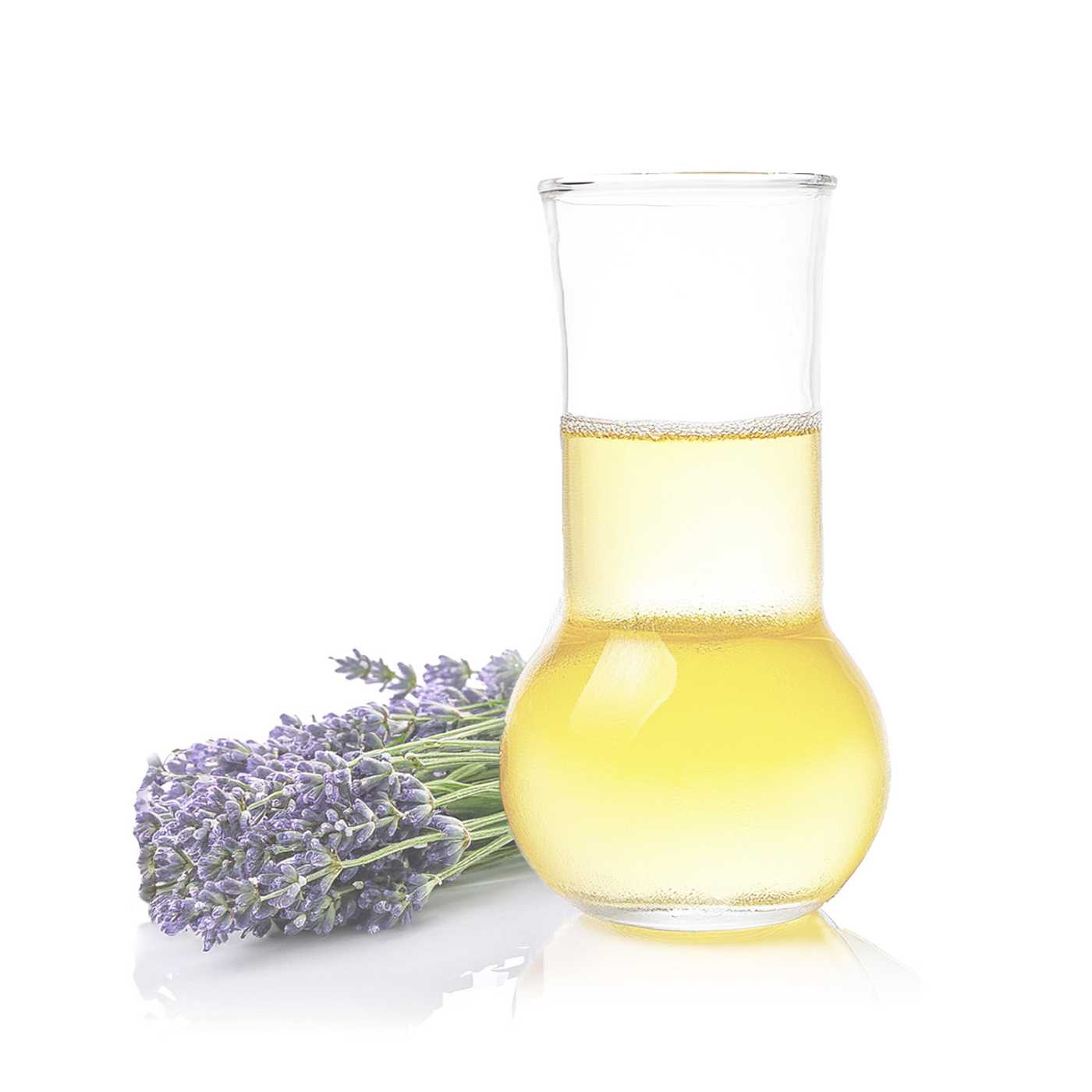
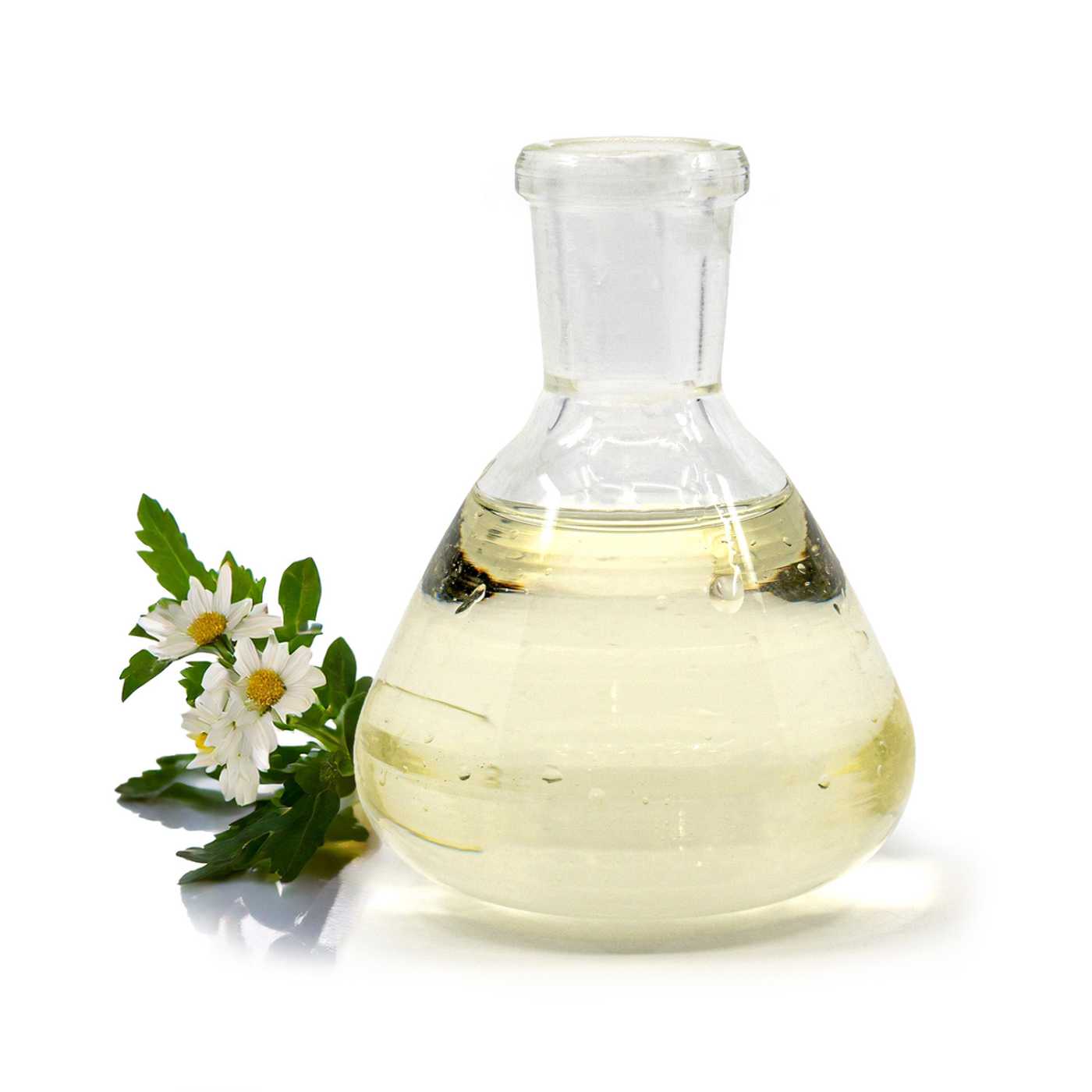
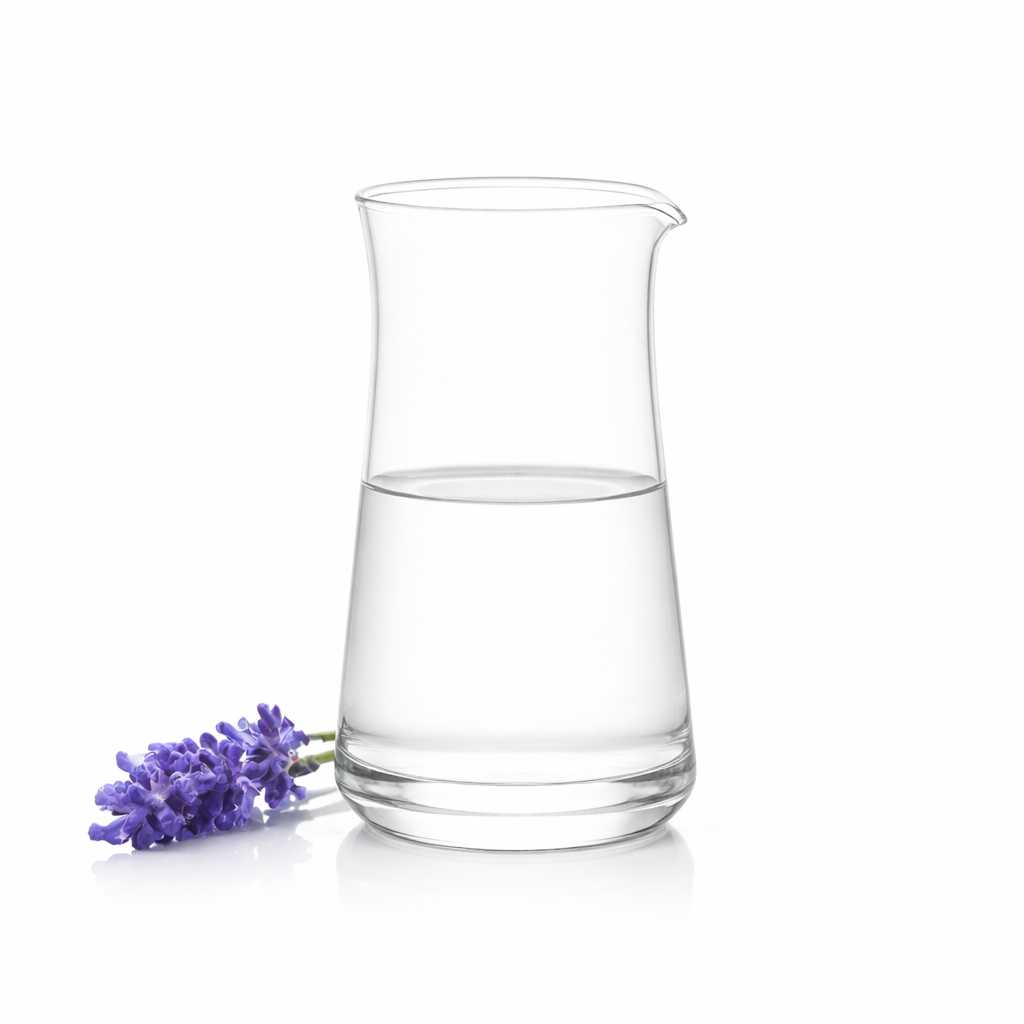
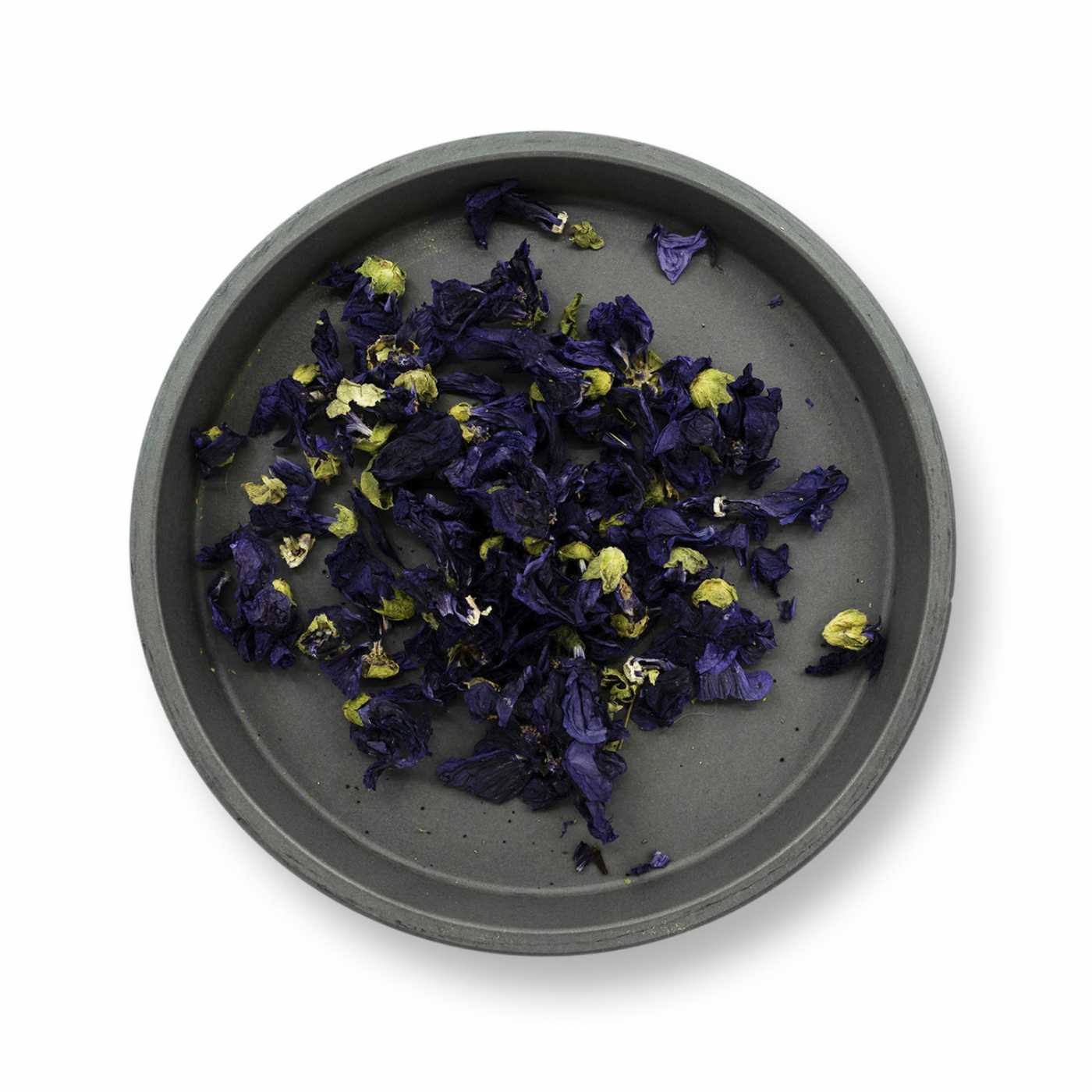
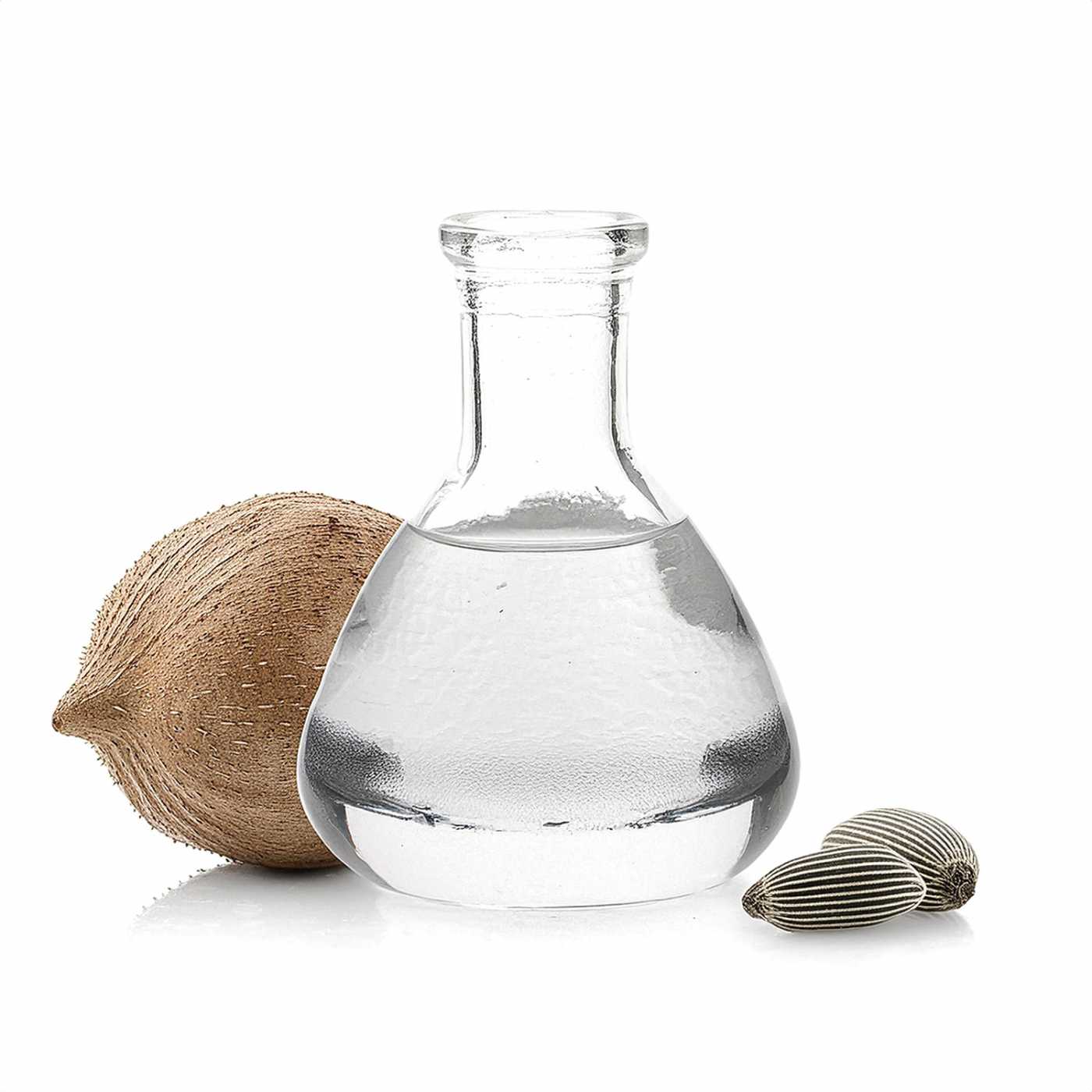
Essential oil lavender narrow-leaved BIO is obtained by steam distillation of the plant Lavandula angustifolia from European organic farming. In a formulation it serves two purposes at once: it gives the product a floral-herbal fragrance and, according to the manufacturer's data, supports a soothing sensation on the skin. It is used in facial care, in shower and bath preparations, in massage oils and in a diffuser.
What characterises lavender essential oil
- Floral-herbal fragrance – fresh, soothing character. Used on its own or blended with other essential oils. The manufacturer recommends it for perfumes, aromatherapy blends, massage oils, bath products and room sprays.
- Skin soothing – according to the manufacturer's data, it helps reduce the feeling of irritation and redness, which is why it is added to after-sun preparations and care for irritated skin.
- Cooling sensation – the manufacturer states a refreshing, mildly cooling effect on the skin, suitable for after-sun preparations and summer body products.
- Antimicrobial properties – the manufacturer lists these as supporting a clear skin appearance. However, the oil does not replace the preservative system of the finished product.
- Hair care – adds a floral fragrance to hair perfumes, mists and leave-in preparations that lingers on the hair.
- Plant origin and BIO certification – the raw material contains no materials of animal origin, has not been tested on animals, and holds an organic production certificate.
Use in formulation
The oil is soluble in oils and alcohol, it does not dissolve in water. Without further processing, it is added to the oil phase of emulsions, to anhydrous products (body oils, balms, massage blends, bath oils) and to alcohol perfumes or aftershave waters. For water-based products such as facial tonics, hair mists or room sprays, first incorporate it into a non-ionic solubiliser and only then add it to the water phase. Without a solubiliser, the oil will separate from the water.
The recommended processing temperature is below 40 °C. The oil is added to the emulsion during the cooling phase, when the mass drops below this temperature, with continuous stirring. In cold-process products, it is added at the end together with the other fragrance and active ingredients.
For shower gel or liquid soap, the oil is incorporated directly into the surfactant base. The raw material is compatible with non-ionic surfactants. Always verify the result in the finished formulation.
Dosage is governed by the IFRA category of the final product, and each category has its own maximum concentration. A list of categories with product definitions can be found in the product parameters. Before including it in a formulation, verify which category your product falls into and set the dosage accordingly.
Suitable for products such as
- Facial care – creams, tonics and serums, after-sun preparations.
- Body care – body oils, lotions, massage blends, hand and foot creams.
- Rinse-off products – shower gels, bath salts and oils, shampoos, solid and liquid soaps.
- Perfumes and fragrance blends – alcohol perfumes, roll-ons, solid perfumes, blends with other essential oils.
- Hair products – mists, leave-in conditioners, hair styling preparations.
- Aromatherapy and home – diffusers, room sprays, candles according to the relevant IFRA categories.
Good to know
The concentrated oil is classified under the CLP Regulation and carries the GHS07 pictogram (irritant, sensitisation). When working with undiluted oil, therefore, follow the safety data sheet supplied with the product. It should always be incorporated into a product at a dosage in accordance with IFRA.
The oil contains fragrance allergens listed in Annex III of Regulation (EC) No 1223/2009. If the established limits are exceeded, these substances must be listed in the ingredient list of the finished product. Take this into account already at the formulation design stage.
The oil is a mixture of volatile substances. Do not heat it above 40 °C and add it only to cooled mass, otherwise part of the fragrance will be lost.
Frequently asked questions
Is essential oil of narrow-leaved lavender soluble in water?
No, lavender essential oil does not dissolve in water. It dissolves in vegetable oils and in alcohol. For water-based tonics, mists and sprays, it is therefore first mixed with a non-ionic solubiliser and only then added to the water. Without a solubiliser, the oil will separate from the water.
How is lavender essential oil added to a cream?
It is added to the cream during the cooling phase, when the emulsion is below 40 °C. The oil is stirred in continuously together with the other heat-sensitive ingredients. As it is a mixture of volatile substances, the manufacturer recommends processing below this temperature. The concentration of the oil in creams is governed by the relevant IFRA category for leave-on facial or body preparations.
How much lavender essential oil can I add to a product?
The maximum dosage is determined by the IFRA category to which the finished product belongs. Definitions of individual categories, from lip preparations through creams to candles, are listed in the product parameters. First assign your product to the correct category, set the dosage accordingly, and evaluate the fragrance in the finished formulation.
Is essential oil of narrow-leaved lavender BIO and vegan?
Yes, lavender essential oil holds BIO certification and is of purely plant origin. It contains no materials of animal origin and the manufacturer does not test it on animals. It is obtained by steam distillation of the plant Lavandula angustifolia from European organic farming, without the use of genetically modified organisms.
Is essential oil of narrow-leaved lavender suitable for a diffuser?
Yes, lavender essential oil is used in diffusers and aromatherapy both on its own and blended with other essential oils. The manufacturer also recommends it for room sprays and aromatherapy blends to create a calming atmosphere. For water-based room sprays, the same principle applies as in cosmetics: the oil must first be incorporated into a solubiliser or into alcohol.