Surfinesse Cleanse, Gentle Natural Olive-Based Surfactant, 100 g
Pre-order€13.99(€139.90/kg)

Cold pressed oils 100 ml
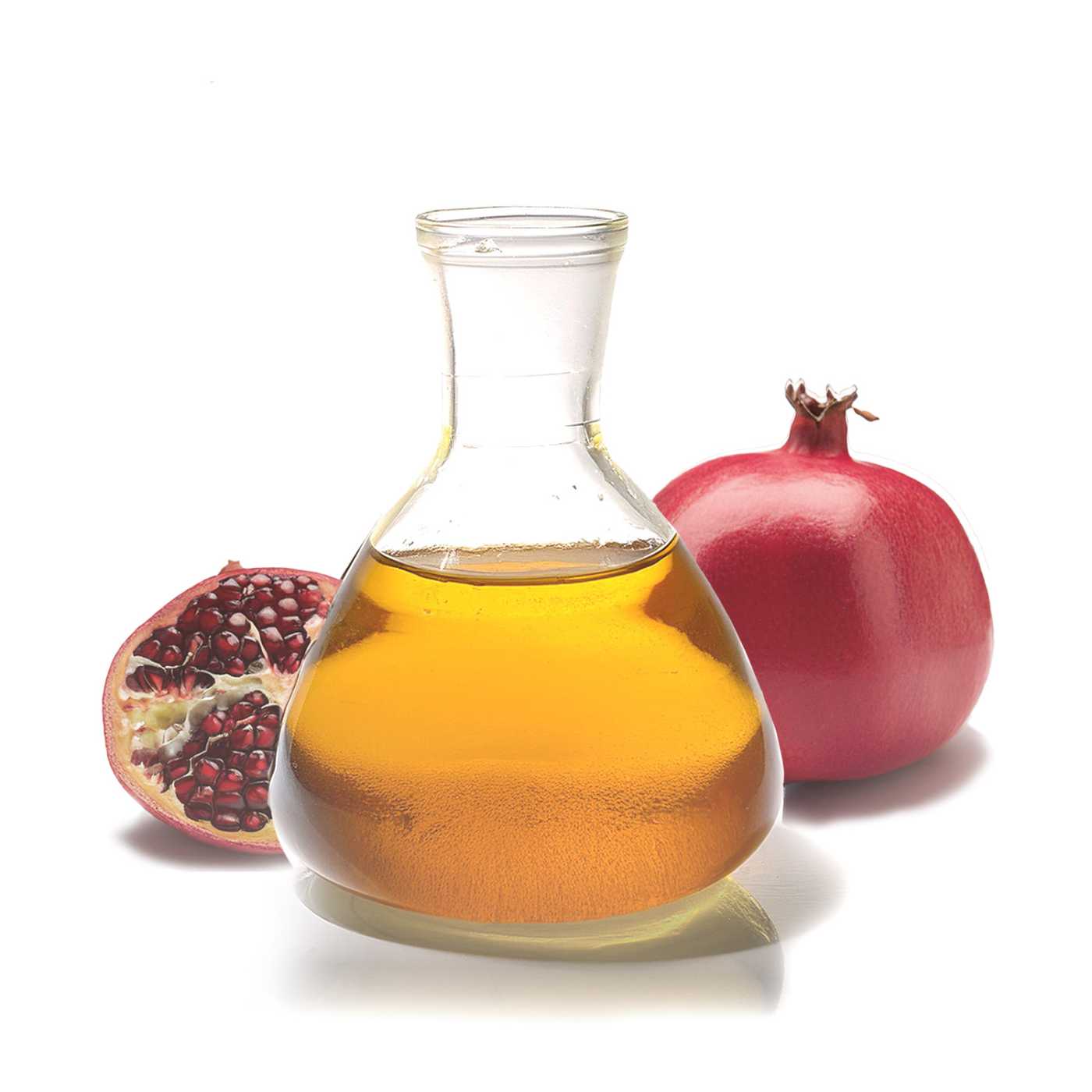
Cold-pressed pomegranate oil is obtained from pomegranate (Punica granatum) seeds and is used in cosmetics as an active emollient . It softens the skin, is absorbed quickly and leaves no greasy feel. full description
Lowest price in the last 30 days: €6.29
Cold-pressed pomegranate oil is obtained from pomegranate (Punica granatum) seeds and is used in cosmetics as an active emollient. It softens the skin, is absorbed quickly and leaves no greasy feel. It is added in small amounts to facial oils, serums, creams and hair products, and it suits dry and mature skin.
What sets it apart from most vegetable oils is punicic acid, which makes up the main part of it. It also determines how the oil is handled: it does not tolerate heat and needs protection from oxidation.
Punicic acid is a triply unsaturated fatty acid, also known as omega-5. This oil contains 35–85% of it, and the rest is mainly linoleic acid (4–40%) and oleic acid (3–25%). It is almost absent from common cosmetic oils.
The high degree of unsaturation comes at a price. The oil oxidises very easily, and its resistance to oxidation is similar to that of linseed oil.
The composition varies with the raw material. The proportion of punicic acid depends on the origin and variety of the pomegranates, so the scent, colour and stability may differ between batches. With a new batch, it is worth checking the scent and colour and repeating the stability test of your product.
The oil is oil-soluble and insoluble in water. It belongs to the oil phase, but it is processed below 40 °C. In emulsions it is added in the cooling phase, and in anhydrous products it is added afterwards to the finished, cooled mixture.
Never boil pomegranate oil, add it to the hot phase or heat it together with waxes and butters. Heating significantly speeds up its oxidation.
The recommended usage rate is 1–10%. It is most often used at around 1% as an active emollient in creams, solid hand creams, eye area balms, hair masks and conditioners. Rates of around 5% are used, for example, in hair waxes. It appears in formulations at rates as low as 0.5%.
Include tocopherol (vitamin E) in every formulation with pomegranate oil. The oil contains its own tocopherols, but with such an unsaturated oil they are not enough. Tocopherol can also be added directly to the bottle after opening.
In the oil phase it is most often combined with light esters, such as Caprylic/Capric Triglyceride, C12-15 Alkyl Benzoate or Myristyl Lactate, and with glycerine. In sticks and balms it is combined with the structuring agents Tribehenin and Polyamide-8, and in emulsions with Cetearyl Alcohol.
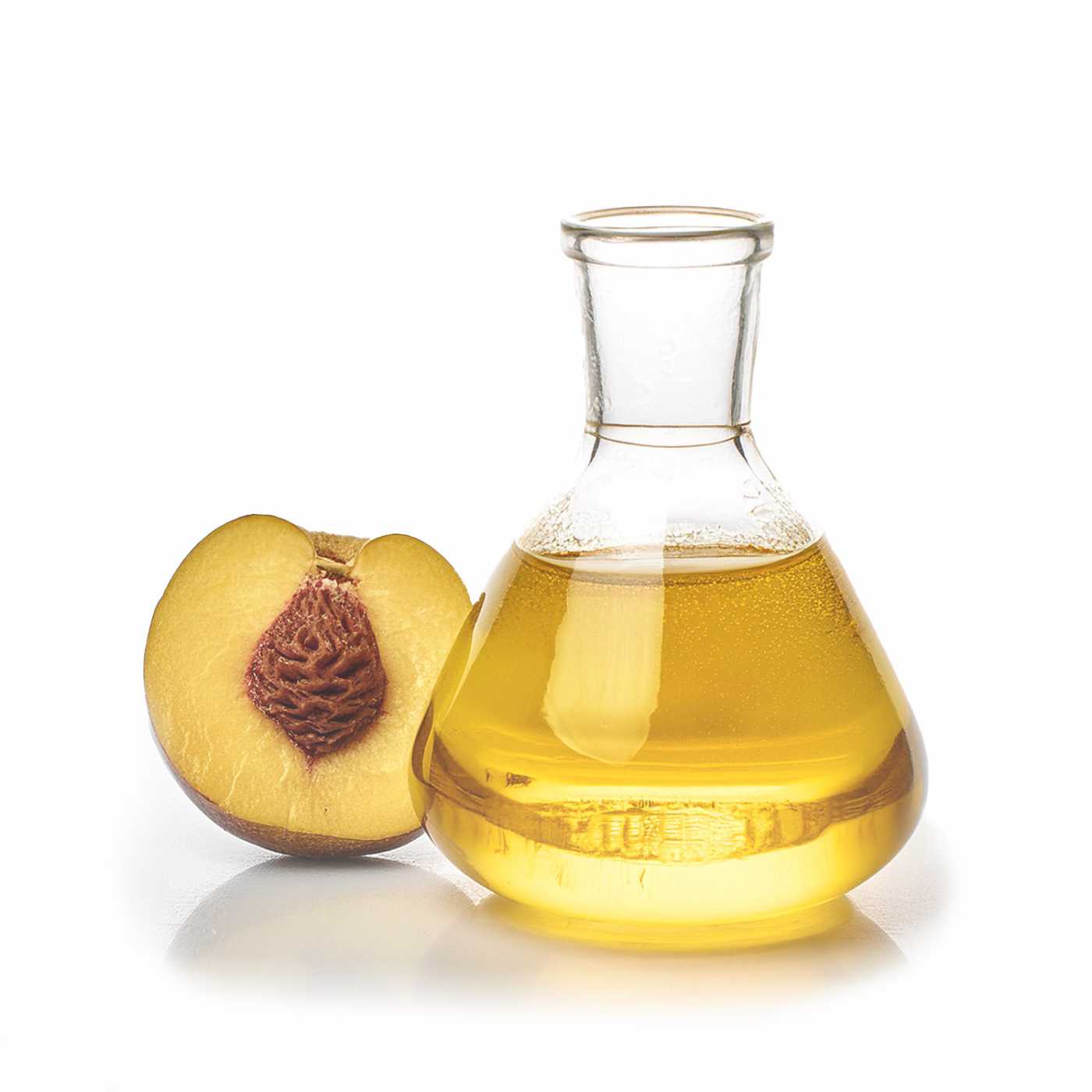
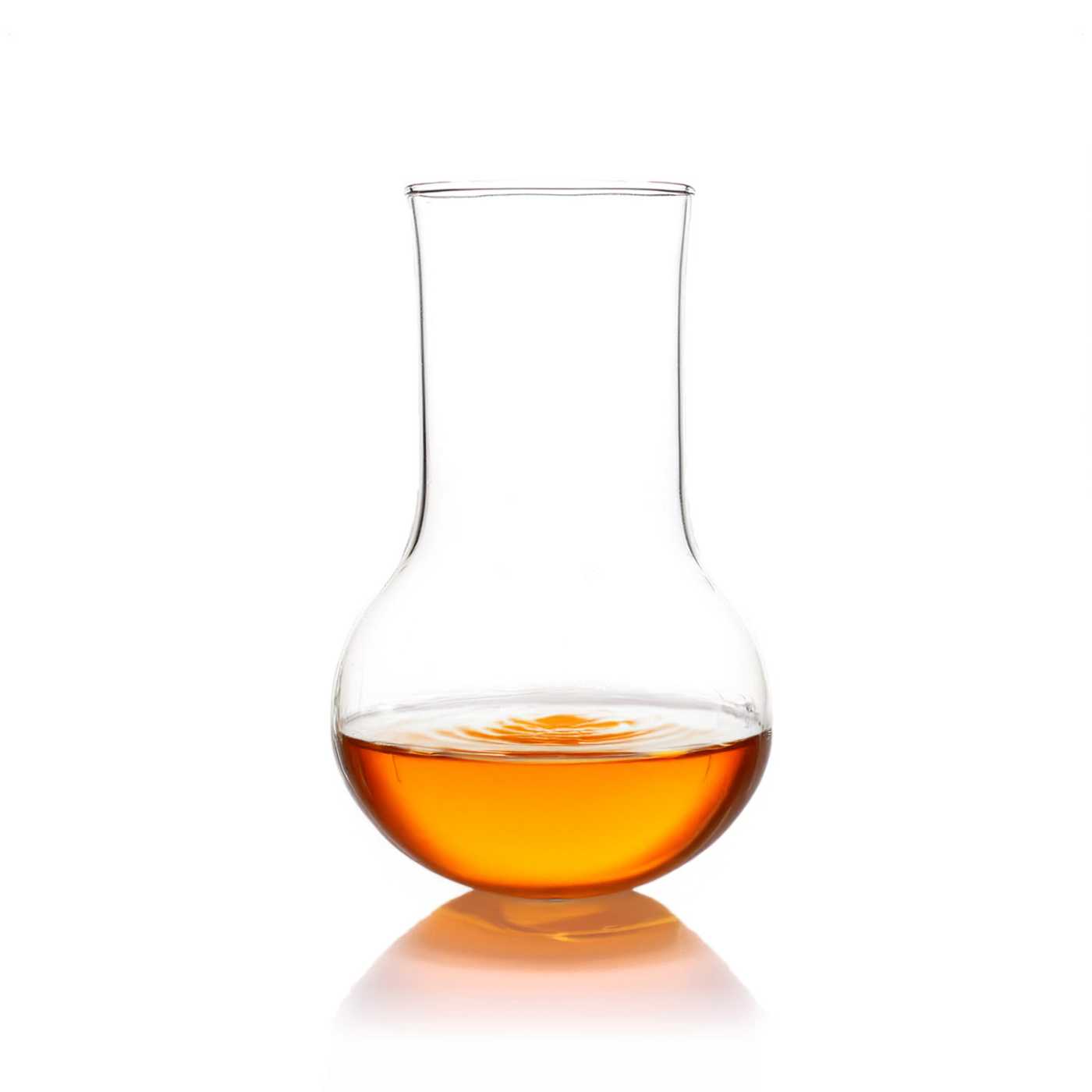
The oil is unrefined, with a yellow-gold colour and an earthy, fruity scent.
It is made from pomegranate seeds grown in Turkey. The seeds are dried and cleaned, cold-pressed, and the oil is filtered. No solvents are used in production. The manufacturer holds a BRC certificate.
It consists of 100% pomegranate seed oil, is vegan and contains no fragrance allergens. As well as being cosmetic grade, it is also food grade.
There are no compatibility restrictions with common cosmetic raw materials. The oil should not come into contact with strong acids, alkalis, oxidising agents or extreme heat.
Only customers with a delivered order can write reviews.