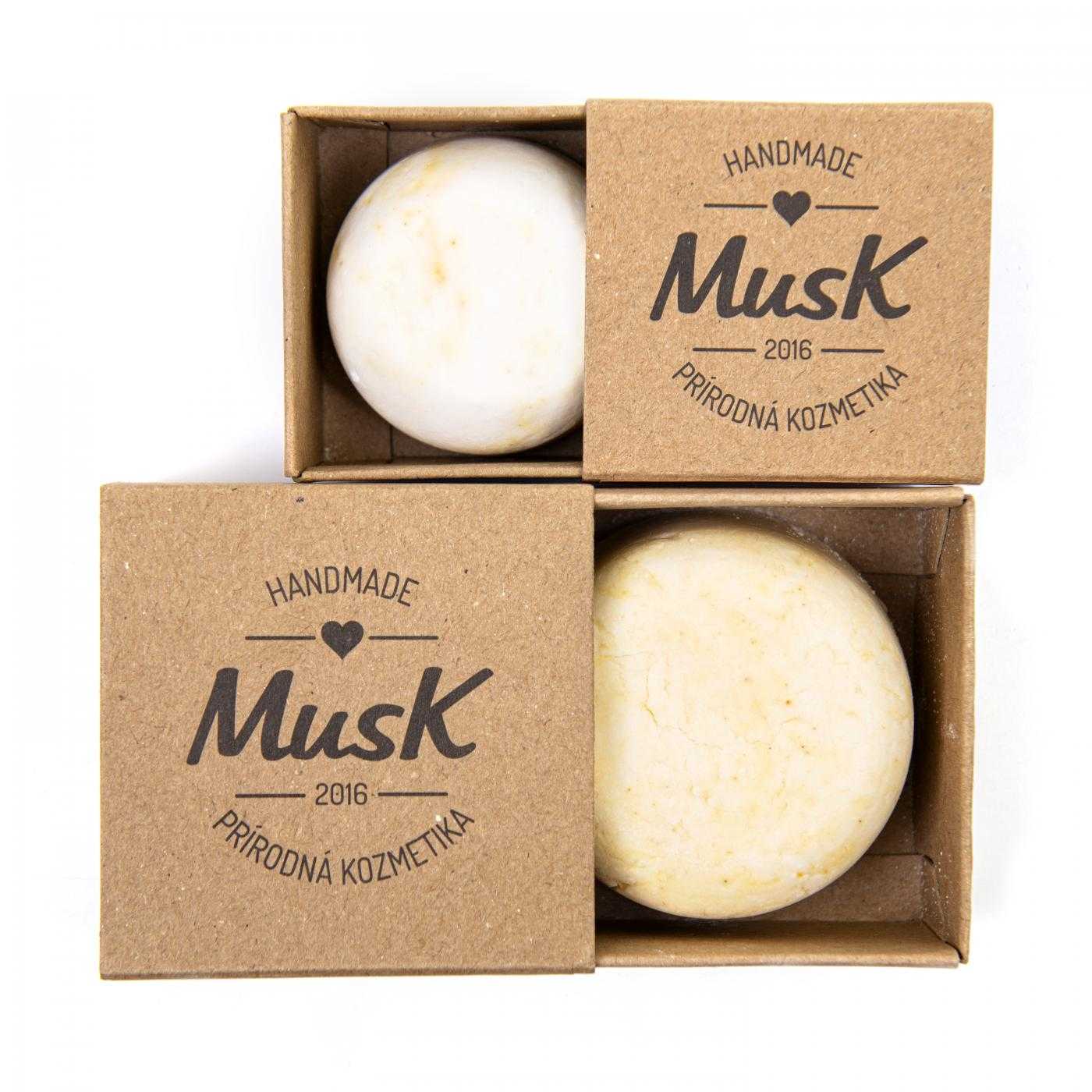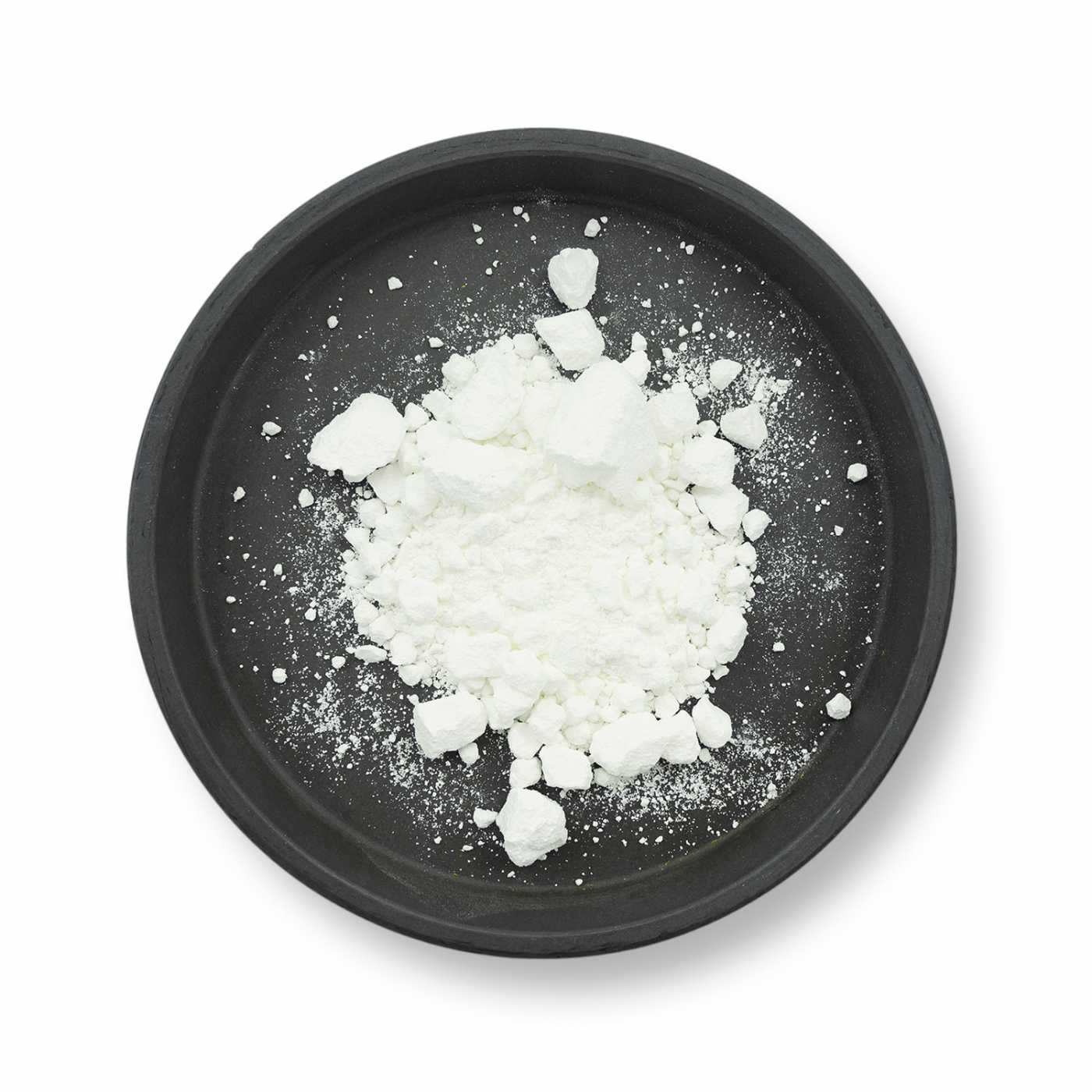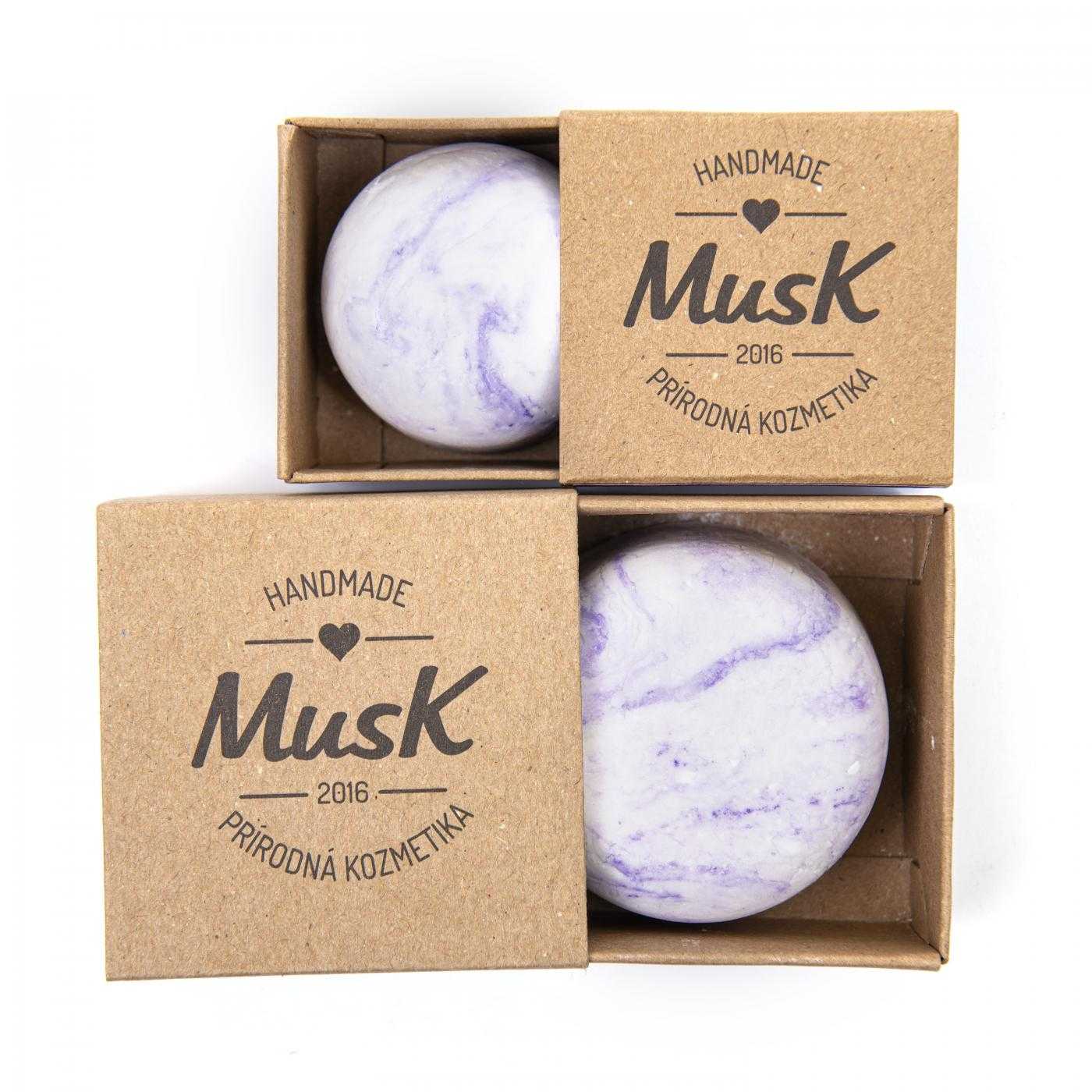
Solid shampoo, Vážna Známosť, 80 g
Pre-order€9.98(€124.75/kg)

CLEANING & WASHING
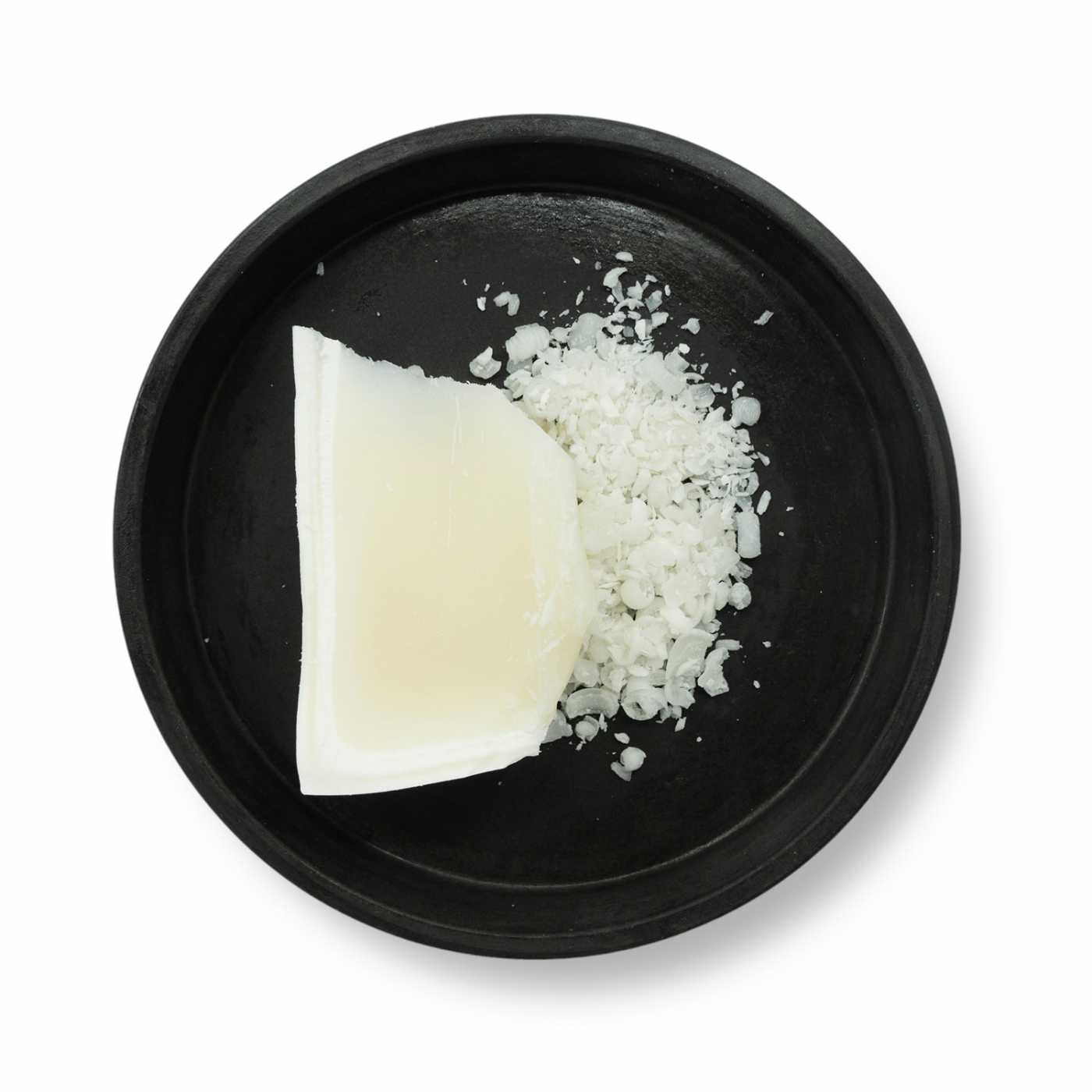
Coconut laundry soap is a solid soap made from the fatty acids of coconut oil, intended for both hand and machine washing and for preparing homemade laundry products. full description
Lowest price in the 30 days before the discount: €7.34
Promotion DIY Essentials until 13 NovAll promotion items
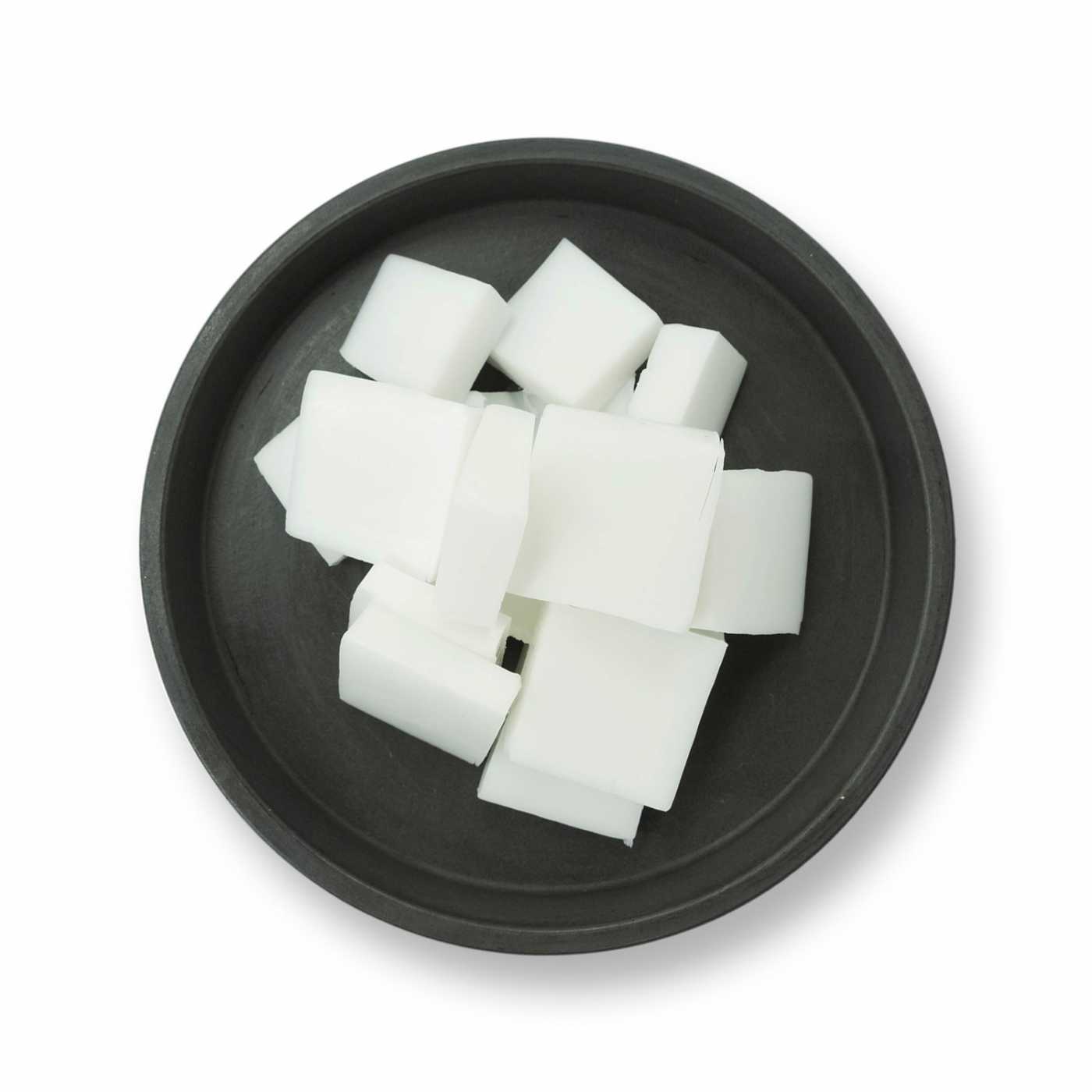
Coconut laundry soap is a solid soap made from the fatty acids of coconut oil, intended for both hand and machine washing and for preparing homemade laundry products. Its main job is to release grease and dirt from fibres. Coconut soap has a strong cleaning and degreasing ability and lathers well even in cooler water. The 500 g bar can be grated, cut or applied directly to stains.
The composition is deliberately simple and free from fragrance, dyes and optical brighteners. The soap is therefore also suitable for households that want to keep control over what comes into contact with their laundry and skin. It is a product of European origin.
Directly on stains. A dampened bar of soap is rubbed into the stain (grease, collar, cuffs, dirt on knees), left to work for a few minutes, and then the item is washed in the usual way. This is the simplest way to use it, and the soap is used up slowly.
Hand washing. Grate or cut the required amount of soap into warm water and stir until dissolved. The resulting solution is used for washing and soaking. Adjust the amount to the hardness of the water and the level of soiling. The exact usage rate depends on the volume of water and is not set universally.
Homemade laundry gel or powder. Grate the soap finely and dissolve it in hot water; after cooling, it thickens into a gel. It is commonly combined with washing soda (Sodium Carbonate), which adds alkalinity and softens the water. For a dry laundry powder, finely grated soap is simply mixed with the soda and, if desired, other powder ingredients.
When preparing the gel, the soap dissolves more easily when it is finely grated and the water is hot, not boiling. Always stir or shake the finished gel before use – after cooling, it tends to set and separate into layers.
Alkaline soaps are generally not recommended for wool and silk. These fibres are sensitive to higher pH. Always follow the care symbols on the garment label.
The soap is alkaline. Like any true soap, it has a higher pH than synthetic laundry products. This contributes to its cleaning effect, but it is also the reason why it is not suitable for delicate animal fibres and why your hands need hand cream after longer hand washing.
Hard water and rinsing. Even with sodium citrate, a soap film can form on the fibres in very hard water, making the laundry stiff and gradually turning it grey. Thorough rinsing and combining the soap with washing soda help. In a washing machine, use grated soap sparingly so that it does not lather excessively. Excess foam reduces washing efficiency and strains the pump.
Dissolving in the washing machine. Larger pieces of soap may not have time to dissolve in short and cold programmes. It is better to add the soap in the form of fine flakes or already dissolved as a gel directly into the drum or the detergent drawer.
It is not a soap for the skin. Coconut soap is made for its degreasing power and is too drying for washing the body. For cosmetic recipes that use a soap base, soaps with the addition of gentler oils are usually used.
Store grated soap and the finished gel out of the reach of children and do not mistake them for food – fine soap flakes resemble grated cheese.
Only customers with a delivered order can write reviews.