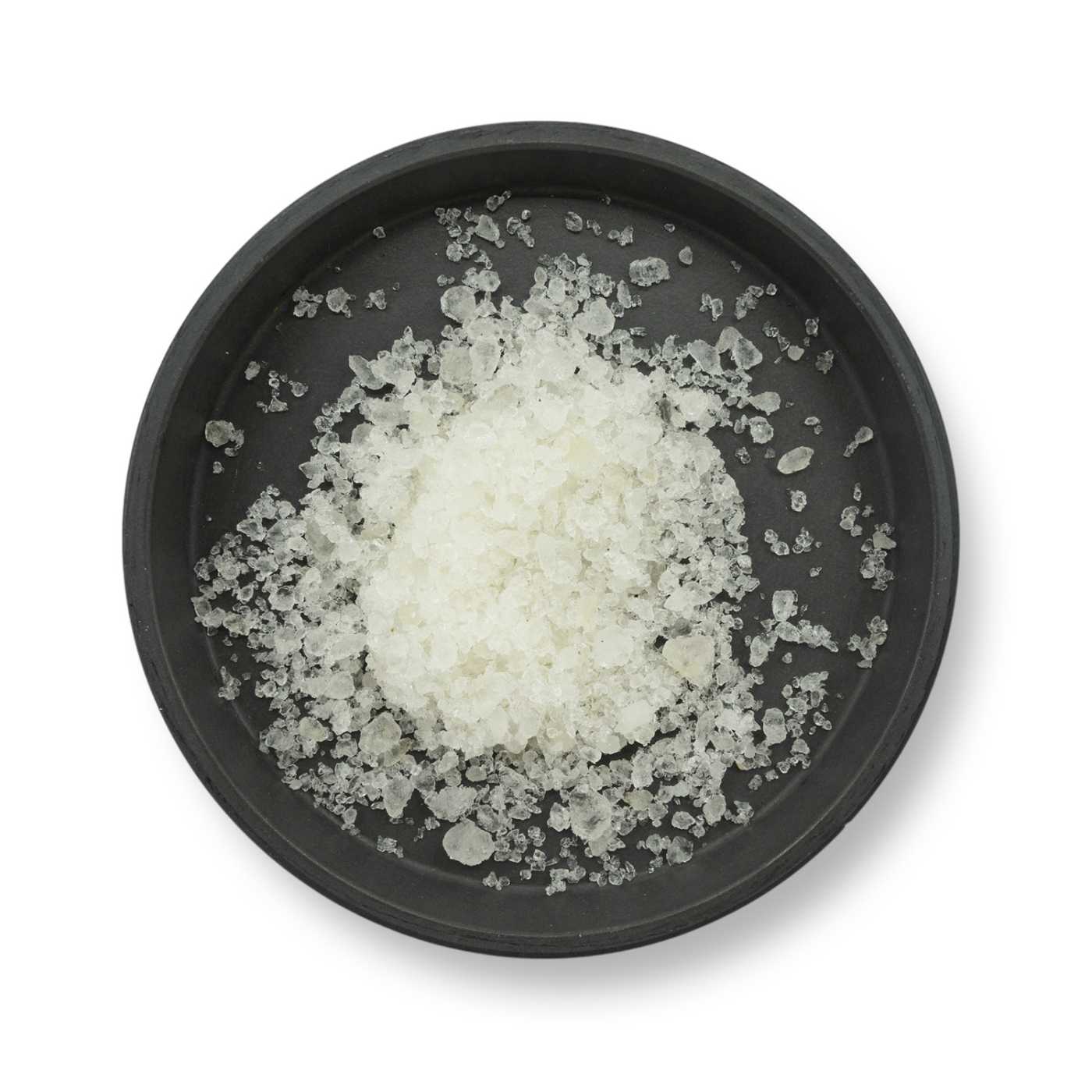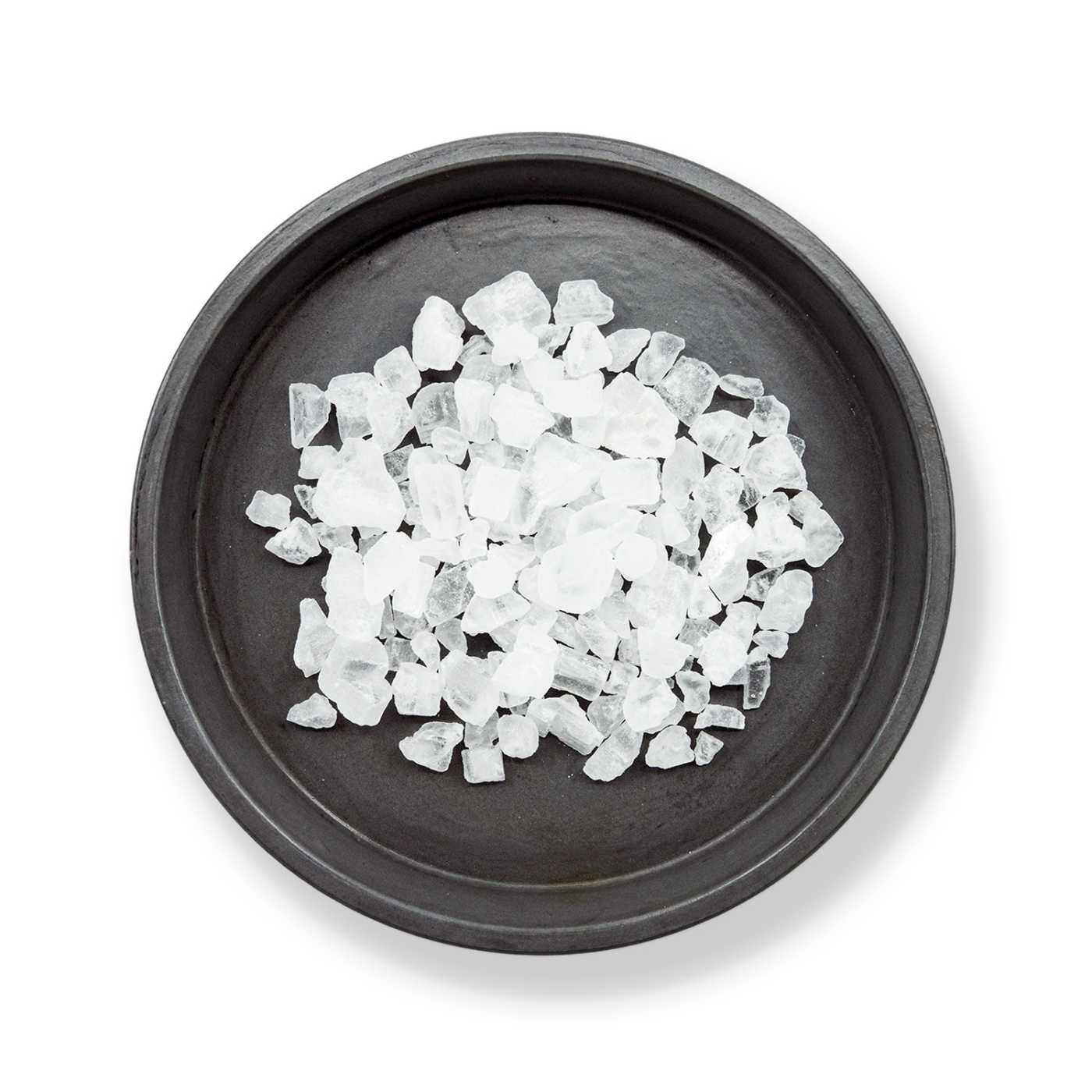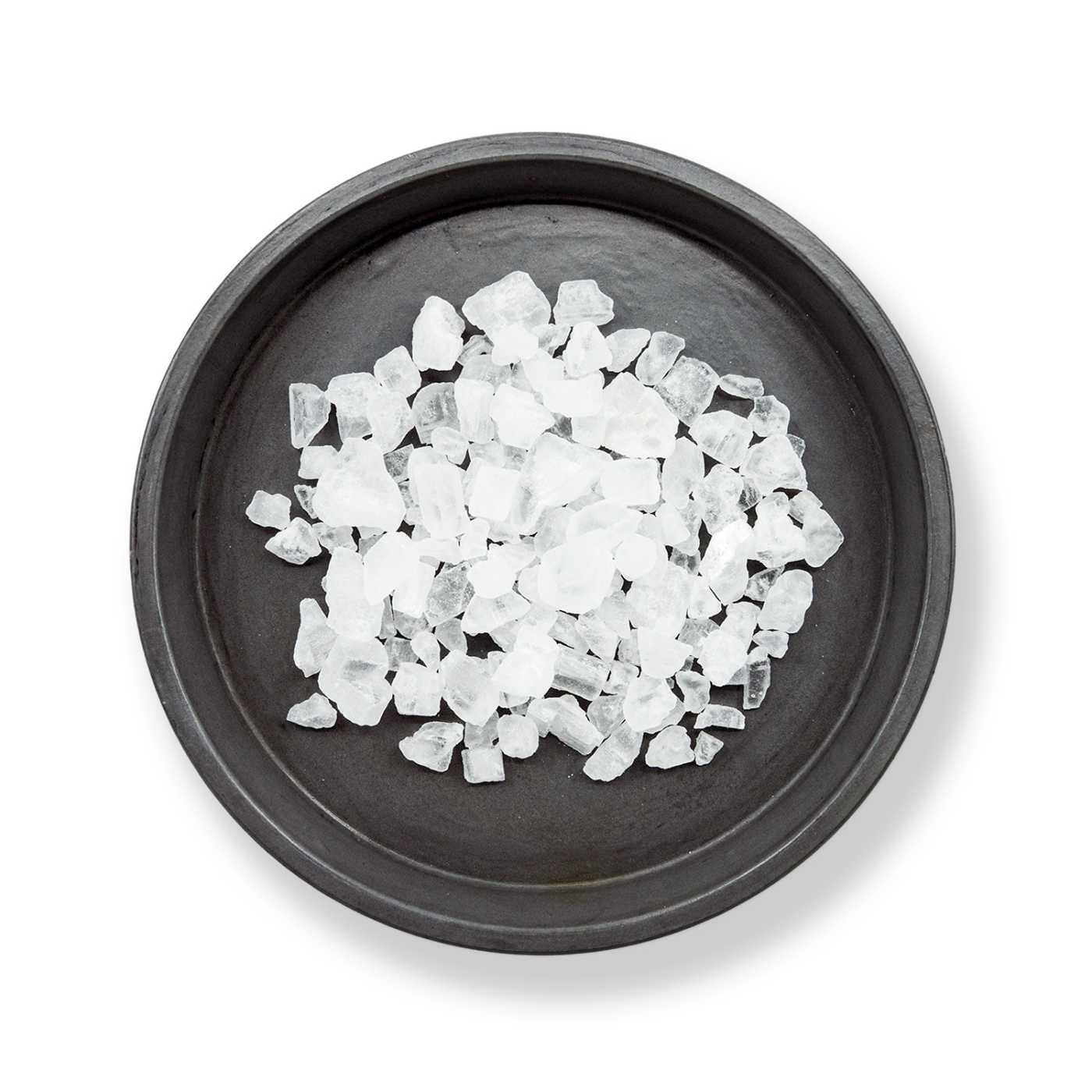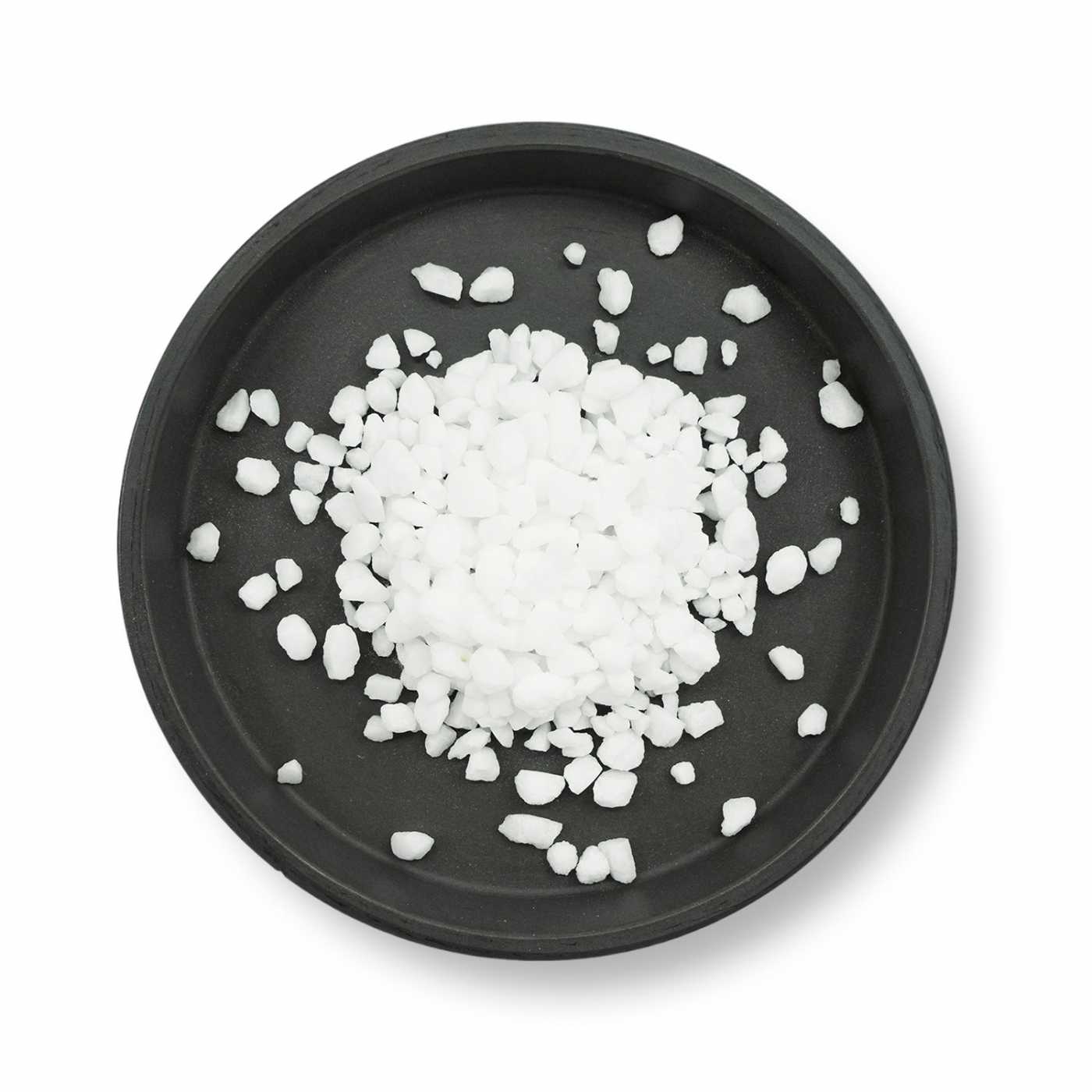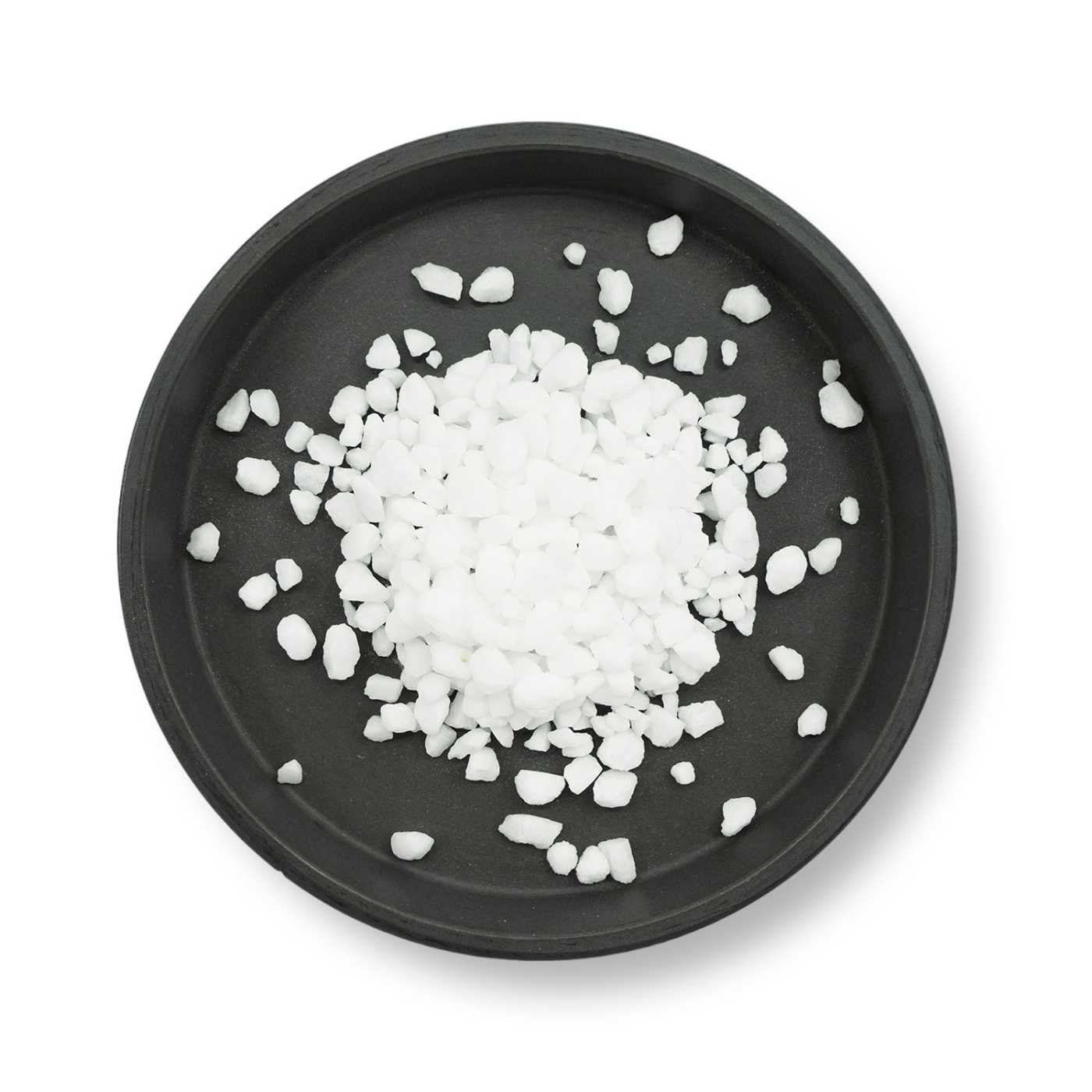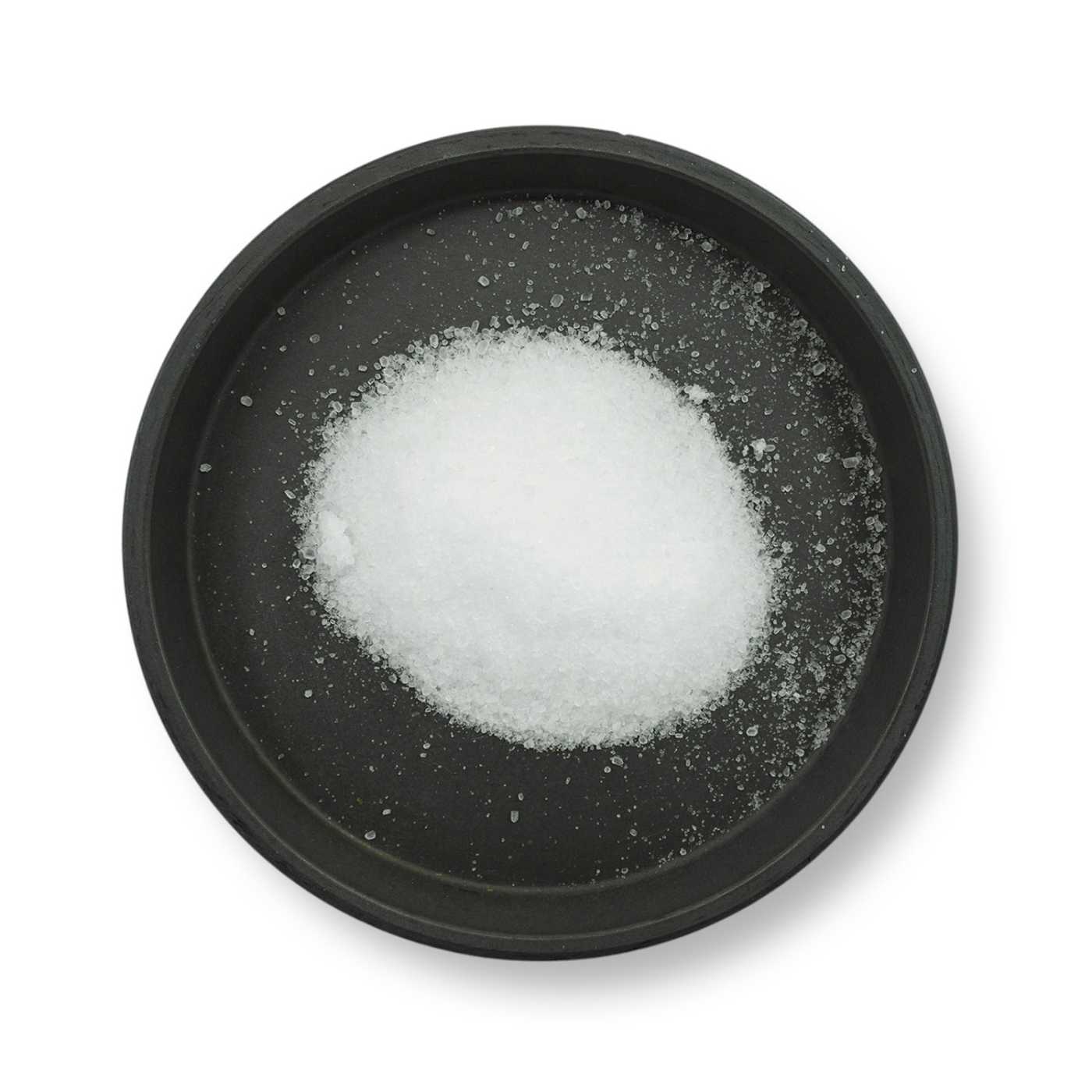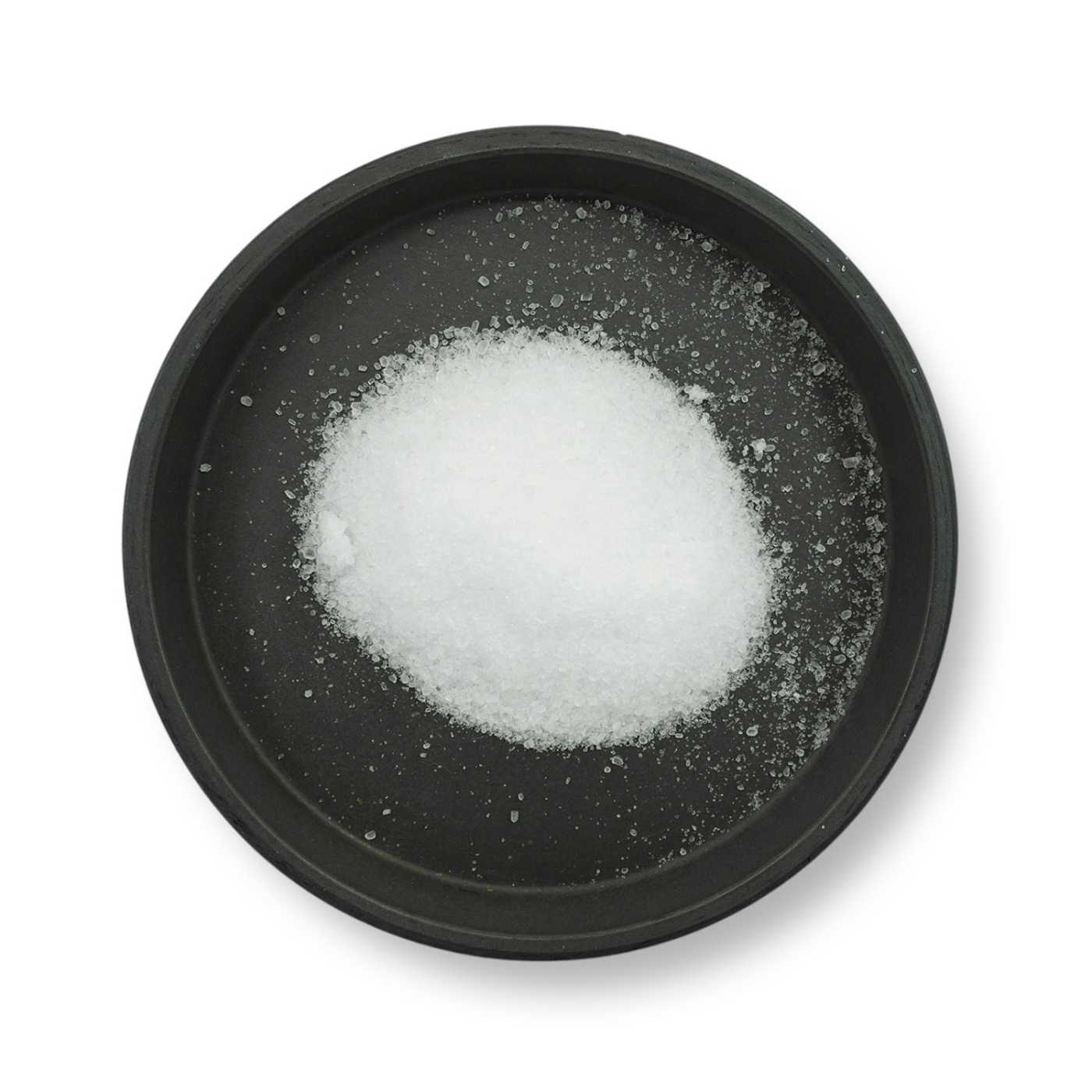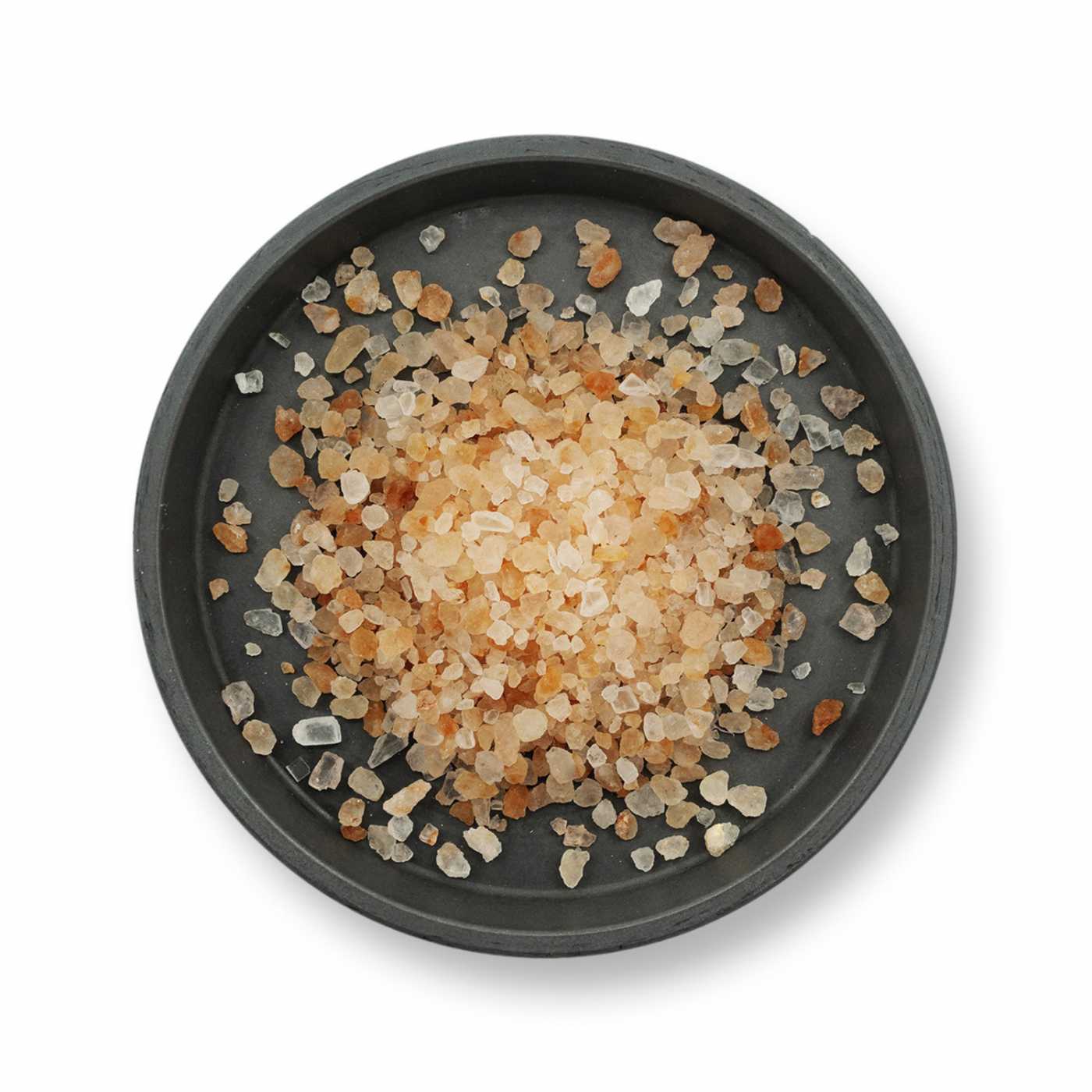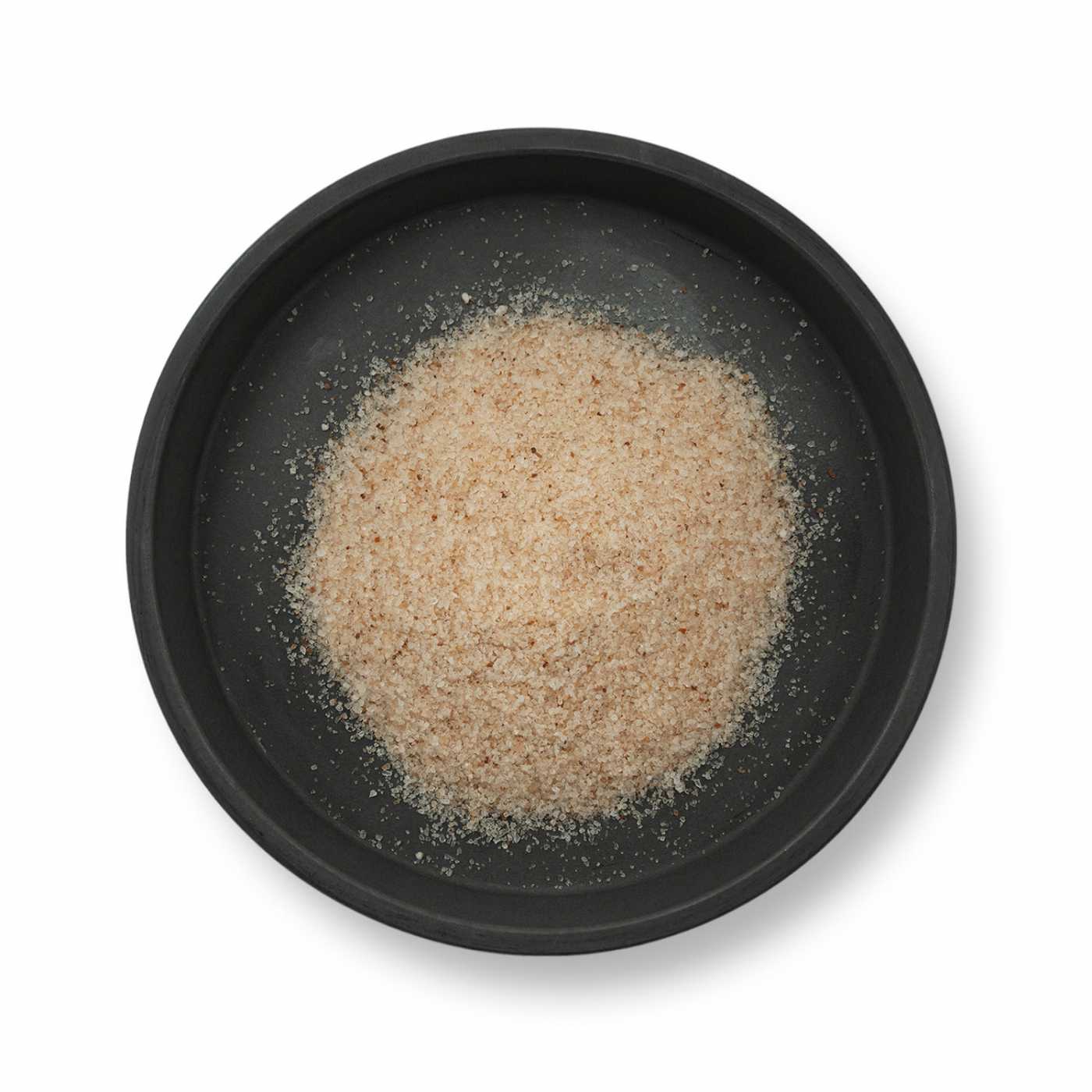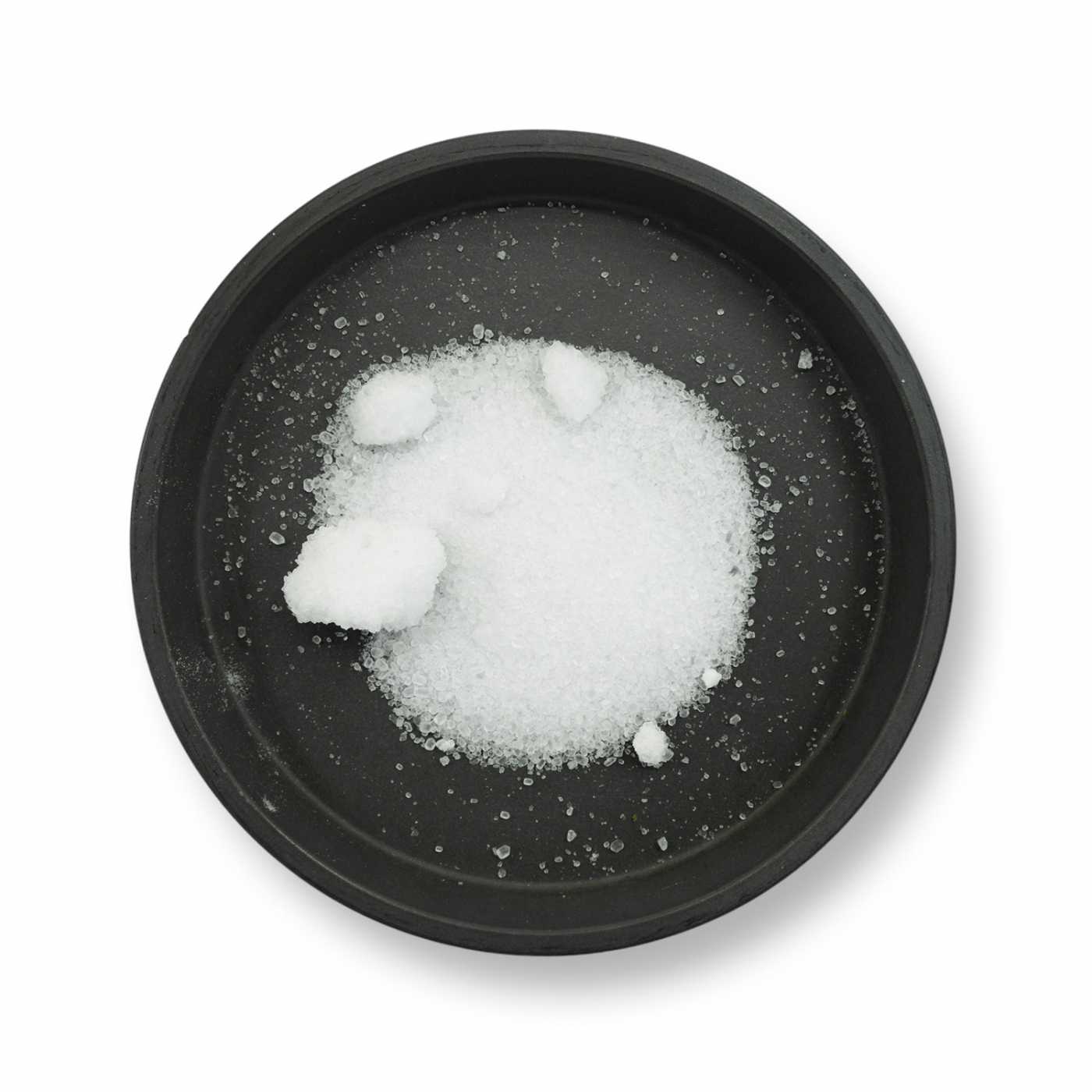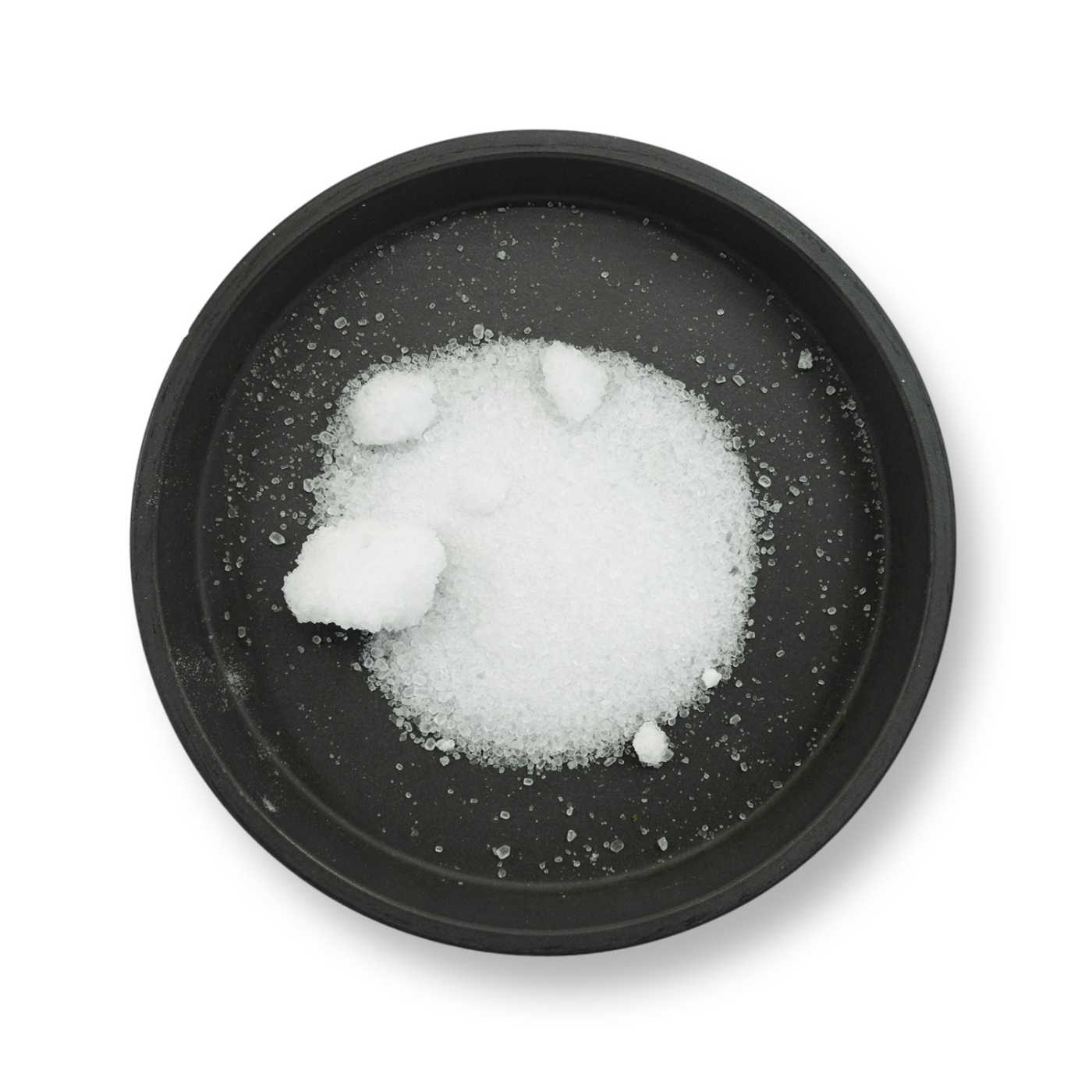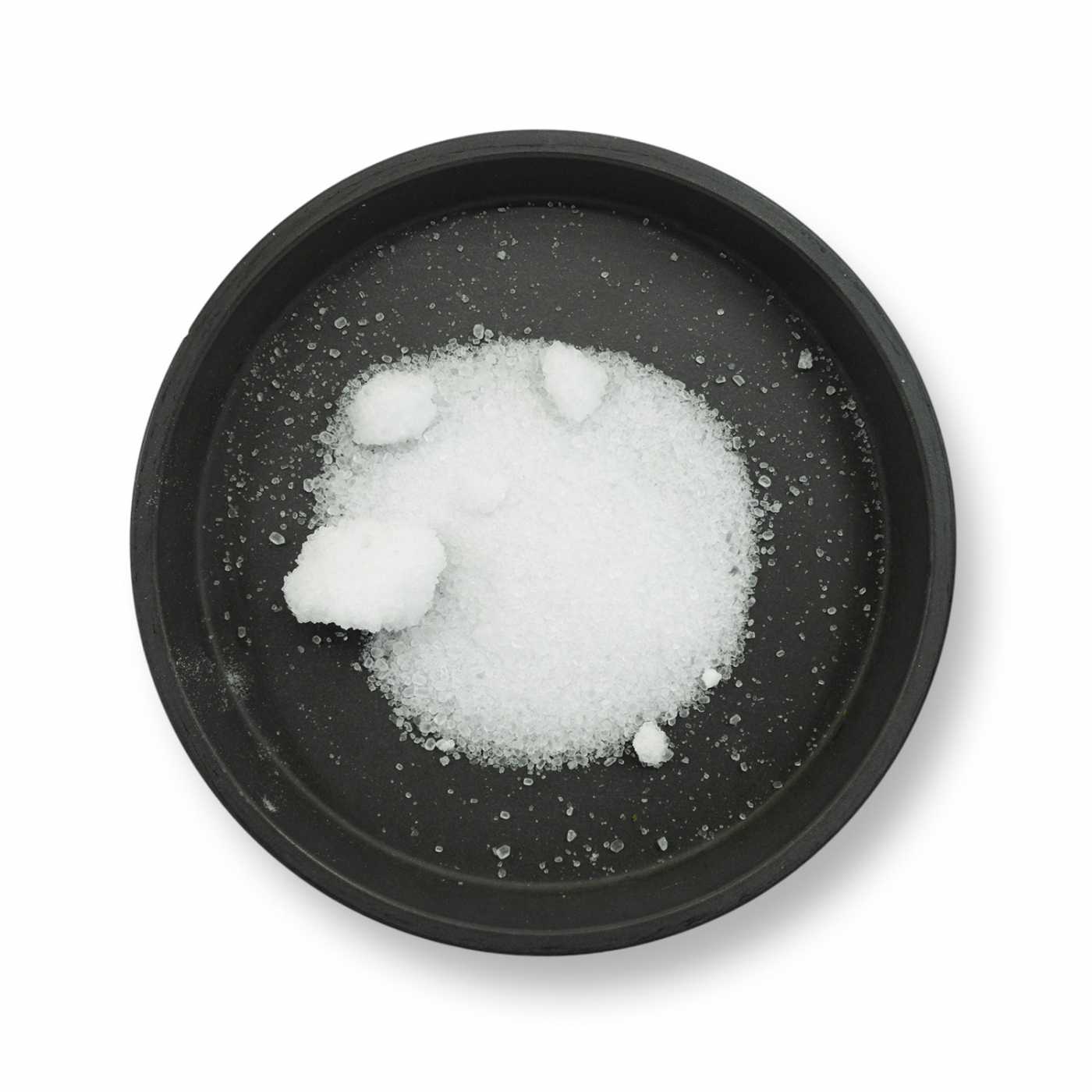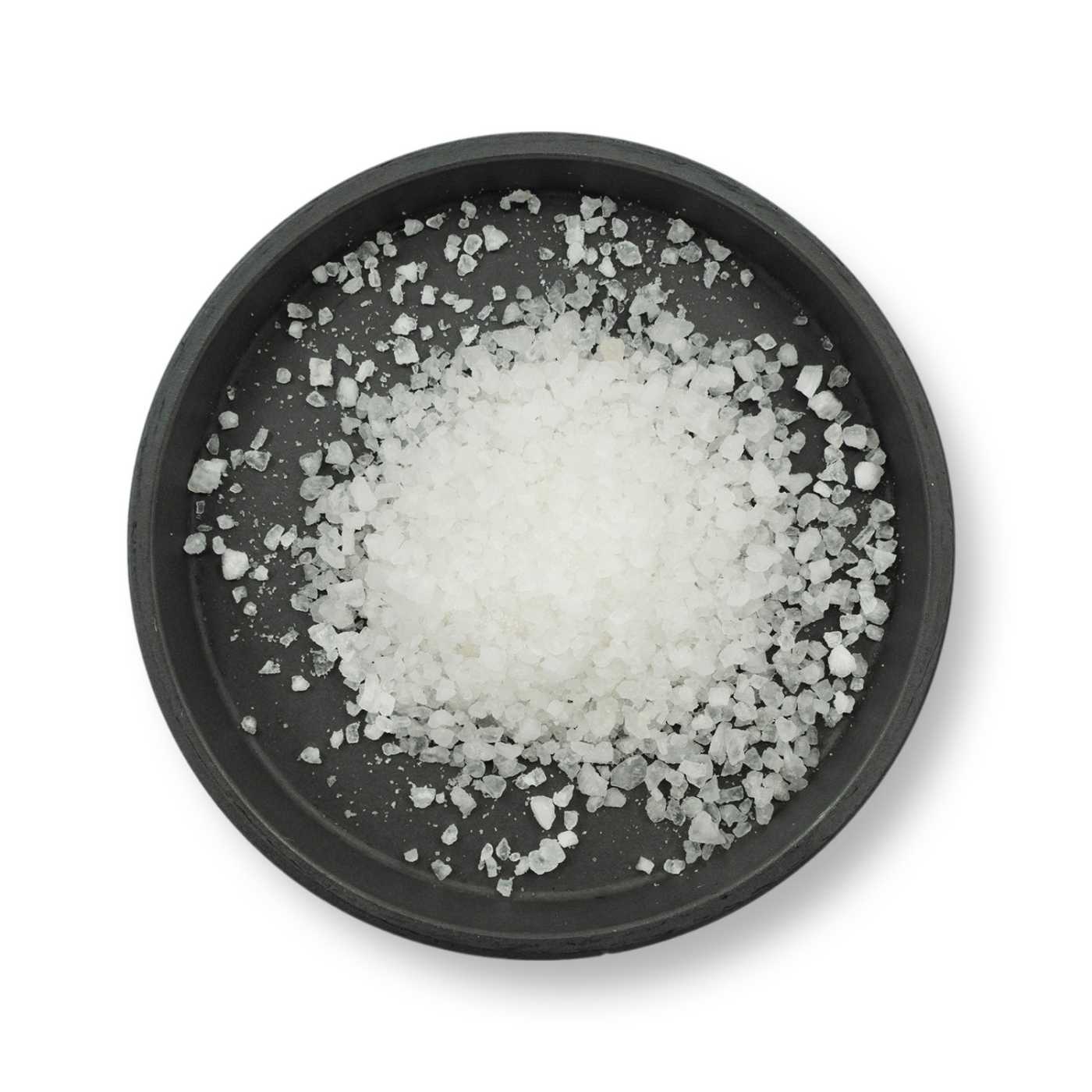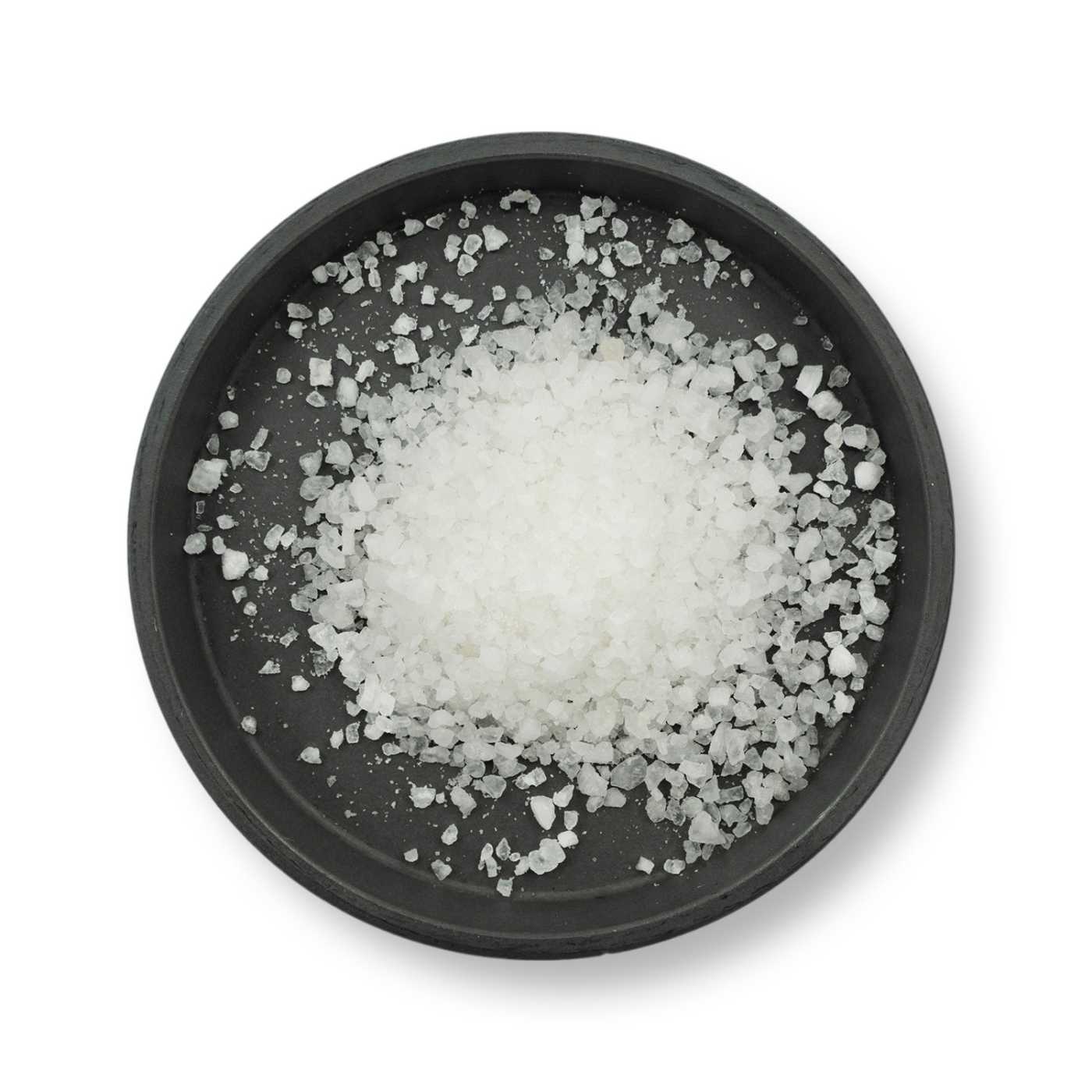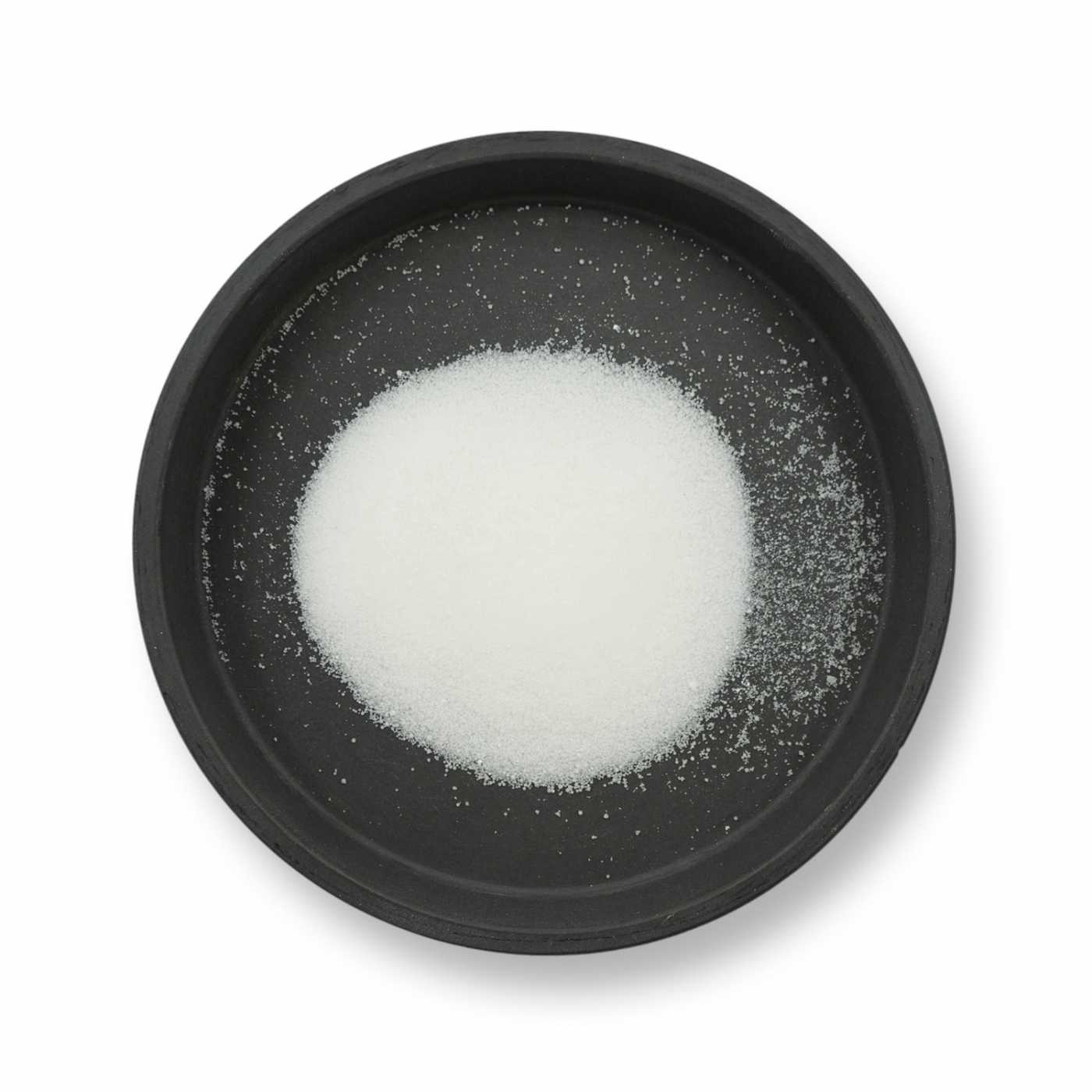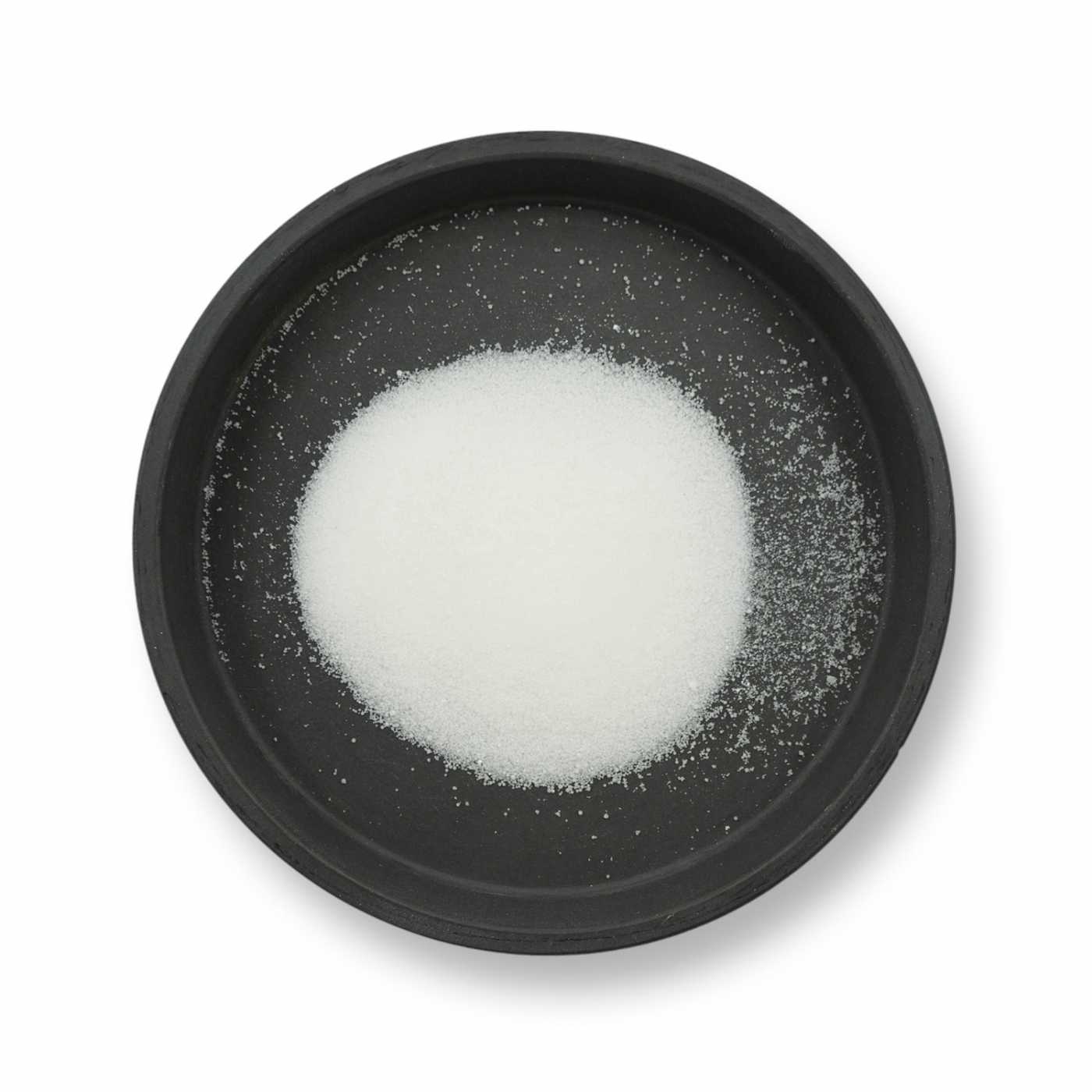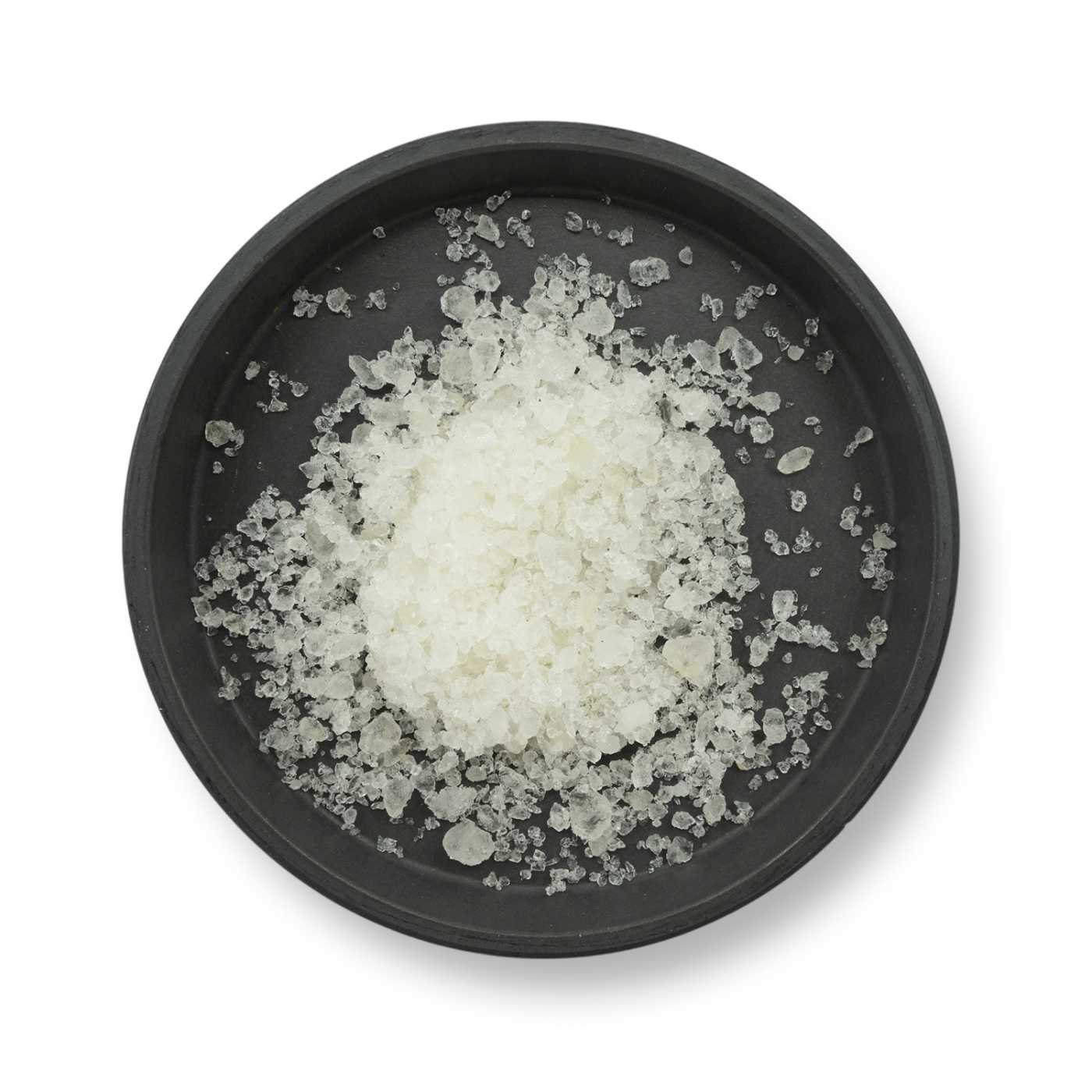
Dead Sea Salt, 1 kg
Pre-order€7.99(€7.99/kg)

Documentation for every product
26 products in this category
26 in stock now
4.9 out of 5 · 667 ratings
Showing 26 of 26 products
Salt is the simplest route to homemade bath cosmetics: dissolve it in water and a mineral bath is ready. We stock seven kinds — from Epsom through Himalayan and sea salt to Dead Sea salt and pure iodine-free sodium chloride — in pack sizes from 1 kg to 25 kg sacks, with a certificate for every batch.
Give your bath salt a twist with a few drops of essential oil, colour it with mica or fruit powders, or mix it with herbs — and always protect any unused blend from moisture. For a scrub, choose the finely ground kinds so that they do not irritate the skin, and combine them with a plant oil or melted butter from the oils category; after an oil bath, mind the slippery tub. In bath bombs, finely ground salt goes straight into the mix, while coarse-grained salt works as decoration on the bottom of the mould.
We keep every cosmetic salt in 1 kg, 5 kg and 25 kg packs, so the same raw material serves both first experiments and regular production, with the price per kilogram falling as the pack grows. The range is rounded out by regenerating salt for dishwashers and crystalline salt for treating drinking water — industrial salts that have no place in cosmetics, but that soften water and protect appliances from limescale.
Almost any cosmetic salt will do for a bath. Epsom helps to relax the muscles after a workout, Himalayan and sea salt bring minerals to the water and have antibacterial properties, and Dead Sea salt is the mineral classic. The exception is dishwasher salt — that one is industrial and belongs neither in the bath nor in cosmetics.
Always a finely ground one — Epsom, sea or Himalayan — so that the particles do not irritate the skin, especially on sensitive areas. Mix the salt with a plant oil; if you want a firmer scrub, first melt the oil together with a plant butter and only then stir the salt in. You can colour the blend with mica powders, for example.
In two ways. Finely ground salt, Epsom for instance, is added straight into the dry mix with bicarbonate of soda and citric acid. Coarse-grained salt is scattered on the bottom of the mould and covered with the mixture — once turned out, it gives the bomb a decorative mineral surface. The mix itself will also take a small amount of coarser salt.
Yes. Drops of essential or fragrance oils bring the scent, and mica powders, fruit powders or activated charcoal, which also cleanses, bring the colour. You can also mix the salt with herbs for a relaxing bath. Blends with fruit powders and herbs must be kept carefully away from moisture, otherwise micro-organisms and mould can grow.