
Pre-orderSold out
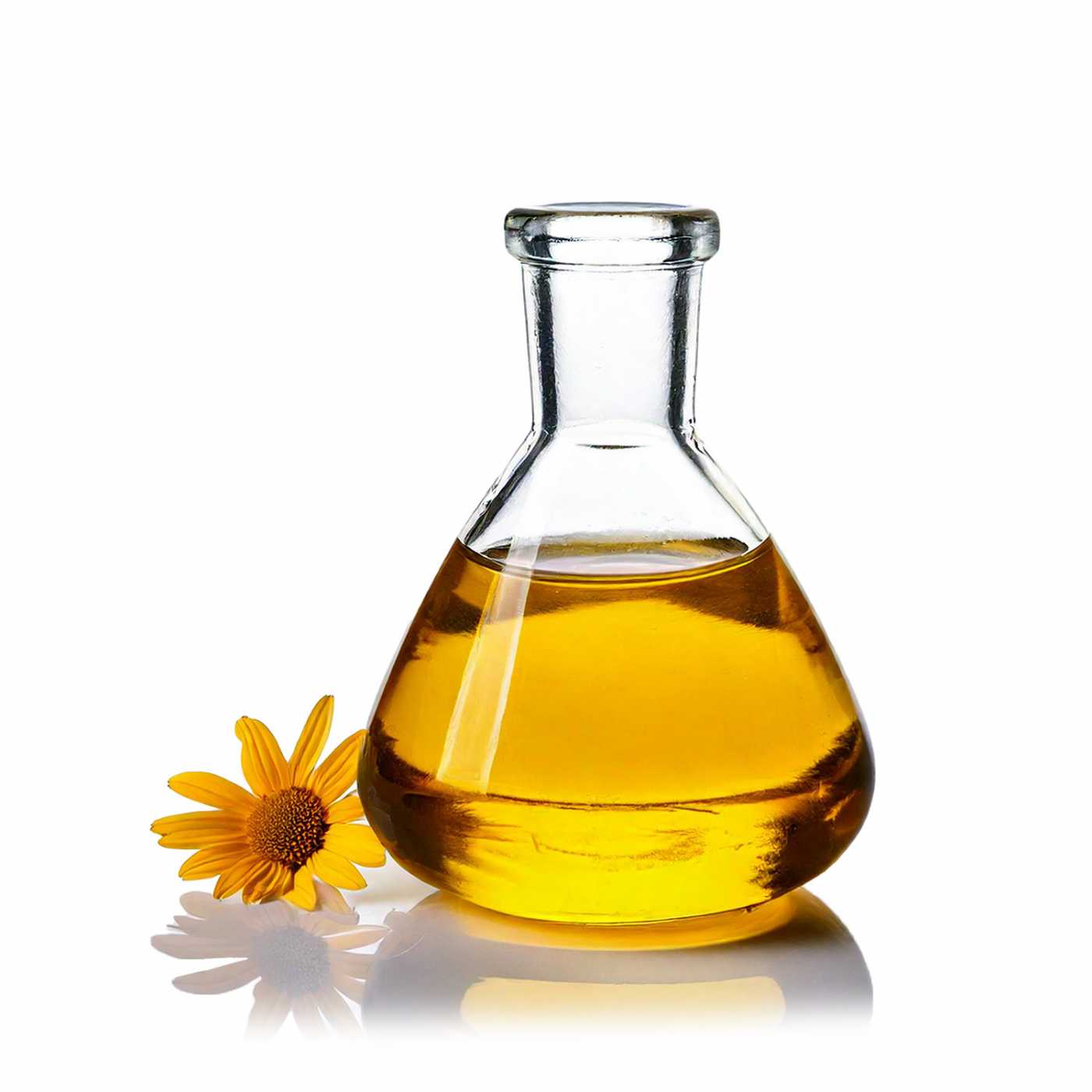
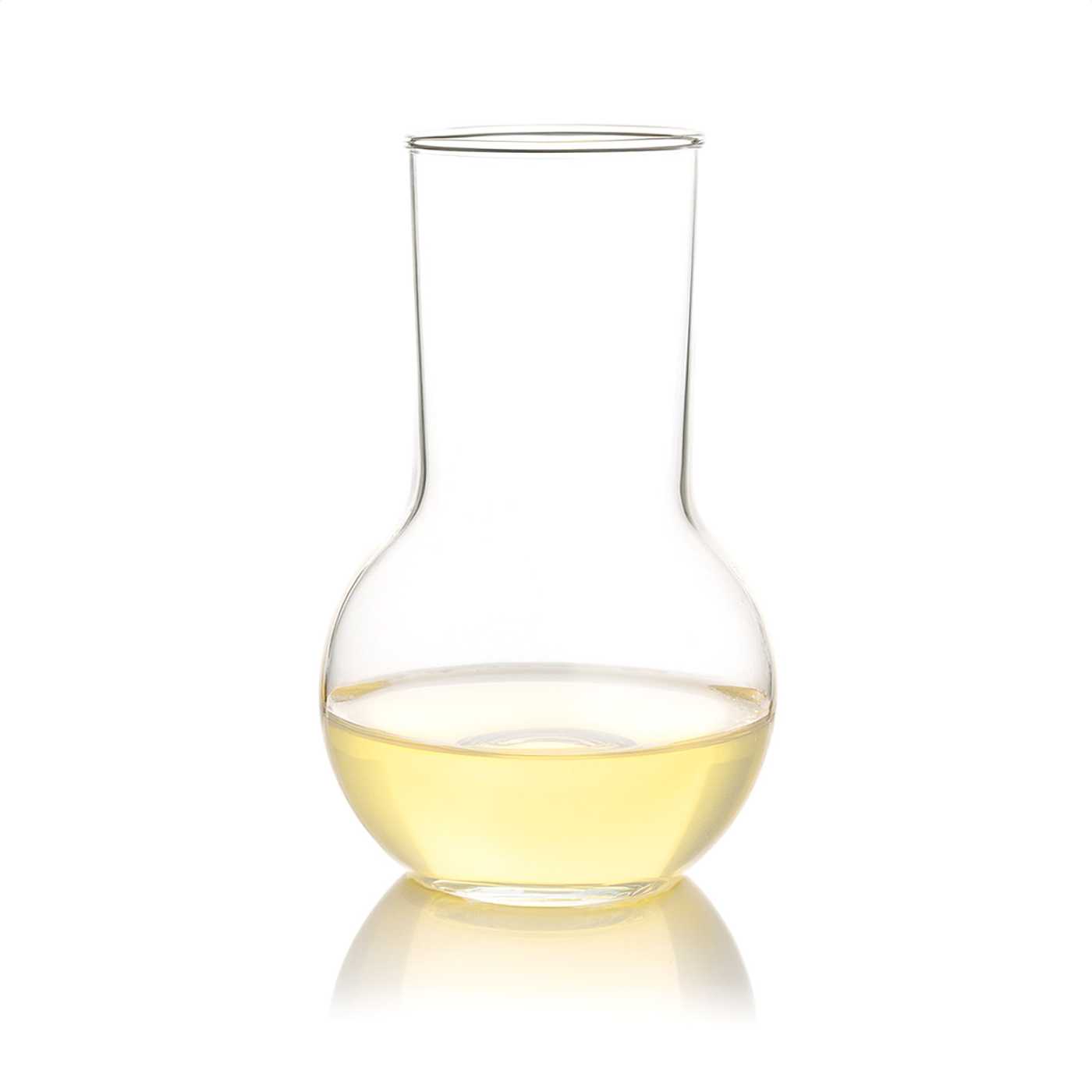
Arnica, Infused in Sunflower Oil, Organic, 100 ml
€7.34(€73.40/l)

ACTIVE INGREDIENTS
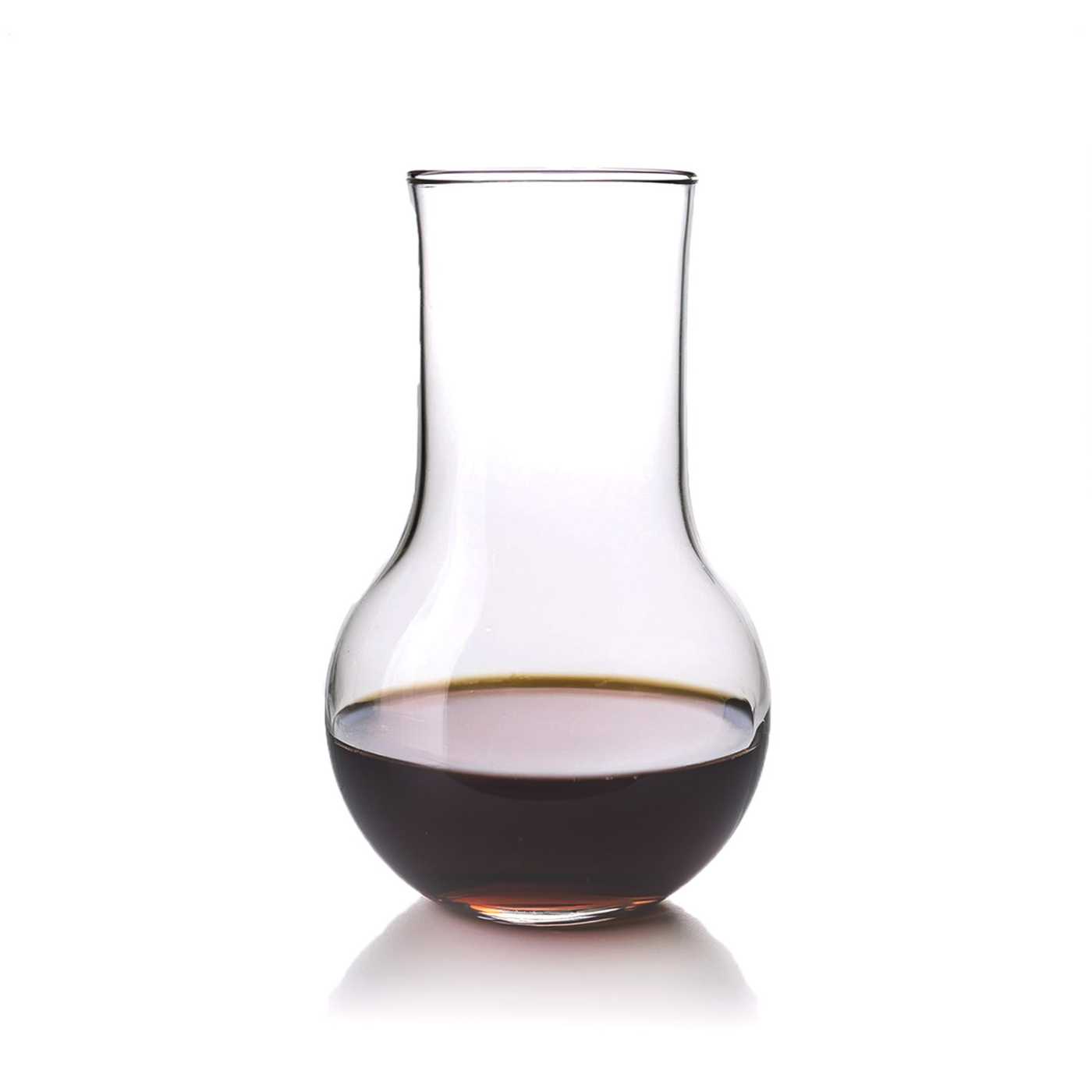
Sunflower lecithin is a blend of phospholipids from sunflower seeds. In cosmetics it softens the skin , reduces water loss from its surface and helps to bind oil with water. full description
Lowest price in the last 30 days: €43.84
Sunflower lecithin is a blend of phospholipids from sunflower seeds. In cosmetics it softens the skin, reduces water loss from its surface and helps to bind oil with water. Even a small amount noticeably changes the consistency of a balm, making the product softer and creamier.
It is most useful in products for very dry skin and lips, in oil scrubs, masks and nourishing creams. The ingredient is plant-based, of European origin, vegan and GMO-free. It is supplied in cosmetic grade and food grade, and the manufacturer holds a BRC certificate. In the food industry, lecithin is known as E322.
Phospholipids are a natural part of cell membranes and the skin barrier. Their molecule has one part that bonds to water and two fatty parts that bond to oil. Both main functions of lecithin, skin care and emulsification, come from this structure.
On the skin it acts as an emollient and occlusive ingredient. It softens the skin and leaves a protective film on it that slows down water evaporation. Skin and hair feel more supple to the touch afterwards.
Its emulsifying ability is limited. Lecithin has an HLB of around 8 and on its own it is a weak emulsifier. Emulsions built on it alone are difficult to make and tend to be unstable. It works better as part of a broader emulsifying system, where it supports stability and improves the texture of the emulsion. In formulations it is often combined with, for example, Polyglyceryl-3 Polyricinoleate. It is not suitable for light, fast-absorbing creams.
Lecithin is oil-soluble, only partially soluble in alcohol and can only be dispersed in water. It is most often incorporated into the oil phase. It can also be added during emulsification, in the cooling phase or afterwards. At a low concentration it is also used dispersed in water-based serums and toners.
The recommended usage rate is 0.5–5% at a finished product pH of 4–9. In formulations it most often appears at around 1%. In lip balms it is used at 0.5–2%, in oil scrubs at 0.5–3.5%.
It is processed at a temperature below 60 °C. At higher temperatures the phospholipids break down faster. In anhydrous products, it is best to stir the lecithin in only once the oils and butters have melted, and not to heat it together with the waxes for a long time.
Lecithin significantly softens a mixture of wax and oils. If the balm is to be firm, reduce the amount of lecithin or add wax.
The name “liquid” distinguishes this form from powdered and granulated lecithin. At room temperature it is a thick, viscous, almost solid mass. It is difficult to pour and sticks to the walls of the container, which you need to take into account when weighing. The colour ranges from brown through yellow to greenish and the odour is characteristic. In coloured and lightly fragranced products, lecithin can affect the shade and the scent.
In emulsions it is sensitive to oxidation. Copper and iron ions speed it up, especially in an acidic environment. Adding a chelating agent and an antioxidant such as tocopherol helps. It is advisable to avoid metal utensils and water with a high metal content.
In a water-based environment, phospholipids hydrolyse slowly. They do so most slowly at a pH of around 6.5 and faster at higher temperatures. In the strongly alkaline environment of soap, lecithin breaks down and its emulsifying effect cannot be relied on.
Cationic ingredients, for example chitosan, neutralise the negative charge of droplets stabilised by lecithin, and the emulsion may separate. Lecithin is compatible with anionic and non-ionic surfactants.
Contact with strong acids, alkalis and oxidising agents should be avoided. Lecithin is not used in formulations in which N-nitroso compounds may form.
Only customers with a delivered order can write reviews.