+421 950 333 113info@handymade.store−10 %Shop now

Cold pressed oils 1 l +

Argan Oil, Cold Pressed, Lightly Roasted, Organic, 5 l

Pack size100 ml500 ml1 l5 l

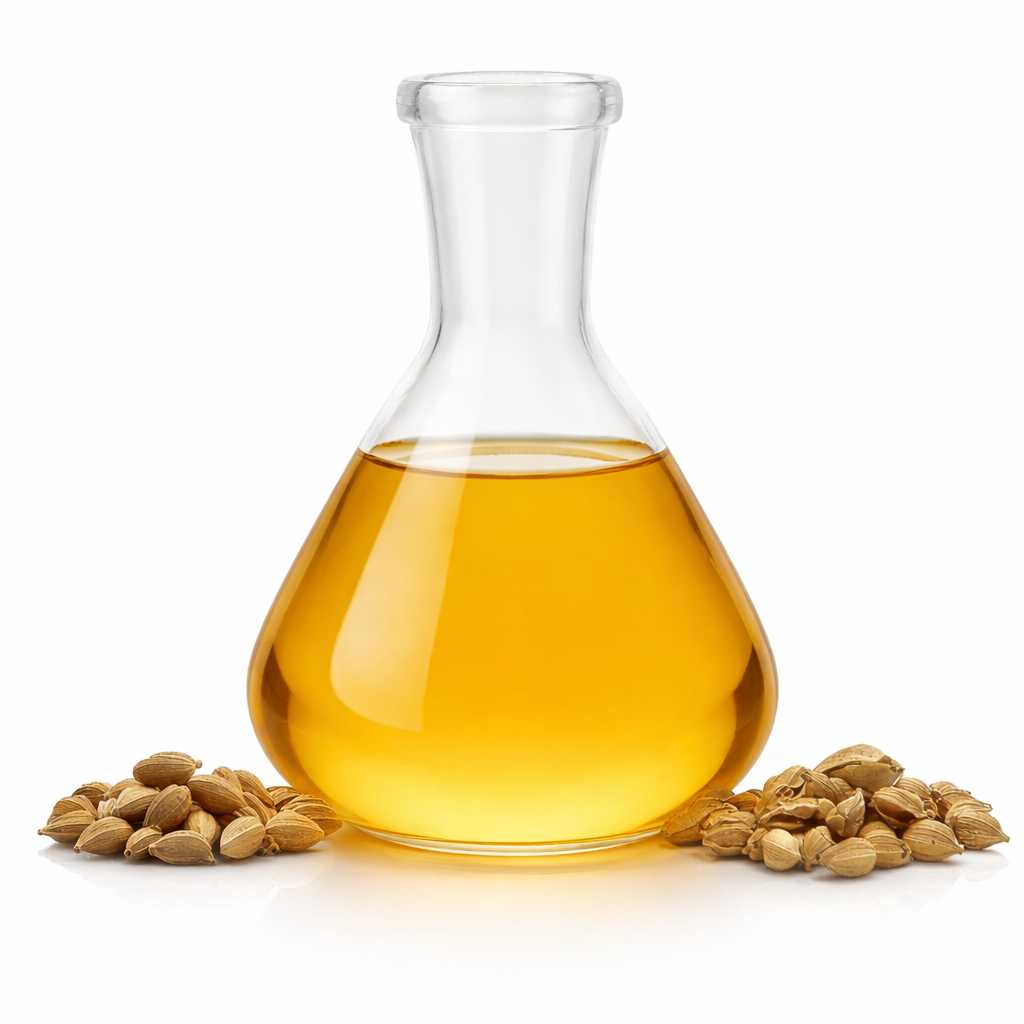
Cold-pressed argan oil from the gently roasted kernels of the North African tree Argania spinosa is used as a nourishing emollient for dry, mature and sensitive skin and for dry, damaged or coloured hair. full description

AvailabilityIn stock · last 1 pack
Product codeOL007_5000
€496.67incl. VAT€99.33/l

Lowest price in the last 30 days: €447.00

Product description

Cold-pressed argan oil from the gently roasted kernels of the North African tree Argania spinosa is used as a nourishing emollient for dry, mature and sensitive skin and for dry, damaged or coloured hair. In a formulation it softens the skin, supports the renewal of the skin barrier and brings its own antioxidants. It is a pure organic oil that can be used on its own or as a component of the oil phase of creams, serums, balms and hair care products.


What it brings to skin and hair

  • Nourishing and softening the skin – approximately 80% of the fatty acids in the oil are unsaturated, mainly oleic and linoleic. The oil nourishes and softens the skin and leaves it feeling smooth.
  • Support for the skin barrier and hydration – it supports the renewal of the skin barrier and the hydration of the skin. It is suitable for dry skin care as well as for products for atopic skin.
  • Antioxidant action – it is one of the antioxidant emollients and supports the protection of the skin against oxidative stress. It is used in mature skin care and in products for the eye area.
  • Elasticity and appearance of mature skin – regular application improves the elasticity of the skin and softens the appearance of fine lines. The result depends on the whole formulation and the length of use.
  • Conditioning and shine for hair – on the hair it smooths the surface, makes combing easier and adds shine. For fine hair, a low usage rate is enough.
  • Care for lips, hands and nails – it is added to lip balms, hand creams and cuticle oils for its regenerating and softening effect.

Use in formulations

The oil is processed in the oil phase, but for emulsions we recommend mixing it in only during the cooling phase or adding it afterwards to the finished mixture. The recommended processing temperature is below 40 °C, as prolonged heating puts unnecessary strain on the oil.

The supplier allows a usage rate across the whole range of 1–100%, so the oil works on its own as well as a supplementary ingredient. In formulations it is most often used at around 5%. As a guide: 5–6% in creams, 4% in leave-in hair emulsions, around 15% in a hair serum, 1% in a cleansing balm and approximately 0.2% in shampoo, where it acts as a conditioning ingredient.

It is miscible with vegetable oils and butters and insoluble in water and glycols. For water-based products it must therefore be emulsified, and the required HLB is 11. According to the safety data sheet it is soluble in ethanol, but according to the parameters only partially. For alcohol sprays we therefore recommend a test on a small amount.

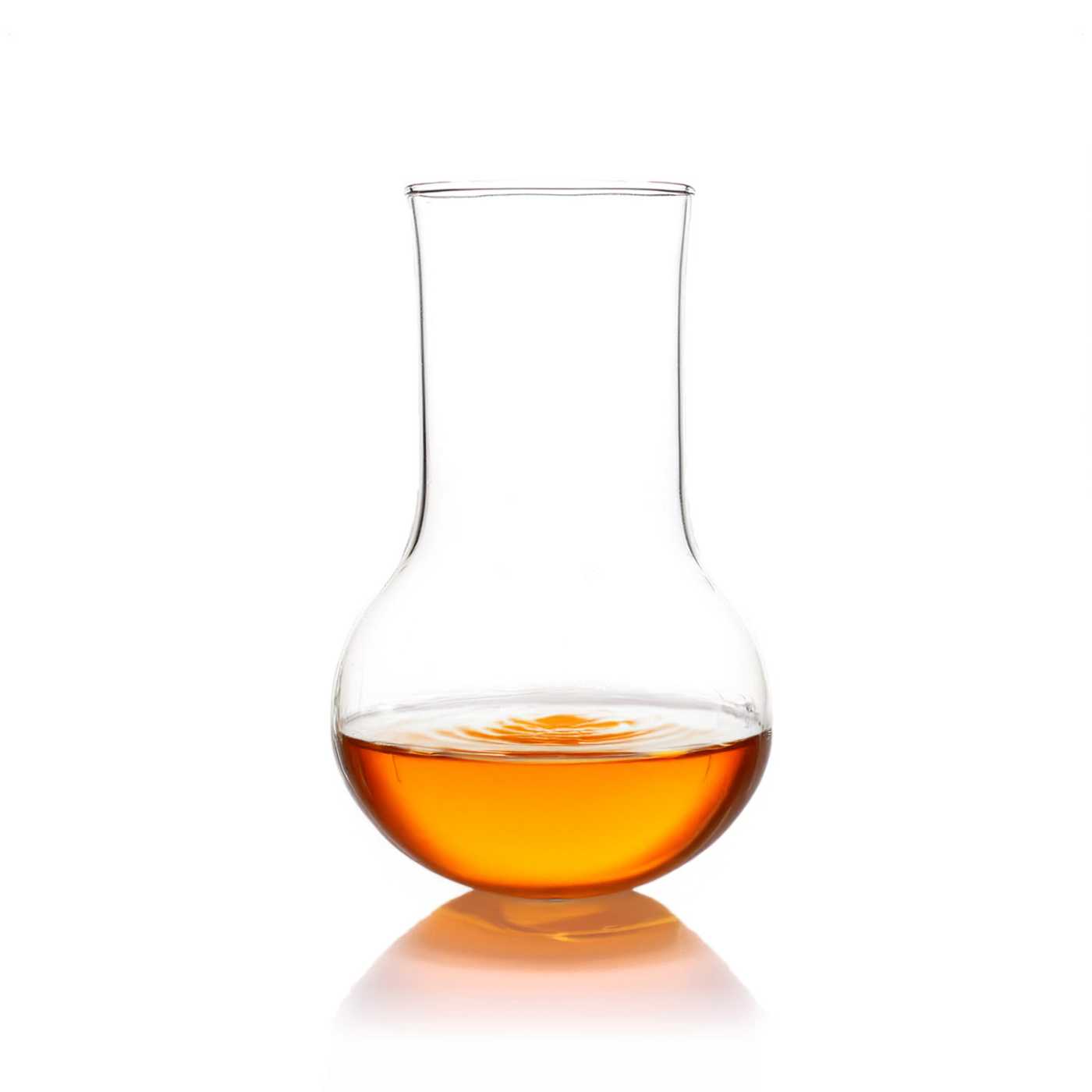
The oil from roasted kernels has a yellow to light yellow colour and a nutty scent that develops during roasting. It will be noticeable in unscented products and with delicate fragrances, and in white creams you should also expect a slight tint. More strongly scented formulations will mask it.

In cold process soap it is added as part of the oil blend. The saponification value of argan oil according to the Moroccan standard is 189.0–199.1 mg KOH/g, which serves as a guide value when calculating the lye solution.


Suitable for products such as

  • Facial oils and serums – on its own or blended with rosehip, jojoba or almond oil for mature and dry skin.
  • Creams and body lotions – as an oil phase emollient that softens the skin and supports its hydration.
  • Leave-in hair serums and oils – for the ends and lengths of dry, curly and coloured hair, where it adds shine and makes styling easier.
  • Hair conditioners and masks – in combination with conditioning emulsifiers and cetearyl alcohol.
  • Lip balms, hand and nail creams – in anhydrous formulations with shea butter and waxes.
  • Soaps and bath products – in cold process soap, bath oils, bath bombs and salts as a nourishing oil component.
  • Decorative cosmetics – in liquid foundations, tinted balms and lip products.

Good to know

Roasting reduces the content of the oil’s own tocopherols, but at the same time the oil from roasted kernels is significantly more stable against oxidation than unroasted oil. For formulations with a longer period of use, we recommend adding tocopherol as an antioxidant.

Argan oil is sometimes sold on the market mixed with cheaper oils. Without a notice on the label this is considered adulteration, so when comparing prices it is advisable to check that the oil is pure. This product is 100% organic argan oil, cold-pressed from gently roasted kernels, with no other oils added.

The oil is not subject to CLP classification and does not contain any fragrance allergens. It is therefore also suitable for products for sensitive and children’s skin, within the usual rules for cosmetic safety.

Rags or cloths soaked in vegetable oil are flammable. After work, keep them damp or dispose of them; do not leave them to dry in a pile.


Frequently asked questions

Is argan oil soluble in water?
No, argan oil is insoluble in water and glycols. It mixes with vegetable oils and butters, and for water-based products it must be emulsified; the required HLB is 11. According to the safety data sheet it is soluble in ethanol, but according to the parameters only partially, so for alcohol sprays a test on a small amount is recommended.
At what temperature should argan oil be added to a cream?
Argan oil should be processed at a temperature below 40 °C. When making an emulsion, do not heat it with the rest of the oil phase; instead, stir it in during the cooling phase while mixing continuously. The oil can also be worked into the finished emulsion afterwards and does not need to be preheated.
Can argan oil be used on its own, without dilution?
Yes, argan oil can also be used undiluted; the recommended usage rate is 1–100%. On its own it is applied to the skin, hair ends, nails or lips. In blends with other oils the usage rate is usually around 5%, and higher in hair serums. Tocopherol added as an antioxidant extends the stability of the blend.
What is the difference between roasted and unroasted argan oil?
Gently roasted argan oil has a nutty scent, a yellow colour and significantly higher resistance to oxidation than unroasted oil, but roasting reduces the content of its own tocopherols. Roasted oil is suitable for formulations where you can make use of the nutty note or where fragrance masks it. For unscented and white products, expect a slight tint and scent.
Is argan oil suitable for soap?
Yes, argan oil can be used in cold process soap as part of the oil blend. The saponification value of argan oil according to the Moroccan standard is 189.0–199.1 mg KOH/g; use this value as a guide when calculating the lye solution. Oil from roasted kernels is more stable against oxidation than unroasted oil, which is an advantage in soap.

Parameters

Product documentation

CoACertificate of Analysis
batch BB20LJPBPDF ↓
batch BB202508047PDF ↓
TDSTechnical Data Sheet
Physical parameters and processingPDF ↓
SDSSafety Data Sheet
Available for purchased products —
Download all (ZIP)

3 PDF files in one archive

Vlasta20 Aug 2026EN

Verified purchase

Great product, fast delivery, and excellent customer support!

Dana20 Aug 2026SK

Verified purchase

quality oil — a very beneficial oil for face cream

Translated automatically
Dorota K.16 Nov 2026SK

Verified purchase

Sisa P.13 Nov 2026SK

Verified purchase

Dorota K.31 Oct 2026SK

Verified purchase

(7 reviews)