−30 %Pre-orderSold out
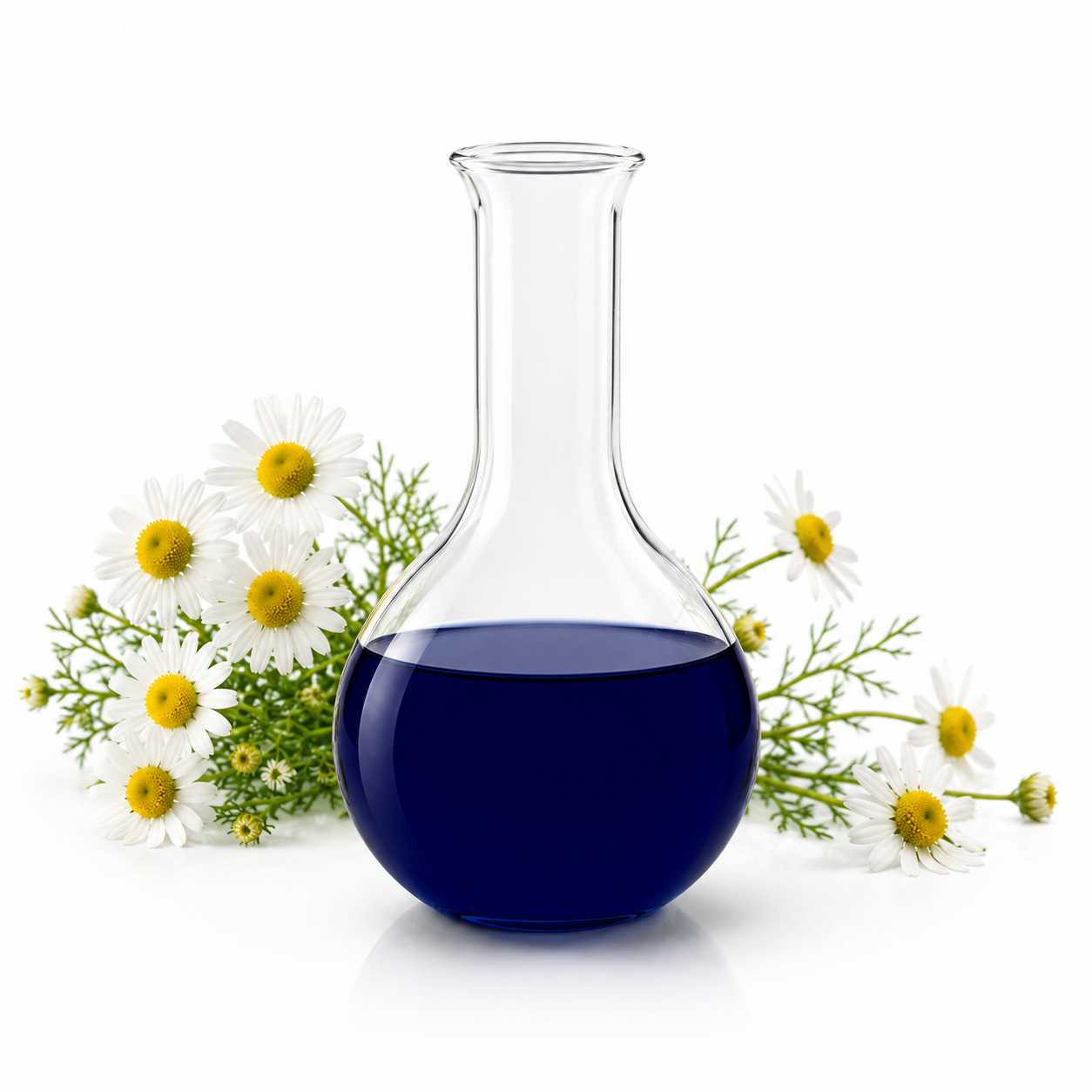
Chamomile German Essential Oil, 10 ml
€24.49Previous price €34.99(€2,449.00/l)

CO2 Extracts
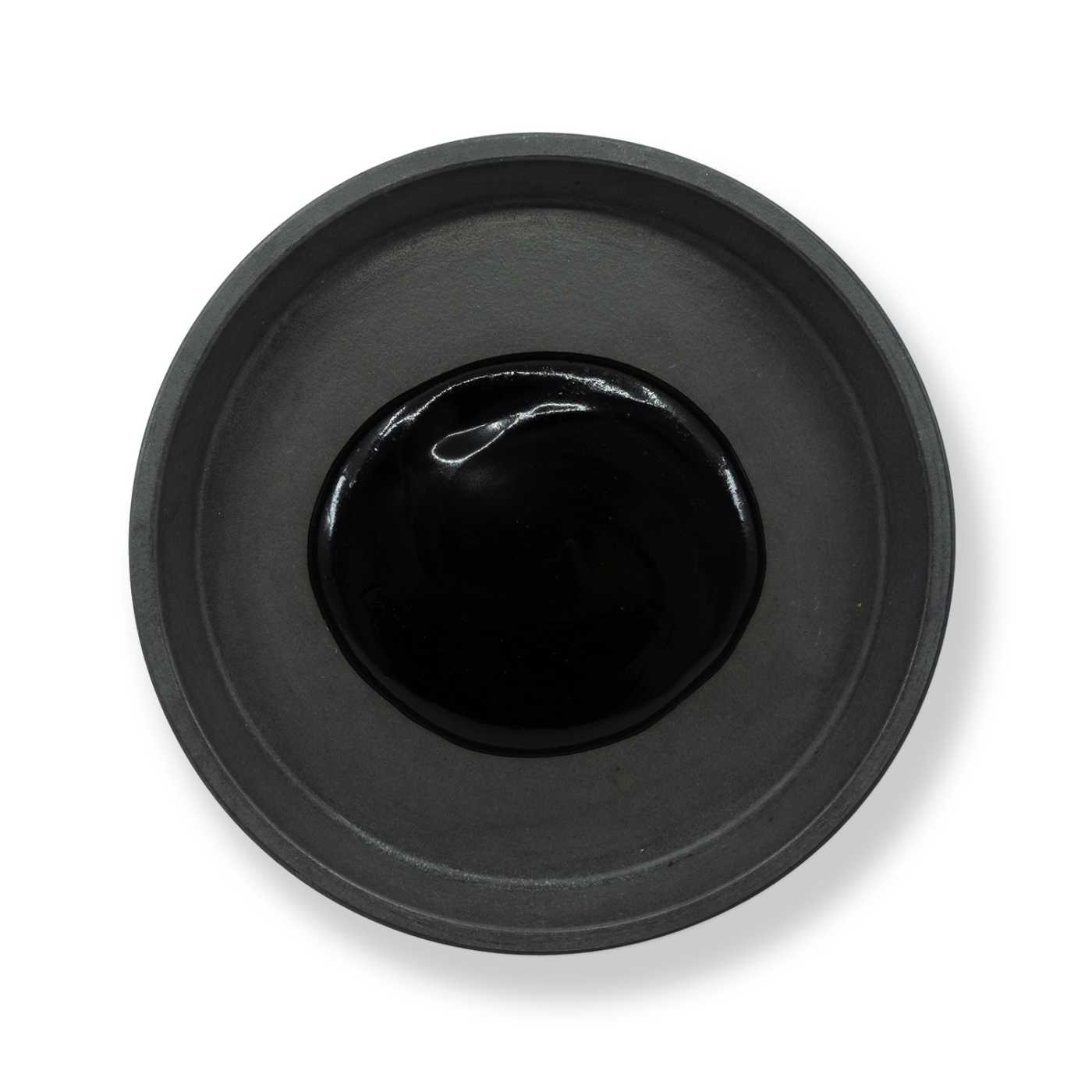
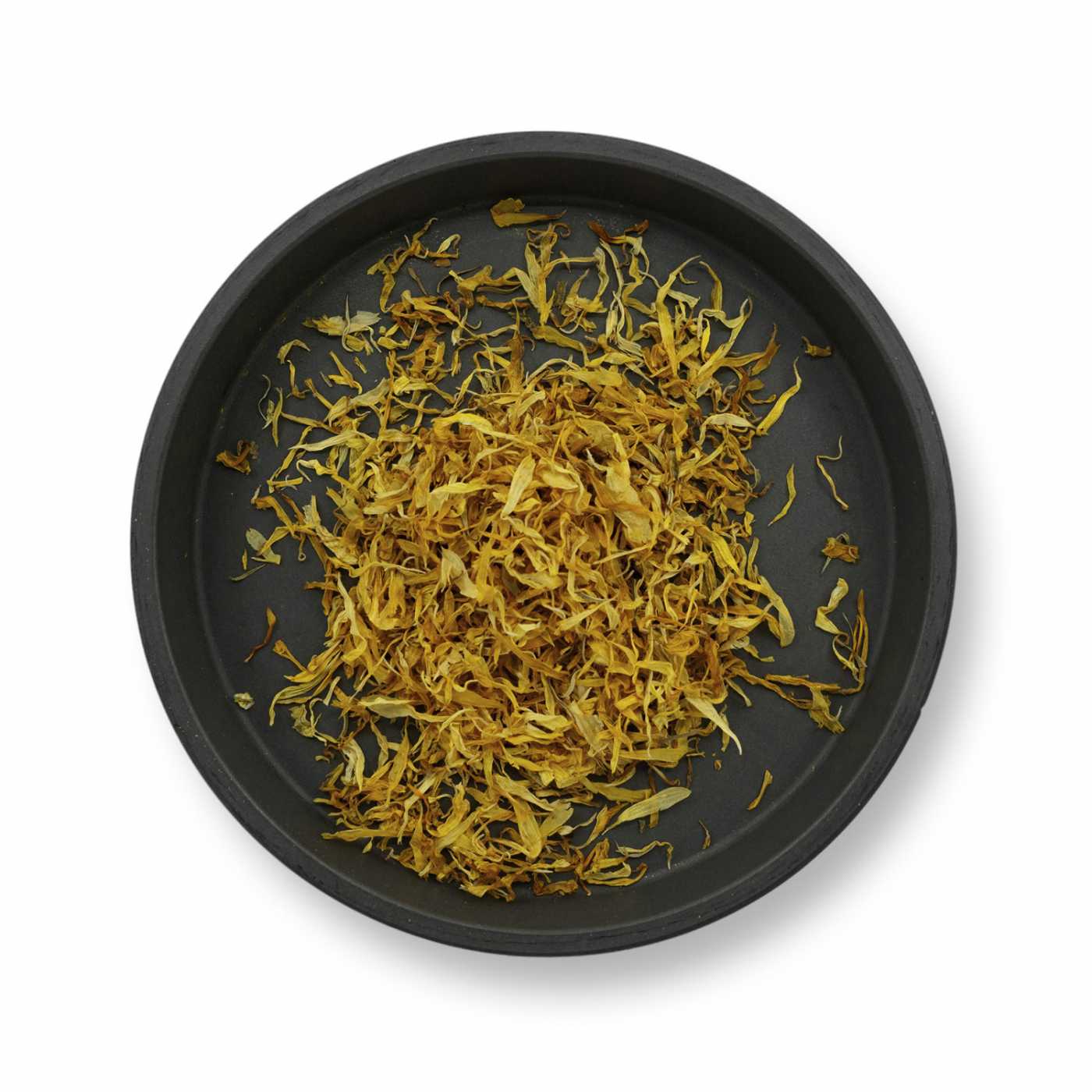
Chamomile CO2-to extract is a concentrated extract from dried flowers of German chamomile (Chamomilla recutita), obtained by extraction with carbon dioxide. full description
Lowest price in the last 30 days: €476.52
Chamomile CO2-to extract is a concentrated extract from dried flowers of German chamomile (Chamomilla recutita), obtained by extraction with carbon dioxide. In cosmetics it brings the soothing compounds of chamomile, above all α-bisabolol. Only a small amount is needed in a formulation. It is added to creams, balms and facial oils for sensitive, dry and problem skin.
In cosmetics, chamomile is used mainly to soothe the skin. The extract contains 10–20% essential oil. Of this, 20–45% is α-bisabolol and 5–20% is bisabolol oxides A and B. They are accompanied by other compounds of chamomile flowers, for example farnesene, spathulenol, matricin and spiroethers.
The extract is a pure concentrate without carriers or excipients. 20–33 kg of dried flowers from controlled integrated cultivation are processed into 1 kg of extract. No solvents that could remain in the extract are used in production. It is made in Germany.
Besides soothing the skin, the extract has a deodorising effect and gives the product a delicate chamomile fragrance.
The main difference is in what is obtained from the flowers. Essential oil is produced by steam distillation and contains only volatile compounds. Extraction with carbon dioxide takes place at a low temperature and also captures the non-volatile, oil-soluble compounds of the flowers.
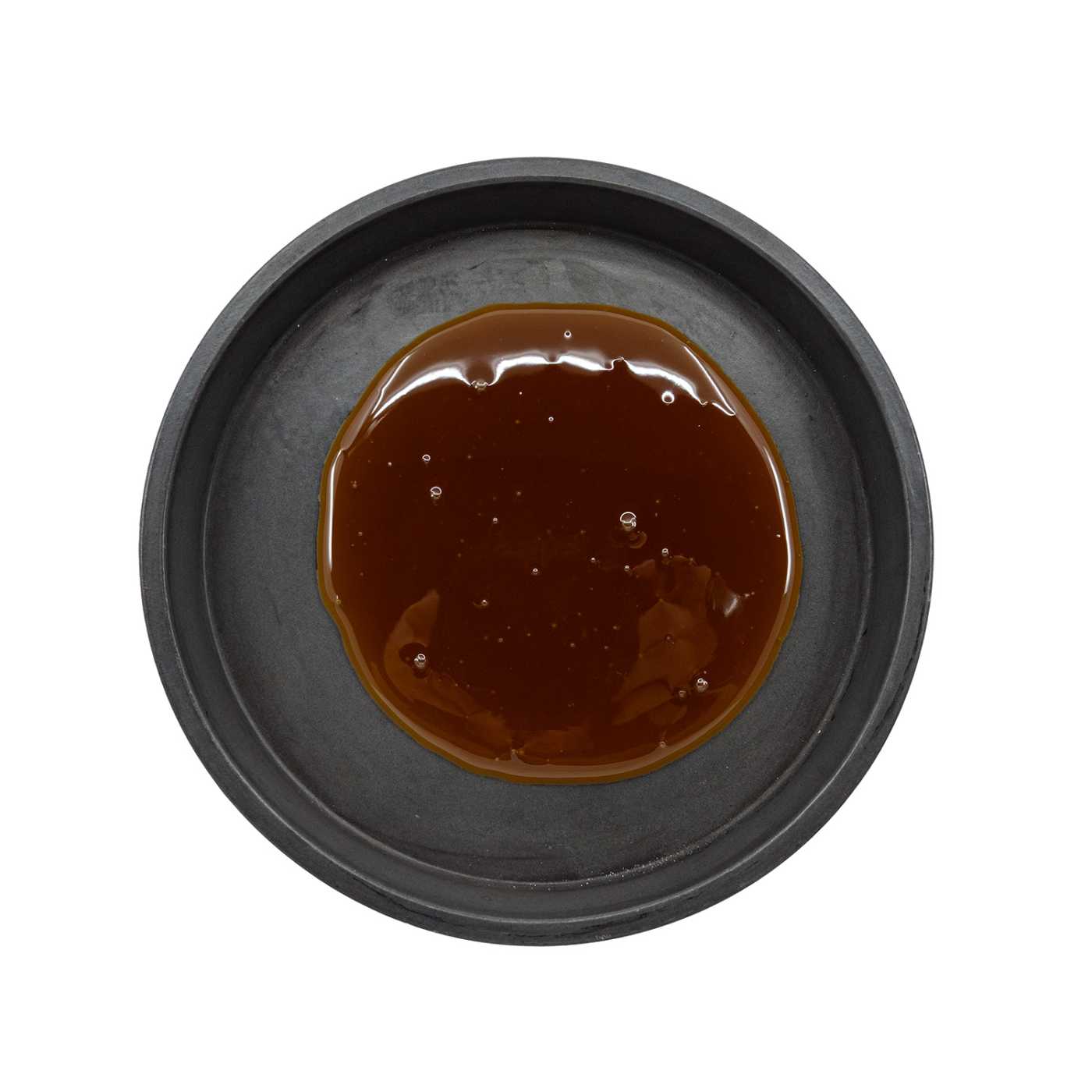
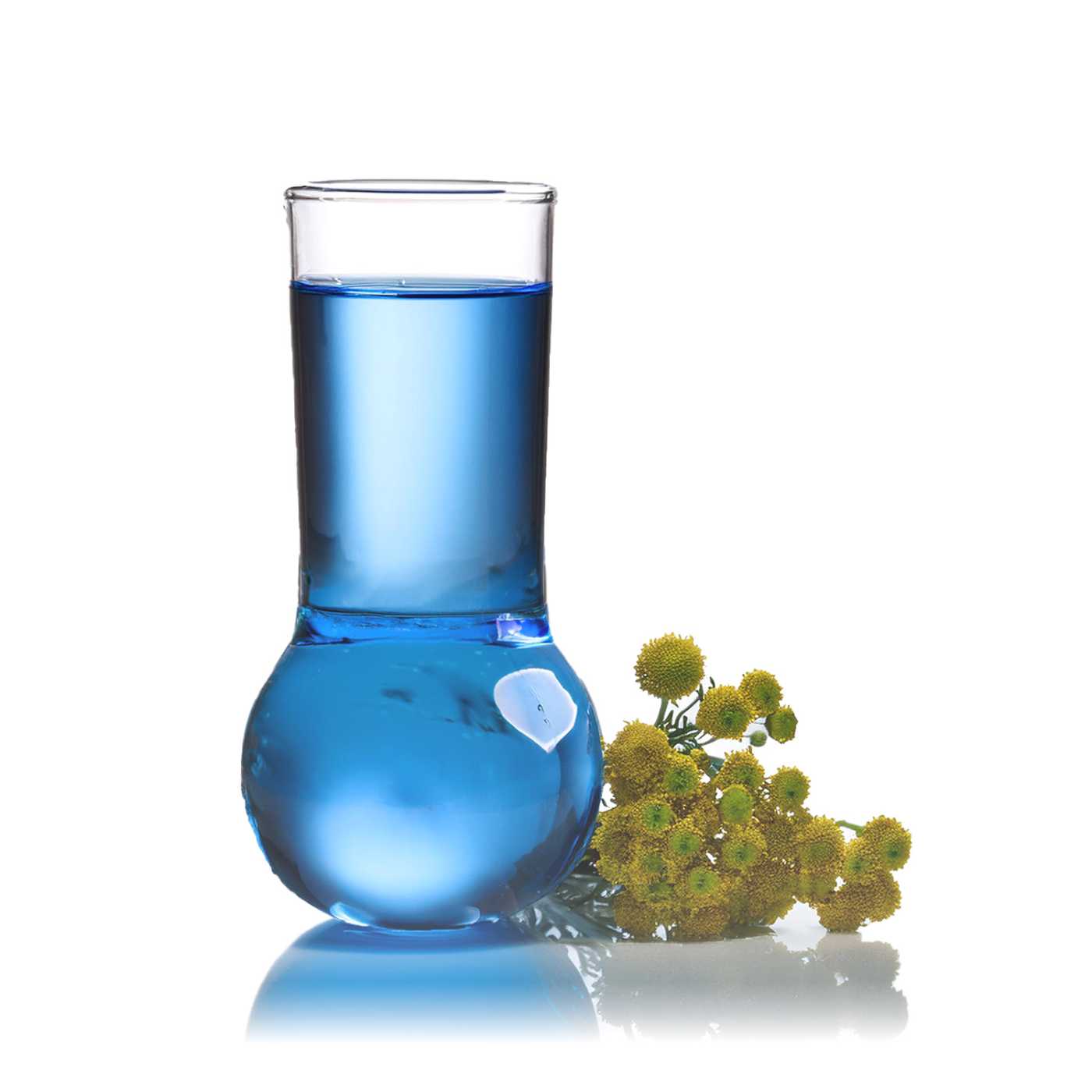
You can see this in the colour as well. Chamomile essential oil is blue, because matricin turns into blue chamazulene during distillation. In CO2 extraction this conversion occurs only minimally and the extract stays green-brown. This is its natural shade.
The consistency is also different. Essential oil is liquid, whereas CO2 extract is a thick paste at room temperature, which becomes liquid only above 40 °C.
The extract is used at 0.1–1%. In creams, balms and facial cosmetics, 0.1–0.3% is the most common, usually together with vegetable oils and tocopherol. It is suitable for both rinse-off and leave-on products.
It dissolves in oil, only partially in alcohol, and it is insoluble in water. Without a solubiliser it is not suitable for toners and other water-based products, as it will separate or cause cloudiness. A chamomile glycerine extract is more suitable for the water phase.
In emulsions it is added to the oil phase or to the cool-down phase. The recommended processing temperature is below 40 °C. In a hot-process emulsion it is incorporated only during cooling.
Before weighing, warm the paste slowly to approximately 40 °C so that it can be taken out and weighed accurately, and do not overheat it. It is also more convenient to work with the extract if you dissolve it in advance in part of the carrier oil from the formulation.
In light creams and balms, expect a slight green-brown tint.
The colour of the finished product may change over time. Chamazulene, which may form in small amounts in the extract, decomposes in light and on contact with oxygen. The product then fades or changes shade. Filling into opaque packaging with as little air as possible and adding tocopherol in the oil phase both help. In products with UV filters, chamazulene was well protected by Ethylhexyl Methoxycinnamate and Bis-Ethylhexyloxyphenol Methoxyphenyl Triazine, while Octocrylene did not protect it.
Ascorbyl Palmitate speeds up the decomposition of chamazulene. Do not use it as an antioxidant with this extract.
The extract contains fragrance allergens listed in Annex III of Regulation (EC) No 1223/2009. These must be taken into account when labelling the product and when applying the IFRA limits for the given product type. The content of anthecotulide is below 0.1%. According to the CLP Regulation, the extract is not classified as hazardous. When handling the concentrate, wear safety glasses and oil-resistant gloves.
The ingredient is vegan. It has the manufacturer’s COSMOS Approved (ECOCERT GREENLIFE), Halal and Kosher certificates.

A concentrated botanical extract that I'm interested in exploring in my formulations.
Translated automatically

Traditionally pleasant scent...
Translated automatically