−15 % with codePre-orderSold out
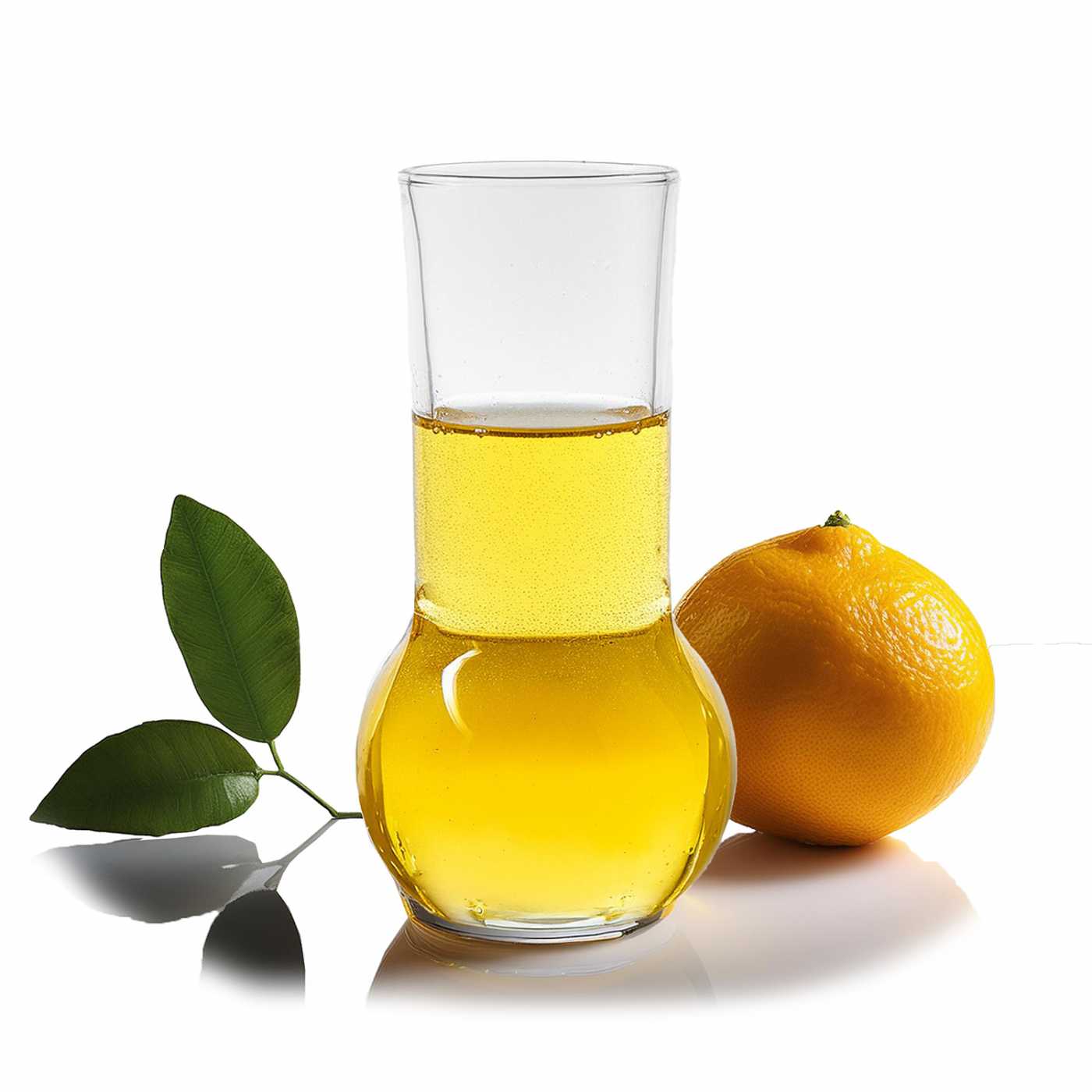
Yuzu Essential Peel Oil 10 ml
€29.81(€2,981.00/l)

Candle fragrance oils
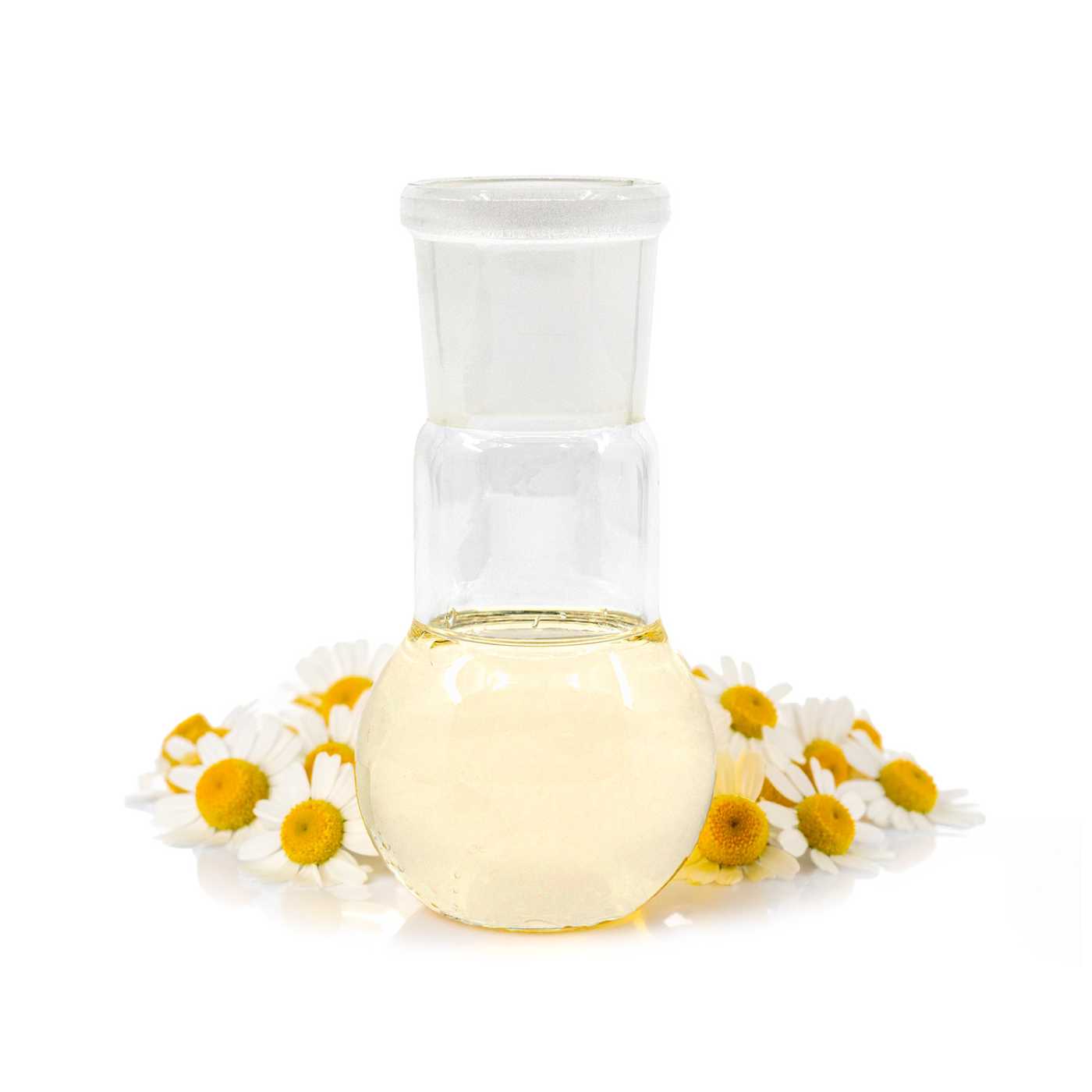
Roman chamomile essential oil gives cosmetics a sweet herbal fragrance and is used in products intended to soothe sensitive or irritated skin and the scalp. full description
Lowest price in the 30 days before the discount: €249.00
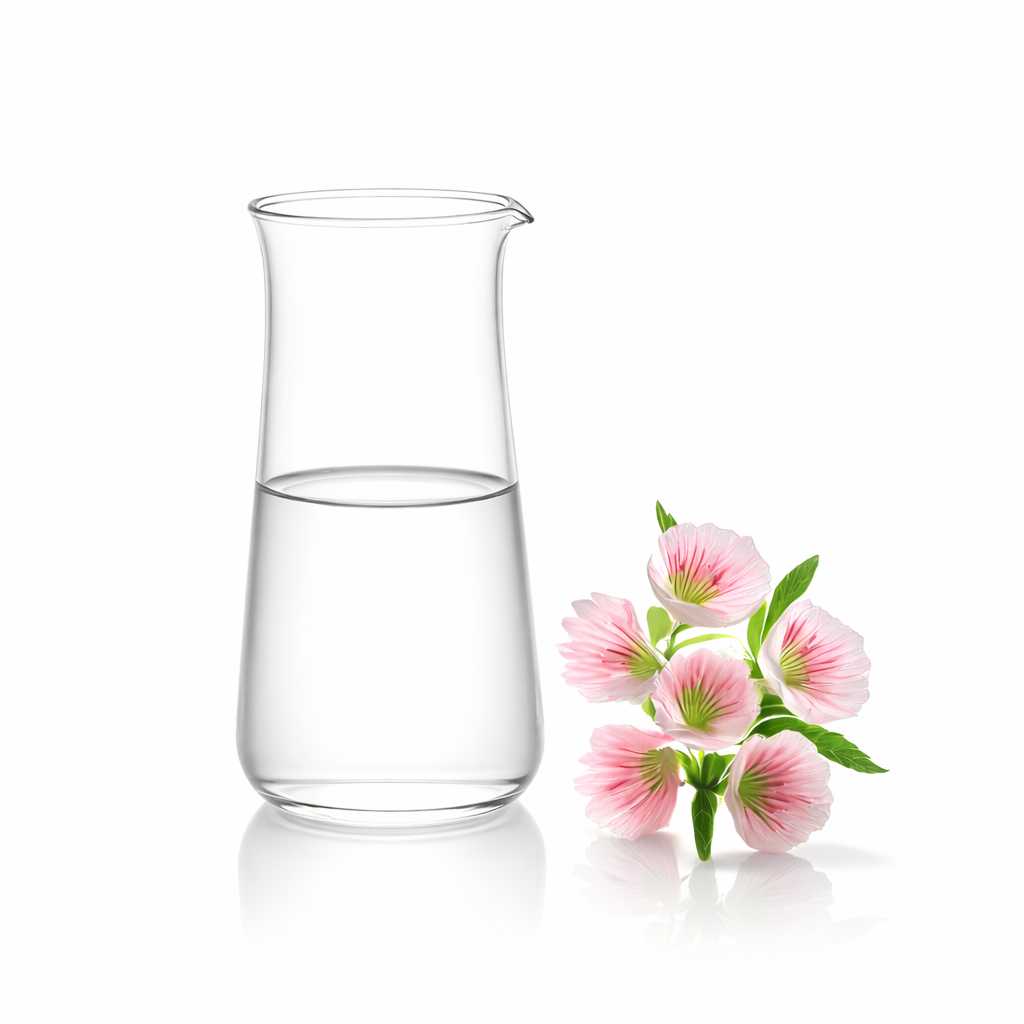
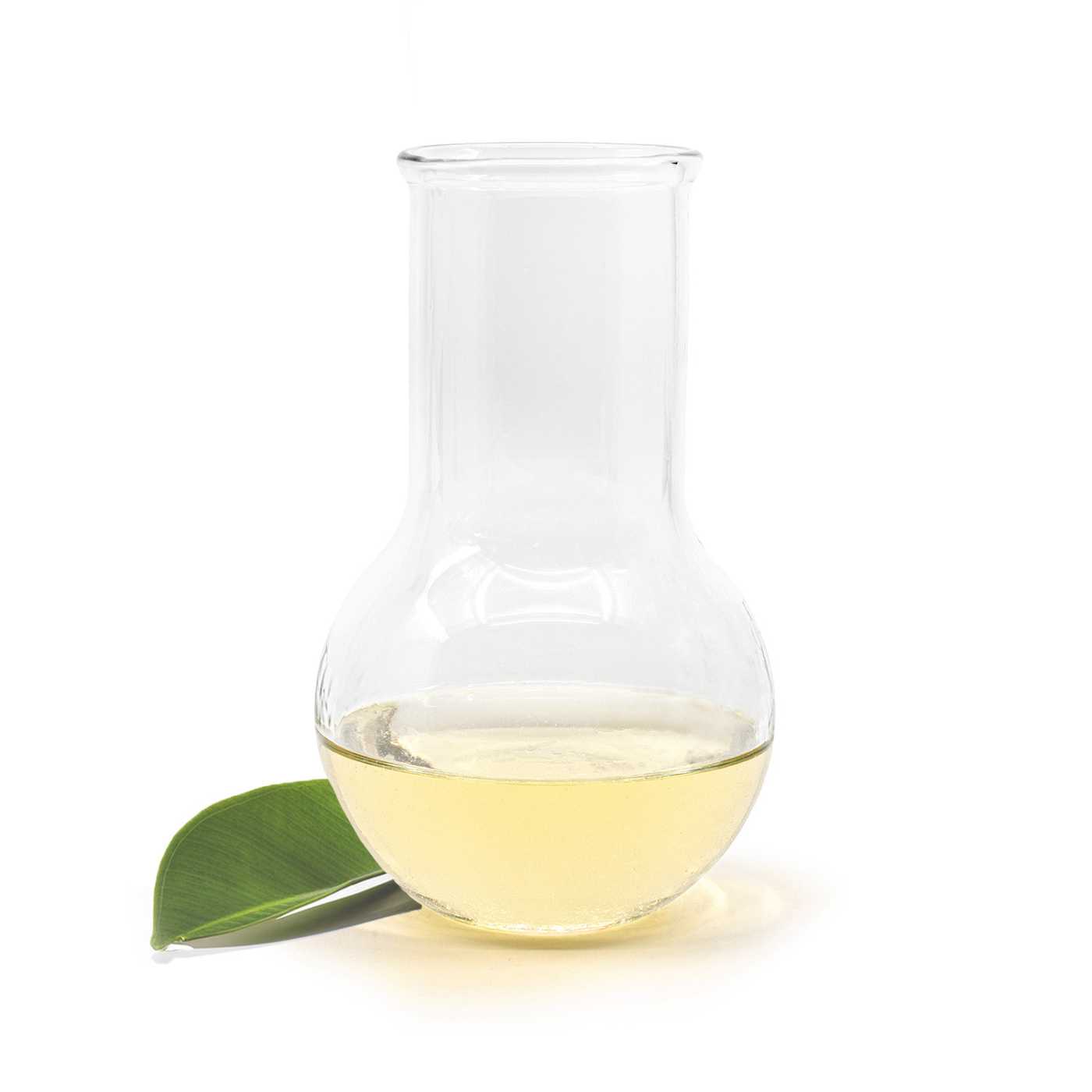
Roman chamomile essential oil gives cosmetics a sweet herbal fragrance and is used in products intended to soothe sensitive or irritated skin and the scalp. It is obtained by steam distillation of the flowers of Chamaemelum nobile. The oil is undiluted and of European origin.
It is added to face and body oils, creams, balms, soaps and candles.
The fragrance is herbal and sweet, with a floral note. It is often used in massage oils, bath products and diffusers.
In cosmetics, Roman chamomile is valued mainly as a soothing ingredient. It is added to skincare for sensitive, dry and reddened skin and to products for a sensitive scalp, where it helps ease the feeling of irritation. These properties are linked to its chamazulene and bisabolol content. In massage oils and creams it is also credited with a mildly warming sensation on the skin.
In hair care, it is used in shampoos, conditioners and scalp products. It gives the hair a fragrance and the scalp the same soothing care as the skin.
The oil is soluble in oils and in alcohol and insoluble in water. In anhydrous products such as body oils, balms and butters, it dissolves directly in the oil base.
In emulsions, it is added to the oil phase or only during the cooling phase, once the temperature drops below 40 °C.
Water-based products need an extra step. For toners, body mists and gels, the oil is first dissolved in alcohol or in a solubiliser, otherwise it floats to the surface.
In soothing facial care, it is most often combined with glycerine, panthenol, squalane and bisabolol. The oil phase is best supplemented with tocopherol as an antioxidant. Among fragrance ingredients, cypress essential oil goes well with it.
There is no single universal value. The maximum amount in the finished product is set by the IFRA limit for the given product category, for example category 1 for lip products or category 9 for soaps and shampoos. The limits for all categories are in the IFRA certificate in the Product documentation section.
In formulations, the approximate usage rate is 0.05–0.6%, most often around 0.2%:
Weigh small amounts rather than counting drops. The oil is slightly viscous and 1 ml weighs approximately 0.83–0.92 g, so volume and weight do not match.
Two different essential oils are sold under the name chamomile. Roman chamomile comes from the plant Chamaemelum nobile, while German chamomile comes from the plant Chamomilla recutita.
They differ in both colour and fragrance. German chamomile oil is dark blue and has a heavier, more herbal scent. Roman chamomile is lighter and its fragrance is sweeter.
In a formulation, one cannot be substituted for the other in the same amount. Both the fragrance and the effect on the colour of the product differ.
The colour of the oil varies between batches from pale blue-green to greenish yellow. It may slightly tint light creams and milks, which should be taken into account especially with white emulsions.
The composition of Roman chamomile oil depends on the origin and chemotype of the plant. European oils contain mainly esters of angelic acid. The fragrance and behaviour in the product may vary slightly between batches. With a new batch, it is worth making a trial batch.
The oil holds the Vegan certificate and has not been tested on animals for cosmetic purposes.
The oil is flammable (flash point 55 °C), irritant, sensitising and ecotoxic. Work with it away from flames and heat sources. It contains fragrance allergens, which are declared in accordance with Regulation (EC) No 1223/2009. People allergic to plants of the daisy family may also react to this oil.