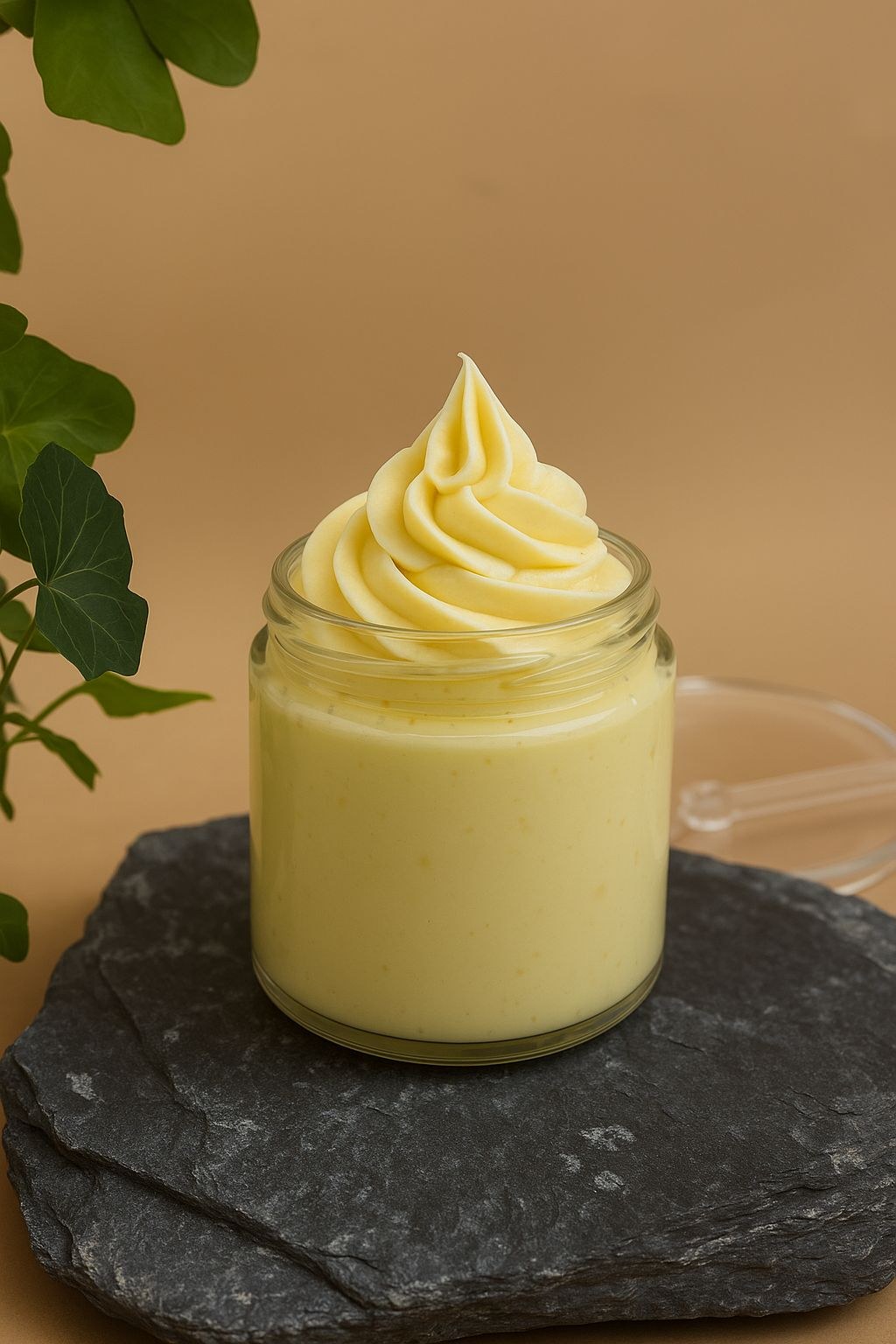
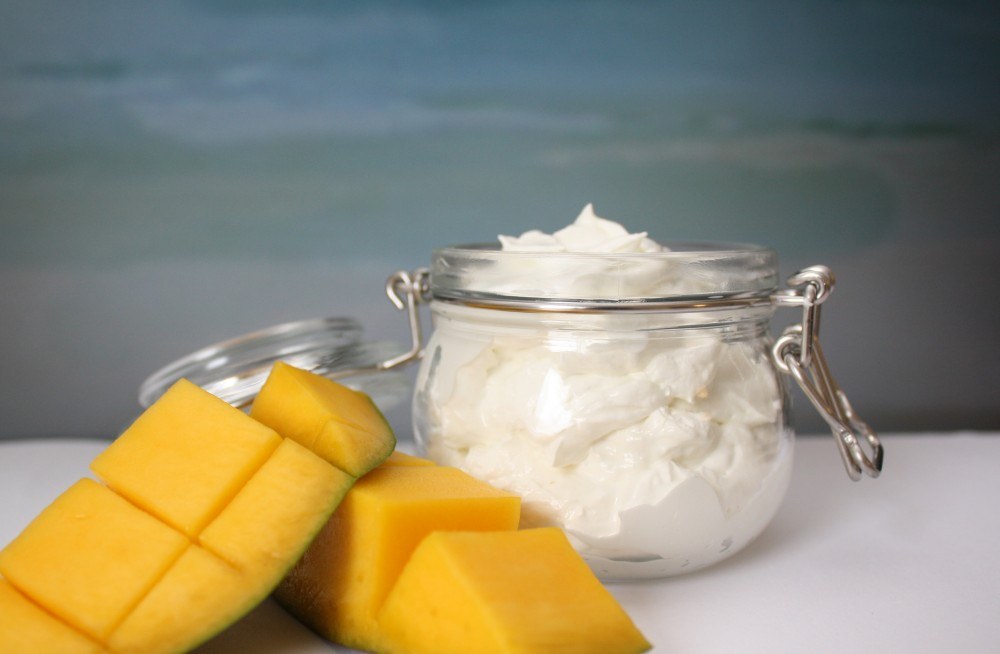
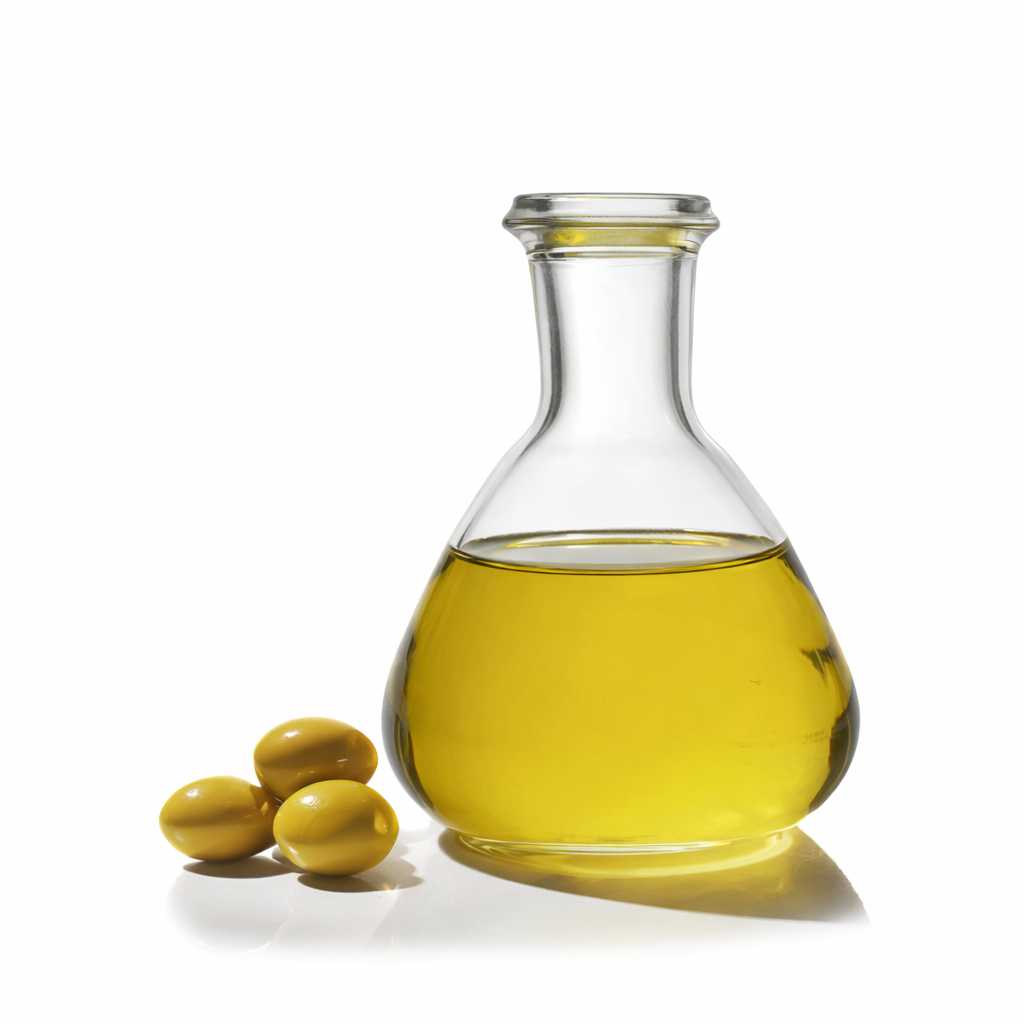
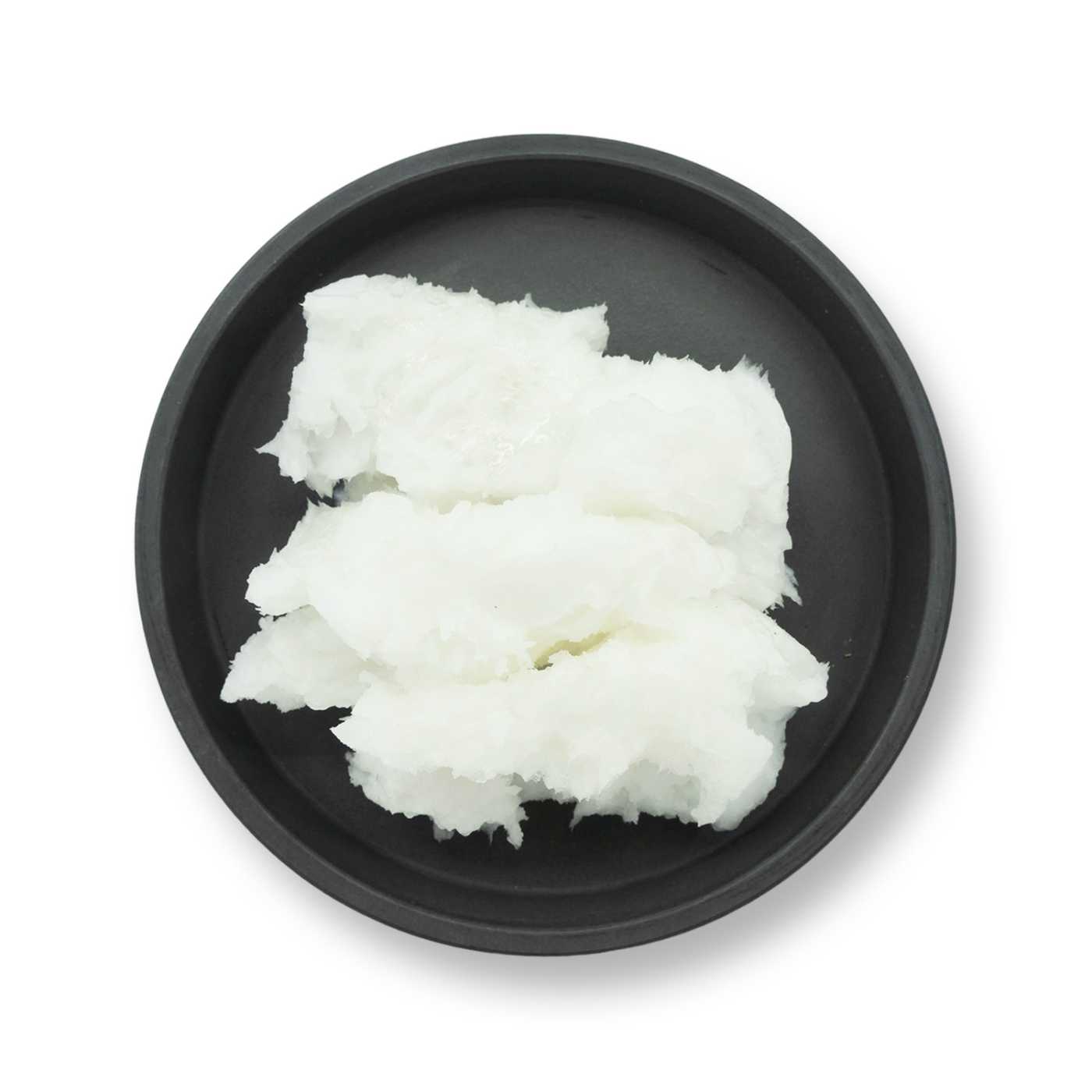
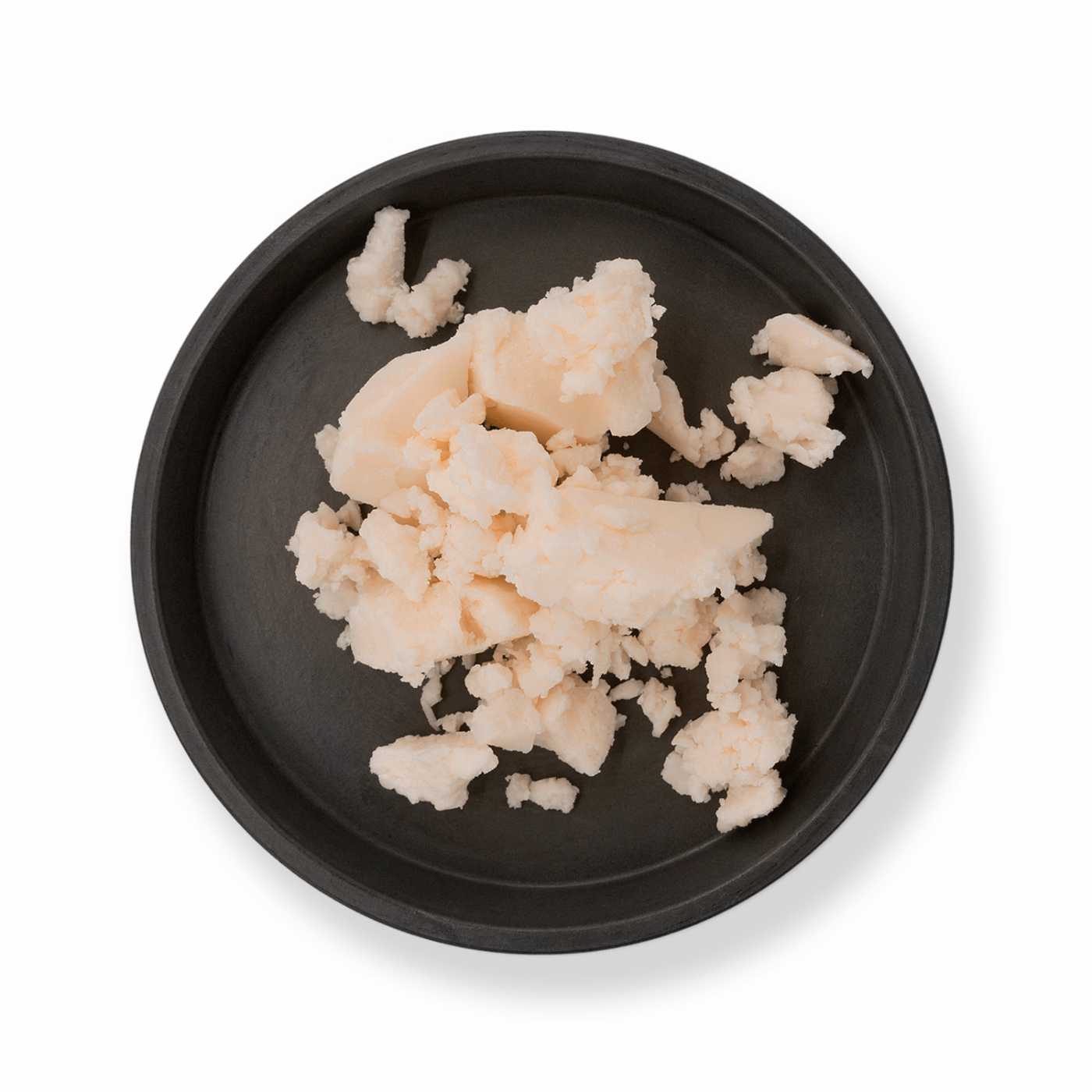
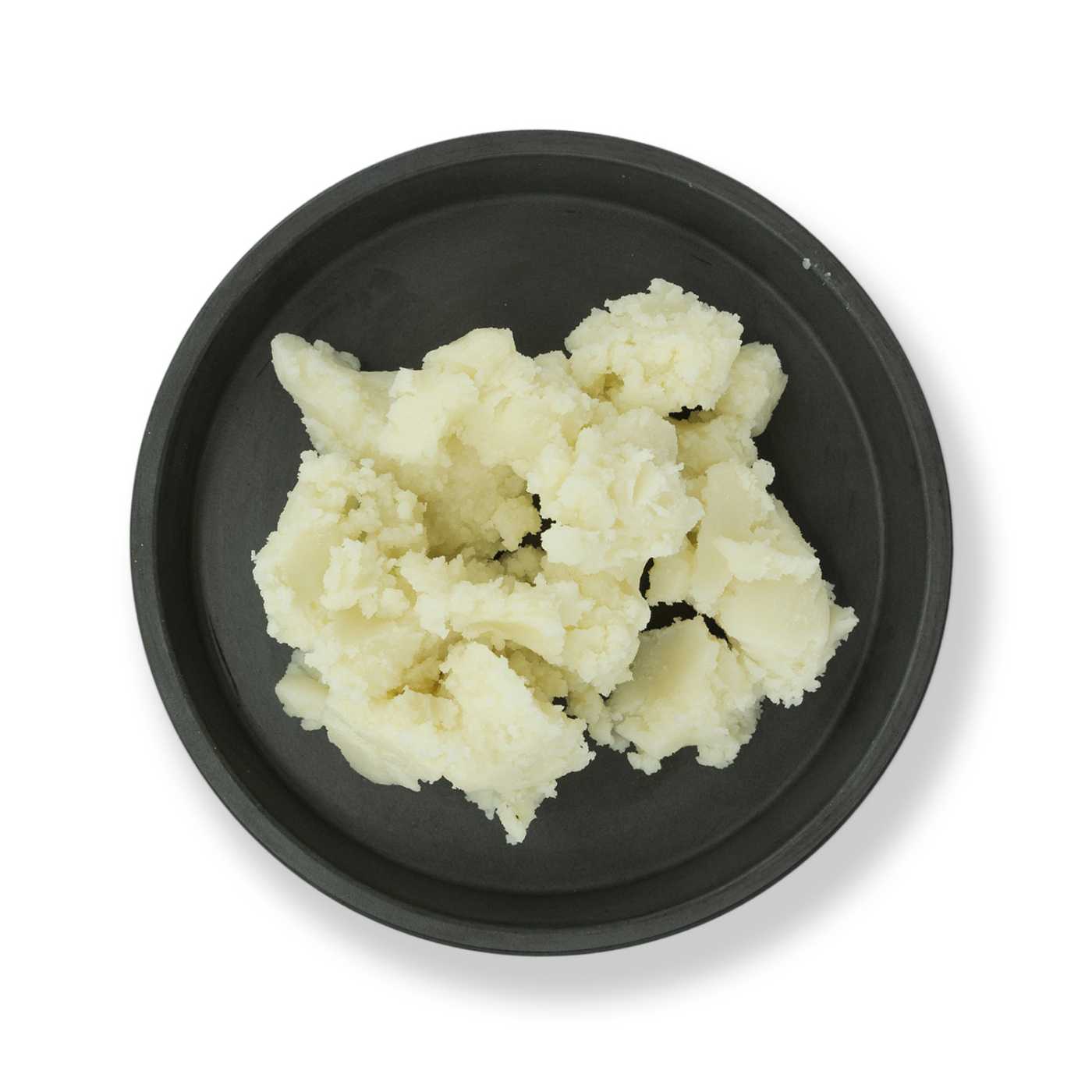
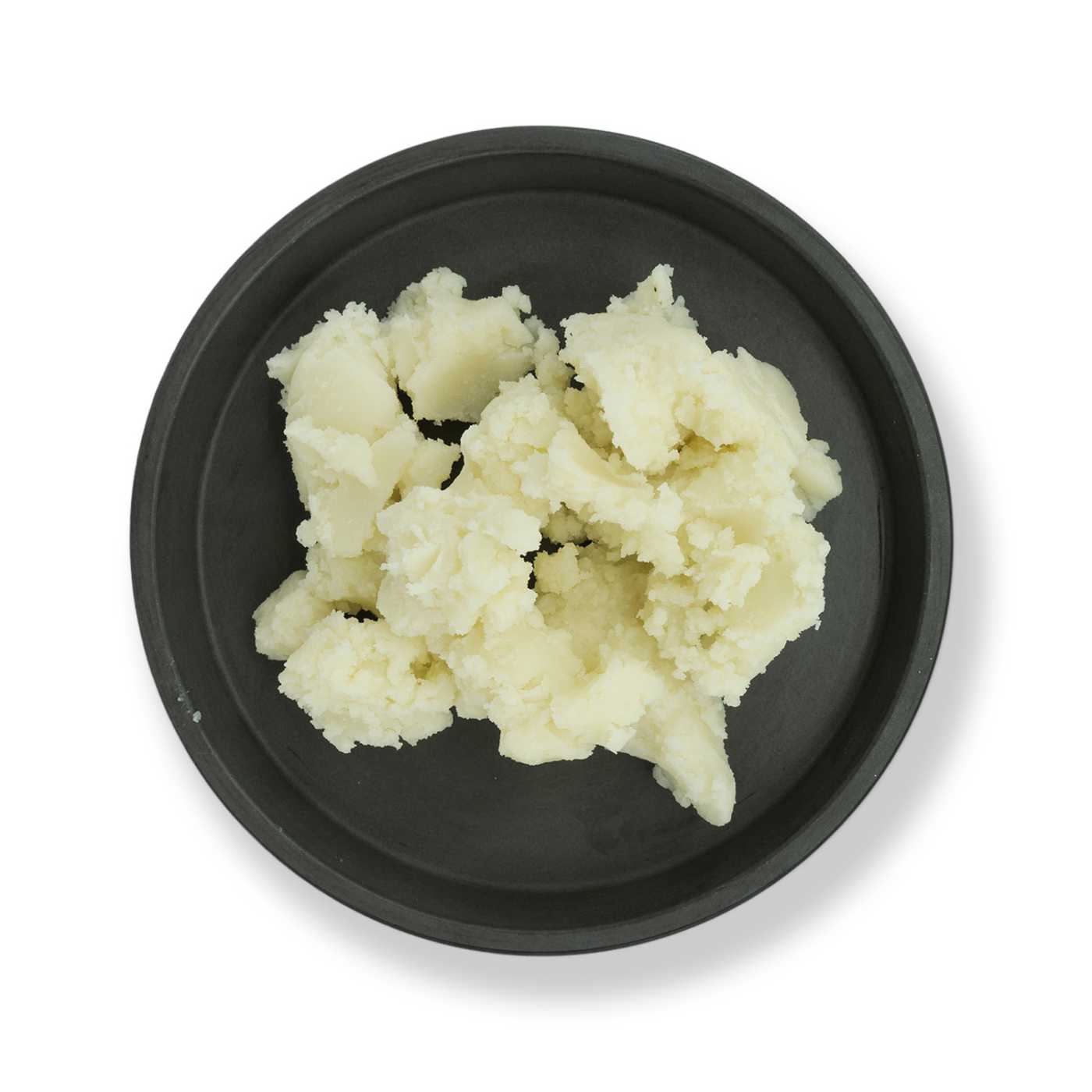
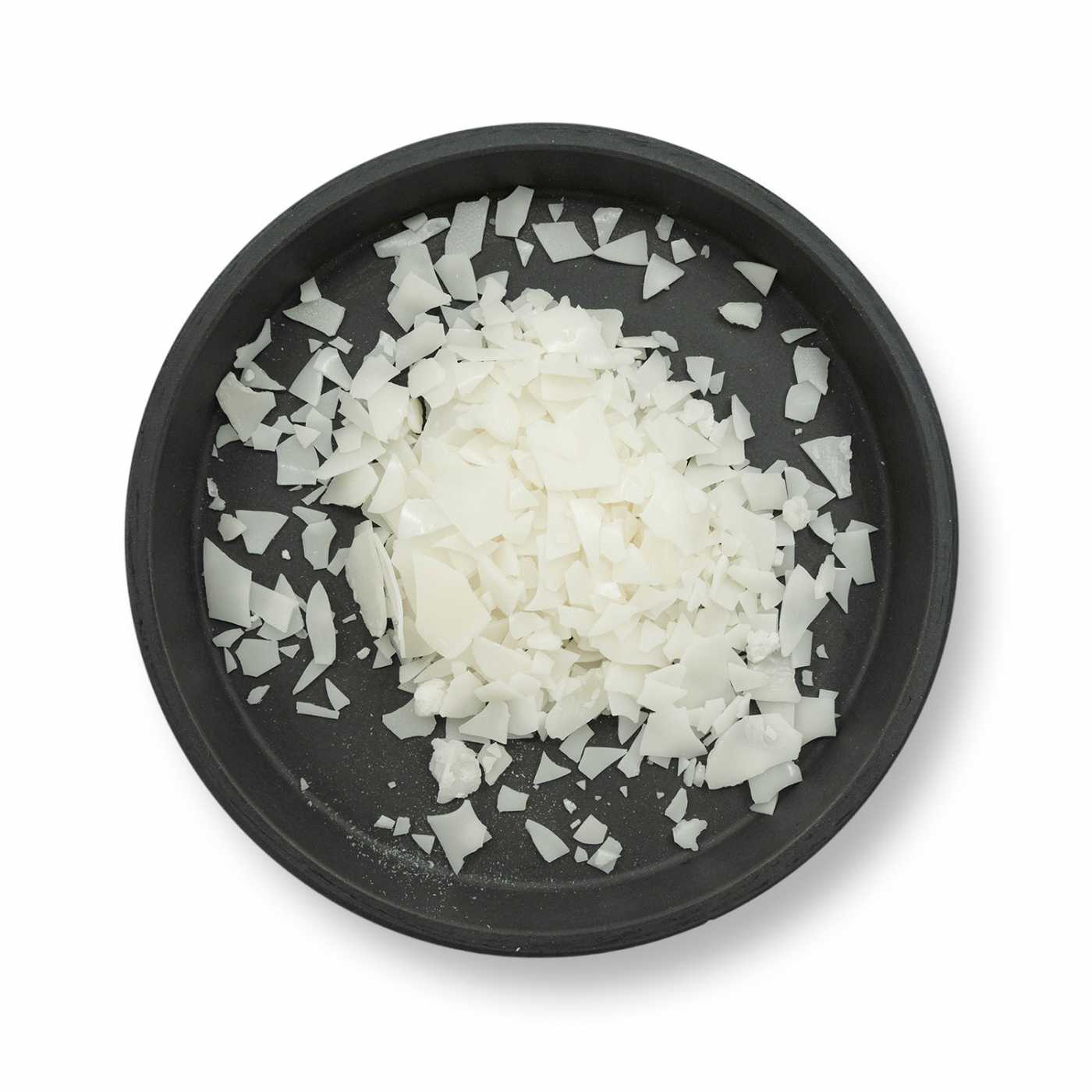
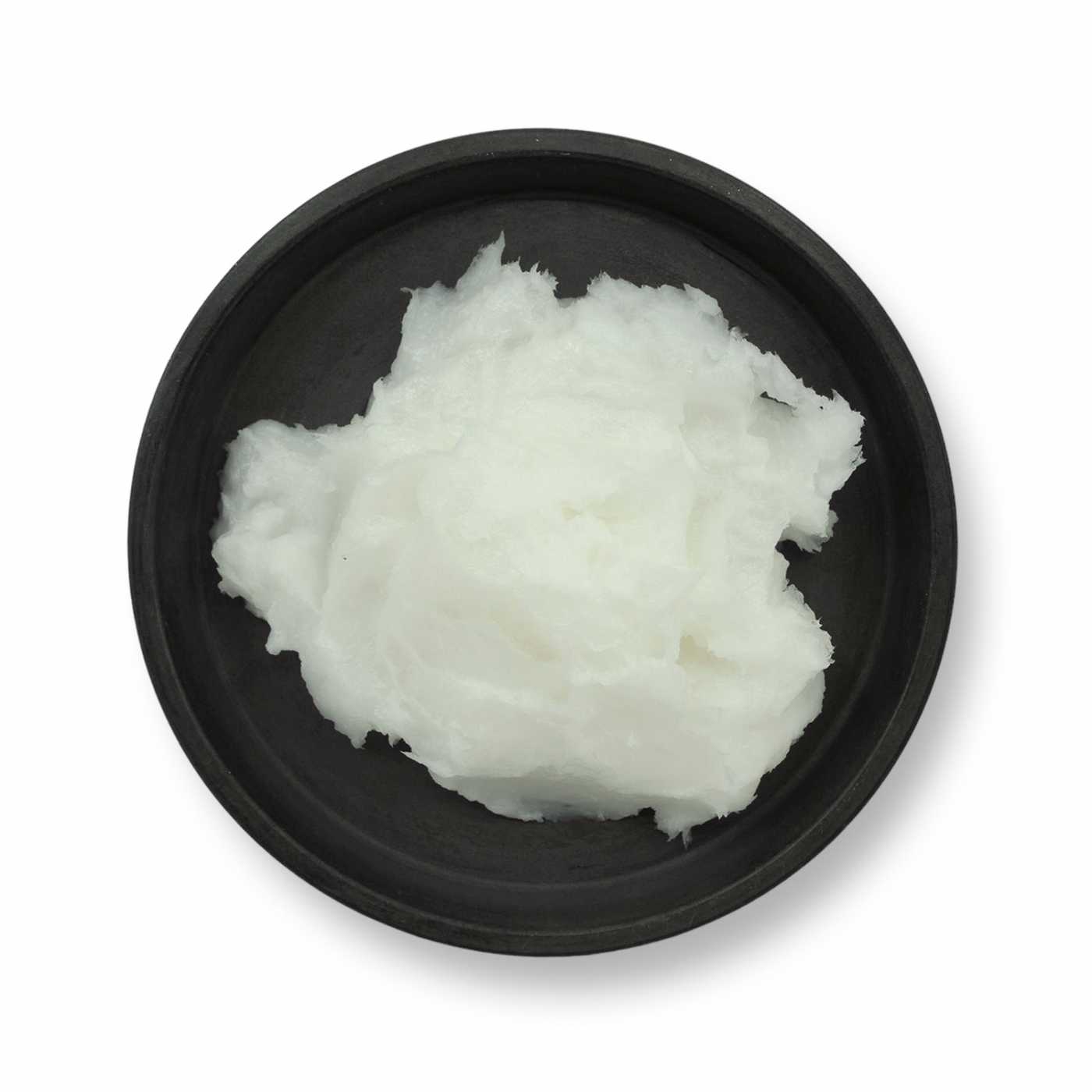
Coconut oil, virgin, cold-pressed, organic is a basic emollient for balms, body butters and cold process soaps. It is cold-pressed from the flesh of coconuts and is not refined any further, so it keeps its natural coconut scent and its original fatty acid composition. On the skin it softens, forms a thin protective layer and slows water loss. It also serves as a carrier for essential oils and active ingredients, and in soap making as a fat that gives the soap hardness and a rich lather.
The raw material is COSMOS Organic certified, vegan, and comes from wild-harvested coconuts from Asia. Processing consists only of mechanical pressing and filtration, without solvents and without added antioxidant. The oil is of both cosmetic and food grade quality, so it can also be used in the kitchen.
Key properties
- High lauric acid content – it makes up 41–56% of the fatty acids. It is complemented by myristic acid (13–23%) and the medium-chain caprylic acid (3.4–15%) and capric acid (3.2–15%). A fat with such a high proportion of saturated fatty acids is relatively stable against oxidation and helps protect less stable oils in blends.
- Softening and protecting the skin – according to the manufacturer, the oil softens and hydrates the skin, forms a layer on it that prevents moisture loss, and absorbs without a greasy feel. The manufacturer states a benefit especially for dry, rough and cracked skin.
- Low melting point – the oil melts at 25–26 °C, so it melts on contact with the skin. Balms and body butters containing it spread well and quickly turn into an oil film.
- Carrier – it dissolves essential oils and oil-soluble active ingredients and helps spread them evenly over the skin or hair. The manufacturer recommends it precisely as a carrier oil in hair care.
- Hair care – according to the manufacturer, it hydrates the hair and scalp, reduces dryness and conditions the hair. The manufacturer lists it for use in hair oils, serums and leave-in treatments.
- Cleansing ability – the manufacturer also recommends it as a make-up remover that loosens make-up, dirt and excess sebum. In soap it is the source of a strong cleansing effect.
- Soothing the skin – according to the manufacturer, it soothes irritated skin and helps reduce redness.
Use in formulations
The oil belongs in the oil phase. It is soluble in oils and insoluble in water, so it enters emulsions only through an emulsifier. At room temperature it is a solid to soft, butter-like fat. In formulations it is melted in a water bath together with butters and waxes, and it takes only a moment to melt. The recommended processing temperature is below 40 °C, so it is added towards the end of heating and is not kept at a high temperature for long.
Before weighing, melt the contents of the container and stir so that they are homogeneous. During production, add the oil only after the waxes and hard butters have melted, so that it is not heated unnecessarily.
The supplier states a usage rate of 1–100%. In common formulations it is used approximately as follows: in creams 5–15%, in balms 20–32%, in lip care 10–30%, in body butters around 50%, in hair oil serums around 20% and in hair conditioners around 1%. The pure oil is used as an oil cleanser or a hair oil treatment.
When solidifying, the cooling rate matters. Rapid cooling creates unstable crystalline forms that later transform, and the product may become grainy or change hardness. In blends with cocoa butter and other fats without lauric acid, coconut oil changes the crystallisation behaviour, so controlled cooling and a test batch are recommended.
In cold process soap it is one of the basic fats. Lauric acid gives a hard, readily soluble soap with a rich and stable lather and a strong cleansing effect. Its hardness and cleansing strength are balanced by softer oils, for example olive oil. The safety data sheet advises avoiding contact with strong alkalis, but in soap making the reaction with hydroxide (saponification) is desired and controlled.
Suitable for products such as
- Balms and solid salves – together with waxes and cocoa butter it gives a mass that melts quickly on contact with the skin.
- Body butters and whipped butters – the low melting point improves spreadability. At higher proportions, expect softening in a warm environment.
- Creams and body lotions – as part of the oil phase it adds a softening effect and a protective film.
- Lip balms – it softens and protects the lips and combines well with vegetable waxes.
- Hair oils, serums and masks – a carrier for essential oils and conditioning ingredients for dry and damaged hair.
- Cold process soaps – a source of hardness and lather in combination with softer oils.
- Bath bombs and salts – after dissolving in water it leaves a thin oil film on the skin.
- Oil cleansers and cleansing balms – it dissolves make-up. In cleansing balms it is combined with an emulsifier so that they can be rinsed off with water.
- Baby cosmetics – in anhydrous balms and massage oils according to the usage rate recommendations.
Good to know
- The change of state is natural. In summer or in a warm room the oil becomes liquid, and in the cold it solidifies again. The quality does not change.
- Antioxidant. The oil is cold-pressed without added antioxidant. Adding tocopherol usually slows the formation of peroxides, especially in blends with unsaturated oils.
- No preservative. The raw material contains no preservative. Anhydrous products with coconut oil do not need one; in emulsions, preservation is determined by the water phase.
- Proven combinations. In formulations it is often combined with tocopherol, sunflower oil, glycerine, allantoin, lavender essential oil, and in balms with cocoa butter and vegetable waxes.
- Safety. The raw material is not classified as hazardous under the CLP regulation and is exempt from registration under REACH. The CIR assessments from 2011 and 2017 consider coconut oil safe in cosmetics. It does not contain fragrance or food allergens.
For acne-prone skin we recommend using coconut oil with caution. The rabbit ear test showed comedogenicity, although it is a test with high exposure to the undiluted substance and the result may not correspond to common usage rates in formulations.
Frequently asked questions
Why is coconut oil sometimes solid and sometimes liquid?
Coconut oil melts at 25–26 °C, so at normal room temperature it is solid to butter-like, and in a warm room or in summer it is liquid. The change of state is natural and does not change the quality or composition of the oil. Before weighing it into a formulation, we recommend melting the oil and stirring so that the raw material is uniform.
How do you add coconut oil to a cream or emulsion?
Coconut oil is melted and added to the oil phase together with the other oils, butters and the emulsifier. It is insoluble in water, and the emulsifier binds it into the emulsion. When heating, we recommend keeping the temperature below 40 °C and adding the oil towards the end of heating, since it melts within a few seconds. Prolonged heating at a high temperature does not benefit it.
Is virgin coconut oil suitable for cold process soap?
Yes, virgin coconut oil is one of the basic fats for cold process soap. The high lauric acid content gives a hard, readily soluble soap with a rich, stable lather and a strong cleansing effect. It works best in combination with olive oil or another softer oil, which balances the hardness and cleansing strength. The reaction with the alkali is desired and controlled in soap making.
Is coconut oil suitable for acne-prone skin?
For acne-prone skin, coconut oil is recommended for use with caution. In the rabbit ear test it showed comedogenicity, that is, a tendency to clog pores. However, the test uses high exposure to the undiluted substance, so the result may not correspond to common usage rates in creams or rinse-off products. For dry, normal and sensitive skin it is suitable without restrictions, according to the available documentation.
What is the difference between virgin and refined coconut oil?
Virgin coconut oil is cold-pressed from the flesh of the coconut and is not treated any further, so it keeps its natural coconut scent and its white to light beige colour. Refined oil undergoes further treatment that removes the scent and colour. Refined oil is suited to formulations in which a coconut scent is not welcome. For balms, body butters and soaps with a natural scent, virgin oil is the better choice.