+421 950 333 113info@handymade.store

Spend over €100 for discounted shipping!

HYDROLATES, FLOWER WATERS

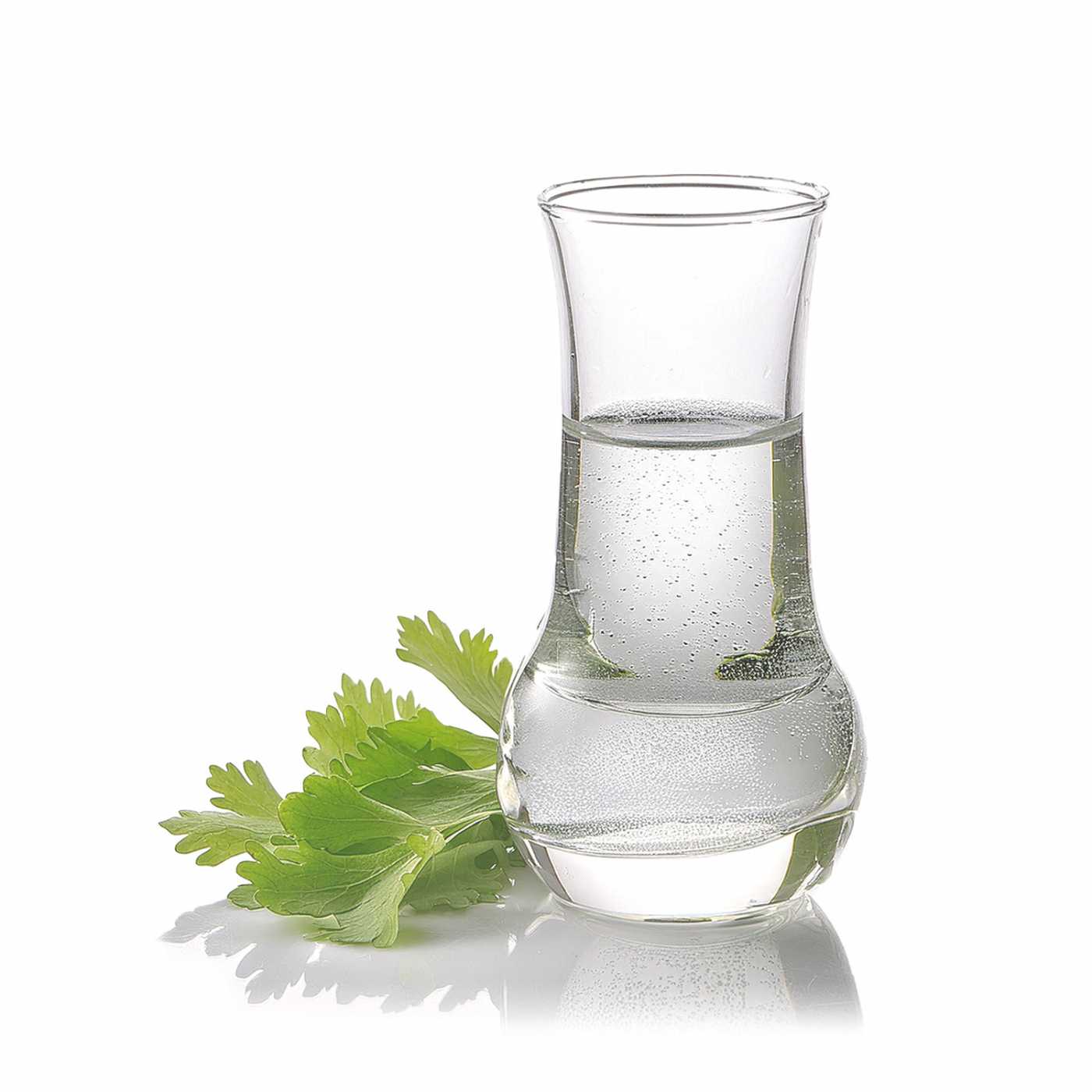
Floral Water, Bigroot Geranium (Geranium macrorrhizum), 100 ml

Pack size100 ml1 l5 l

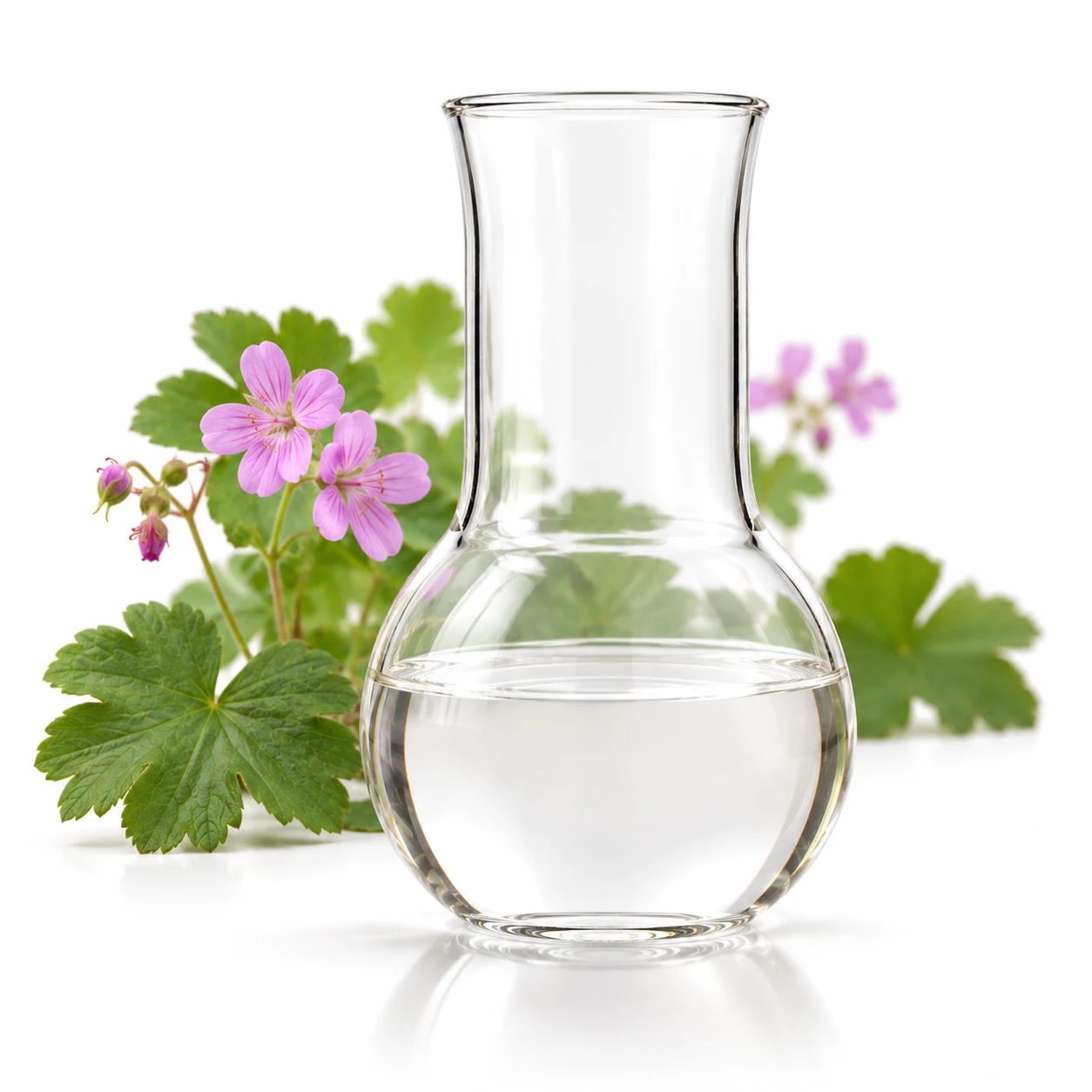
Bigroot geranium hydrosol (Geranium macrorrhizum) scents a product with the very water it is made from. full description

AvailabilityIn stock · 256 packs
Product codeHYD665_100
Batch261910
Best before12/2028
€2.19incl. VAT€21.90/l

Lowest price in the last 30 days: €1.97

Product description

Bigroot geranium hydrosol (Geranium macrorrhizum) scents a product with the very water it is made from. This floral water of European origin is produced by the steam distillation of the flowers, leaves and stems of the plant. In a formulation, it replaces part of the water or the entire water phase. On its own, it works as a toner or fragrance mist for the skin and hair.

Zdravec is the Bulgarian name of the plant Geranium macrorrhizum. This hydrosol also comes from Bulgaria.


Fragrance and role in the product

The fragrance of the hydrosol resembles lavender. It is carried by the volatile oil that passed into the water during distillation. In previous batches, it was present at approximately 0.05%.

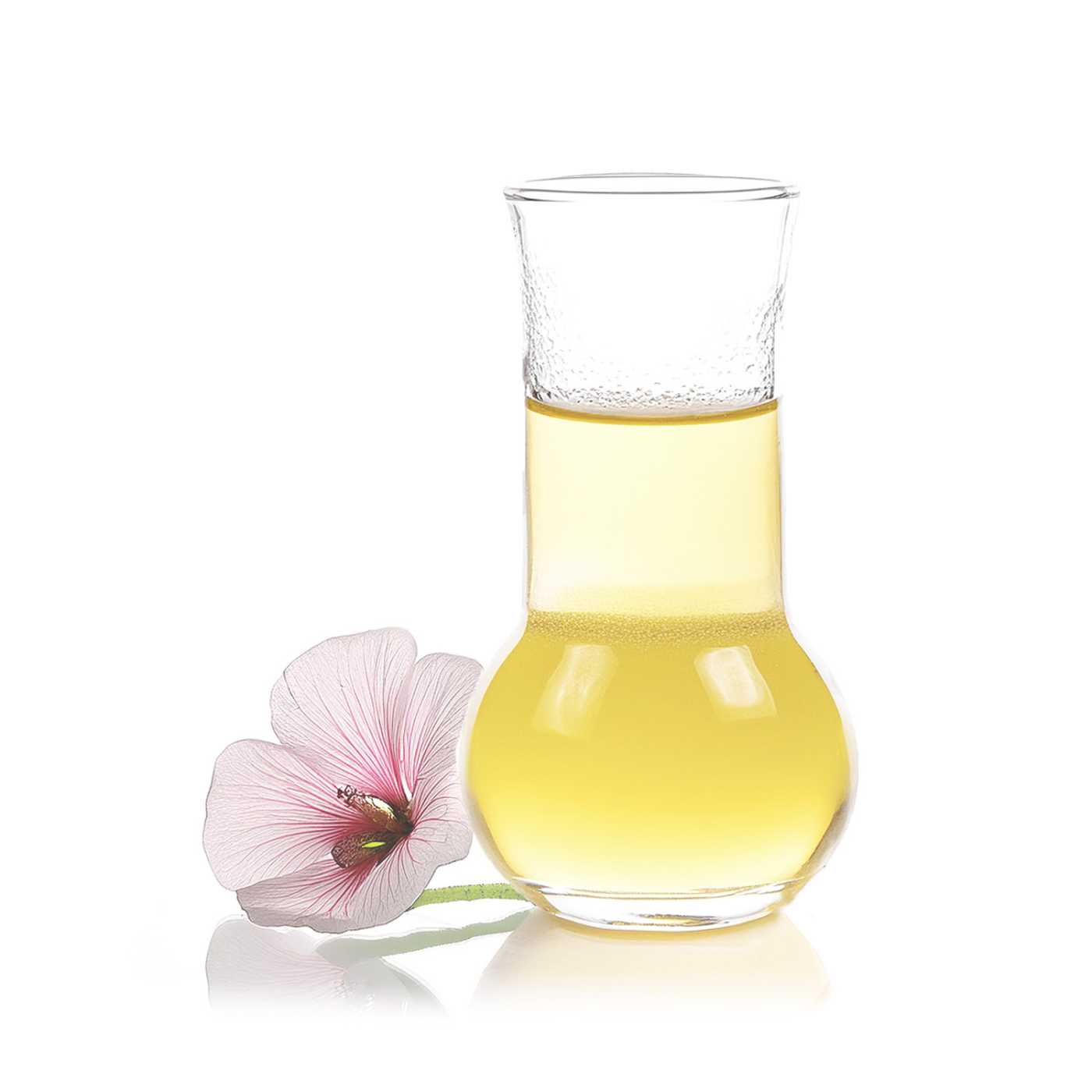
The hydrosol is clear and colourless. It adds fragrance to the product and does not change its colour. The strength of the fragrance in the finished product depends on the share of hydrosol in the water phase.


Use in formulations

The hydrosol belongs in the water phase. It mixes with water and also dissolves in alcohol. It does not dissolve in oil and is not suitable for anhydrous oil-based products without an emulsifier.

The usage rate is 1–100%. It is suitable for rinse-off and leave-on products for the face, body, hands, feet, hair and scalp, as well as for intimate hygiene products.

In an emulsion, the hydrosol is added only after cooling below 40 °C. In cold-process products, it is added directly to the water phase.

The finished product can have a pH of 3.0–8.0. The hydrosol’s own pH ranged around 6.1–6.2 across batches, which is an indicative value. The hydrosol is compatible with both acidic and neutral pH, with electrolytes, with perfume, and with both oxidising and reducing agents.


Suitable for products such as

  • Facial toners and mists – the hydrosol on its own or a blend with other hydrosols.
  • Creams and body lotions – replaces part of the water in an O/W emulsion, added after cooling.
  • Water-based gels and serums – the hydrosol is colourless and does not colour the product.
  • Hair waters and scalp sprays – water-based leave-on products.
  • Shampoos, shower gels and intimate hygiene products – part of the water phase in rinse-off products.

Good to know

The hydrosol is already preserved. It contains approximately 0.3% benzyl alcohol, benzoic acid and dehydroacetic acid, supplemented with a trace of tocopherol. It does not contain ethanol. All of these ingredients belong in the INCI list of the finished product.

The preservation of the hydrosol protects the raw material, while a finished product with a water phase needs its own preservative system. Benzoic and dehydroacetic acid work best in a more acidic environment. With a high share of hydrosol, we recommend considering the preservation of the product as a whole.

The hydrosol contains fragrance allergens from Annex III of the Cosmetics Regulation. If the limits are exceeded, they are declared on the label of the finished product. According to the CLP Regulation, it is not classified as hazardous.

When dispensing, work with clean tools so that microorganisms from the air or from utensils do not get into the hydrosol. The raw material is Vegan certified and free from parabens and nanomaterials.



Frequently asked questions

Can bigroot geranium hydrosol be used on its own as a toner?
Yes, bigroot geranium hydrosol can be used undiluted as a facial toner or fragrance mist. The recommended usage rate goes up to 100%, so it does not need to be diluted. It is suitable for the face, body, hair and scalp. It is already preserved and does not contain ethanol. When transferring it to a smaller container, work with clean tools.
What is the difference between bigroot geranium hydrosol and geranium hydrosol?
They are hydrosols from two different plants. Bigroot geranium is Geranium macrorrhizum. In cosmetics and aromatherapy, the name geranium commonly refers to pelargonium (Pelargonium graveolens), the source of the well-known geranium oil. The similarity is only in the name. In the ingredient list, the two raw materials are distinguished by the botanical name of the plant.
Does a product with bigroot geranium hydrosol need to be preserved?
Yes, a product with a water phase needs to be preserved, even though the hydrosol itself is preserved with benzyl alcohol, benzoic acid and dehydroacetic acid. When it is diluted with more water, their concentration drops. Both acids work best in a more acidic environment. With a high share of hydrosol, we recommend considering the preservative system of the product as a whole.
Is bigroot geranium hydrosol oil-soluble?
No, bigroot geranium hydrosol does not dissolve in oil. It mixes with water and dissolves in alcohol, so it enters a formulation through the water phase. It is not suitable for facial oils, balms and other anhydrous products without an emulsifier. In creams and body lotions, it is part of the water phase of the emulsion.
When should bigroot geranium hydrosol be added to a cream?
Bigroot geranium hydrosol is added to a cream only after the emulsion has cooled below 40 °C. It is not heated together with the water phase. The water phase is therefore prepared with a smaller amount of water and the hydrosol is added during the cooling phase. In cold-process products, it is added directly to the water phase.
How does bigroot geranium hydrosol differ from an essential oil?
The hydrosol is the water that passed through the plant during steam distillation and carries its fragrance. An essential oil is the concentrated volatile oil separated during the same distillation. Bigroot geranium hydrosol contains approximately 0.05% volatile oil, belongs in the water phase and can also replace all of the water in a formulation. An essential oil does not mix with water and is used in considerably lower amounts.

Parameters

INCI
Geranium Macrorrhizum Flower/Leaf/Stem Water, Benzyl Alcohol, Benzoic Acid, Dehydroacetic Acid, Tocopherol
CAS No.
92347-05-2, 100-51-6, 65-85-0, 520-45-6, 1406-66-2
EC number
296-192-0, 202-859-9, 200-618-2, 208-293-9, 604-195-9
Product colour
Colourless
Country of origin
Bulgaria
Processing method
Steam distillation
Odour
Floral
Appearance
Liquid
Free from
alcohol
Formulation phase
Water phase
Function in formulation
Fragrance component
Recommended processing temperature
< 40 °C
Recommended usage rate
1 – 100 %
Recommended formulation pH range
3,0-8,0
Application type
Leave-onRinse-off
Biodegradability
Readily biodegradable
Certifications and declarations
Vegan
Natural Index (NI ISO 16128)
0,99
Natural Origin Index (NOI ISO 16128)
0,99
Volume
100 ml

Product documentation

CoACertificate of Analysis
batch 261910PDF ↓
TDSTechnical Data Sheet
Physical parameters and processingPDF ↓
Download all (ZIP)

2 PDF files in one archive

Barbora K.23 Nov 2026EN

Verified purchase

ROCIO B.12 Nov 2026ES

Verified purchase

Karin S.1 Oct 2026SK

Verified purchase

Variant: Kvetinová voda, hydrolát, Geránium, 1 l
(3 reviews)