+421 950 333 113info@handymade.store−10 %Shop now

Essential oils, 500 ml +

Frankincense (Boswellia Carterii) Essential Oil, 1 l

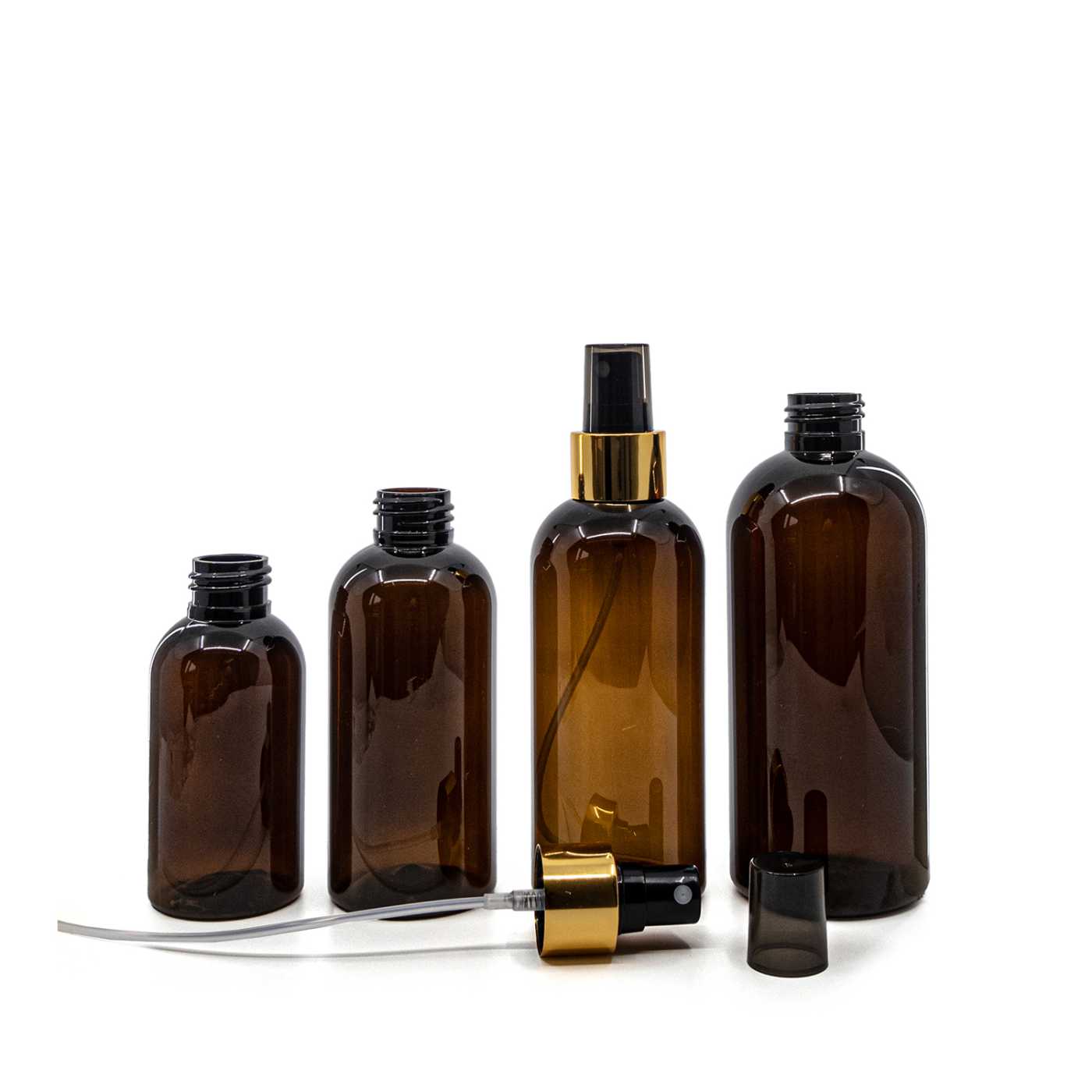
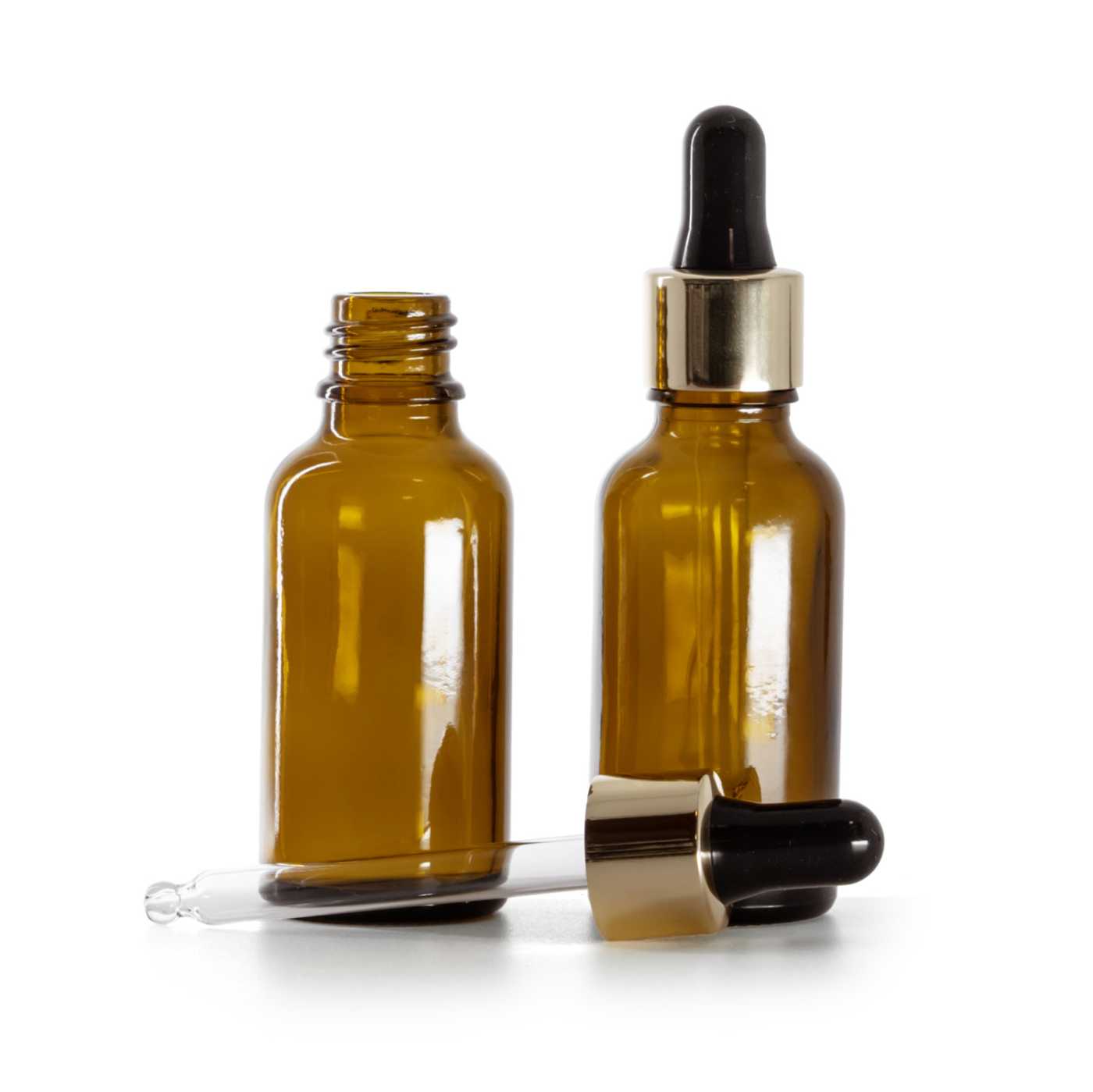
Pack size10 ml100 ml500 ml1 l

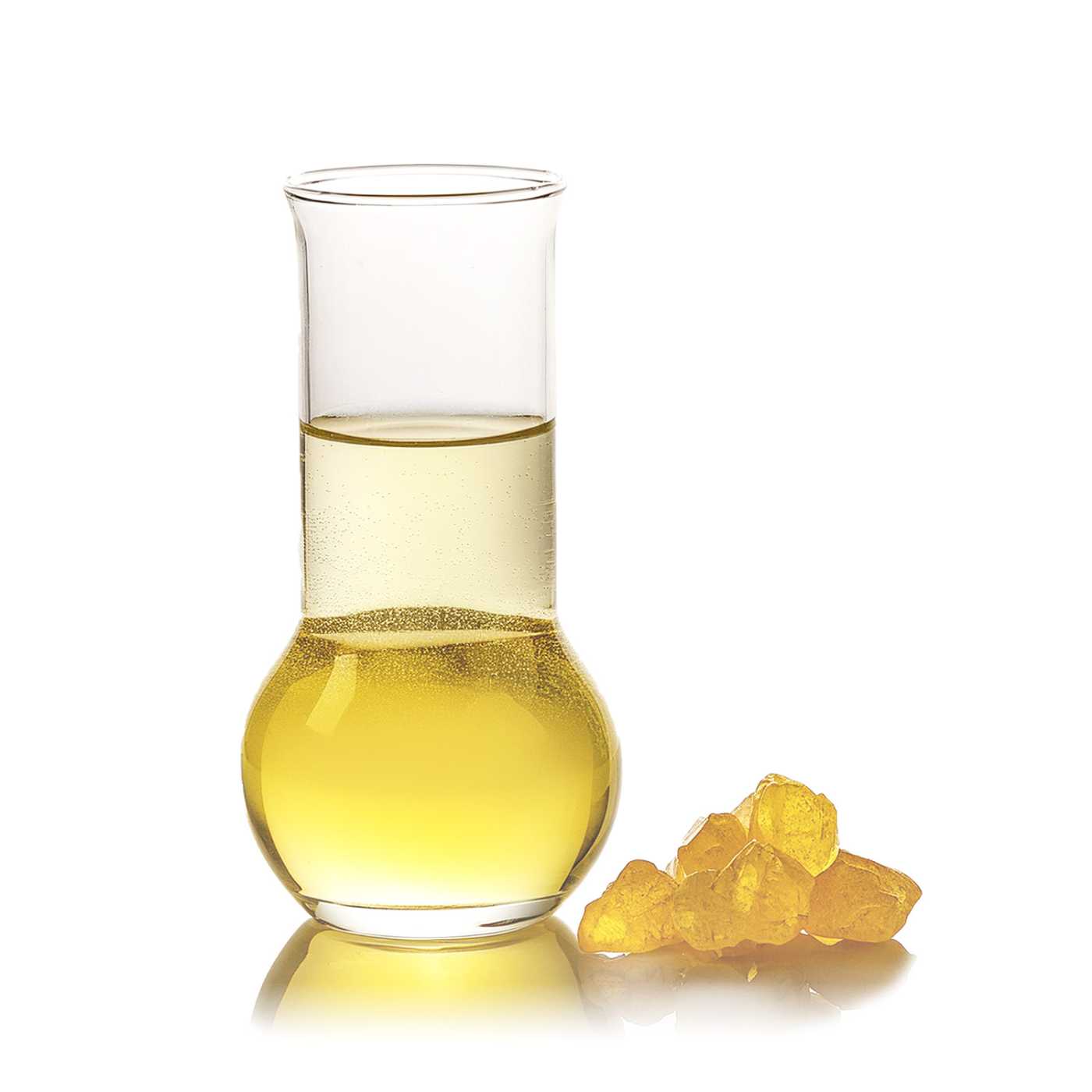
Frankincense essential oil (Boswellia carterii) is obtained by steam distillation from the resin of the frankincense tree and brings a woody, balsamic fragrance with a citrus note to cosmetics. full description

AvailabilityPre-order
Product codeEON034_1000
Batch24500
Best before10/2029
€423.02incl. VAT€423.02/l

Lowest price in the last 30 days: €423.02

Pre-orderThis variant is currently out of stock — your order will be a pre-order and delivery may take longer.

Product description

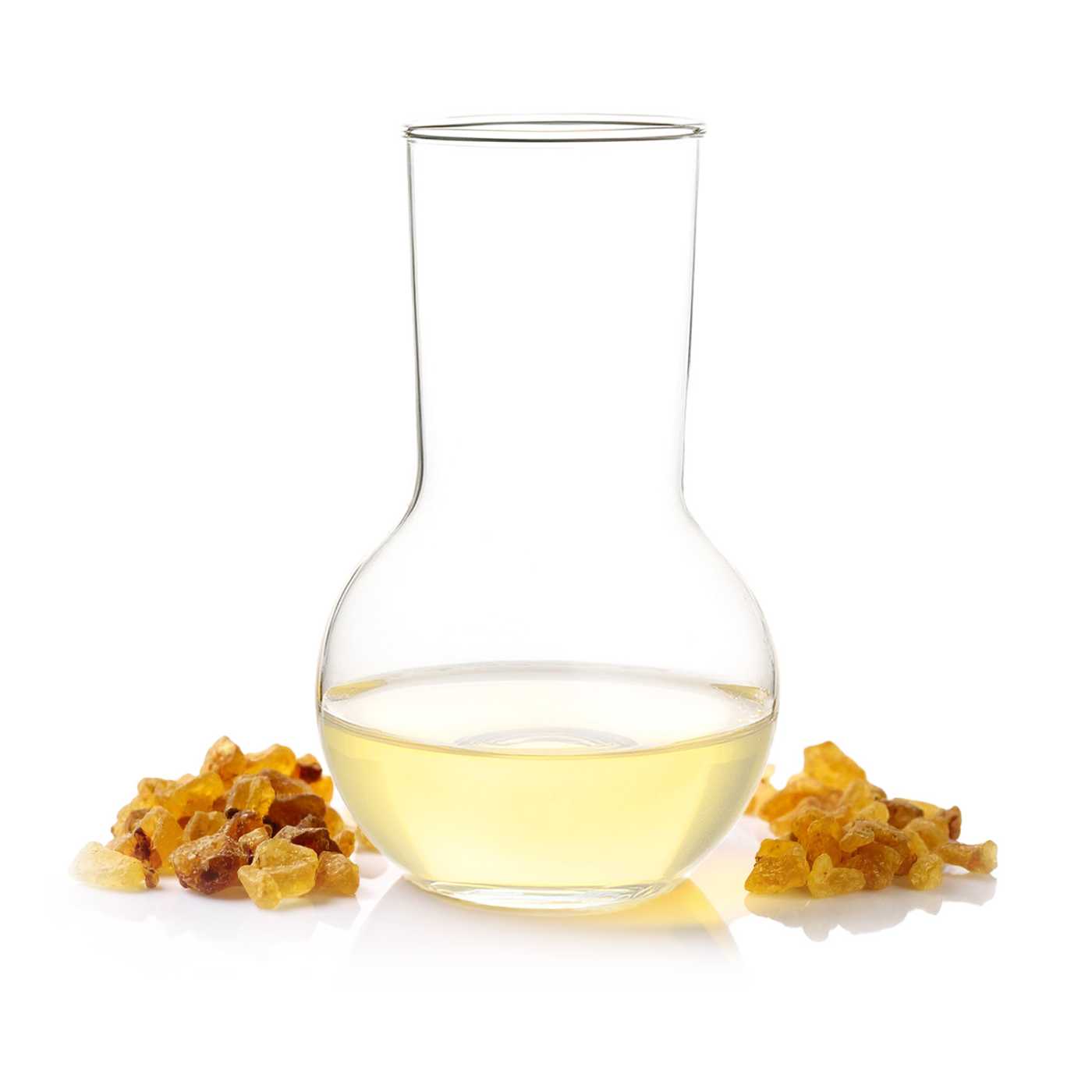
Frankincense essential oil (Boswellia carterii) is obtained by steam distillation from the resin of the frankincense tree and brings a woody, balsamic fragrance with a citrus note to cosmetics. It is used to fragrance face and body oils, creams, soaps and hair products, most often in skincare for mature and dry skin. It is supplied as a pure essential oil without a carrier and is also suitable for diffusers.


Fragrance and origin

The raw material is a resin collected from wild-growing trees. After steam distillation, the oil is separated from the water and filtered, and nothing else is added to it. It has the Vegan certificate and has not been tested on animals for cosmetic purposes.

The fragrance is woody and balsamic, with a citrus note. It is shaped by the naturally present limonene and pinene. In blends, it is often combined with lavender, mandarin or carrot essential oil. The oil itself is a colourless to yellow liquid.


What it is used for in cosmetics

Frankincense has two roles in cosmetics: it fragrances the product and it is classed among active ingredients. It is credited with a soothing effect on the skin, support for its elasticity and renewal, and antimicrobial action. These are cosmetic claims, and the result on the skin depends on the whole formulation and on the amount of oil in it. It is used in both rinse-off and leave-on products.

In hair cosmetics, it is used mainly for its fragrance, in hair oils, hair mists and scalp products.


Use in formulations

The oil dissolves in oil and in alcohol and is insoluble in water. In anhydrous products, it is added directly to the oil phase. In emulsions, it is added only in the cooling phase, below 40 °C, so that the volatile components do not evaporate. In water-based products, such as facial toners or mists, it must first be dispersed in a solubiliser.

Oxidation requires attention. Limonene oxidises in air, and the products of this oxidation are significantly stronger allergens than the original substance. In formulations, the oil is therefore almost always combined with tocopherol. Close the bottle tightly after each use, because the less air there is above the oil, the more slowly it oxidises.

The oil must not come into contact with strong acids, alkalis or oxidising agents.


Usage rate

There is no single universal usage rate. The maximum amount in the finished product is determined by the IFRA limit for the product category, which differs for lip products, for a face cream and for soap. The limits for all categories are listed in the IFRA certificate in the Product documentation section.

In formulations, frankincense oil is used at a low level, approximately 0.1–0.75%. In face and body oils, it is usually 0.1–0.5%, in creams 0.5–0.75%, and in serums, lotions, scrubs and aftershave products around 0.1–0.2%.

Before calculating the usage rate, check which IFRA category your product belongs to. The intended amount of oil must not exceed the limit for that category from the IFRA certificate.


Suitable for products such as

  • Face oils and serums – both a fragrance and an active ingredient in skincare for mature and dry skin.
  • Face creams and masks – including eye-area creams and serums.
  • Face cleansers and facial toners – in water-based products with a solubiliser.
  • Lip balms, oils and scrubs – lip products belong to IFRA category 1.
  • Massage and body oils, bath products – as a fragrance component of the oil base.
  • Soaps and shower products – solid and liquid soaps and shower gels belong to IFRA category 9.
  • Hair oils, mists and scalp products – above all for the fragrance.
  • Diffusers and aromatherapy – on its own or in a blend with other essential oils.

Good to know

The oil contains fragrance allergens listed in Annex III of Regulation (EC) No 1223/2009, which must be stated on the label of the finished product.

The oil is a flammable liquid with a flash point of 35 °C, so work with it away from flames and sparks. It is classified under the CLP Regulation and contains components classified as CMR (gamma-terpinene, p-cymene). Details on classification and safe handling are in the safety data sheet.

If you want frankincense in a product without the essential oil, you can use frankincense hydrosol. In a formulation, it replaces water and has a sweeter fragrance.


Frequently asked questions

Is frankincense essential oil soluble in water?
No, frankincense essential oil is insoluble in water. It dissolves in oil and in alcohol. In water-based products, such as facial toners or hair mists, it must first be dispersed in a solubiliser and only then mixed into the water. In creams, face oils and balms, it is part of the oil component of the product.
How much frankincense essential oil should be added to a cream or face oil?
In formulations, frankincense essential oil is used at approximately 0.1–0.5% in face and body oils and 0.5–0.75% in creams. In serums and lotions, it is usually around 0.1–0.2%. The maximum permitted amount is determined by the IFRA limit for the product category. The limits for individual categories are listed in the IFRA certificate in the product documentation.
When is frankincense essential oil added to a cream?
Frankincense essential oil is added to a cream only in the cooling phase, when the emulsion is below 40 °C. At a higher temperature, the volatile components would evaporate. In anhydrous products, such as face oils or balms, it is added directly to the oil phase.
What is the difference between frankincense essential oil and frankincense hydrosol?
Frankincense essential oil is a concentrated fragrance ingredient, while frankincense hydrosol is a water-based raw material. The hydrosol can replace water in a formulation and has a sweeter fragrance. It is suitable when the product is to contain frankincense without the essential oil. The essential oil is suited to face and body oils and balms, and to fragrancing emulsions.
Can frankincense essential oil be used in a lip balm?
Yes, frankincense essential oil is used in lip balms, oils, masks and scrubs. Lip products belong to IFRA category 1, and the amount of oil must not exceed the limit for this category. The limit is listed in the IFRA certificate in the product documentation. In a balm, the oil is added directly to the oil phase.

Parameters

INCI
Boswellia Carterii Oil
CAS No.
89957-98-2 / 8050-07-5
EC number
289-620-2 / 232-474-1
Product colour
ColourlessYellow
Odour
Woody
Appearance
Liquid
Recommended processing temperature
< 40 °C
Application type
Leave-onRinse-off
Biodegradability
Readily biodegradable
Certifications
Vegan
Manufacturer's certificate
BRC
Natural Index (NI ISO 16128)
1,00
Natural Origin Index (NOI ISO 16128)
1,00
Organic content
0 %
Renewable Carbon Content (RCC)
100 %
Volume
1000 ml

Product documentation

CoACertificate of Analysis
batch 20512PDF ↓
batch 24500PDF ↓
TDSTechnical Data Sheet
Physical parameters and processingPDF ↓
IFRAIFRA Certificate
batch 24500PDF ↓
AllergensAllergen Declaration
batch 24500PDF ↓
SDSSafety Data Sheet
Available for purchased products —
Download all (ZIP)

5 PDF files in one archive

Learn how to work with it

From our blog
Medicína9 Aug 2026SK

Verified purchase

Gorgeous — I order it again and again, excellent quality and price.

Translated automatically

sirje K.15 Nov 2026EN

Verified purchase

niamh B.15 Nov 2026EN

Verified purchase

Adam V.5 Nov 2026SK

Verified purchase

Sara María H.R.21 Oct 2026ES

Verified purchase

(8 reviews)