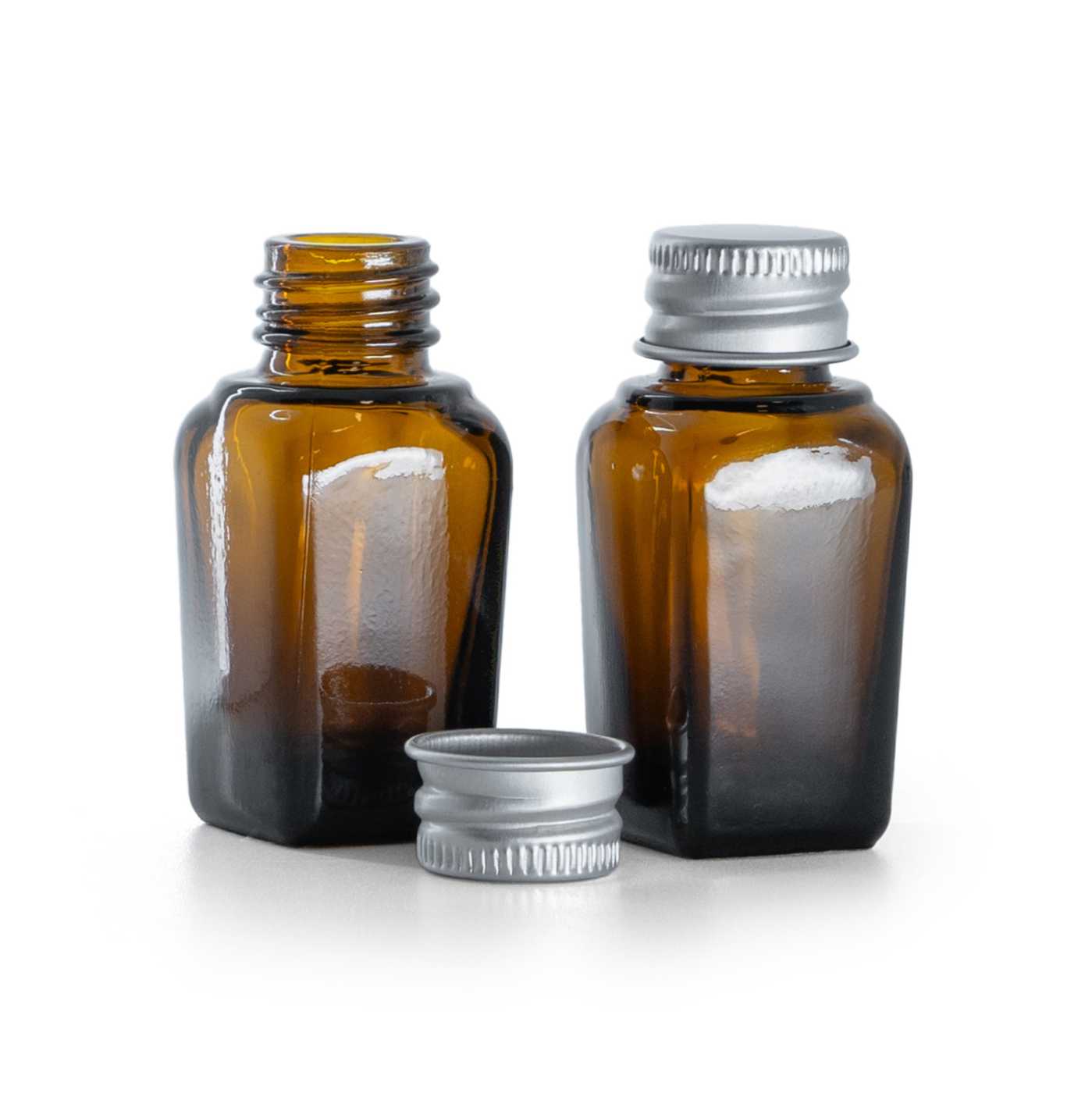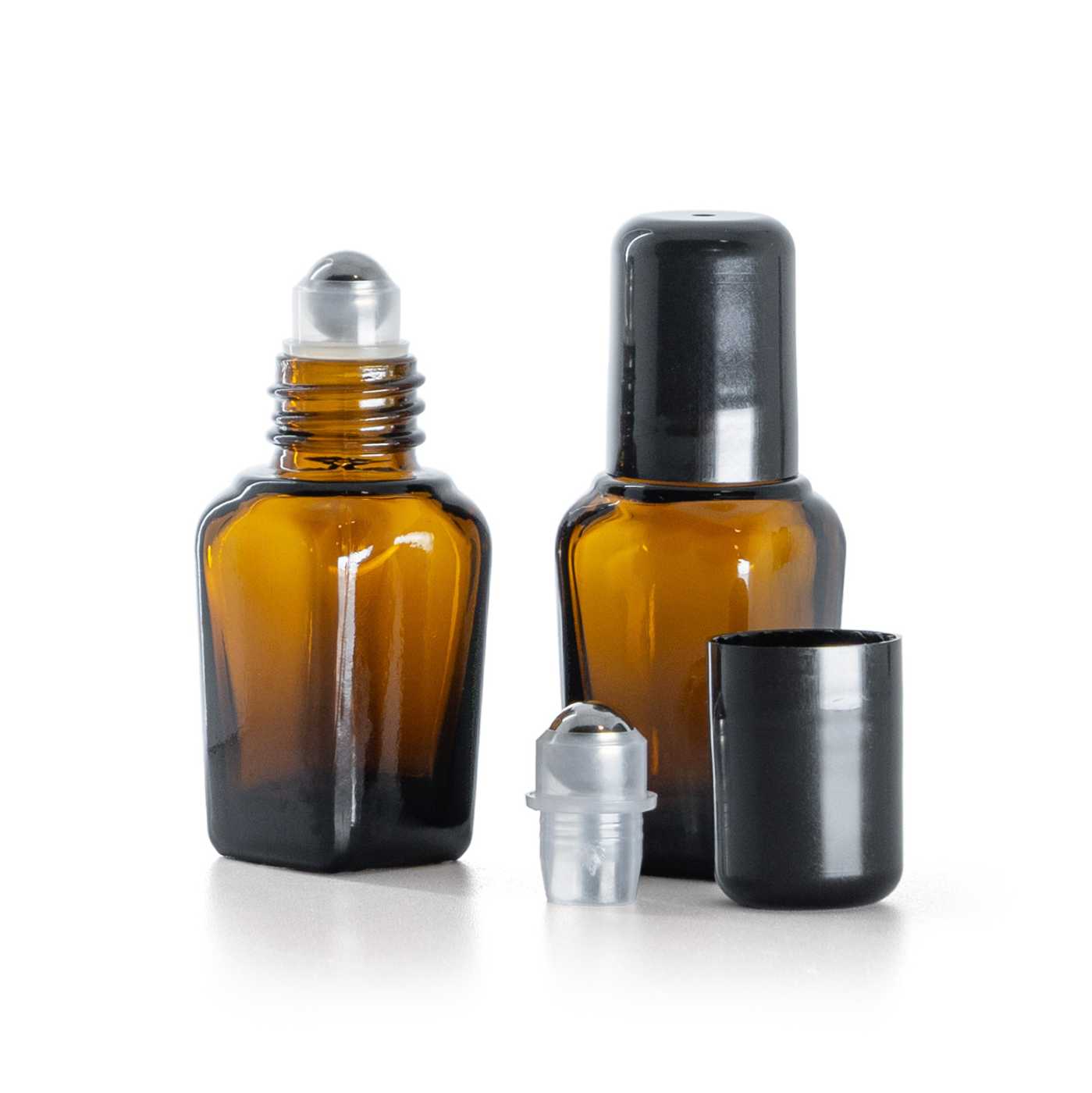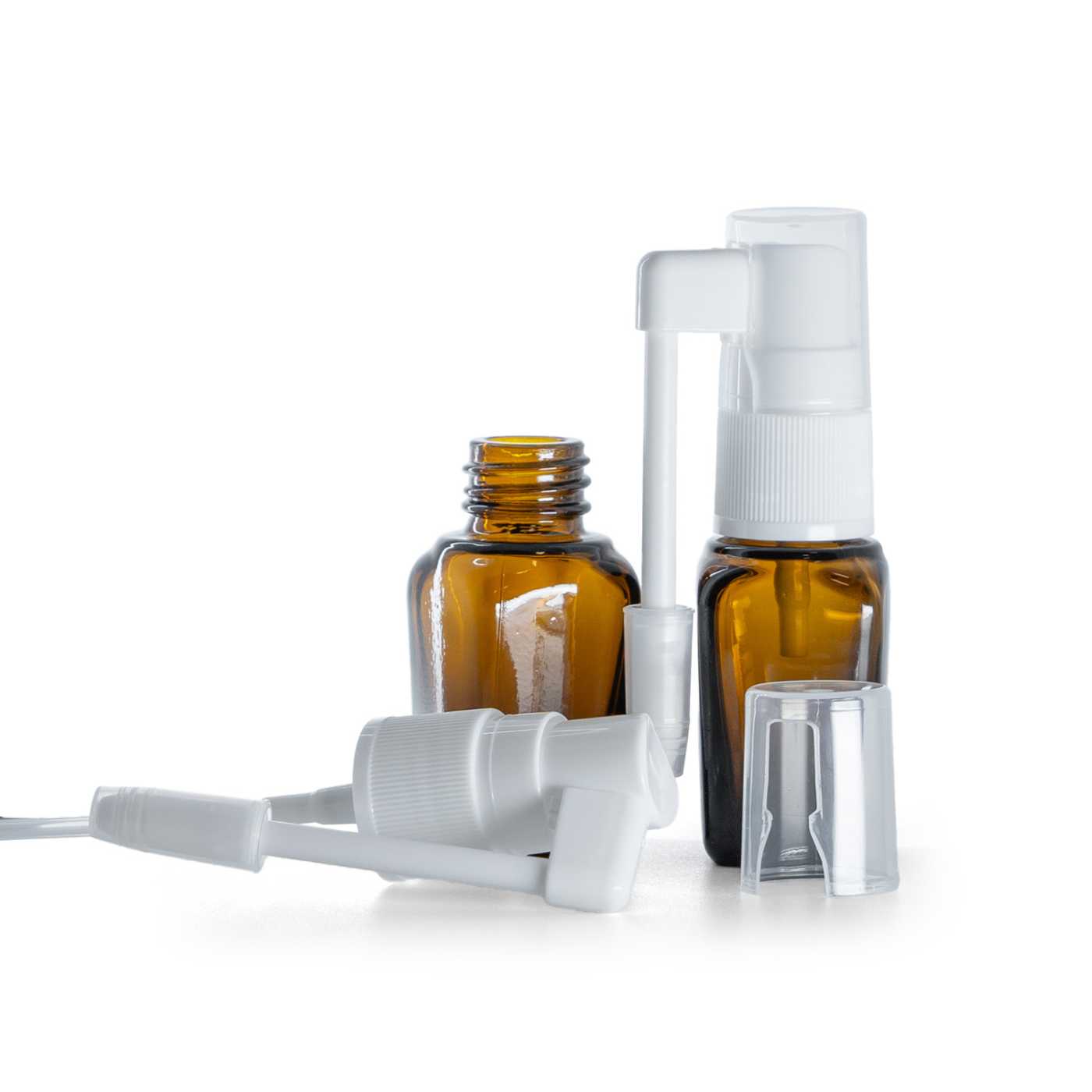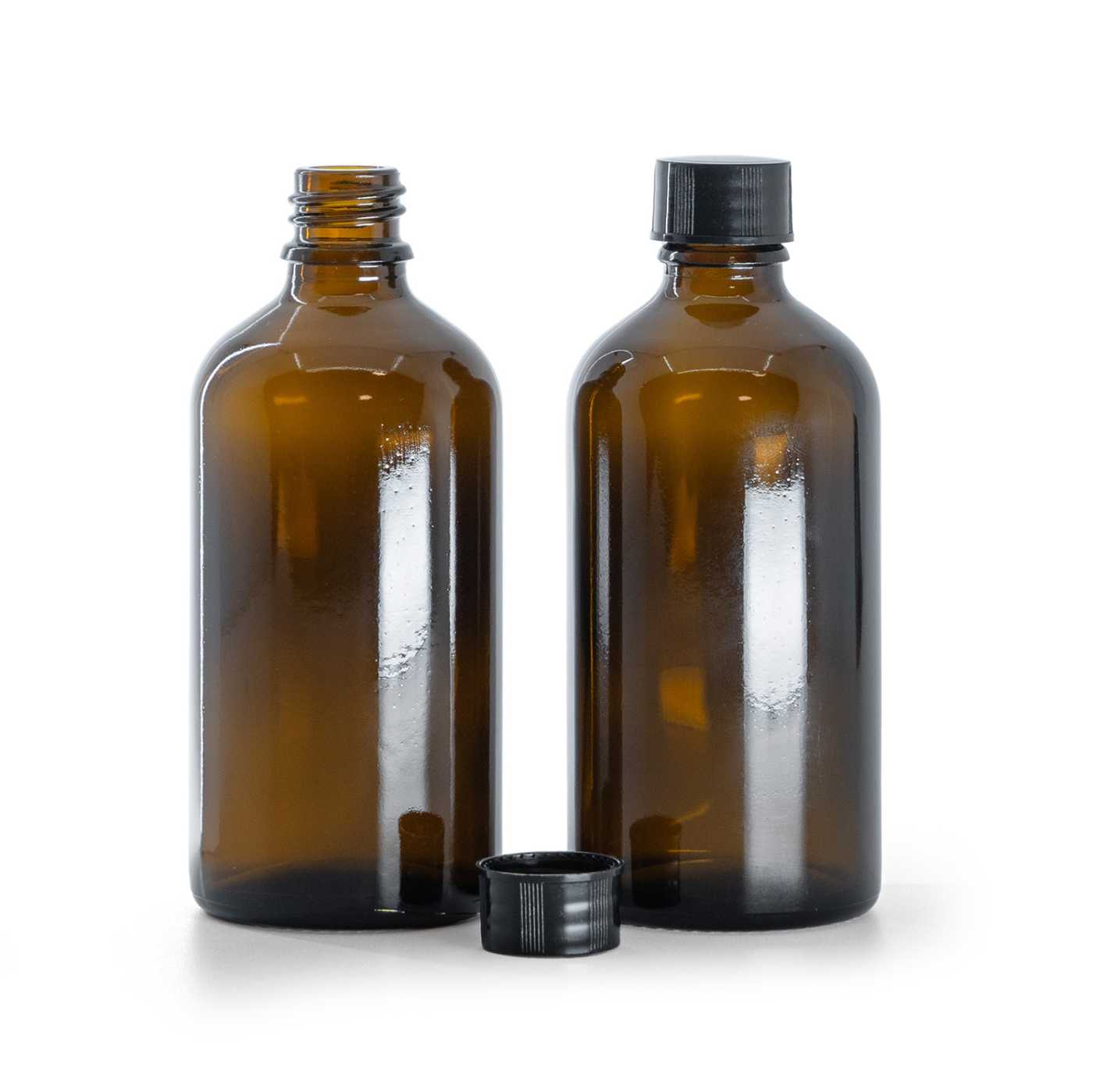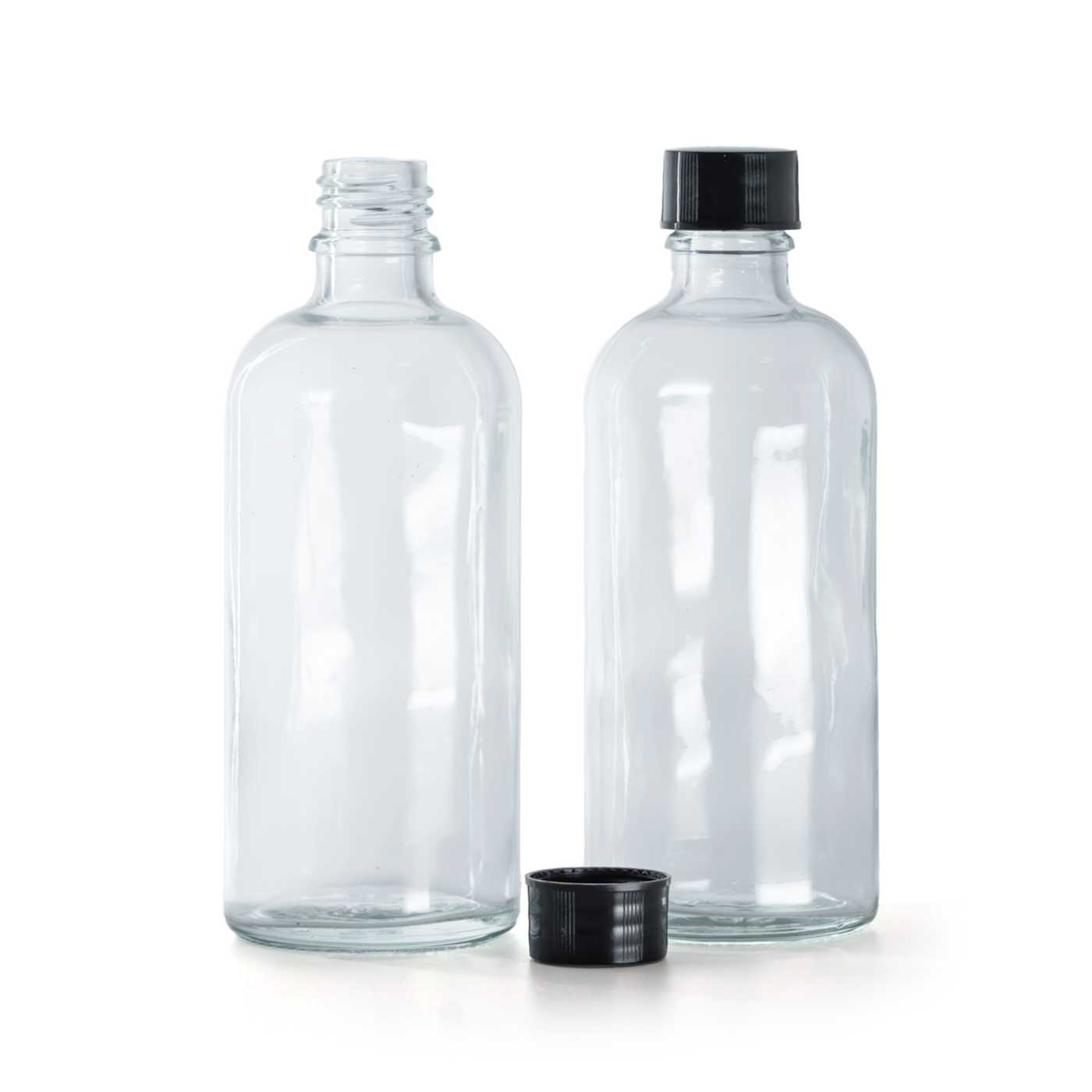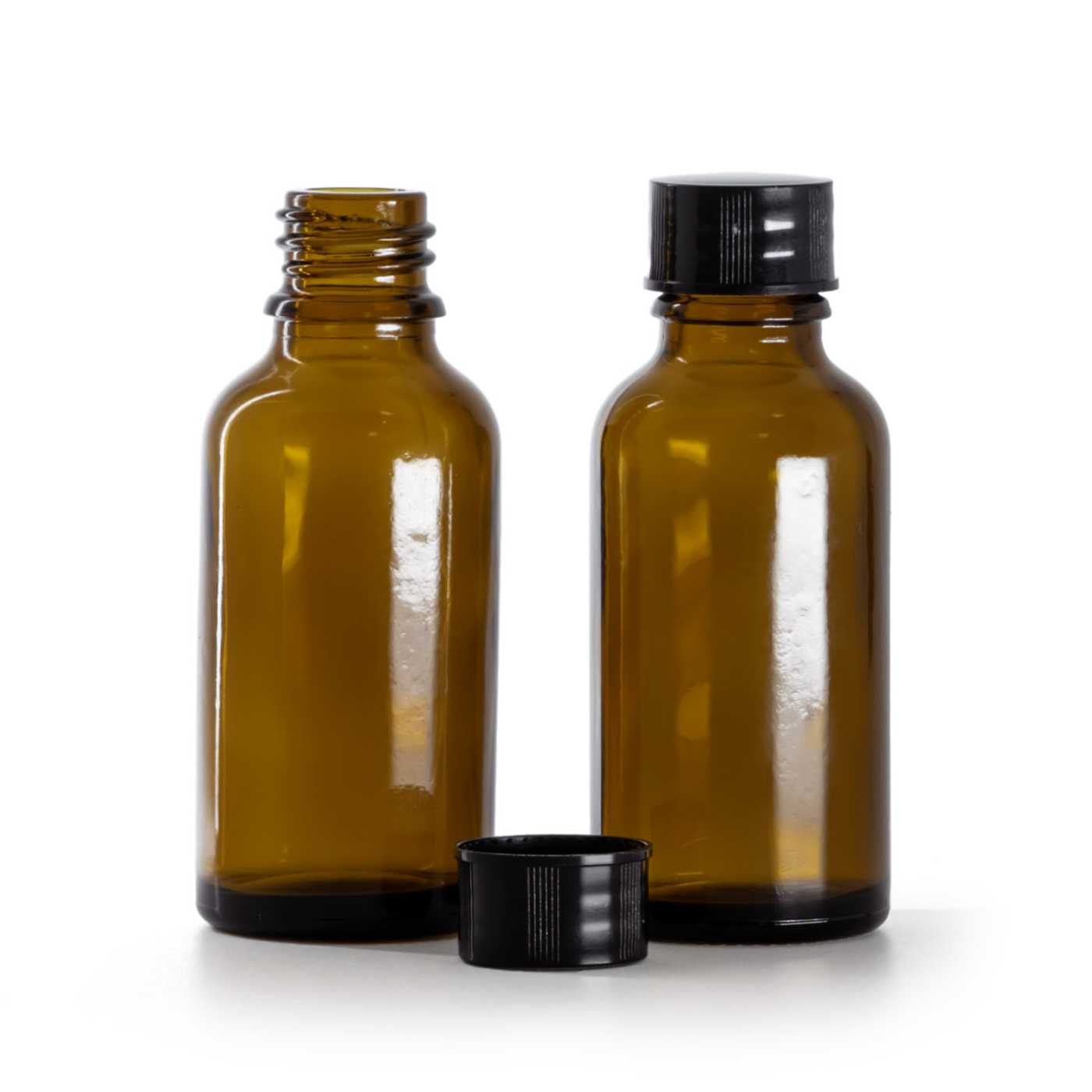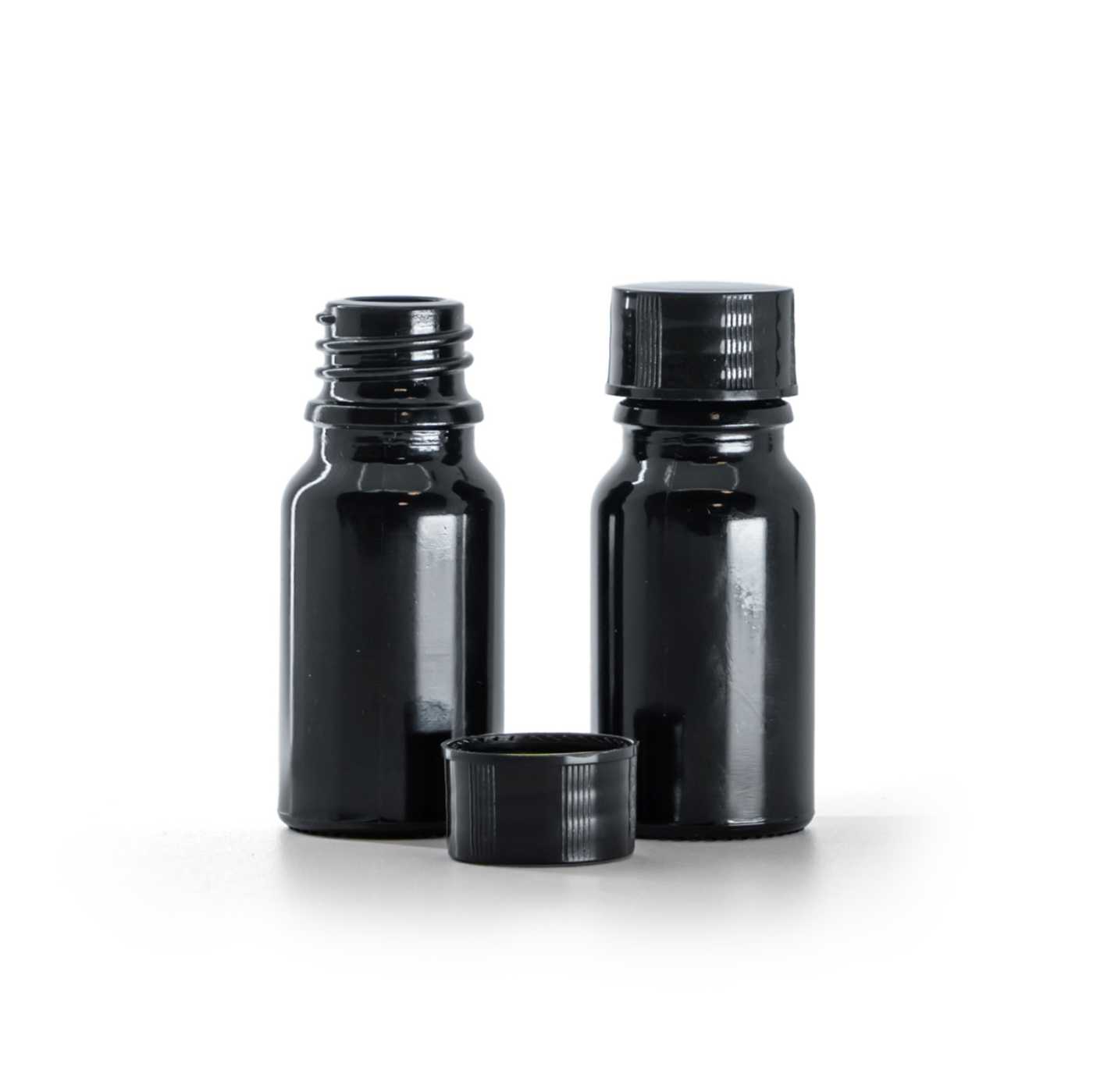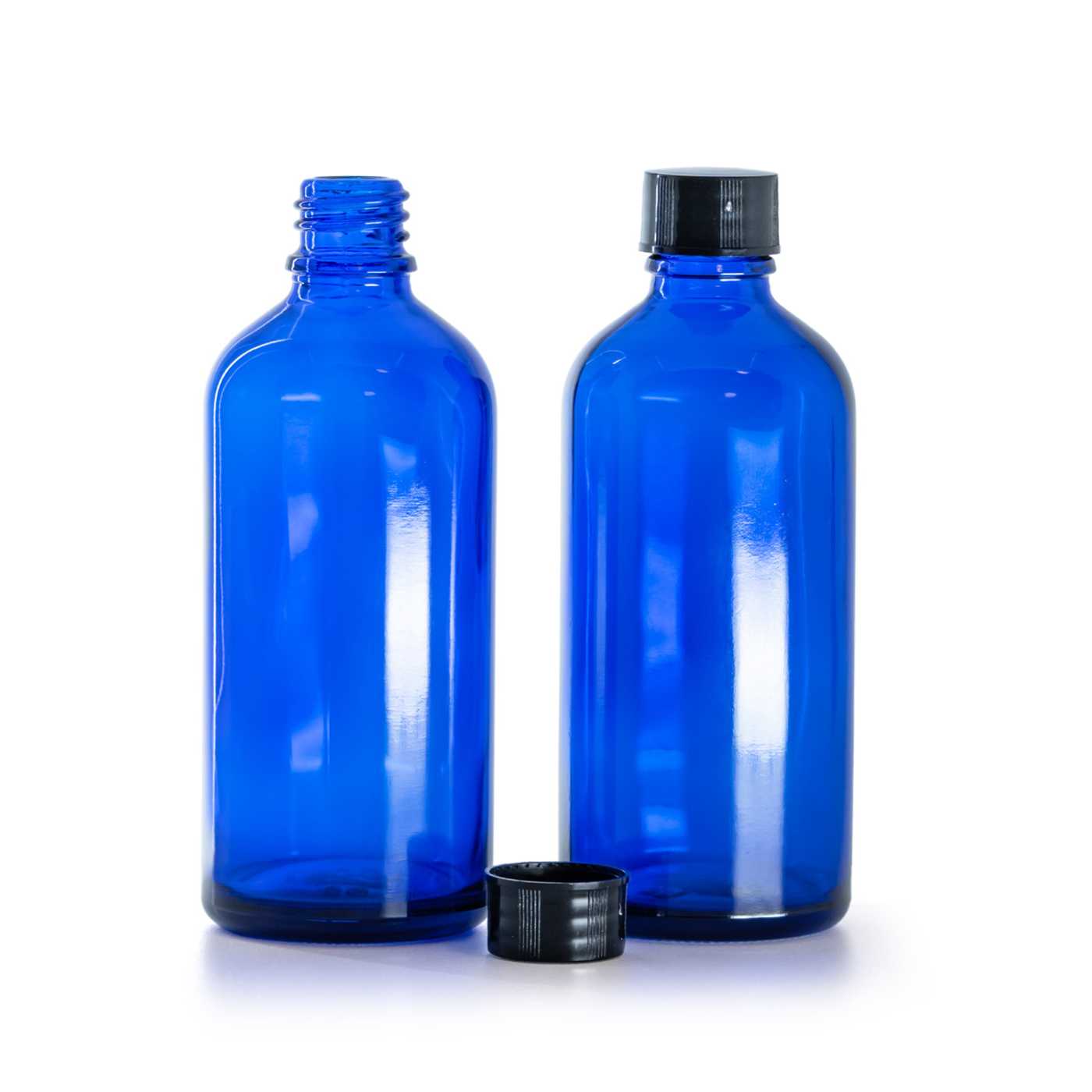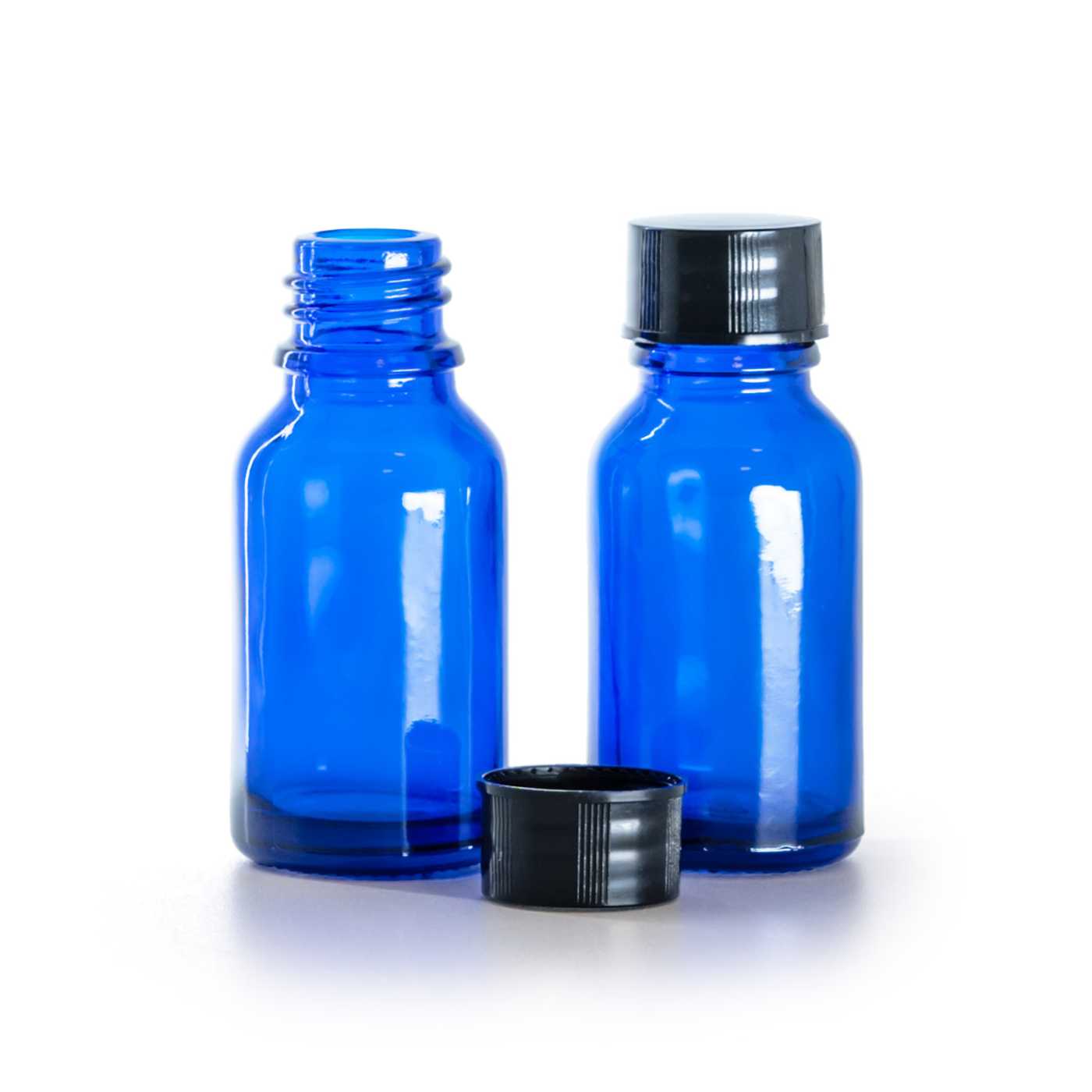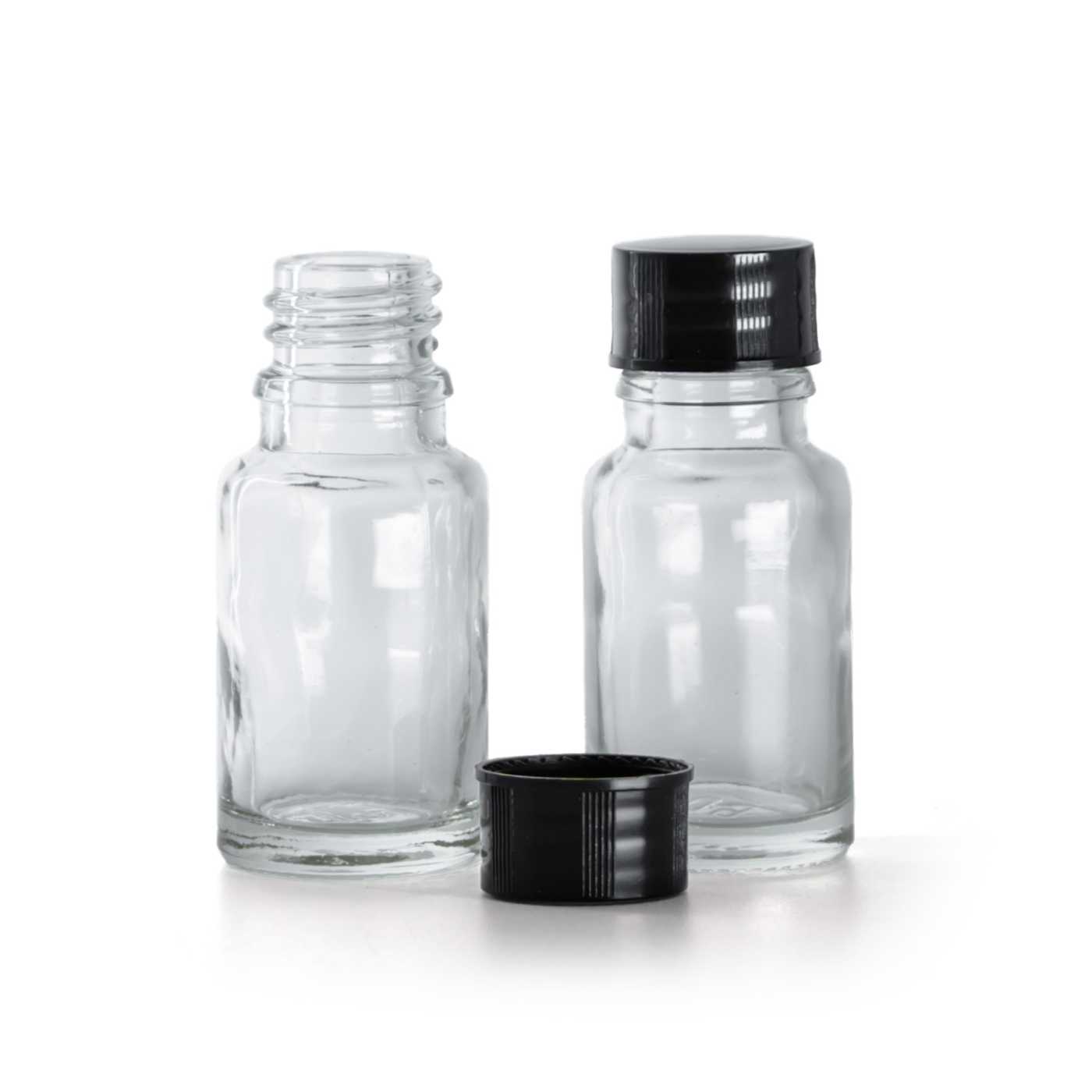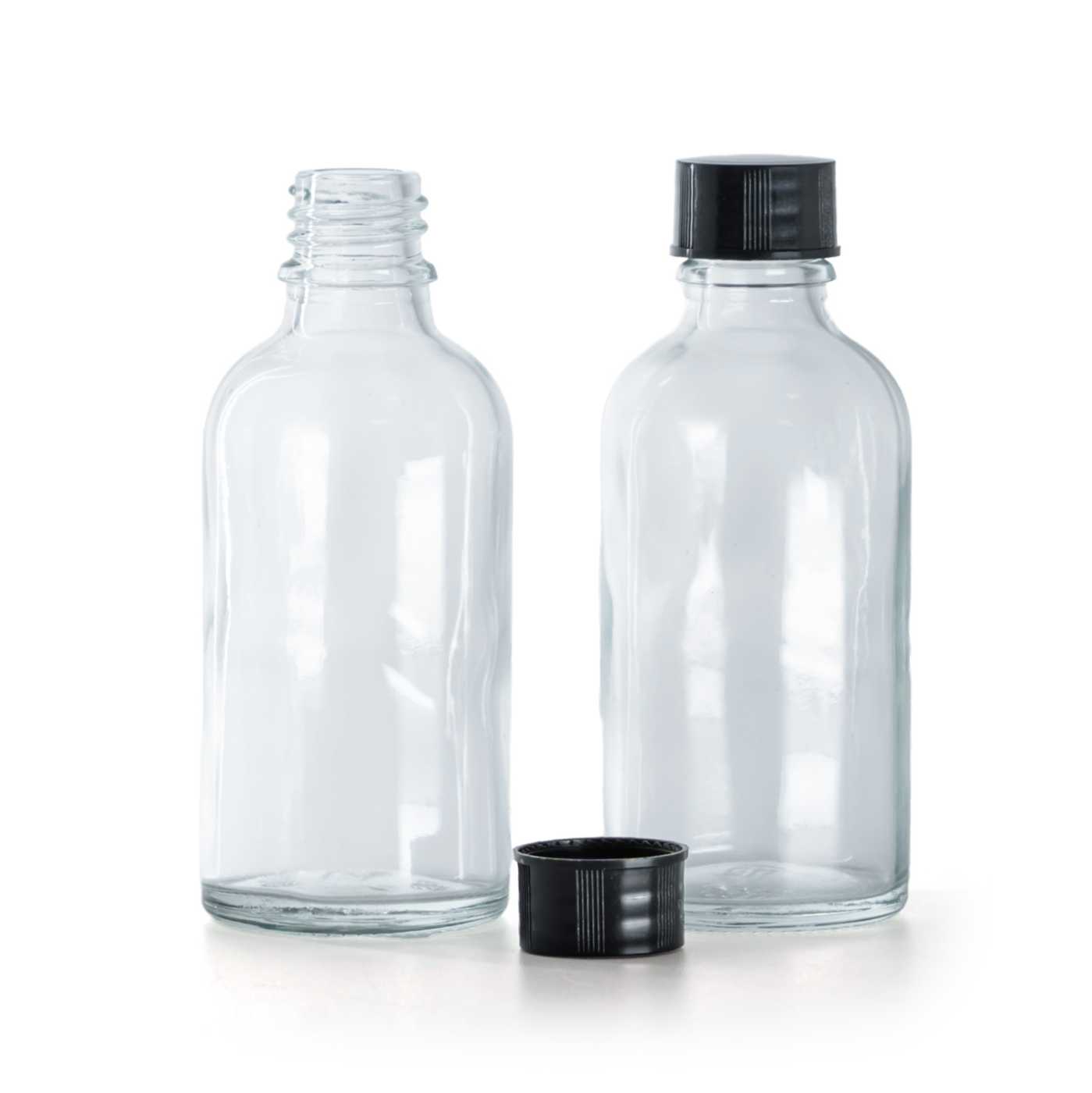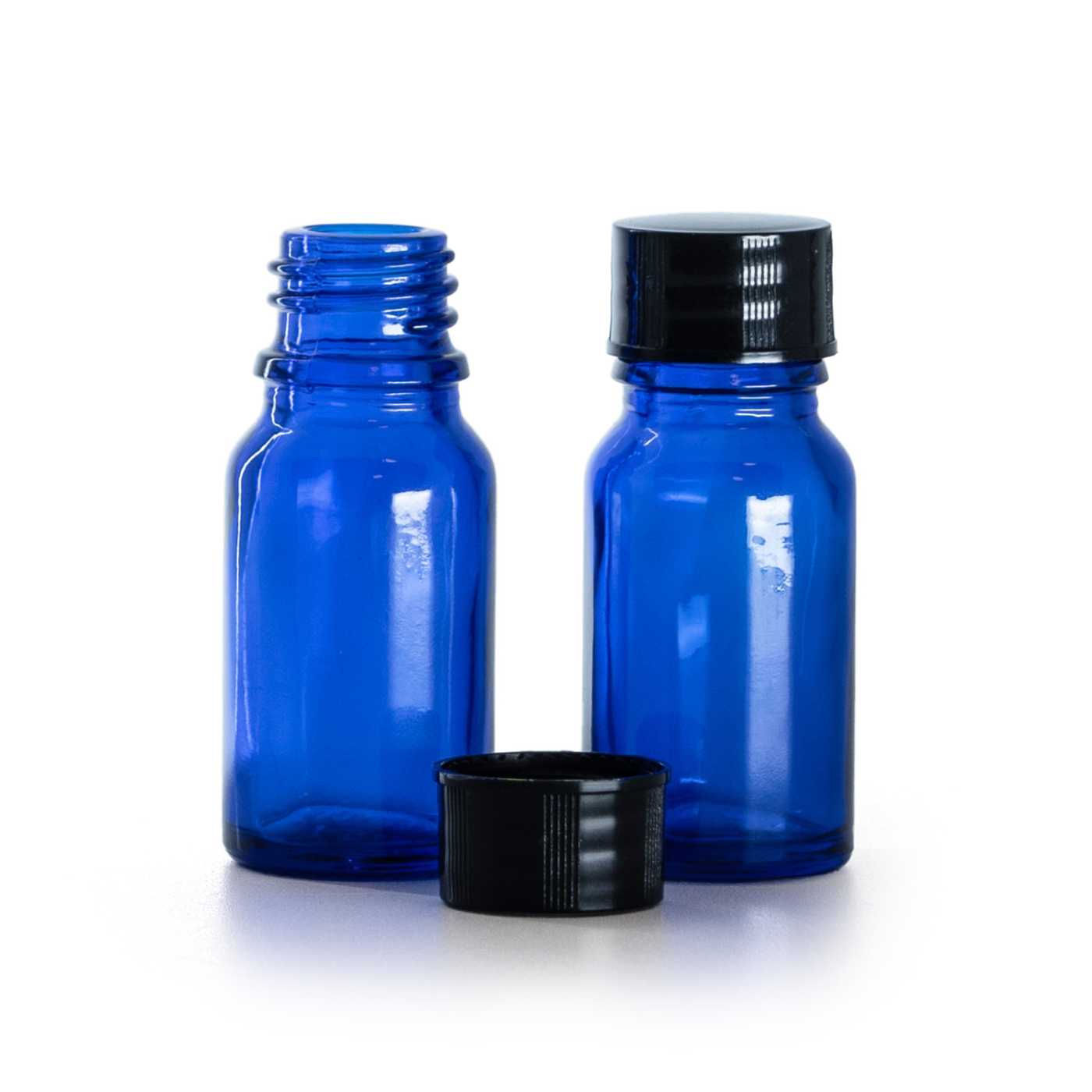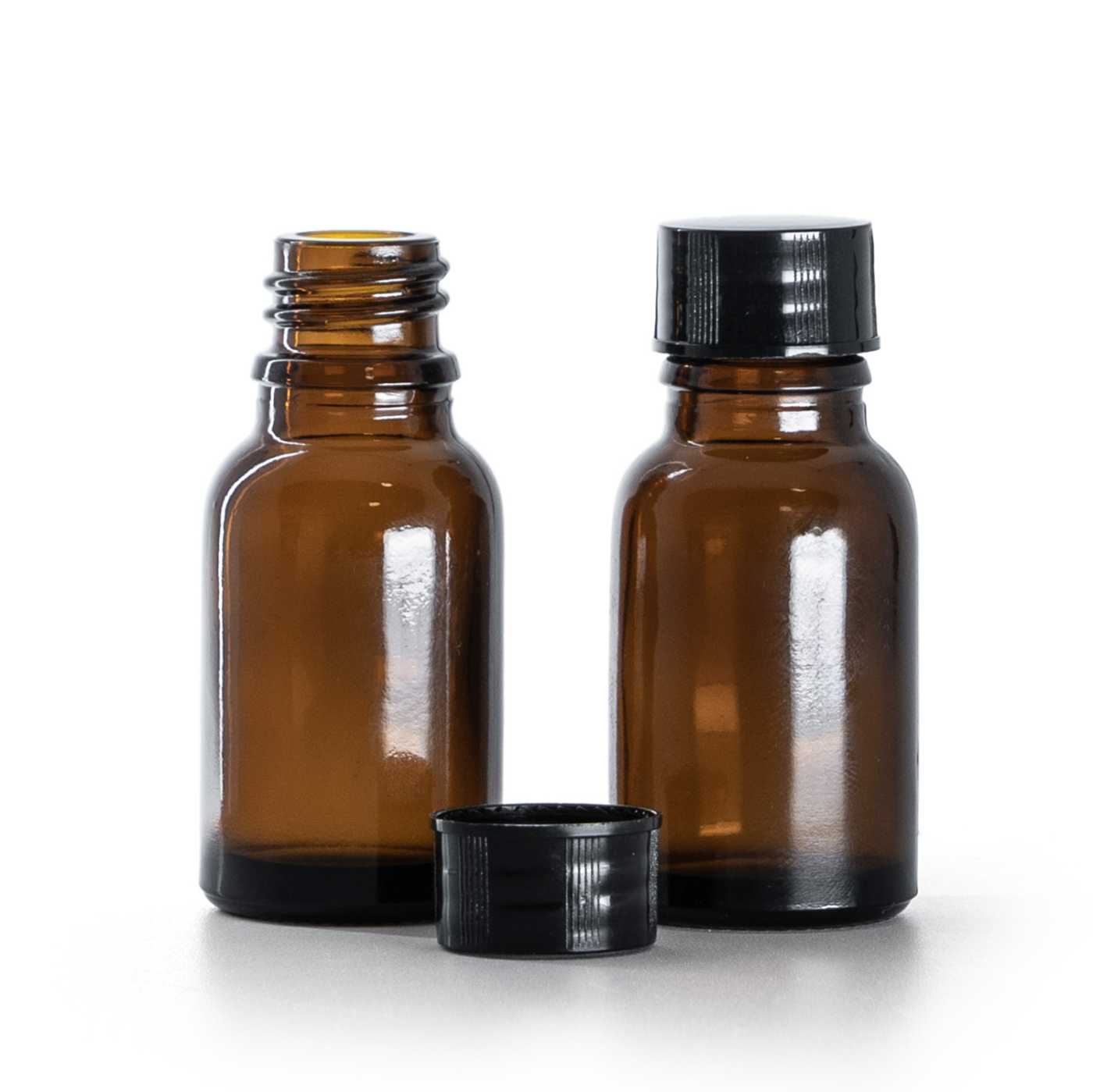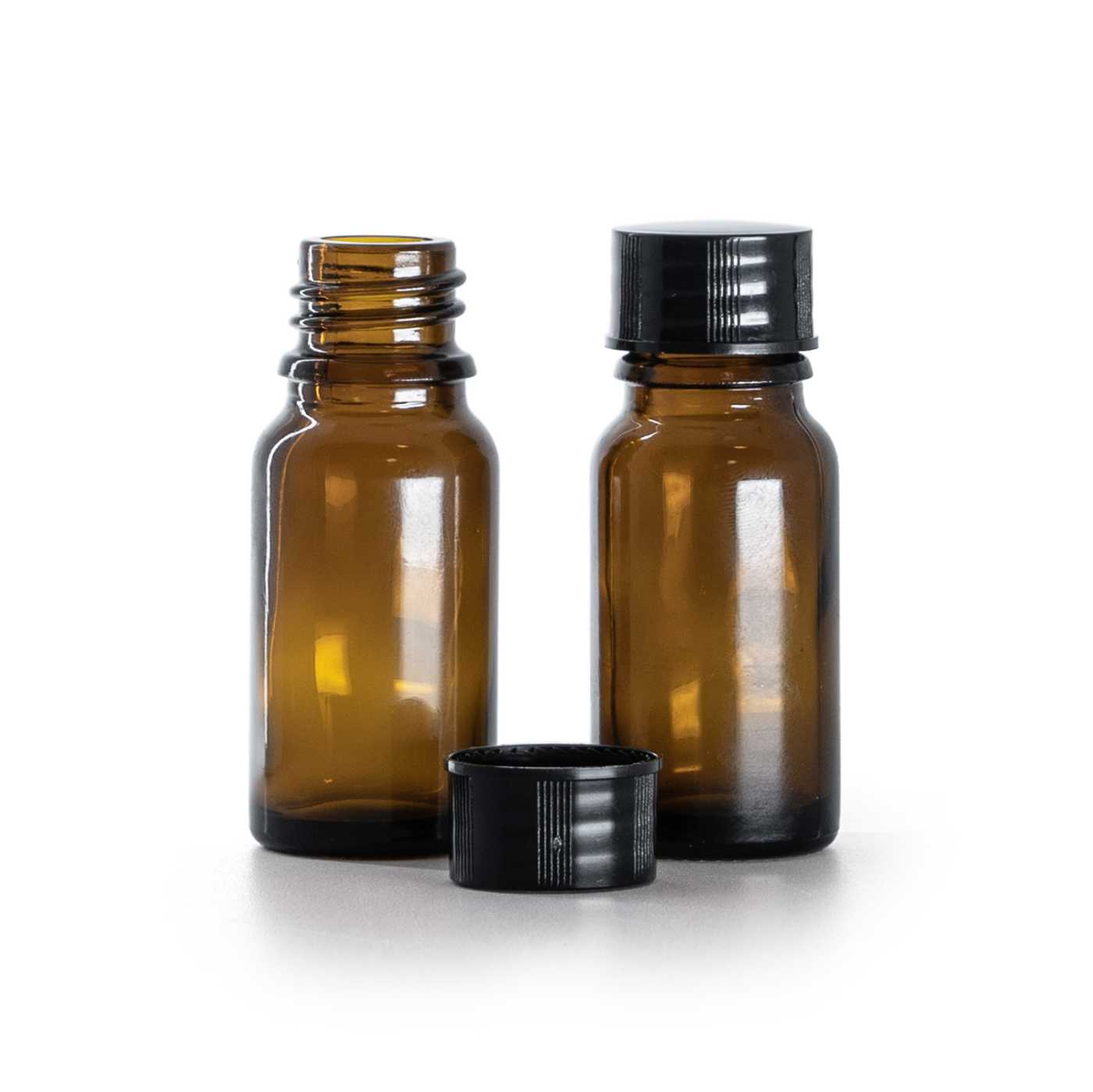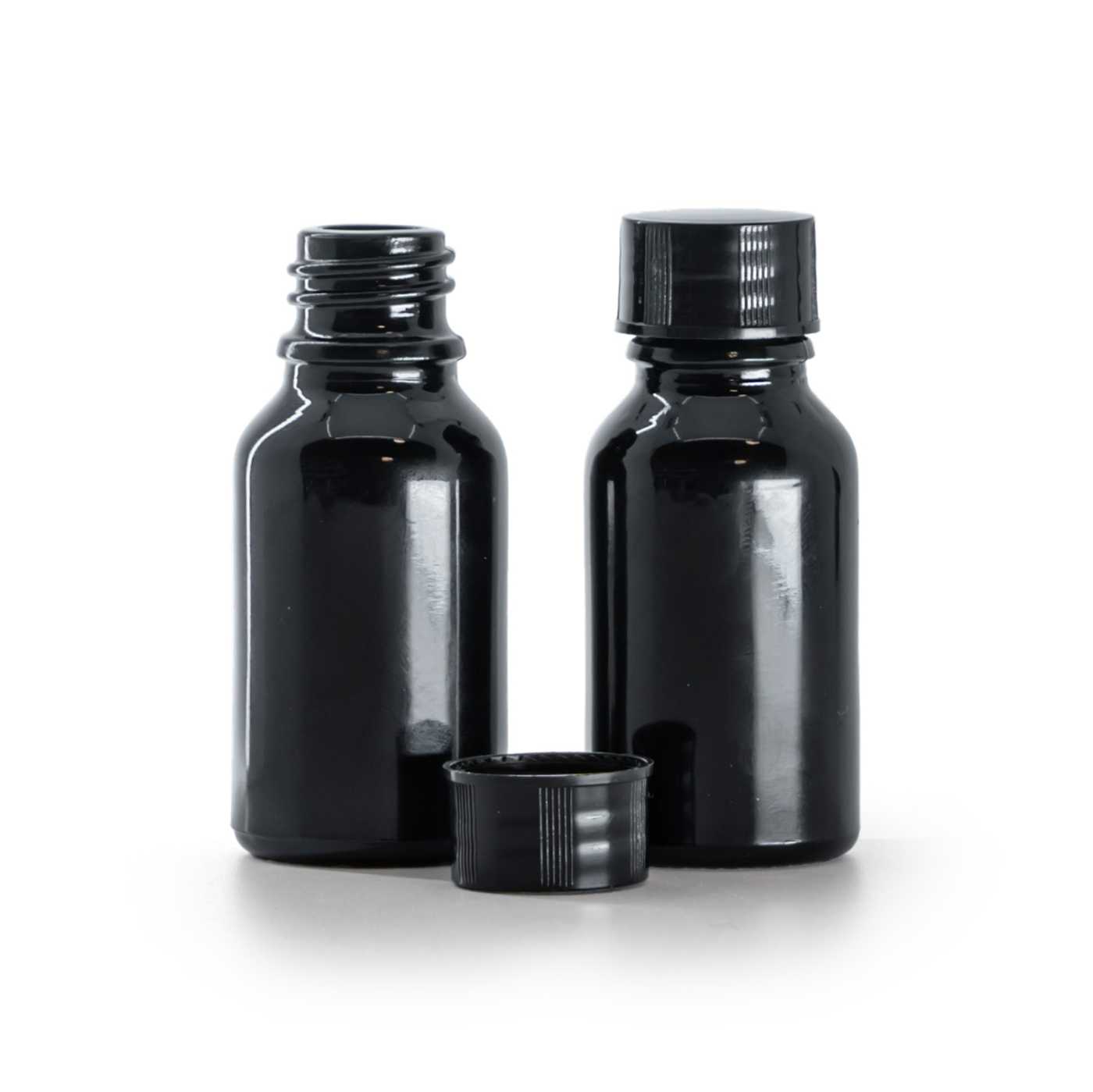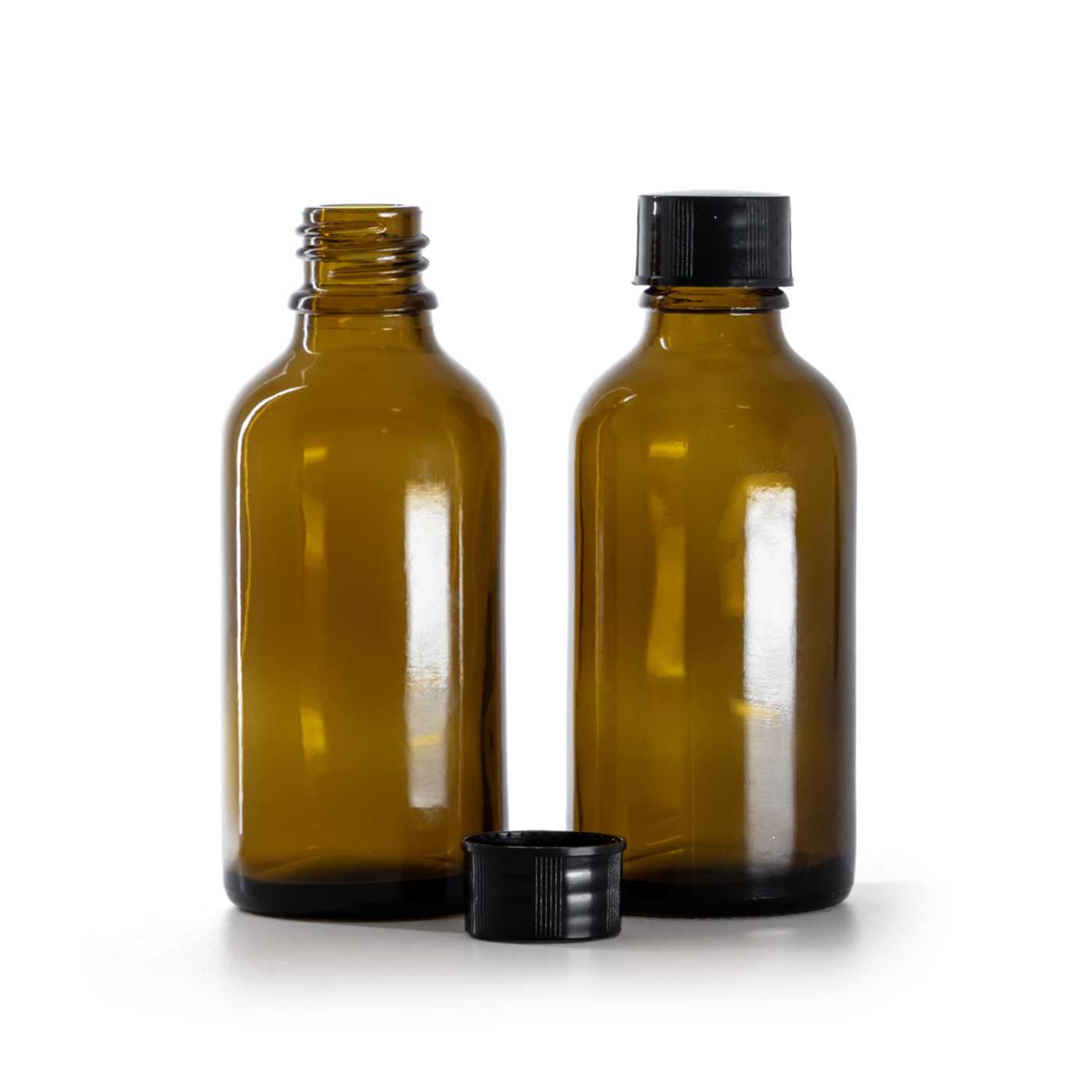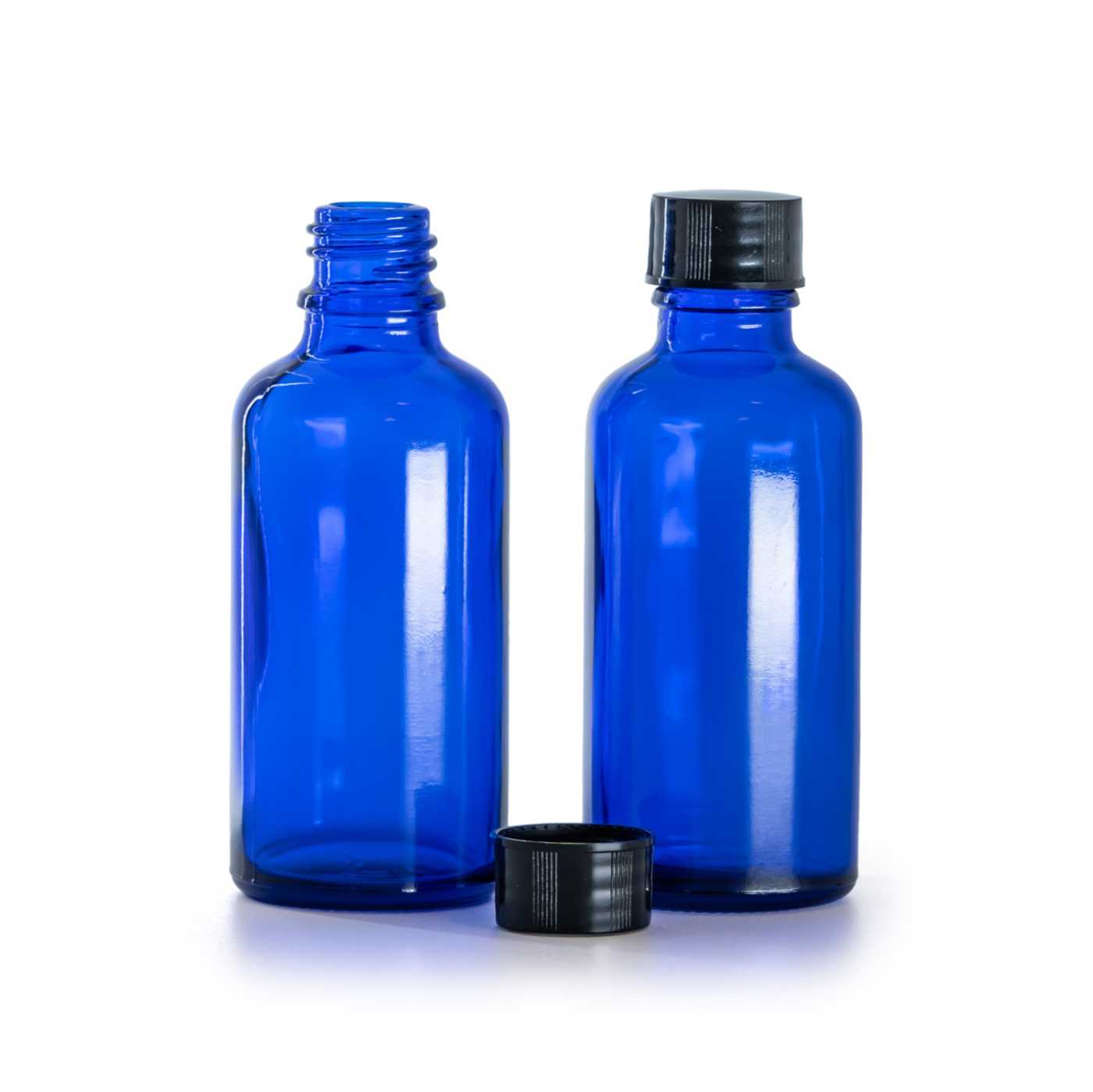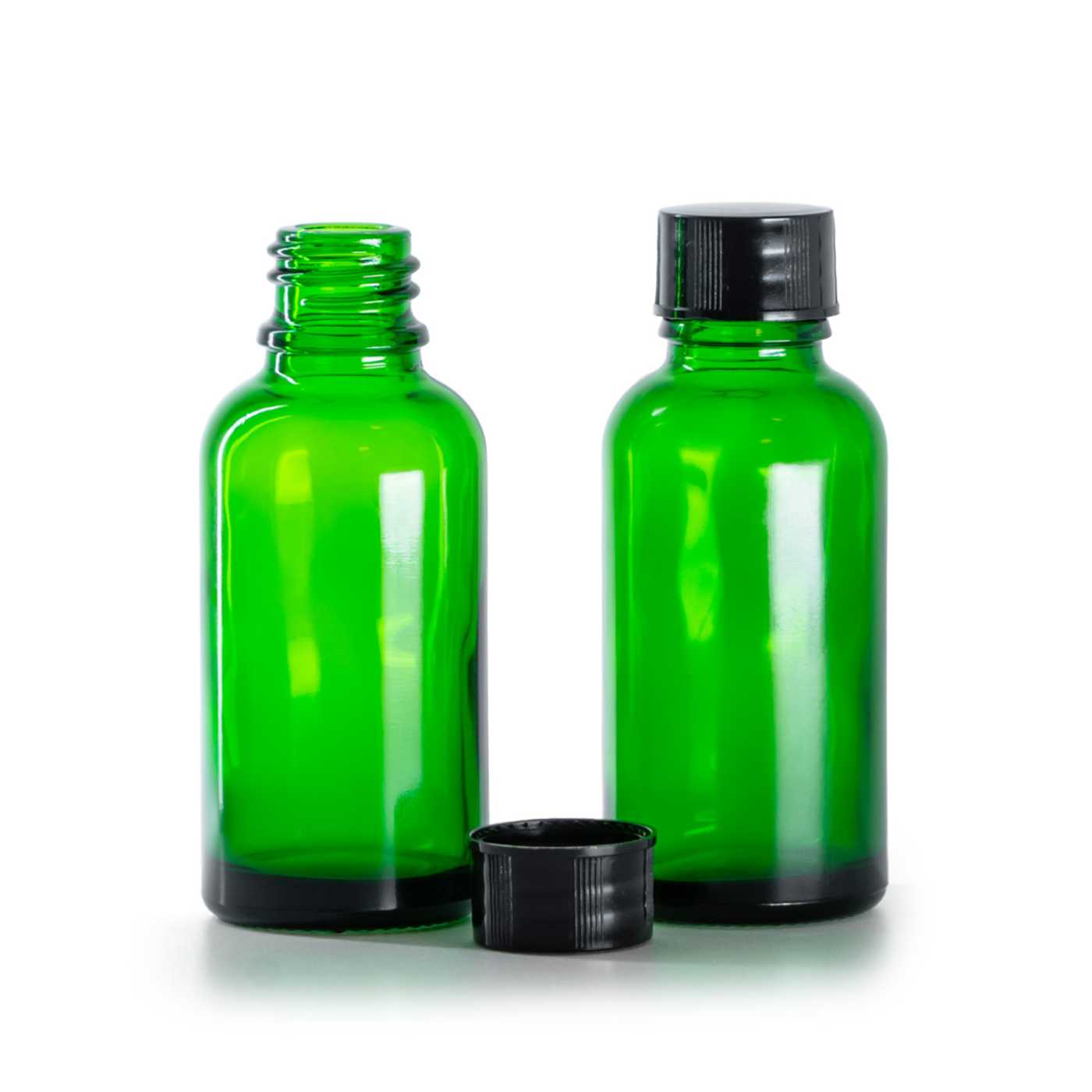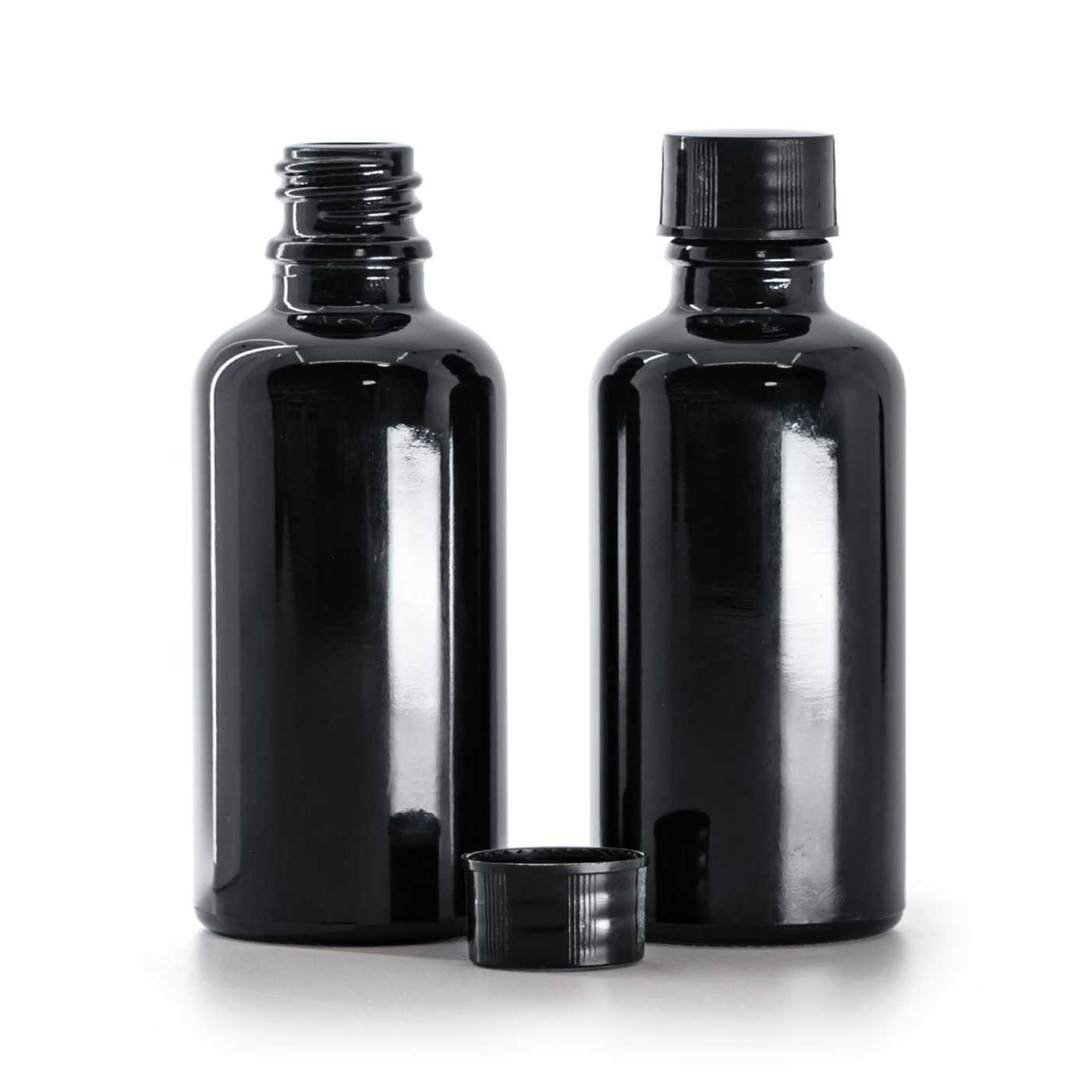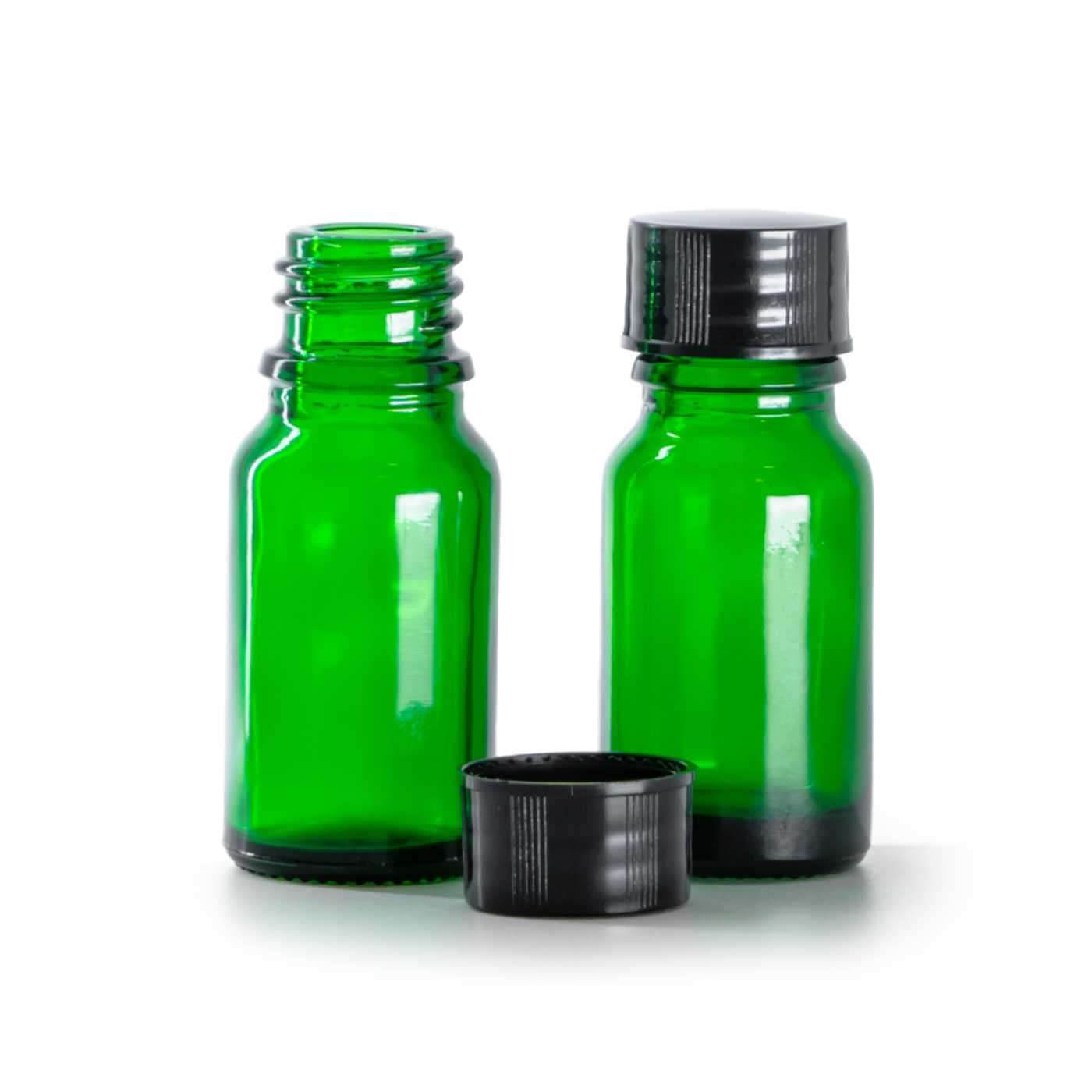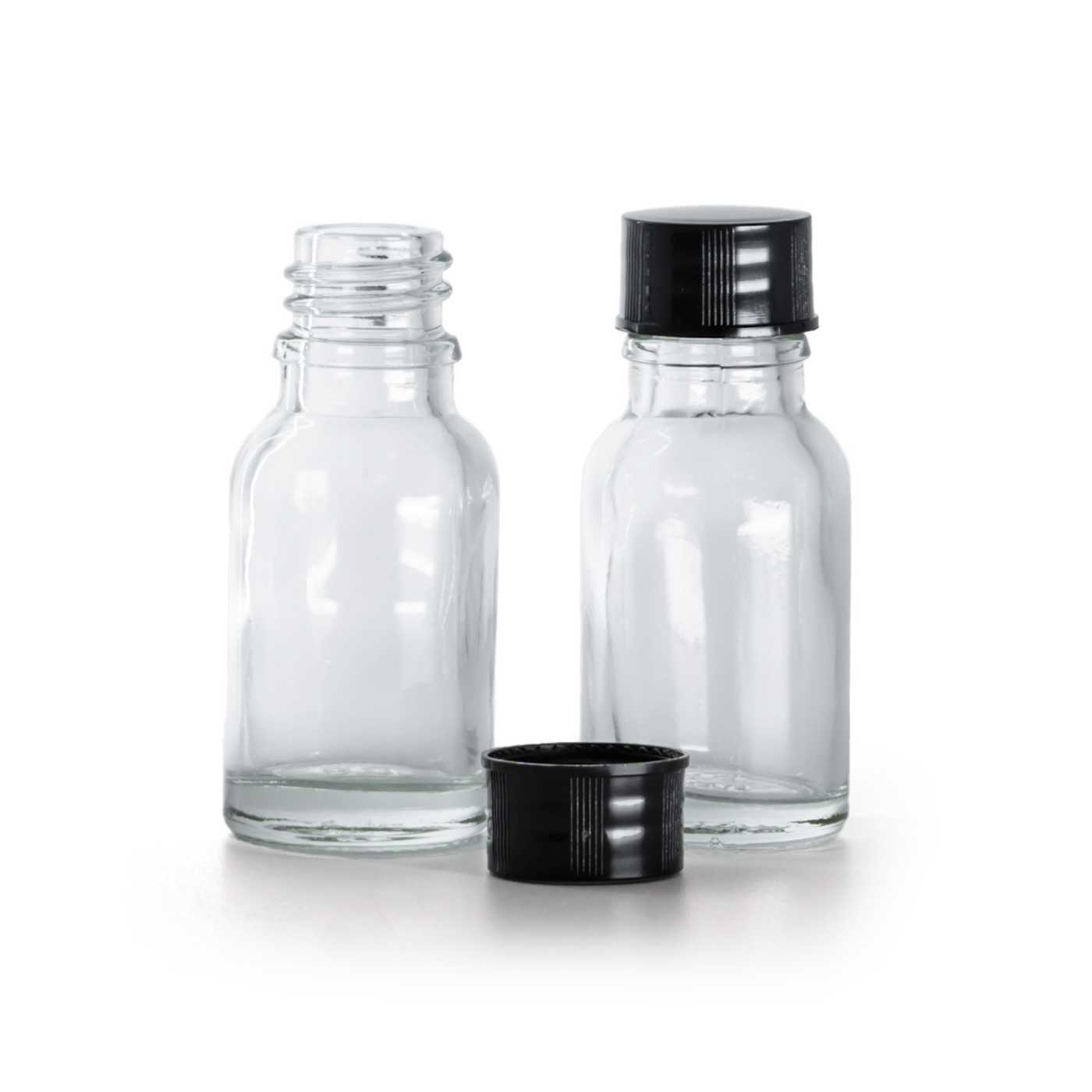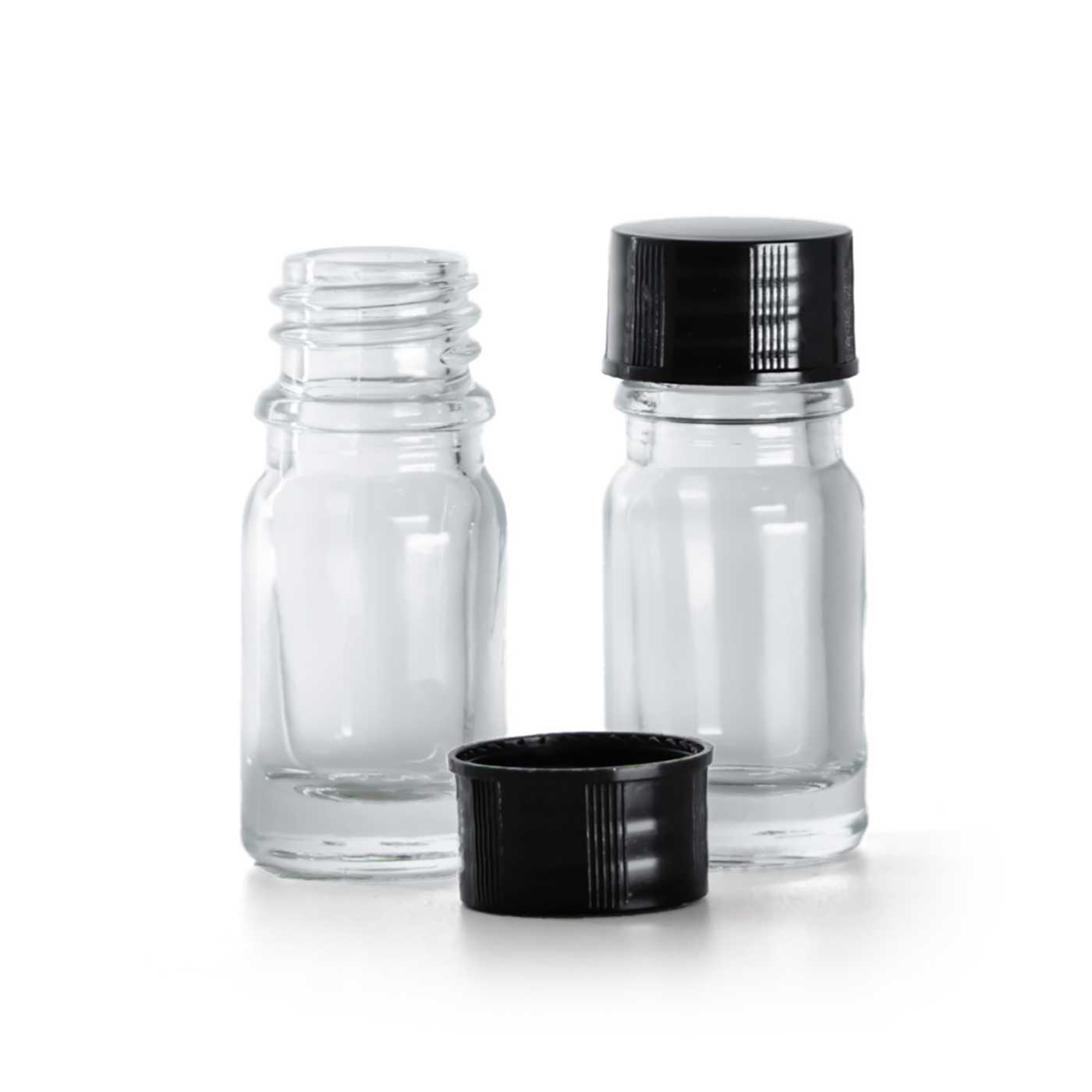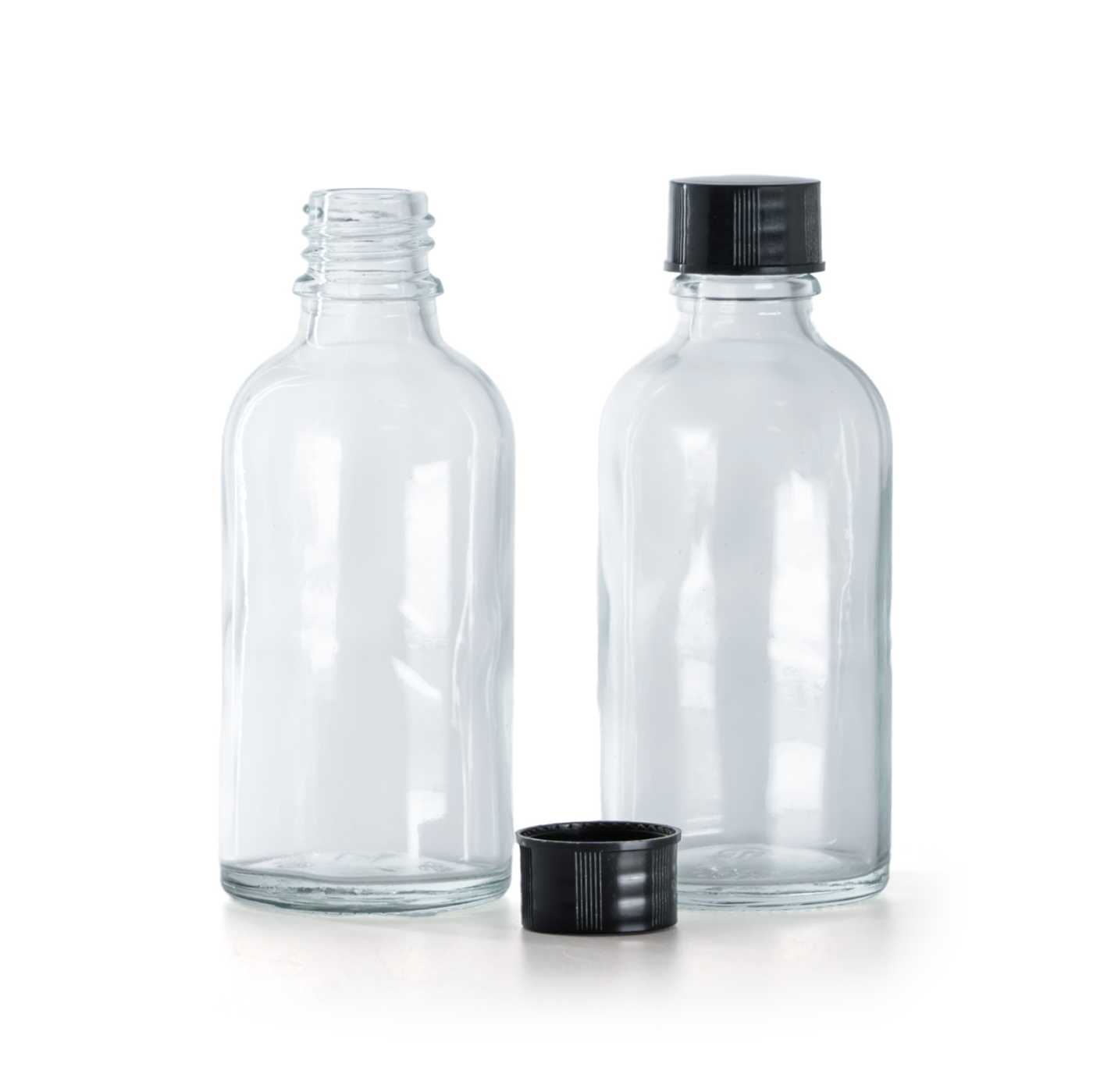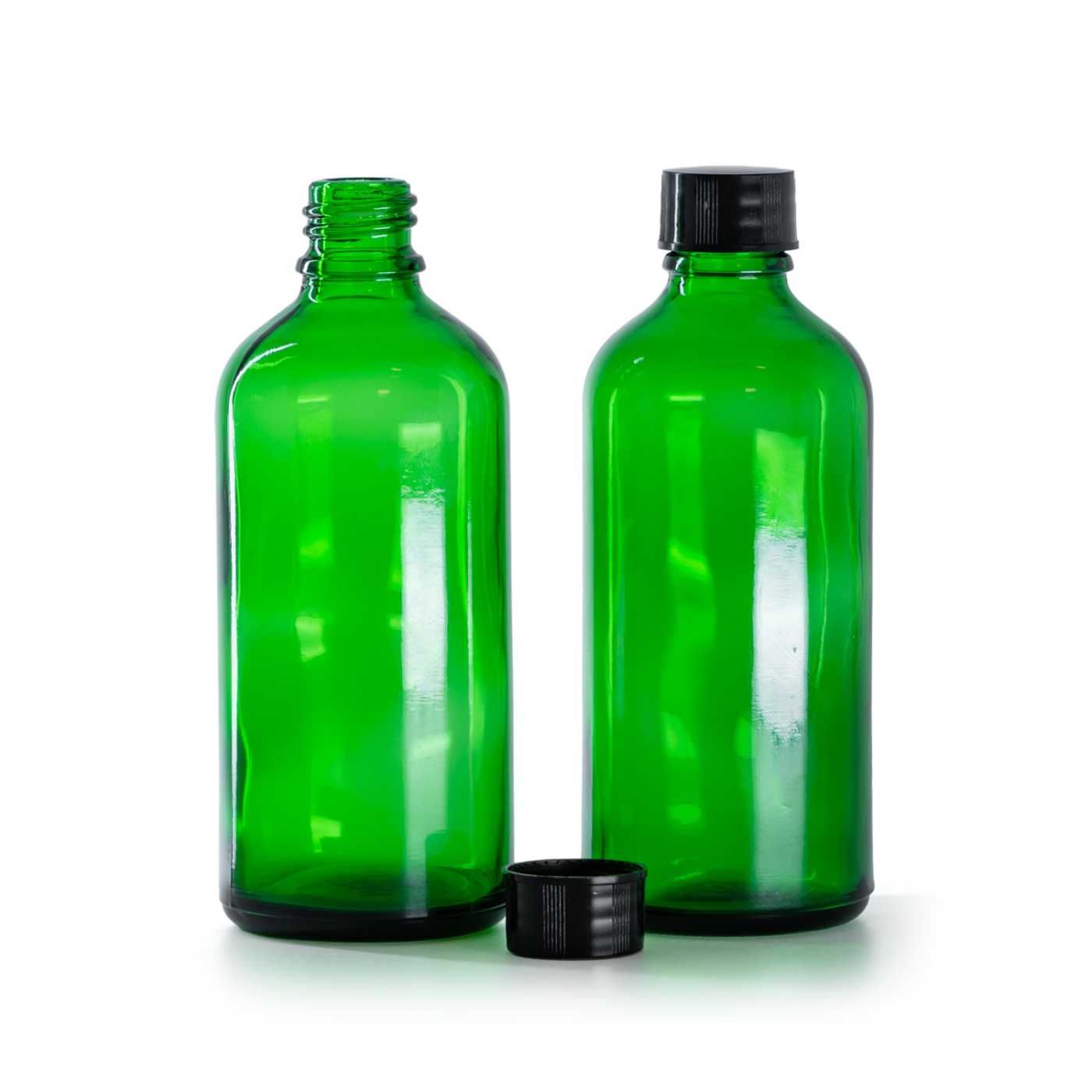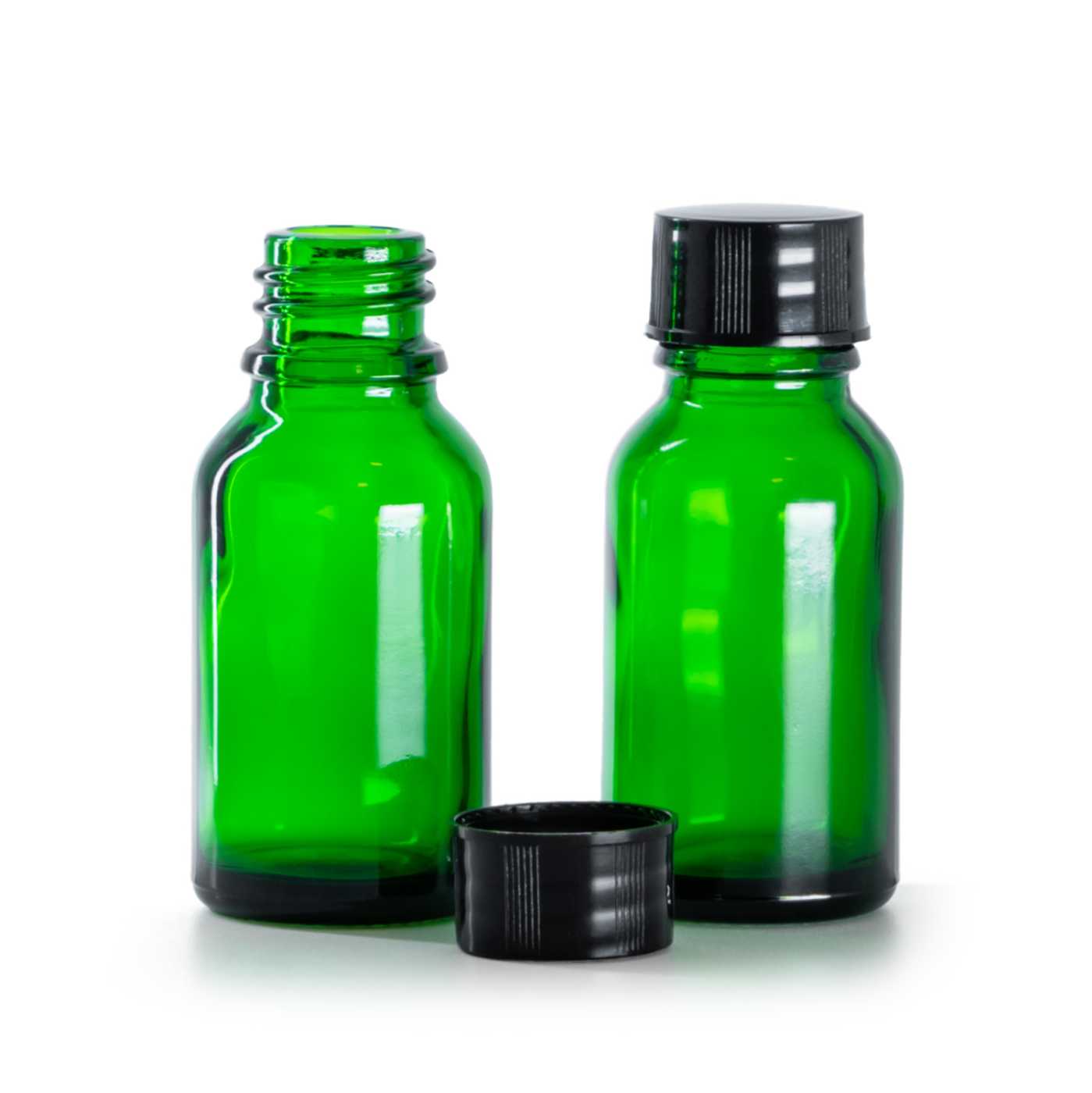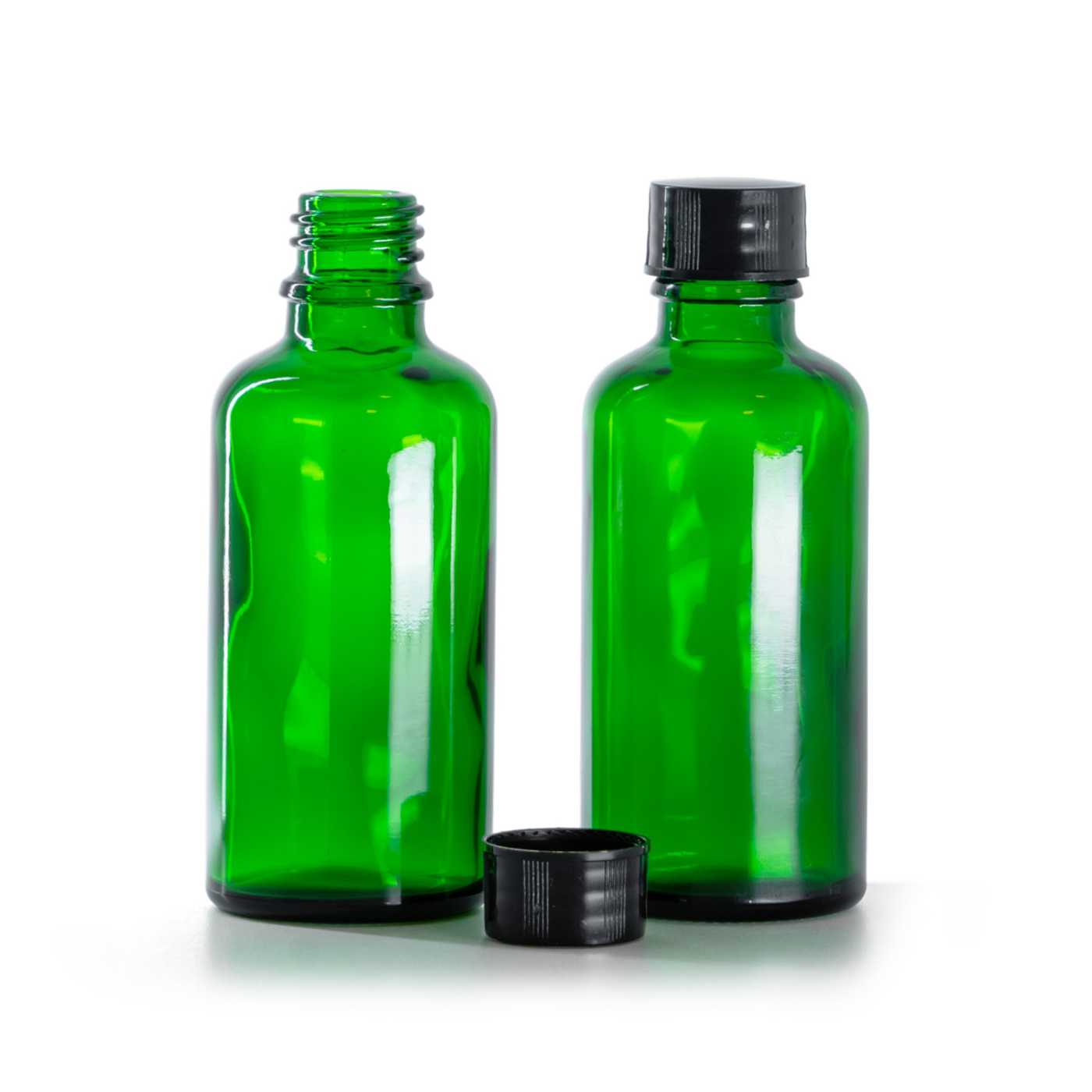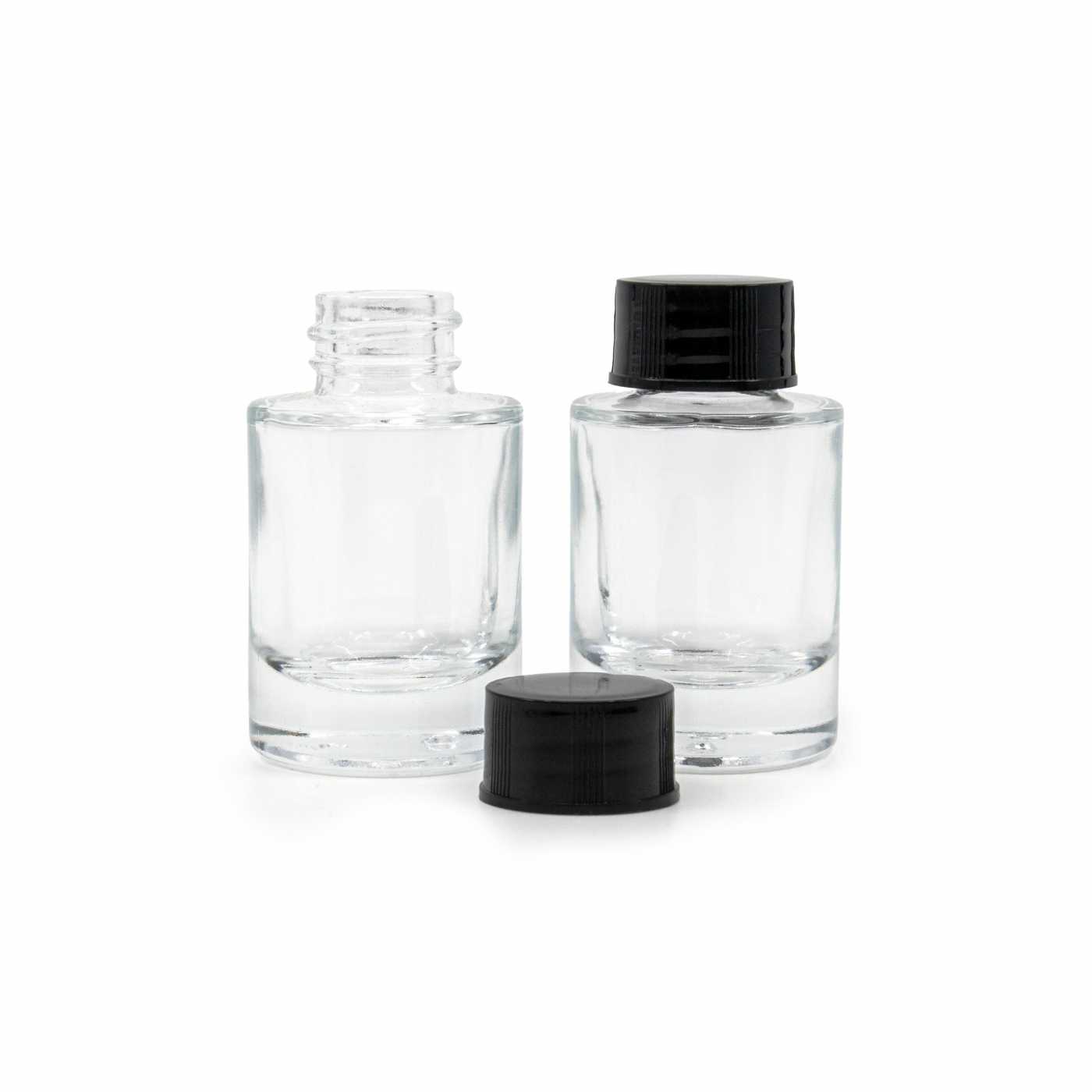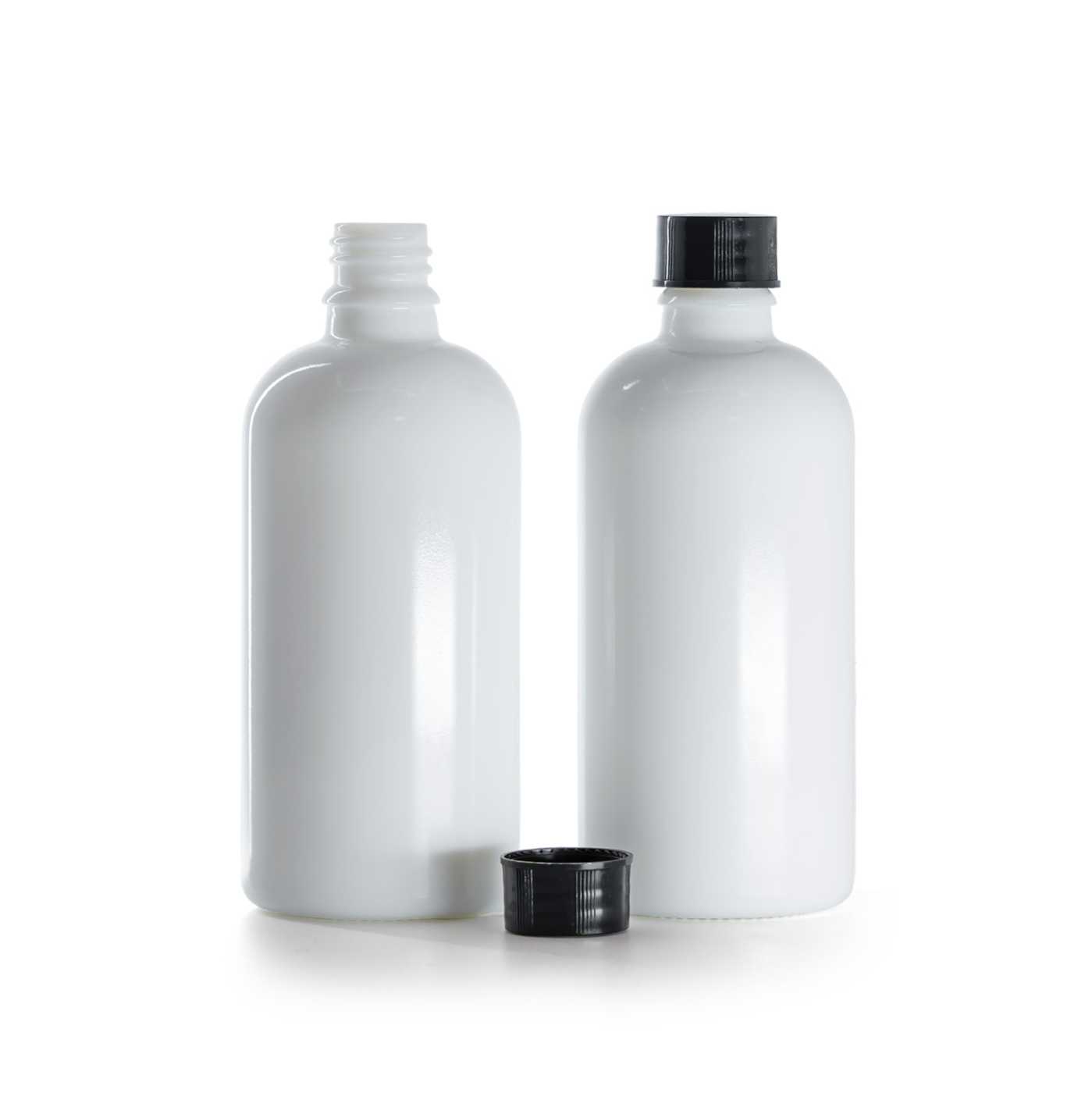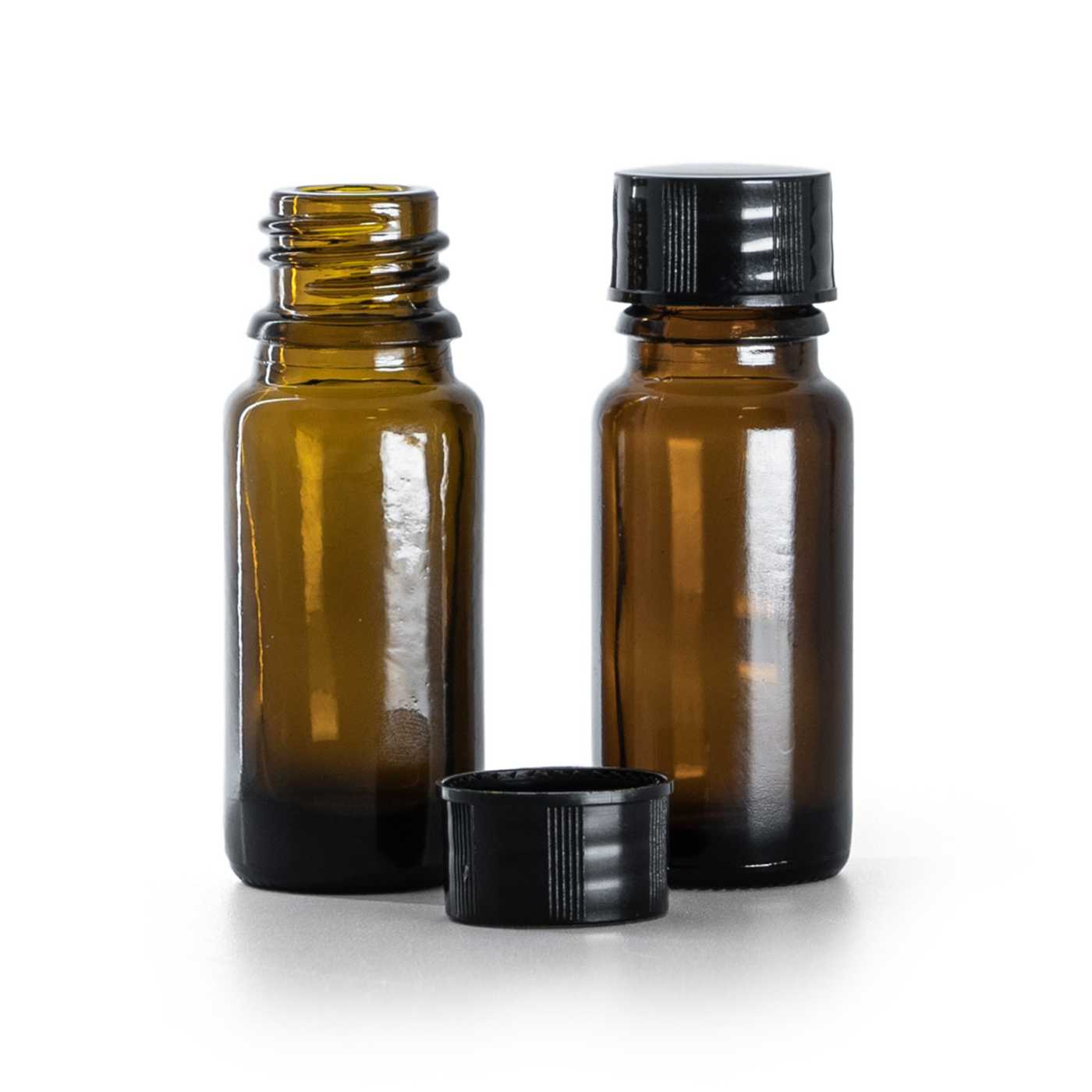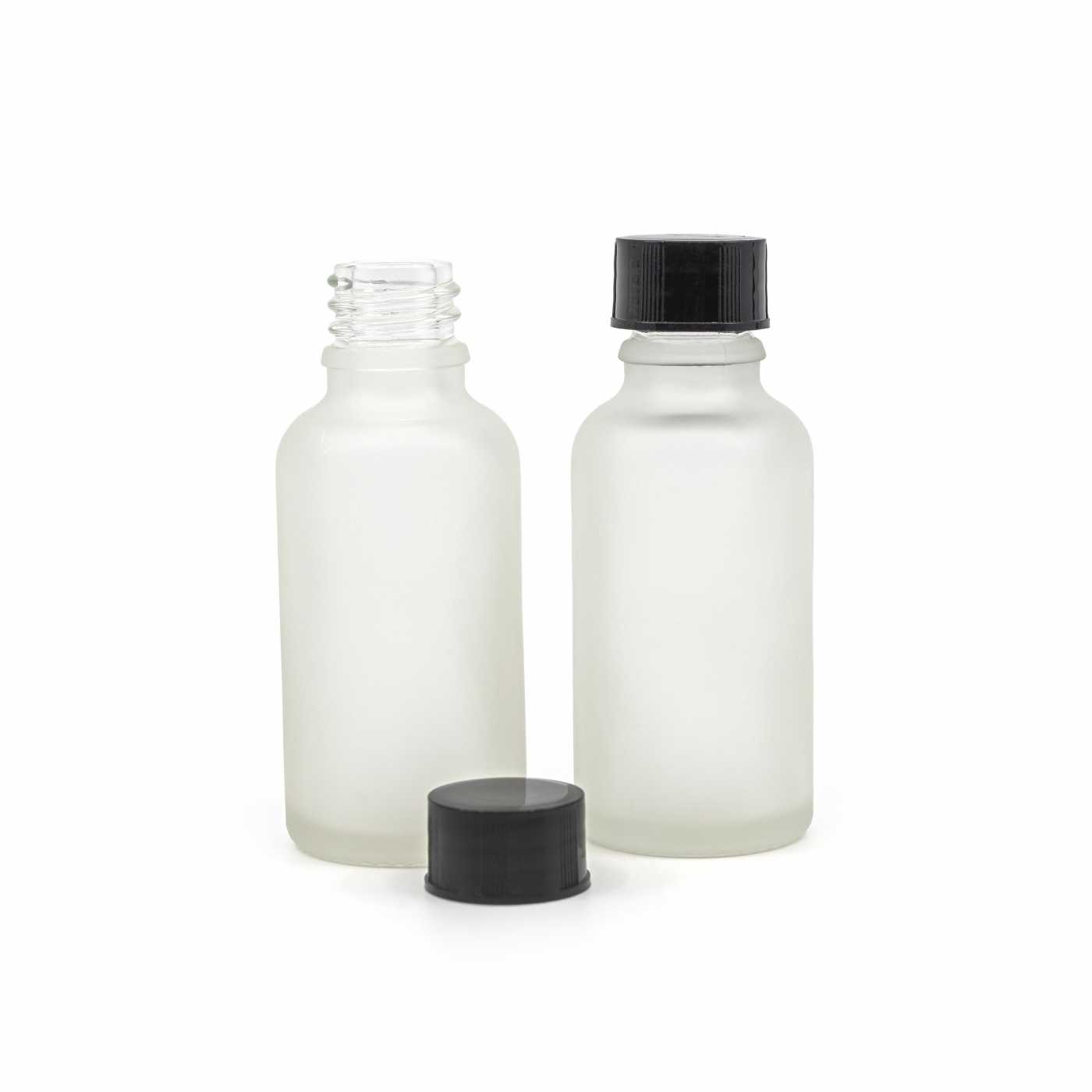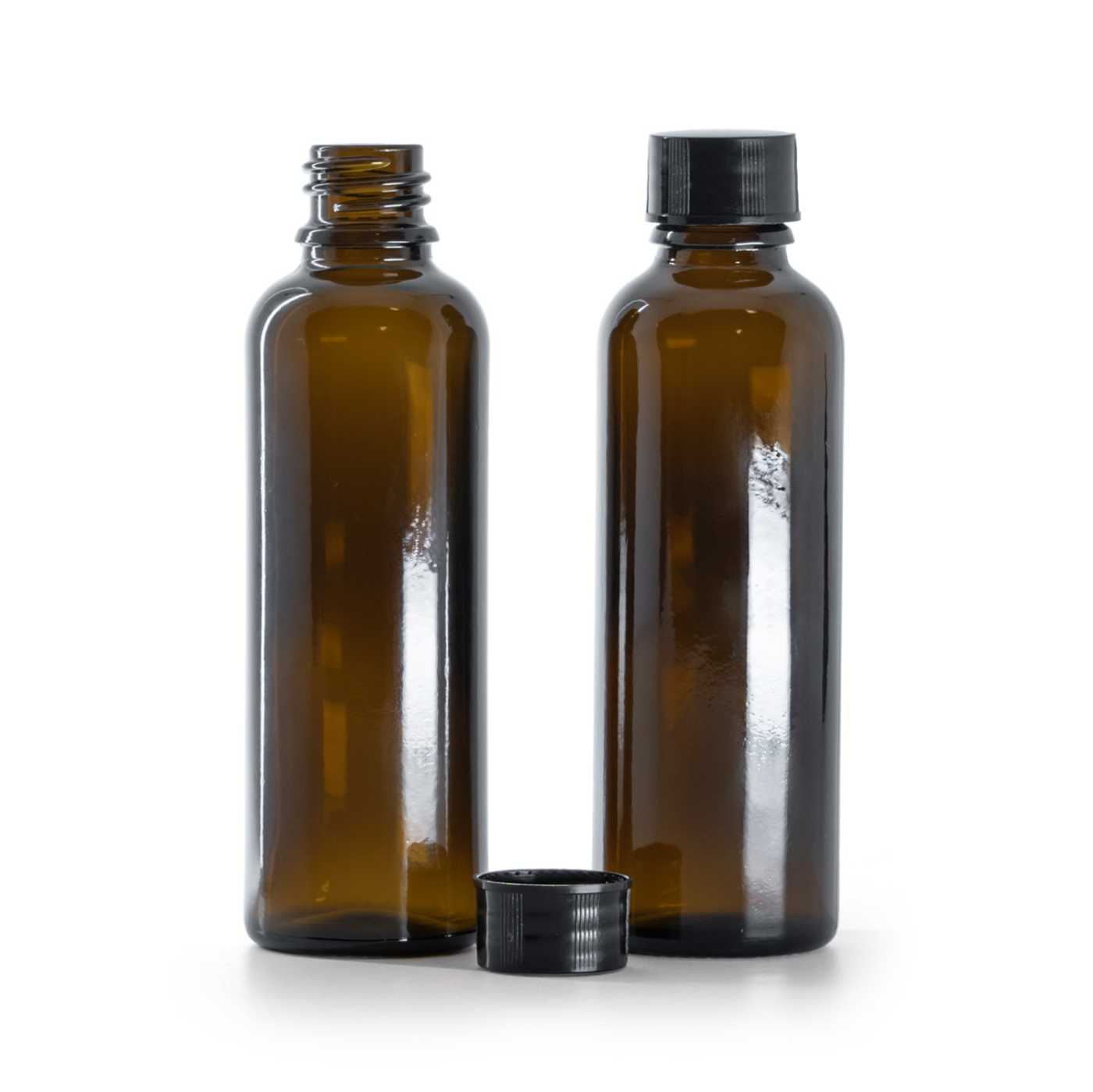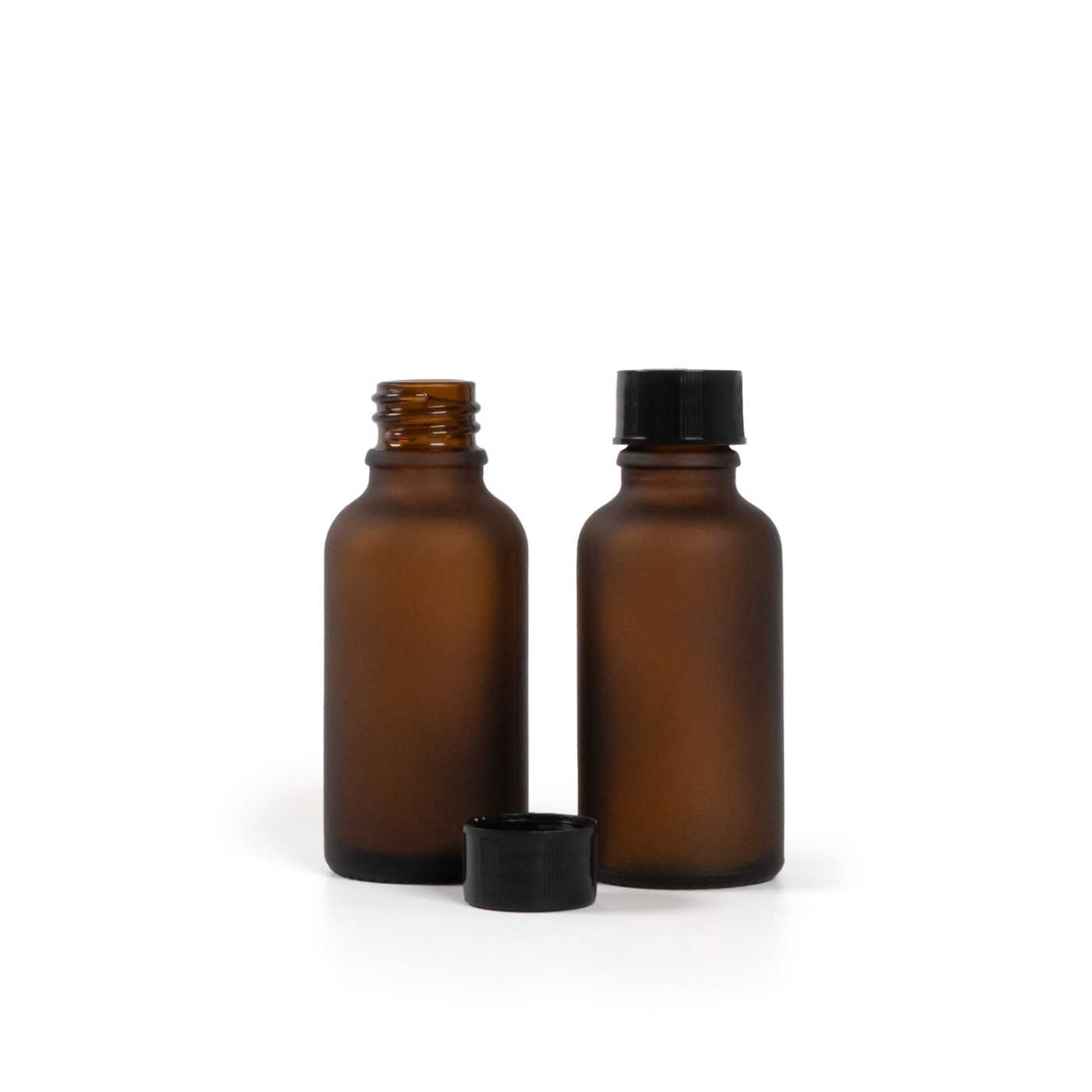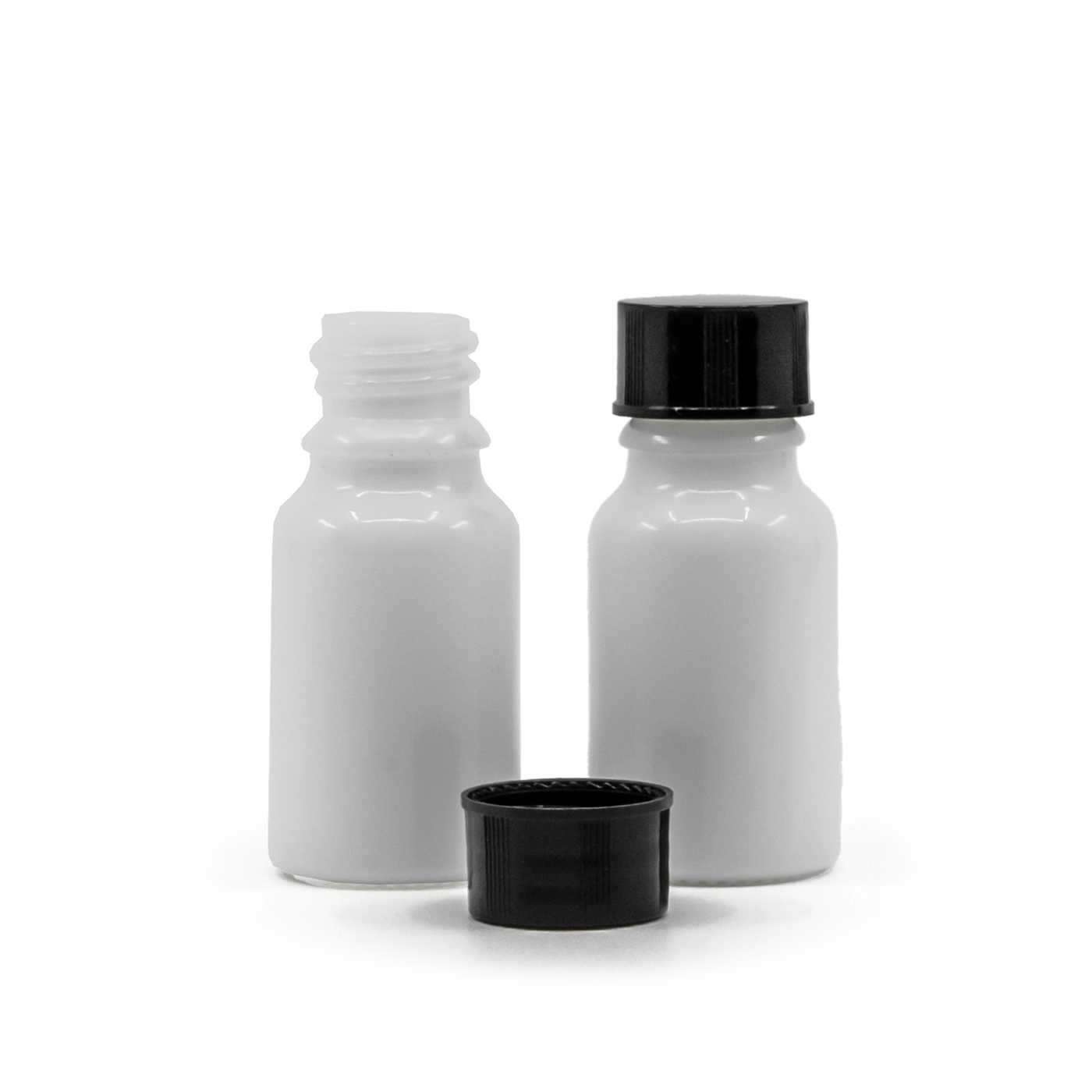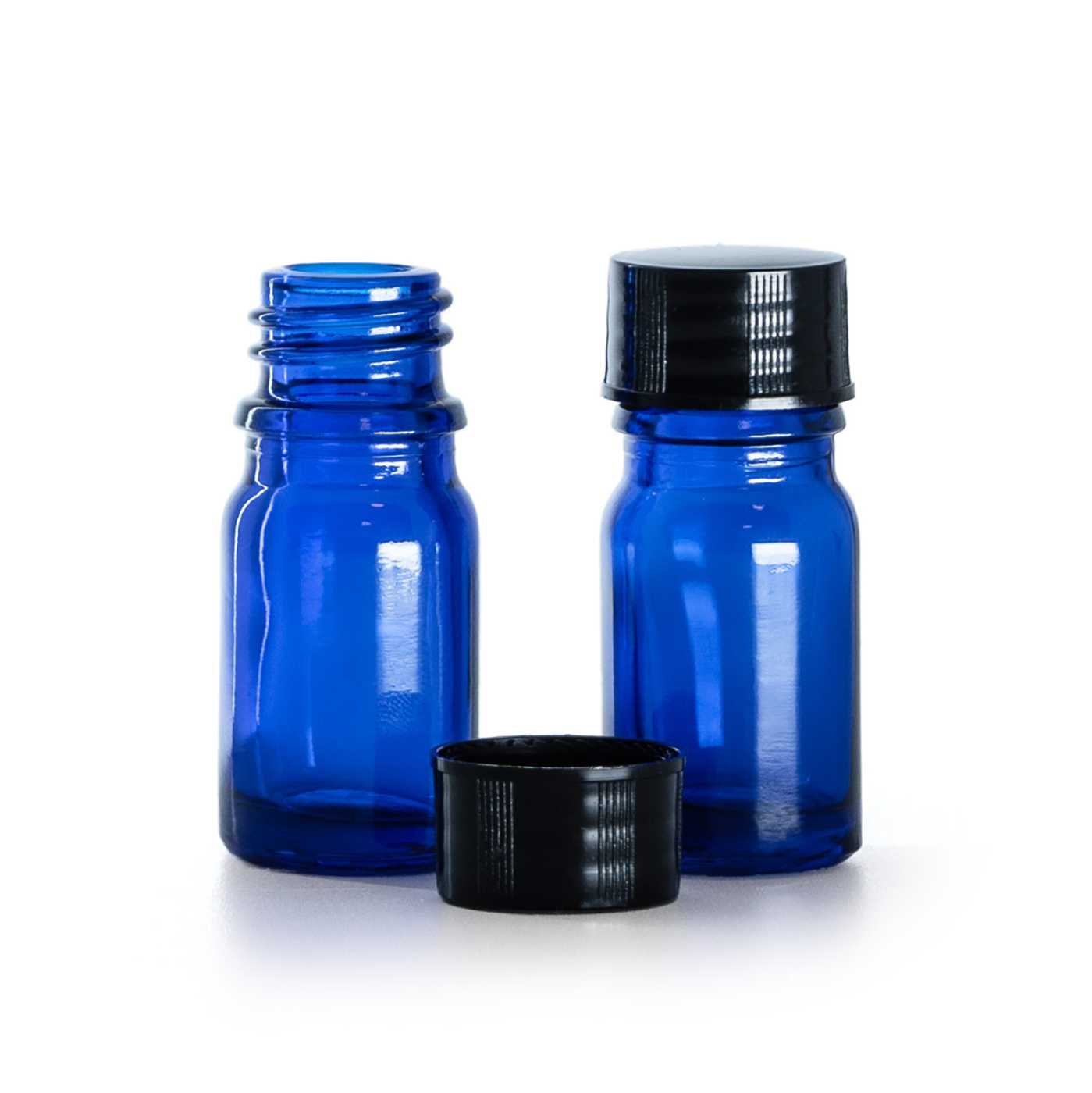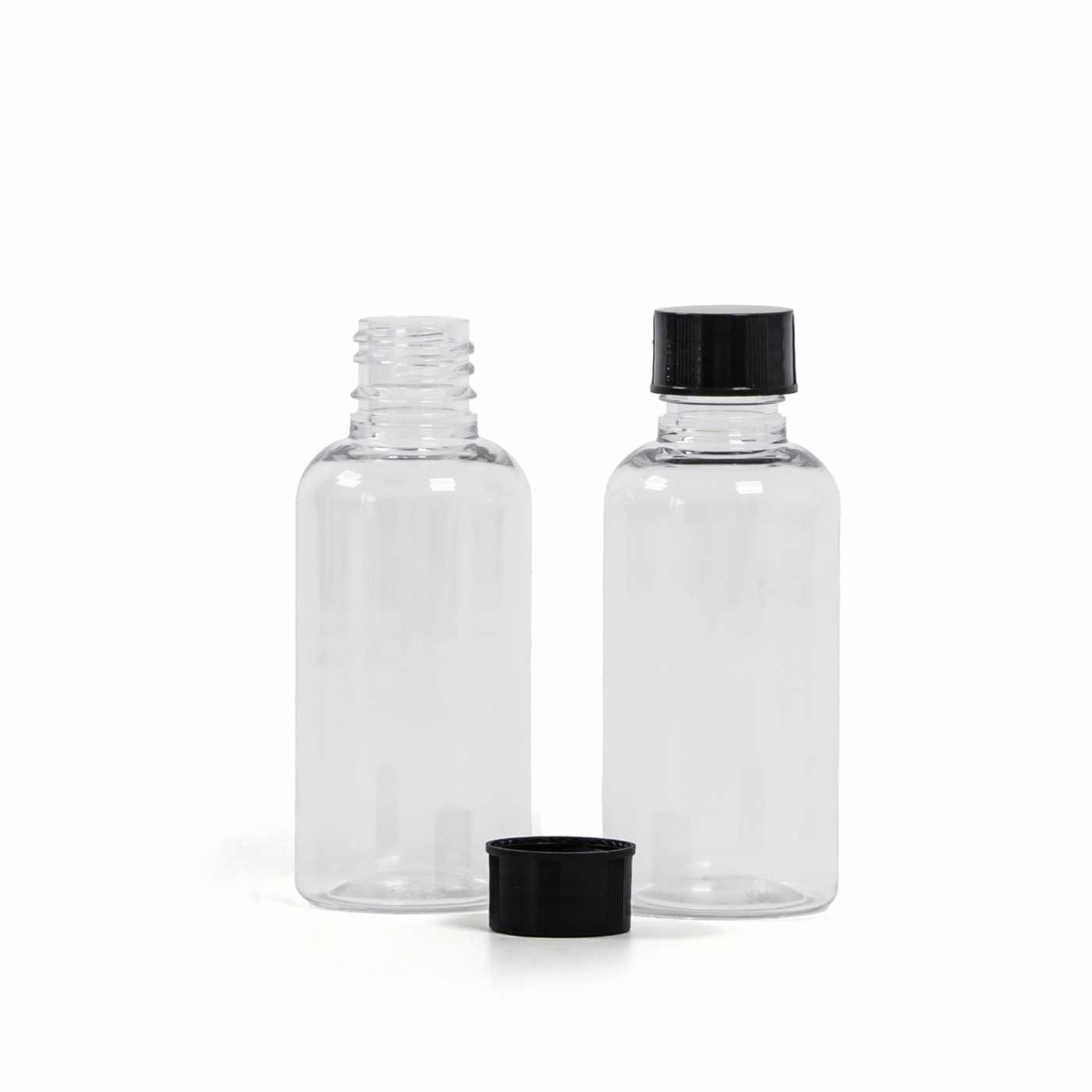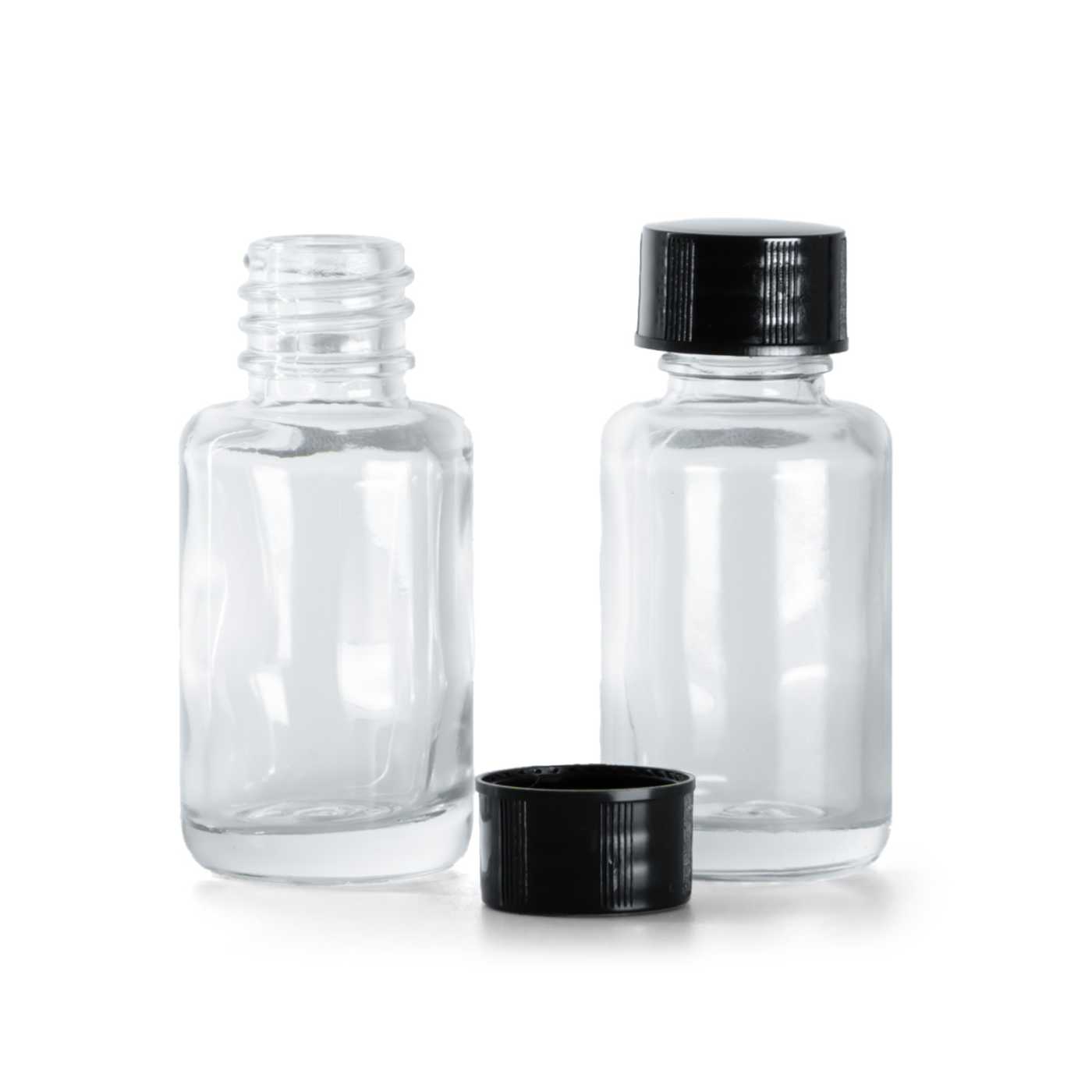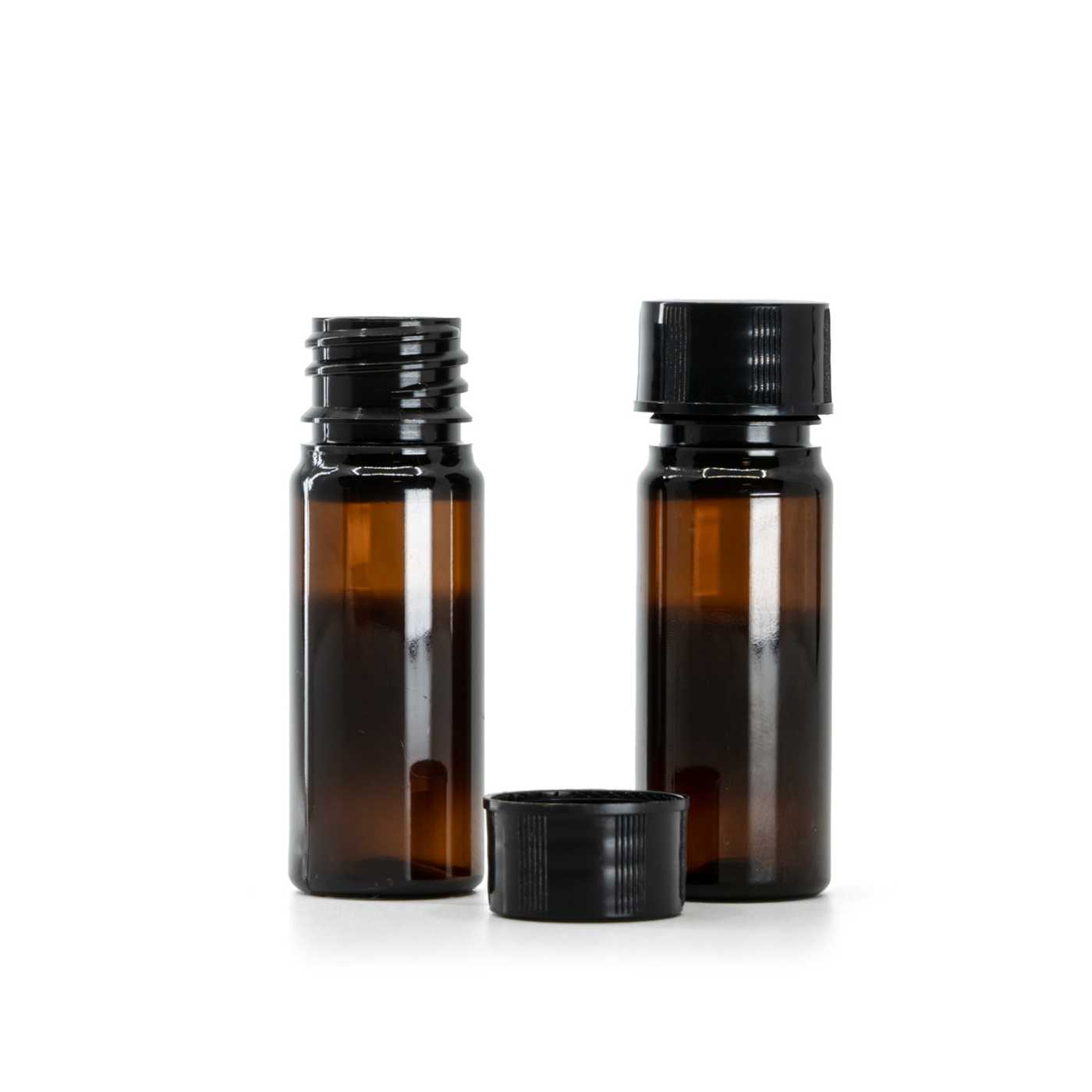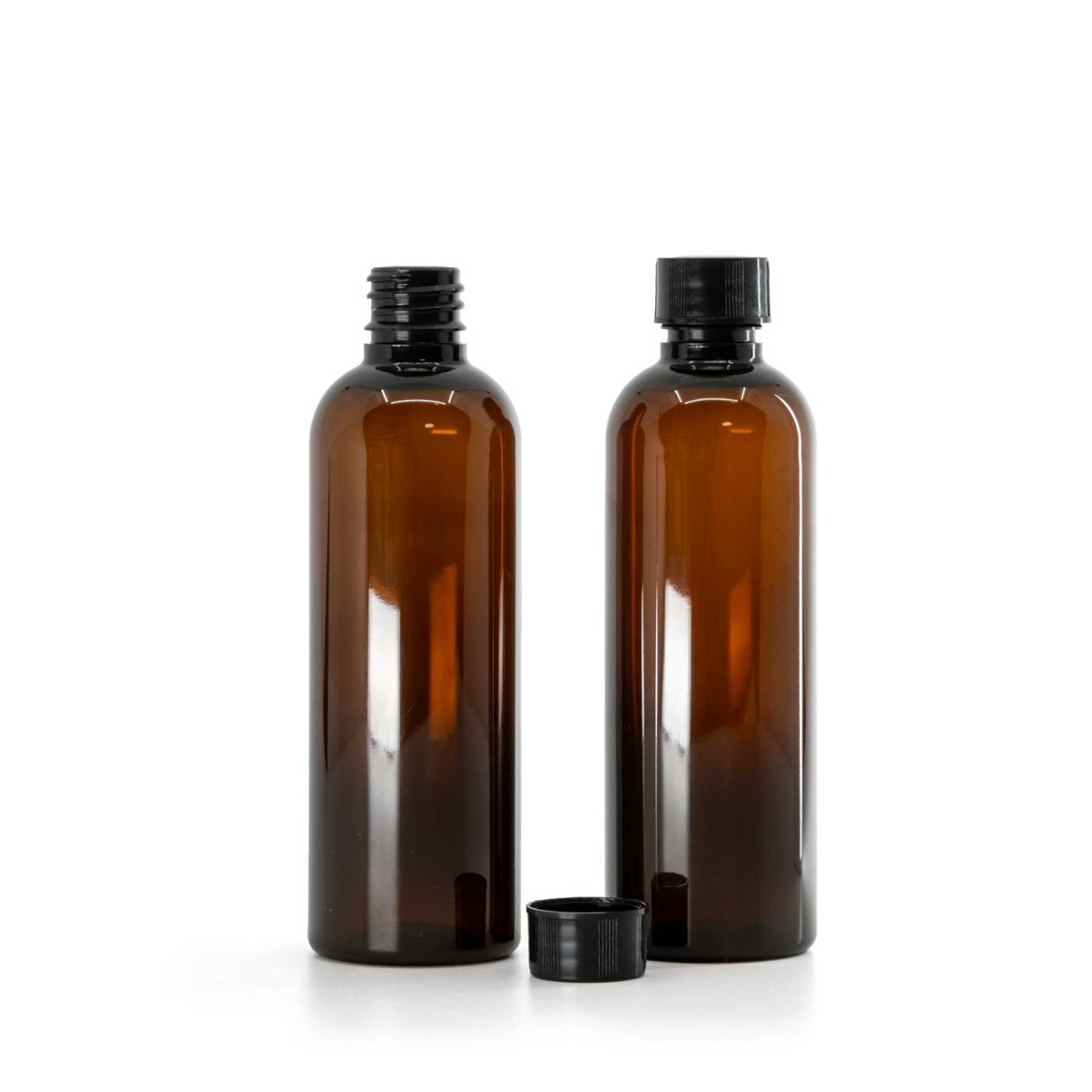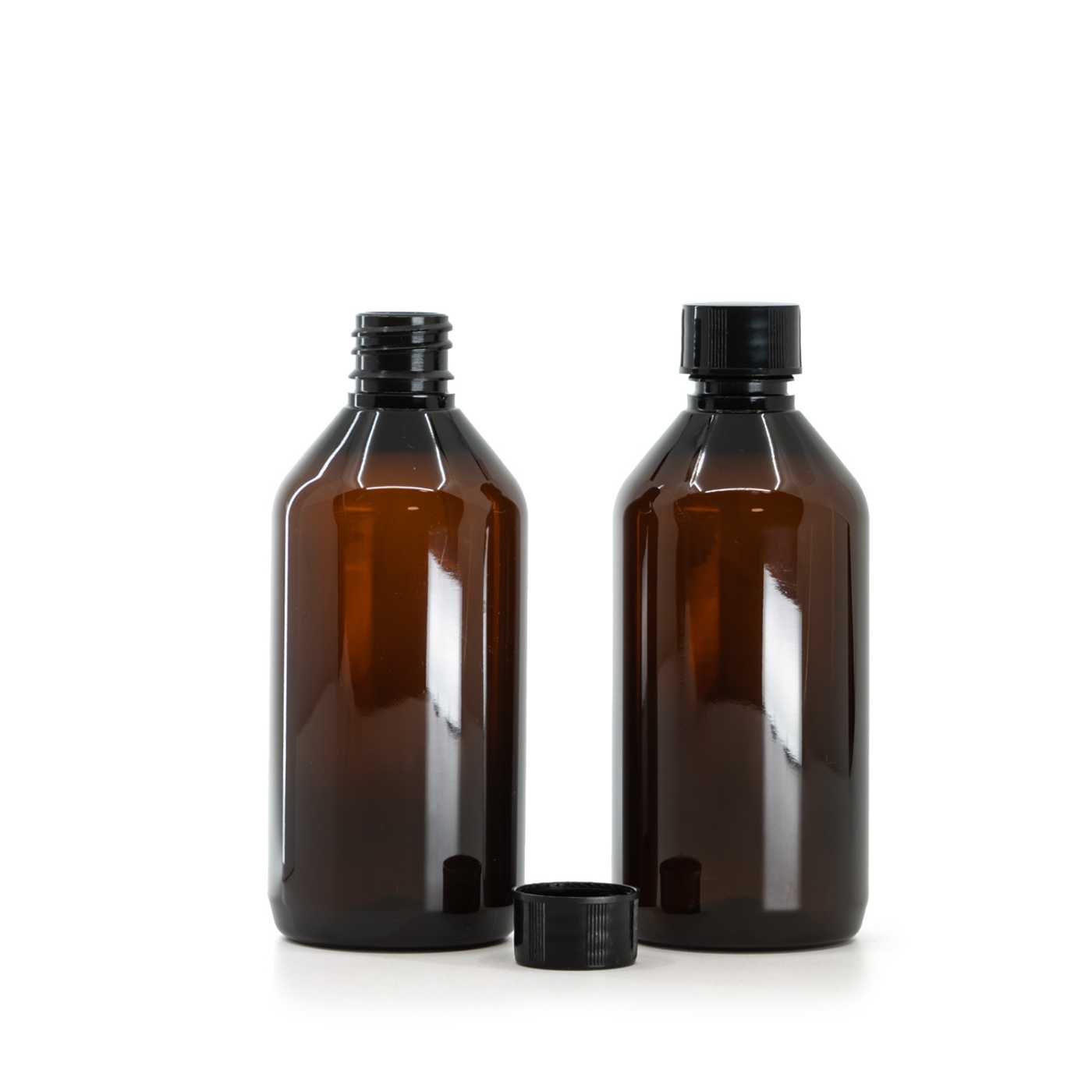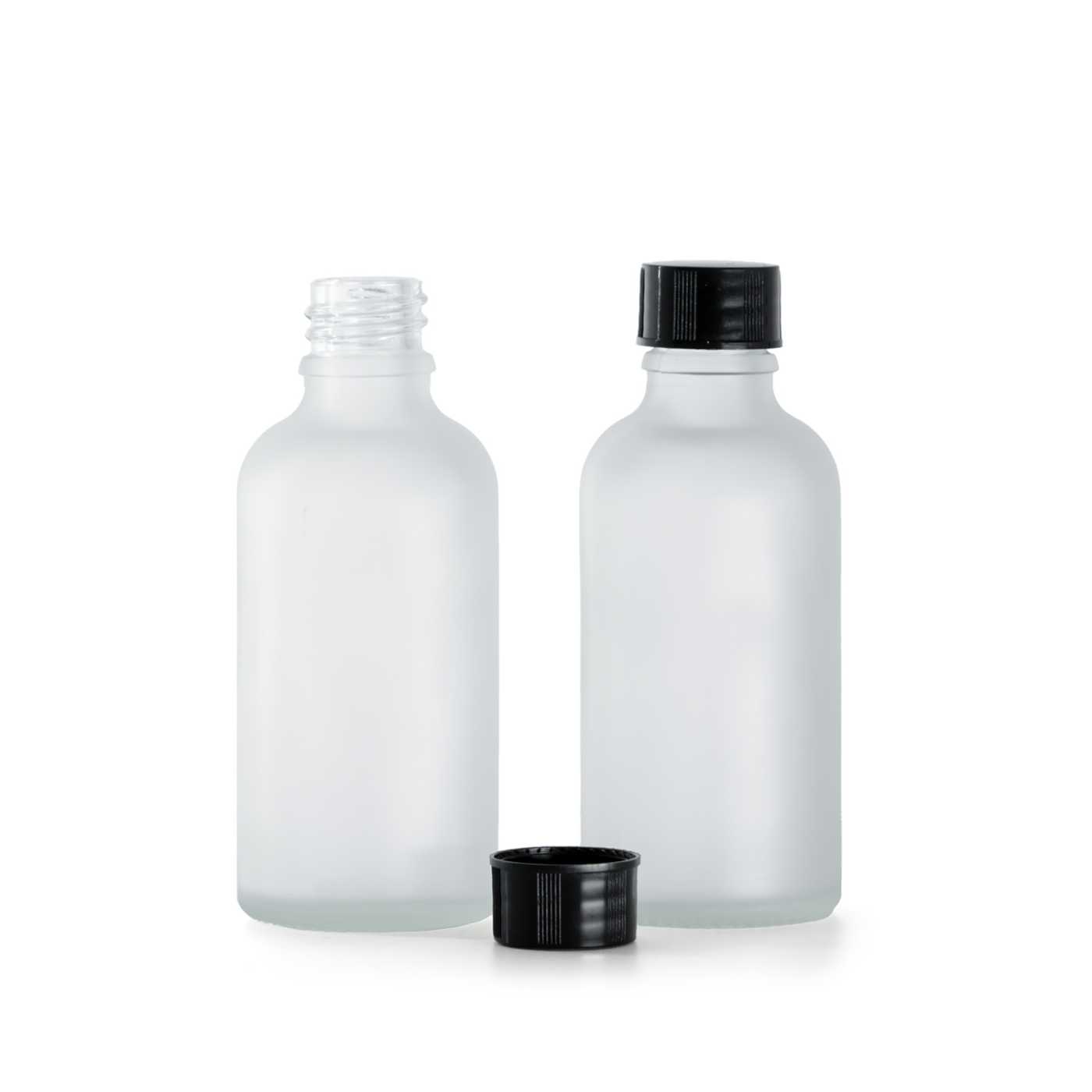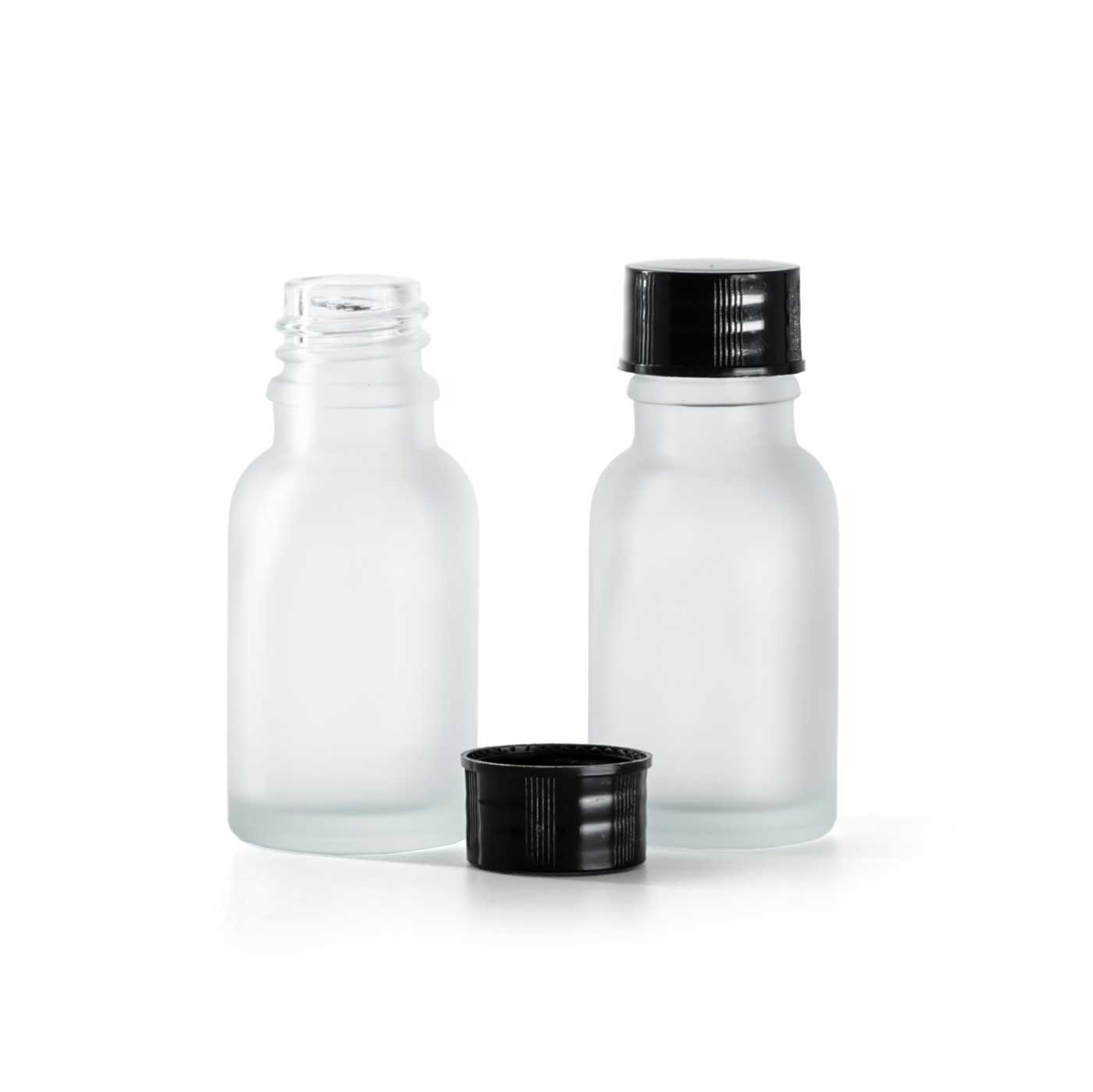
Amber Glass Square Bottle, Black Aluminium Cap, 10 ml
Pre-order€0.55

GLASS BOTTLES up to 10 ml
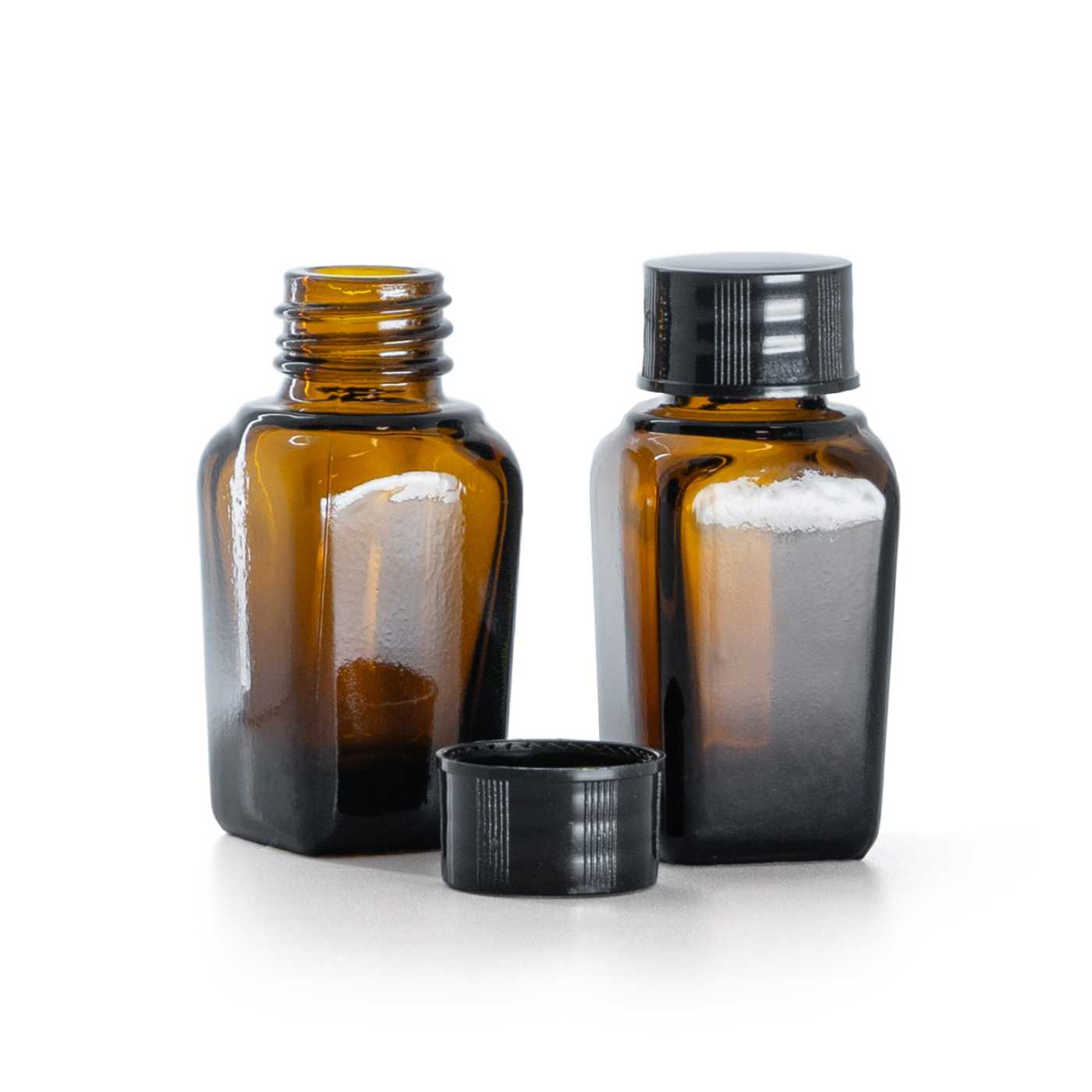
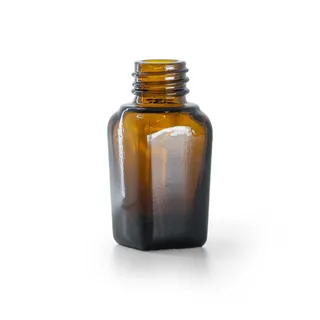
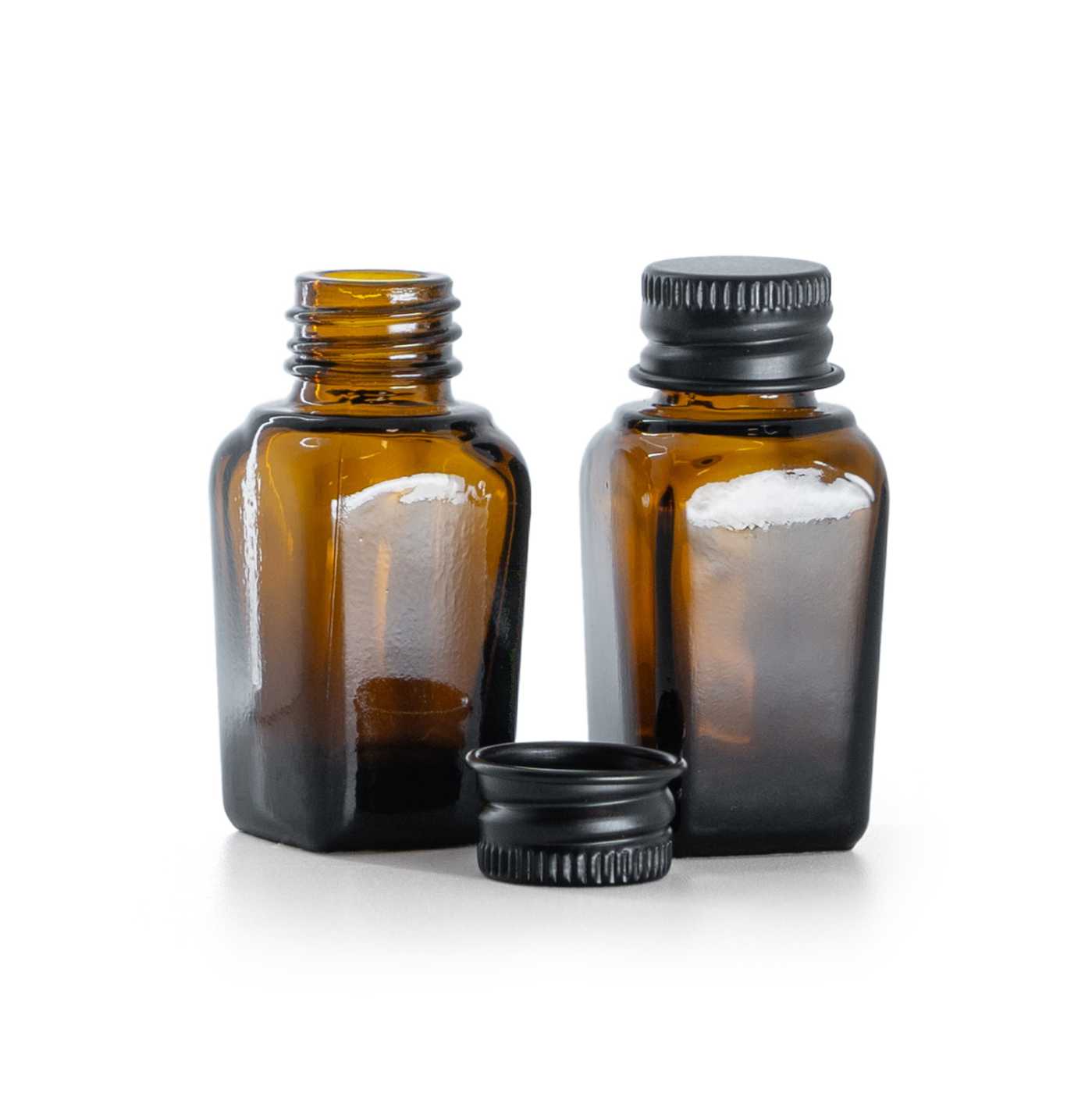
Small batches of cosmetics that cannot tolerate light belong in dark glass. This amber square glass bottle with a volume of 10 ml and a black screw cap is designed for exactly that: oil and facial serums , essential oil… full description
Lowest price in the last 30 days: €0.51
Save €0.04 with this set
Total for 1 pcs: €0.51
Quantities add up across all combinations of this bottle.
Small batches of cosmetics that cannot tolerate light belong in dark glass. This amber square glass bottle with a volume of 10 ml and a black screw cap is designed for exactly that: oil and facial serums, essential oil blends, perfume oils, alcohol-based tinctures or samples of toners and emulsions that you send to customers to try. The set consists of a medicine bottle with an 18 mm thread and a plastic 18/410 cap. Both parts are declared suitable for contact with cosmetic products.
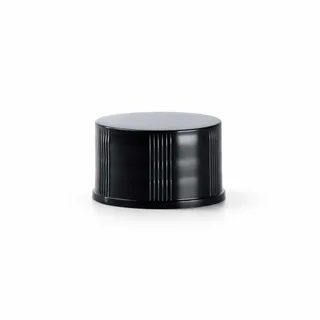
The square shape stands steadily on a shelf and the bottles can be stored tightly side by side, which you will appreciate with larger batches of samples. The cap is made of polypropylene (PP) and has an EPE liner that sits on the neck and seals the threaded joint. Once tightened, it closes the bottle without any further accessories.
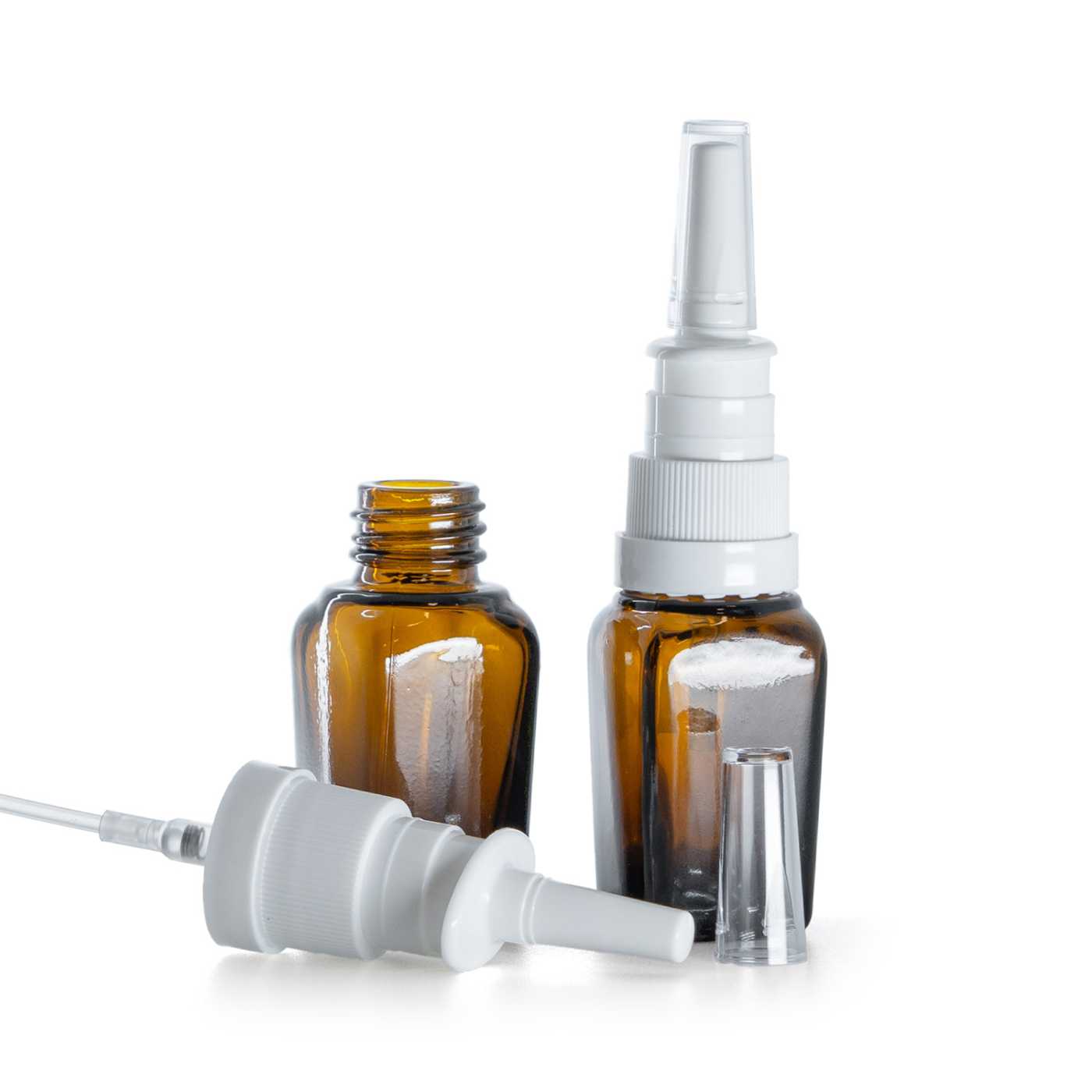
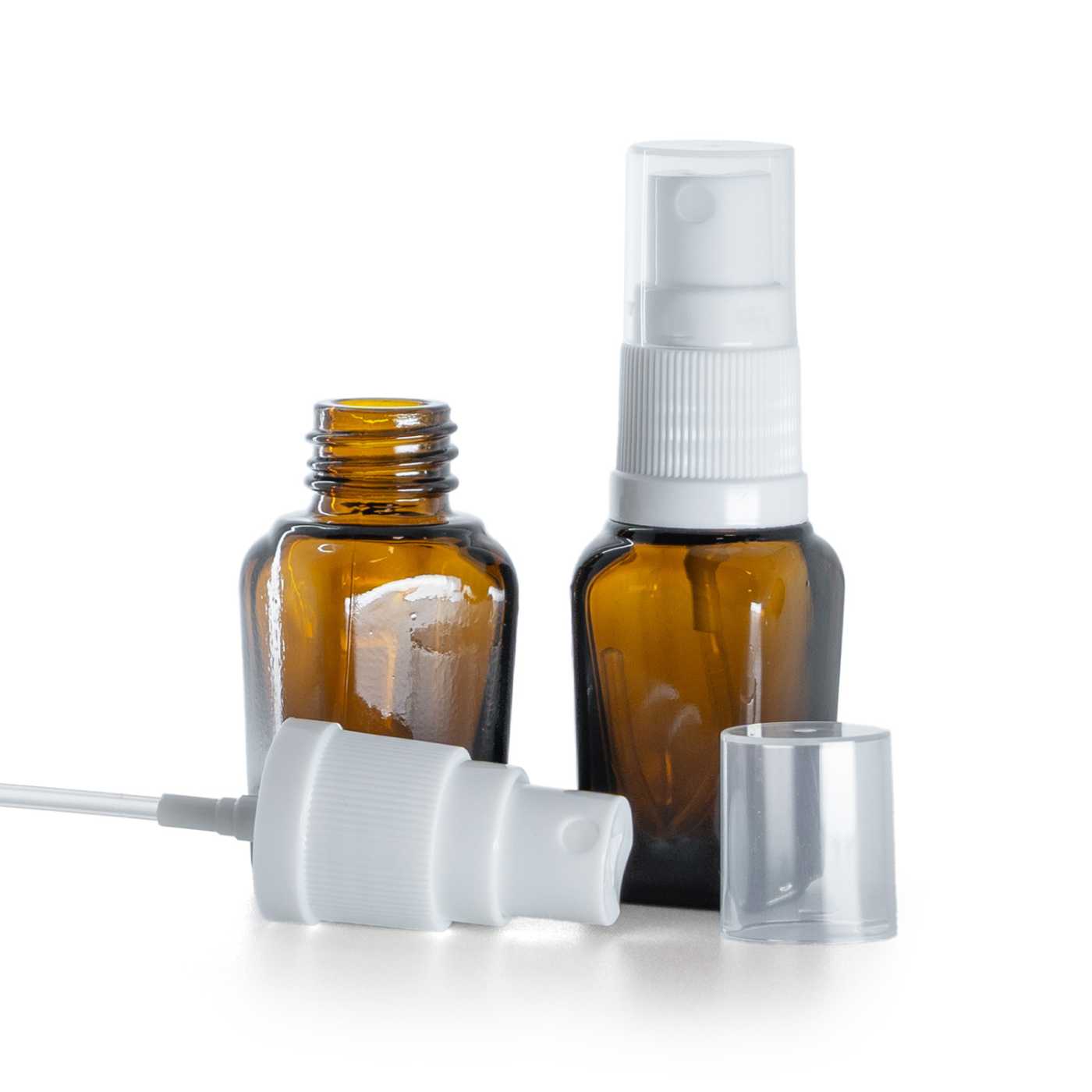
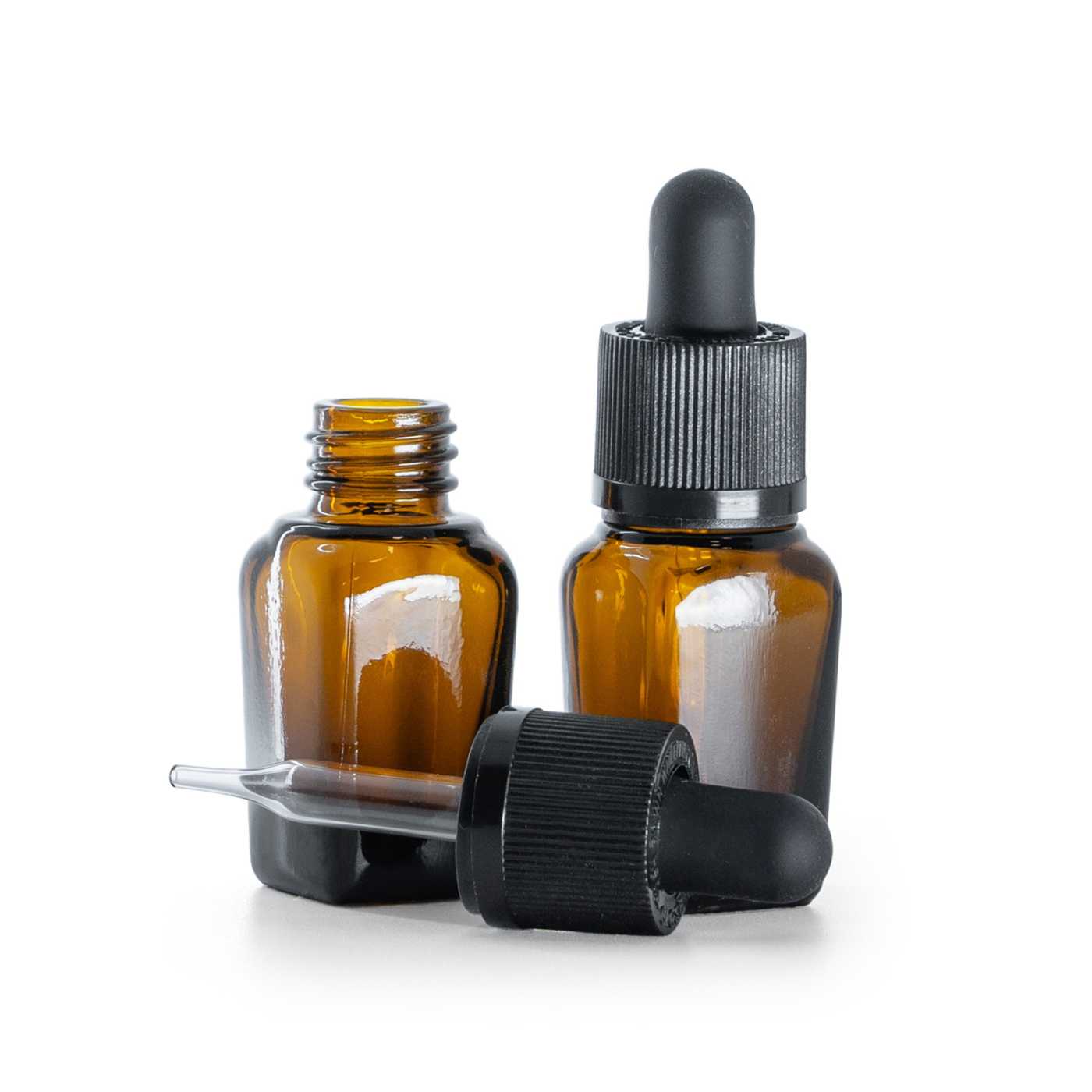
The cap is a plain one, without a dropper. The contents are poured directly through the neck or dispensed by tilting the bottle. For thicker oils and serums, this is sufficient. For thin liquids, or where precise dispensing matters, a closure with a dropper is usually chosen. Closures with the same neck type and ready-made combinations are available in the Handymade range. If you put together your own combination, we recommend checking the seal, dispensing and the behaviour of the packaging with your specific formulation.
Nominal volume is the volume the packaging is designed for under normal filling. Total brimful volume is the physical volume right up to the neck, and you will find it in the parameters. The difference between them provides headspace for the cap with its liner and for the expansion of the contents when the temperature changes. The bottle should therefore be filled to the nominal volume, not to the brim. If filled right up to the neck, the cap liner would sit directly in the contents, and the contents could overflow through the thread when the cap is tightened.
Before the first filling, wash both the bottle and the cap, disinfect them with isopropyl alcohol or ethanol and leave them to dry completely. Residual moisture has no place in an oil-based or anhydrous product.
Glass breaks if dropped. When sending samples by post, separate the bottles so that they do not knock against each other, and leave room in the parcel for cushioning.
Only customers with a delivered order can write reviews.