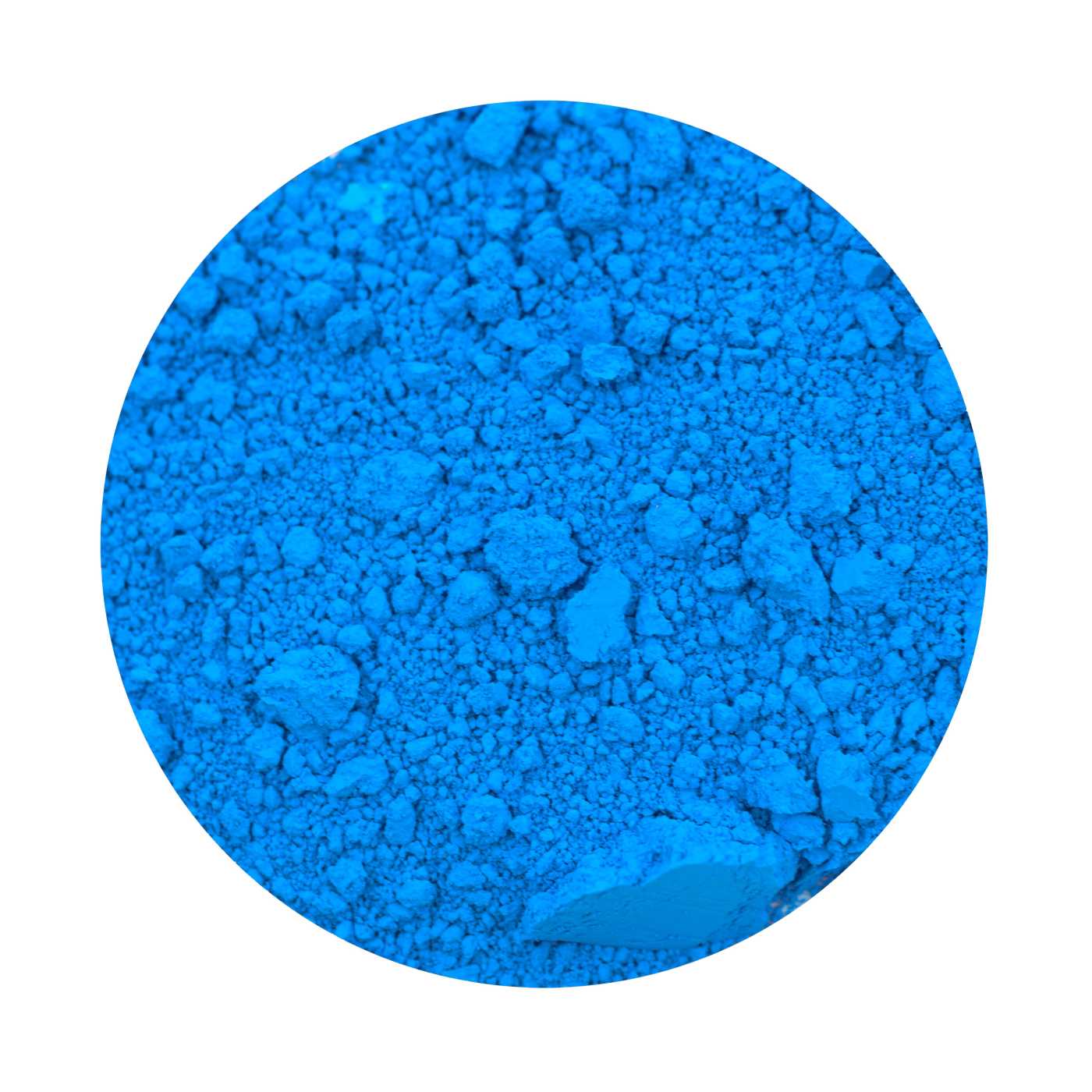
Powder, Neon Lites, Super Pink, 10 g
Pre-order€2.30Original price €3.29(€230.00/kg)

MICA POWDERS
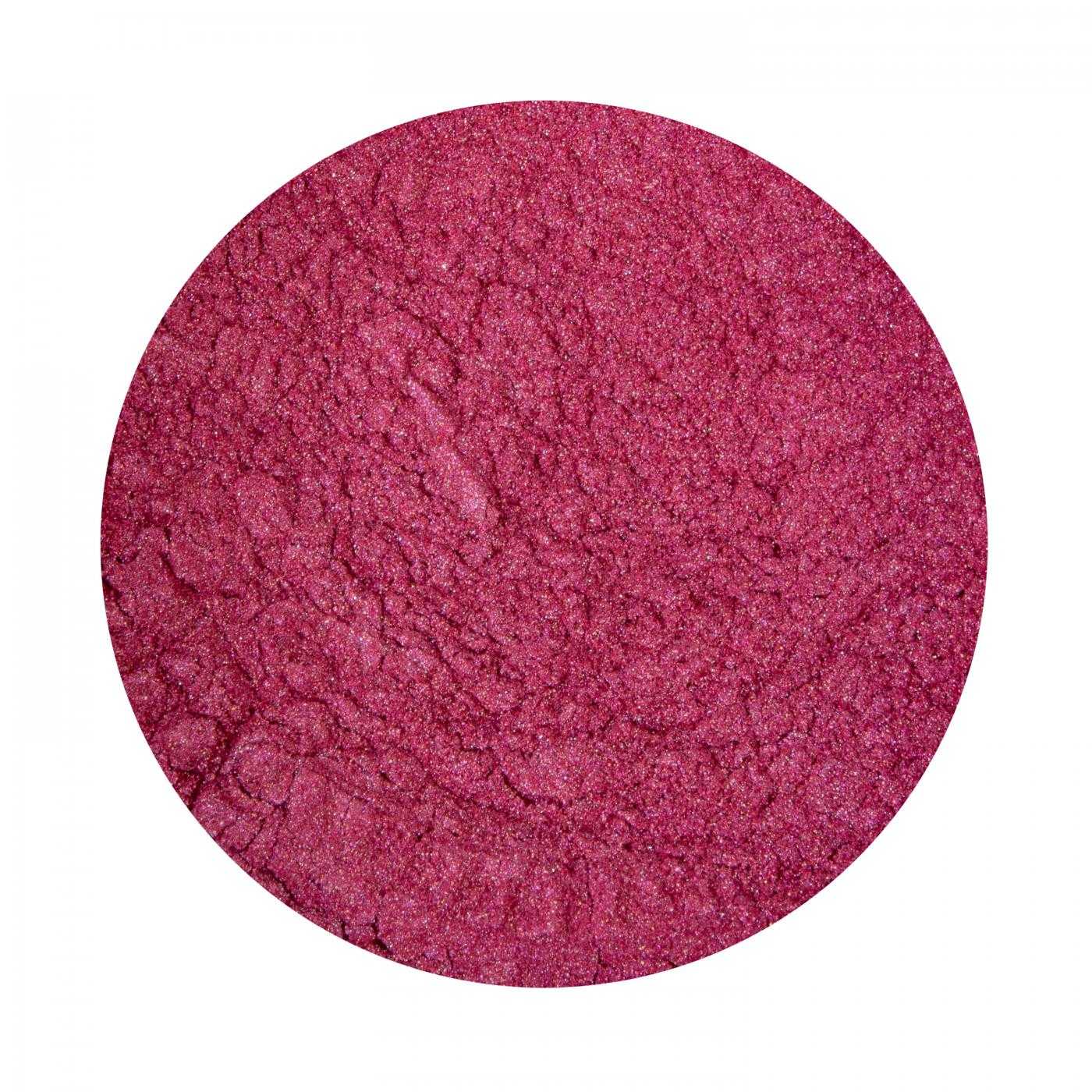
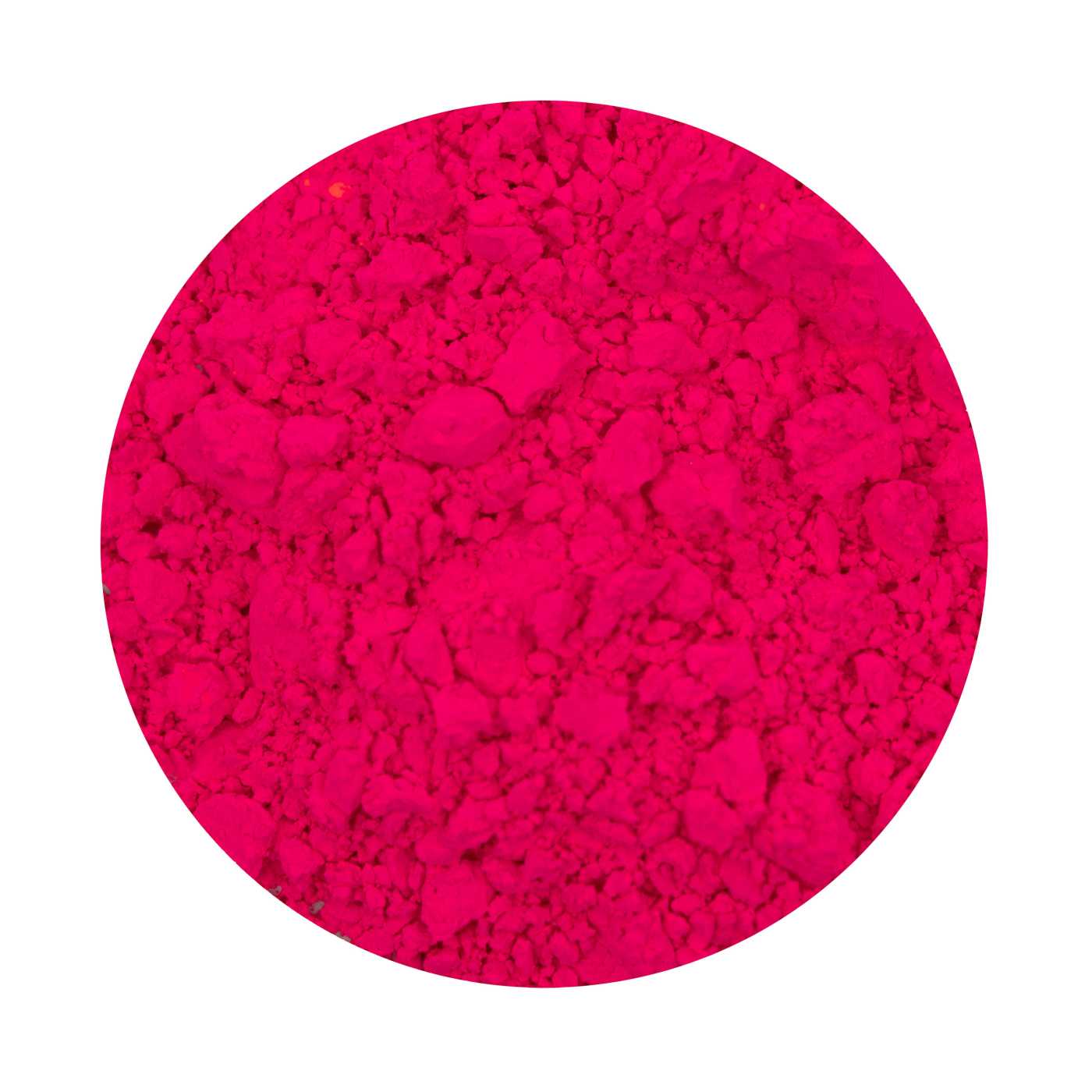
Jazzberry Crush mica is a pearlescent pigment powder of European origin that gives cosmetic products a pink-purple shade with a pearlescent shine . full description
Lowest price in the last 30 days: €69.99
Jazzberry Crush mica is a pearlescent pigment powder of European origin that gives cosmetic products a pink-purple shade with a pearlescent shine. It colours and brightens at the same time, because its particles reflect light. It is intended for the face and body and is suitable for leave-on and rinse-off products.
The base is mica coated with titanium dioxide, and each of these components makes up roughly half of the pigment. The pink-purple tone is completed by red iron oxide and ultramarine, and the composition is rounded off by tin oxide. It is the ultramarine that determines the pH range in which the pigment is suitable.
The shine is created by flat mica platelets. The titanium dioxide layer on their surface reflects and refracts light. When the platelets settle next to each other on the skin, a continuous pearlescent shine is formed. The colour pigments add the pink and purple shade to it.
The character of the shine is determined by particle size. This pigment has particles of 10–60 µm. For pearlescent pigments in general, smaller particles give a smoother, satin shine and larger ones a more sparkling shine.
The pigment does not dissolve in water, oil or alcohol. In these media, as well as in glycols, it is only dispersed. It therefore needs to be stirred into the product. There is no need to wait for it to dissolve, because the particles remain intact in the product and they are what creates the shine.
It is added during the cooling phase or afterwards, directly to the finished product. The recommended processing temperature is below 80 °C. This limit concerns the processing of the formulation rather than the pigment, which is itself heat stable.
Monitor the pH. The recommended pH range of the formulation is 6–9.
The pigment contains ultramarine, which is unstable in an acidic environment. It releases sulphur and the shade may change. It is not suitable for acidic products, for example a toner with acids.
In anhydrous and powder products, keep in mind that the pigment absorbs oil: 50–65 g of oil per 100 g of powder. A higher dose may thicken or dry out the product.
In thin liquids, the pigment particles settle to the bottom over time. Such a product should be shaken before use.
The colour intensity and the strength of the shine depend on the amount of pigment and on the colour of the base. In a clear gel or oil, the shade looks different than in a white emulsion. It is worth testing it on a small sample first.
When working with the powder, do not inhale the dust, and use a dust mask and eye protection. Wash your hands before and after work.
The pigment is odourless and chemically stable. According to the CLP Regulation, it is not classified as hazardous.
Only customers with a delivered order can write reviews.