+421 950 333 113info@handymade.storeHandymade Days: −10 % on all ready-made productsShop now

HERBAL INFUSIONS AND EXTRACTS

Active Aqueous Extract of Mallow, Organic, 100 ml

Pack size50 ml100 ml500 ml1 l10 l

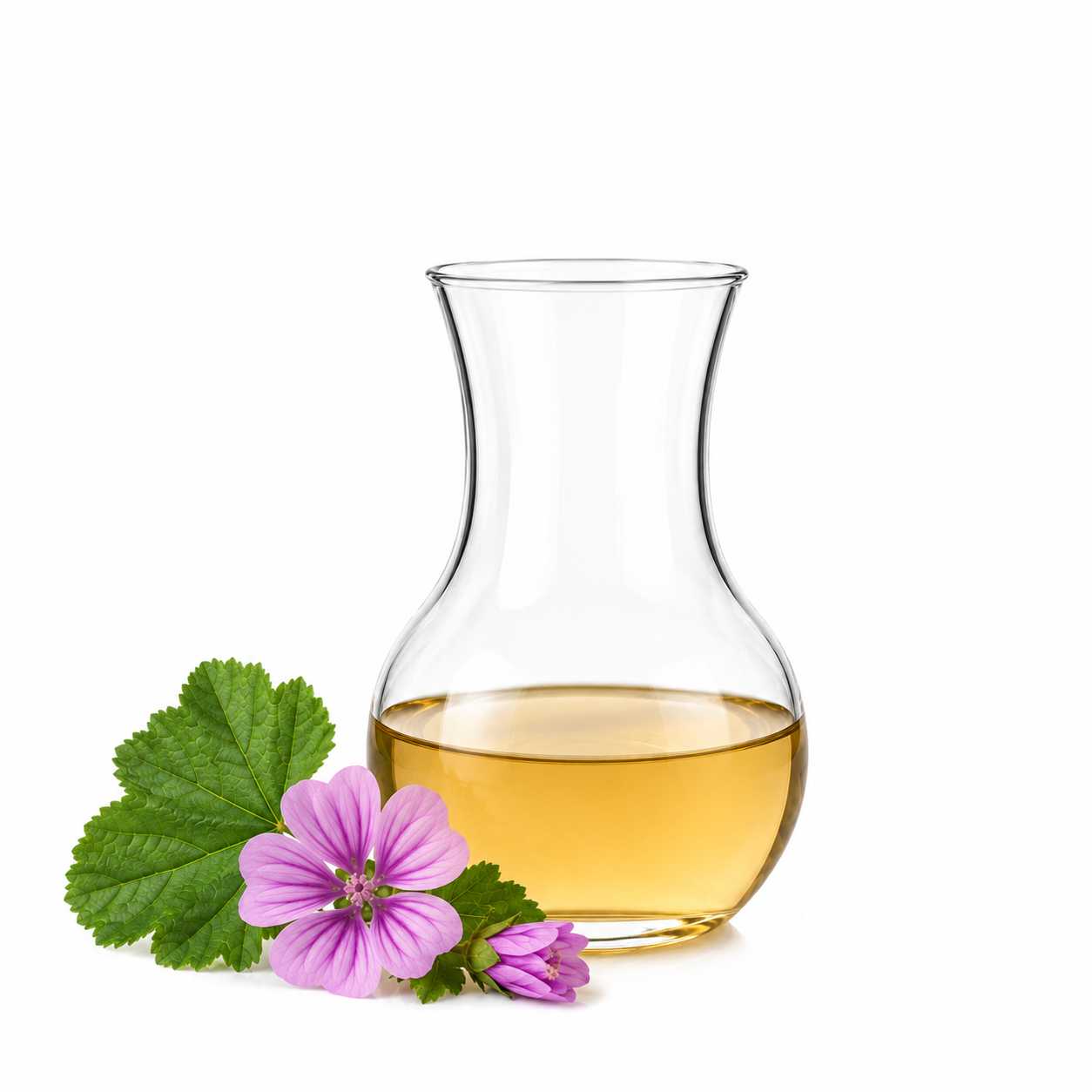
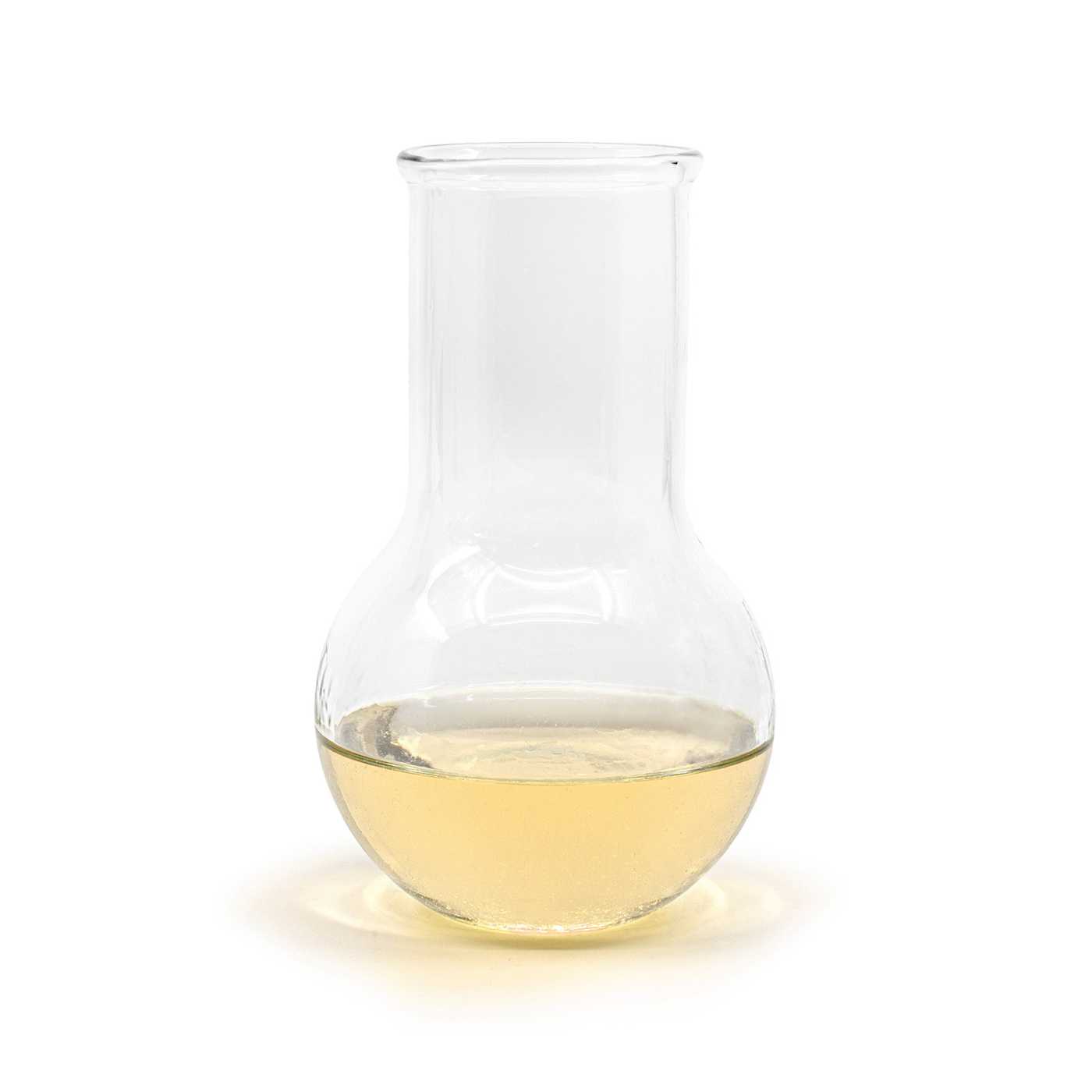
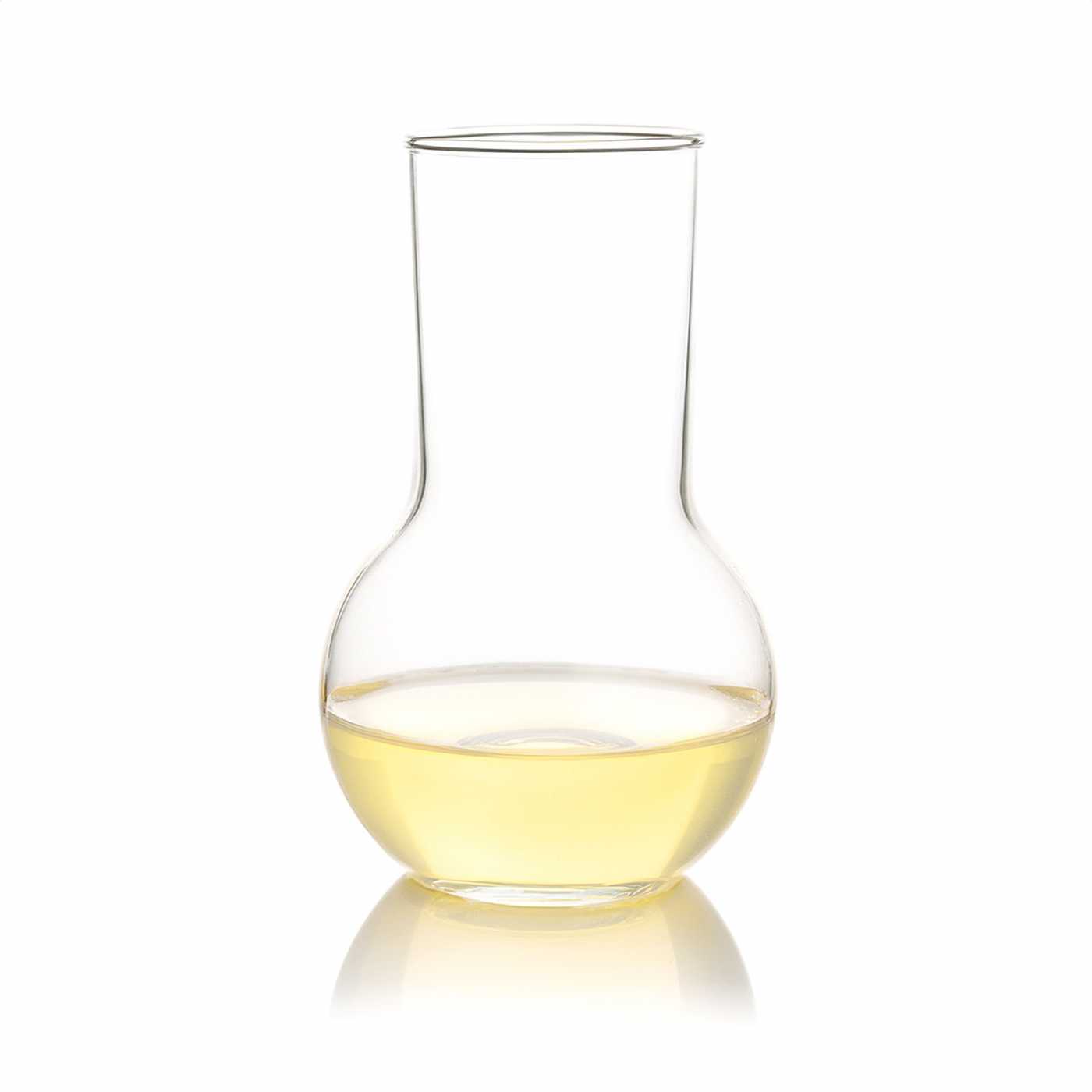
Active aqueous mallow extract, organic is an extract of the flowers and leaves of common mallow (Malva sylvestris) in water. full description

AvailabilityIn stock · 89 packs
Product codeEW003_100
Batch144226
Best before05/2027
€6.19incl. VAT€61.90/l

Lowest price in the last 30 days: €5.57

Product description

Active aqueous mallow extract, organic is an extract of the flowers and leaves of common mallow (Malva sylvestris) in water. Mallow is rich in mucilage, which binds water on the skin and leaves the skin soft and supple. It is added to products for dry and sensitive skin, to hair care products and to cleansing products, always cold to the water phase.

The ingredient is COSMOS Organic certified and is of European plant origin.


How it works on skin and hair

The effect of mallow is based on its mucilage. It consists of large polysaccharides that bind water and, once applied, form a thin moisturising film on the surface of the skin. Underneath it, the skin feels smoother and less tight, which dry skin and skin that reacts easily will appreciate most. The film works on the surface and is washed off with water.

The extract is also useful in rinse-off products. It adds a moisturising component to shampoo, shower gel or intimate hygiene products. On the scalp it works in the same way as on the face, which is why it is also added to hair tonics.

Mallow flowers also contain anthocyanins, plant pigments. They give the extract its colour and will also show in the finished product.


Key benefits

  • Moisturising the skin surface – the mucilage binds water and keeps it on the skin as a thin film.
  • Suitable for sensitive and baby skin – it is also used in products for the eye area and for the scalp.
  • Leave-on and rinse-off products – it is compatible with anionic, amphoteric and non-ionic surfactants.
  • Cold processing – the liquid extract is weighed out and stirred in, with no need to dissolve it.
  • Free from fragrance allergens – it also contains no silicones, parabens, sulfates or PEG.

Use in a formulation

The extract is water-soluble and belongs in the water phase. It is incorporated at a temperature below 40 °C. In toners, serums and gels it is stirred in directly, and in emulsions only in the cooling phase after the emulsion has formed. Heating should be avoided.

The usage rate is 1–10%.

The ingredient is strongly acidic, with a pH of 2.6–3.5. The extract works in both acidic and neutral environments, and the finished product should have a pH of 4–7.

At higher usage rates the extract lowers the pH of the product. Measure the pH after adding it and adjust as needed.

It is compatible with preservatives and fragrance. Do not combine it with strong acids, alkalis, oxidising agents or reducing agents.


Suitable for products such as

  • facial toners, mists and water-based serums
  • moisturising gels for the face and body
  • creams and body lotions for dry, sensitive and mature skin
  • products for the eye area
  • baby cosmetics
  • shampoos and tonics for a sensitive scalp
  • shower gels, bubble baths and intimate hygiene products
  • emulsion lip products

Good to know

The colour of the product depends on the pH. Anthocyanins change shade according to the acidity of the environment, so the same proportion of extract looks different in a more acidic product and in a neutral one. The shade may also shift after the pH is adjusted later, and with alkaline ingredients the change is more pronounced. For products where colour matters, it is worth making a small test batch.

The mucilage also affects the flow of the product. Its polysaccharides thin out when stirred and thicken again at rest, more noticeably at higher usage rates. Their stability is affected by the pH and the salt content.

For gel products, always check the viscosity only after the extract has been added.

The ingredient is preserved in its own right, but this does not protect the product. The organic mallow extract itself makes up 11.25% of it, and the rest is water, citric acid (1.5%) and the preservatives sodium benzoate and potassium sorbate. These protect the ingredient itself and work in an acidic environment. In a product containing water they are diluted and will not provide preservation. Every product with a water phase must be preserved as a whole.

The extract is readily biodegradable and is not classified as hazardous under the CLP Regulation.

Frequently asked questions

Is active aqueous mallow extract soluble in water?
Yes, mallow extract is water-soluble and is added to the water phase. In toners, serums and gels it is stirred in directly, and in creams and lotions only in the cooling phase. An aqueous extract is not suitable for anhydrous products such as oils, ointments or balms without water.
What is the usage rate of mallow extract in cosmetics?
Mallow extract is used at a rate of 1–10%. This applies to both leave-on and rinse-off products. At higher usage rates, check the pH of the product after adding it, because the ingredient is acidic and contains citric acid. The finished product should have a pH of 4–7.
Can mallow extract be added when hot?
No, mallow extract is incorporated cold, at a temperature below 40 °C. When making a cream or lotion, it is added only in the cooling phase, once the emulsion is complete and has cooled. In products made cold, such as toners or gels, it can be stirred in at any point while preparing the water phase.
Does a product with mallow extract need to be preserved?
Yes, a product with a water phase must be preserved even when it contains mallow extract. The sodium benzoate and potassium sorbate in the ingredient protect only the extract itself. Once diluted in the product, their amount is not enough for protection. The extract is compatible with preservatives.
Does mallow extract change the colour of the product?
Yes, mallow extract affects the colour of the product, and the shade depends on the pH. The colour comes from anthocyanins, the plant pigments of mallow, which react to the acidity of the environment. After the pH is adjusted, the shade may change, more noticeably with alkaline ingredients. Before making a larger batch, it is worth preparing a small test batch.
Can mallow extract be used in shampoo or shower gel?
Yes, mallow extract is suitable for shampoos, shower gels and intimate hygiene products. It is compatible with anionic, amphoteric and non-ionic surfactants. It is added cold to the finished, cooled mixture. After adding it, we recommend measuring the pH of the product and adjusting it as needed.

Parameters

INCI
AQUA, MALVA SYLVESTRIS FLOWER/LEAF* EXTRACT, CITRIC ACID, SODIUM BENZOATE, POTASSIUM SORBATEAqua, Malva Sylvestris Flower/Leaf Extract, Citric Acid, Sodium Benzoate, Potassium Sorbate
CAS No.
7732-18-5, 84082-57-5, 77-92-9 / 5949-29-1, 532-32-1, 24634-61-5 / 590-00-1
EC number
231-791-2, 282-003-9, 201-069-1, 208-534-8, 246-376-1
Country of origin
European Union
Processing method
Extraction
Appearance
Liquid
Formulation phase
Water phase
Function in formulation
Active ingredient
Recommended processing temperature
< 40 °C
Recommended usage rate
1 – 10 %
Recommended formulation pH range
4 – 7
Solubility
Water-soluble
Application type
Leave-onRinse-off
Biodegradability
Readily biodegradable
Certifications and declarations
Organic certification
Manufacturer's certificate
COSMOS Organic
Organic content
11,25 %
Volume
100 ml

Product documentation

CoACertificate of Analysis
batch 144226PDF ↓
TDSTechnical Data Sheet
Physical parameters and processingPDF ↓
SDSSafety Data Sheet
Available for purchased products —
Download all (ZIP)

2 PDF files in one archive

Barbora K.23 Nov 2026EN

Verified purchase