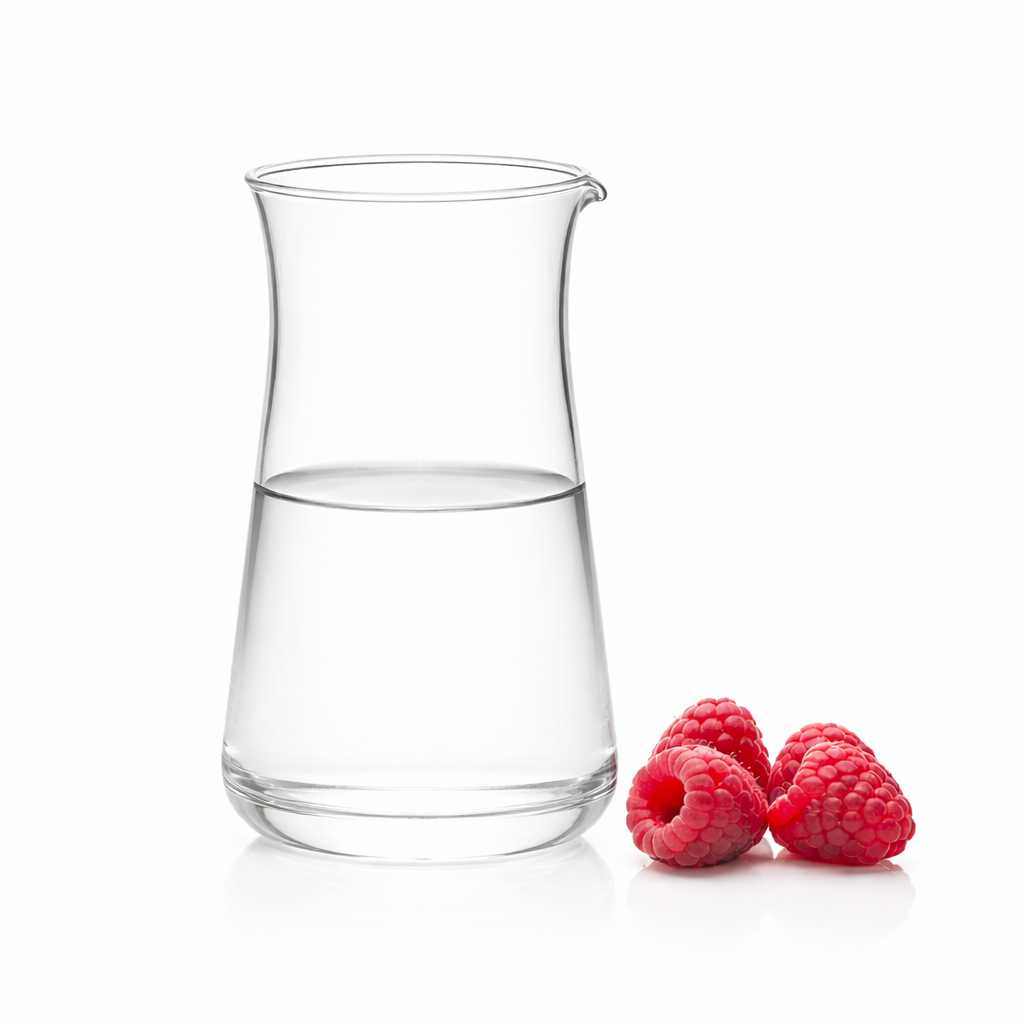
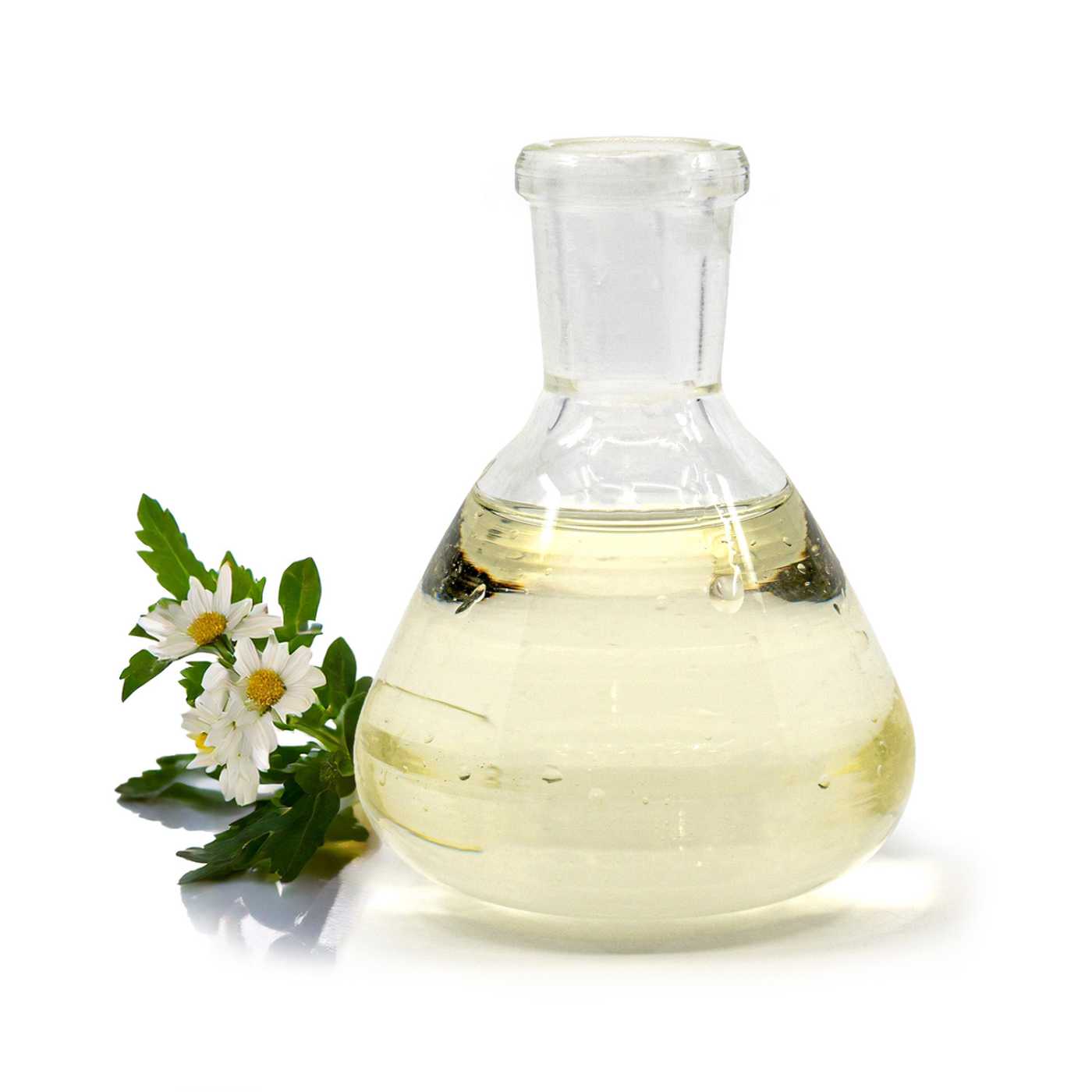
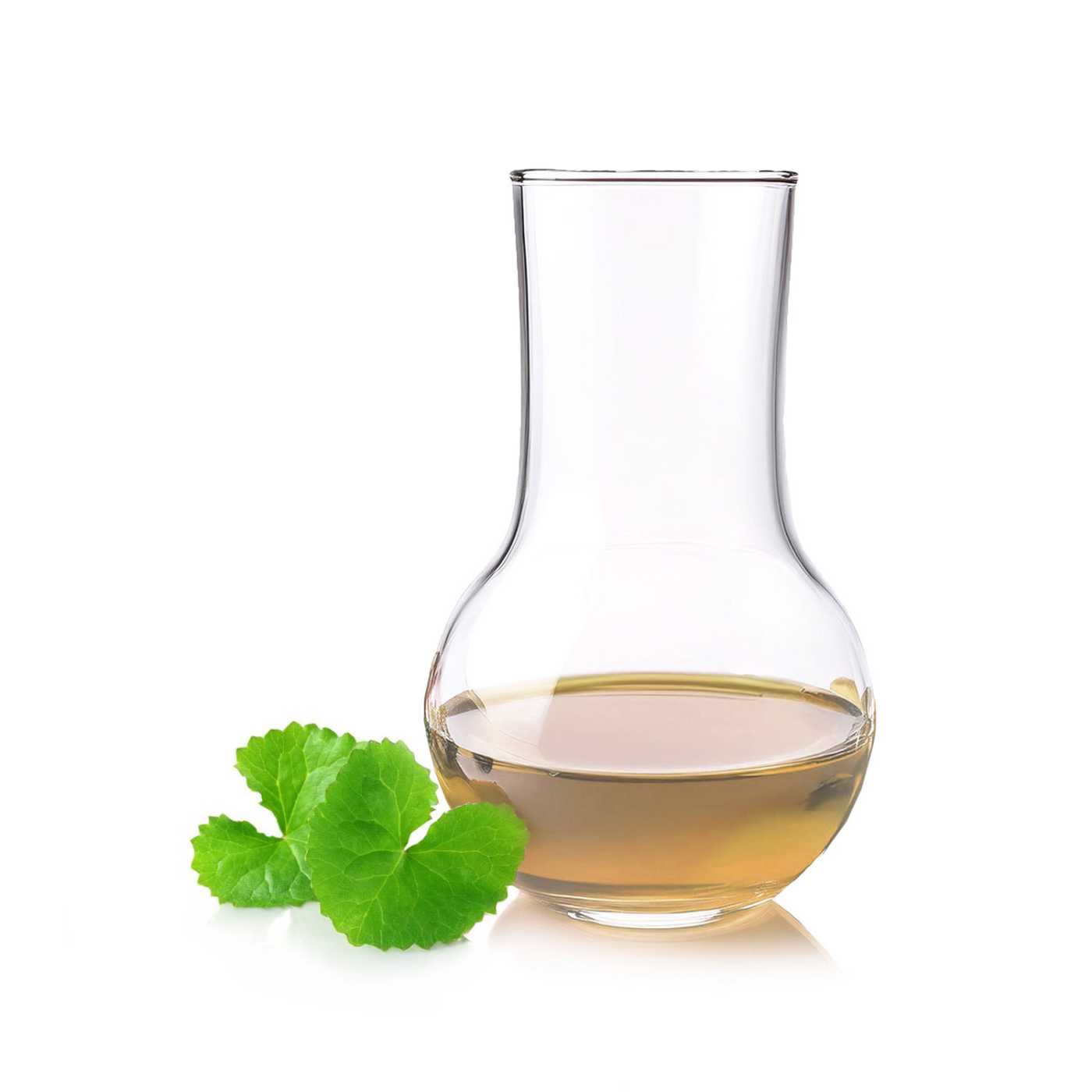
Raspberry hydrosol is a water distillate from raspberry fruit (Rubus idaeus) that gives cosmetics the scent of fresh raspberries and supports skin hydration. In a formulation, it replaces part of the water or the entire water phase, so it can be used in anything from facial mists to creams or shampoos.
It is added cold, to a cooled emulsion or directly to a toner.
How it is made
The hydrosol is produced by steam distillation. Steam passes through the plant material, carries volatile compounds out of it and, once cooled, condenses into water in which they remain dissolved at a very low concentration. For this hydrosol, the raspberries are distilled together with aloe vera water. The hydrosol comes from the European Union.
Effects on skin and hair
Raspberry hydrosol acts as a light hydrating, soothing and antioxidant ingredient. It is most useful where it makes up the majority of the product, that is, in a toner, facial mist or hair spray.
- Hydration – supplies water to the skin and refreshes it after application. In an emulsion or gel that also contains humectants and an oil component, the moisture stays in the skin longer than with the hydrosol alone.
- Soothing the skin – suitable for all skin types, including sensitive, dry, oily and problem skin.
- Antioxidant action – complements formulations containing antioxidant active ingredients.
- Fragrance – the fruity note of fresh raspberries carries over into the finished product, especially at a higher usage rate. In a toner or mist, it is often enough on its own, without any additional fragrance.
Use in formulations
The hydrosol belongs in the water phase. It mixes with water in any ratio and does not dissolve in oil. The usage rate is 1–100%: in a toner or mist it can make up the entire product, while in a cream or shampoo it replaces only part of the water.
Add the hydrosol at a temperature below 40 °C, that is, to a cooled emulsion or to products mixed cold. If heating cannot be avoided, it should be as short as possible.
The finished product can have a pH of 3.0–8.0. In both acidic and neutral environments, the hydrosol is compatible with electrolytes, fragrances, preservatives, and oxidising and reducing agents.
Suitable for products such as
- Facial toners and mists – the hydrosol forms the base, to which humectants and water-soluble active ingredients are added.
- Serums and gels for the face and eye area – replaces the water when preparing a gel and adds fragrance without adding a perfume.
- Creams and body lotions – replaces part of the water phase.
- Hair sprays and scalp products – suitable for leave-in mists for dry hair as well as scalp toners.
- Shampoos, shower gels and intimate hygiene products – adds a fruity fragrance in rinse-off products.
- Face masks – serves as the liquid for mixing clays and powder masks just before use.
Good to know
The hydrosol is supplied stabilised. Before filling, a preservative is added to it, consisting of benzyl alcohol (approximately 0.52%) and dehydroacetic acid (approximately 0.05%). Both substances pass into the finished product, and their amount in the formulation increases with a higher usage rate of the hydrosol. This amount is counted towards the overall preservation of the product, and both substances are listed in its ingredients. Dehydroacetic acid retains part of its effectiveness even at a pH of around 6–7, where sorbic or benzoic acid are hardly effective any more. The preservation of the hydrosol itself is therefore not limited to an acidic environment.
The hydrosol contains fragrance allergens listed in Annex III of the Cosmetics Regulation. When labelling the finished product, take them into account according to the allergen certificate and the usage rate in the formulation.
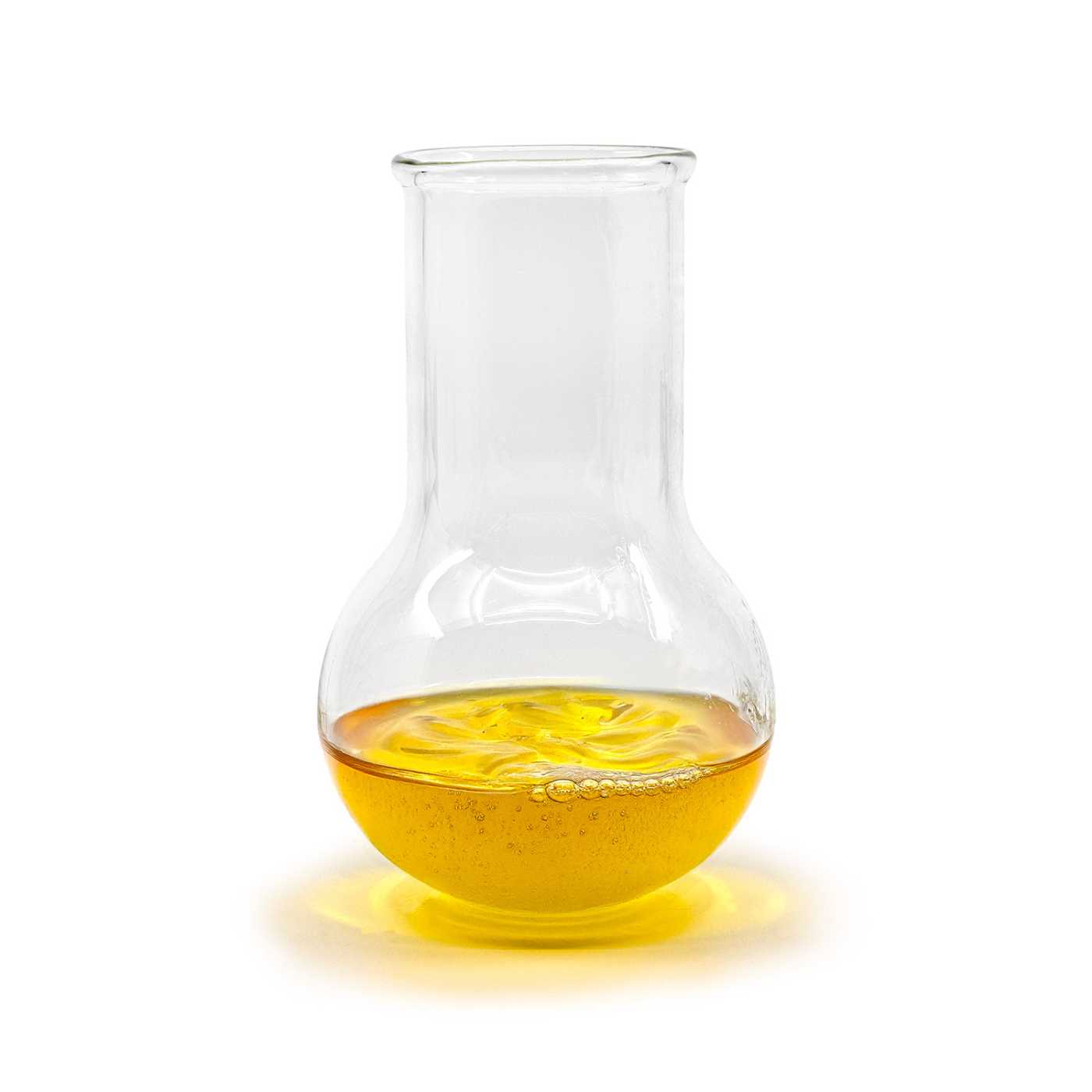
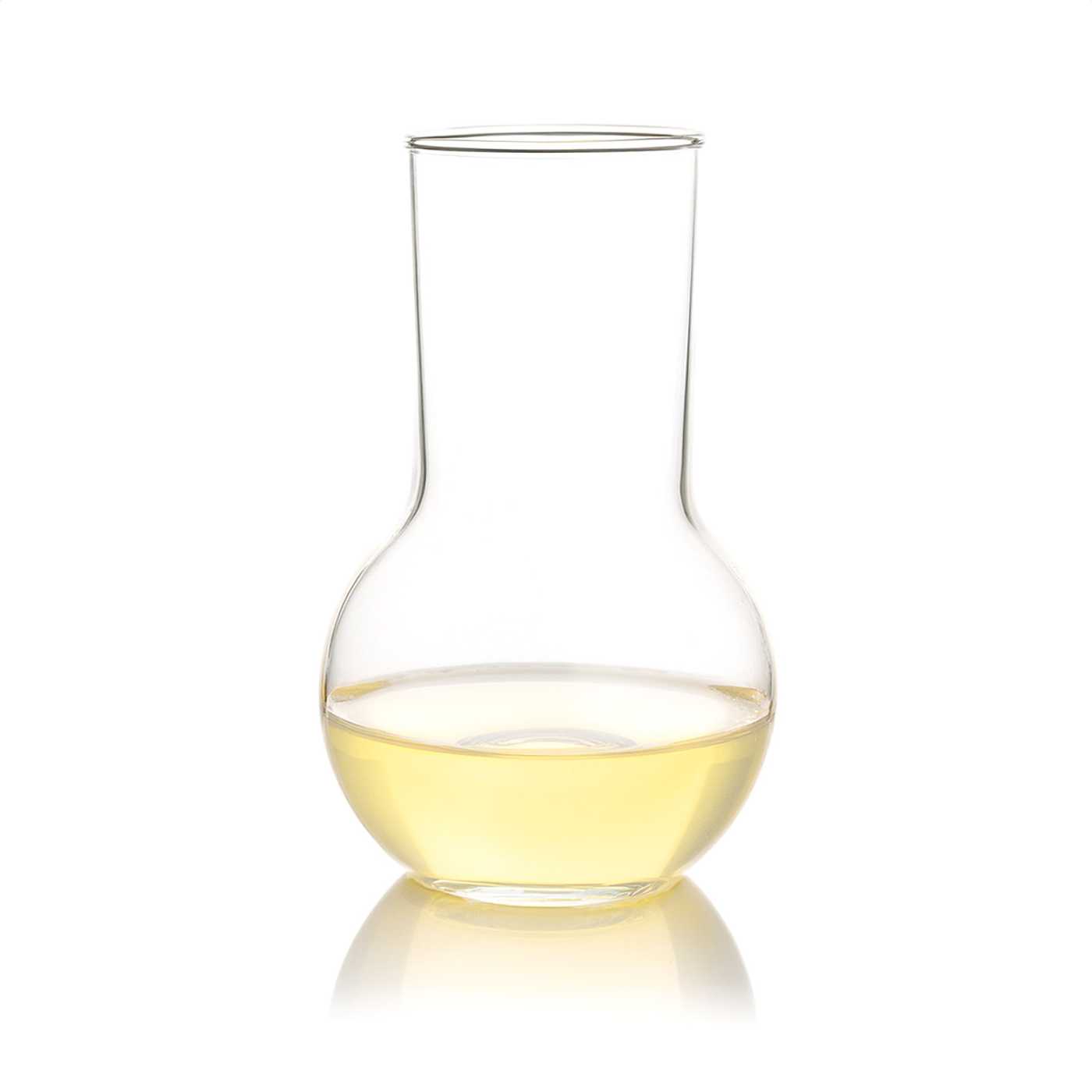
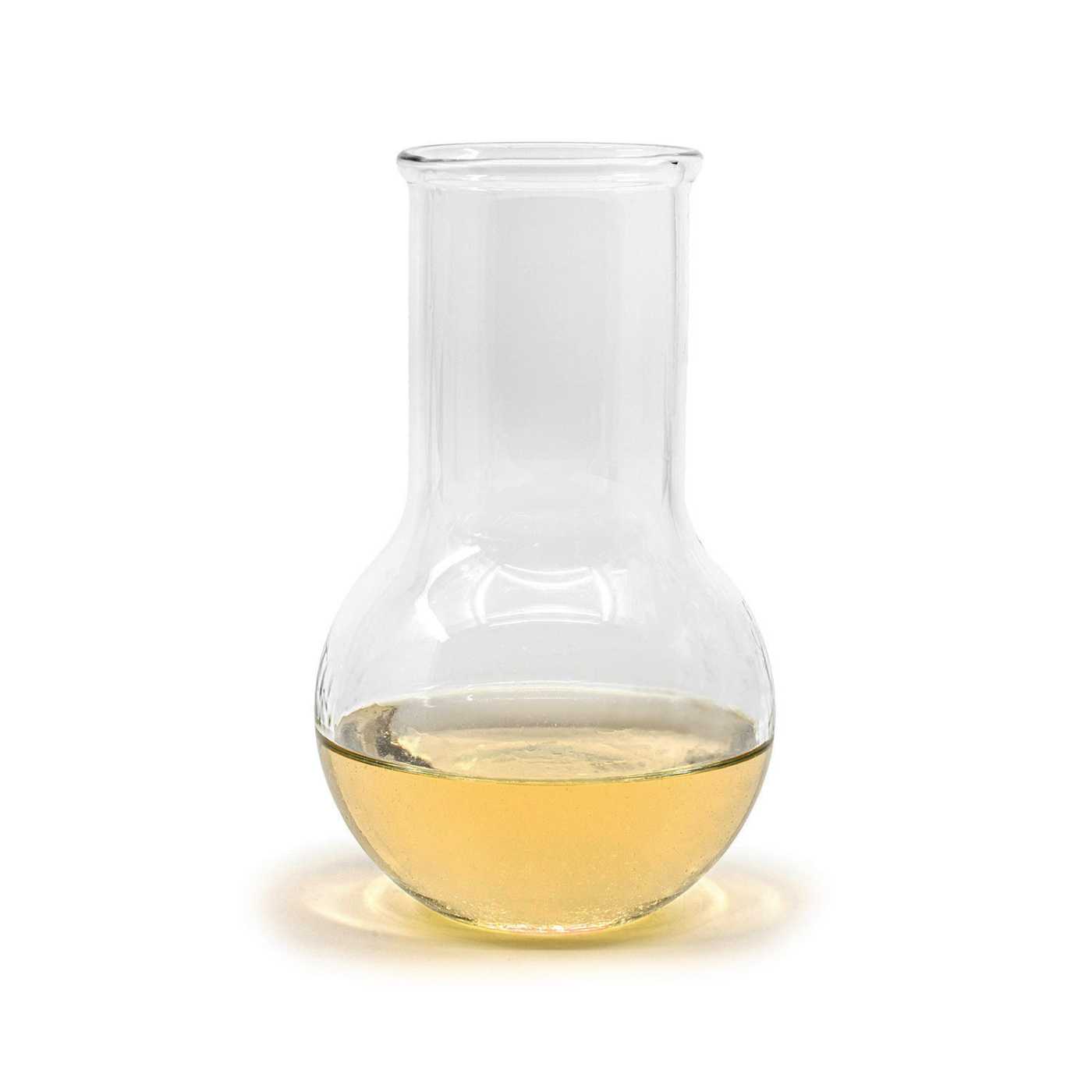
The hydrosol is colourless to yellow. A slightly yellow tint is normal and is not a sign of spoilage. Microbiological purity is specified for the unopened pack. When taking product out of the pack, use clean, disinfected tools and do not reuse empty packaging.
The raw material is Vegan certified, paraben-free and not classified as hazardous under the CLP Regulation.
Frequently asked questions
Can raspberry hydrosol be used on its own as a facial toner?
Yes, raspberry hydrosol can be used on its own as a facial toner or mist, that is, at 100% concentration. Simply decant it hygienically into a clean, disinfected bottle with a fine mist sprayer. It is suitable for the face, body, hair and scalp, and for all skin types.
Does a product containing raspberry hydrosol still need to be preserved?
In most cases, a product containing raspberry hydrosol does need to be preserved. The hydrosol contains benzyl alcohol and dehydroacetic acid in an amount intended for its own protection. After dilution with water or incorporation into a cream, their concentration drops and they may no longer protect the whole product. Therefore, calculate the preservation for the entire formulation and include the amount brought in by the hydrosol.
Can raspberry hydrosol be heated with the water phase?
Raspberry hydrosol should not be heated with the water phase; it is added at a temperature below 40 °C. In a hot-process emulsion, it is therefore added after cooling. In toners, mists and other products mixed cold, it is added directly. If heating is unavoidable, it should be as short as possible.
Is raspberry hydrosol suitable for anhydrous products?
No, raspberry hydrosol is a water-based raw material and does not dissolve in oil. It cannot simply be mixed into body butters, balms and oil serums, as it would separate. It belongs in toners, gels, emulsions and other products with a water phase, where it mixes with water in any ratio.
What is the difference between raspberry hydrosol and raspberry oil?
Raspberry hydrosol is a water distillate from the fruit, while raspberry oil is pressed from the seeds. The hydrosol belongs in the water phase, hydrates the skin and smells of fresh raspberries. The oil belongs in the oil phase and replenishes the skin’s lipids and softens it. They do not replace each other, but in an emulsion they can be used together, each in its own phase.
Is raspberry hydrosol suitable for sensitive skin and the eye area?
Yes, raspberry hydrosol is suitable for all skin types, including sensitive skin, and it is also used in products for the eye area. It works in both leave-on and rinse-off products. However, it contains fragrance allergens listed in Annex III of the Cosmetics Regulation, which must be taken into account when labelling the finished product.