−30 %Pre-orderSold out
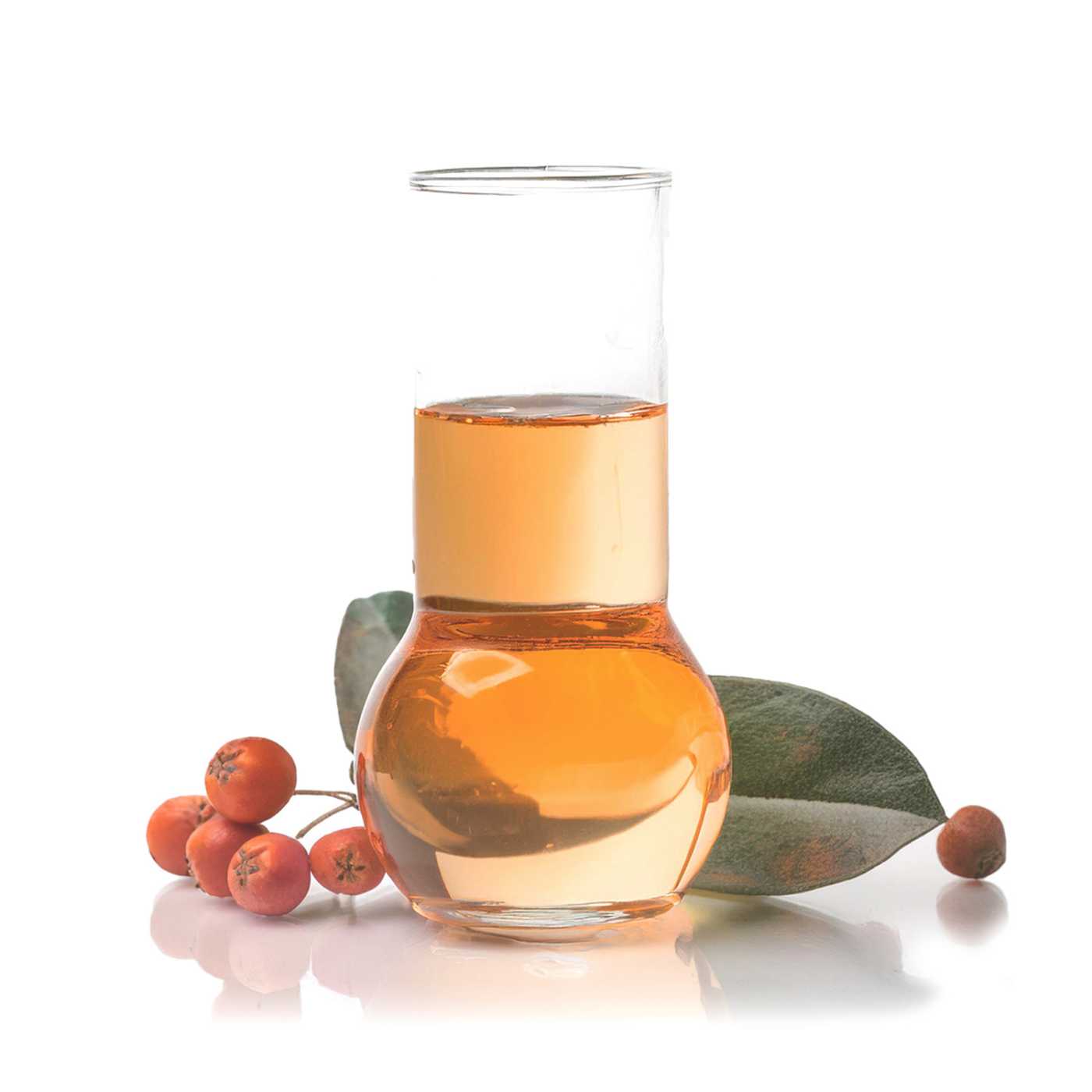
Chamomile Roman Essential Oil, 5 ml
€13.99Previous price €19.99(€2,798.00/l)

ACTIVE INGREDIENTS
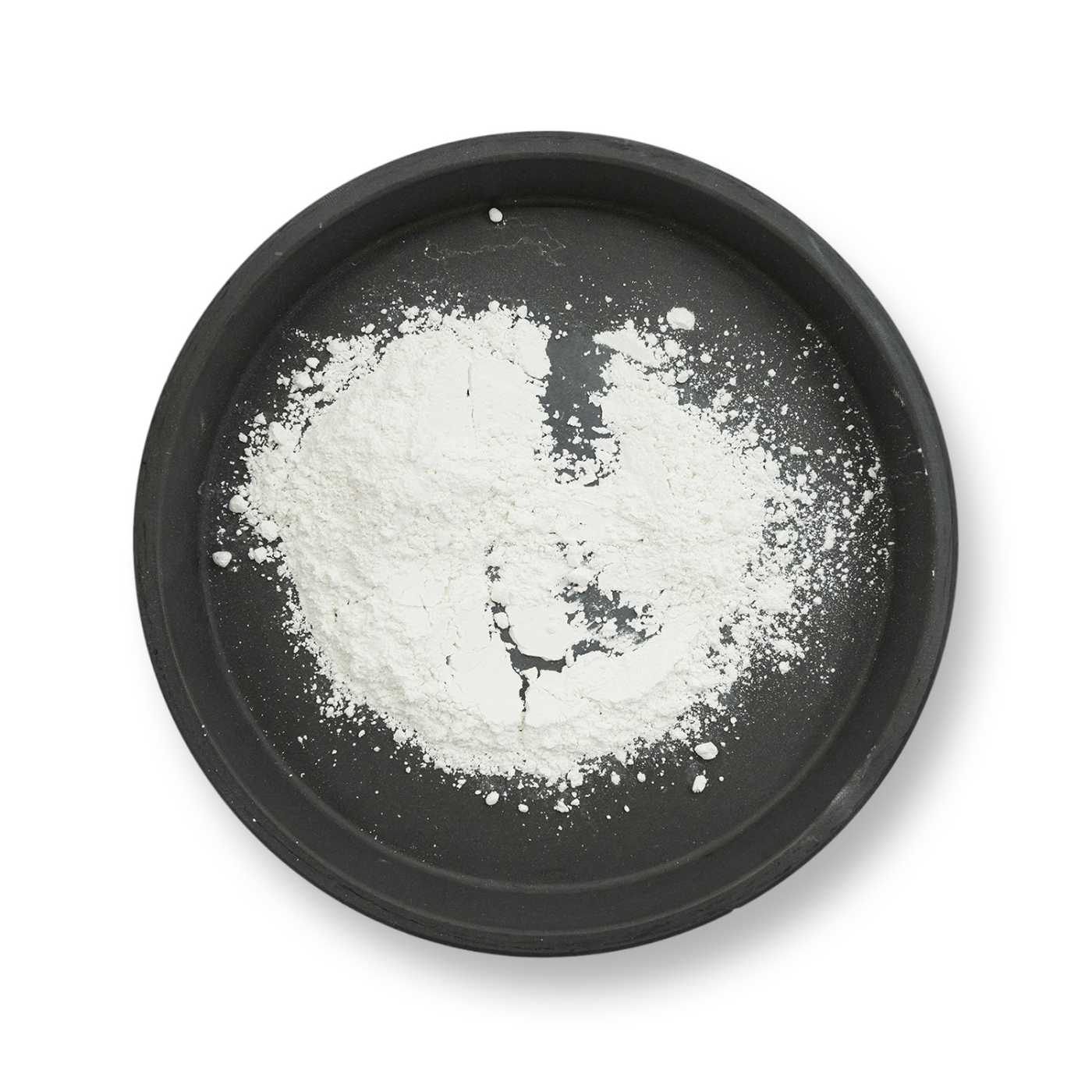
Salicylic acid is a beta-hydroxy acid (BHA) that loosens dead cells from the surface of the skin and helps clear clogged pores . It has an affinity for fats, so it also penetrates pores clogged with sebum. full description
Lowest price in the last 30 days: €47.25
Salicylic acid is a beta-hydroxy acid (BHA) that loosens dead cells from the surface of the skin and helps clear clogged pores. It has an affinity for fats, so it also penetrates pores clogged with sebum. It is used in products for oily, combination and acne-prone skin and in care for scalp and hair prone to oiliness.
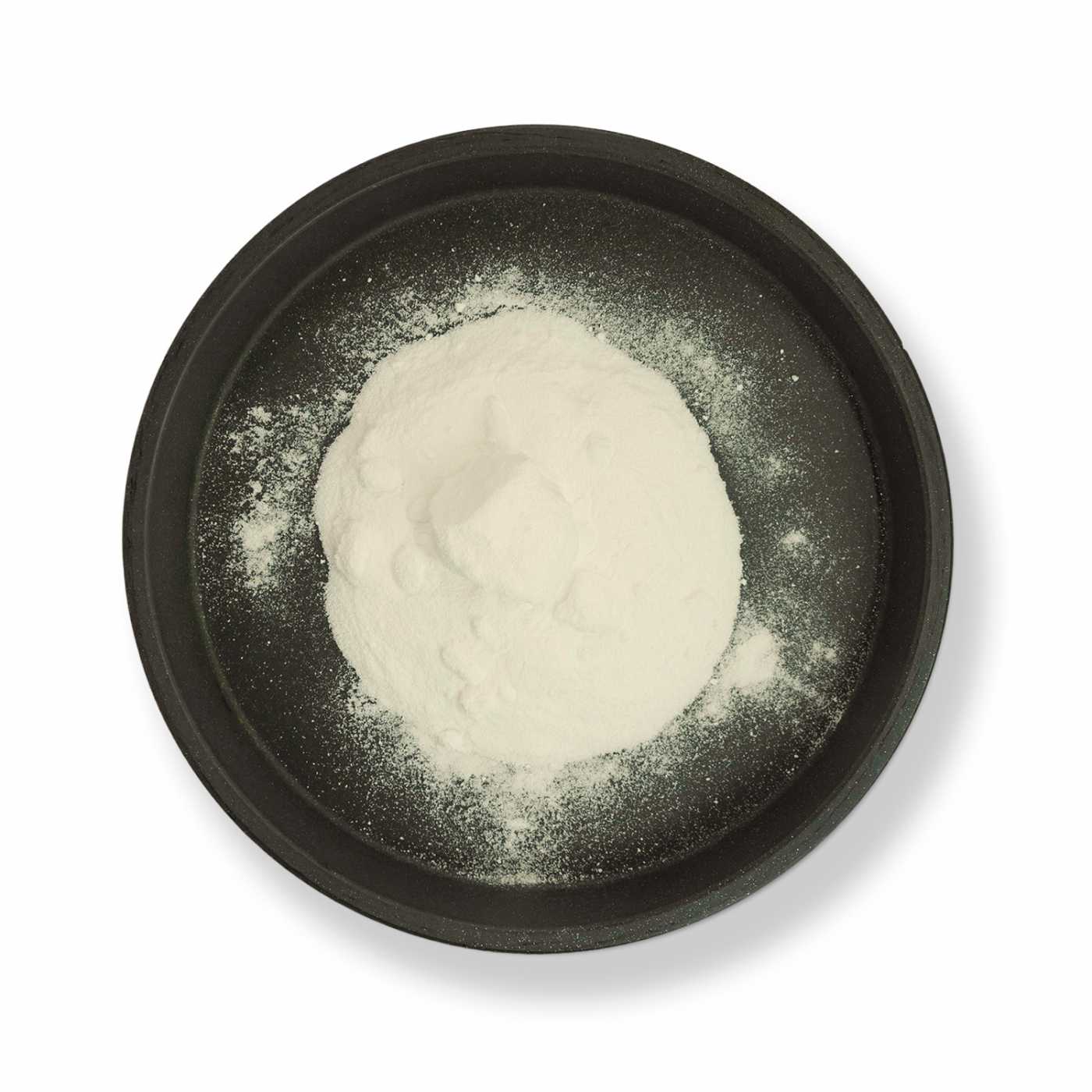
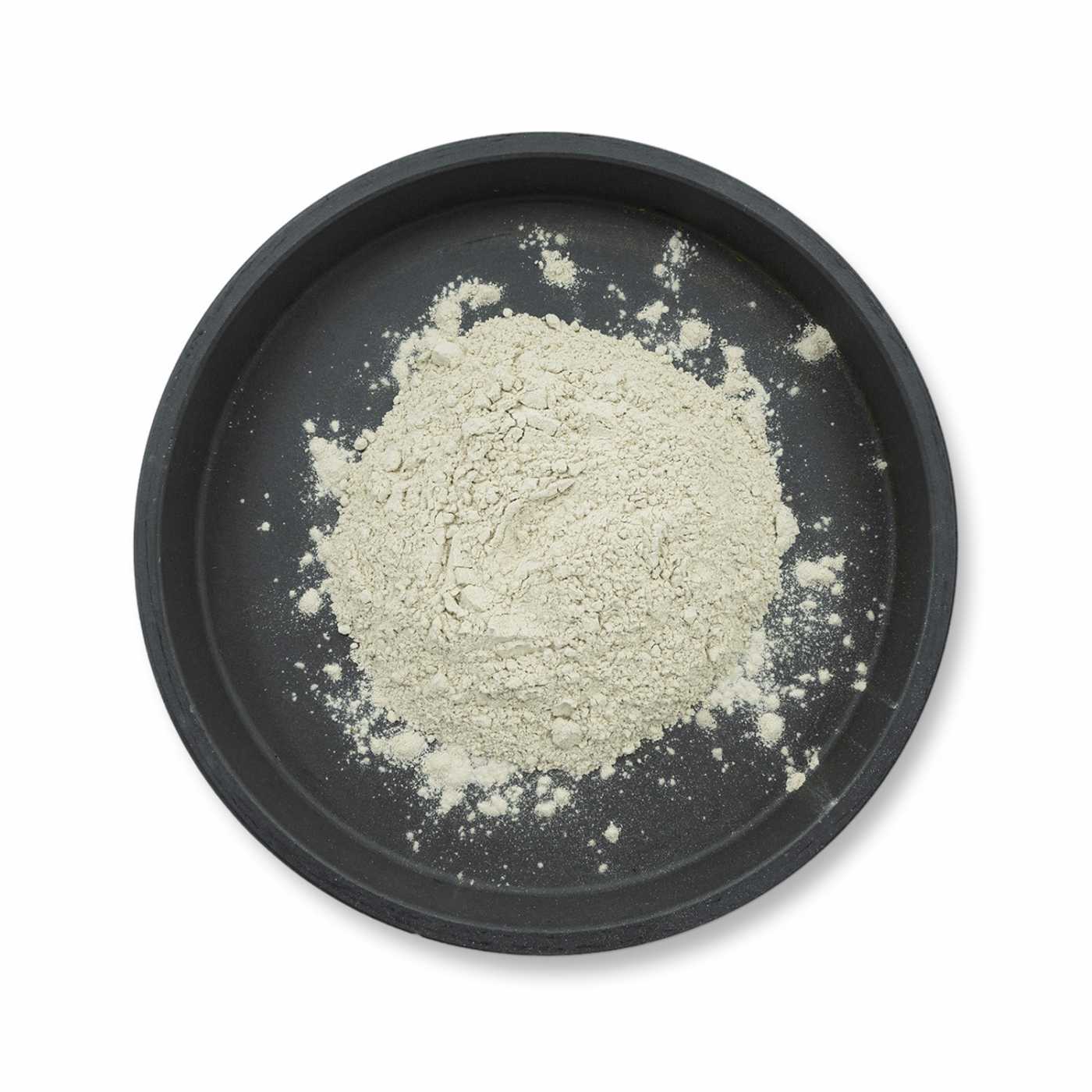
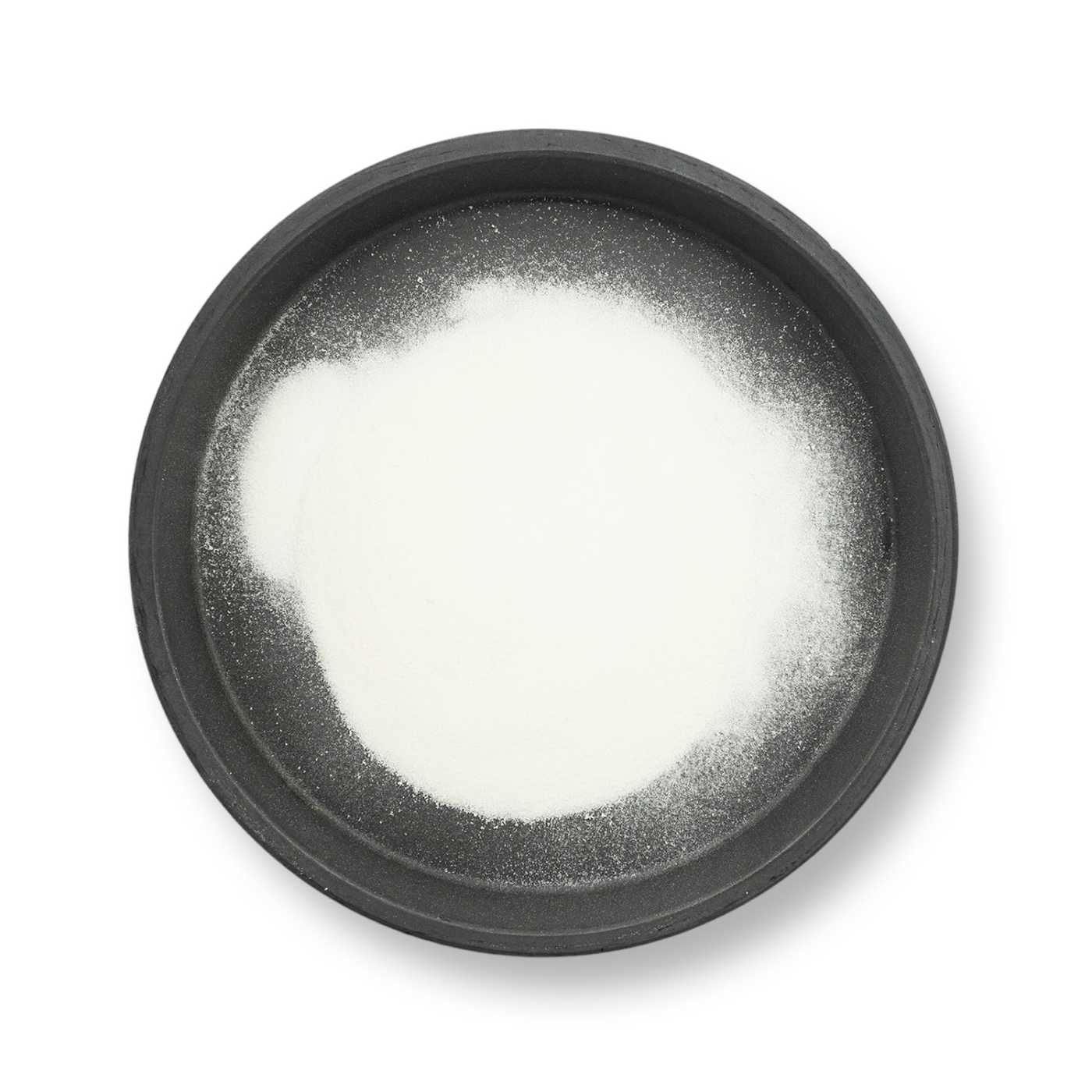
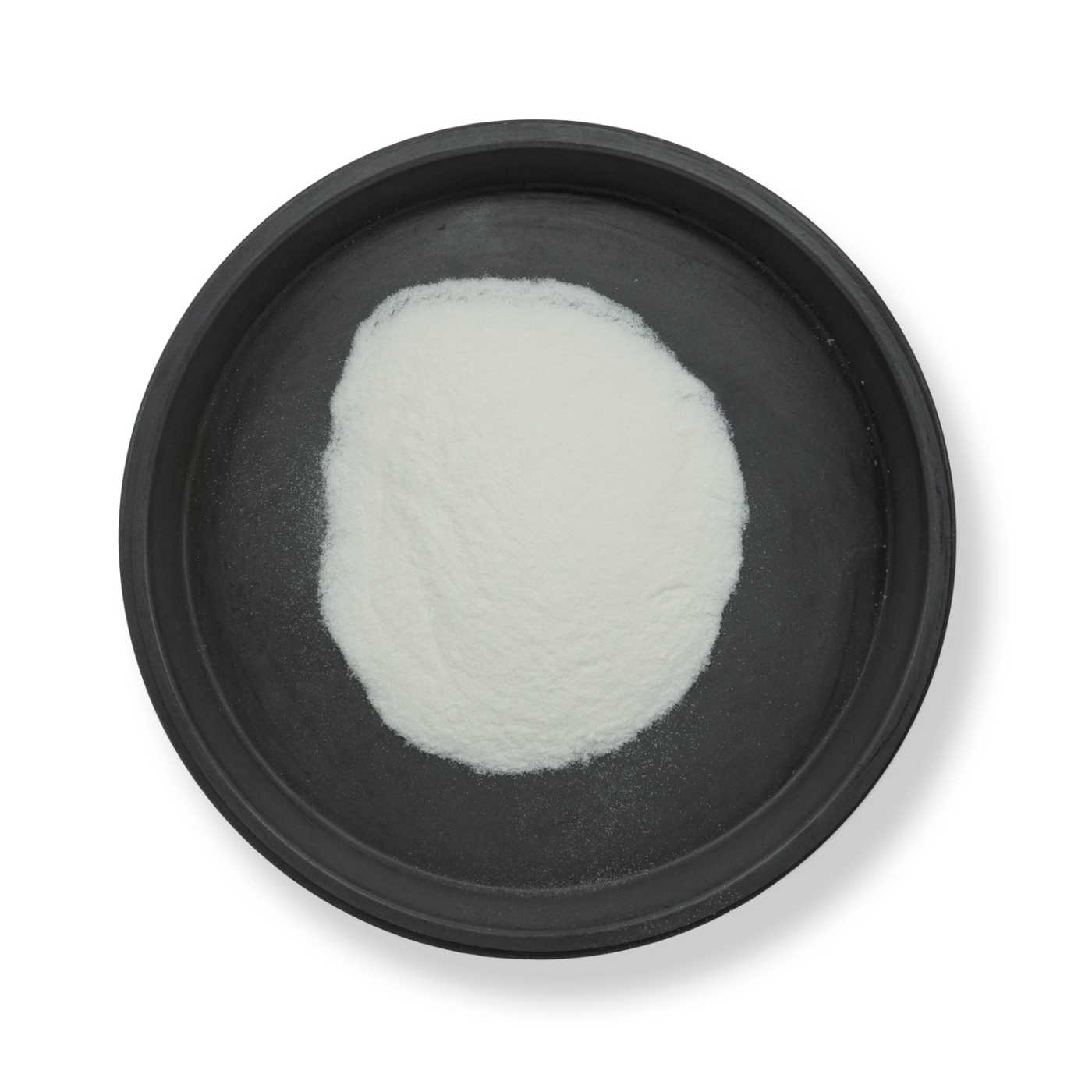
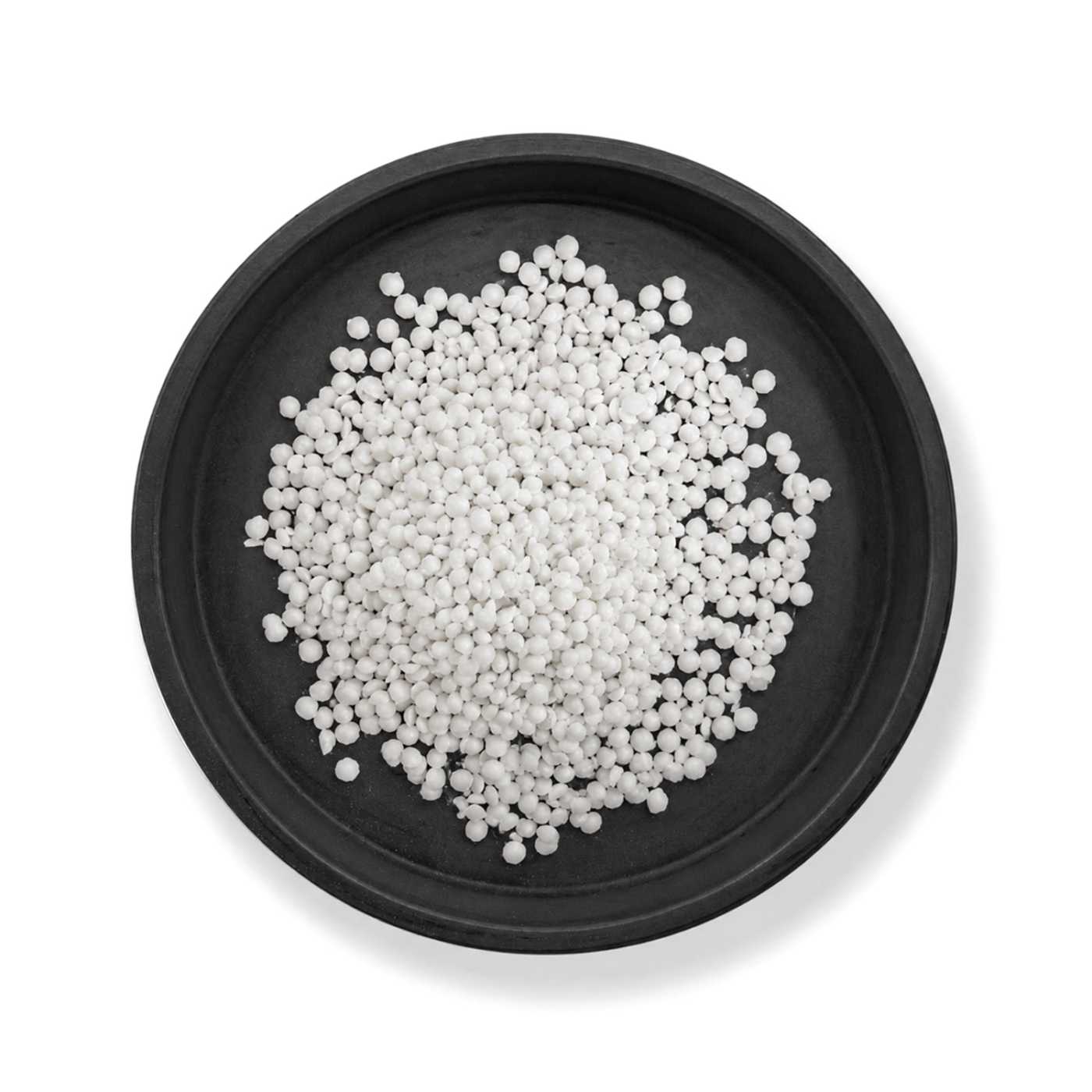
The powder consists of salicylic acid alone, with no carrier or additives, so the dose is calculated directly from the weighed amount. The ingredient is synthetic, of European origin, of both cosmetic and pharmaceutical grade, and contains no components of animal origin.
Its main effect is exfoliation. Salicylic acid loosens the bonds between dead cells on the surface of the skin, which then detach more easily. This supports a smoother skin surface and a more even tone.
It differs from AHA acids in where it acts. AHA acids are water-soluble and work on the surface of the skin. Salicylic acid binds to fats, so it also reaches into the pores, where it loosens accumulated sebum and the remains of dead cells.
Besides exfoliation, it also acts in the product as an auxiliary preservative. It is listed among preservatives in Annex V of Regulation (EC) No 1223/2009.
Dissolving is the most demanding part of working with this ingredient. At 20 °C only about 2 g per litre dissolves in water, which is roughly 0.2%. Common usage rates are several times higher, so powder added straight to water remains largely undissolved.
In water-based products, salicylic acid is always dissolved in a solvent first. It dissolves well in ethanol and glycols, for example propanediol or butylene glycol. Dimethyl isosorbide, octyldodecanol or polar oils such as castor oil will also work. With oils, gentle heating may be needed. How much solvent is required depends on which one you choose.
The second approach is partial neutralisation. Sodium hydroxide converts part of the acid into sodium salicylate, which dissolves in water more readily. The alkali is added gradually while monitoring the pH. Adding sodium phosphate also increases solubility in water.
Before adding further ingredients, check that the solution is completely clear. Crystals, grains or cloudiness almost always mean that there is not enough solvent in the product.
The recommended usage rate is 0.5–2%, in both rinse-off and leave-on products. For new formulations, it is worth starting with a lower dose and observing how the skin tolerates it.
The ingredient has a strong effect on the pH of the product. A 2% solution already has a pH of about 2.4, while the finished product should have a pH of 3–4. During production, the pH is measured and adjusted continuously. A citrate buffer helps keep it stable.
A lower pH does not strengthen the exfoliation. The pH of the product has only a small effect on its strength. However, products that are too acidic irritate the skin more and disrupt the skin barrier, so there is no point in lowering the pH below the recommended range.
Salicylic acid is added in the cooling phase or afterwards to the finished base. Do not heat it unnecessarily. It sublimes at around 76 °C and may decompose if overheated.
It is advisable to balance the exfoliating effect with ingredients that support the skin barrier. Panthenol, allantoin and soothing hydrosols are suitable.
The powder is light, dusty and irritating. When working with it, use a respirator, safety glasses and gloves, and ensure ventilation. The dust can form an explosive mixture with air. The ingredient is subject to the CLP Regulation and is classified as CMR; details on classification and safe handling are in the safety data sheet.


Variant: Kyselina salicylová, prášok, 99,5% 100 g