−30 %Pre-orderSold out
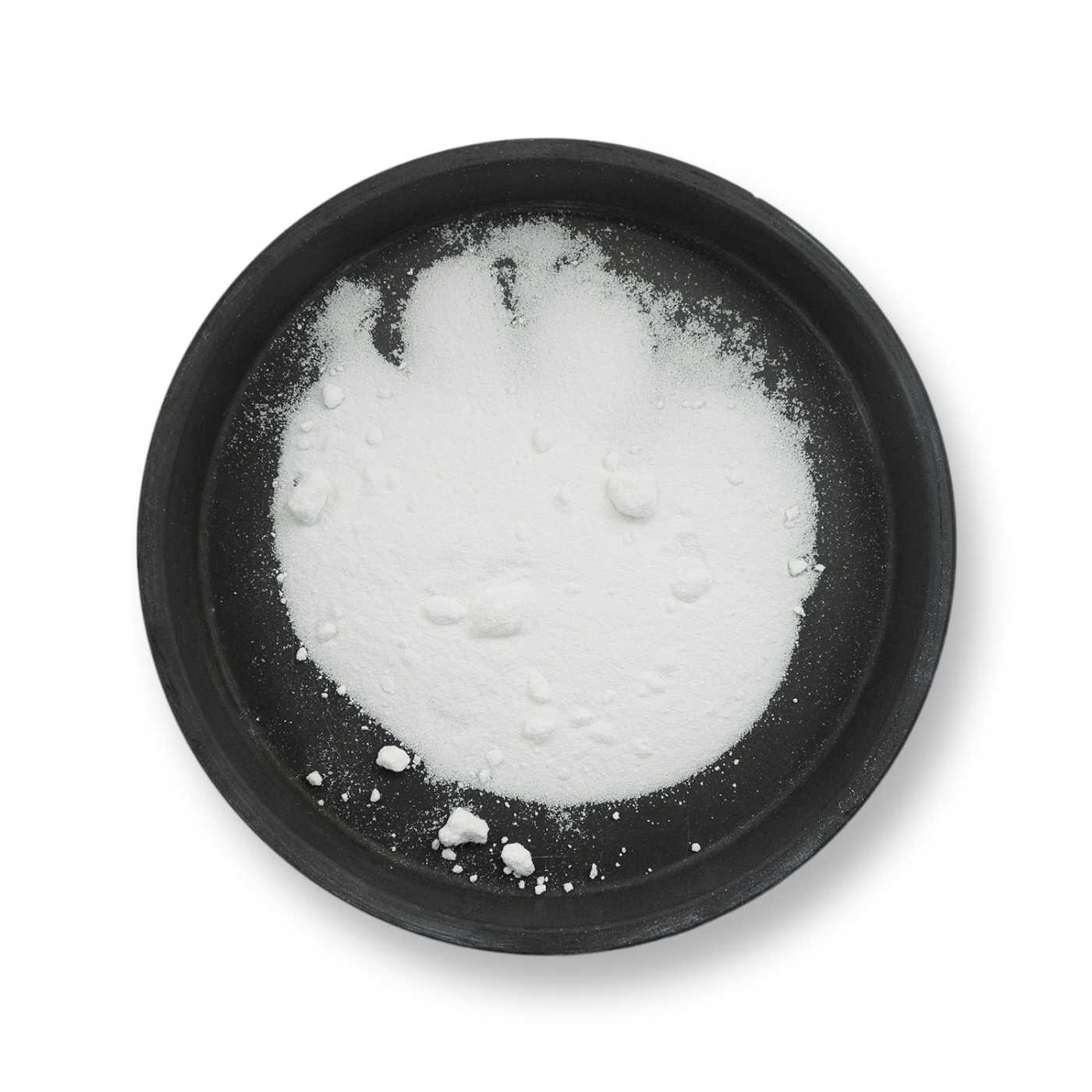
Hyaluronic Acid, Vegetable, MMW, 1 - 1.5 MDa, 10 g
€9.79Previous price €13.99(€979.00/kg)

VITAMINS AND ANTIOXIDANTS
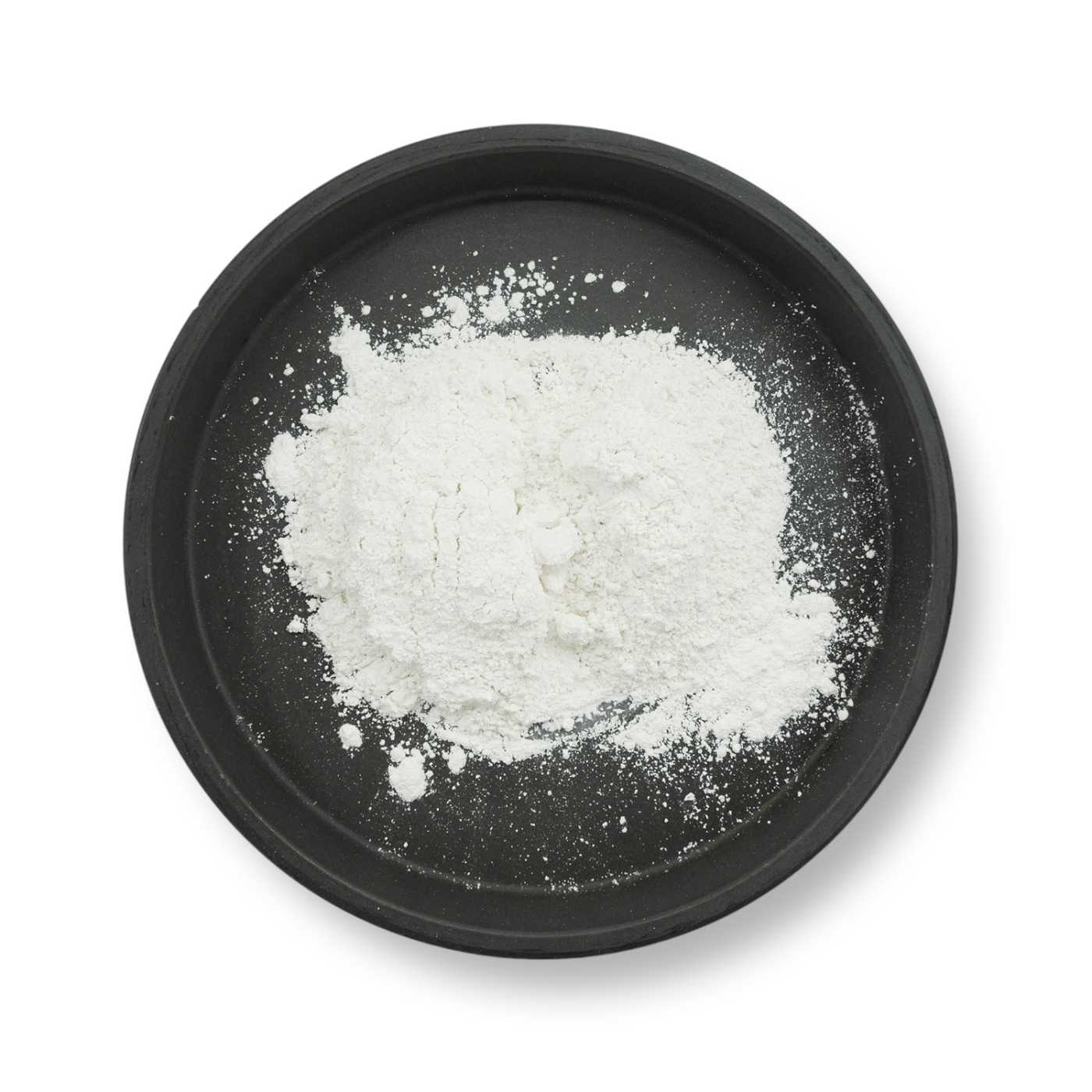
Stabilised vitamin C (Ascorbyl Palmitate) is an ester of ascorbic acid and palmitic acid, a form of vitamin C intended for the oil phase . full description
Lowest price in the 30 days before the discount: €649.00
Stabilised vitamin C (Ascorbyl Palmitate) is an ester of ascorbic acid and palmitic acid, a form of vitamin C intended for the oil phase. In creams, balms and oil blends it acts as an antioxidant that protects oils and emulsions from oxidation and yellowing. On the skin it supports antioxidant protection.
The main role of ascorbyl palmitate is to protect the fat component of the product. Vegetable oils and butters oxidise on contact with air, which changes their colour and scent. The antioxidant slows down this process. It is most useful in products with sensitive oils, for example lip balms and face creams.
On the skin it supports antioxidant protection. For this reason it is also used in mature skin care products.
On its own it does not work equally well in every oil. In highly unsaturated oils it may help only a little. With sensitive oils it is combined with other antioxidants.
The main difference is in the effect. Ascorbyl palmitate serves mainly as an antioxidant that protects oils and emulsions from yellowing. Do not expect a noticeable brightening effect on the skin from it.
There is also a difference in how the raw material is handled. Ascorbic acid dissolves in water and does not get into oils. Binding palmitic acid creates a molecule that is compatible with fats and works where the oxidation of oils takes place. Ascorbic acid therefore belongs in water-based serums, while ascorbyl palmitate belongs in the oil phase of emulsions and in anhydrous products. It cannot replace ascorbic acid in a water-based serum.
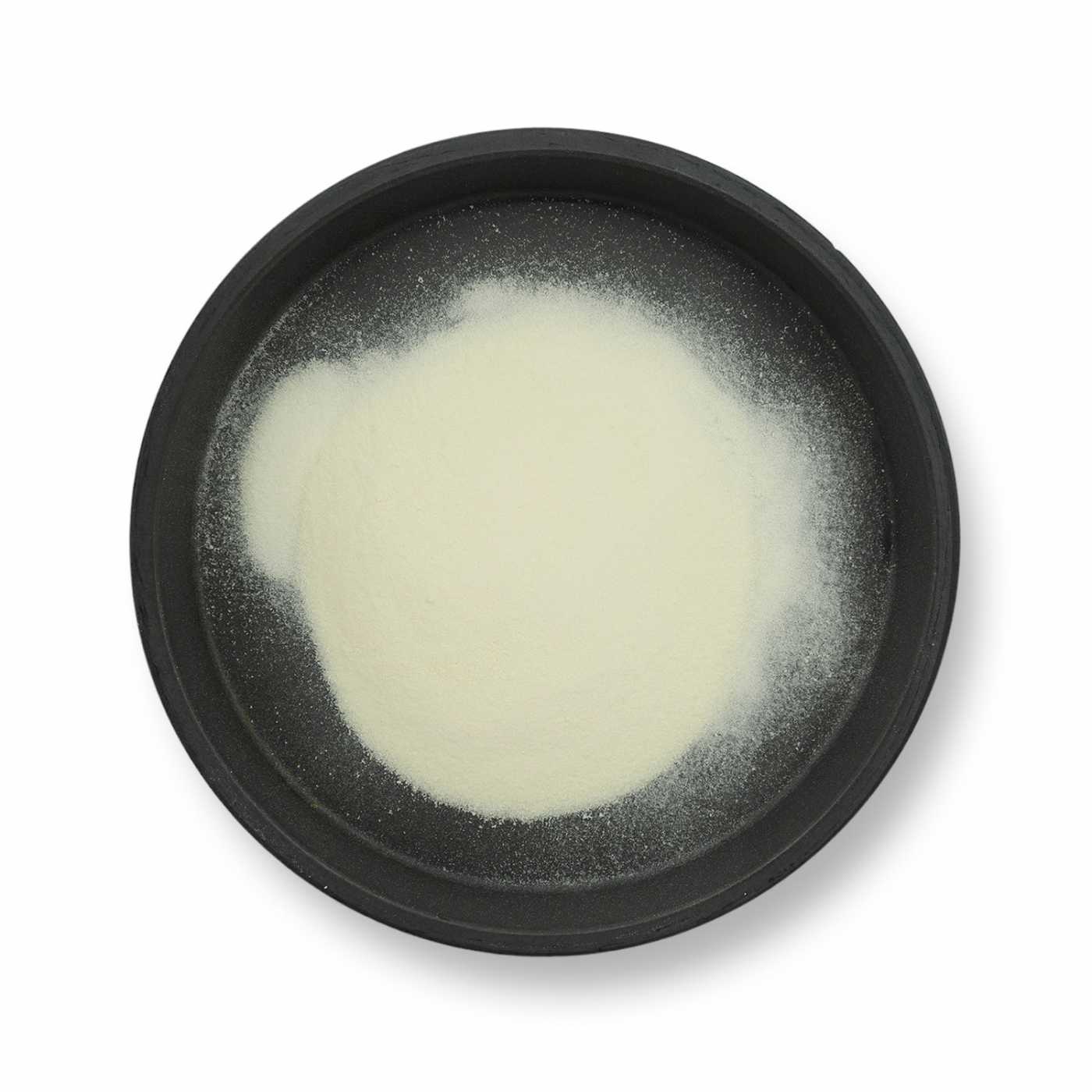
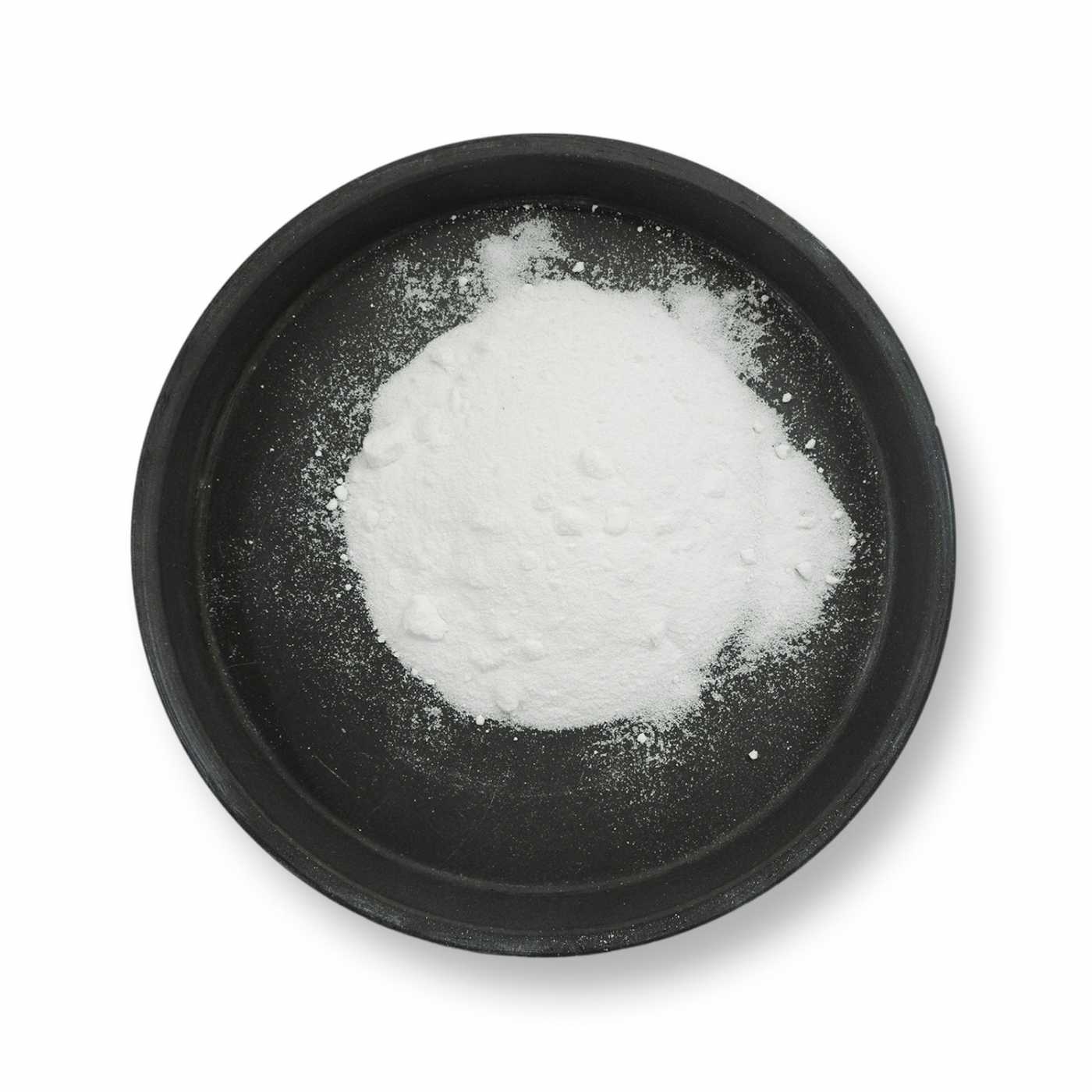
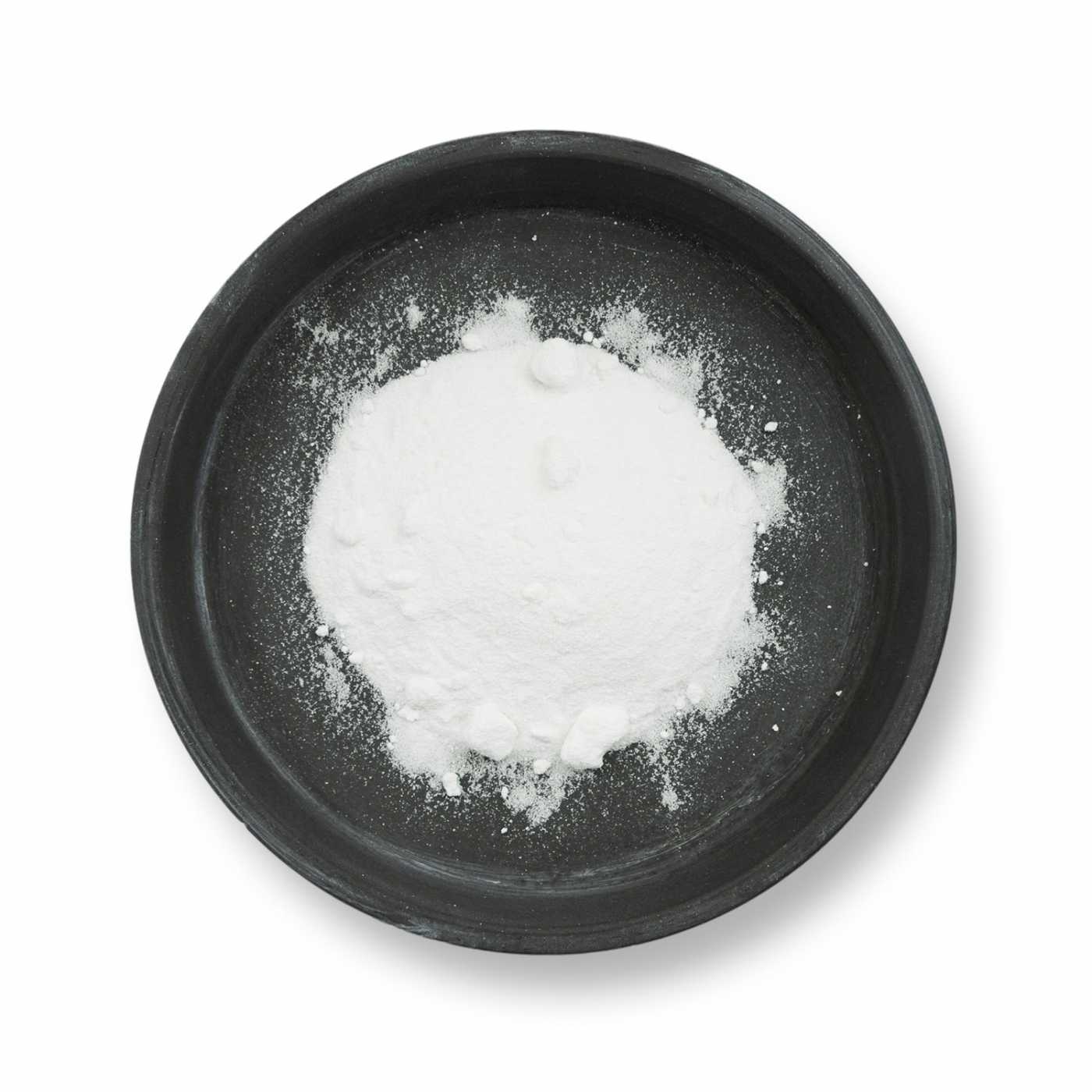
Ascorbyl palmitate is a white powder that is not soluble in water, it only disperses in it. It is partially soluble in oil and in alcohol. It is added to the oil phase or during emulsification at a temperature of approximately 80 °C. The melting point is 107–117 °C.
The recommended usage rate is 0.1–1% in leave-on products. As an antioxidant it is most often used in formulations at around 0.05–0.2%, higher rates are exceptional.
The finished product should have a pH of 3–7. Do not combine it with strong acids, strong alkalis or strong oxidising agents, as an exothermic reaction may occur. It is not suitable for strongly alkaline systems.
Heat the oil phase containing ascorbyl palmitate only as long as necessary. Excessive heat risks thermal decomposition, and at high temperature the substance itself may act as a mild pro-oxidant.
Ascorbyl palmitate complements tocopherol. Tocopherol is used up while protecting oils, and ascorbyl palmitate regenerates it. For this reason they are often combined in formulations.
In oils, a ratio of approximately 1 part ascorbyl palmitate to 2–4 parts tocopherol is given.
In emulsions it degrades mainly through oxidation. Traces of metal ions accelerate it significantly, and dissolved oxygen and hydrolysis also contribute. A chelating agent such as Sodium Phytate, clean non-metallic utensils and mixing that incorporates as little air as possible into the product all help.
Degradation in the finished product is also accelerated by light and heat. Creams and balms with ascorbyl palmitate belong in opaque, airtight packaging and last significantly longer in a cool place.
The raw material is of natural origin, readily biodegradable and holds COSMOS Approved and RSPO MB (Mass Balance) certificates. It is classified under CLP and labelled with the GHS07 pictogram. When handling the powder, avoid contact with eyes and skin, ensure ventilation and prevent the build-up of static electricity.
Only customers with a delivered order can write reviews.