

Phenethyl alcohol, Preservative 10 ml
Pre-order€2.09(€209.00/l)

EMULGATORS
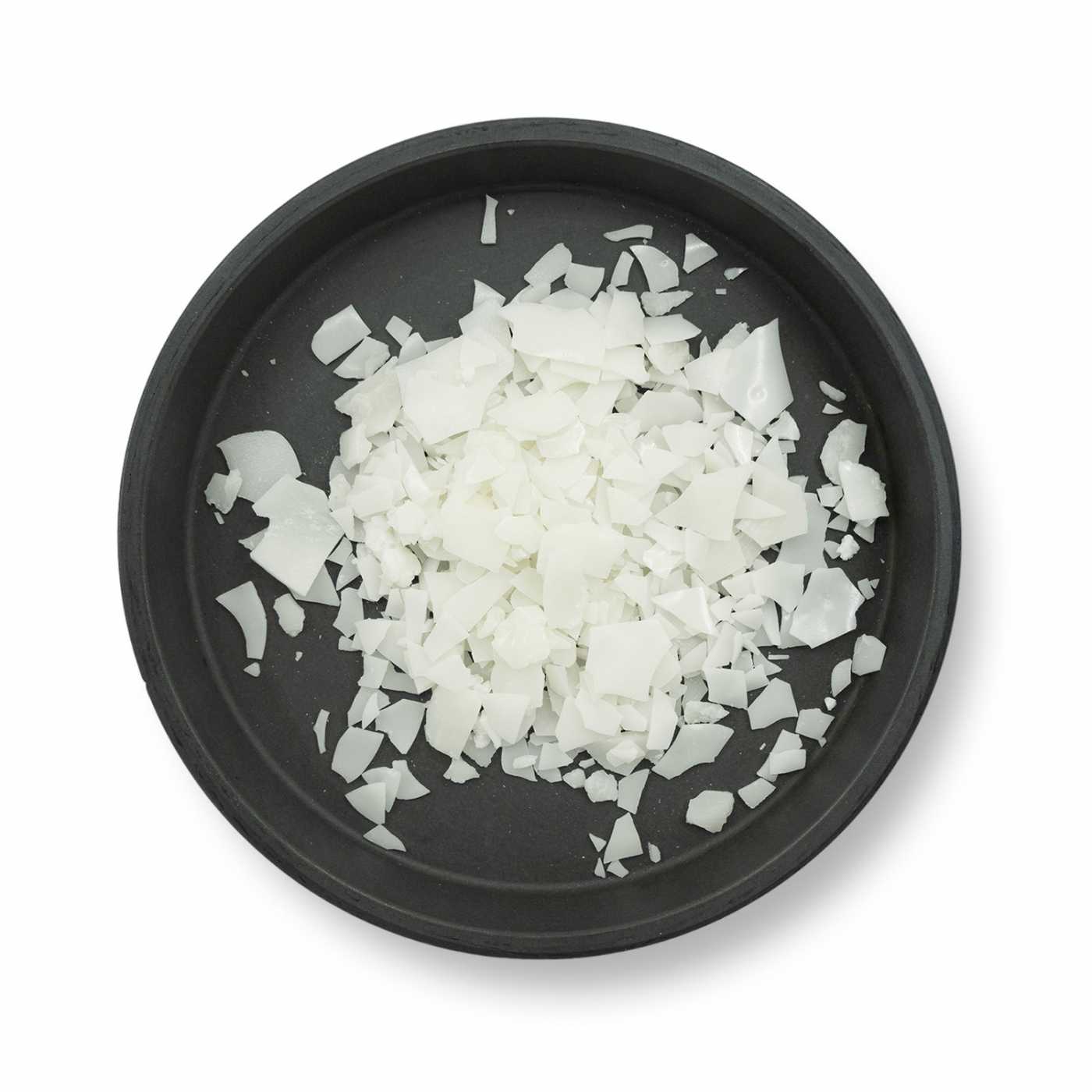
Cetyl alcohol is a fatty alcohol of plant origin that gives creams and lotions thickness and body while also improving their spreadability . full description
Lowest price in the last 30 days: €1.99
Cetyl alcohol is a fatty alcohol of plant origin that gives creams and lotions thickness and body while also improving their spreadability. In an emulsion it works as a co-emulsifier: it thickens the emulsion and stabilises it alongside the main emulsifier. On the skin it acts as an emollient, softening it and leaving it smooth, without heaviness or stickiness.
It is used in face and body creams, hair conditioners, lip balms and solid anhydrous products. It suits both rinse-off and leave-on products, including cosmetics for sensitive and baby skin. In formulations you may also find it under the names hexadecanol or palmityl alcohol.
It builds the thickness of a cream together with the emulsifier. In an emulsion the fatty alcohol forms a gel network with it, which gives the cream its consistency and stability. The emulsion is thicker even when it contains little oil.
Cetyl alcohol cannot replace an emulsifier. Always combine it with a full emulsifier, for example Cetearyl Olivate and Sorbitan Olivate, Sorbitan Stearate or Glyceryl Stearate with a surfactant. An emulsion without one will separate.
Its second role is the feel during application. A cream with cetyl alcohol glides over the skin and spreads easily, which is especially appreciated in light emulsions with a small oil phase. A lotion thickened with wax, by contrast, tends to be sticky and difficult to spread.
The recommended usage rate is 1–10%; in common formulations it most often sits at around 2%. The amount depends on the type of product:
Cetyl alcohol belongs in the oil phase. It is melted in a water bath together with the oils, butters and emulsifier. It melts at 48–50 °C and is processed above 50 °C.
In emulsions, the temperature of both phases is decisive. Both the oil phase and the water phase should be heated above the melting point when combined. In a cooler water phase, cetyl alcohol can solidify prematurely and leave grains in the cream.
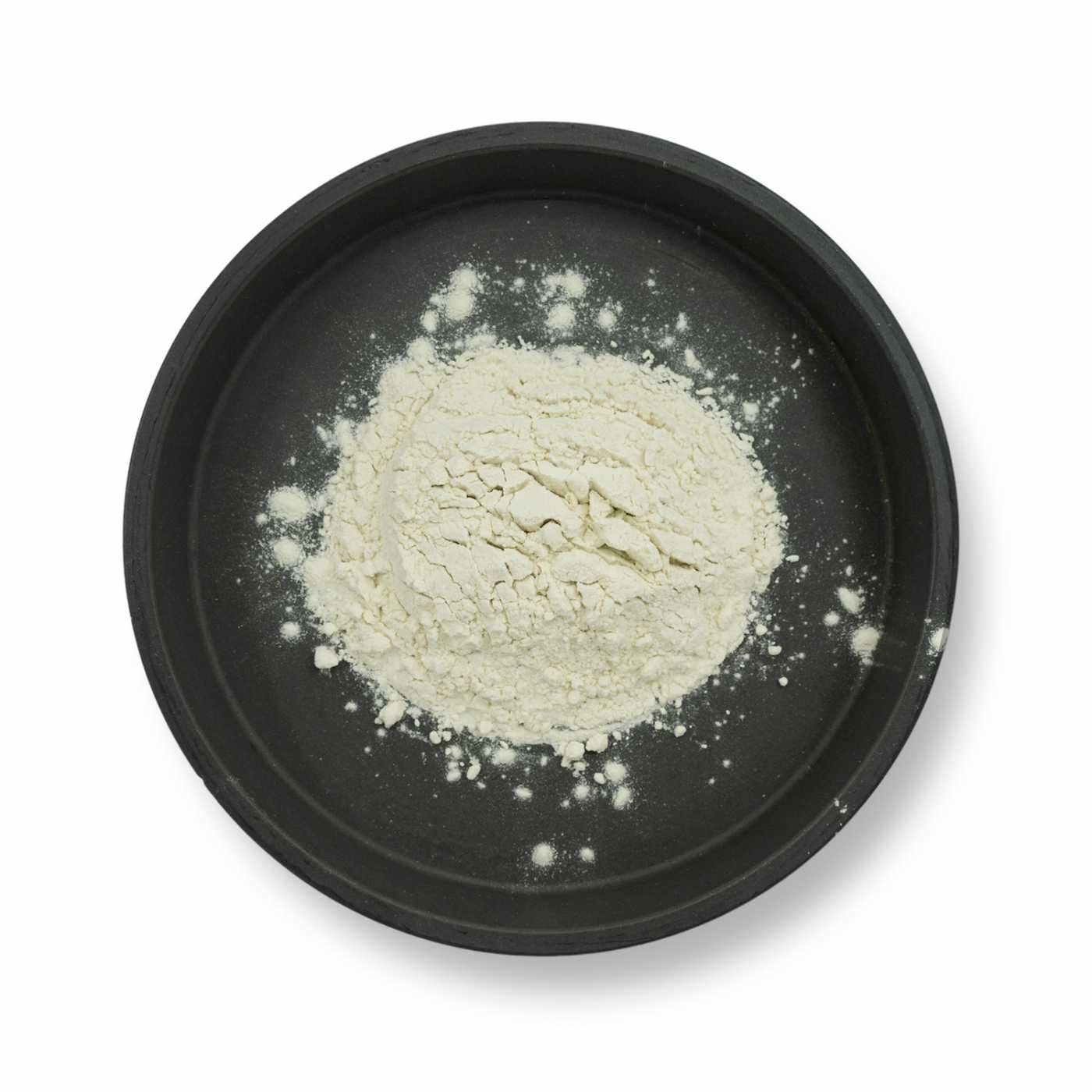
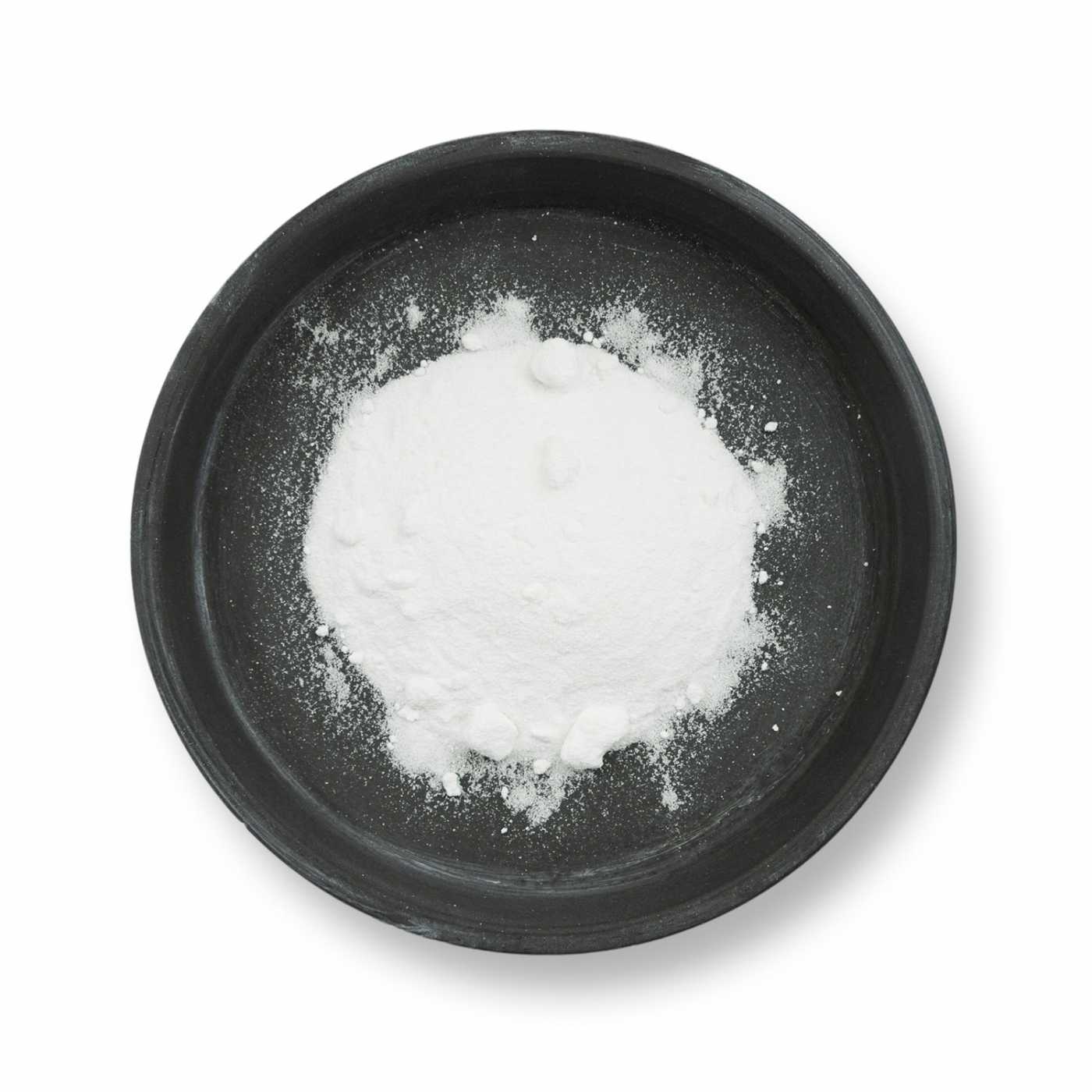
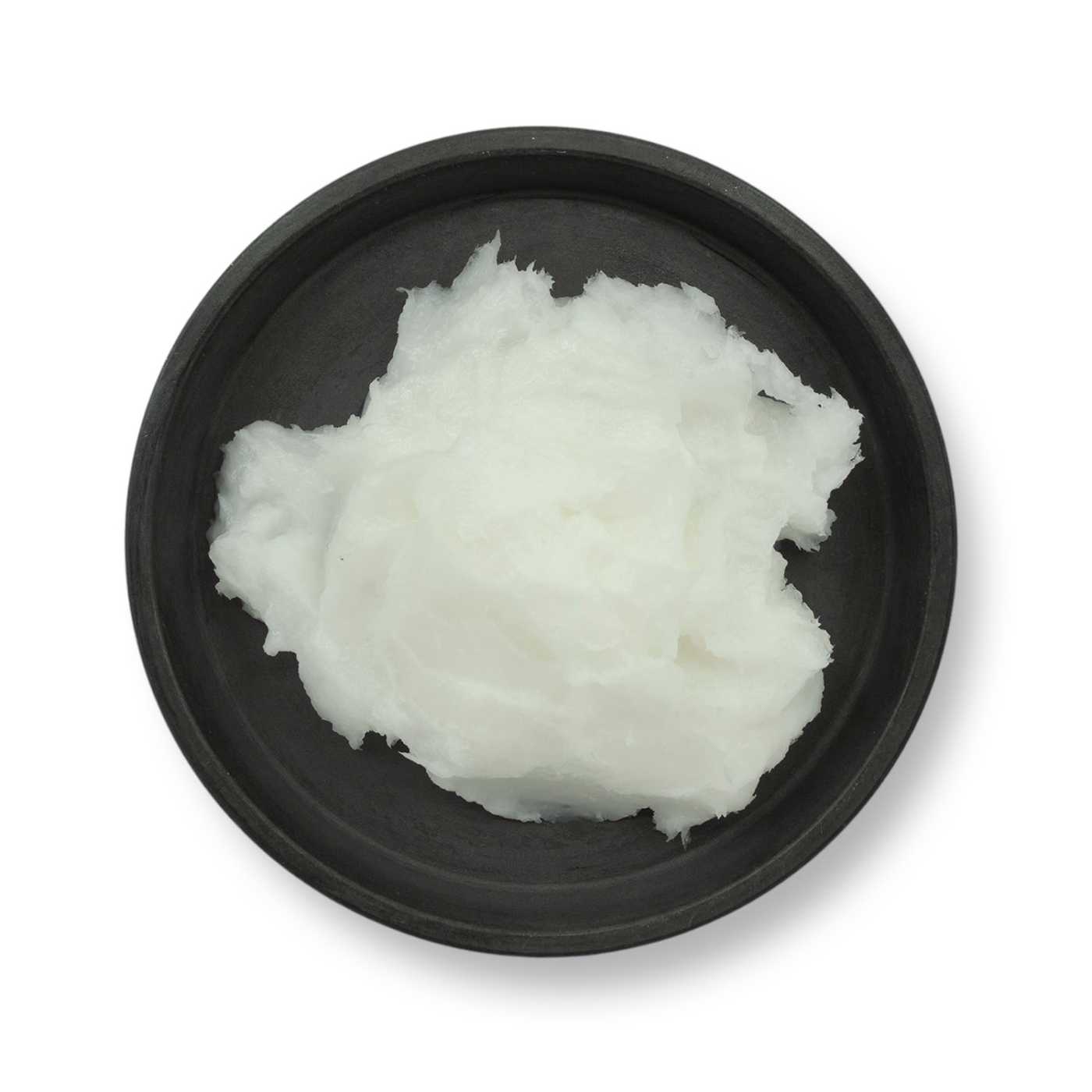
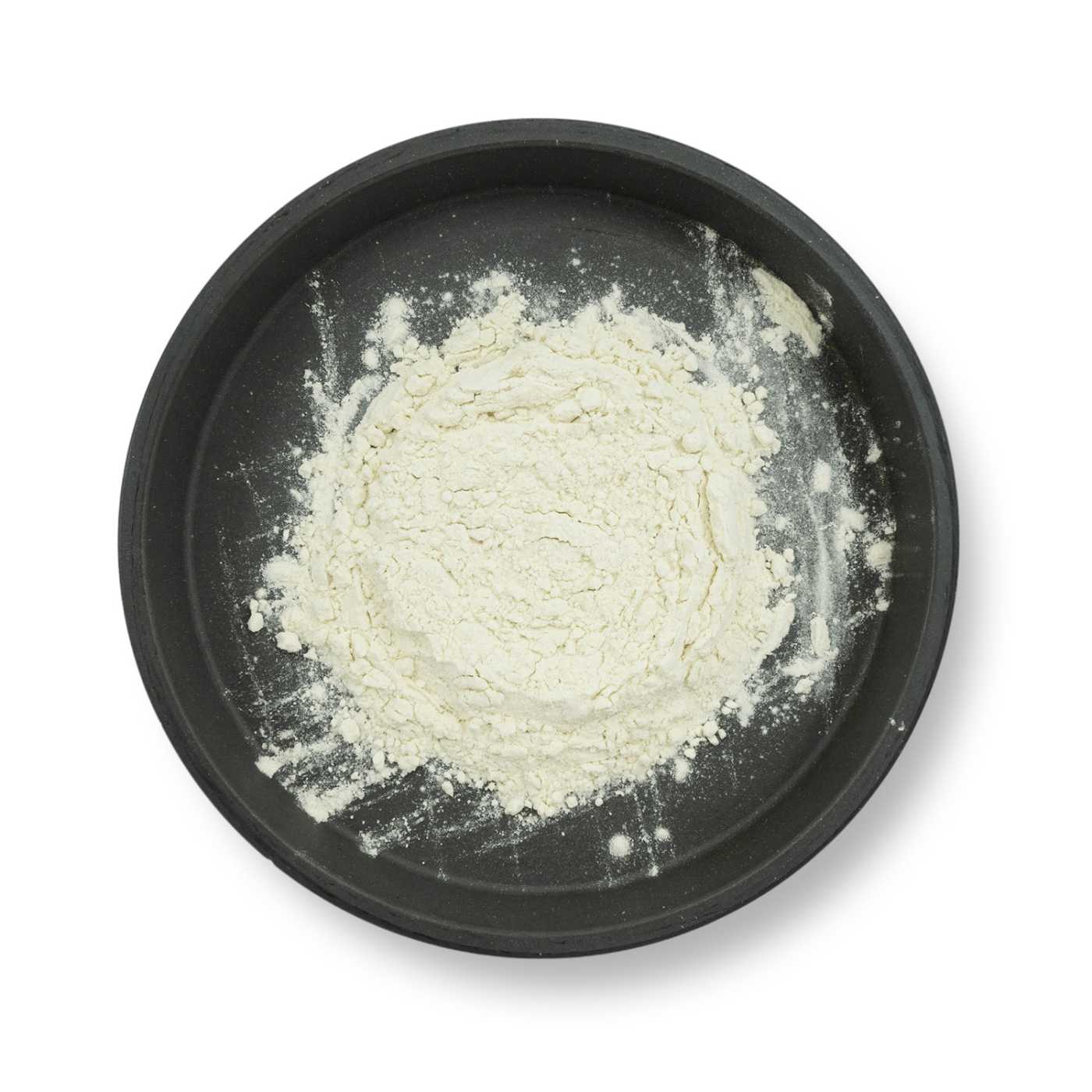
It is insoluble in water, mixes with oils and dissolves only partially in alcohol. It is not suitable for water-based gels, toners or other products without an oil phase. The raw material is solid, white and odourless.
In formulations it is often combined with glycerine, panthenol, tocopherol, squalane, Caprylic/Capric Triglyceride and with cocoa or mango butter.
In body butters and solid sticks it can replace part of the wax. The product keeps its firmness, but glides better on the skin and feels silkier.
In solid conditioners it is used at a higher rate. There it is combined with a cationic conditioning agent and oils.
The consistency of an emulsion keeps changing after production. During the first days the cream thickens and reaches its final form after roughly a week.
Assess the viscosity of a cream only a week after production. Adjusting the formulation the very next day may lead to a result that is too firm.
With longer storage the gel network can weaken and the emulsion may thin out. For this reason, check the stability of a new formulation over the long term.
Emulsions with an ionic surfactant require caution. Pure fatty alcohol in them may initially give a semi-solid cream that liquefies during storage. A blend of C16 and C18 alcohols, or a combination with another co-emulsifier, tends to be more stable.
The closest substitute is cetearyl alcohol. The result with it is heavier and thicker, and in anhydrous products both the consistency and the skin feel change after the swap.
Under the CLP regulation, cetyl alcohol is not classified as a hazardous substance and it is readily biodegradable.

quality product — I'm happy with the product, I add it when making body cream
Translated automatically


Variant: Cetyl alkohol, 200 g