Active Aqueous Extract of Horse Chestnut, Organic, 100 ml
Pre-order€6.19(€61.90/l)

CO2 Extracts
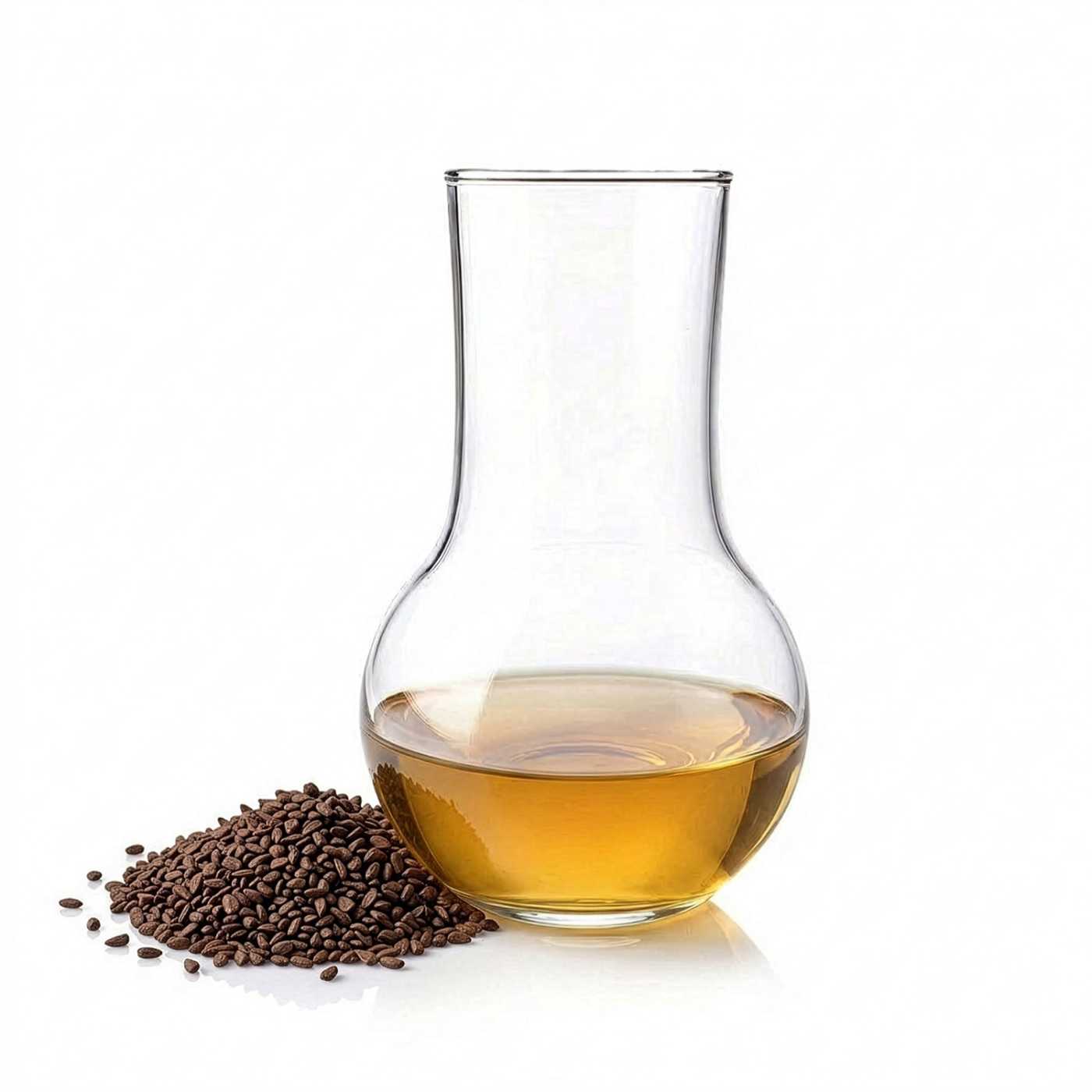
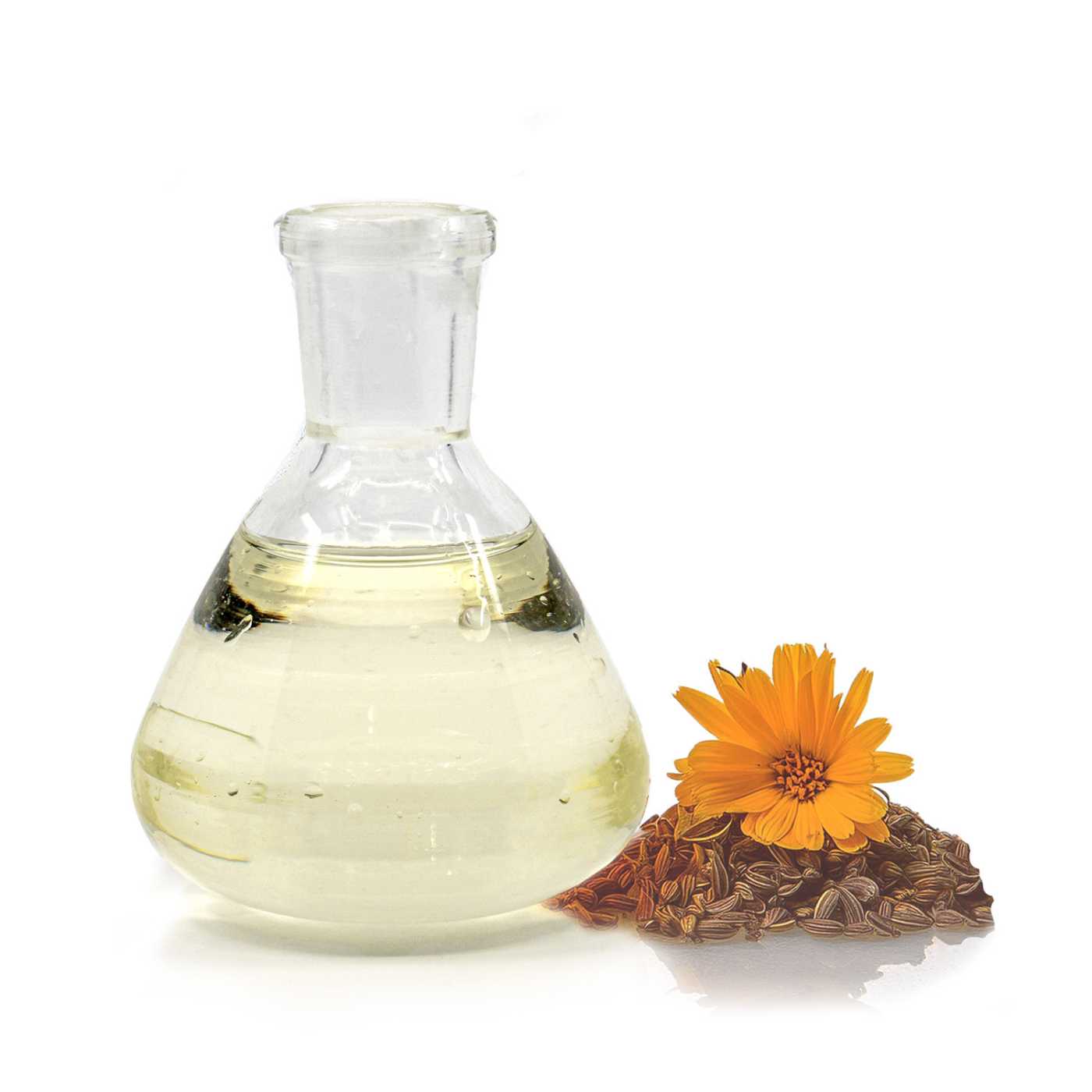
Evening primrose seed CO2-to extract is a fatty oil obtained from the seeds of common evening primrose (Oenothera biennis) by carbon dioxide extraction. full description
Lowest price in the last 30 days: €19.99
Evening primrose seed CO2-to extract is a fatty oil obtained from the seeds of common evening primrose (Oenothera biennis) by carbon dioxide extraction. It is rich in linoleic acid and gamma-linolenic acid, two omega-6 fatty acids for which evening primrose is used in the care of dry, irritated and sensitive skin.
It softens the skin and supports its protective barrier. It is handled like a vegetable oil, but it is added to the formulation only after cooling.
The main component is linoleic acid, which makes up 65–78% of the extract. It is one of the essential unsaturated fatty acids and a building block of ceramides. Ceramides maintain the skin barrier, which protects the skin from water loss.
The second important component is gamma-linolenic acid at 8–13%. It is rare in vegetable oils, and evening primrose is one of its best-known sources. The extract also contains oleic, palmitic and stearic acid.
In a product, the extract acts as an emollient. It softens and smooths the skin surface and supports skin hydration.
After harvest, the seeds are dried, ground and extracted with supercritical carbon dioxide. As a result, the raw material contains no solvent residues. Producing 1 kg of extract requires 4.5–5.3 kg of seeds.
The extract differs from cold-pressed evening primrose oil in the way it is obtained. In pressing, the oil is squeezed out of the seeds mechanically, whereas in extraction it is released from the seeds by carbon dioxide. Its fatty acid composition corresponds to evening primrose oil, and it is handled in a formulation in the same way.
The origin of the raw material is known. The seeds come from cultivated evening primrose grown in China, and the extract is produced in Germany. It is stabilised with 0.1% rosemary extract as a natural antioxidant and contains no preservatives.
The extract holds several certificates. It is approved for natural cosmetics under the COSMOS (ECOCERT GREENLIFE) and NATRUE standards, has Halal and Kosher certificates and is suitable for vegans. It is of cosmetic and food grade, and as a source of essential fatty acids it is also used in food supplements.
The extract is insoluble in water and miscible with oils. It belongs in the oil phase and can be incorporated into water-based products only through an emulsion or with a solubiliser.
Add the extract only during the cooling phase, below 40 °C. Polyunsaturated fatty acids oxidise quickly when heated, so the extract is not heated together with butters and waxes.
The recommended usage rate in leave-on face and body products is 1–10%. In cream and serum recipes, 1–2% is used, most often 1%.
In recipes it is often combined with squalane, Caprylic/Capric Triglyceride, and macadamia, castor or hemp oil. It also appears together with Polyglyceryl-4 Oleate, allantoin and lavender essential oil.
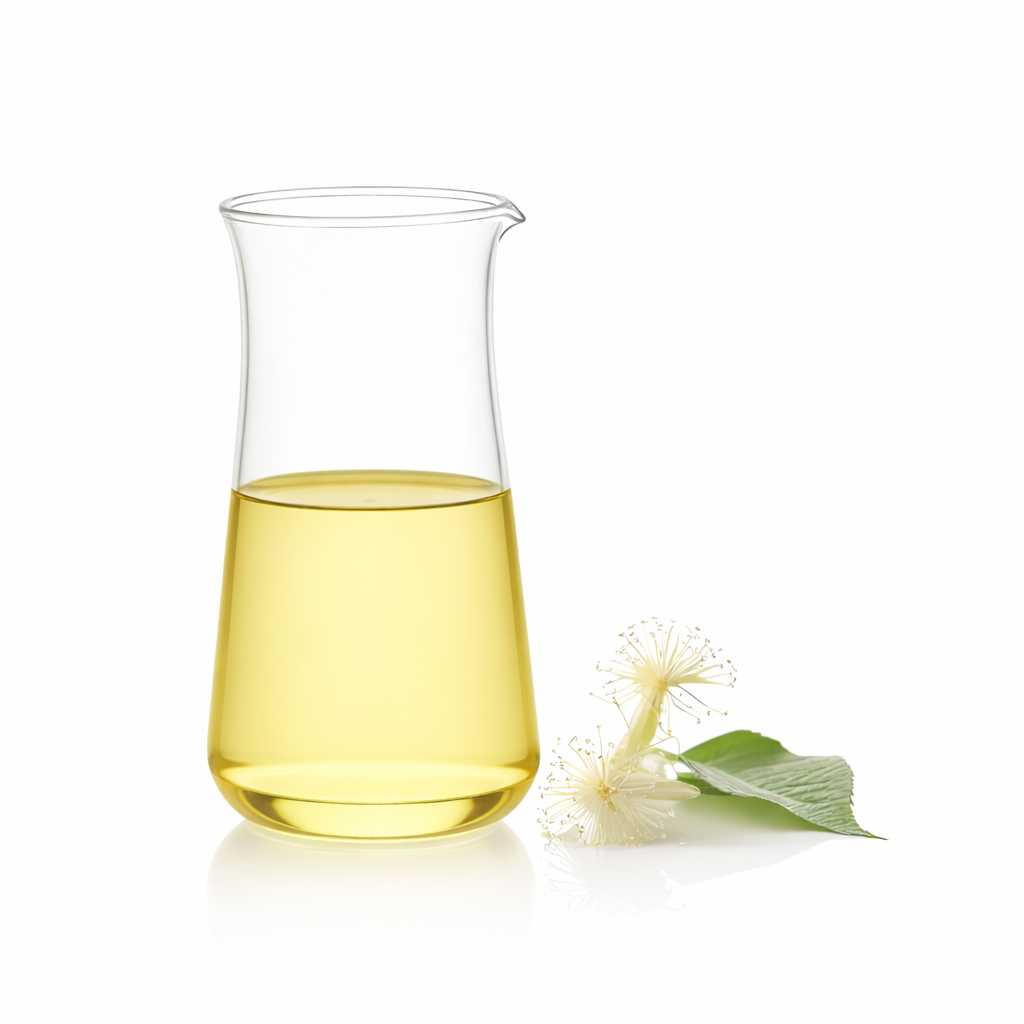
The extract is a clear oil of a yellow to green colour with a characteristic odour, which may also show in the finished product. It contains none of the declared fragrance allergens.
Evening primrose oil is more reactive and less stable than most fatty oils. In emulsions it oxidised faster than wheat germ oil or argan oil. Without an antioxidant, its peroxide content rose approximately 30-fold within a month at 20 °C and approximately 75-fold at 40 °C. Oxidation is revealed by a stale odour and a change in colour.
The raw material is stabilised with only a small amount of rosemary extract, so it is worth adding another antioxidant to the finished product. It is often combined with tocopherol. In emulsions, rose extract at 1–5% has also proved effective.