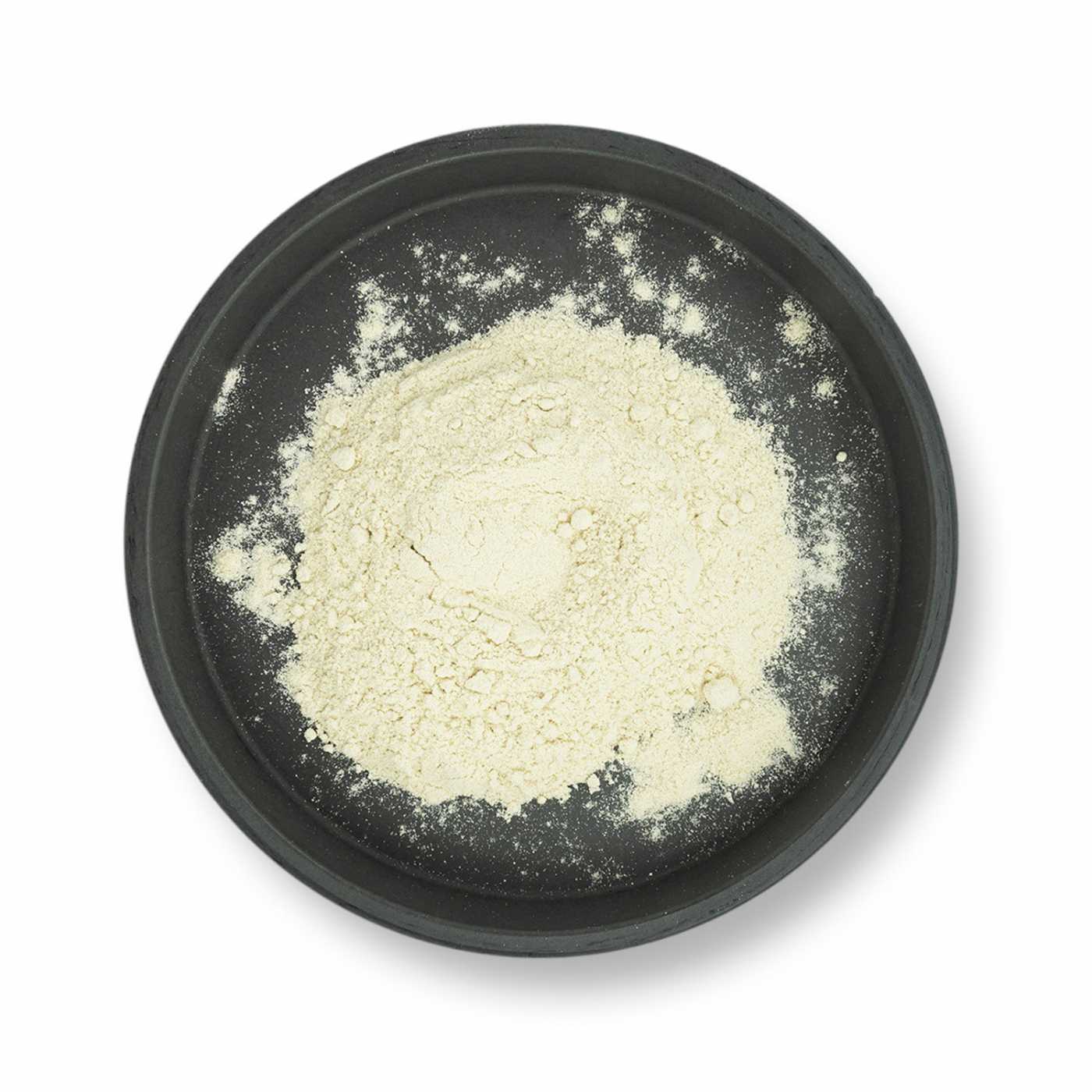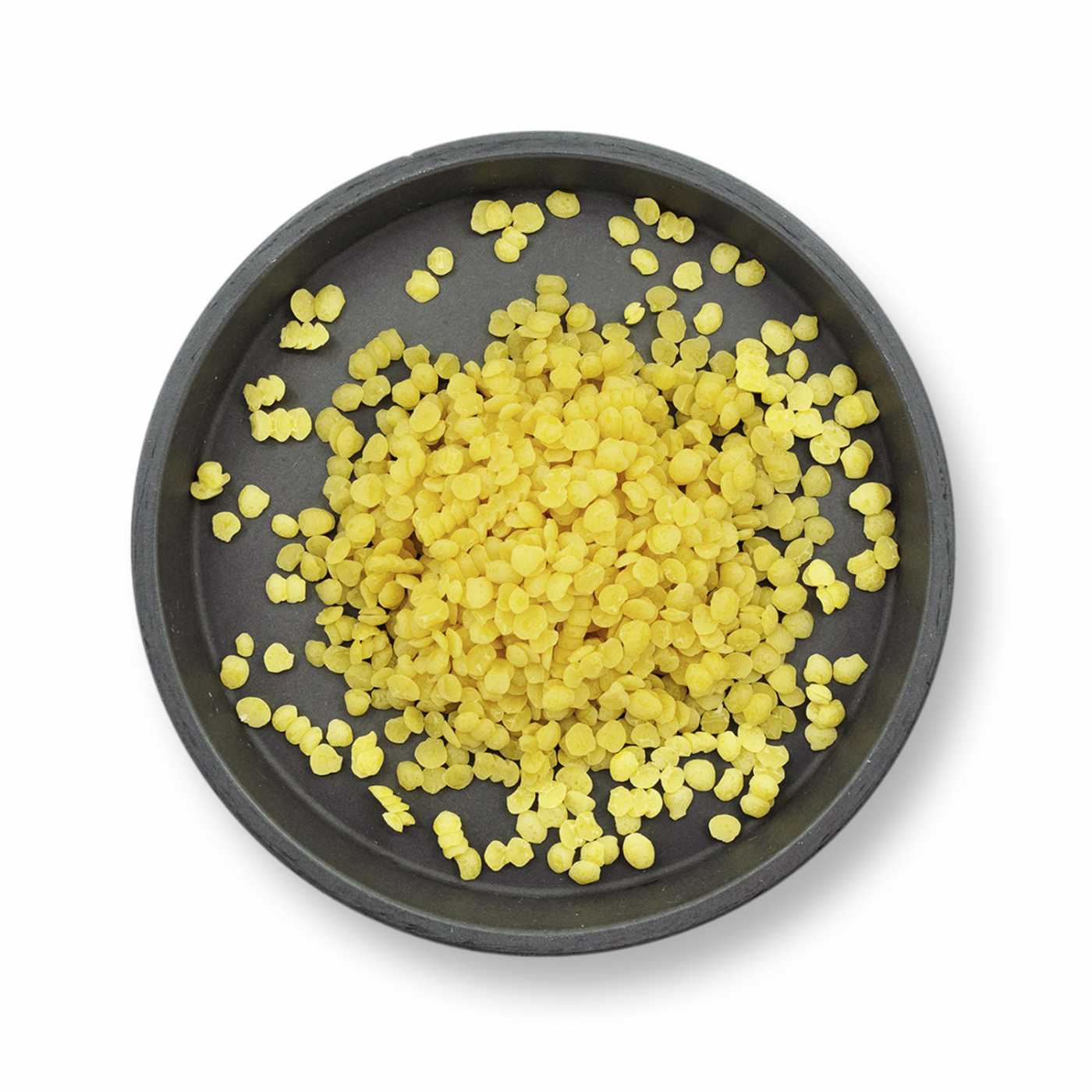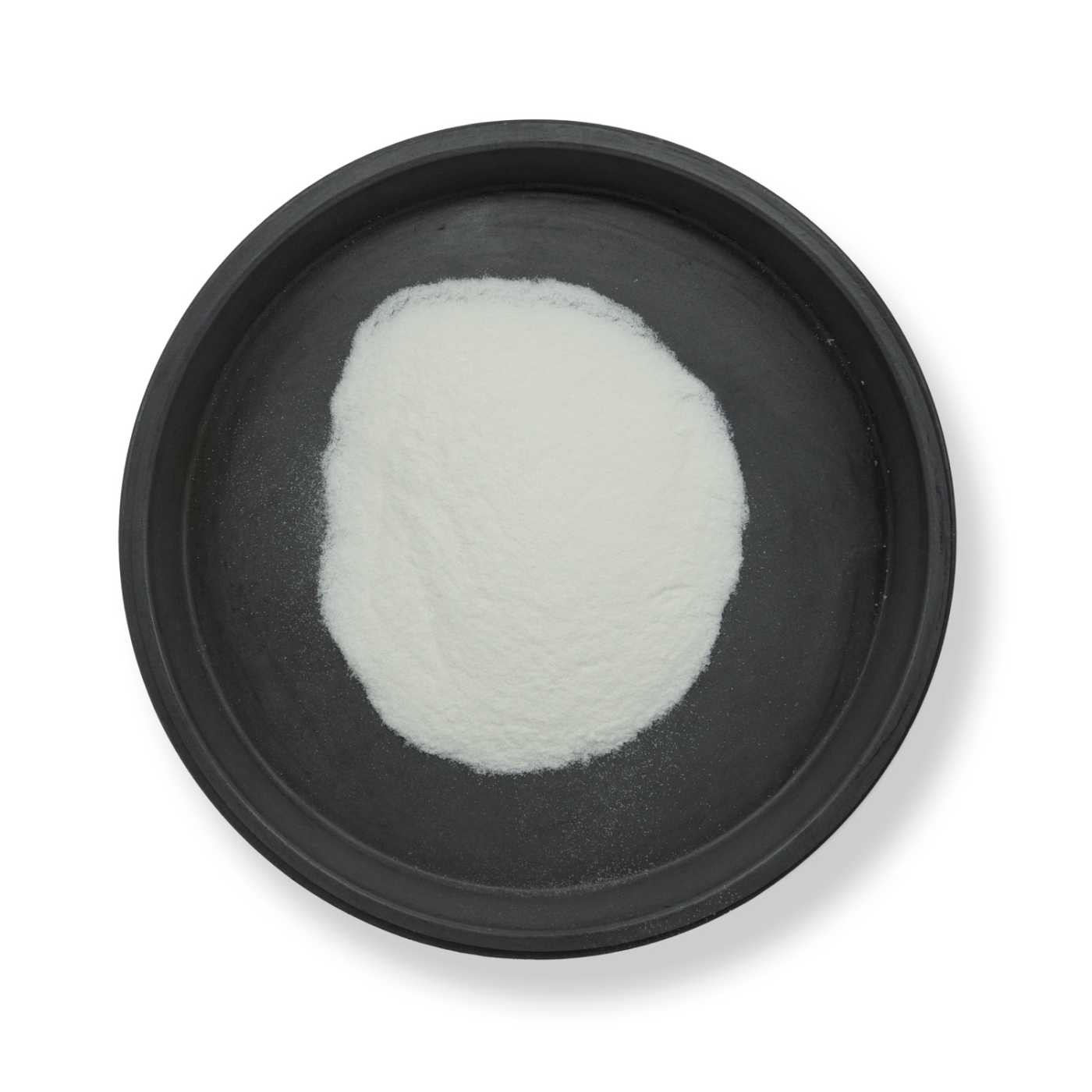
VIVASTAR CS 3005 XV, Caesalpinia Spinosa Gum, Xanthan Gum, 50 g
Pre-order€6.99(€139.80/kg)

CO2 Extracts
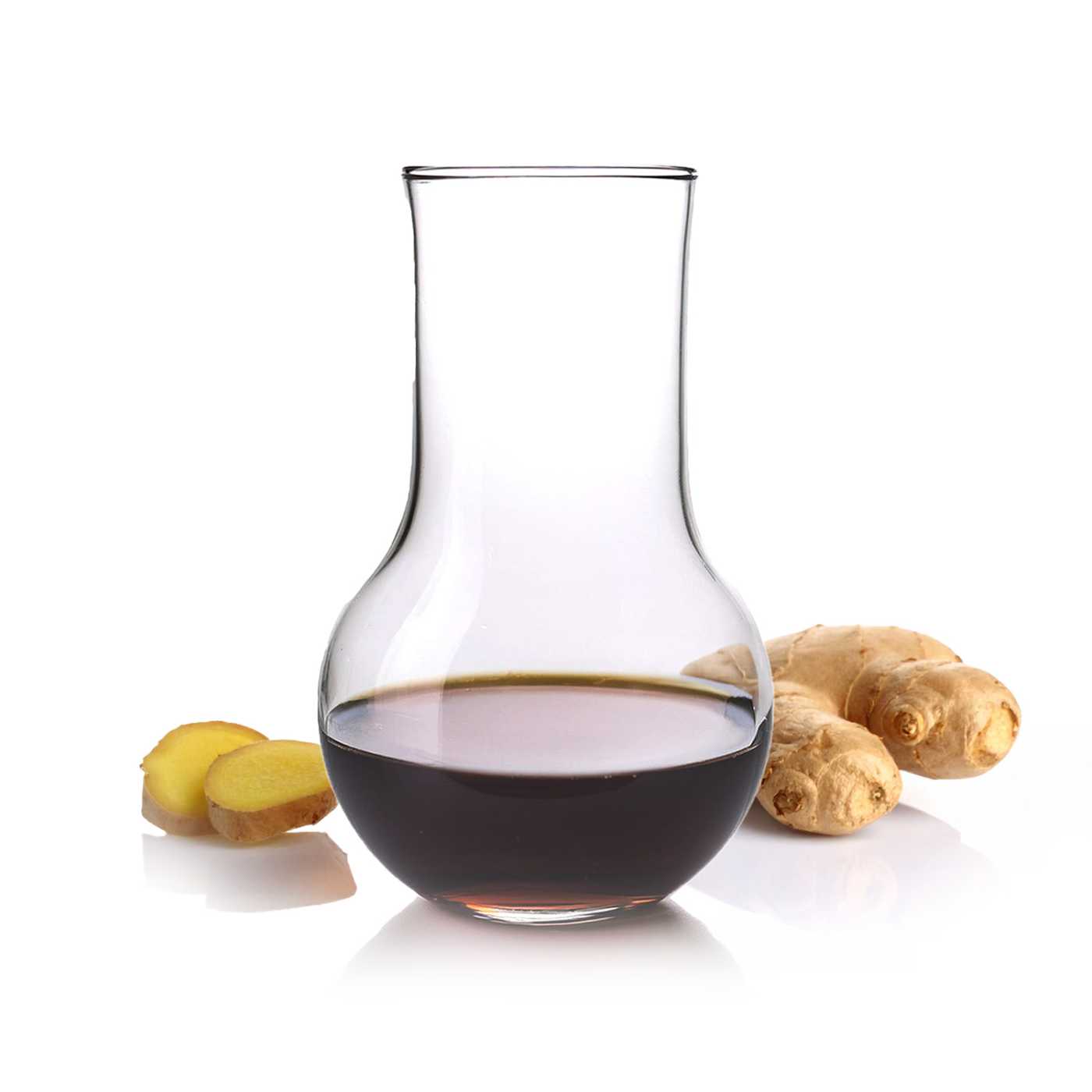
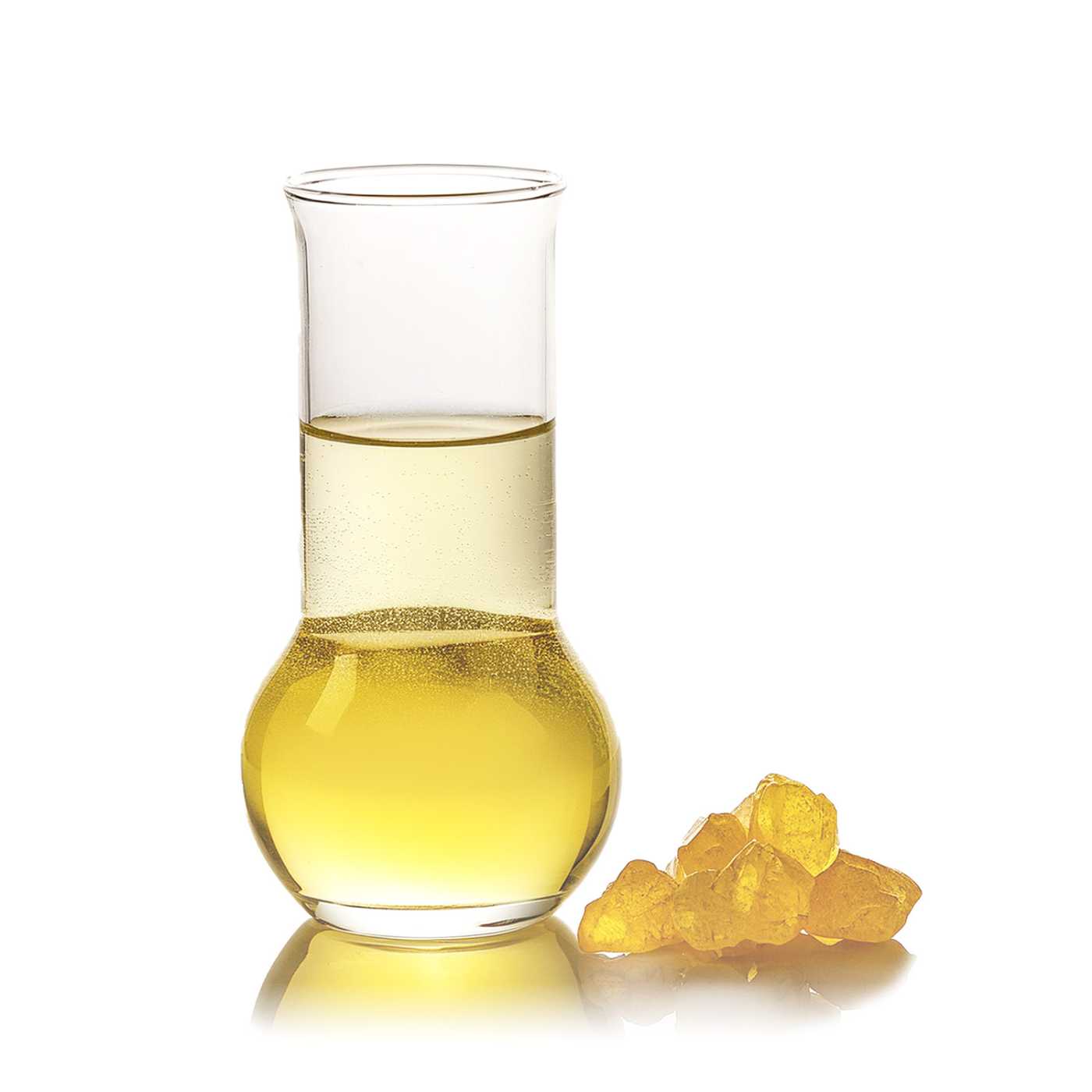
Ginger CO2-to extract, organic is an oil concentrate made from dried ginger root (Zingiber officinale) from organic farming , obtained by supercritical carbon dioxide extraction. full description
Lowest price in the last 30 days: €66.43
Ginger CO2-to extract, organic is an oil concentrate made from dried ginger root (Zingiber officinale) from organic farming, obtained by supercritical carbon dioxide extraction. It brings two things to a formulation at once: the antioxidant and anti-inflammatory action of gingerols and shogaols, and the distinctive, spicy-fresh scent of ginger. It is suitable for mature skin products, massage oils and bath blends, and also as a fragrance component of shower gels, shampoos and deodorants.
17–22 kg of root is processed per kilogram of extract. It is therefore handled as a concentrated raw material that is always incorporated into the finished product.
The extraction is carried out with natural carbon dioxide. The product contains no solvent residues, inorganic salts or heavy metals, and the raw material contains no viable microorganisms.
Its main strength is antioxidant protection. The manufacturer refers to studies according to which ginger, thanks to its antioxidant and anti-inflammatory properties, helps reduce the formation of wrinkles caused by UV radiation and protect the skin from premature ageing. This is why it is used in products for mature skin, in anti-ageing products and in sun creams as a supplementary active ingredient.
The literature cited by the manufacturer also attributes to ginger a boost to blood circulation and the associated relief of tension. Massage oils and relaxing baths thus combine traditional use with the typical warming scent.
The fragrance side also stands on its own. Ginger gives the product a warm, piquant and fresh citrus character, owing to its citral content. It has proved its worth in perfumes, deodorants, shower gels and shampoos.
The extract belongs in the oil phase. It dissolves in oils and fats and is insoluble in water. In emulsions it is incorporated together with the other oil-phase ingredients or added to the finished emulsion; in anhydrous products (massage oils, balms, bath oils) it is mixed in directly. In aqueous systems without an oil phase, such as toners or shower gels, a solubiliser is required.
The recommended processing temperature is below 40 °C. In emulsions it is therefore added at the end, when the mixture has cooled and is still being stirred. This way the volatile fragrance component is not lost unnecessarily.
It is suitable for leave-on and rinse-off products. The upper usage rate limit follows the current IFRA standard for the given finished product category. We recommend checking the final concentration on a sample for scent and skin tolerance.
The raw material is intended exclusively for incorporation into cosmetics, not for direct application to the skin or for undiluted use in aromatherapy. It is subject to CLP classification (GHS07, GHS08, GHS09 pictograms), so it must be handled in line with the safety data sheet and kept out of the reach of children.
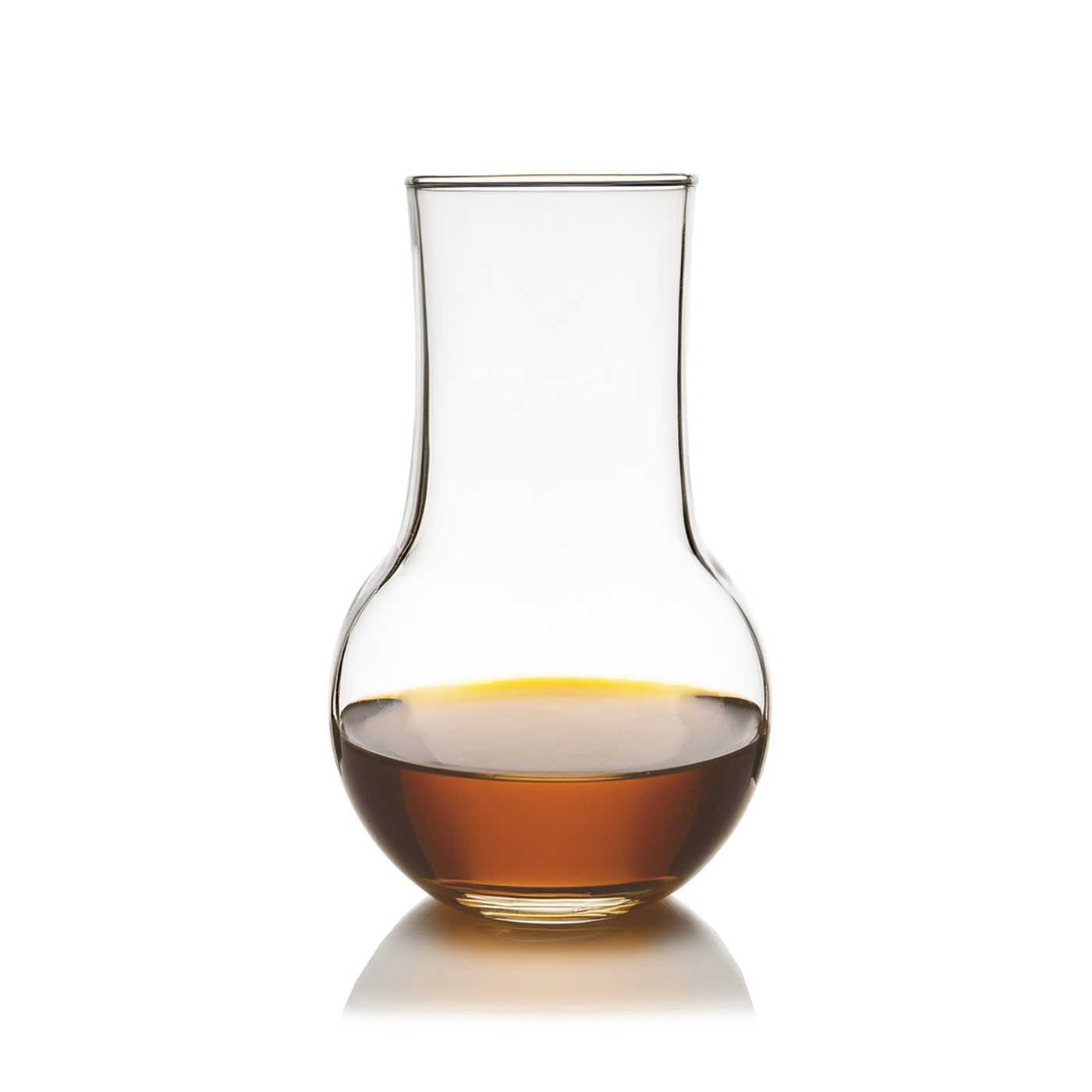
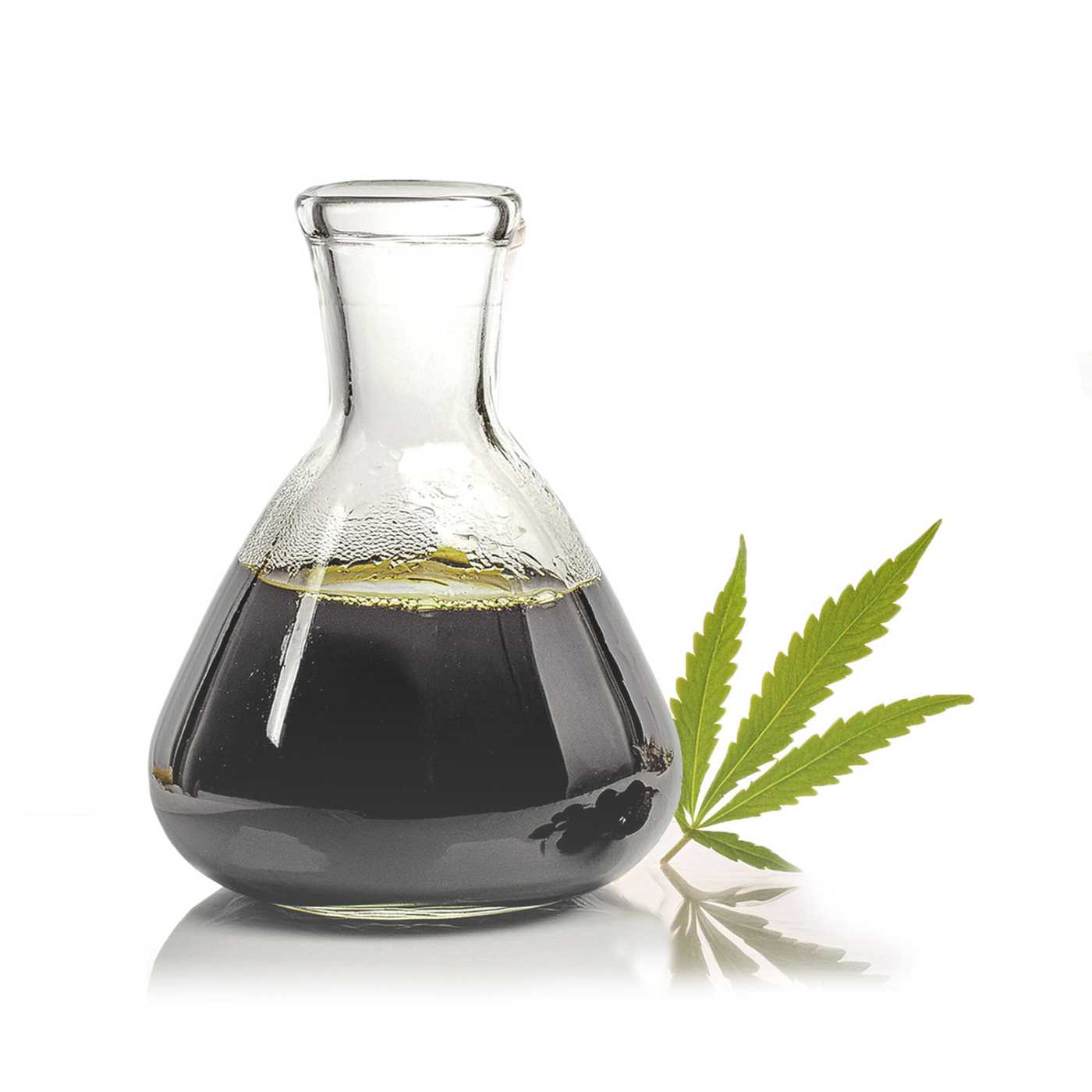
The brown colour of the extract may affect the shade of the product in white and light-coloured emulsions. At a higher usage rate, we recommend testing the shade on a small batch.
The product contains fragrance allergens under Annex III of Regulation (EC) No 1223/2009. Typically these are citral up to 3%, pinenes up to 1%, geranyl acetate and limonene up to 0.4%, terpineol up to 0.3%, farnesol and geraniol up to 0.25%, linalool up to 0.2% and citronellol up to 0.15%, and in smaller amounts camphor, terpinolene, beta-caryophyllene, isoeugenol, vanillin and alpha-terpinene. A substance must be listed in the ingredients of the finished product if its concentration exceeds 0.01% in a rinse-off product or 0.001% in a leave-on product. For citral, this limit is reached even at a low usage rate of the extract.
When calculating the allergen declaration, start from the upper values given for the individual substances and from the usage rate of the extract in the finished product.
The raw material is certified organic (DE-ÖKO-013), holds the COSMOS certificate (100% certified ingredients under the COSMOS standard), and has halal and kosher certificates. It is both food grade and cosmetic grade, contains no materials of animal origin, and was not produced using GMOs or treated with ionising radiation.
Ginger essential oil obtained by distillation contains only the volatile fragrance component. CO2 extraction captures, in addition to the essential oil, the non-volatile pungent compounds, gingerols and shogaols, which carry the antioxidant and anti-inflammatory action. This extract is therefore used as an active ingredient, and at the same time it has a more pronounced, rootier and more pungent character than the essential oil alone. When replacing one with the other, you cannot keep the same usage rate or expect the same effect.

Variant: Zázvor CO2-to extrakt BIO, 10 ml
Product received as per my order. The characteristic ginger smell is definitely present. I am currently using it in a massage oil blend, which does not yet allow me to accurately assess its own effect or fully judge its quality. A more complete review will require more time.
Translated automatically

Variant: Zázvor CO2-to extrakt BIO, 10 ml
The organic ginger CO2-to extract (Flavex) impresses above all with its intense pungent component, which - dosed sparingly - can be used versatilely in the food sector. Even though handymade does not sell the organic CO2 extracts for flavoring food, these extracts from the manufacturer Flavex are explicitly intended for use in food. In this respect, we are dealing here with a "bureaucracy problem".
Translated automatically