+421 950 333 113info@handymade.store−10 %Shop now

CO2 Extracts

Pomegranate CO2-to Extract, Organic, 50 ml

Pack size10 ml50 ml

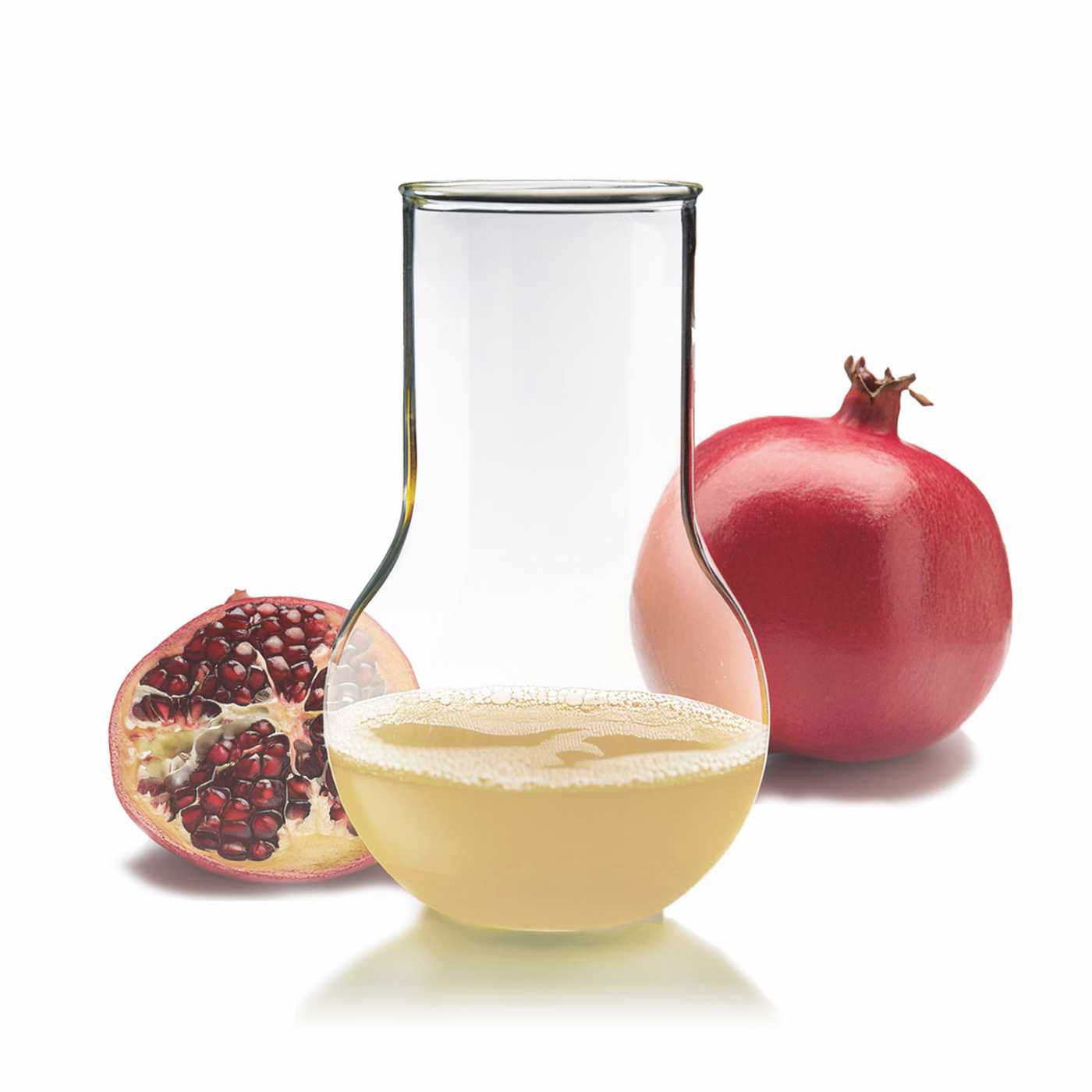
Pomegranate CO2-to extract, organic is an oil from pomegranate (Punica granatum) seeds that is rich in punicic acid , a fatty acid that is almost absent from common vegetable oils. full description

AvailabilityIn stock · 15 packs
Product codeCO090_050
Batch5621GJCTEB
Best before04/2028
€9.99incl. VAT€199.80/l

Lowest price in the last 30 days: €9.99

Product description

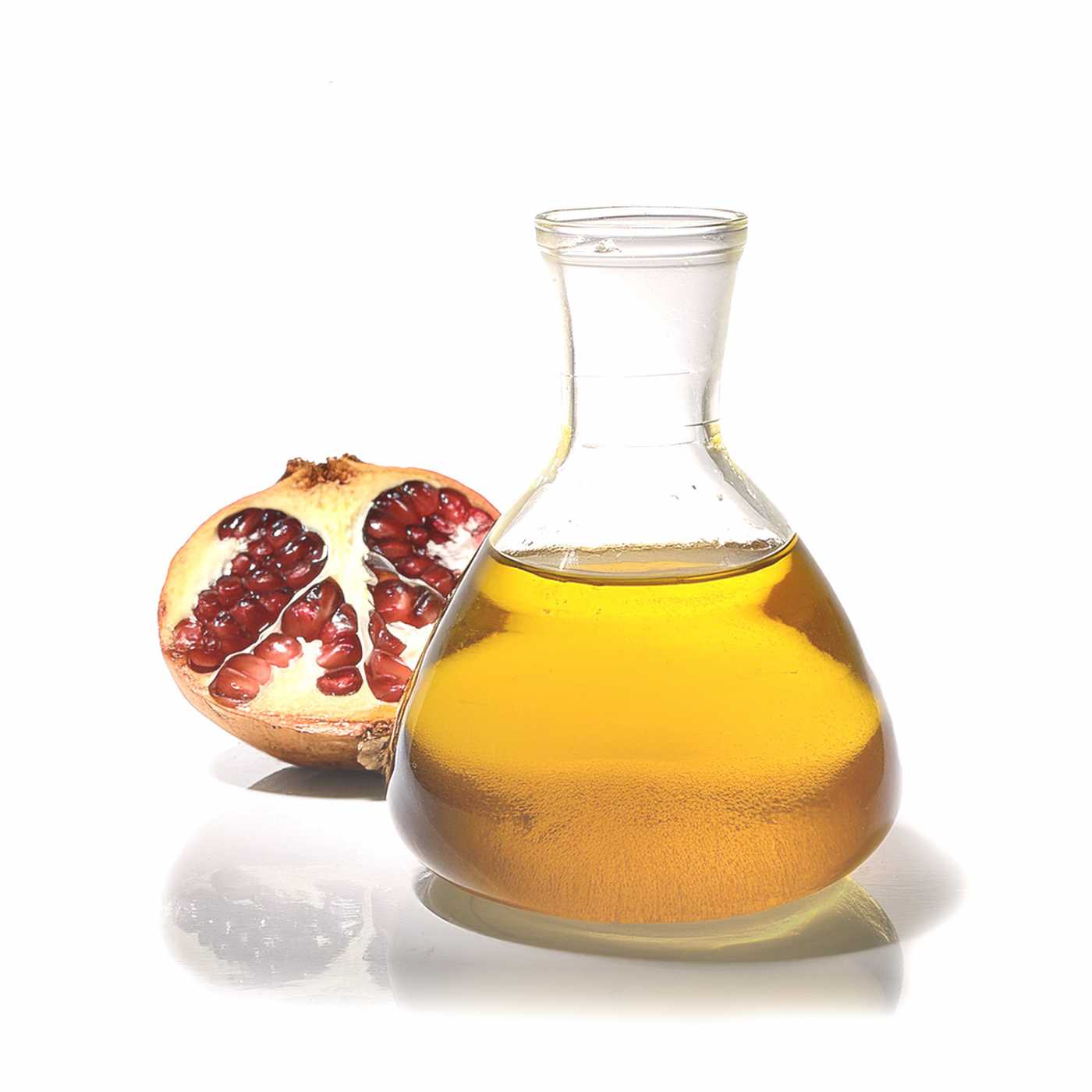
Pomegranate CO2-to extract, organic is an oil from pomegranate (Punica granatum) seeds that is rich in punicic acid, a fatty acid that is almost absent from common vegetable oils. In cosmetics it softens dry skin and replenishes its lipids. It is added to the oil phase of facial oils, serums and creams for dry, sensitive and mature skin.

The seeds come from organic farming. The extract is not diluted with a carrier oil and contains no solvent residues.


What the extract contains

The main component is punicic acid, a conjugated linolenic acid from the omega-5 group. It makes up more than 60% of the oil. It is accompanied by tocopherols, sterols and squalene.

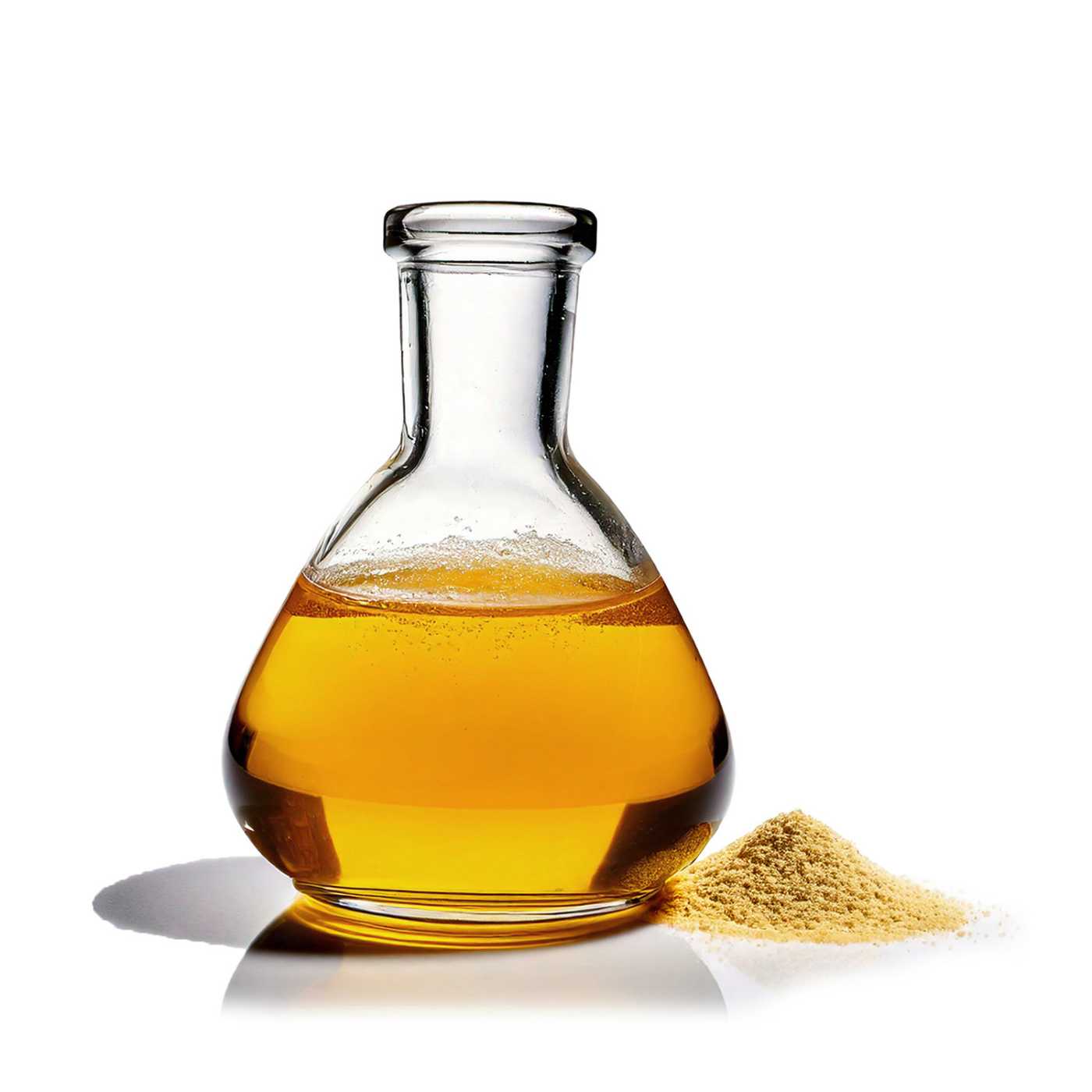
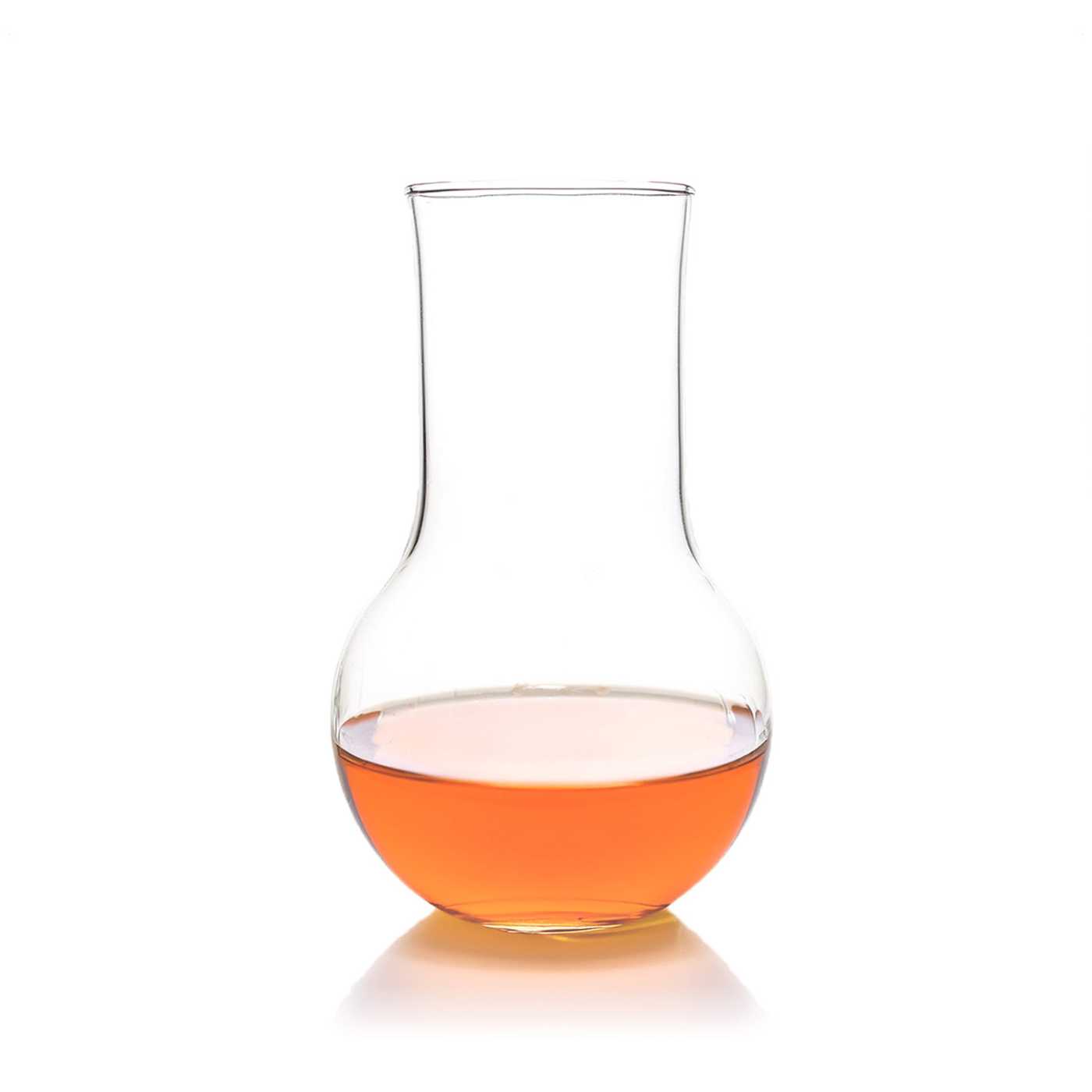
Extraction is carried out with supercritical carbon dioxide. It releases all fat-soluble components from the dried seeds and, once the pressure is released, evaporates from the extract without leaving any residue. Producing 1 kg of extract requires 8.5–12.5 kg of seeds. The result is a yellow oil with a characteristic scent, which is thick and viscous at room temperature.

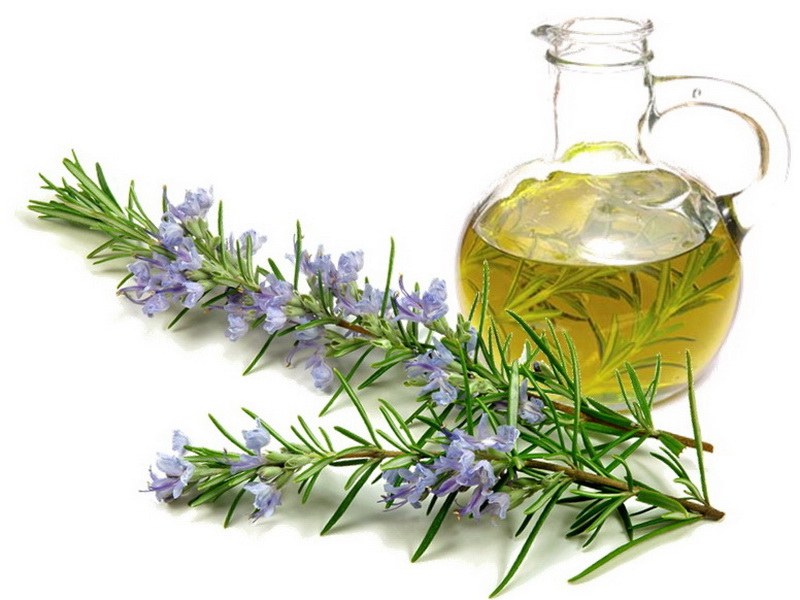
The stability of the oil is supported by rosemary leaf extract in an amount of no more than 0.1%. The raw material contains no other additives or excipients.


Key benefits

  • Emollient for dry skin – fatty acids soften and smooth the skin surface and ease the feeling of tightness.
  • Care for mature skin – in the technical literature, pomegranate seed oil is associated with supporting skin regeneration, improving its elasticity and reducing wrinkles.
  • Soothing sensitive skin – the literature also describes a soothing effect on irritated and dry skin.
  • Natural antioxidants – tocopherols and rosemary extract protect the oil against oxidation.
  • No additives – 100% of plant origin, free of fragrance allergens.

The effects on the skin are a summary of the technical literature. They may be based on in vitro or animal tests and do not apply to the finished product. The person placing the product on the market is responsible for the claims on the label.


Use in formulations

The extract is soluble in oils and fats and does not dissolve in water. It belongs in the oil phase of emulsions and in anhydrous products. In a water-based product without an emulsifier or solubiliser, it separates and floats on the surface.

The extract is processed at a temperature below 40 °C. It is mixed into oil serums cold.

In an emulsion, add the extract only during cooling; in a balm, add it after the melted mixture has cooled. Do not heat it together with waxes and butters.

The finished formulation can have a pH in the range of 3–10, which covers common facial and body products.


Suitable for products such as

  • facial oils and oil serums for dry and mature skin,
  • day and night face creams,
  • décolletage serums,
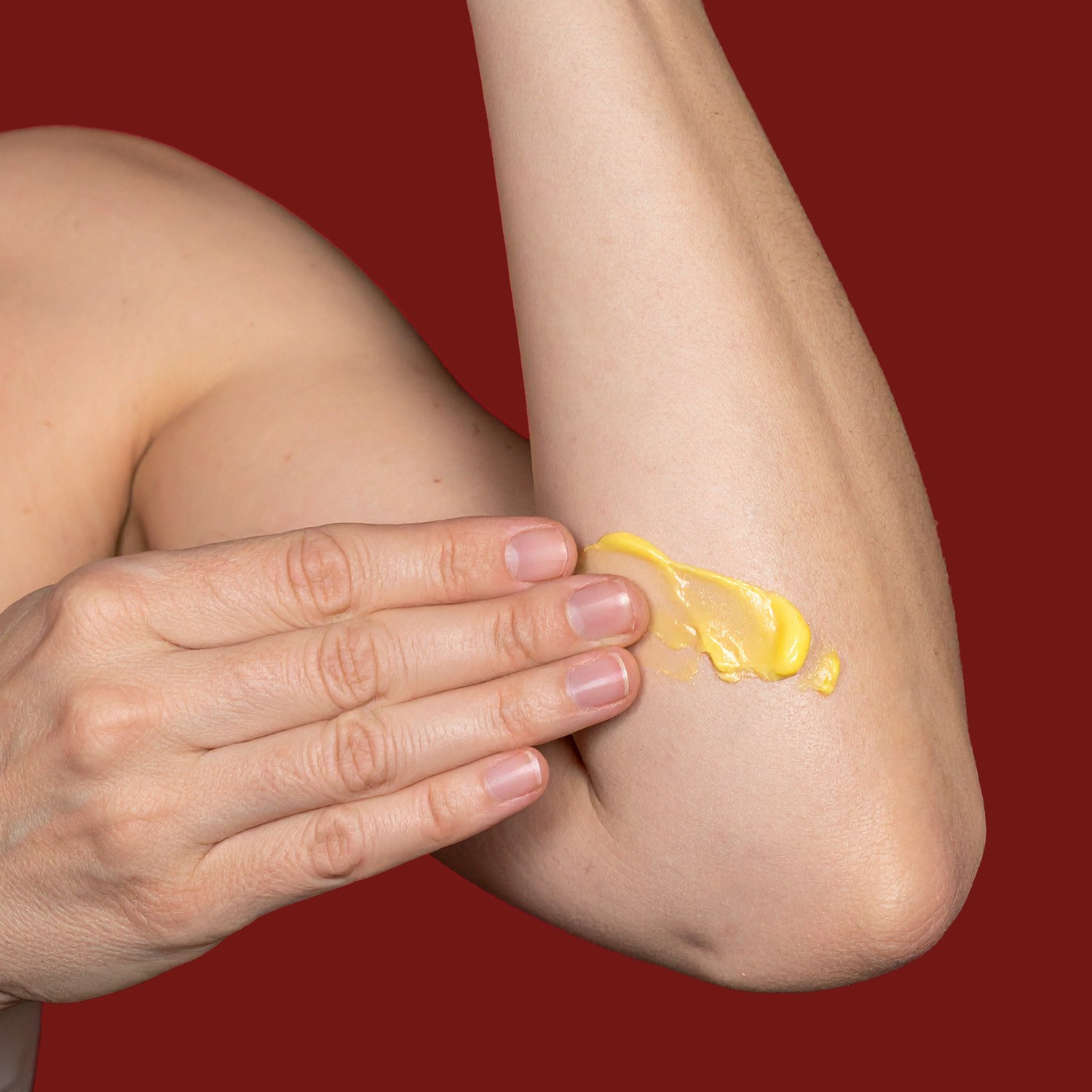
  • balms for dry patches, hands and elbows,
  • body oils and body lotions for dry and sensitive skin,
  • rinse-off products with an oil component, for example cleansing oils and balms.

Good to know

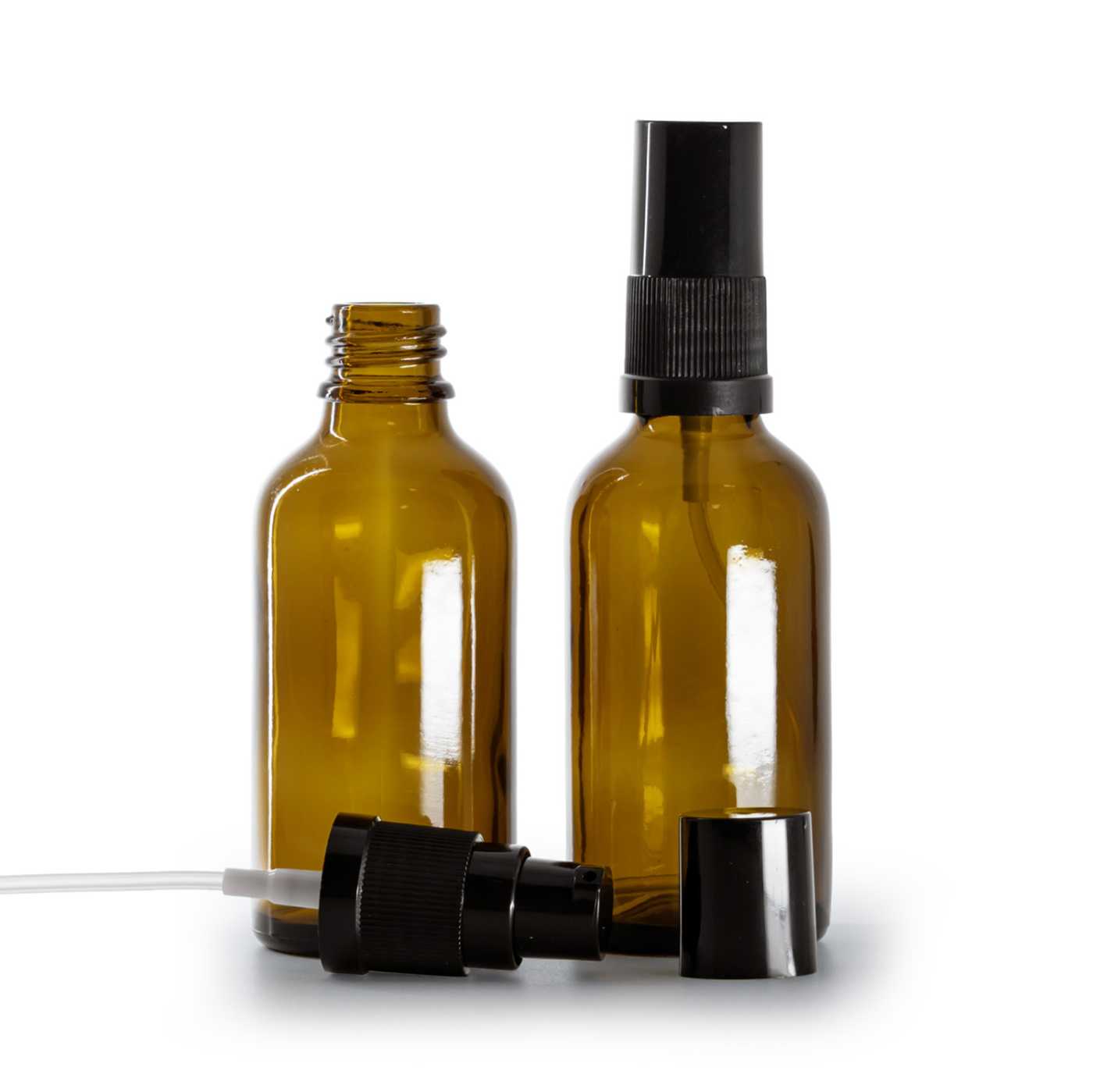
The oil oxidises easily. Punicic acid has conjugated double bonds and reacts more sensitively to oxygen, light and heat than common fatty acids. During production, it is worth limiting the contact of the oil with air. The finished product belongs in opaque packaging with little headspace.

The extract is a concentrated raw material intended for incorporation into a formulation. It is not applied to the skin undiluted.

Gloves and eye protection are recommended when handling the raw material. The flash point is above 65 °C, so the raw material should be kept away from flames and hot surfaces.

Rosemary extract is part of the raw material. In the ingredient list of the finished product, Rosmarinus Officinalis Leaf Extract is therefore declared alongside the pomegranate seed extract.

The raw material is both cosmetic and food grade. The organic certification is labelled DE-ÖKO-013, and the extract also holds Halal (Halal Certification Services) and Kosher (London Beth Din, KLBD) certificates. It contains no materials of animal origin.



Frequently asked questions

Is Pomegranate CO2-to extract, organic soluble in water?
No, the extract is soluble only in oils and fats and is practically insoluble in water. It is added to the oil phase of emulsions or to anhydrous products such as oil serums and balms. In a toner or gel without an emulsifier or solubiliser, it would separate and float on the surface.
When is pomegranate extract added to a cream?
The extract is added to a cream only during cooling, when the emulsion is below 40 °C. It is not heated together with the oil phase, because punicic acid is sensitive to heat and oxygen. The finished cream is filled into opaque packaging with little headspace, which protects the contents from light and air.
What is the difference between a CO2 extract and pressed pomegranate seed oil?
Both are pomegranate seed oils; they differ in how they are obtained. Pressed oil is squeezed out of the seeds mechanically. A CO2 extract is produced by extraction with supercritical carbon dioxide, which releases all fat-soluble components from the seeds and then itself evaporates completely from the extract. Pomegranate CO2-to extract, organic contains more than 60% punicic acid and is stabilised with rosemary extract.
Is Pomegranate CO2-to extract, organic suitable for sensitive skin?
Yes, the extract is suitable for products for sensitive and dry skin. It contains no fragrance allergens, and in the literature pomegranate seed oil is described as soothing for irritated skin. It is not applied to the skin undiluted; it is always incorporated into an oil, cream or balm.
Does an antioxidant need to be added to pomegranate extract?
The extract already contains an antioxidant. It is stabilised with rosemary leaf extract in an amount of no more than 0.1% and naturally contains tocopherols. The oil is nevertheless sensitive to oxygen, light and heat. Processing at a low temperature, limiting contact with air and using opaque packaging with little headspace will help the stability of the product.

Parameters

INCI
Punica Granatum Seed Extract, Rosmarinus Officinalis Leaf Extract
CAS No.
84961-57-9, 84604-14-8
EC number
284-646-0, 283-291-9
Product colour
Yellow
Country of origin
TürkiyeGermany
Processing method
CO2 extraction
Appearance
Oily liquid
Formulation phase
Oil phase
Recommended processing temperature
< 40 °C
Application area
FaceBodyHands
Recommended usage rate
1 – 10 %
Recommended formulation pH range
3 – 10
Application type
Leave-onRinse-off
Biodegradability
Readily biodegradable
Certifications
Organic certification
Natural Index (NI ISO 16128)
1,00
Manufacturer's certificate
HalalKosherCOSMOS Organic
Natural Origin Index (NOI ISO 16128)
1,00
Organic content
100 %
Renewable Carbon Content (RCC)
100 %
Volume
50 ml

Product documentation

CoACertificate of Analysis
batch 5621GJCTEBPDF ↓
batch 562109PDF ↓
batch 352409PDF ↓
TDSTechnical Data Sheet
Physical parameters and processingPDF ↓
IFRAIFRA Certificate
batch 562109PDF ↓
batch 352409PDF ↓
AllergensAllergen Declaration
batch 562109PDF ↓
SDSSafety Data Sheet
Available for purchased products —
Download all (ZIP)

7 PDF files in one archive

Learn how to work with it

From our blog
Veronika F.19 Nov 2026SK

Verified purchase

Kristína K.11 Nov 2026SK

Verified purchase

Kalliopi R.22 Oct 2026EN

Verified purchase

Katarína17 Sept 2026SK

Verified purchase

Jana20 Aug 2026CS

Verified purchase

(5 reviews)