+421 950 333 113info@handymade.store−10 %Shop now

BUTTERS 500 g

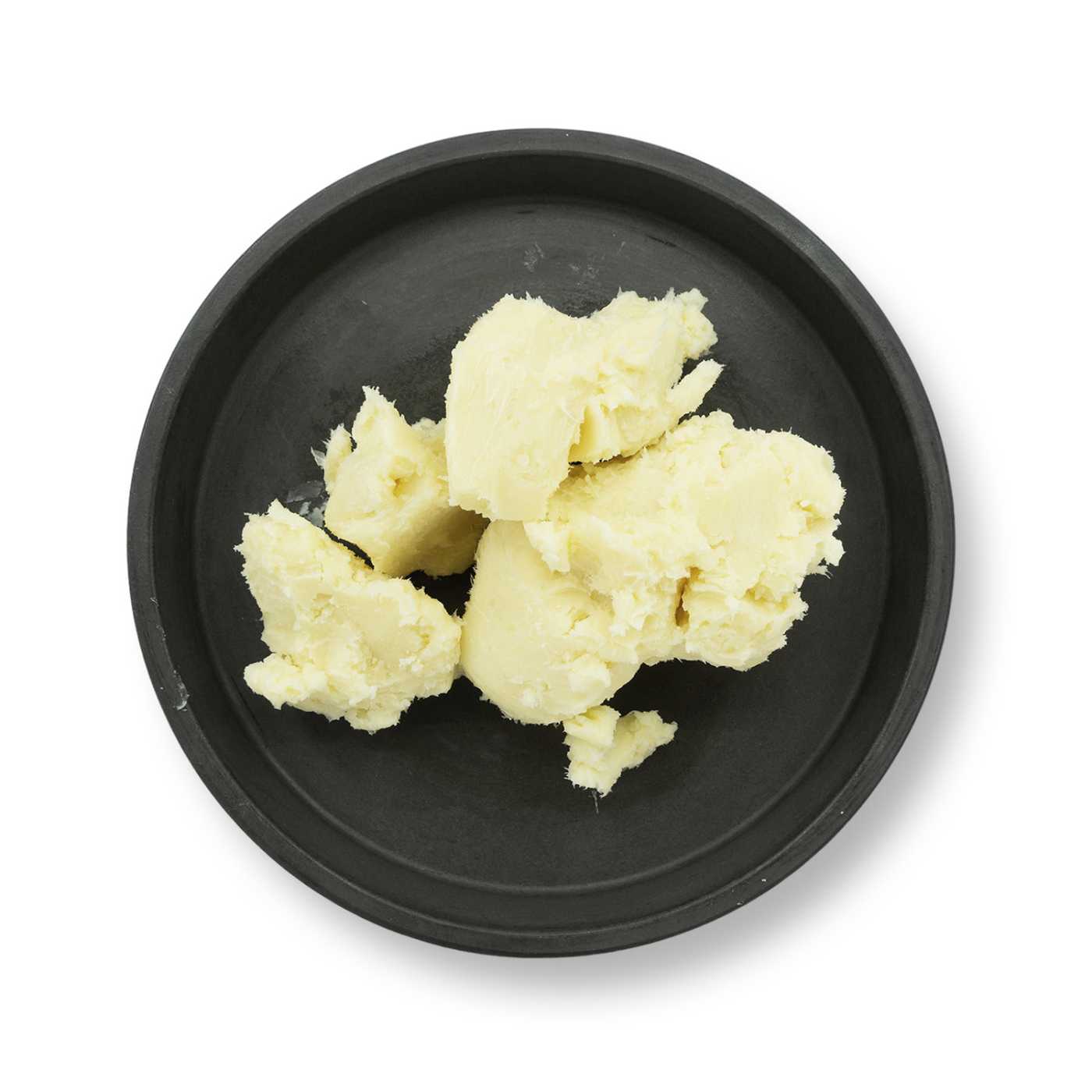
Cocoa Butter, Natural Unrefined, 500 g

Unrefined cocoa butter softens the skin, reduces moisture loss and gives balms, bars and body butters firmness . full description

AvailabilitySold out
Product codeBUT503_500
€30.09incl. VAT€60.18/kg

Lowest price in the last 30 days: €27.08

Availability watchThis variant is currently sold out.
Watch availability

Product description

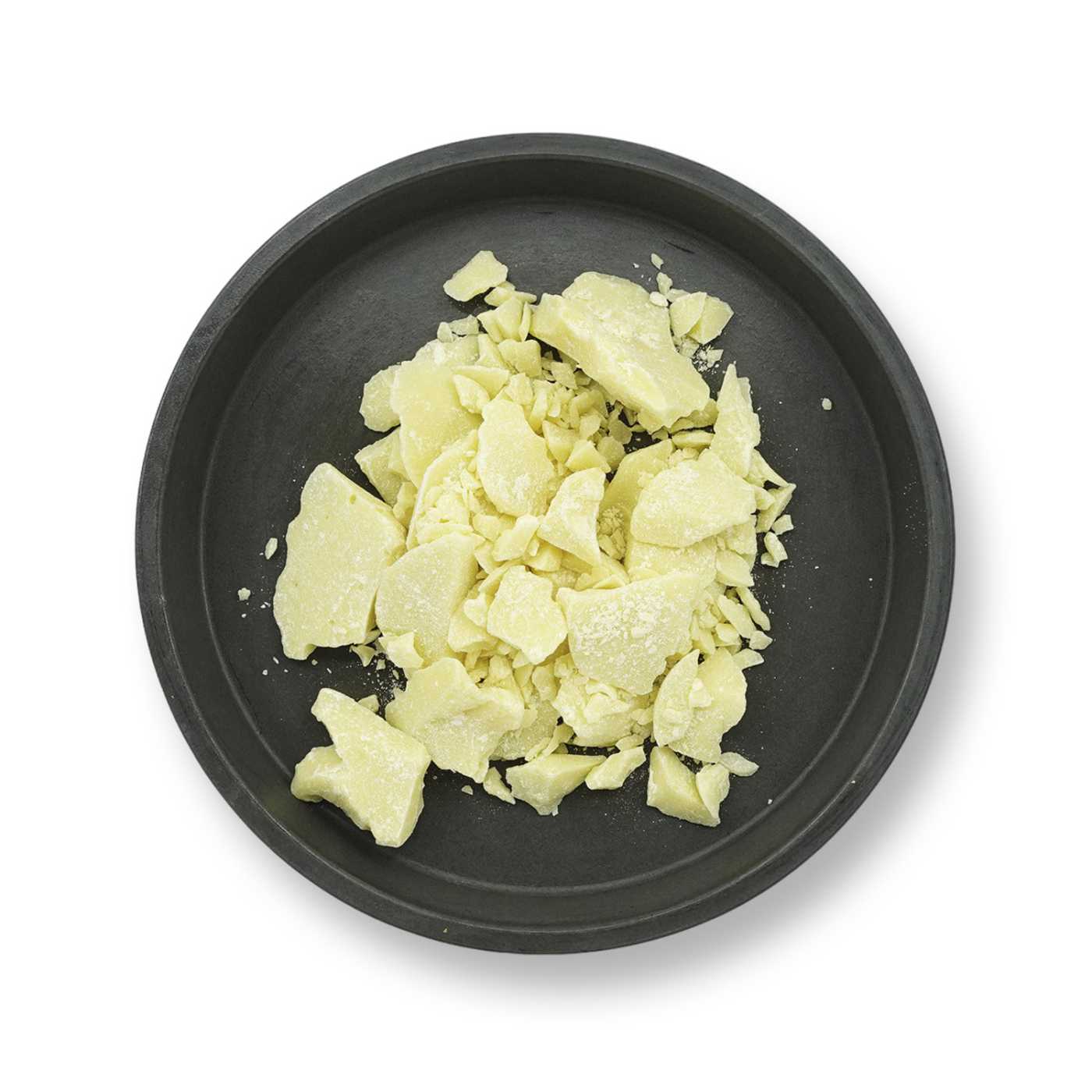
Unrefined cocoa butter softens the skin, reduces moisture loss and gives balms, bars and body butters firmness. It is pressed mechanically from the seeds of the cacao tree (Theobroma cacao) and is not refined further, so it retains its chocolate scent, which carries through to the finished product. It is of vegetable origin, vegan, and supplied in both cosmetic and food grade.


How it affects skin and hair

Cocoa butter is an emollient. On the skin and hair it leaves a layer that slows moisture loss.

  • Softening the skin – dry skin on the body, hands and lips feels softer and smoother after use.
  • Protective layer – slows the evaporation of water from the skin.
  • Hair care – softens dry hair, protects it from moisture loss and makes it easier to style. It is added to conditioners, hair masks and leave-in products for hair and scalp.
  • Antioxidants – the butter contains antioxidants that help protect the skin from oxidative stress.

Firmness and melting

The butter is solid because of its fatty acid composition. Roughly a third is stearic acid (30–37%) and a quarter is palmitic acid (23–30%). The rest is mainly oleic acid (31–39%) and linoleic acid (1.5–4.5%). In formulations it is often combined with liquid oils, for example sunflower or jojoba oil.

Cocoa butter does not have a single melting point. As a polymorphic fat, it can solidify in six crystalline forms with melting points from approximately 17 to 36 °C. The most stable form develops slowly, for example during long storage. The way the butter is melted and cooled can therefore affect the texture of the finished product.


Use in formulations

Cocoa butter dissolves in oil, not in water, and always belongs in the oil phase. It is weighed together with waxes, other butters and emulsifiers and melted with them. The recommended processing temperature is below 40 °C; do not overheat the butter unnecessarily or keep it hot for long.

The usage rate ranges from 1 to 100% depending on the type of product. As a guide:

  • Lip balms – 20–45%
  • Body balms – around 30%
  • Scrubs – 34–70%
  • Cleansing products – 5–8%
  • Creams and hair bars – around 5%

In formulations it is most often combined with beeswax or rice wax, mango butter, lecithin, the emulsifier Polyglyceryl-3 Polyricinoleate, glycerine and allantoin.

In soap making, use a saponification value of 188–198 mg KOH/g. To calculate the lye solution, use the value from the calculator or from the specification of the given batch.

The chocolate to nutty scent of the unrefined butter remains noticeable in the product. Take it into account when fragrancing.


Suitable for products such as

  • lip balms and lip balm sticks
  • body butters and balms for dry skin on the body and hands
  • body lotions and creams
  • massage and body oils
  • body scrubs
  • soaps, shower and bath products
  • conditioners, hair masks and hair bars

Good to know

Cocoa butter oxidises when exposed to daylight, heat and trace metals, especially iron and copper. This produces aldehydes, which change the scent. Tocopherol, which stabilises the butter, is almost always added to formulations. Its effect depends on the concentration.

Protect finished products from light and do not use metal containers during production, as they could release iron or copper.

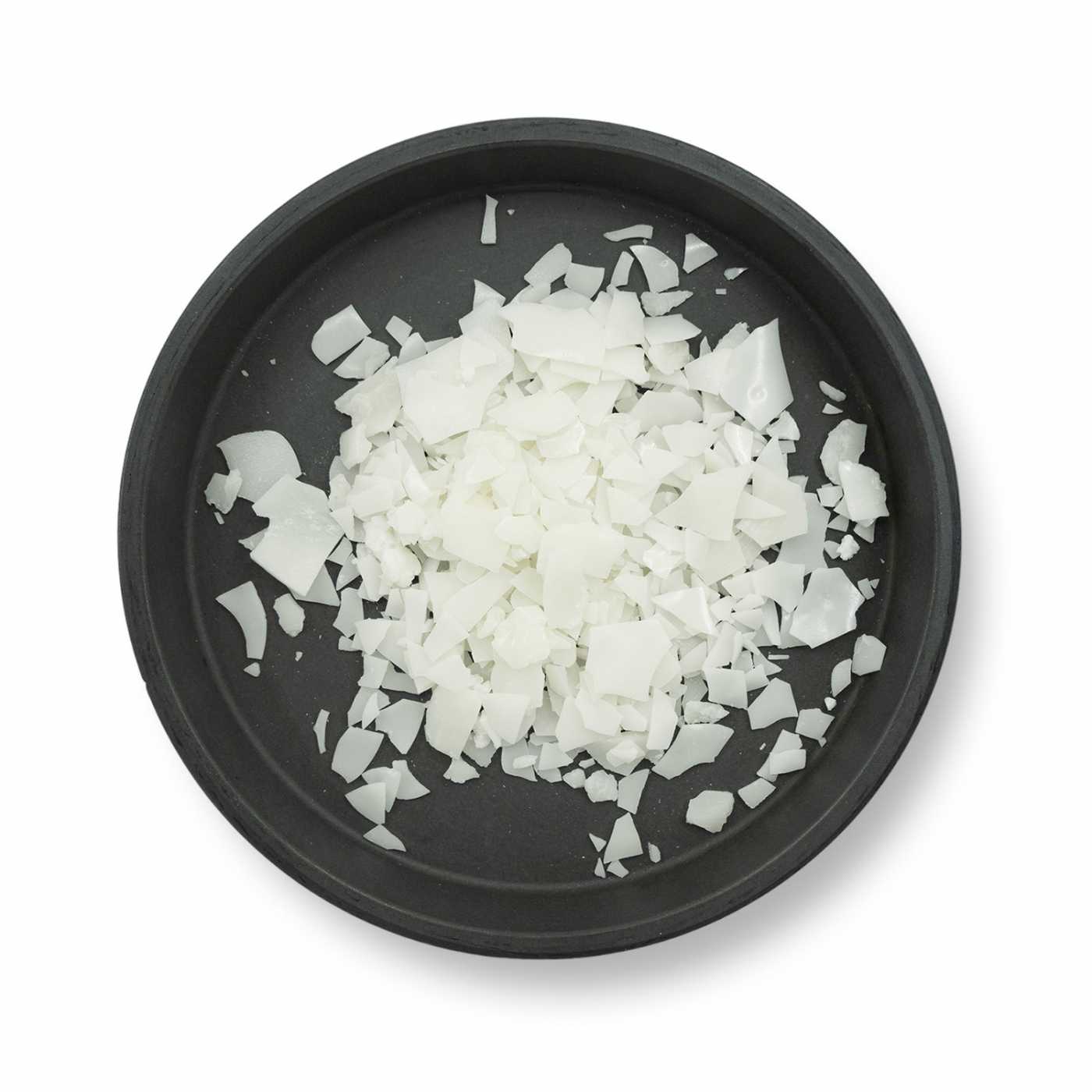
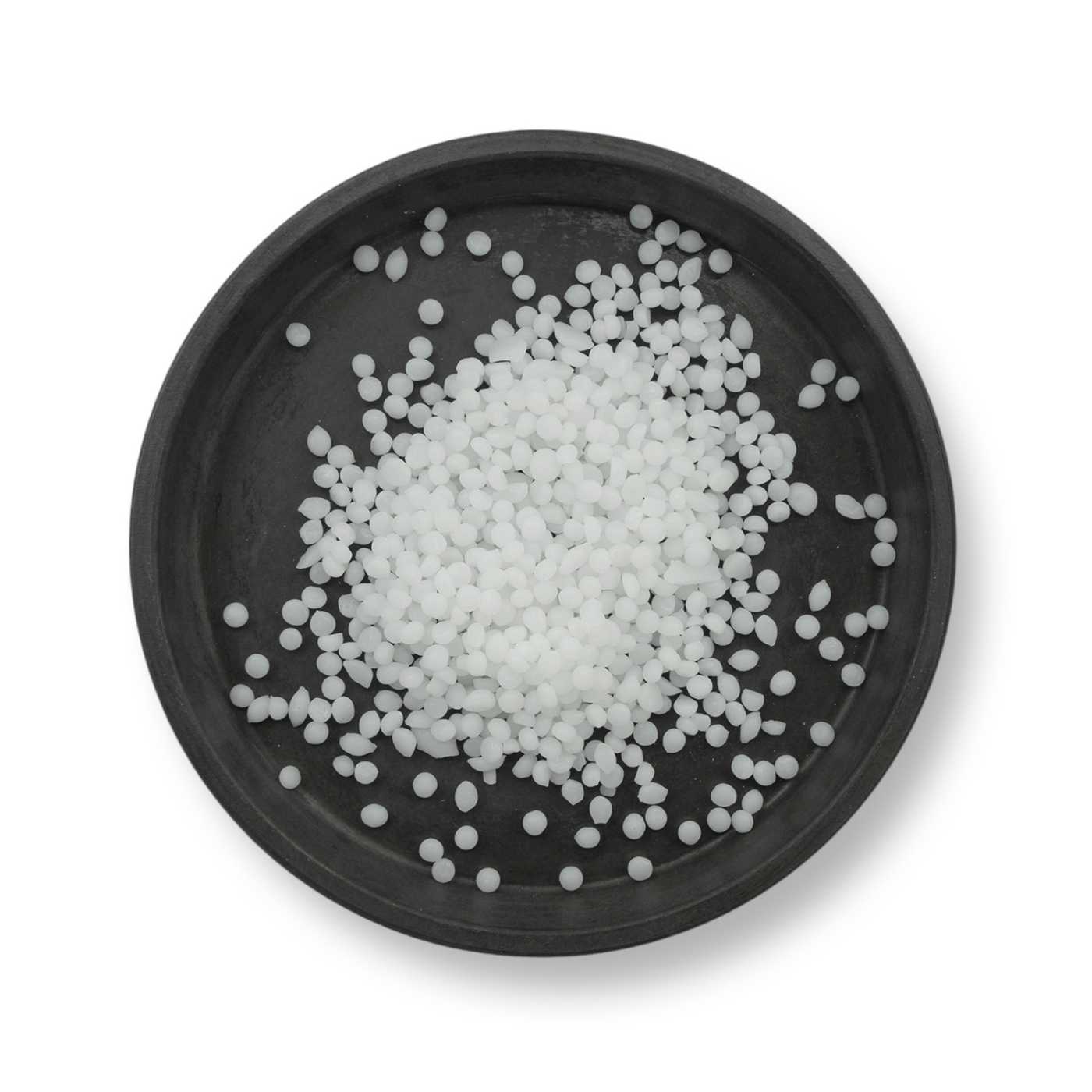
The colour of the butter ranges from yellow through ivory to white and may even be light brown. The raw material does not contain fragrance allergens or ingredients derived from palm oil and is not classified as hazardous.


Frequently asked questions

Is cocoa butter soluble in water?
No, cocoa butter does not dissolve in water; it dissolves in oils and fats. It is added to the formulation in the oil phase, where it is melted together with waxes, other butters and emulsifiers. It gets into a cream or body lotion through the emulsion, in which the emulsifier binds the oil phase with the water phase.
At what temperature does cocoa butter melt?
Cocoa butter melts in the range of approximately 17 to 36 °C, depending on the crystalline form in which it solidified. This polymorphic fat has six crystalline forms, and the most stable one develops slowly. The way the butter is melted and cooled affects the texture of the finished balm or bar. The recommended processing temperature is below 40 °C.
How much cocoa butter should be used in a lip balm and in a cream?
In lip balms, cocoa butter is most often used at 20–45%, and in creams at around 5%. Body balms contain around 30%, scrubs 34–70% and cleansing products 5–8%. The usage rate ranges from 1 to 100%, and the butter can also be used on its own.
What is the difference between unrefined and refined cocoa butter?
Unrefined cocoa butter retains its natural chocolate scent and its yellowish to ivory colour, while refined cocoa butter has the scent removed and tends to be lighter. Unrefined cocoa butter suits products where a cocoa scent is welcome, for example lip balms and body butters. Refined cocoa butter is chosen for products with their own fragrance, which the scent of the butter should not interfere with.
Is unrefined cocoa butter suitable for soap?
Yes, unrefined cocoa butter is used in soaps as well as in shower and bath products. Its saponification value is 188–198 mg KOH/g. When calculating the lye solution, we recommend using the value from the soap calculator or from the specification of the specific batch.
Is cocoa butter suitable for acne-prone skin?
For acne-prone skin, caution is recommended with cocoa butter. The data on its comedogenicity come from a very sensitive rabbit ear test and cannot be applied directly to human skin. Cocoa butter is used in products for the face, body, hands, lips and hair, but for facial products for acne-prone skin, take this limitation into account.

Parameters

INCI
Theobroma Cacao Seed ButterTheobroma cacao Seed Butter
CAS No.
84649-99-0, 8002-31-184649-99-0 / 8002-31-1
EC number
283-480-6
Country of origin
Australia
Product colour
YellowBeigeWhite
Appearance
Butter
Formulation phase
Oil phase
Function in formulation
Emollient
Recommended processing temperature
< 40 °C
Recommended usage rate
1 - 100 %
Application type
Leave-onRinse-off
Suitable for
Dry hair
Certifications
Vegan
Manufacturer's certificate
BRC
Natural Index (NI ISO 16128)
1
Natural Origin Index (NOI ISO 16128)
1,00
Organic content
0 %
Renewable Carbon Content (RCC)
100 %

Product documentation

TDSTechnical Data Sheet
Physical parameters and processingPDF ↓
SDSSafety Data Sheet
Available for purchased products —
Download all (ZIP)

1 PDF file in one archive

Learn how to work with it

From our blog
REVIEWS

Verified by customers.

No reviews yet.

Only customers with a delivered order can write reviews.