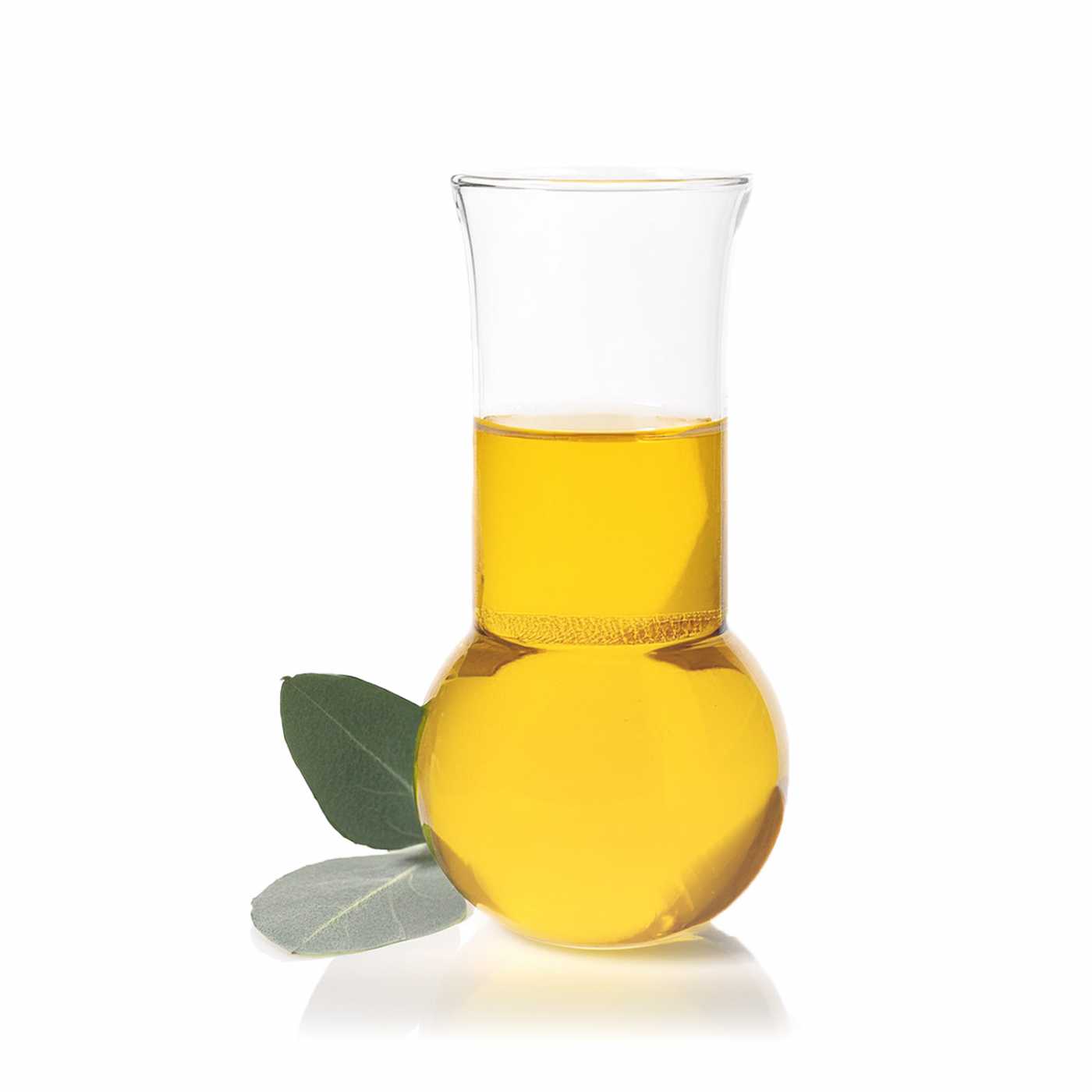
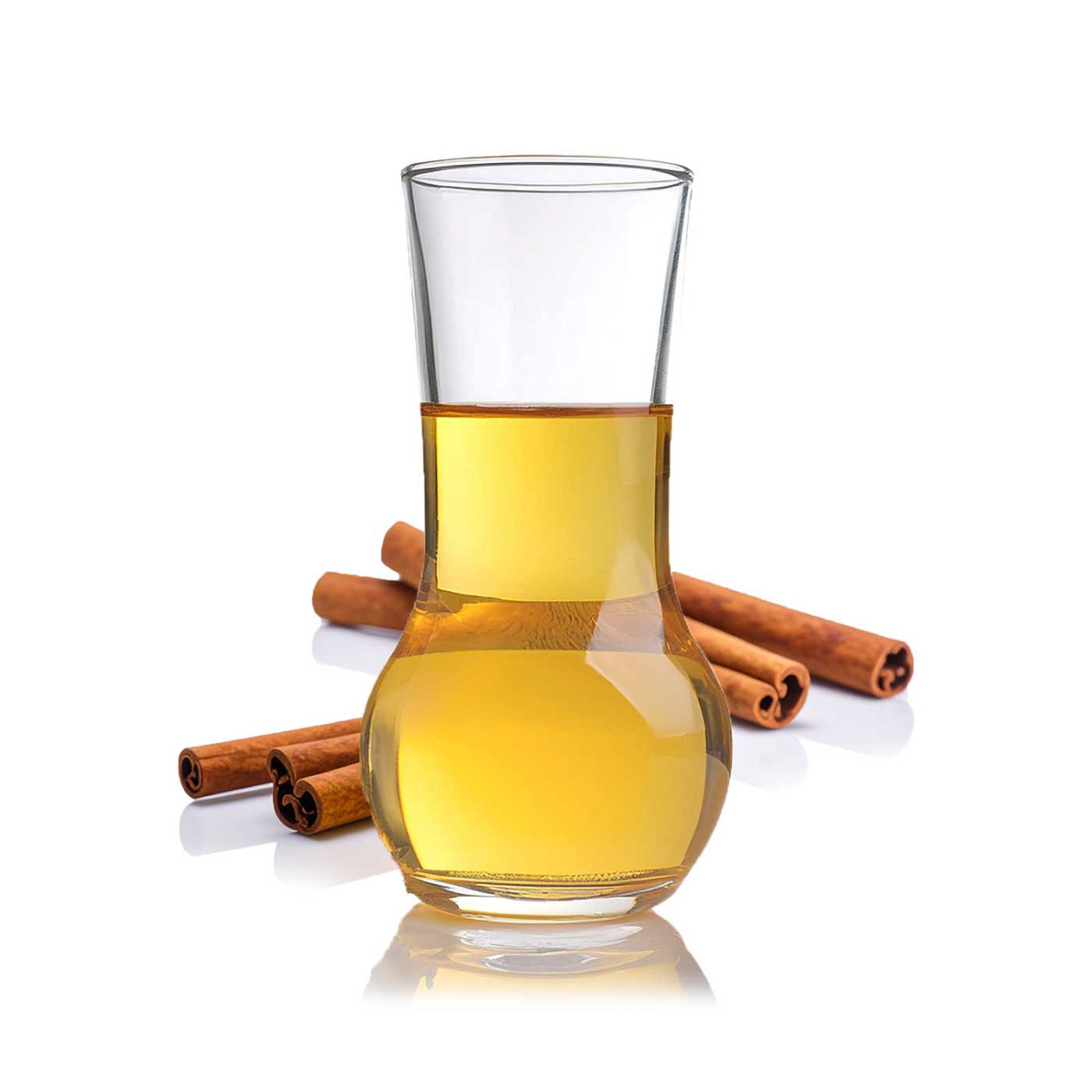
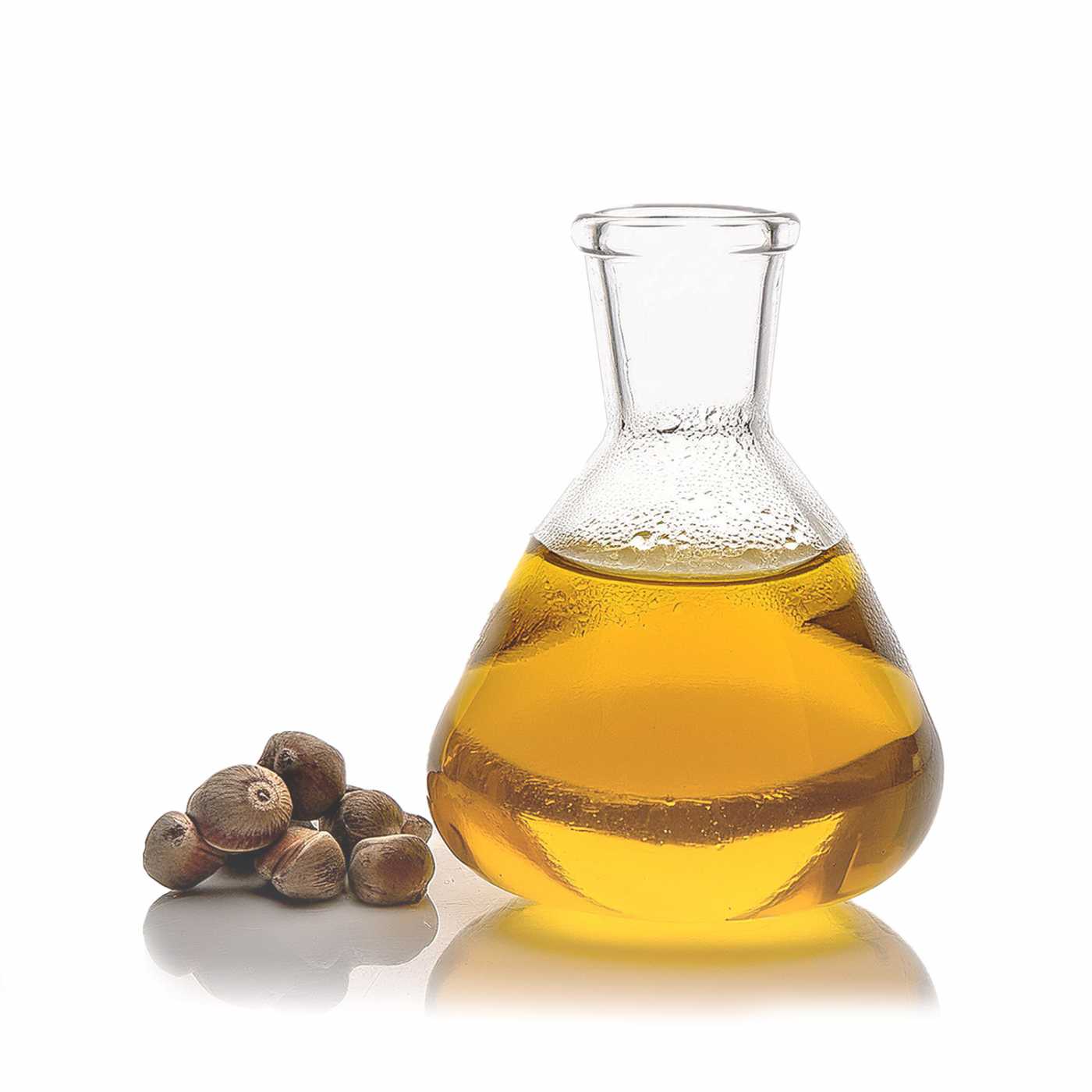
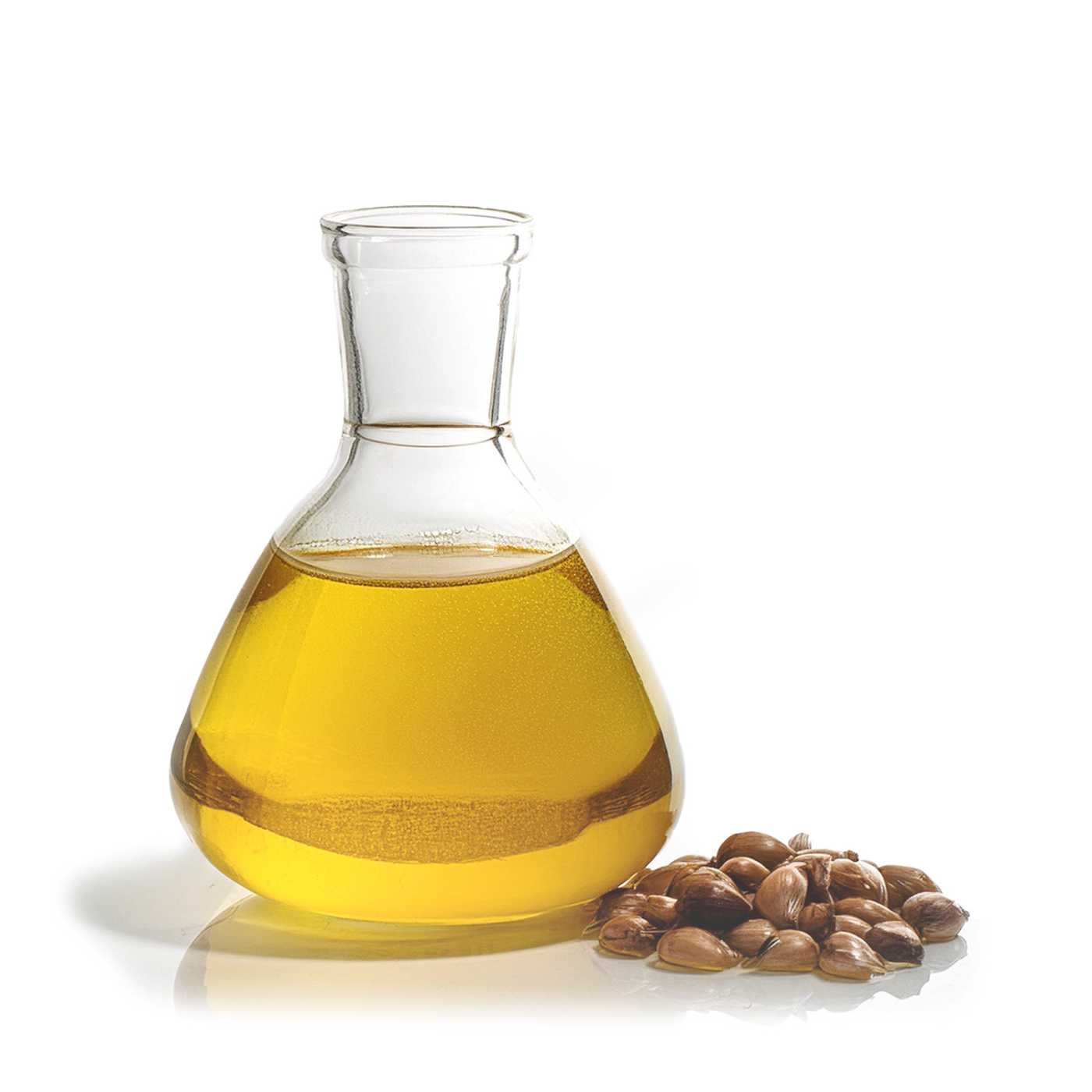
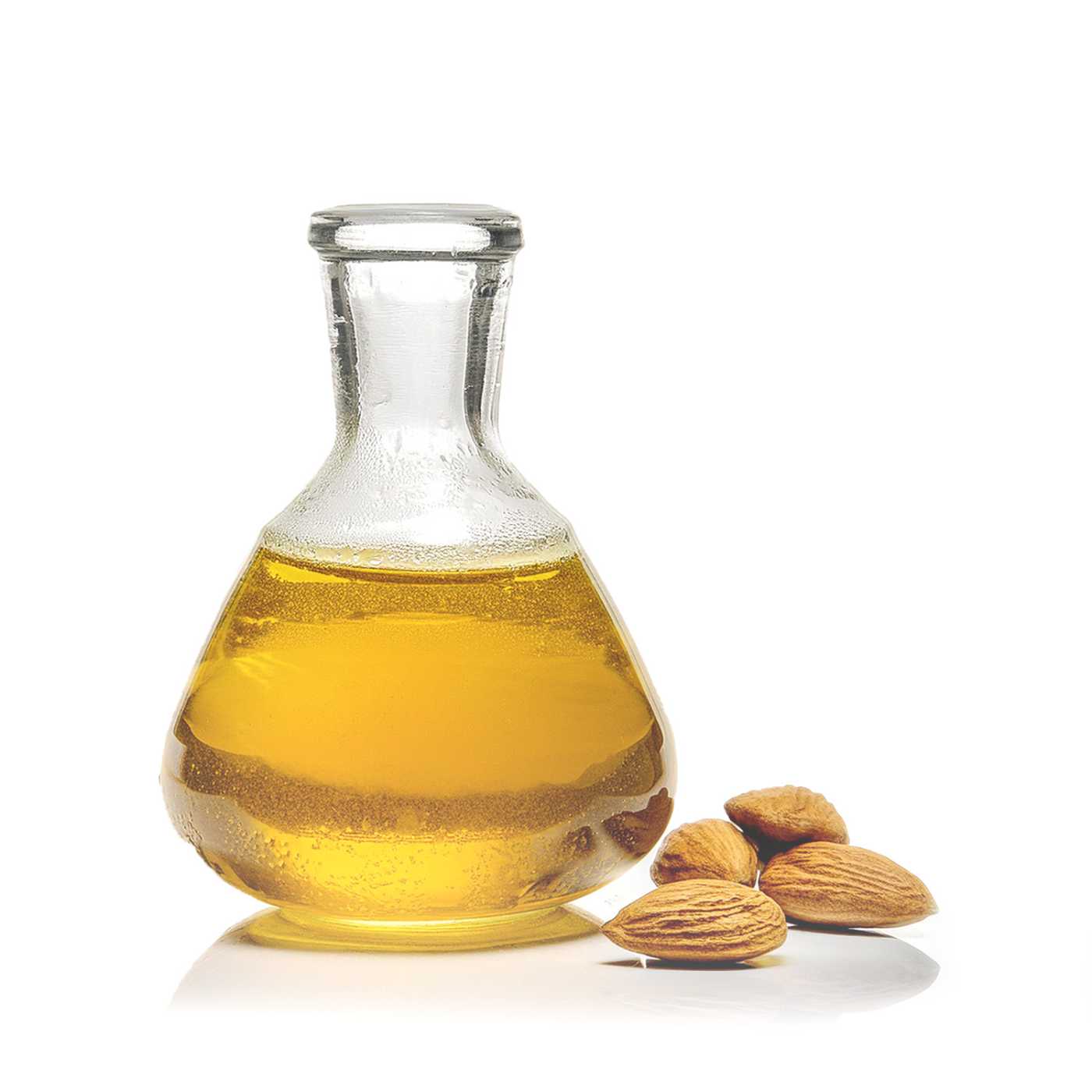
Eucalyptus staigeriana essential oil is added to cosmetics mainly for its fragrance. It does not resemble the typical eucalyptus note: it smells citrusy and fruity, fresh and invigorating. It is obtained by steam distillation of the leaves and twigs of the Eucalyptus staigeriana tree, and the raw material comes from South America.
It is used as a fragrance ingredient in soaps, bath and shower products, deodorants, body oils and hair care products. It gives the finished product a light citrus touch. It is also suitable for diffusers and aromatherapy blends.
What the oil brings to your formulation
- Citrus scent profile – the manufacturer states that the scent-defining components are citronellal and geraniol, which give the oil its lemony, fruity character. In perfumery it therefore behaves as a citrus note, even though it is a eucalyptus.
- Fresh feel on the skin – the manufacturer describes a cooling and refreshing sensation. It works well in summer body care, shower gels, body sprays and foot care products.
- Invigorating scent in hair care – according to the manufacturer’s materials, it is suitable for shampoos, conditioners, hair oils and scalp products, where it adds a fresh feel to washing.
- Manufacturer’s data on effects – the manufacturer also states that the oil soothes irritated skin and has antimicrobial properties. This is information from the supplier about the raw material, and the effect of the finished product depends on the whole formulation. In cosmetics, the oil serves mainly as a fragrance ingredient.
The oil is of plant origin, certified as vegan and not tested on animals.
Use in formulations
The essential oil is insoluble in water; it dissolves in oils and in alcohol. In emulsions and anhydrous products, it is added at the end of mixing, once the base has cooled. In toners, facial waters and other water-based products, it must first be incorporated into a solubiliser, otherwise it will stay on the surface as droplets. In alcohol-based perfumes and body sprays, it dissolves directly in the alcohol.
The recommended processing temperature is below 40 °C, that is, only after the emulsion or melted base has cooled. The oil is a mixture of volatile compounds, and at a higher temperature part of the fragrance would be lost before the product is poured into its packaging.
There is no single universal usage rate. The maximum permitted amount depends on the IFRA category of the product (different for a lip balm, a shower gel or a candle), so check the limit for your specific product type before calculating the formulation.
In soaps, bath bombs and salts, the oil is used as a fragrance ingredient. In salts and bombs, it helps to mix it with a small amount of carrier oil before adding it, as it will then be distributed more evenly. It is compatible with alcohol and with other fragrance raw materials, including other essential oils and fragrance compositions.
Suitable for products such as
- Soaps and shower products – a citrus scent that is released quickly during washing.
- Bath bombs and salts – a fresh note for the short time spent in the bath.
- Deodorants and antiperspirants – a citrus fragrance ingredient.
- Body oils, lotions and massage blends – it dissolves directly in the oil phase.
- Shampoos, conditioners and hair oils – freshness during washing and a scent for the hair.
- Diffusers and aromatherapy – on its own or blended with other essential oils.
- Laundry and fabric care – a fragrance ingredient for laundry products within IFRA limits.
- Facial care and children’s cosmetics – provided the IFRA limits for these categories are observed.
Good to know
The oil contains fragrance allergens listed in Annex III of Regulation (EC) No 1223/2009. If their content in the finished product exceeds the set limit, they must be listed in the ingredients list. You will find the specific values in the product documentation.
The raw material is subject to CLP classification and is labelled with the GHS02 (flammable), GHS05 (corrosive), GHS07 (irritant, sensitisation), GHS08 (serious health hazard) and GHS09 (environmentally toxic) pictograms. It is classified as CMR under Regulation (EC) No 1272/2008. When handling the undiluted oil, wear gloves, work in a well-ventilated area and keep it away from open flames.
Undiluted essential oil must not be applied directly to the skin. It is incorporated into the product in an amount that corresponds to the IFRA category, and the finished product undergoes a safety assessment before sale. Before your first larger production batch, run a small-scale test, especially for sprays and clear water-based products, where you can check the dissolution and any cloudiness.
Frequently asked questions
Is Eucalyptus staigeriana essential oil soluble in water?
No, it does not dissolve in water. It dissolves in vegetable oils and in alcohol. For toners, facial waters or water-based sprays, it must first be mixed with a solubiliser, otherwise it will separate in the product and form droplets on the surface. In emulsions, it is added at the end, into the cooled cream, so that the fragrance is not lost unnecessarily.
What does Eucalyptus staigeriana essential oil smell like?
It smells citrusy and fruity, not like a typical eucalyptus. The manufacturer lists citronellal and geraniol as the characteristic components, which give the oil its lemony, fresh character. In perfumery, it is therefore used as a citrus note in soaps, shower products, deodorants, and body and hair care products. When choosing it for a formulation, go by this scent profile rather than by the name of the plant.
How much Eucalyptus staigeriana essential oil should be used in cosmetics?
The maximum usage rate is governed by the IFRA categories, not by a single universal value. Each product type, from a lip balm to a shower gel or a candle, has its own limit. Check the limit for your specific category before putting together the formulation, especially for products for children or for the face, which have their own IFRA categories.
At what temperature is Eucalyptus staigeriana essential oil added to a cream?
It is added at a temperature below 40 °C, that is, only after the emulsion has cooled. The oil is a mixture of volatile compounds, and at a higher temperature part of the fragrance evaporates during production. The same procedure applies to balms made from melted waxes and to other products that are heated during production.
Do allergens need to be listed on the label when using Eucalyptus staigeriana essential oil?
Yes, the oil contains fragrance allergens under Annex III of the Cosmetics Regulation. If their content in the finished product exceeds the legal limit, they must be listed in the ingredients list. You will find the exact values for the calculation in the product documentation. In addition, the finished product must undergo a safety assessment, in which the usage rate of the oil is evaluated according to the IFRA category.