+421 950 333 113info@handymade.storeHandymade Days: −10 % on all ready-made productsShop now

HYDROLATES, FLOWER WATERS

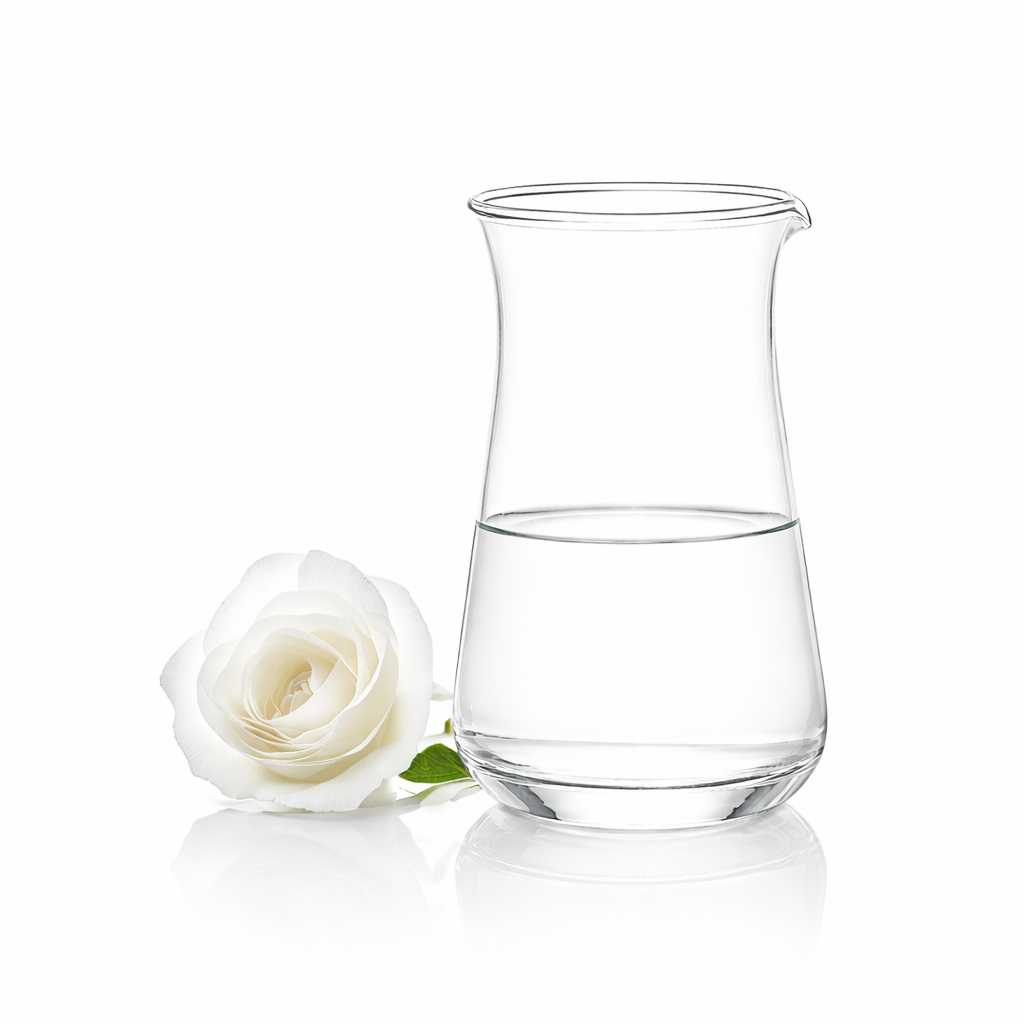
Floral Water, Hydrosol, White Rose, Organic, 5 l

Pack size100 ml1 l5 l

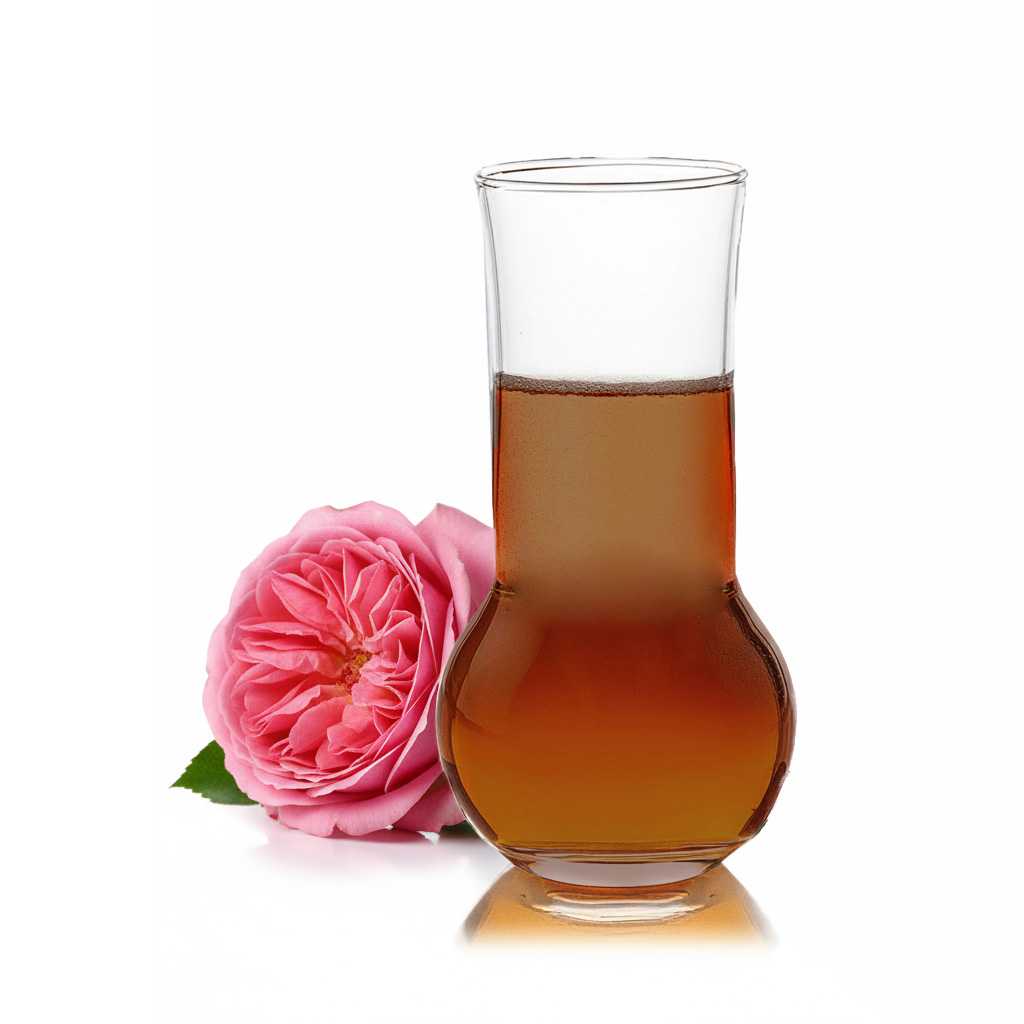
Organic white rose floral water is a hydrosol from the flowers of the white rose (Rosa alba). It hydrates and soothes the skin and gives the product a natural rose scent. full description

AvailabilityIn stock · last 1 pack
Product codeHYD723_5000
€120.39incl. VAT€24.08/l

Lowest price in the last 30 days: €108.35

Product description

Organic white rose floral water is a hydrosol from the flowers of the white rose (Rosa alba). It hydrates and soothes the skin and gives the product a natural rose scent. You can use it on its own as a toner, or in a formulation to replace part of the water, or even all of it. It is suitable for sensitive, dry and mature skin care, hair care and body care products.


Rose hydrosol and essential oil

A hydrosol is created by the hydrodistillation of flowers. The steam carrying the aroma compounds from the flowers condenses on cooling and separates into an essential oil and an aqueous distillate. That distillate is the hydrosol.

It differs from the essential oil in both composition and use. It contains the water-soluble aroma compounds from the flowers and, naturally, also rose oil, at least 0.02%. An essential oil is a concentrate that is added drop by drop and cannot be incorporated into water without a solubiliser. A hydrosol is a water-based raw material and is added directly to water-based products.

The hydrosol comes from Bulgaria and has organic certification.


Effects on the skin

  • Hydration – as a water component, it supplies moisture to the skin. In toners and mists, it refreshes the skin after cleansing and prepares it for a serum or cream.
  • Soothing sensitive skin – rose hydrosols are traditionally used for skin that reacts with redness or a feeling of tightness. It is also suitable for products for the eye area.
  • Care for mature skin – in facial waters, serums and creams, it supports skin elasticity and its antioxidant protection.
  • More even skin tone – with regular use, it helps brighten the skin and even out its tone.
  • Fragrance – the product gets the typical scent of oil-bearing rose without added fragrance. Its intensity depends on the share of hydrosol in the formulation.

Use in formulations

The hydrosol belongs in the water phase. It mixes with water and with alcohol – with 90% ethanol even in a 1:1 ratio. It is insoluble in oil and is not used in anhydrous oil-based products.

Add it at a temperature below 40 °C. In an emulsion, it is stirred in after cooling, and toners and gels are made with it cold.

The usage rate is 1–100%. In a formulation, it replaces part of the water or all of it, and undiluted it serves as a toner.

The pH needs attention. The hydrosol itself has a pH of 6.5–7.5, while the finished product should have a pH of 4.5–5.5.

When the hydrosol makes up most of the water phase or is used as a toner, measure the pH and acidify it gently to the range of 4.5–5.5.

The hydrosol has a non-ionic character. It is compatible with anionic, non-ionic and amphoteric surfactants, with electrolytes, alcohol, perfume and with both oxidising and reducing agents. It can therefore be used in facial cosmetics as well as in shampoos and shower gels.


Suitable for products such as

  • facial waters, toners and facial mists,
  • water-based serums and gels, including products for the eye area,
  • creams and lotions,
  • shampoos and scalp tonics,
  • shower gels, body lotions and hand creams.

It is suitable for both rinse-off and leave-on products.


Good to know

The hydrosol is already preserved. It contains approximately 0.3% benzyl alcohol and small amounts of benzoic acid and dehydroacetic acid. Benzoic acid protects mainly in its undissociated form, that is, in an acidic environment, and works only weakly at neutral pH. This is another reason to keep the finished product at an acidic pH.

When it is diluted in a formulation, the concentration of preservatives from the hydrosol drops. The whole product must be preserved.

Rose hydrosols spoil easily after contamination, even in the refrigerator. They are most often attacked by gram-negative bacteria from the environment, and the natural essential oil content does not protect them against these. Work with disinfected tools and containers, do not touch the hydrosol, and keep the bottle open only for the time necessary.

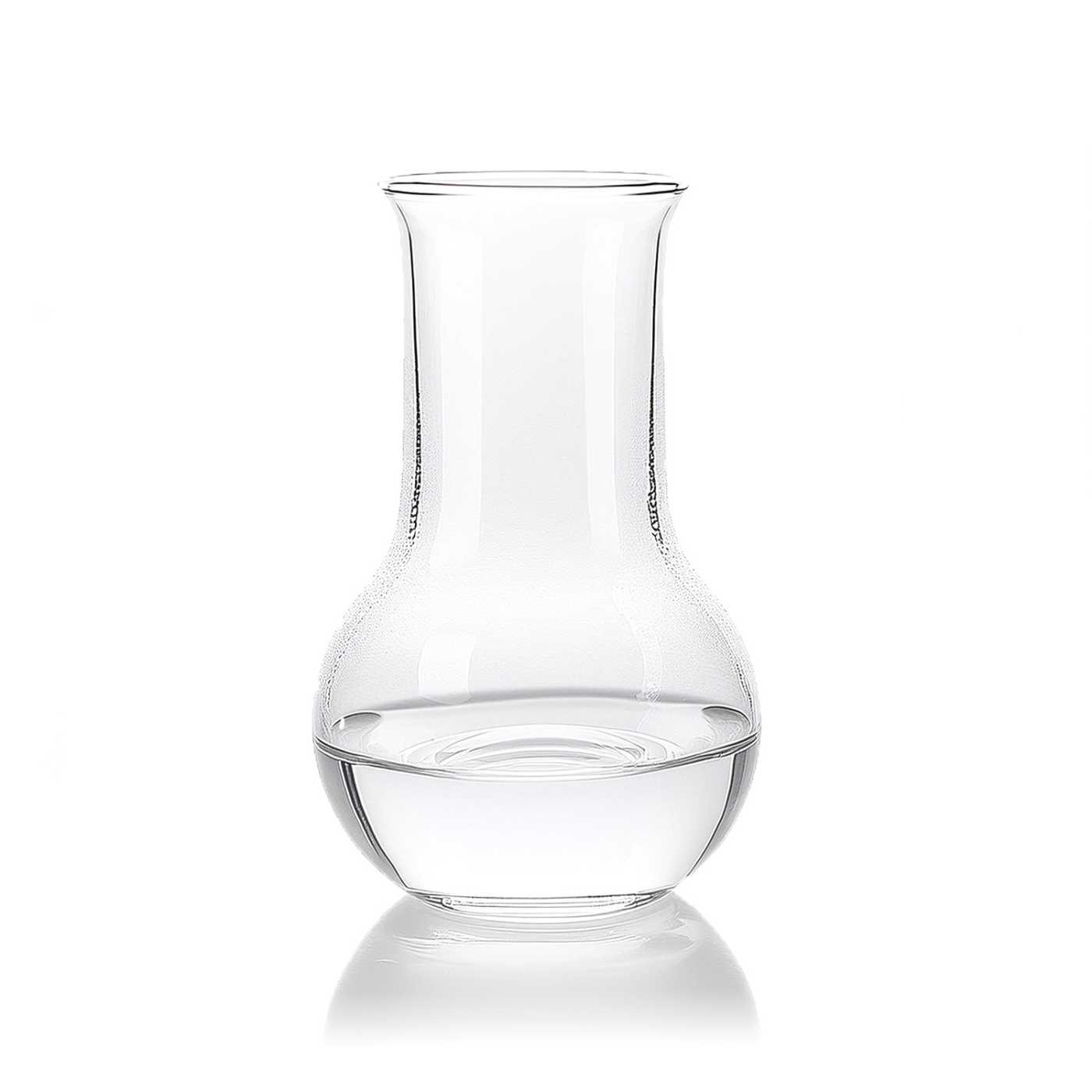
The hydrosol is colourless and clear, sometimes with a slight haze, which is normal for it. Only a newly appearing haze, slime or a change in scent is a cause for concern, as these may signal microbial contamination.

The raw material contains fragrance allergens from Annex III of Regulation (EC) No 1223/2009. They must be taken into account in the safety assessment and in the labelling of the product. It is not classified as hazardous under CLP, but avoid contact with the eyes when working with it. It is paraben-free.


Frequently asked questions

Can white rose hydrosol be used on its own as a toner?
Yes, white rose hydrosol can be used undiluted, and the usage rate goes up to 100%. On its own, however, it has a pH of 6.5–7.5, while a pH of 4.5–5.5 is recommended for a finished product. When making a toner, measure the pH and acidify it gently to the recommended range. When filling, work with disinfected tools and containers.
What is the difference between rose hydrosol and rose essential oil?
A hydrosol is an aqueous distillate from flowers, while an essential oil is a concentrated mixture of aroma compounds. Both raw materials are created in the same distillation. White rose hydrosol contains at least 0.02% rose oil and mixes with water. An essential oil is used in very small amounts and does not dissolve in water on its own.
Does a product with white rose hydrosol need to be preserved?
Yes, a product containing white rose hydrosol must be preserved as a whole. The hydrosol does contain benzyl alcohol, benzoic acid and dehydroacetic acid, but after dilution in a formulation their concentration drops. Also keep the product at a pH of 4.5–5.5, because benzoic acid works weakly at neutral pH.
When is white rose hydrosol added to a cream?
White rose hydrosol is added to a cream after the emulsion has cooled below 40 °C. It belongs in the water phase, but it is not heated with the other raw materials. Part of the water in the formulation is replaced with the hydrosol, and this portion is stirred into the cooled emulsion. Finally, the pH is checked.
Is white rose hydrosol soluble in oil?
No, white rose hydrosol is insoluble in oil. It mixes with water and with alcohol, so it is not suitable for facial oils, balms or other anhydrous products. It can be combined with an oil phase only in an emulsion, that is, in a cream or lotion with an emulsifier.
Is white rose hydrosol suitable for sensitive skin?
Yes, white rose hydrosol is suitable for sensitive and dry skin and can also be used in products for the eye area. However, it contains fragrance allergens from Annex III of Regulation (EC) No 1223/2009. When making cosmetics, they must be taken into account in the safety assessment and stated in the labelling of the product.

Parameters

INCI
Rosa Alba Flower Water, Benzyl Alcohol, Benzoic Acid, Dehydroacetic Acid, Tocopherol
CAS No.
93334-48-6, 100-51-6, 65-85-0, 520-45-6, 1406-66-2
EC number
297-122-1, 202-859-9, 200-618-2, 208-293-9, 604-195-9
Product colour
ColourlessClear
Country of origin
Bulgaria
Processing method
Hydrodistillation
Odour
Floral
Appearance
Liquid
Free from
alcohol
Formulation phase
Water phase
Ionic character
Non-ionic
Recommended processing temperature
< 40 °C
Recommended usage rate
1 – 100 %
Recommended formulation pH range
4,5 – 5,5
Application type
Leave-onRinse-off
Biodegradability
Readily biodegradable
Certifications
Organic certification
Natural Index (NI ISO 16128)
0,99
Natural Origin Index (NOI ISO 16128)
0,99
Organic content
99,6 %
Volume
5000 ml

Product documentation

CoACertificate of Analysis
batch 180226RBBPDF ↓
batch 191125RAWBPDF ↓
TDSTechnical Data Sheet
Physical parameters and processingPDF ↓
IFRAIFRA Certificate
batch 180226RBBPDF ↓
batch 191125RAWBPDF ↓
AllergensAllergen Declaration
batch 180226RBBPDF ↓
SDSSafety Data Sheet
Available for purchased products —
Download all (ZIP)

6 PDF files in one archive

Learn how to work with it

From our blog
Dana20 Aug 2026SK

Verified purchase

excellent hydrosol — I'm very happy with the product

Translated automatically

Németh R.20 Sept 2026HU

Verified purchase

Variant: Kvetinová voda, hydrolát, biela ruža BIO 100 ml