+421 950 333 113info@handymade.storeActive Days: −10 % with code ACTIVE10Shop now

Luxury aromas 1 l

Fragrance oil, Desire, 5 l

Pack size10 ml100 ml500 ml5 l

Desire fragrance oil is a synthetic fragrance composition of European origin in cosmetic grade , intended for scenting homemade and professional cosmetics, candles and household products. full description

AvailabilityPre-order
Product codeVO342_5000
€553.99incl. VAT€110.80/l

Lowest price in the last 30 days: €553.99

Pre-orderThis variant is currently out of stock — your order will be a pre-order and delivery may take longer.

Product description

Desire fragrance oil is a synthetic fragrance composition of European origin in cosmetic grade, intended for scenting homemade and professional cosmetics, candles and household products. In a recipe it has a single role: it gives the finished product its scent. It is added at the end of production, once the mixture has cooled.

The composition dissolves in oils and in alcohol and does not mix with water. It is suitable for creams, body oils, bath salts and bath bombs, candles and diffusers. In cold process soap it has a limitation, which is described below.


Use in a formulation

The fragrance oil is oil-soluble and alcohol-soluble and does not dissolve in water. In emulsions it is added during the cooling phase; in anhydrous products it is simply stirred into the base. For toners, sprays and other water-based products, it must first be combined with a solubiliser, otherwise it separates and forms droplets on the surface.

The recommended processing temperature is below 40 °C. The composition contains volatile components that evaporate at higher temperatures, and the fragrance loses its character. It is therefore added only to the cooling mixture, or worked into the finished base afterwards by brief stirring.

The manufacturer does not state a single recommended usage rate. The maximum permitted amount in the finished product is set by the IFRA limit for the given category; for example, category 1 covers lip products, category 4 covers perfumes and category 9 covers soaps and shampoos. The values for all categories are given in the IFRA certificate in the Product documentation section.

Before deciding on the usage rate, check the IFRA category your product belongs to, and then test the fragrance on a small sample. The intensity you perceive in the bottle changes significantly in a finished cream or soap.

In a practical test in cold process soap, the composition accelerated trace very markedly. The mixture set completely within ten minutes and had a lumpy consistency, and the colour shifted to a light orange shade. This fragrance is therefore not recommended for the cold process.

Do not add Desire fragrance oil to cold process soap. If you want to scent soap with this fragrance, choose the melt and pour method with a ready-made soap base, and first check how it behaves on a test batch.


Suitable for products such as

  • Creams, body lotions and massage oils – the fragrance is added while the emulsion cools or directly into the oil base; the usage rate depends on IFRA categories 5A to 5C.
  • Bath bombs and bath salts – anhydrous bases in which the composition is worked in without a solubiliser.
  • Candles – candles of all types fall under IFRA category 12; the usage limit is given in the certificate.
  • Diffusers and air fresheners – the composition is soluble in alcohol and in carrier oils for reed diffusers.
  • Household cleaning products and hobby products – laundry and cleaning products have their own IFRA categories (10A, 10B, 12); the limits are given in the certificate.

Good to know

The product contains fragrance allergens listed in Annex III of Regulation (EC) No 1223/2009, as amended. When selling cosmetics, these allergens are listed in the ingredients on the packaging if they exceed the specified concentrations in the finished product. You will find the list of allergens and their content in the composition in the safety data sheet and in the product documentation.

The composition is subject to classification under the CLP Regulation, with GHS07 (irritant, sensitisation) and GHS09 (ecotoxic) pictograms. When working with the undiluted oil, follow the instructions in the safety data sheet. The product as a whole is not classified as CMR, but it contains one or more components with such a classification.

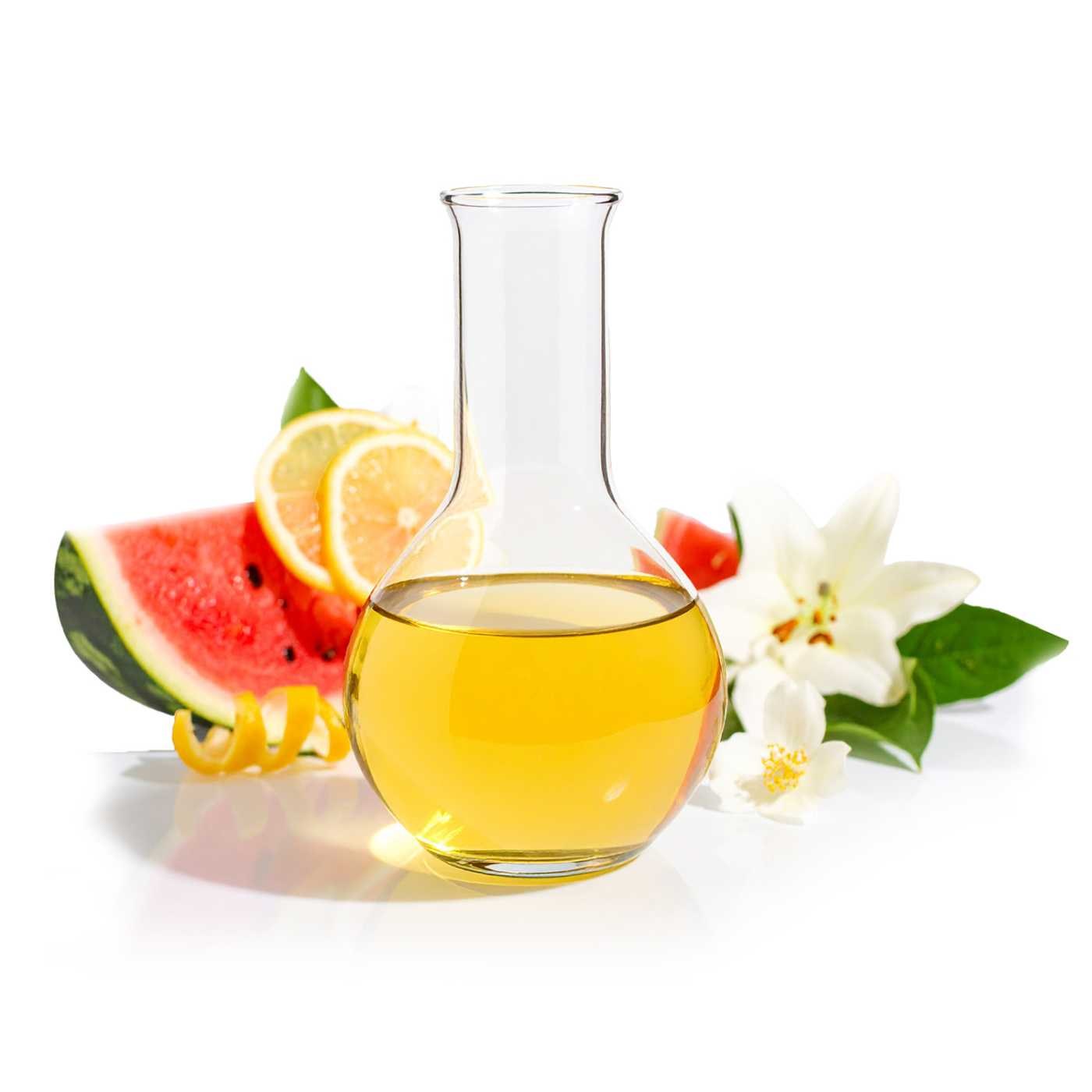
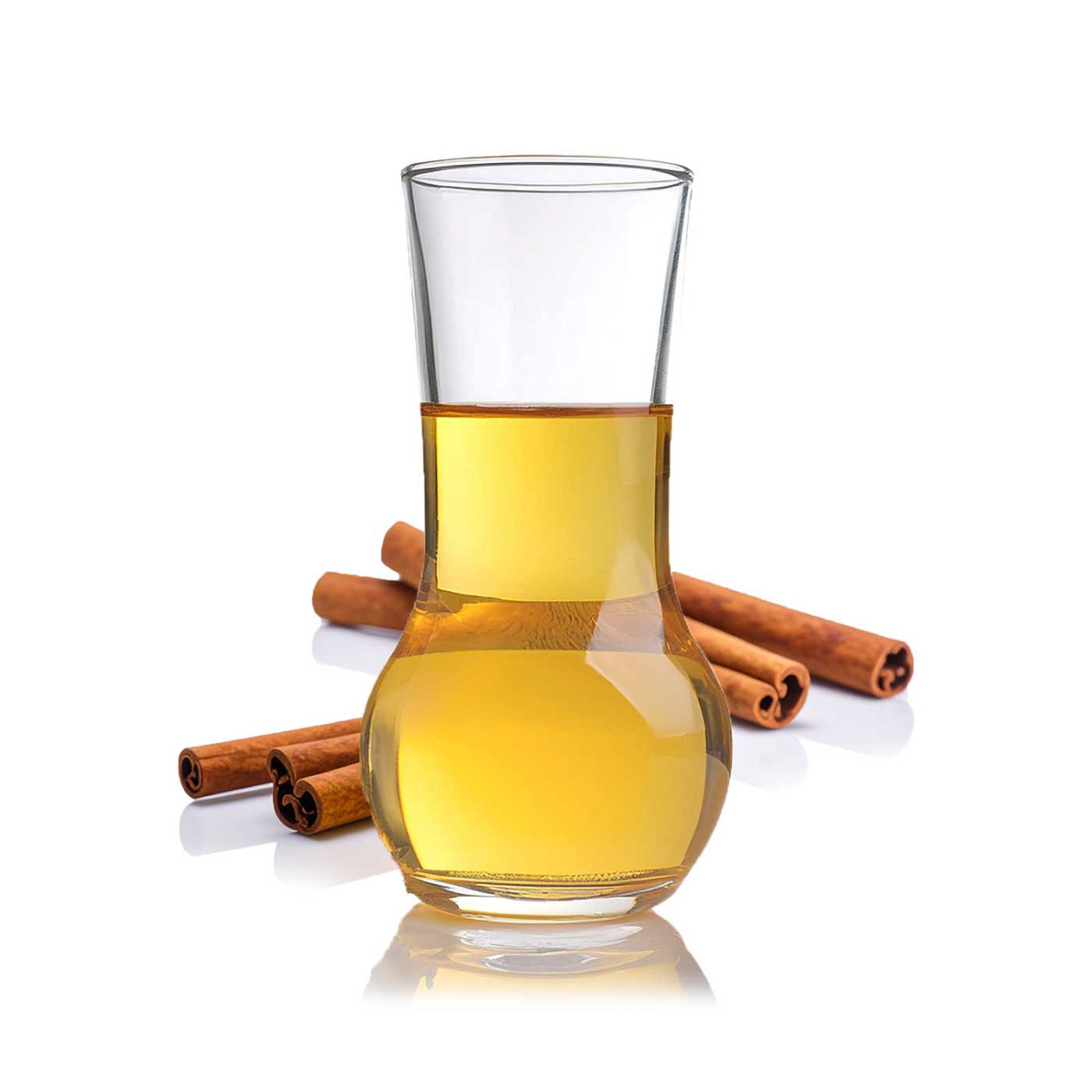
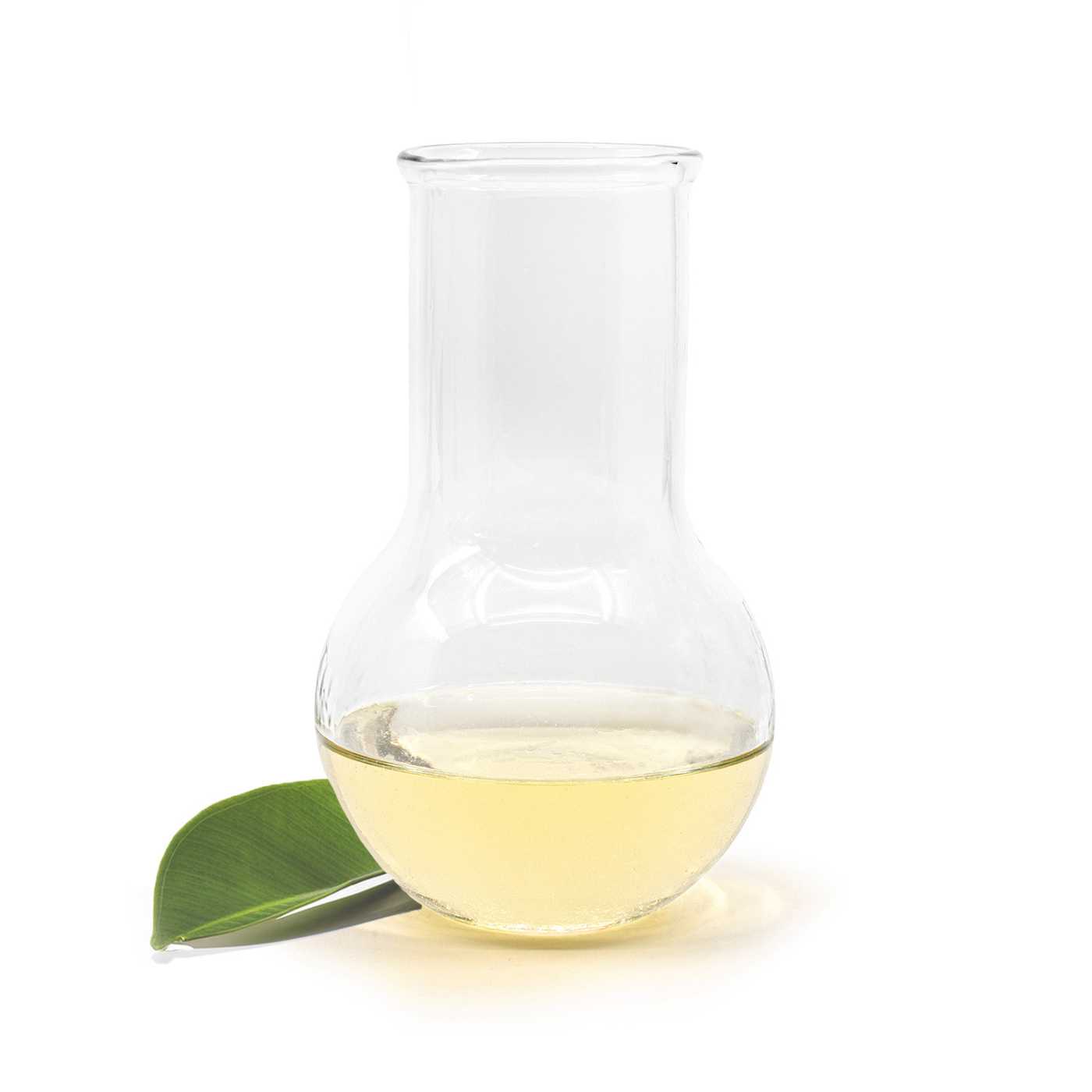
The composition has a yellow colour. In the soap test the mixture turned light orange; with white or uncoloured products, take this into account when planning the colour.

Fragrance oil is not an essential oil. It is created by blending fragrance materials so that the scent is stable and repeatable from batch to batch. The product contains no materials of animal origin and was not tested on animals for cosmetic purposes.


Frequently asked questions

Is Desire fragrance oil suitable for cold process soap?
No, it is not recommended for cold process soap. In a practical test by a soap maker, the mixture set completely within ten minutes of adding the fragrance and had a lumpy consistency. The colour shifted to a light orange shade. With other soap making methods, for example pouring into a ready-made soap base, check the behaviour on a small test batch.
Is Desire fragrance oil soluble in water?
No, it does not dissolve in water; it dissolves in oils and in alcohol. In emulsions it is added during cooling, and in anhydrous products directly. For toners, sprays and other water-based products, the composition must first be combined with a solubiliser, otherwise it separates and forms droplets on the surface.
How much Desire fragrance oil should I add to a cream or soap?
There is no single value; the maximum usage rate is set by the IFRA limit for the product category. Creams and lotions fall under categories 5A to 5C, soaps and shampoos under category 9, and lip products under category 1. The specific percentages for all categories are given in the IFRA certificate for the product. You can fine-tune the final intensity on a test sample.
At what temperature is Desire fragrance oil added?
The recommended processing temperature is below 40 °C. The composition is added during the cooling phase of the emulsion, or worked into the finished base afterwards. At higher temperatures the volatile components evaporate and the fragrance loses its character.
Do I have to list the allergens of Desire fragrance oil on the label?
Yes, if the specified concentrations are exceeded in the finished product. The product contains one or more fragrance allergens under Annex III of Regulation (EC) No 1223/2009, as amended by Commission Regulation (EU) 2023/1545. The list of allergens and their content in the composition is in the safety data sheet and in the product documentation; use it to calculate which of them must be listed in the ingredients at your usage rate.

Parameters

INCI
ParfumParfum/Fragrance
Product colour
Yellow
Country of origin
European Union
Processing method
Blending
Appearance
Liquid
Free from
parabens
Function in formulation
Fragrance component
Recommended processing temperature
< 40 °C
Application type
Leave-onRinse-off
Biodegradability
Not applicable
Volume
5000 ml

Product documentation

CoACertificate of Analysis
batch 2043078187PDF ↓
TDSTechnical Data Sheet
Physical parameters and processingPDF ↓
IFRAIFRA Certificate
batch 2043078187PDF ↓
AllergensAllergen Declaration
batch 2043078187PDF ↓
SDSSafety Data Sheet
Available for purchased products —
Download all (ZIP)

4 PDF files in one archive

Learn how to work with it

From our blog
Alena V.12 Nov 2026SK

Verified purchase

Andrea B.9 Nov 2026SK

Verified purchase

Lada K.7 Nov 2026CS

Verified purchase

(3 reviews)