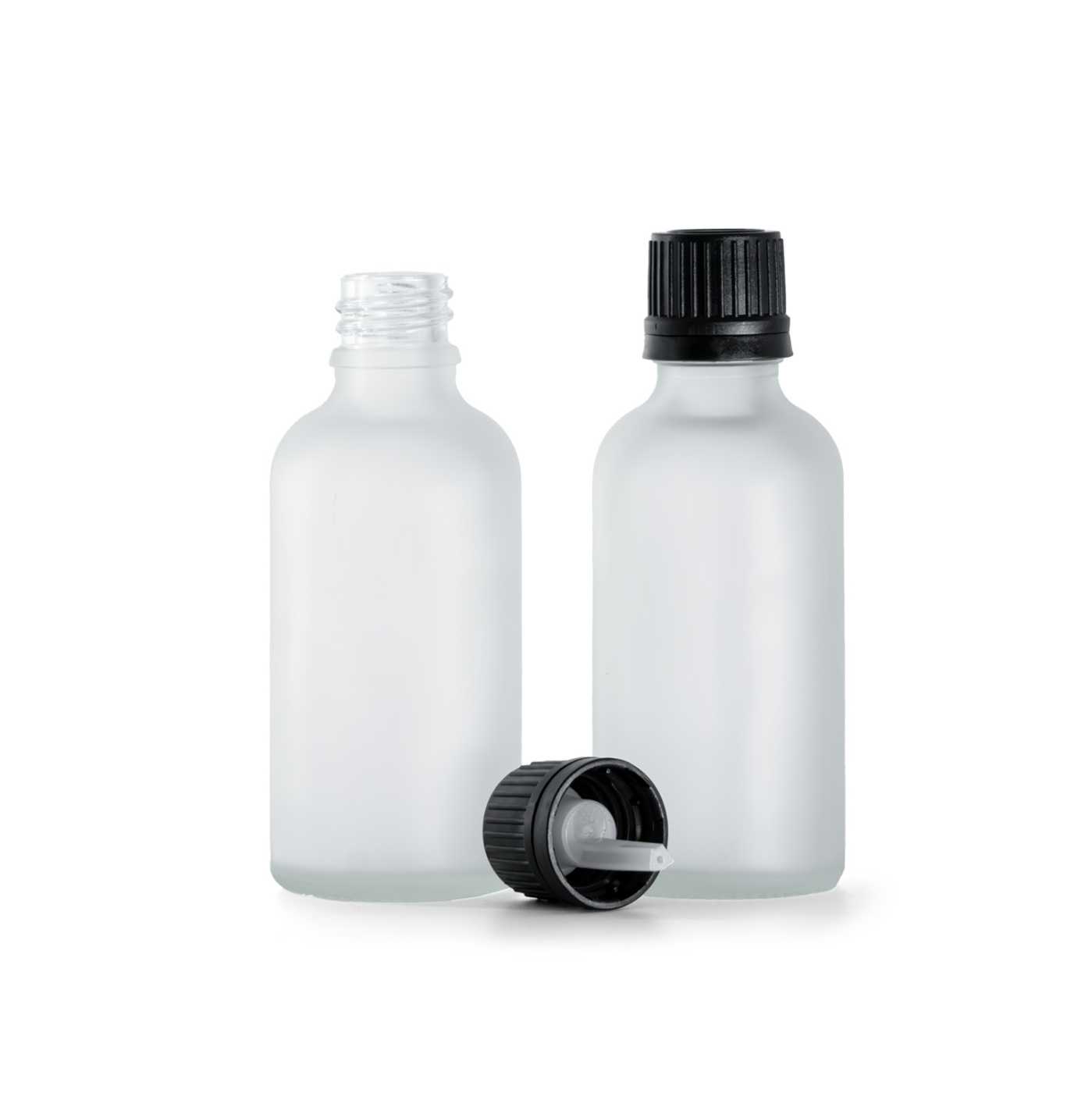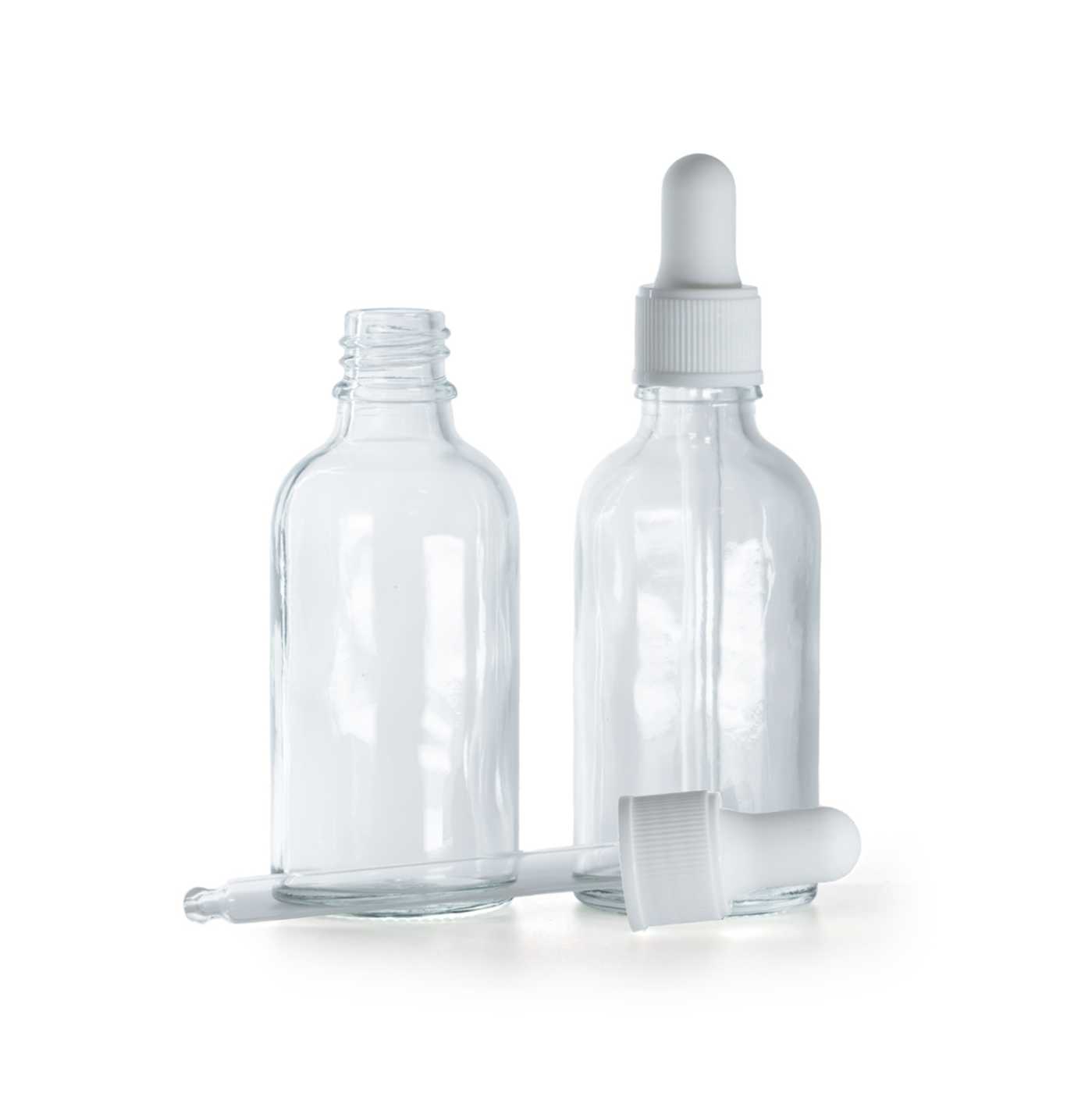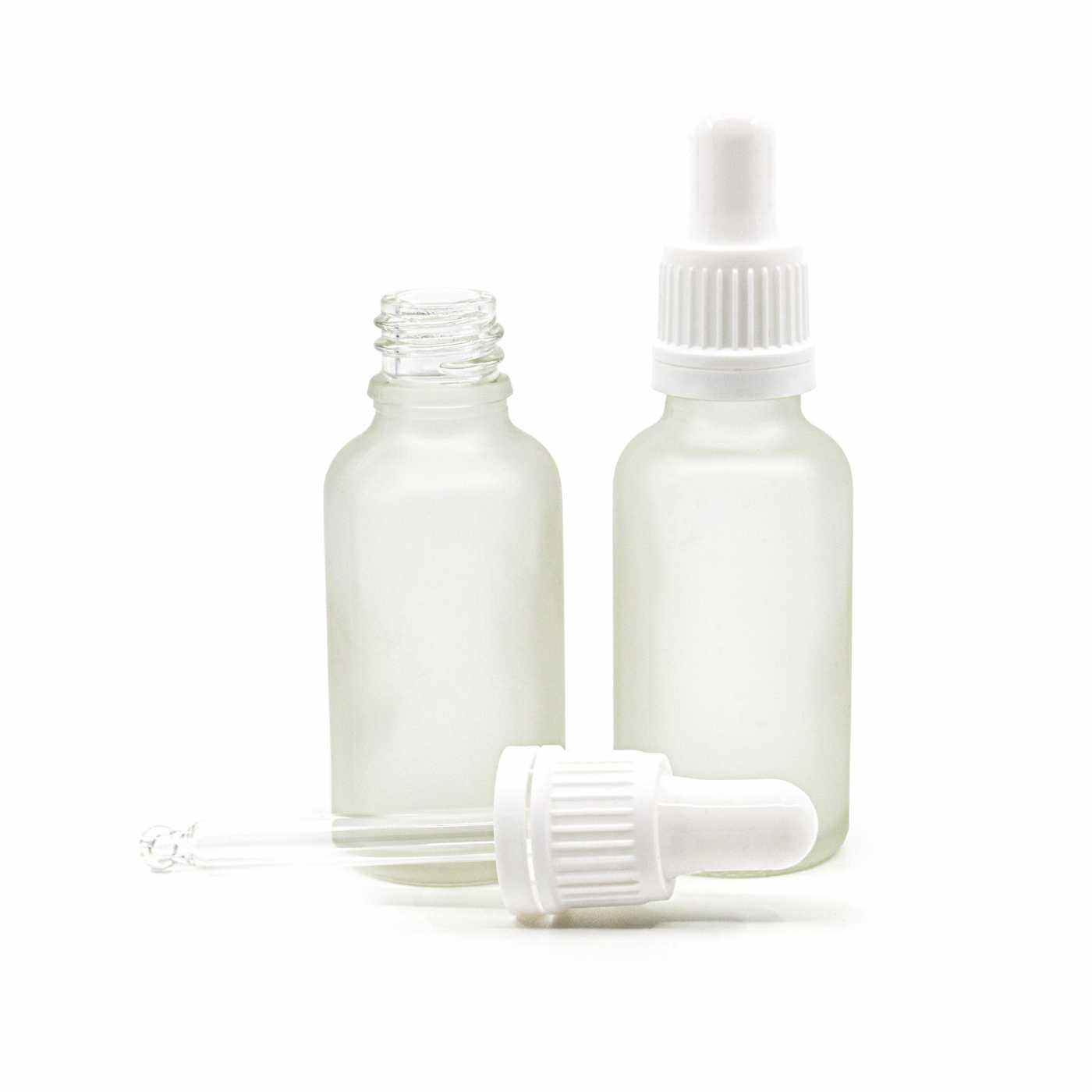

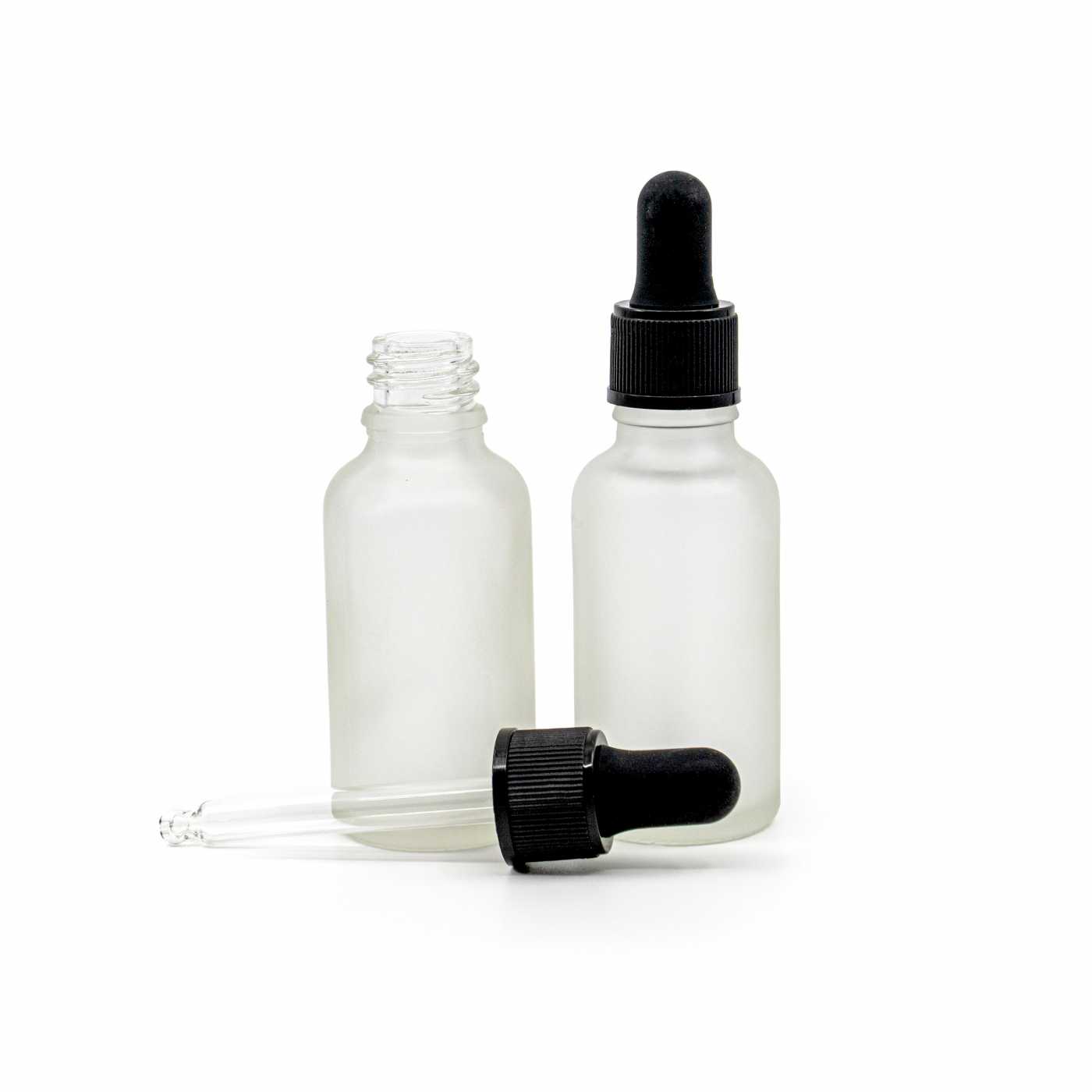
Clear Frosted Glass Bottle, Matte Black Dropper, 30 ml
Pre-order€1.07

BUTTER 1 KG +
Pack size250 g1 kg2.5 kg10 kg25 kg100 kg
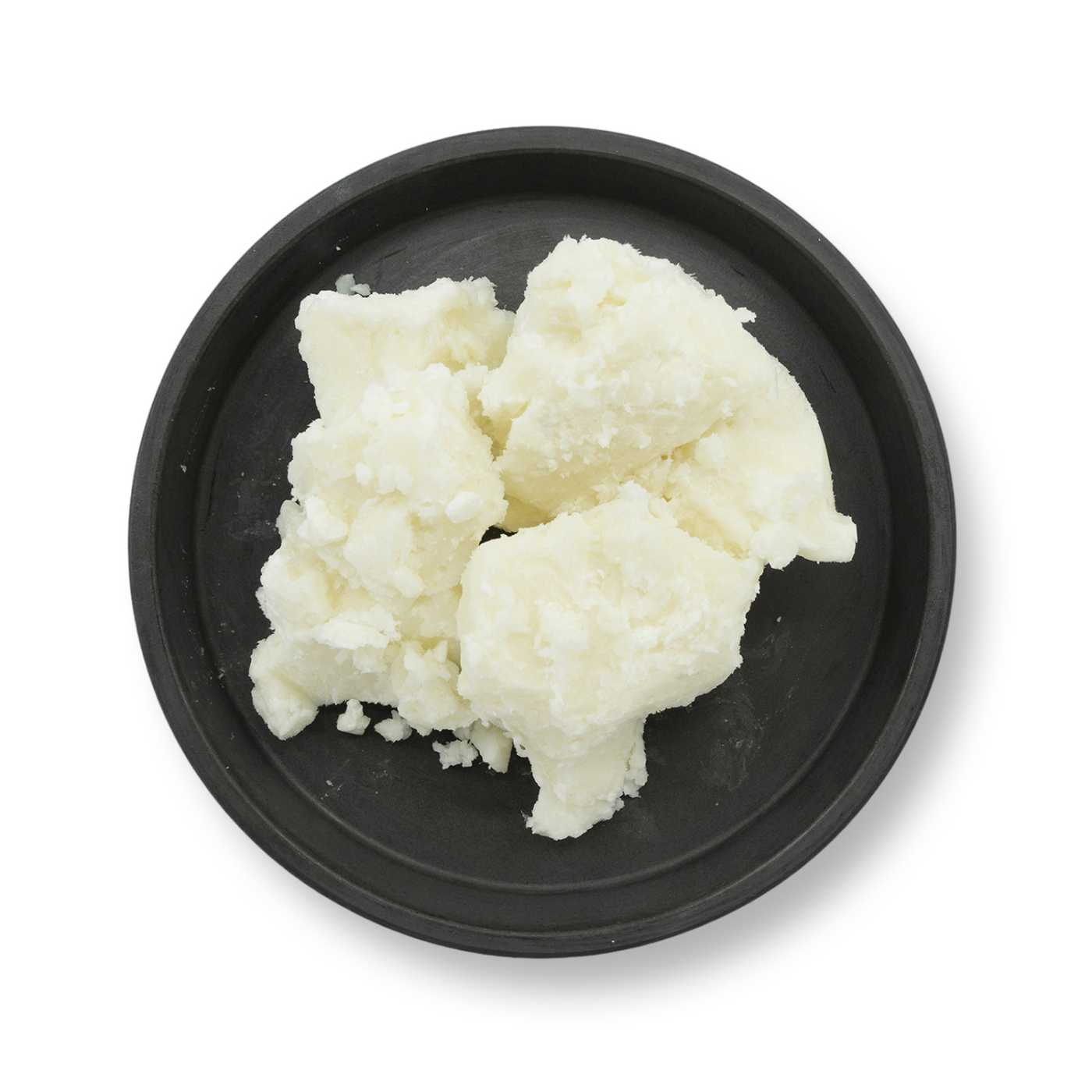
Refined shea butter is a vegetable fat obtained from the nuts of the wild-growing shea tree of Africa. It softens the skin and leaves a protective film on it that reduces water loss. full description
Lowest price in the last 30 days: €32.09
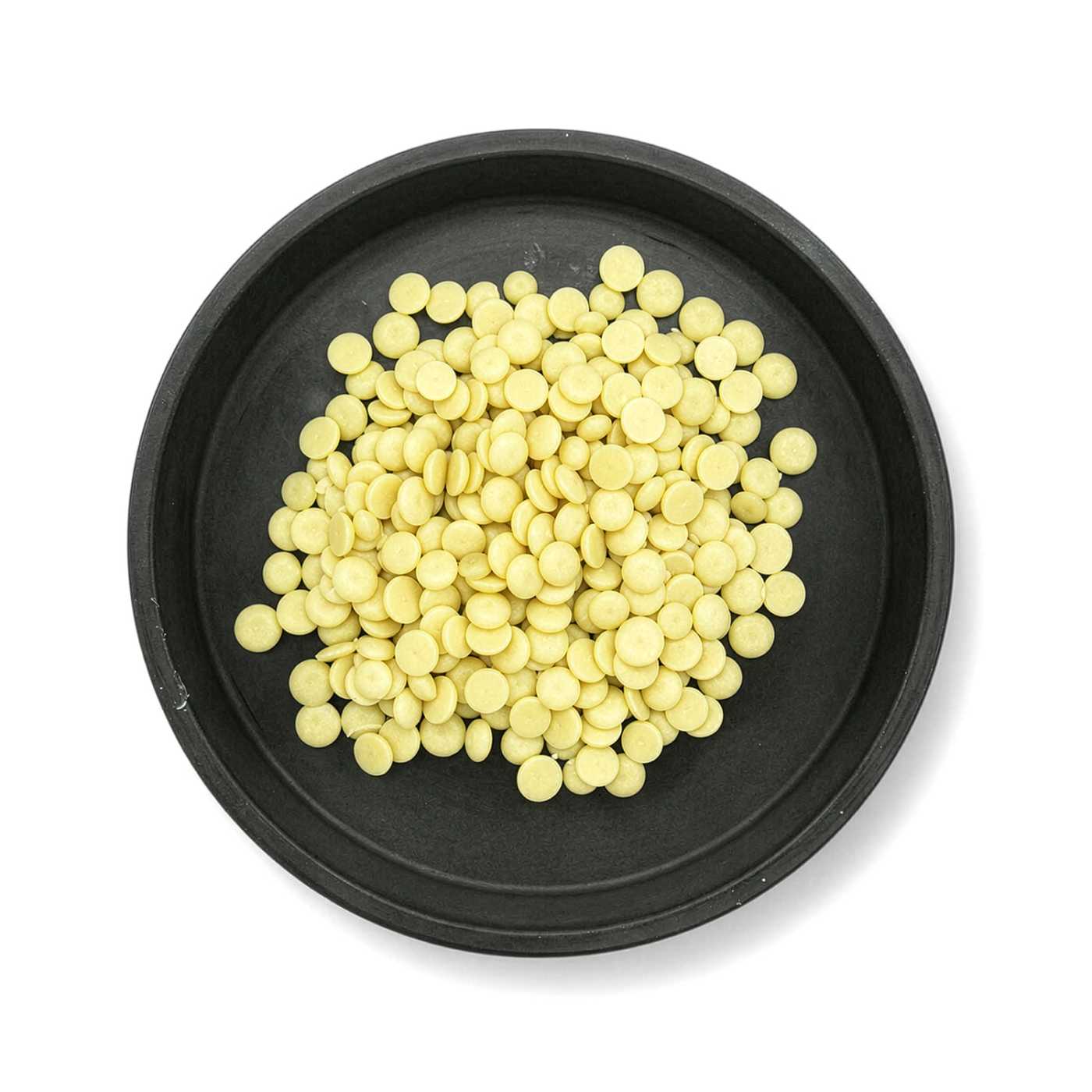
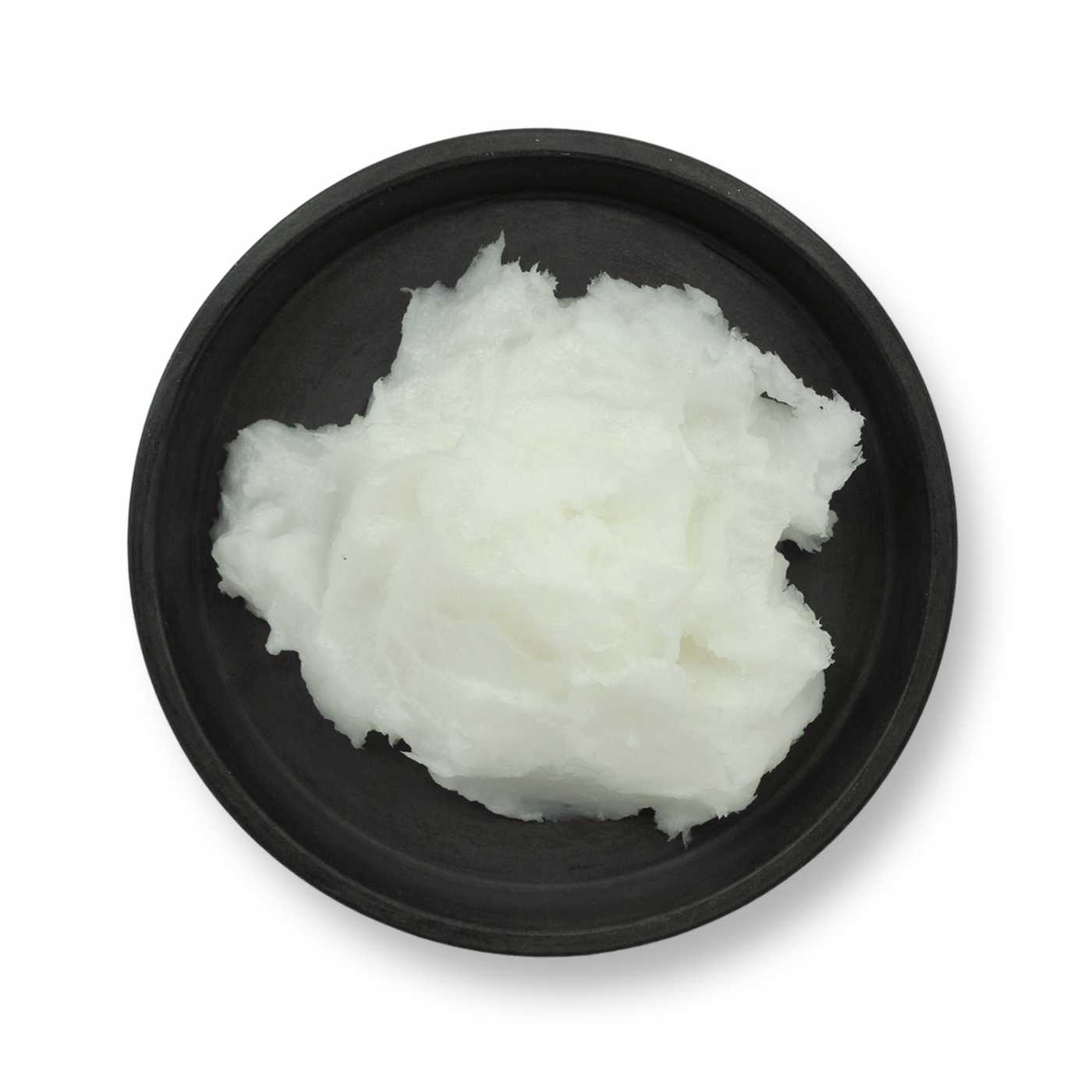
Refined shea butter is a vegetable fat obtained from the nuts of the wild-growing shea tree of Africa. It softens the skin and leaves a protective film on it that reduces water loss. After refining it has only a faint scent, so it is also suitable for products in which the fragrance is meant to stand out or which are meant to remain unscented.
It is used in face, body and hair cosmetics and in lip care, in both rinse-off and leave-on products. The butter is vegan and palm oil-free.
Shea butter is an emollient. It fills in minor irregularities on the skin surface, so the skin feels smoother and softer to the touch. The film it leaves behind slows down water evaporation, and this is how the butter supports hydration. By itself, it does not supply water to the skin.
It works best on dry, rough and cracked skin on the hands, body and lips. It restores the skin’s elasticity and soothes it when it is irritated. It is suitable for all skin types, including sensitive and mature skin.
In hair cosmetics it softens the hair fibre and cares for the scalp. It reduces dryness, frizz and breakage, which especially benefits dry and damaged hair.
Both butters are obtained by pressing the nuts. The refined butter additionally undergoes a four-step purification: degumming, neutralisation, bleaching and deodorisation.
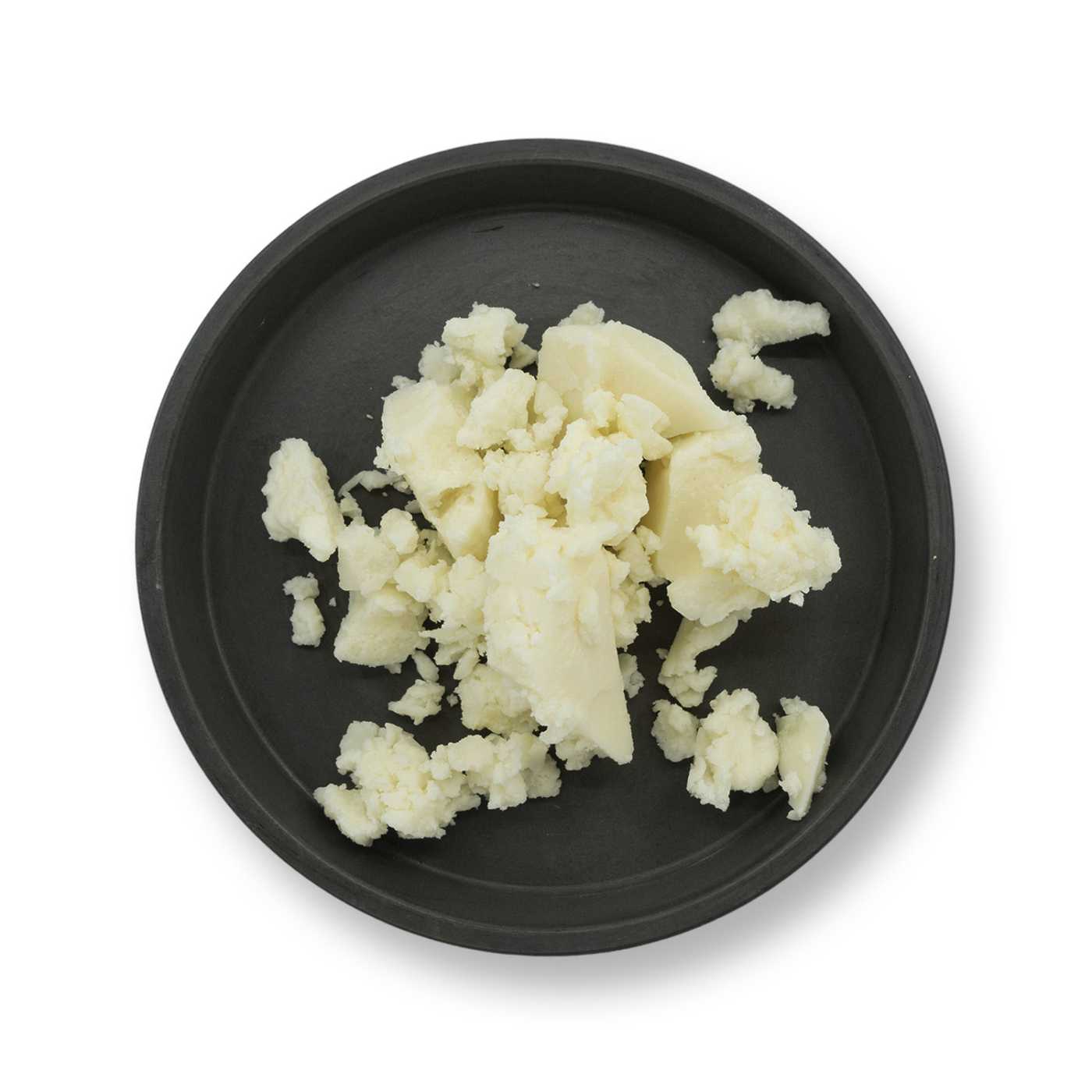
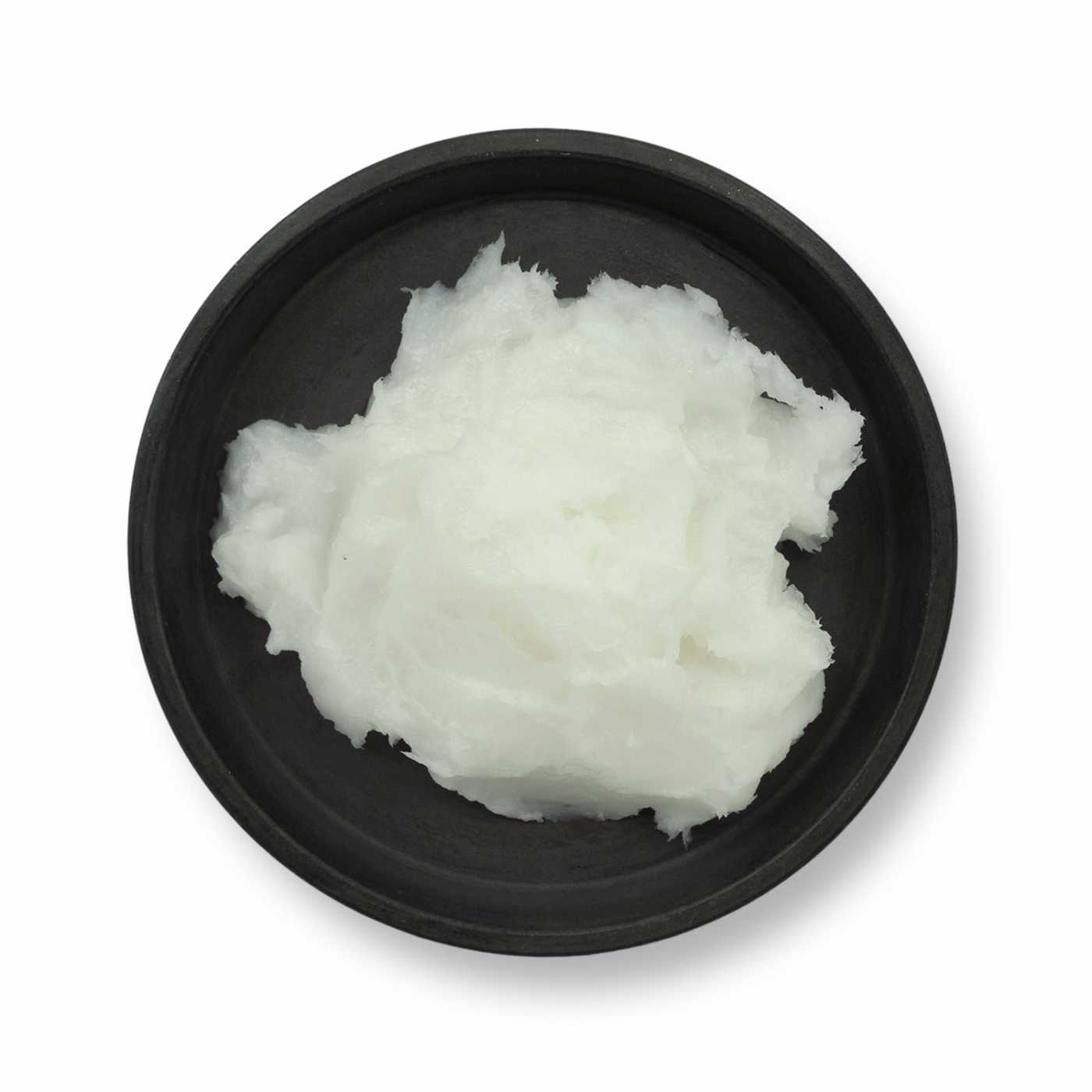
The main difference is in scent and colour. Refined butter is white to light yellow and has only a faint scent, so the finished product carries the scent and colour of the other ingredients. Unrefined butter keeps its own scent and colour, which can be noticed in the product.
The composition differs as well. Refining reduces the content of tocopherols, sterols, phenols and other unsaponifiable substances, which the raw butter contains in larger amounts. Refined butter also has fewer free fatty acids and a lower peroxide value.
The butter belongs in the oil phase. It does not dissolve in water, but it mixes with oils. In emulsions it is weighed out together with the oils, other butters and emulsifiers. In balms it is heated with waxes and oils until both the butter and the wax are completely melted.
It melts at around 36 °C, and the melting point can range from 30 to 45 °C. On the skin it softens quickly and spreads easily. During processing the temperature should not exceed 80 °C.
The consistency is determined by the fatty acids. Stearic acid (39–47%) and oleic acid (42–51%) are present in roughly equal amounts; the first provides firmness and the second softness. They are complemented by linoleic acid (4–10%) and palmitic acid (3–7%).
In formulations it is often combined with glycerine, Cetearyl Alcohol, xanthan gum, Caprylic/Capric Triglyceride and beeswax.
The butter can be used in any proportion from 1 to 100%. In emulsions it is used at a few per cent, in anhydrous products at tens of per cent.
Slight graininess is normal for shea butter and does not affect its quality. At 20 °C the butter is very soft and tiny grains may be felt in it, which melt when heated.
The smoothness of a finished balm or body butter depends on cooling. Shea butter can solidify in two ways: as a smooth fat with small crystals, or as a coarser, grainy fat with a more stable crystalline form. In one study, controlled tempering, that is heating, rapid cooling and holding at a constant temperature while stirring, reduced the hardness of the butter more than threefold.
In soap making, a saponification value of 168–190 mg KOH/g is used. Unsaponifiable substances make up 5–10% of the butter and do not react with the lye solution.
Shea butter oxidises over time. In formulations it is therefore often combined with tocopherol.

Quality product — I'm very happy with it
Translated automatically
Shea butter — I order it regularly, I'm very happy with the quality, they've recently changed the packaging too, which I can also reuse.
Translated automatically