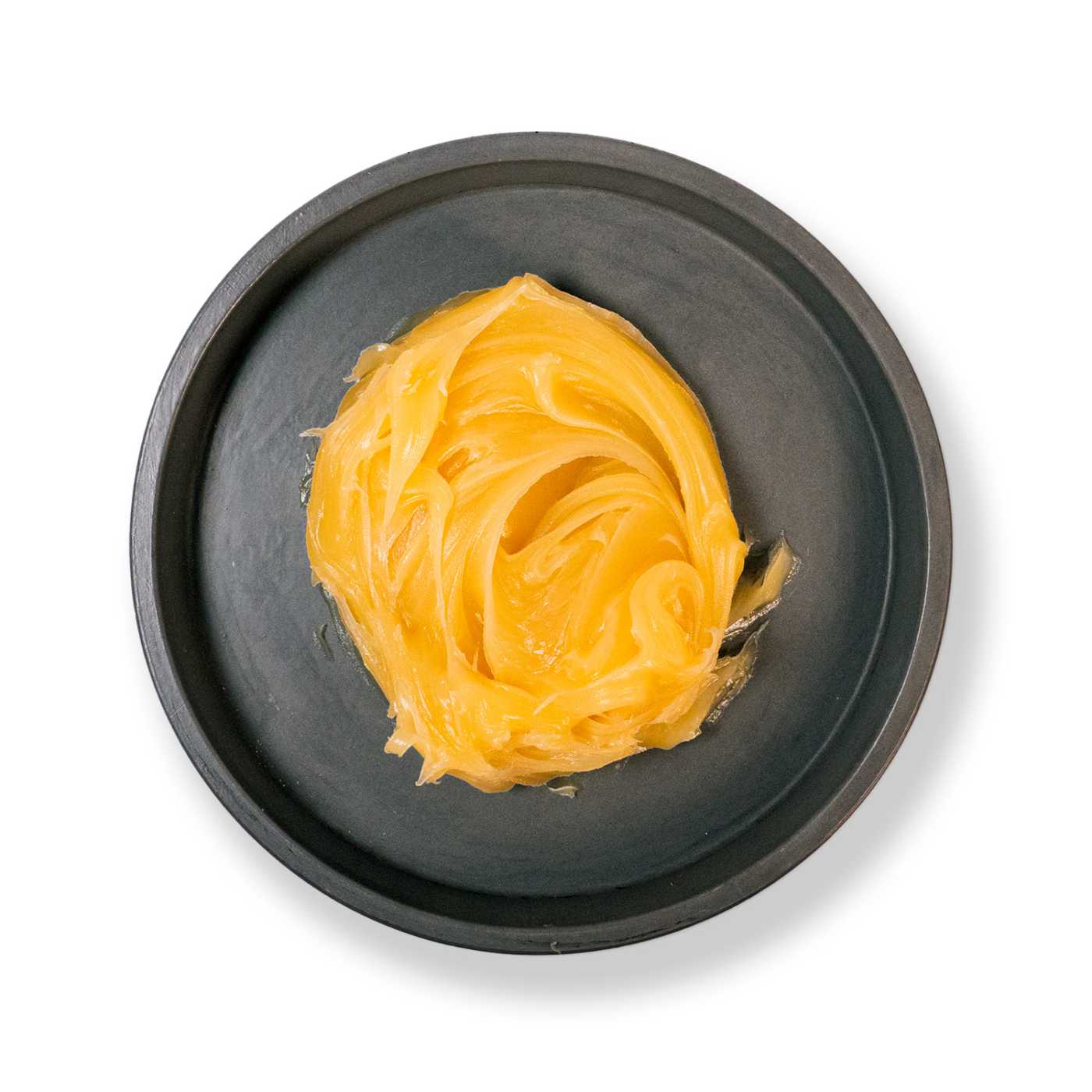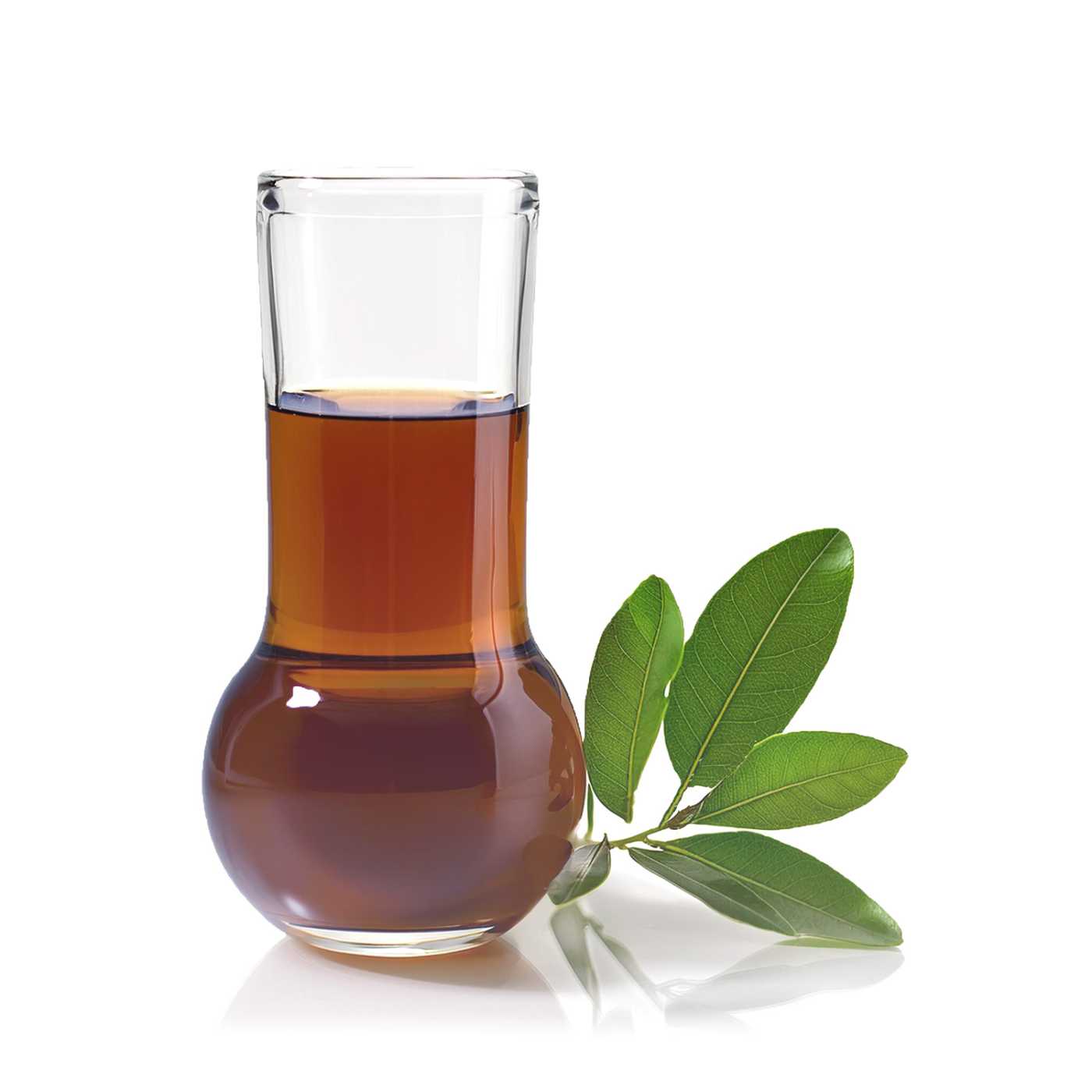
Peruvian balsam 10 ml
Pre-order€5.39(€539.00/l)

Candle fragrance oils
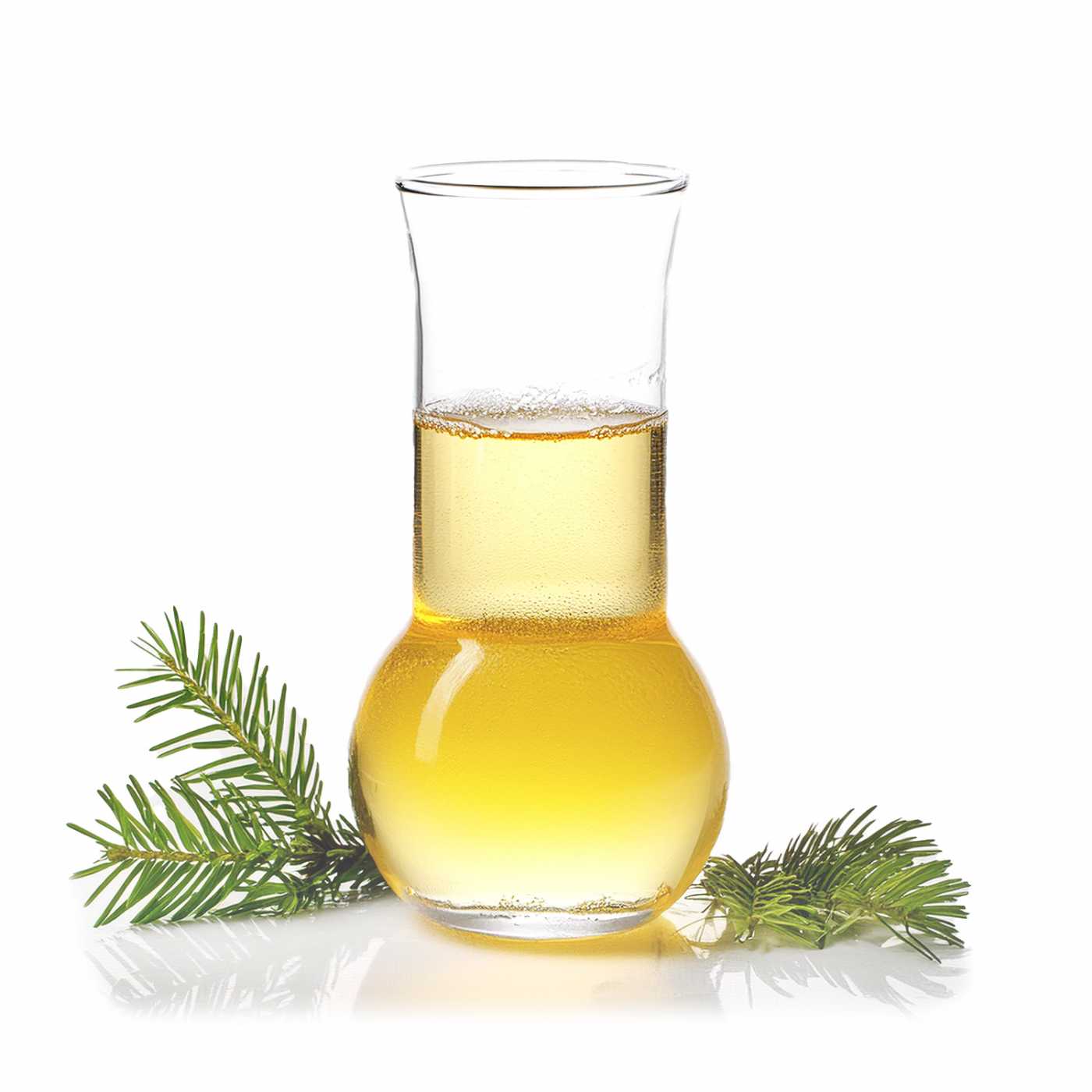
Spruce hemlock essential oil brings the earthy, woody scent of a North American coniferous forest to cosmetics. full description
Lowest price in the last 30 days: €221.76
Spruce hemlock essential oil brings the earthy, woody scent of a North American coniferous forest to cosmetics. It is obtained by steam distillation of the needles of the Canadian hemlock (Tsuga canadensis) and acts as a fragrance ingredient in a formulation. Besides its scent, the manufacturer attributes to it a soothing and mildly warming effect on the skin, so it suits massage and body oils, balms and scalp products.
The Slovak name Jedľa smreková is a translation of the English trade name spruce hemlock. The botanical source is the Canadian hemlock of the genus Tsuga, so the Slovak name does not denote fir or spruce. The ingredient is of plant origin and is supplied in cosmetic grade.
The product parameters also list an antimicrobial and stimulating effect. The manufacturer does not provide specific tests for them, so the oil does not replace a preservative system in water-based products.
The oil is soluble in oils and in alcohol and does not dissolve in water. In anhydrous products (oils, balms, solid butters) it is mixed in at room temperature. In emulsions it is added in the cool-down phase, when the temperature drops below 40 °C, or afterwards into a finished cream base under constant stirring.
In toners, hydrosol sprays or other water-based products it is added only through a solubiliser (for example Polysorbate 20); otherwise it stays on the surface and may reach the skin in undiluted drops. In alcohol-based perfumes and colognes it dissolves directly in ethanol.
There is no single universal usage rate. The manufacturer does not state a recommended range, and the highest amount in the finished product is determined by the IFRA limit for the given category (for example, category 1 is lip products, category 5A body oils and creams, category 9 shampoos and soaps). The limits for all categories are in the IFRA certificate in the Product documentation section.
The oil has a strong influence on the scent of the finished product. Before a larger batch, it is therefore worth preparing a small sample and assessing the scent.
The substance is classified under the CLP Regulation and contains hazardous substances. The label carries pictograms for flammability, corrosivity, irritation and sensitisation, serious long-term health risks and hazard to the environment. Gamma-terpinene and p-cymene are listed as CMR components. Details on safe handling are in the safety data sheet for the product.
The essential oil is used exclusively diluted in a carrier oil, emulsion or another base, in an amount according to the IFRA limit for the specific type of product. It is suitable for both leave-on and rinse-off products for the body, face, hair and scalp.
The recommended processing temperature is below 40 °C. For poured balms and solid butters, you therefore wait until the mass has partially cooled. According to the manufacturer’s data, the oil is vegan and contains no palm oil ingredients, alcohol or preservatives.
The oil is also listed under the names Tsuga canadensis, eastern hemlock and Canadian hemlock. When searching for recipes in foreign sources, the name hemlock spruce can help.

Variant: Esenciálny olej, Jedľa smreková, 10 ml

Variant: Esenciálny olej, Jedľa smreková, 10 ml