+421 950 333 113info@handymade.store−10 %Shop now

CO2 Extracts

Vanilla CO2-HA Extract, 2% Vanillin, Organic, 50 ml

Pack size10 ml50 ml100 ml

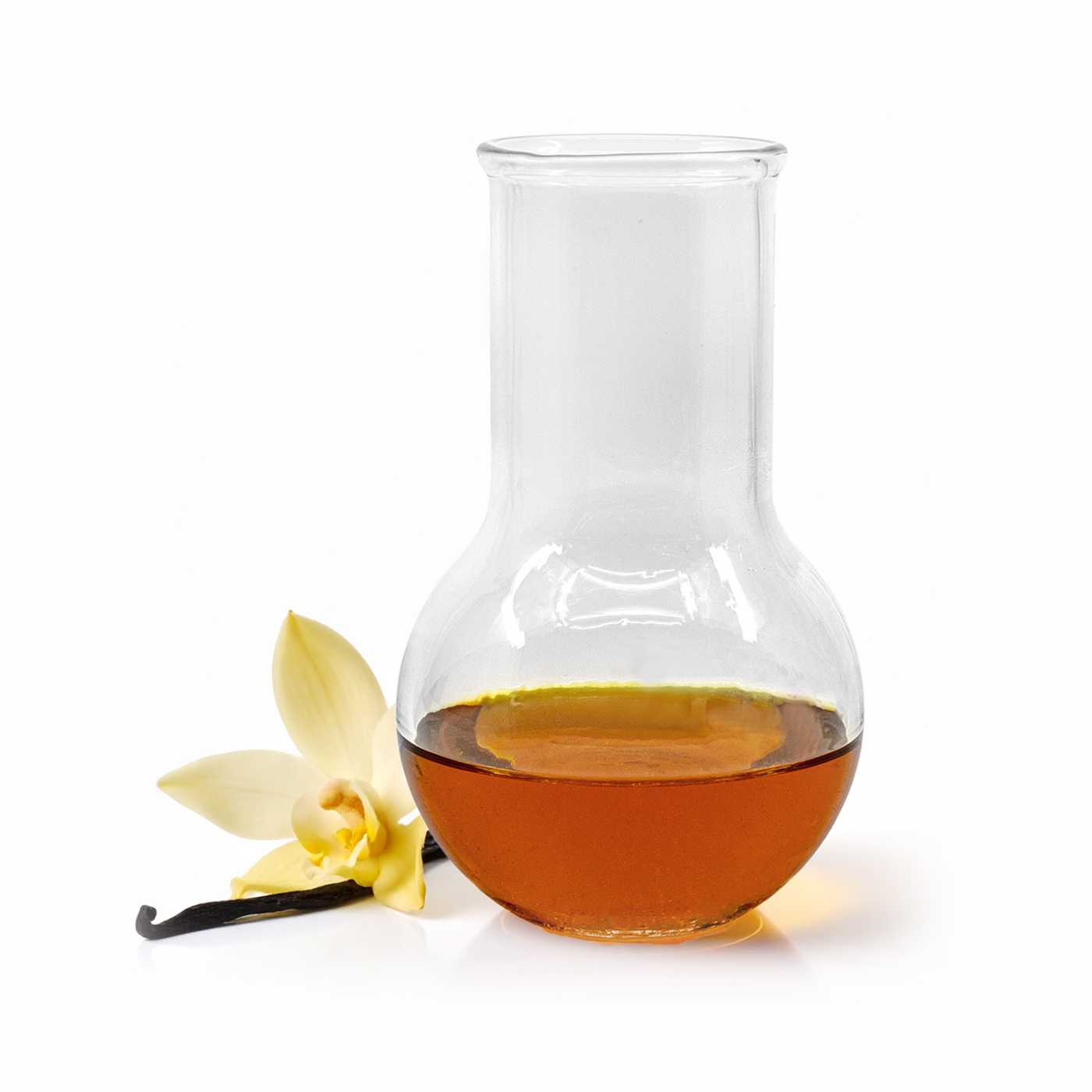
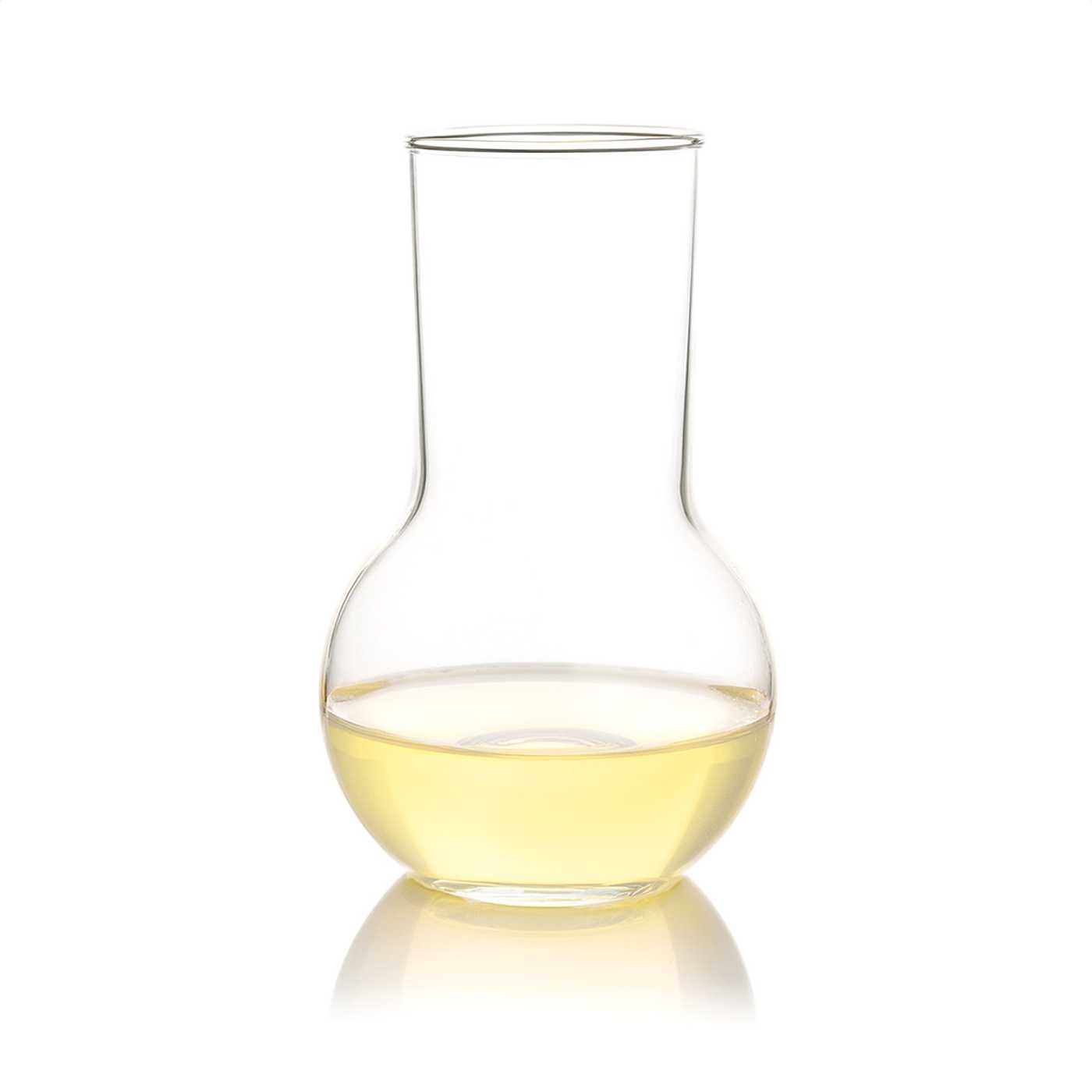
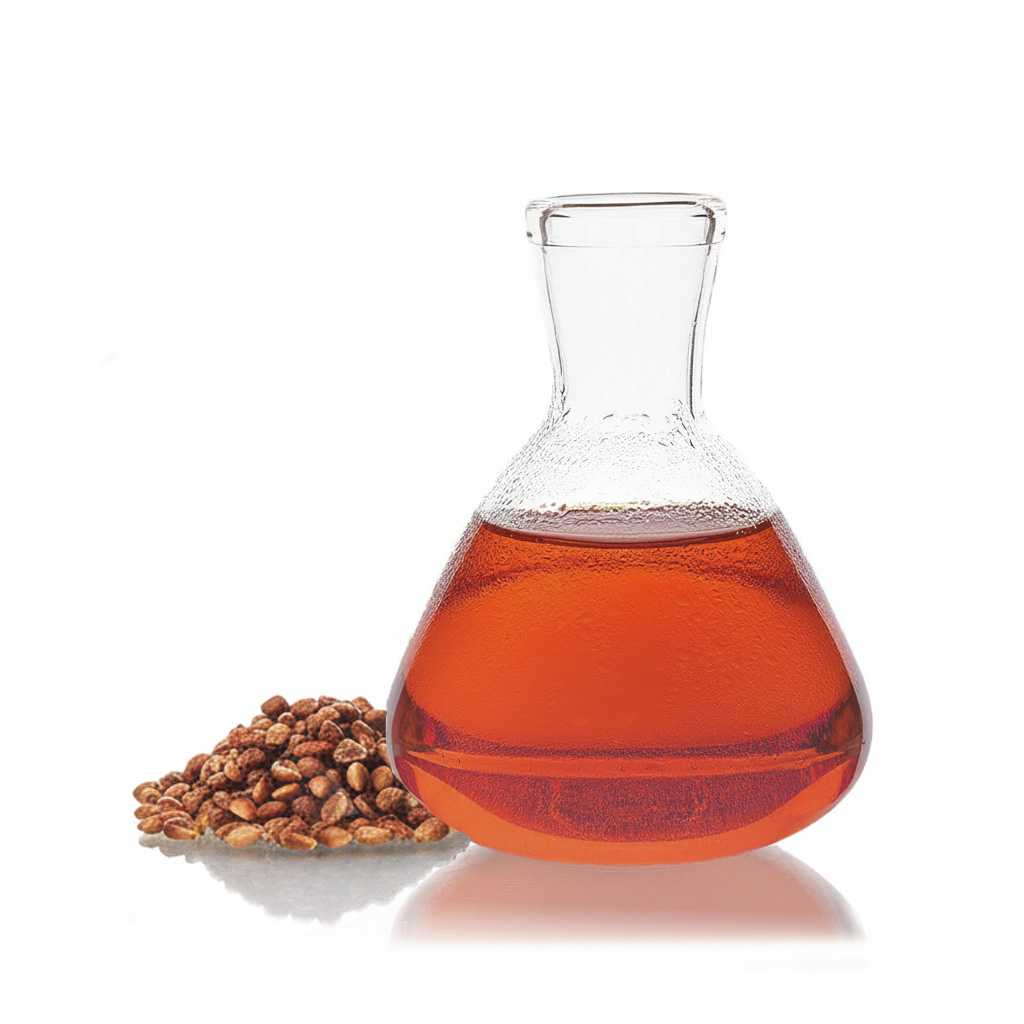
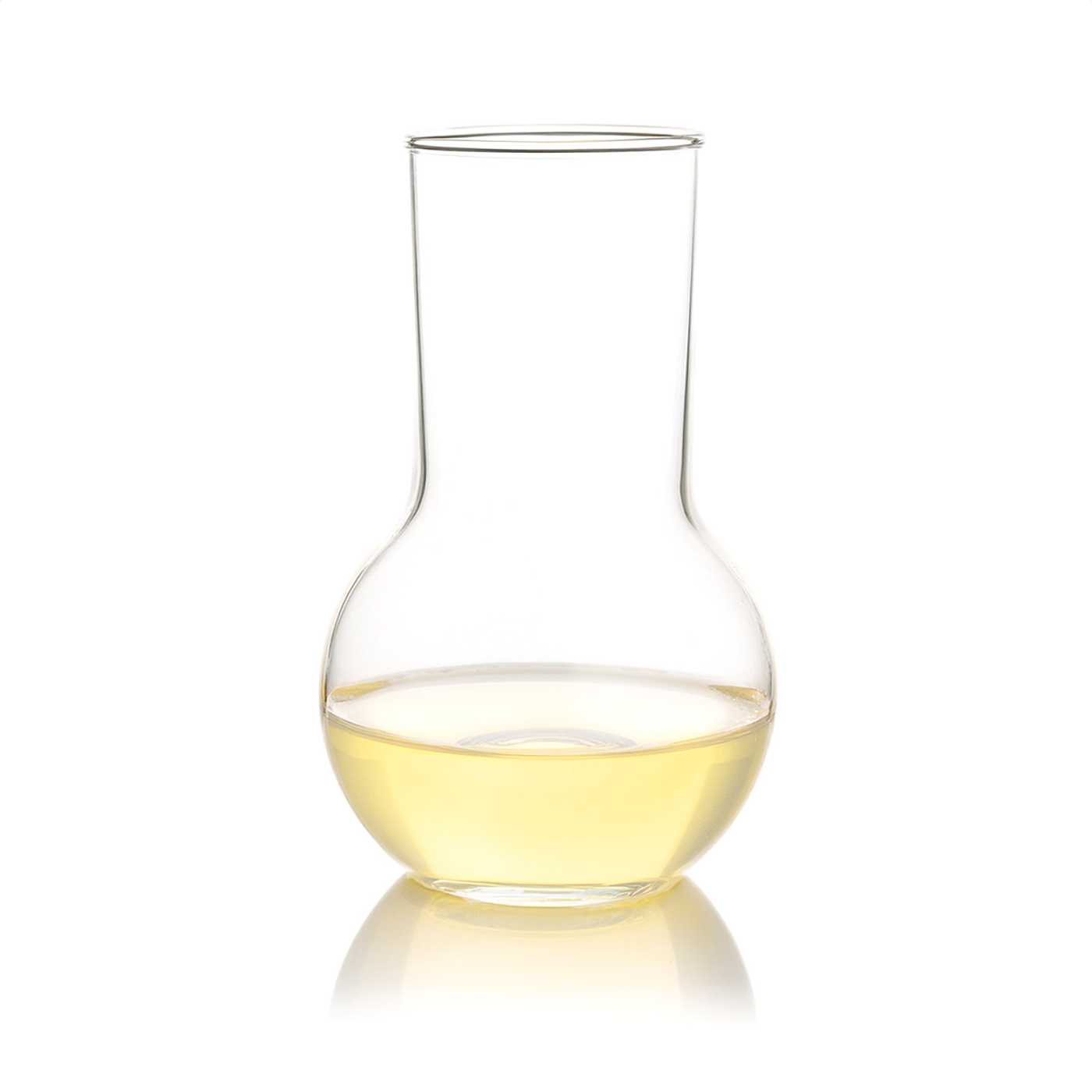
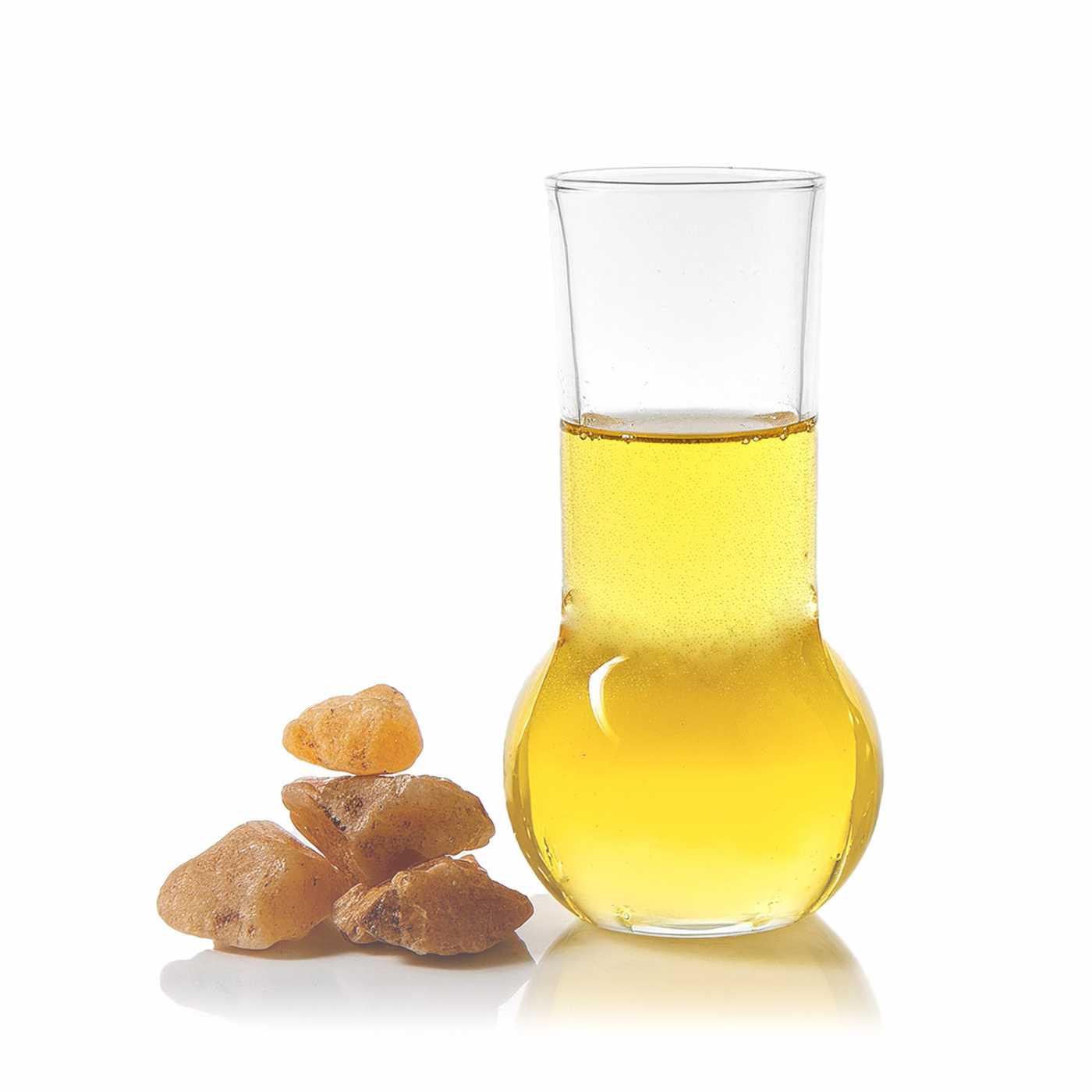
Vanilla CO2-HA extract, organic gives cosmetic products the fragrance and flavour of real vanilla . It is obtained from vanilla pods (Vanilla planifolia) and standardised to 2% natural vanillin . full description

AvailabilityIn stock · 14 packs
Product codeCO700_50
Batch652011
Best before02/2030
€23.96incl. VAT€479.20/l

Lowest price in the last 30 days: €23.96

Product description

Vanilla CO2-HA extract, organic gives cosmetic products the fragrance and flavour of real vanilla. It is obtained from vanilla pods (Vanilla planifolia) and standardised to 2% natural vanillin. It is soluble in water and miscible with alcohol, so it can be blended into toners, gels, emulsions and toothpastes without a solubiliser.

The pods come from organic farming. The extract has organic certification (QC&I, DE-ÖKO-013) and kosher certification (KLBD). It is available in both cosmetic grade and food grade.


What the CO2-HA designation means

The abbreviation HA here stands for hydroalcoholic and has nothing to do with hyaluronic acid. Dried vanilla pods are ground, mixed with organic ethanol and the mixture is extracted with natural carbon dioxide. The extract obtained in this way contains no solvent residues, inorganic salts or heavy metals.

Finally, the vanillin content is adjusted with ethanol to 1.9–2.1%. The finished extract consists of 52–55% ethanol, 44–51% water and approximately 4% vanilla CO2 extract. Producing 1 kg of product takes 1.2–1.5 kg of vanilla pods. The countries of origin listed are Uganda, Madagascar and Germany.


Fragrance and flavour

Fermented vanilla is one of the most aromatically complex spices, containing more than 250 aromatic components. Carbon dioxide extraction captures them in concentrated form. The resulting fragrance is balanced, with a subtle vanilla-rum note and light to medium resinous vanilla notes in the background.

The extract combines well with other vanilla extracts, whose fragrance and flavour it enhances.

Specialist literature also attributes antioxidant and antibacterial properties to vanilla. In a formulation, however, the extract is treated as a fragrance and flavour component.


Use in formulations

The extract is added in the cooling phase or afterwards to the finished product, always at a temperature below 40 °C. It can also be incorporated into the oil phase.

There is no single universal usage rate. The highest amount in the finished product is determined by the IFRA limit for the given product category, for example category 1 for lip products. The limits for all categories are in the IFRA certificate in the Product documentation section.

The ethanol from the extract counts towards the total alcohol content of the product. The extract is lighter than water, so 1 ml weighs less than 1 g. This must be taken into account when converting a formulation from millilitres to grams.

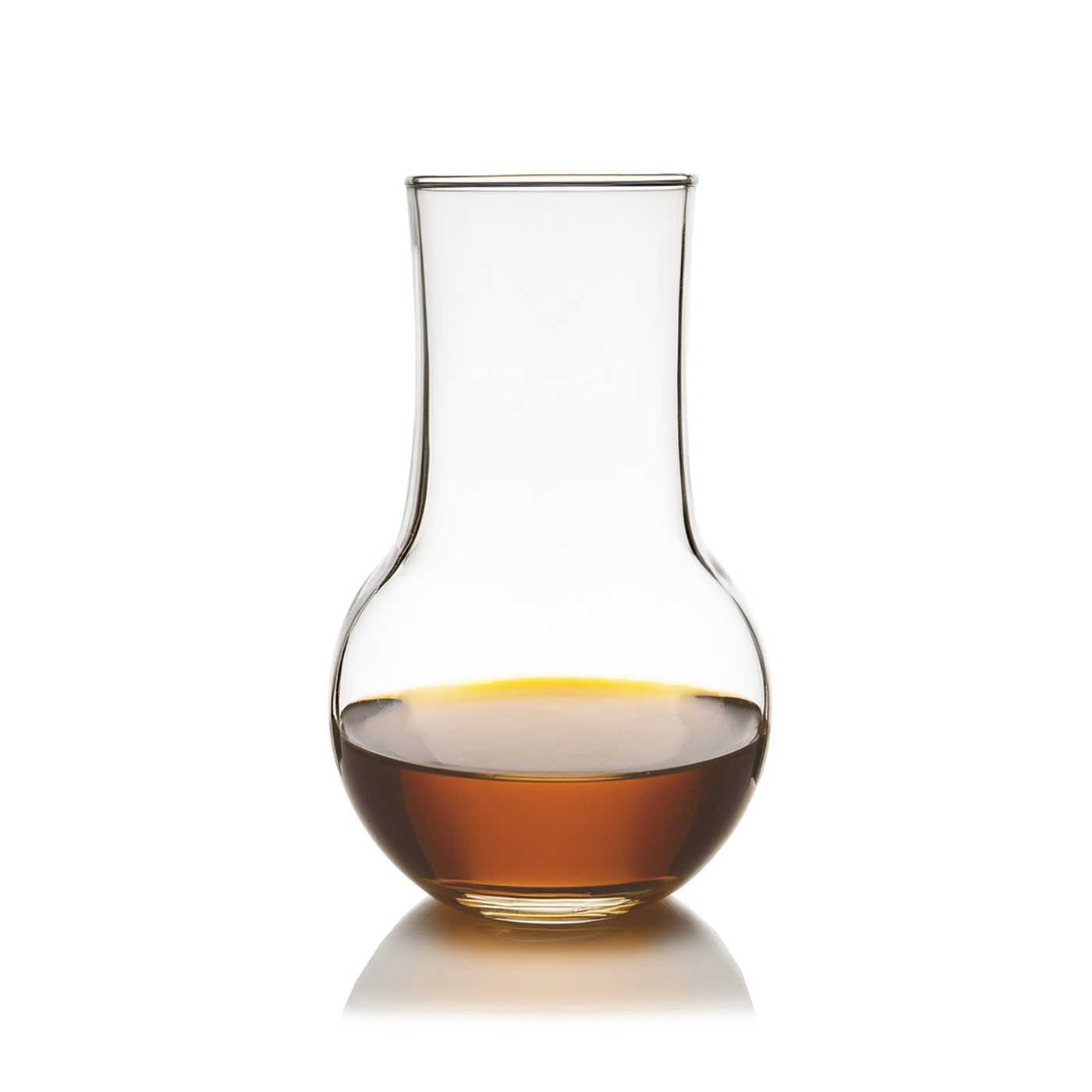
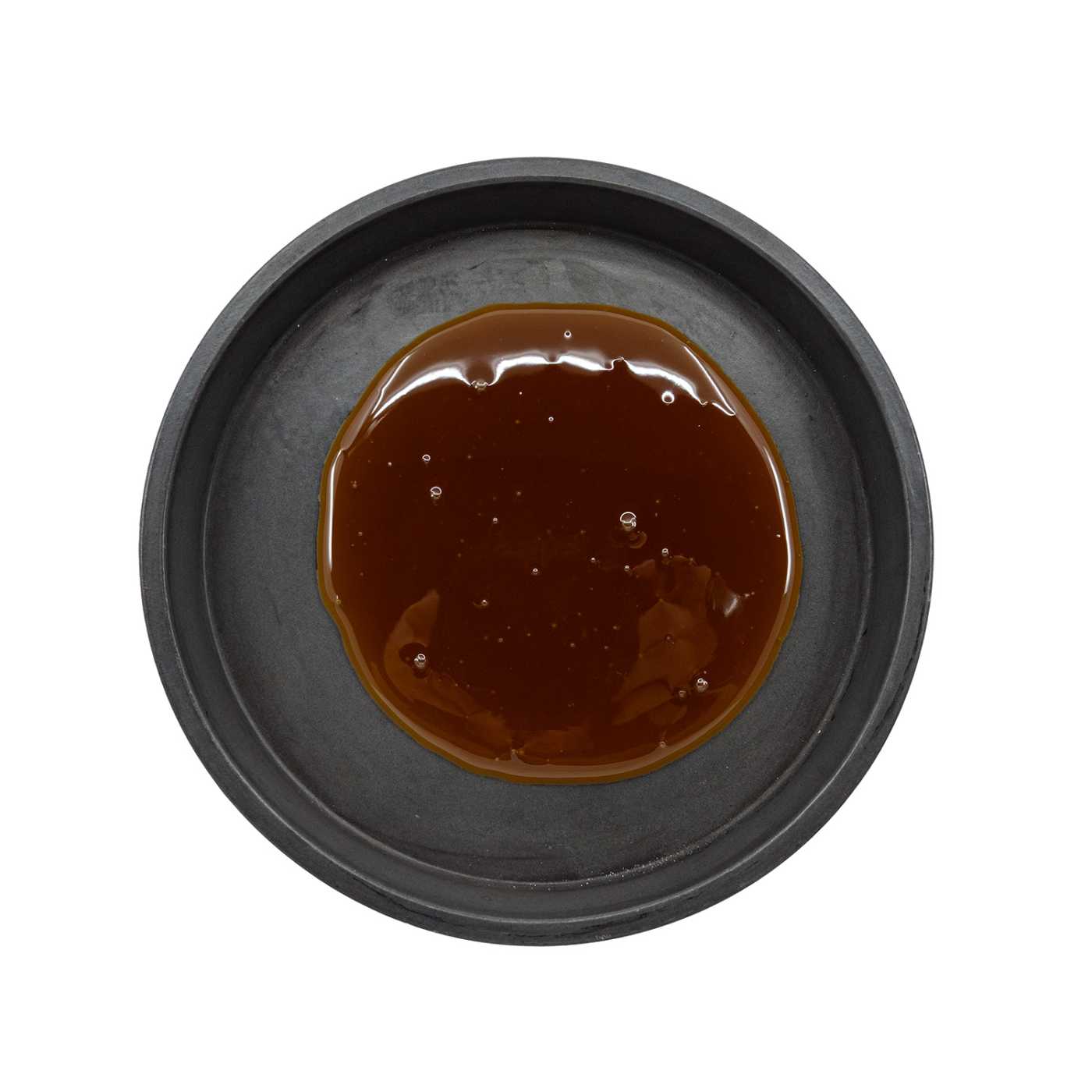
The extract itself has a pH of 4–5 (at 21 °C) and a yellow to light brown colour. The colour must be taken into account in light and clear products.


Suitable for products such as

  • Lip balms and lipsticks – improves the flavour and adds a vanilla fragrance.
  • Toothpastes and oral hygiene products – serves as a natural flavour component.
  • Face and body creams, lotions and gels – scents leave-on products; it is added to the cooled emulsion.
  • Toners, body sprays and alcohol-based products – gives them the fragrance of real vanilla.
  • Shower gels and other rinse-off products – vanilla fragrance of natural origin.

Good to know

  • Only as a formulation ingredient – the concentrated extract is not intended for direct application to the skin or for direct consumption.
  • Sensitivity of vanillin – vanillin slowly oxidises in humid air; the reaction is triggered by light and accelerated by traces of metals. Avoid metal tools and containers with a metal interior when working with it.
  • Incompatibility – the extract must not be combined with oxidising agents.
  • Allergens – of the fragrance allergens it contains vanillin (2%); no others above 0.01% are present. An allergen is listed in the product ingredients when its concentration exceeds 0.01% in a rinse-off product and 0.001% in a leave-on product.

The extract is a flammable liquid (GHS02) with a flash point of 22.5 °C. Do not work with it near open flames or hot surfaces, use gloves and safety glasses, and do not inhale the vapours. It is not suitable for adding to hot wax in candle making.


Frequently asked questions

Is the organic vanilla CO2-HA extract water-soluble?
Yes, organic vanilla CO2-HA extract is readily soluble in water and miscible with alcohol. Its carrier is a mixture of ethanol and water, so it can be added directly to toners, gels or a cooled emulsion. A solubiliser is not needed for water-based products. It can also be incorporated into the oil phase.
What does CO2-HA mean in a vanilla extract?
CO2-HA denotes a hydroalcoholic extract obtained with carbon dioxide. Ground vanilla pods are mixed with ethanol and extracted with natural CO2, after which the vanillin content is adjusted to 2%. The abbreviation HA does not mean hyaluronic acid. In the ingredients of a cosmetic product, the extract is listed as Alcohol, Aqua, Vanilla Planifolia Fruit Extract.
What is the usage rate of vanilla CO2-HA extract in cosmetics?
Vanilla CO2-HA extract has no single universal usage rate. The highest amount in the finished product is determined by the IFRA limit for the product category, for example category 1 for lip products. The limits for all categories are in the IFRA certificate in the Product documentation section. The ethanol from the extract counts towards the total alcohol content of the product.
Can vanilla CO2-HA extract be used in a lip balm?
Yes, vanilla CO2-HA extract is used to improve the flavour and fragrance of lipsticks and lip balms. The lips are among the areas of application the extract is intended for, as is the oral cavity. It is added to the product only as a formulation ingredient. The concentrated extract is not applied directly to the lips.
Is vanilla CO2-HA extract suitable for candles?
No, vanilla CO2-HA extract is not suitable for candles. It contains 60–63% ethanol by volume and its flash point is 22.5 °C, so it is flammable even at room temperature. In hot wax the ethanol would evaporate and there is a risk of ignition. The extract is intended for cosmetics, where it is added at a temperature below 40 °C.

Parameters

INCI
Alcohol, Aqua, Vanilla Planifolia Fruit Extract
CAS No.
64-17-5, 7732-18-5, 84650-63-5
EC number
200-578-6, 231-791-2, 283-521-8
Product colour
BrownYellow
Country of origin
UgandaMadagascarGermany
Processing method
CO2 extractionMilling
Odour
Sweet
Appearance
Liquid
Free from
parabens
Function in formulation
Fragrance component
Recommended processing temperature
< 40 °C
Application type
Leave-onRinse-off
Biodegradability
Readily biodegradable
Certifications
Organic certification
Manufacturer's certificate
Kosher
Natural Index (NI ISO 16128)
1,00
Volume
50 ml

Product documentation

CoACertificate of Analysis
batch 652011PDF ↓
TDSTechnical Data Sheet
Physical parameters and processingPDF ↓
IFRAIFRA Certificate
batch 652011PDF ↓
SDSSafety Data Sheet
Available for purchased products —
Download all (ZIP)

3 PDF files in one archive

REVIEWS

Verified by customers.

No reviews yet.

Only customers with a delivered order can write reviews.