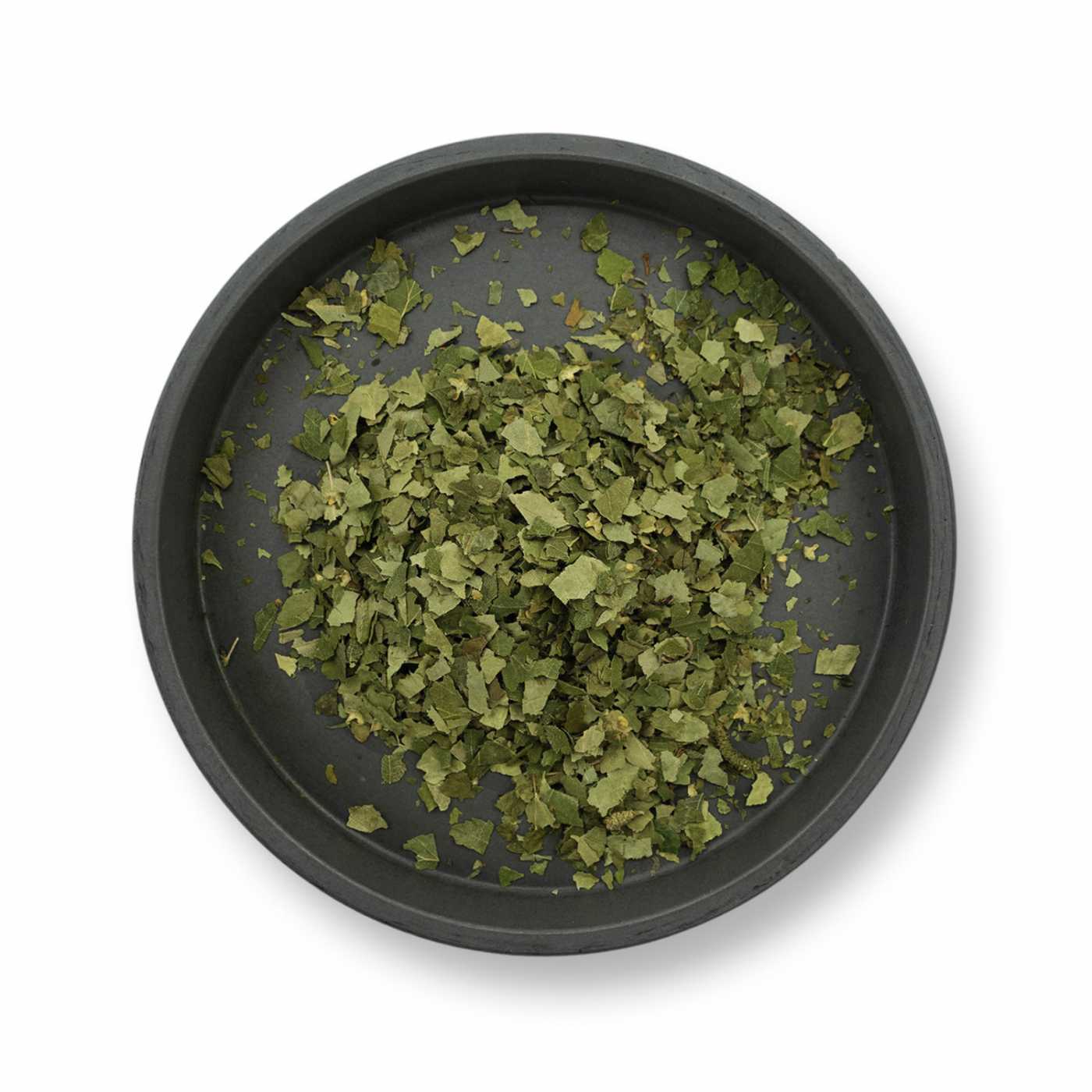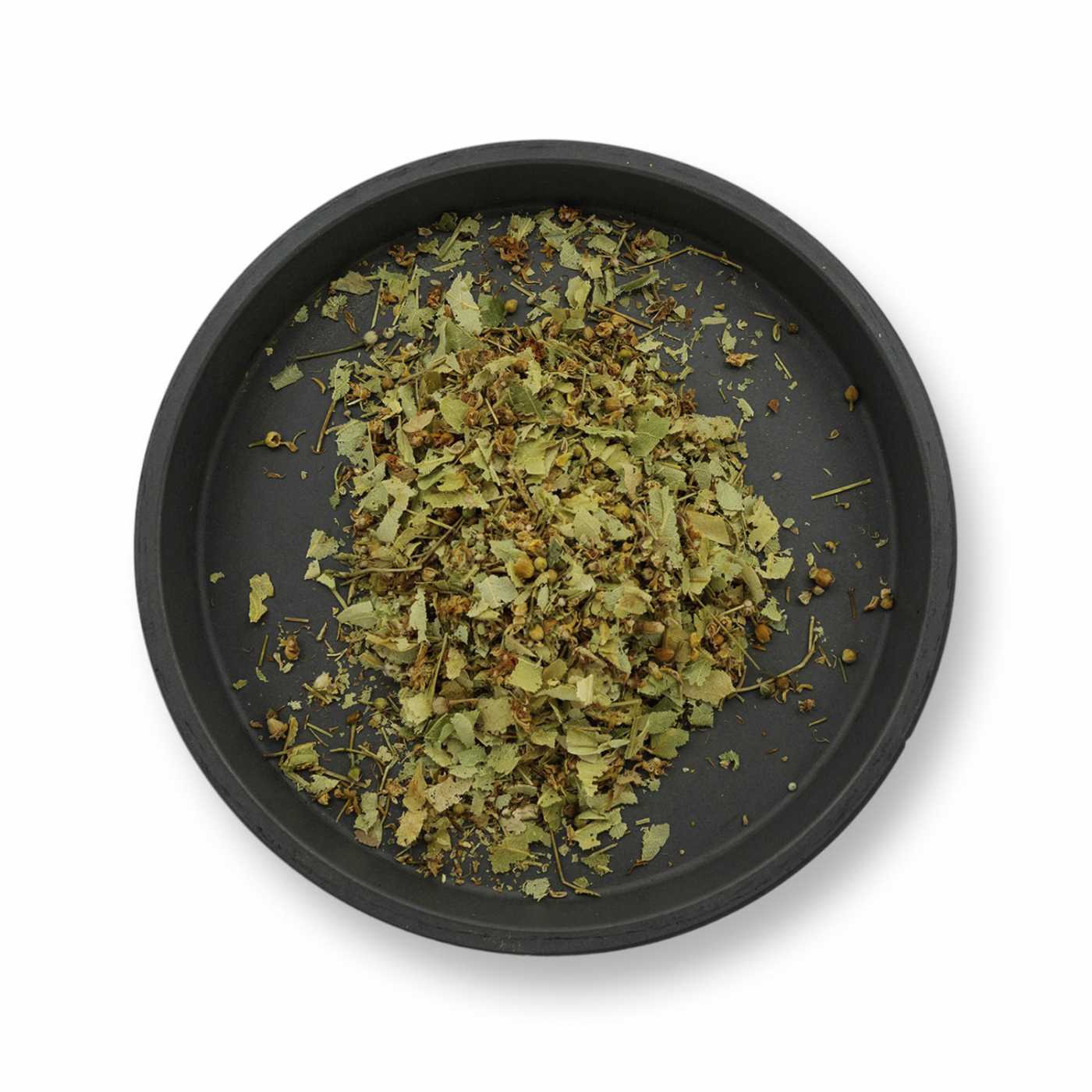
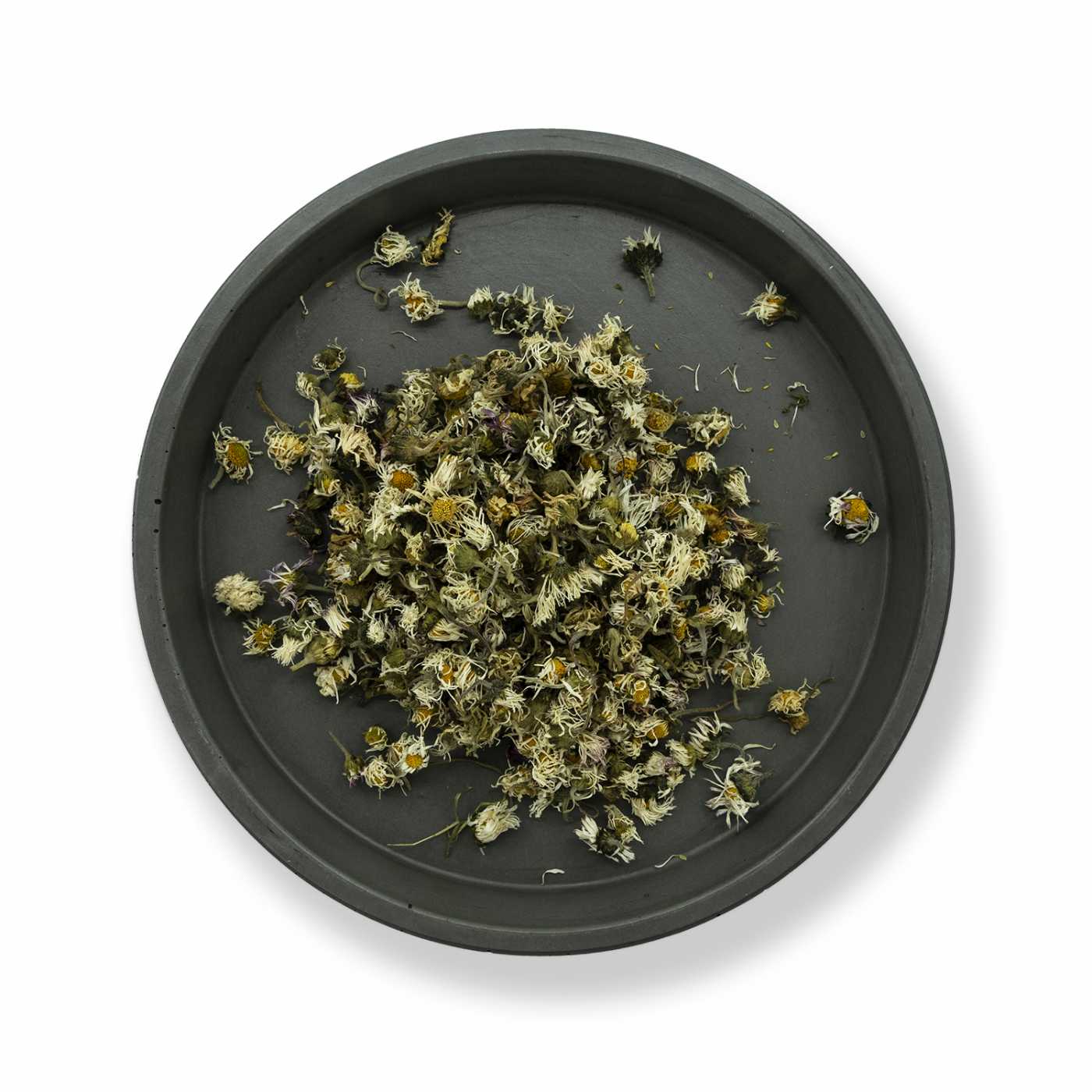
Daisy, Dried Flower, 50 g
Pre-order€5.64(€112.80/kg)

ACTIVE INGREDIENTS
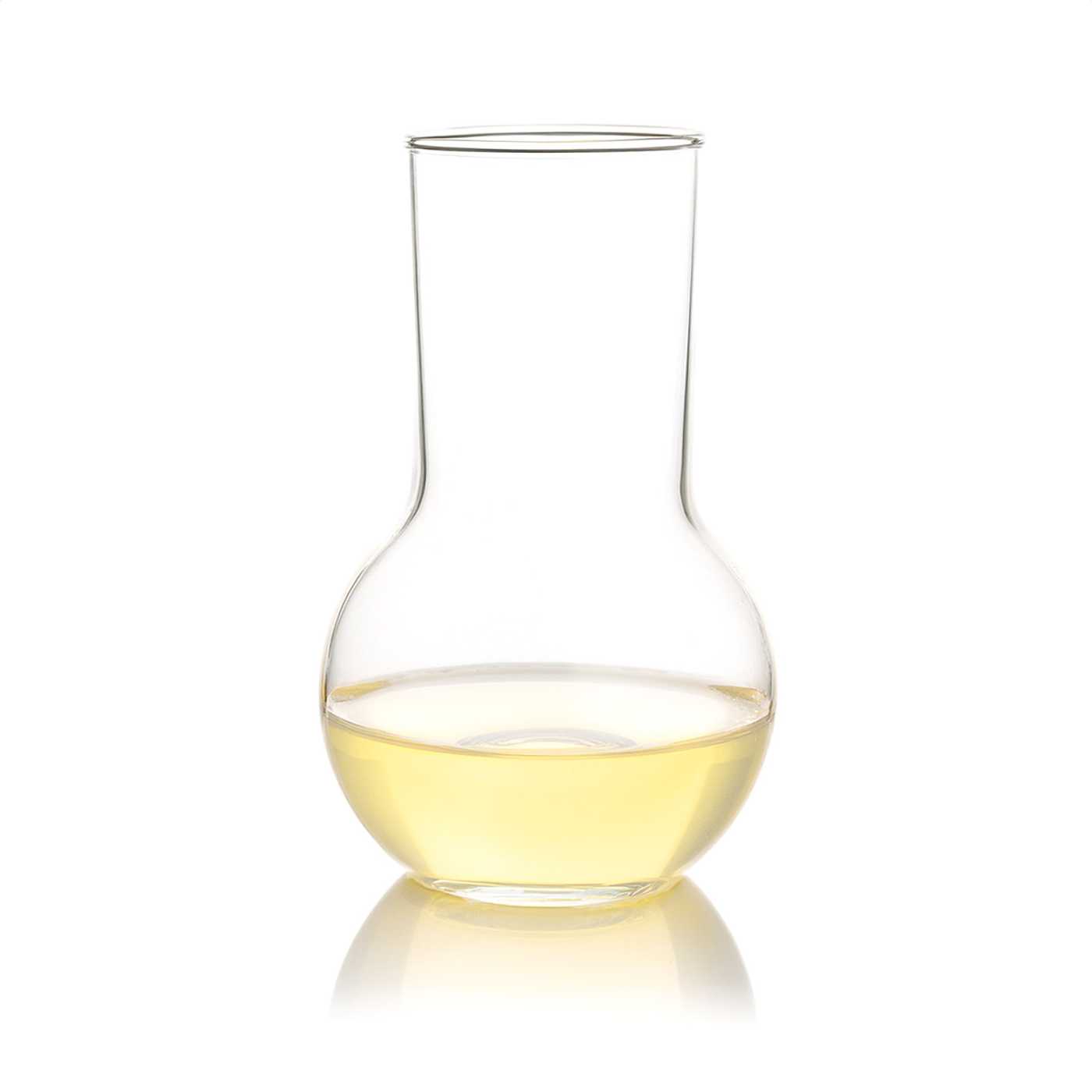
Lactic acid 80% (Lactic Acid) is an aqueous solution of lactic acid, one of the alpha hydroxy acids (AHA) , produced by fermentation. In a formulation it does two different things depending on how much of it you add. full description
Lowest price in the last 30 days: €113.65
Lactic acid 80% (Lactic Acid) is an aqueous solution of lactic acid, one of the alpha hydroxy acids (AHA), produced by fermentation. In a formulation it does two different things depending on how much of it you add. Added drop by drop, it lowers the pH of the finished product. At a higher usage rate it acts as an active ingredient, loosening dead cells from the surface of the skin and binding water in it. It is one of the gentler AHAs, so it is used in facial serums, toners, hand and foot creams, shampoos and shower gels.
Its main effect is exfoliation. Lactic acid weakens the bonds between dead cells on the surface of the skin, so they come away more easily and the skin feels smoother and its tone looks more even. It works this way only in a sufficiently acidic environment, at a finished product pH of around 3.0–4.0. At a higher pH most of the acid is present as lactate. Lactate no longer loosens dead cells, but it does hydrate the skin.
Its second effect is hydration. Lactate is part of the skin’s natural moisturising factor, binds water and helps to keep it in the stratum corneum. In combination with sodium lactate (Sodium Lactate) the hydrating effect is significantly enhanced. The pair is commonly used in moisturising creams and facial lotions.
It is gentler than glycolic acid, and the difference comes from the size of the molecule. Lactic acid has a larger molecule, penetrates the skin more slowly and acts more gradually. This makes it suitable even for products for skin that reacts more sensitively to acids. On mature skin it supports the renewal of surface cells and complements the action of other active ingredients that smooth and brighten the complexion.
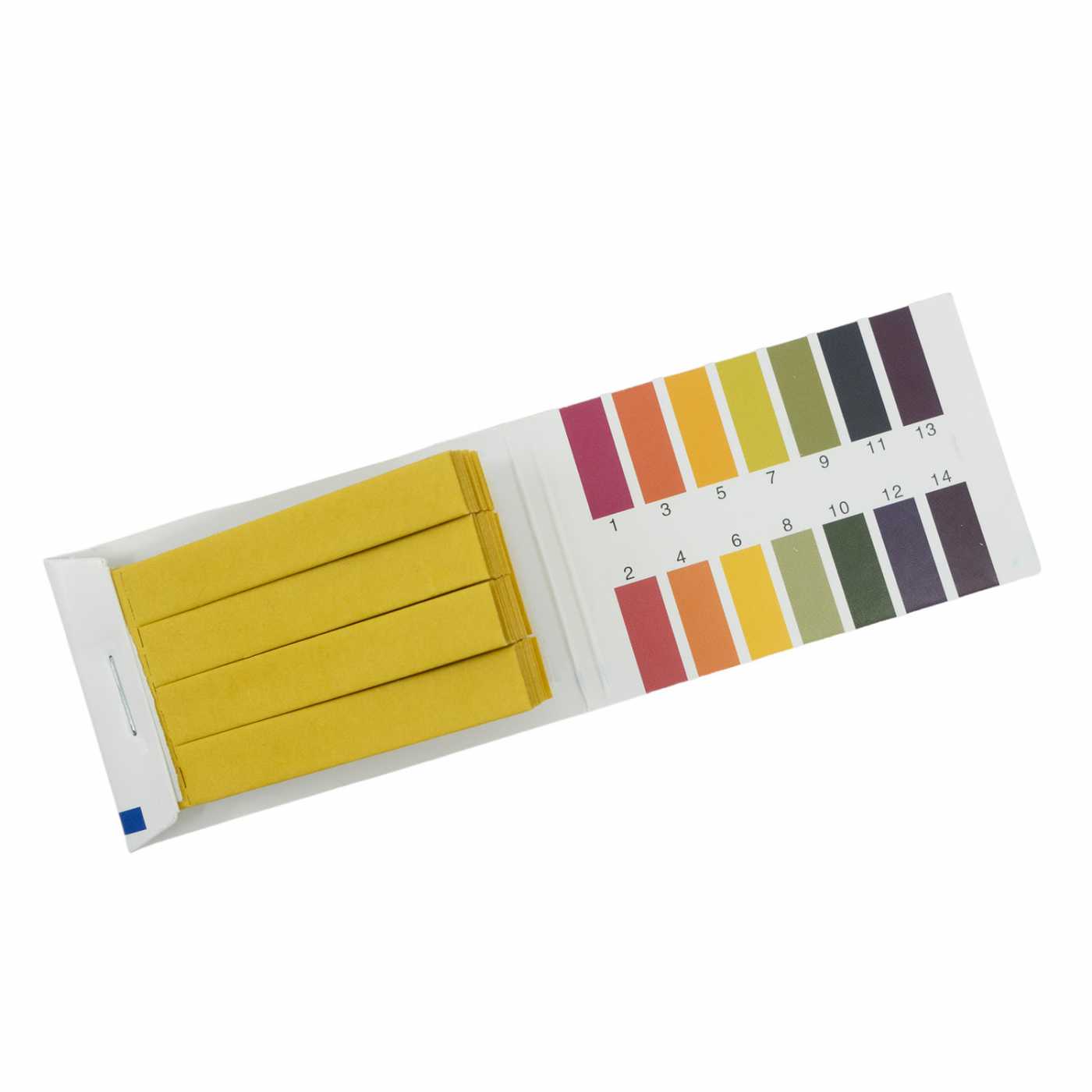
Very little is needed to adjust the pH. The concentrate has a pH below 2, and even a few drops noticeably lower the pH of a small batch of product. In formulations, only 0.1–0.2% is usually needed to adjust the pH, and even less in a hand cream. It is added at the end of production drop by drop: measure the pH, add, mix and measure again. The target pH for common cosmetics is around 4–5.5, depending on the type of product.
Adjust the pH with lactic acid before adding the preservative, so that the preservative works within the pH range it is designed for. After adding the preservative, check the pH once more.
As an active ingredient it is used at 1–10% and the pH of the finished product is set within the range of 3.0–4.0. For leave-on products we recommend keeping the pH at 3.5 or higher. A product with up to 10% AHA and a pH of 3.5 or higher is considered safe for normal consumer use.
It is easy to work with. It is fully soluble in water, so there is no need to dilute or heat it beforehand. It is added to the water phase or only in the cool-down phase of the emulsion, below 40 °C. For pH adjustment the second option is better, as the finished product is fine-tuned drop by drop.
It is compatible with non-ionic, amphoteric and anionic surfactants and with alcohol. For this reason it is also used in shampoos, shower gels and conditioners, where it adjusts the pH to the acidic range suitable for hair and scalp. In shampoos for an oily scalp and in body scrubs, it can also work as an exfoliant at a higher usage rate.
It reacts vigorously with alkalis. During neutralisation a lot of heat is released, and with carbonates or hydrogen carbonates (baking soda) carbon dioxide is also released, so the product fizzes and may overflow. Adjust the pH in small portions while stirring. Do not combine it with strong acids or oxidising agents; it also reacts with sulfites, nitrites and thiosulfates. It slowly corrodes most metals, so handle and store it in glass or suitable plastic, and do not use metal bowls or spoons.
When several acids are combined, the total acid load grows, and with it the risk of irritation. For sensitive skin, a pairing with mandelic acid works well, and for balanced skin it is also combined with azelaic acid. Introduce stronger combinations gradually and always complement them with hydrating ingredients and sun protection.
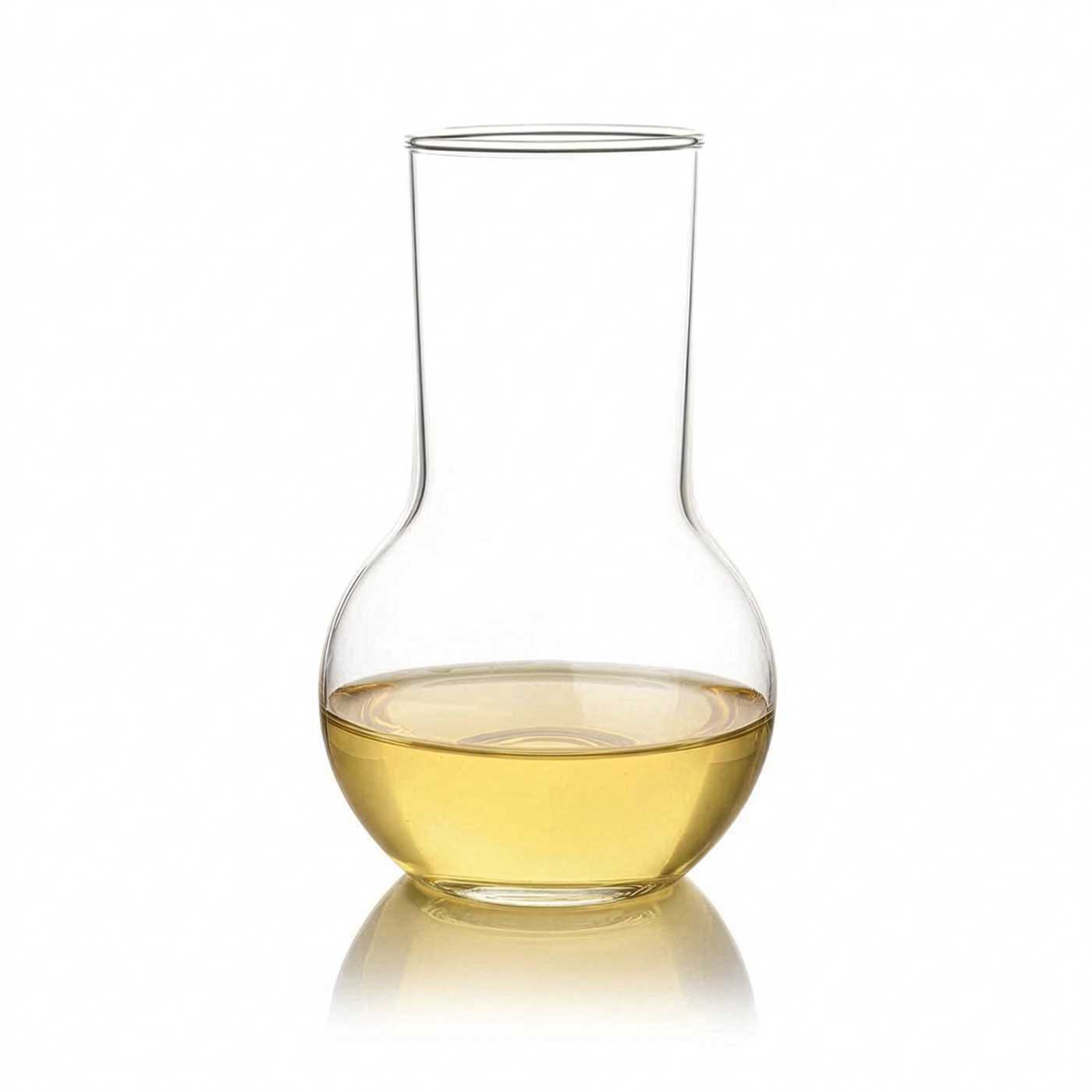
The concentrate is a slightly viscous liquid, heavier than water. It is sold in millilitres, so take this into account when converting to grams. It is hygroscopic, so close the container immediately after measuring.
The concentrate is corrosive (GHS05). Work with gloves and protective goggles, avoid contact with eyes and skin, and never apply it undiluted.
AHAs increase the skin’s sensitivity to the sun. Products with lactic acid intended for the skin and lips should carry a label warning about increased sun sensitivity and a recommendation to use sunscreen, protect yourself with clothing and limit sun exposure during use and for one week afterwards.
The ingredient is vegan, cosmetic grade and readily biodegradable.

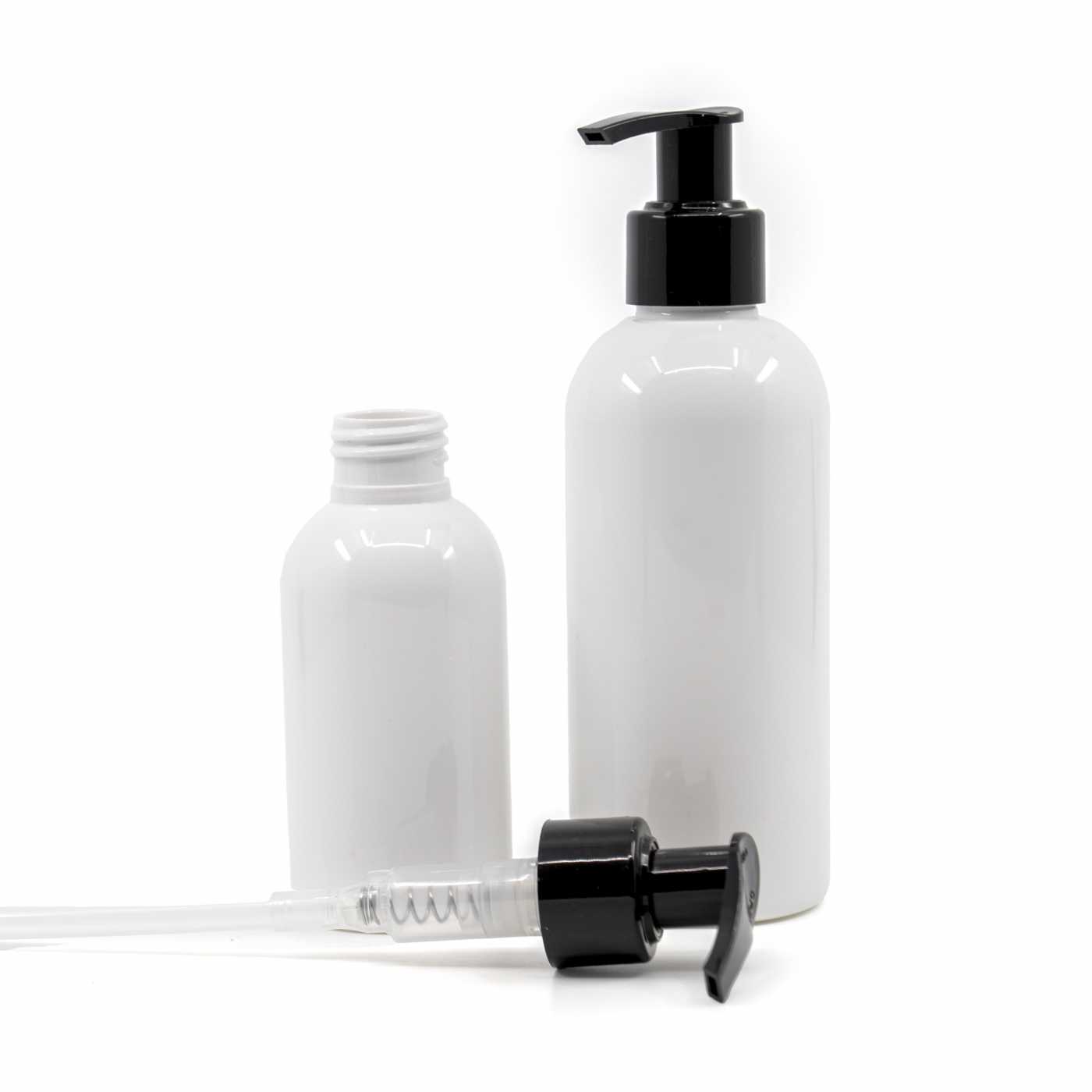
I'd appreciate different packaging. It's very hard to dose from this bottle.
Translated automatically


Variant: Kyselina mliečna 80%, lactic acid, 100 ml