+421 950 333 113info@handymade.store

Spend over €100 for discounted shipping!

Cold pressed oils 1 l +

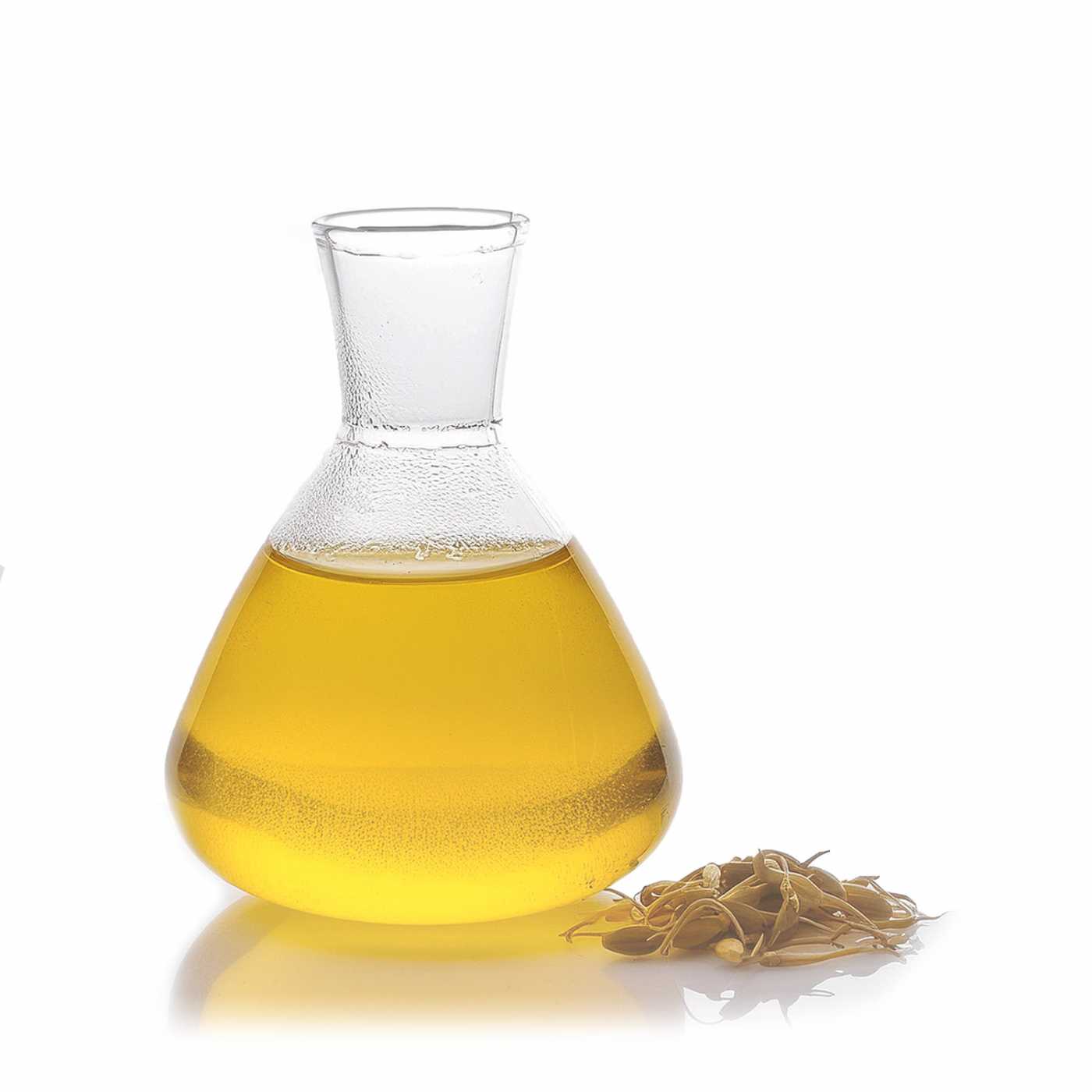
Wheat Germ Oil, Cold Pressed, Organic, 1 l

Pack size100 ml500 ml1 l

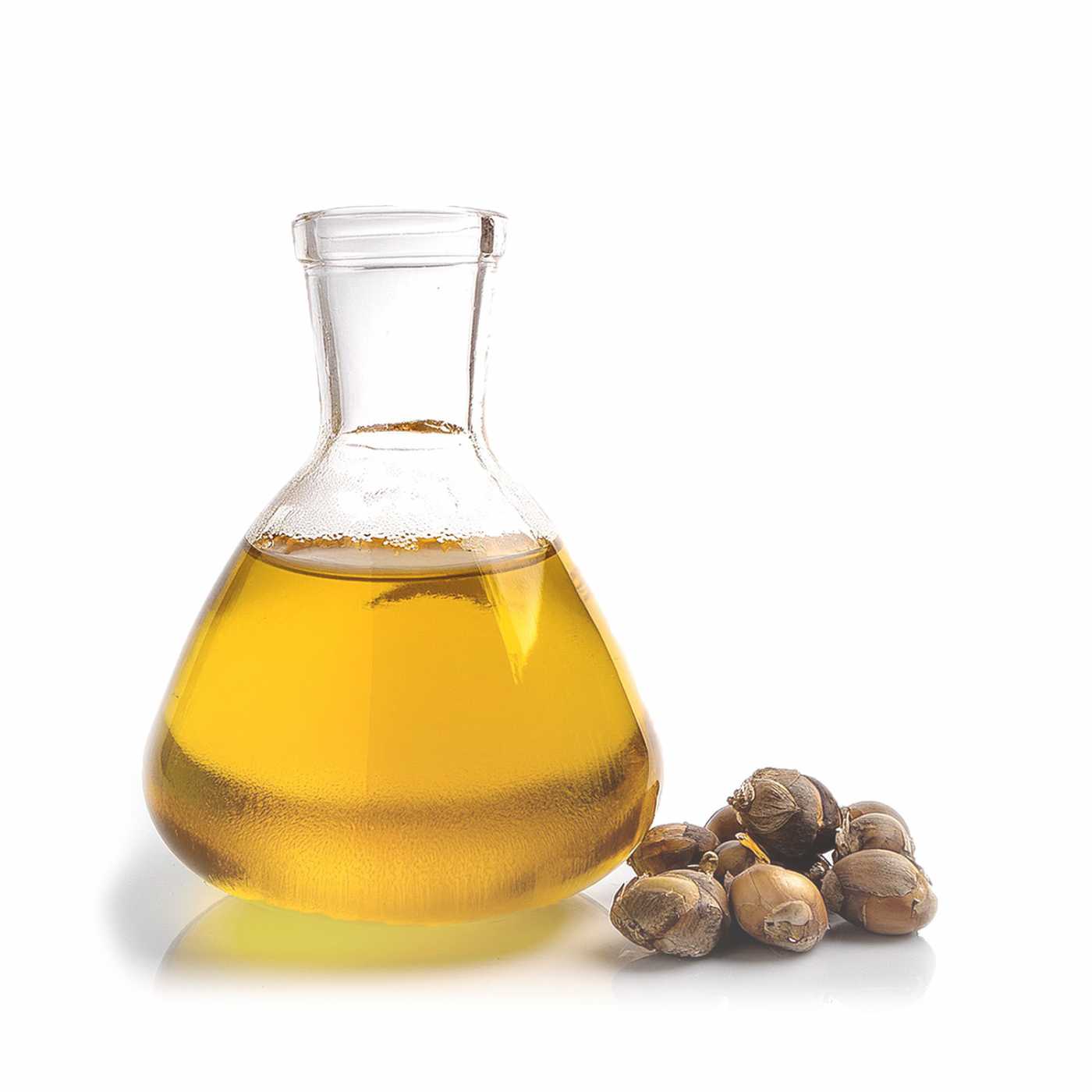
Wheat germ oil , cold-pressed, contains more vitamin E than most common vegetable oils. It softens the skin, slows water loss and is used mainly in the care of dry and mature skin . full description

AvailabilityIn stock · last 4 packs
Product codeOL686_1000
Batch20096
Best before02/2028
€144.90incl. VAT€144.90/l

Lowest price in the last 30 days: €130.41

Product description

Wheat germ oil, cold-pressed, contains more vitamin E than most common vegetable oils. It softens the skin, slows water loss and is used mainly in the care of dry and mature skin. It is added to facial and body oils, balms, creams and lip care products. It is certified organic and also suitable for vegan cosmetics.


Effect on skin and hair

The most valuable component of the oil is vitamin E. The oil contains at least 2500 mg/kg of it. Vitamin E acts as an antioxidant and helps protect the skin against free radicals.

The second strength is the fatty acid composition. More than half is linoleic acid (52–59%), which is a natural part of the skin barrier. It is complemented by oleic acid (12–23%), palmitic acid (14–19%) and linolenic acid (3–10%).

On the skin, the oil acts as an emollient. It softens and smooths the skin and leaves a protective layer on the surface that slows the evaporation of water. Dry, rough, cracked or mature skin benefits most. The oil also soothes irritated skin and supports its regeneration and elasticity.

In hair care, the oil nourishes the hair and gives it shine. It is used in hair oils.


Use in formulations

The oil belongs to the oil phase and does not dissolve in water. The usage rate is 1–20% and it is intended for leave-on products for the face, body, hair and lips.

The usage rate depends on the role the oil has in the formulation. On its own it feels slightly heavier and stickier to the touch, so it is often added only as a functional additive up to 5%. In an emulsion, however, it can also be used as the main oil component and the cream turns out smooth and non-sticky. Its consistency is then influenced more by the ratio of oil to emulsifier than by the oil itself.

Heat is not good for the oil. The recommended processing temperature is below 40 °C.

Add wheat germ oil to the emulsion only during cooling, once the temperature drops below 40 °C, not to the hot oil phase. Vitamin E is broken down by heat.

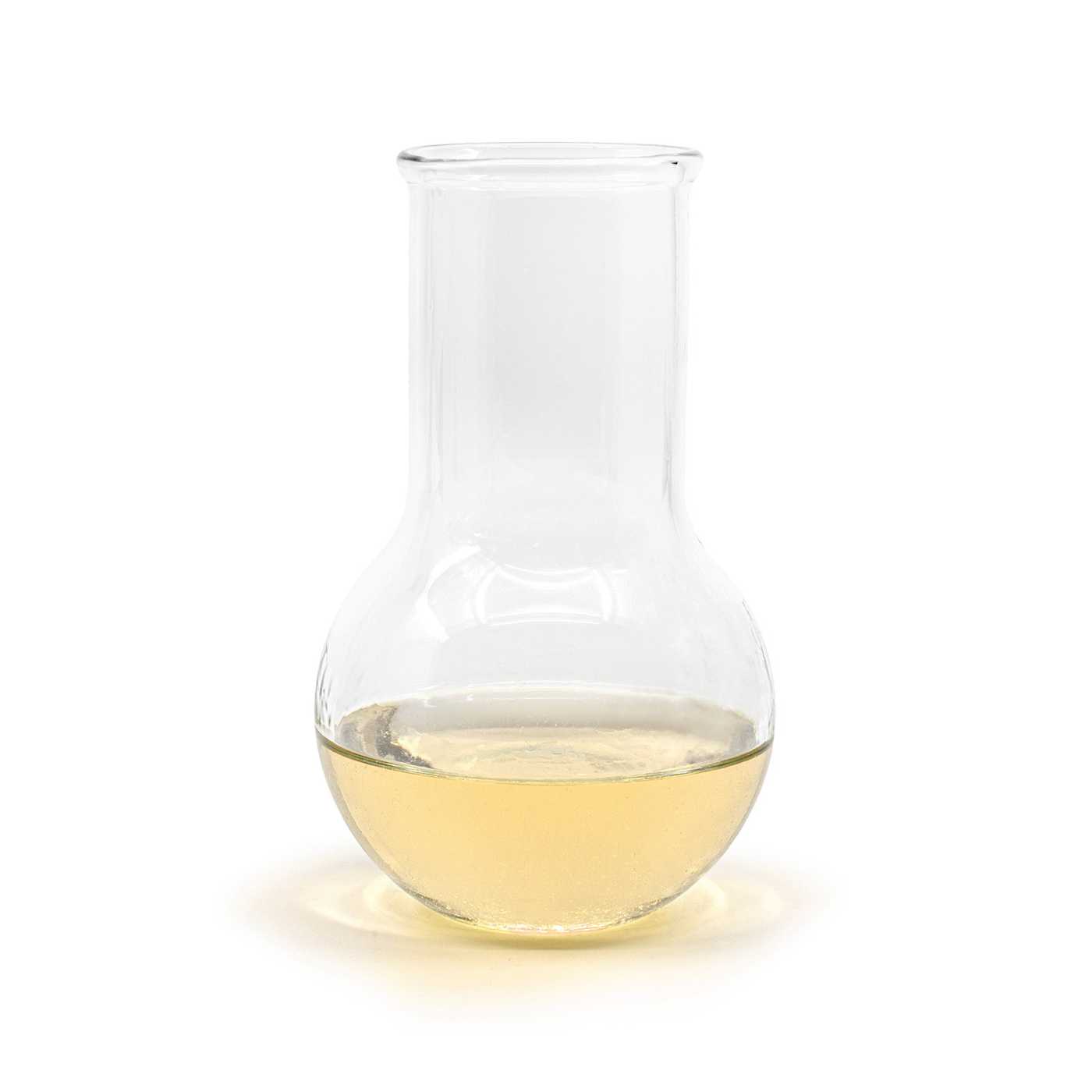
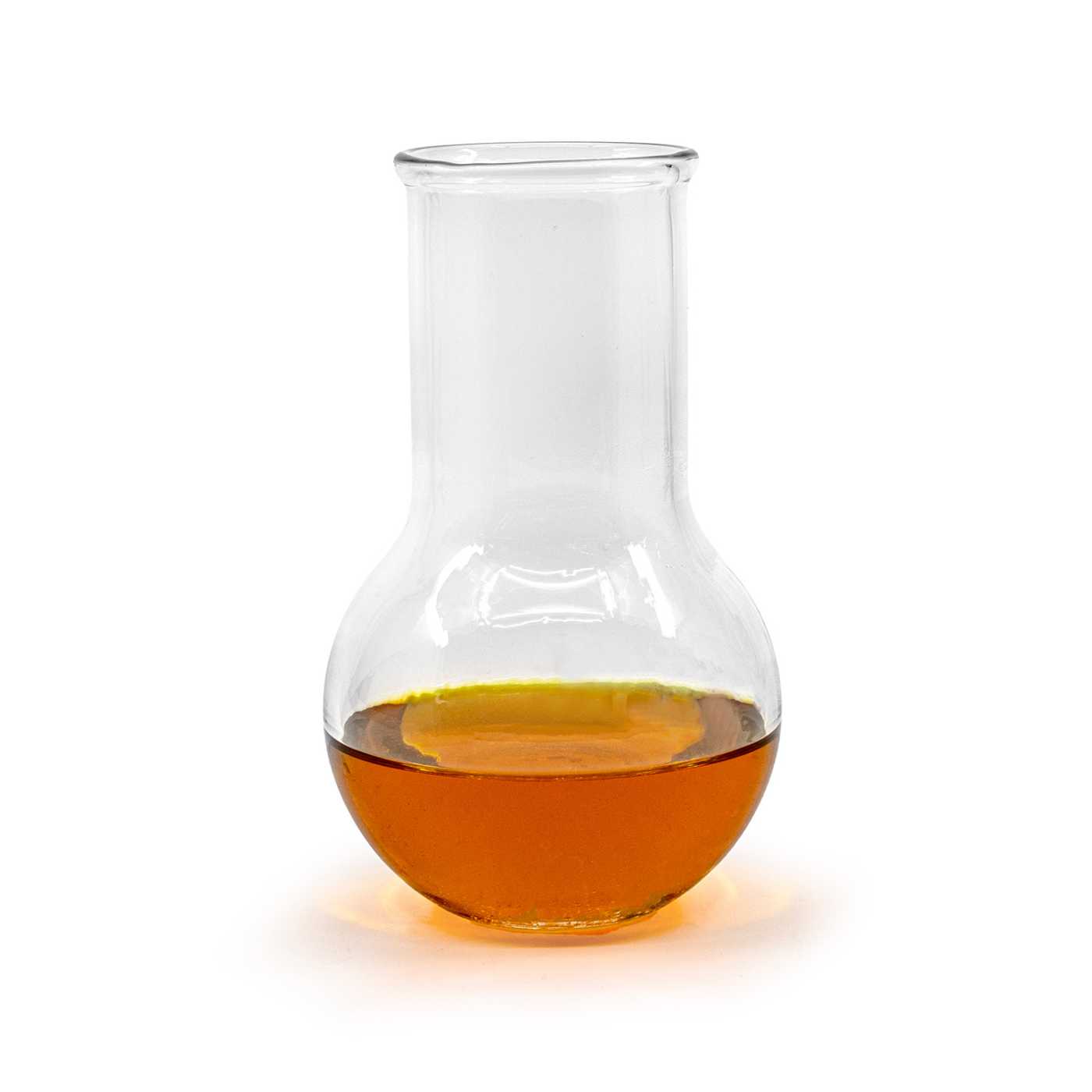
Colour and scent need to be taken into account. The oil is unrefined, gold to amber in colour, and has a characteristic nutty scent. At a higher share it tints the cream yellow, which is most visible in white and light-coloured products.


Suitable for products such as

  • Facial oils – for dry and mature skin.
  • Body oils, balms and ointments – for dry, rough and cracked skin.
  • Creams – as a functional additive to other oils or as the main oil of the oil phase.
  • Lip care – lip balms and lip oils.
  • Hair oils – for nourishing the hair and adding shine.
  • Scar oils – as part of oil blends for skin that needs regeneration.

Good to know

Wheat germ oil turns rancid easily. More than 80% of its fatty acids are unsaturated and the oil contains no added antioxidant. Natural vitamin E protects it only partially. Protect the finished product from heat, light and air.

The oil contains a food allergen (wheat, gluten). Take this into account in the safety assessment of the product and in the information for customers.

In soap it is used as a minor addition to the recipe. The saponification value is 180–195 mg KOH/g. A high share of unsaturated fatty acids makes the soap softer and increases the risk of yellow spots caused by rancidity.

The germ comes from wheat grown in the USA. The oil is both cosmetic and food grade.


Frequently asked questions

What is wheat germ oil used for in cosmetics?
Wheat germ oil is used mainly in the care of dry and mature skin. It softens the skin, slows water loss and, thanks to its natural vitamin E, helps protect it against free radicals. It is added to facial and body oils, balms, ointments, creams, lip balms and hair oils.
How much wheat germ oil should I add to a cream?
Wheat germ oil is added to a cream at 1–20%. As a functional additive to other oils, up to 5% is enough. At a higher share it can also form the main oil component, and the cream stays smooth and non-sticky. However, you need to expect a yellowish tint and a nutty scent in the finished product.
Can wheat germ oil be heated?
Heating wheat germ oil is not recommended; it should be processed at a temperature below 40 °C. Heat breaks down the vitamin E for which the oil is added to a formulation and speeds up rancidity. Add it to the emulsion only during cooling, not to the hot oil phase.
Does wheat germ oil contain allergens?
Yes, wheat germ oil contains a food allergen (wheat, gluten). The cosmetics manufacturer should take this into account in the safety assessment of the product and in the information for customers. The oil does not contain the fragrance allergens listed in Annex III of Regulation (EC) No 1223/2009.
Why does wheat germ oil turn rancid quickly?
Wheat germ oil turns rancid easily because it consists mainly of unsaturated fatty acids, especially linoleic acid (52–59%). It is cold-pressed and has no added antioxidant. Natural vitamin E protects it only partially. Products containing this oil should be protected from heat, light and air.
Is wheat germ oil suitable for soap?
In soap, wheat germ oil is suitable as a minor addition to the recipe, not as the main oil. A high share of unsaturated fatty acids makes the soap softer and increases the risk of yellow spots caused by rancidity. The saponification value of the oil is 180–195 mg KOH/g.

Parameters

INCI
Triticum Vulgare Germ Oil
CAS No.
68917-73-7 / 8006-95-9
EC number
281-689-7
Product colour
Gold
Country of origin
USA
Appearance
Oily liquid
Formulation phase
Oil phase
Recommended processing temperature
< 40 °C
Application area
FaceHairBodyLips
Recommended usage rate
1 – 20 %
Application type
Leave-on
Biodegradability
Readily biodegradable
Manufacturer's certificate
BRC
Natural Index (NI ISO 16128)
1,00
Natural Origin Index (NOI ISO 16128)
1,00
Organic content
100 %
Renewable Carbon Content (RCC)
100 %
Volume
1000 ml

Product documentation

CoACertificate of Analysis
batch 20096PDF ↓
TDSTechnical Data Sheet
Physical parameters and processingPDF ↓
SDSSafety Data Sheet
Available for purchased products —
Download all (ZIP)

2 PDF files in one archive

REVIEWS

Verified by customers.

No reviews yet.

Only customers with a delivered order can write reviews.