
+421 950 333 113info@handymade.storeActive Days: −10 % with code ACTIVE10Shop now

ACTIVE INGREDIENTS

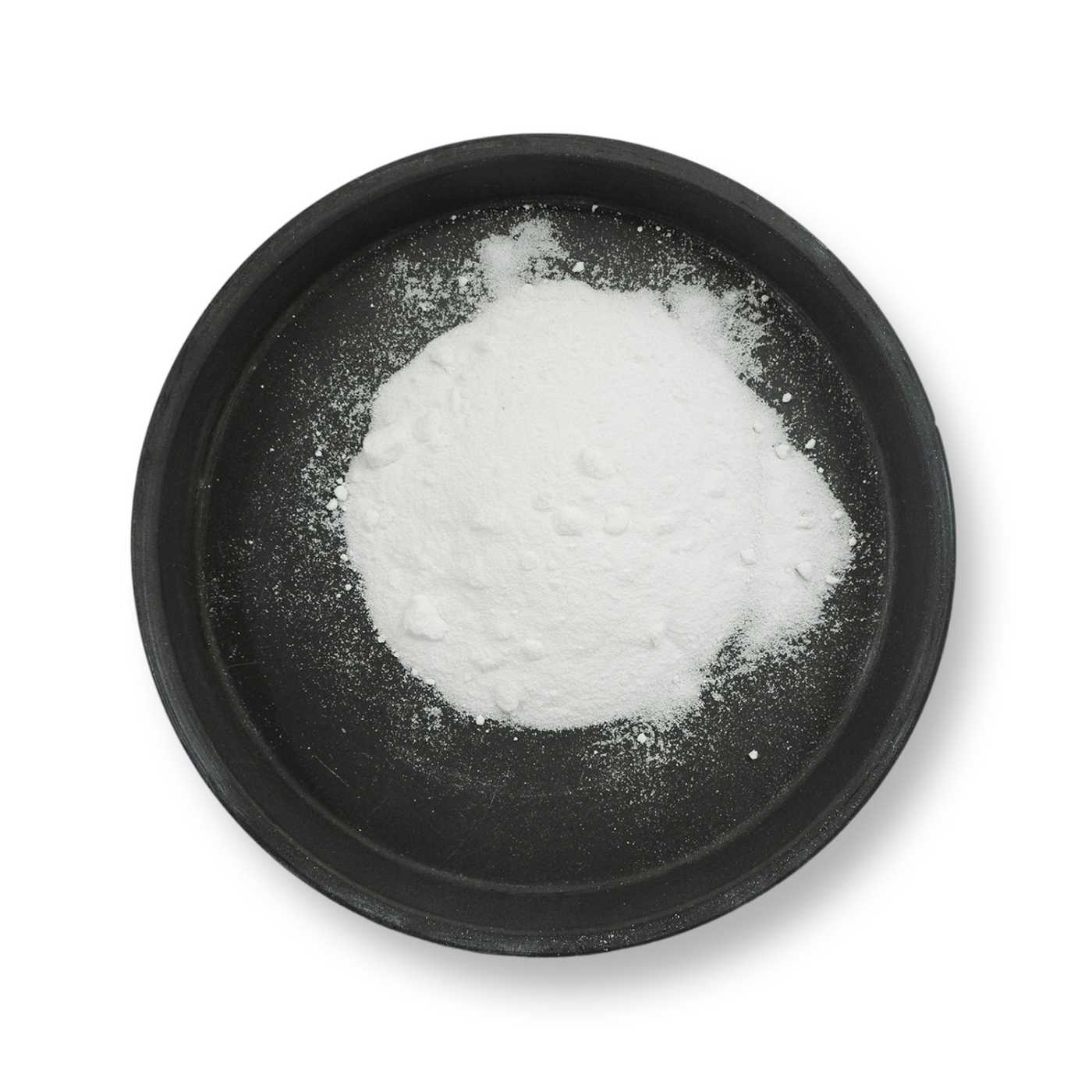
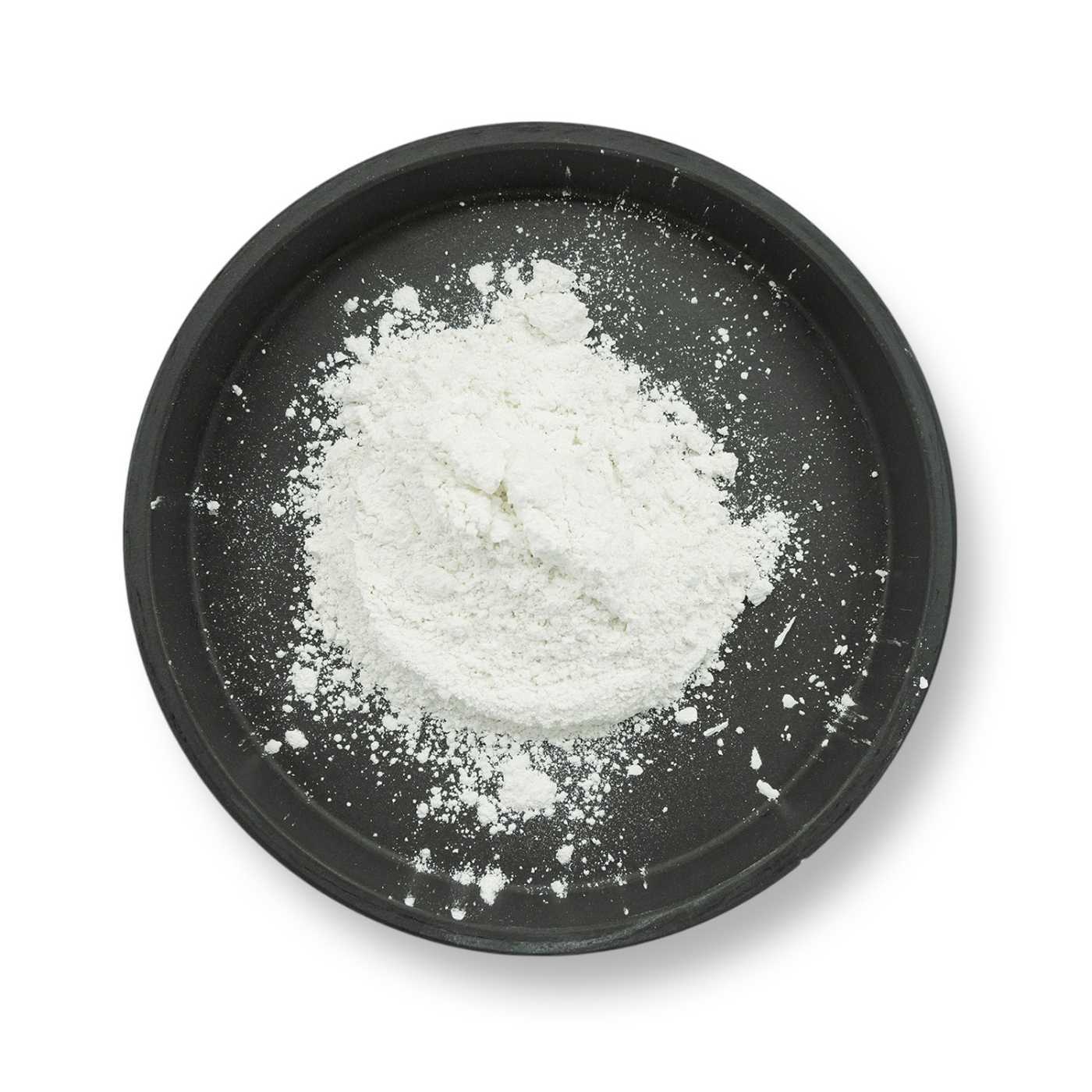
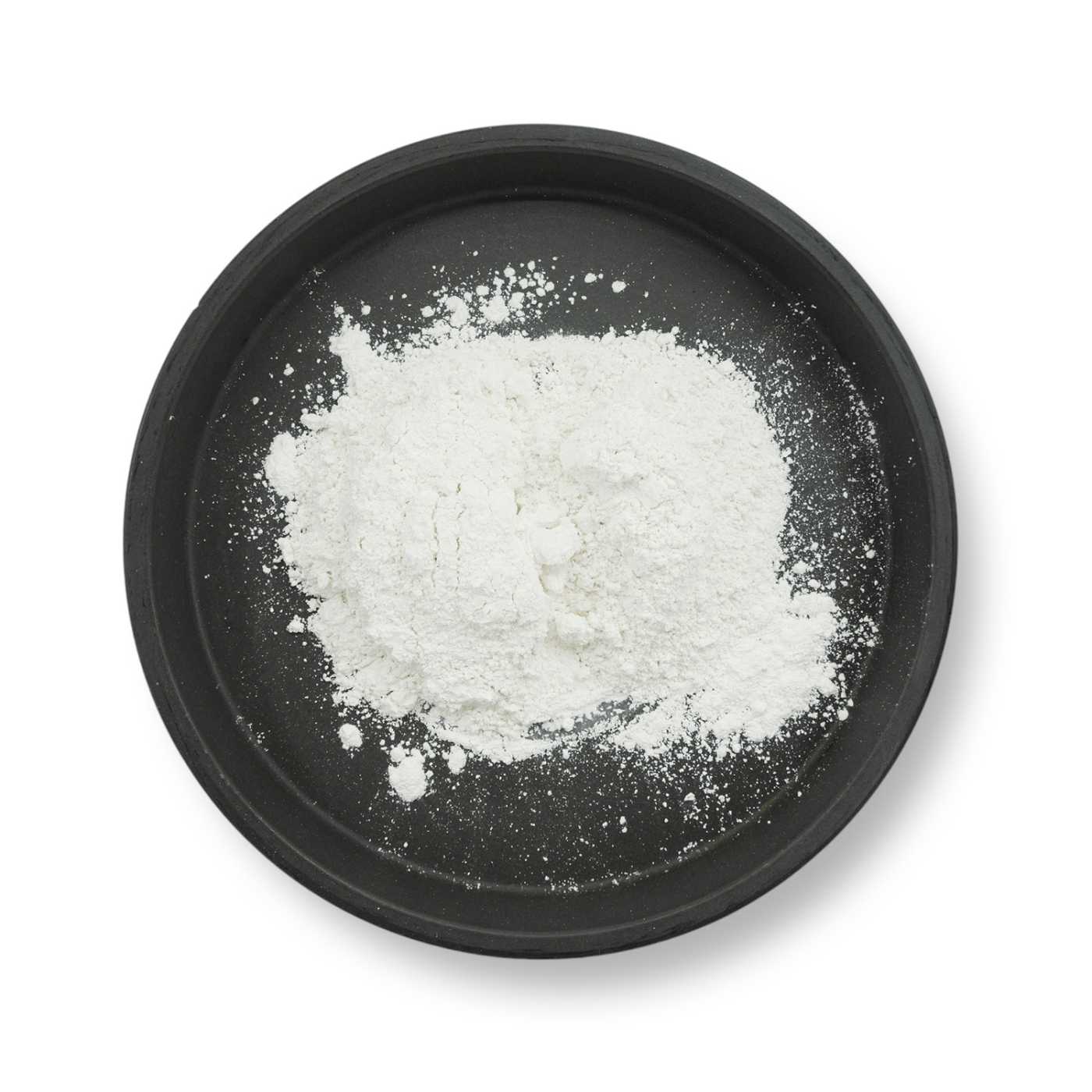
Hyaluronic Acid, Vegetable, LMW, 10 - 50 kDa, 100 g

Pack size1 g5 g10 g100 g500 g

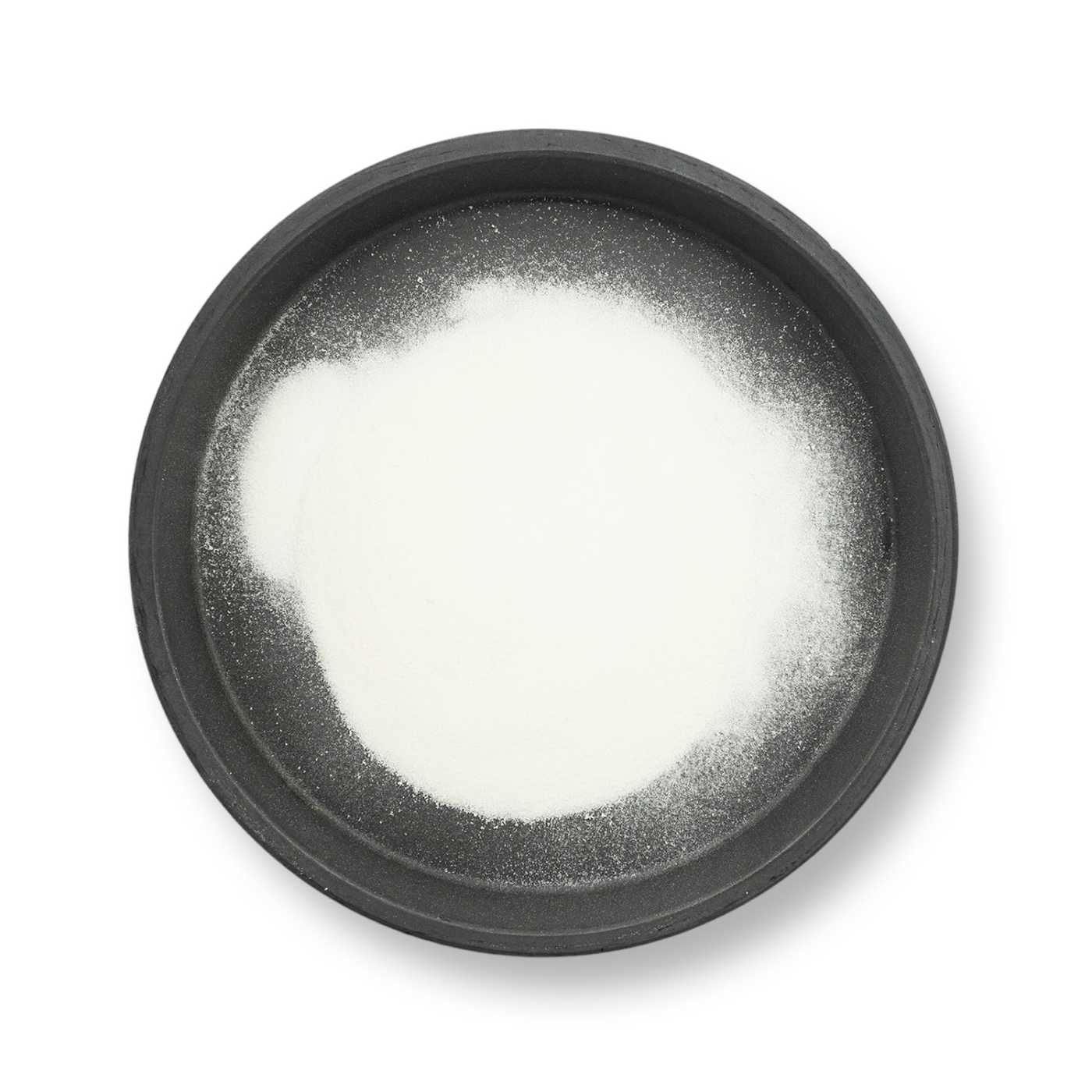
Hyaluronic acid LMW with a molecular weight of 10–50 kDa is a low-molecular-weight form of hyaluronic acid that penetrates the skin more deeply than the usual high-molecular-weight form. full description

AvailabilityIn stock · 10 packs
Product codeAD009_100
BatchEVI0003238
Best before03/2028
€109.43incl. VAT€1,094.30/kg

Promotion Active Days until 18 Nov

with code ACTIVE10 €98.49 (−10 %)

All promotion items

Lowest price in the 30 days before the discount: €109.43

Product description

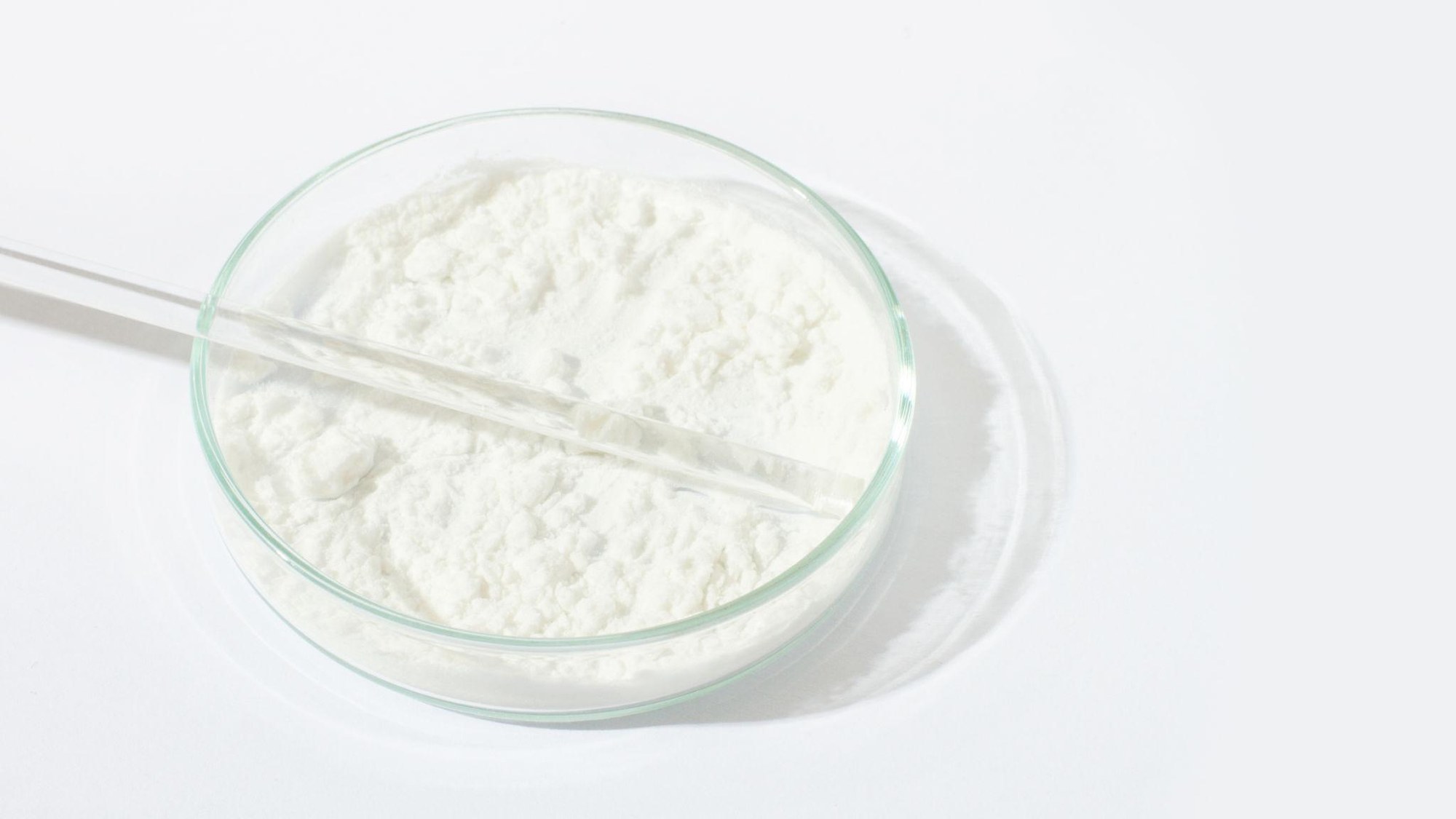
Hyaluronic acid LMW with a molecular weight of 10–50 kDa is a low-molecular-weight form of hyaluronic acid that penetrates the skin more deeply than the usual high-molecular-weight form. The short chains replenish moisture in the deeper layers of the skin, nourish it and help smooth fine wrinkles. A few tenths of a percent are enough in a formulation. It suits serums, creams, eye care and products for hair and scalp.

The adjective “vegetable” refers to the origin of the raw material. It is produced by the fermentation of carbohydrates from corn, wheat and sugar cane, without any ingredients of animal origin. It is vegan, gluten-free, free from palm oil derivatives and GMO-free. It is COSMOS Approved and NATRUE Approved.


How it differs from high-molecular-weight hyaluronic acid

Hyaluronic acid is a polysaccharide and its molecules differ in chain length. The longer the chain, the more water the molecule binds, but the less well it penetrates the skin. The molecular weight therefore determines how the raw material behaves on the skin and in the product.

The main difference is where it works. The high-molecular-weight form stays on the surface of the skin, where it binds water and forms a hydrating film. It tightens the skin and prevents moisture from evaporating, but it does not reach the deeper layers. The low-molecular-weight form of 10–50 kDa is absorbed deeper into the skin and delivers moisture where the film cannot reach. The skin looks plumper and fine wrinkles are less pronounced. The two forms are commonly combined in formulations: the high-molecular-weight form treats the surface, the low-molecular-weight form the deeper layers.

The texture differs as well. The high-molecular-weight form thickens an aqueous solution even at a low usage rate and creates a clear gel. The low-molecular-weight form raises viscosity only slightly, so a serum or toner made with it stays liquid. For a thicker texture, use a gelling ingredient such as Xanthan Gum or Hydroxyethylcellulose.


Key benefits

  • Hydration of the deeper layers of the skin – the short chains penetrate the skin and bind water in it, so hydration does not stay only on the surface.
  • Smoothing of fine wrinkles – well-hydrated skin is firmer and fine lines are less visible. It belongs in care for mature skin and the eye area.
  • For all skin types – including sensitive and dry skin, it contains no known skin allergens.
  • Clear solution – it dissolves in water without turbidity and does not discolour the finished product.
  • For rinse-off and leave-on products – it tolerates anionic, non-ionic and amphoteric surfactants and common preservatives, and it is also suitable for shampoos and conditioners.

Use in a formulation

It belongs in the water phase. It dissolves in water, not in oils, and it is not suitable for anhydrous products. The recommended usage rate is 0.05–0.5%. In creams 0.1–0.2% is most commonly used, in masks 0.05% is enough.

Dissolving takes patience. Sprinkle the powder slowly onto the surface of the water phase and stir vigorously until it is completely dissolved. If it is slow to dissolve, a homogeniser at low speed will help. Avoid high shear forces. A simpler way: sprinkle the powder onto the surface of the water, do not stir and leave it to swell overnight, then mix. If you stir the partially swollen powder too early, slimy lumps form that take a long time to dissolve.

First work the powder into a paste with glycerine, optionally together with a gum, and only then mix this blend into the water or the finished emulsion. The granules separate and do not clump together. Leave the mixture to swell for several minutes before the next step.

The processing temperature is below 40 °C. It is added to the emulsion in the cool-down phase together with other sensitive ingredients, and in cold-process production as a pre-prepared aqueous solution. The finished product should have a pH of 5–8; the raw material tolerates acidic and neutral environments. Do not combine it with strong acids, strong alkalis or oxidising agents.

Every aqueous product containing hyaluronic acid needs a preservative. The raw material is compatible with common preservatives. In formulations it is most often combined with Glycerin, Xanthan Gum and Carrageenan, and in emulsions with Cetearyl Alcohol and Glyceryl Stearate.


Suitable for products such as

  • hydrating serums and toners – on its own or in combination with high-molecular-weight hyaluronic acid, which adds surface hydration,
  • face creams and lotions – added to the cooled emulsion,
  • eye creams and serums – for the eye area and fine lines,
  • hydrating face masks – even at the lowest usage rate,
  • body lotions and creams – for dry and tight skin on the body,
  • shampoos, conditioners and scalp serums – it tolerates surfactants and works in rinse-off and leave-on hair products.

Good to know

Hyaluronic acid is a humectant, meaning it binds water but cannot retain it in the skin for long by itself. In a cream or lotion the oil phase takes care of this. In a toner or water-based serum without an oil component, hydration lasts a shorter time, which you need to take into account when composing the formulation.

It is not classified as hazardous under CLP and does not require a safety data sheet.

When weighing, do not inhale the powder and avoid raising dust. Fine dust is flammable and a static discharge may cause a dust explosion. Work in a well-ventilated area, away from sources of sparks.


Frequently asked questions

Is hyaluronic acid LMW soluble in water?
Yes, low-molecular-weight hyaluronic acid of 10–50 kDa is soluble in water and forms a clear solution. It does not dissolve in oils and is not suitable for anhydrous products such as balms or body oils. Sprinkle the powder slowly onto the surface of the water phase while stirring continuously so that it does not form lumps.
What is the difference between low-molecular-weight and high-molecular-weight hyaluronic acid?
Low-molecular-weight hyaluronic acid penetrates deeper into the skin, while the high-molecular-weight form stays on its surface. Long chains bind more water, create a hydrating film on the skin and thicken the solution into a gel. Short chains of 10–50 kDa hydrate the deeper layers, hardly change the viscosity and help smooth fine wrinkles. The two forms complement each other well in one product.
How much hyaluronic acid LMW should I add to a serum or cream?
The recommended usage rate is 0.05–0.5% of the product weight. In creams 0.1–0.2% is commonly used, in hydrating masks 0.05% is enough. For 100 g of cream at a 0.1% usage rate you need only 0.1 g of powder, so a scale with a resolution of hundredths of a gram is necessary for weighing.
How do I add hyaluronic acid LMW to a cream?
Add it to the emulsion only after it has cooled below 40 °C, in the cool-down phase together with other sensitive ingredients. First work the powder into a paste with glycerine or dissolve it in part of the water, leave it to swell for several minutes and stir the mixture into the emulsion. In cold-process production, add it as a ready-made aqueous solution. Avoid high speeds; gentle stirring is enough.
Will hyaluronic acid LMW thicken a serum or toner?
No, low-molecular-weight hyaluronic acid raises viscosity only slightly, so a liquid product stays liquid. A gel texture is created by the high-molecular-weight form, but that form does not penetrate the skin. If you want a thicker serum, add a gelling ingredient such as Xanthan Gum or Hydroxyethylcellulose and keep hyaluronic acid LMW in the role of the active ingredient.
Does a serum with hyaluronic acid need a preservative?
Yes, every product that contains water needs a preservative, and a serum with hyaluronic acid is no exception. The raw material is compatible with common preservatives and the finished product should have a pH of 5–8. Add the preservative according to its own usage rate, and we recommend verifying the pH and stability of the finished product.

Parameters

INCI
Sodium Hyaluronate
CAS No.
9067-32-7
EC number
618-620-0
Product colour
White
Country of origin
China
Processing method
Fermentation
Appearance
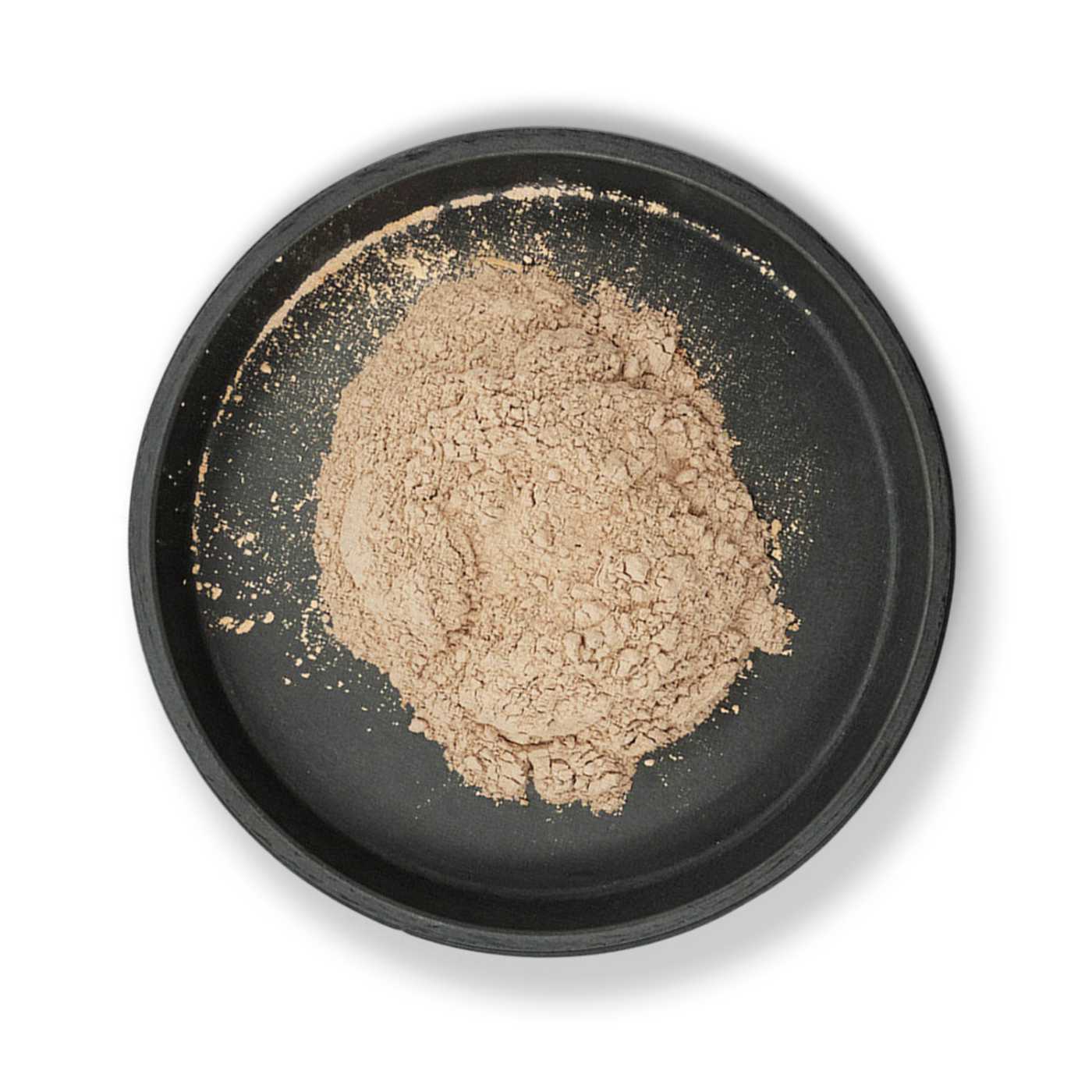
Powder
Formulation phase
Water phase
Function in formulation
Active ingredientHumectant
Recommended processing temperature
< 40 °C
Recommended usage rate
0,05 – 0,5 %
Recommended formulation pH range
5 – 8
Solubility
Water-soluble
Application type
Leave-onRinse-off
Biodegradability
Readily biodegradable
Manufacturer's certificate
COSMOS ApprovedNATRUE Approved
Natural Index (NI ISO 16128)
0,00
Natural Origin Index (NOI ISO 16128)
1,00

Product documentation

CoACertificate of Analysis
batch EVI0002984PDF ↓
TDSTechnical Data Sheet
Physical parameters and processingPDF ↓
SDSSafety Data Sheet
Available for purchased products —
Download all (ZIP)

2 PDF files in one archive

Learn how to work with it

From our blog
ROCIO B.12 Nov 2026ES

Verified purchase

Elena S.8 Nov 2026DE

Verified purchase

Miren M.29 Oct 2026ES

Verified purchase

Rosa B.13 Oct 2026ES

Verified purchase

Variant: Kyselina hyalurónová, rastlinná, LMW, 10 - 50 kDa, 5 g
(4 reviews)