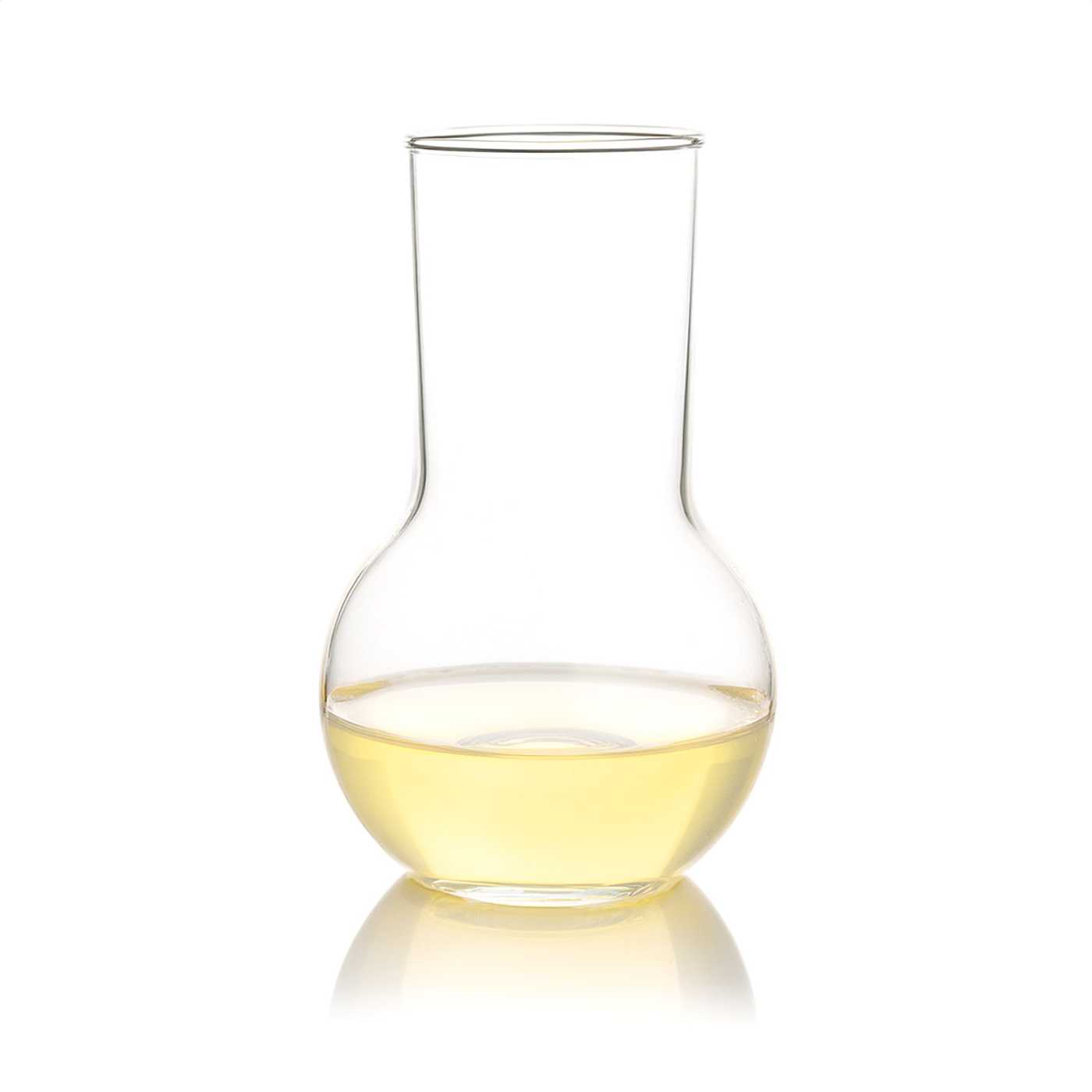
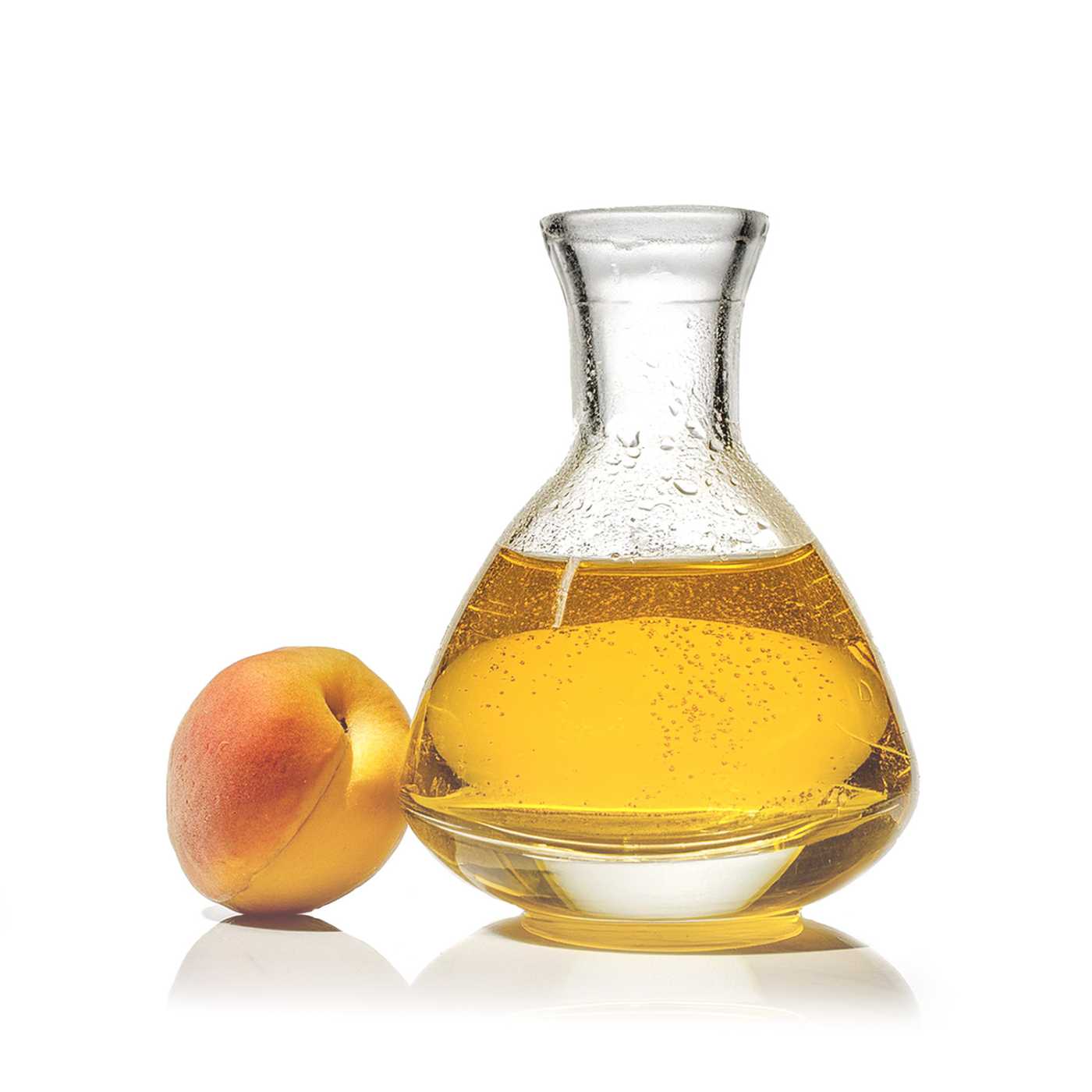
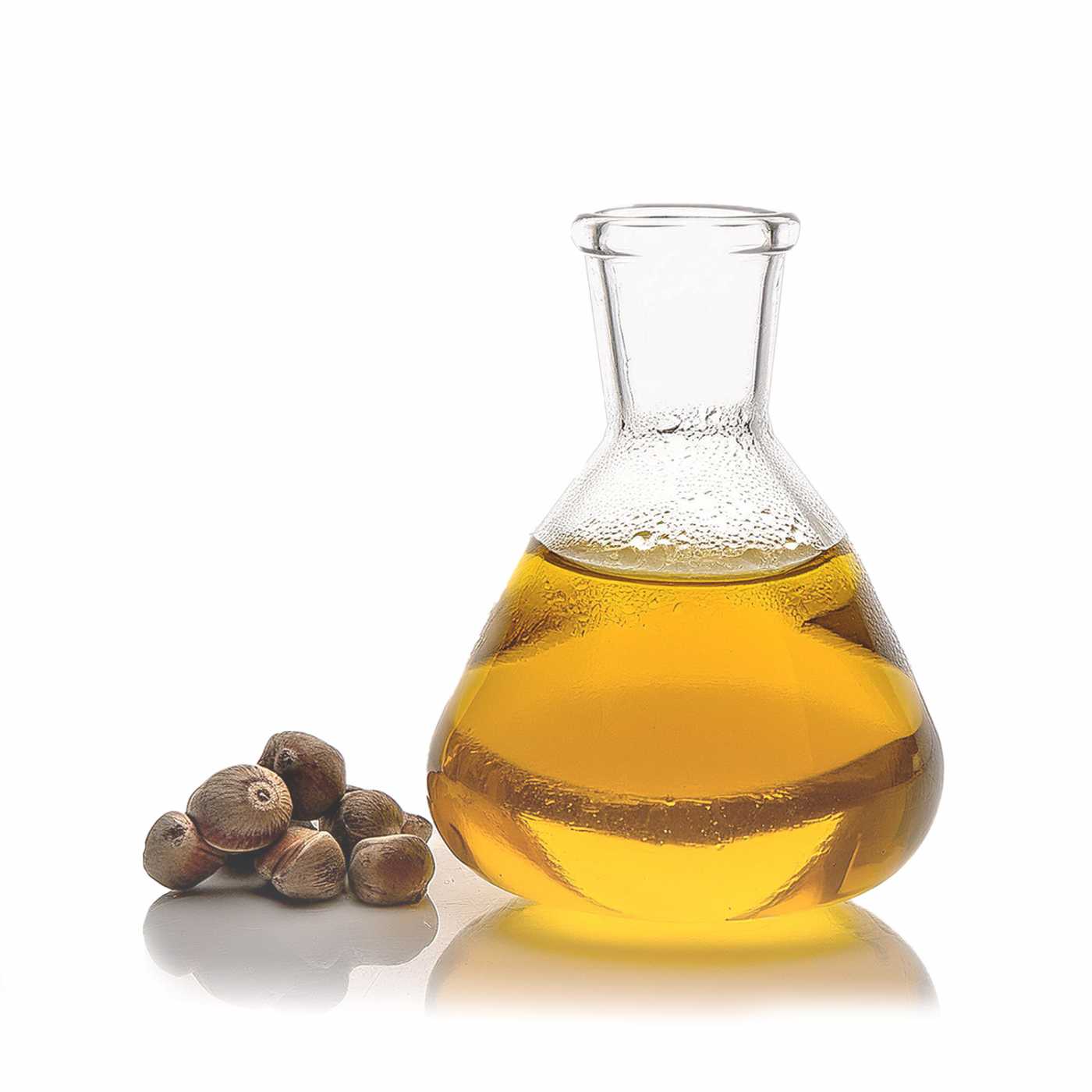
Lemon mint essential oil (Mentha citrata) is obtained by steam distillation of the plant's leaves and flowering tops, and in a formulation it has one main role: fragrance. It brings a fresh minty note with a fruity and subtly citrus undertone that is softer than classic peppermint. It suits anywhere you want the freshness of mint without a pronounced menthol sharpness – in shower gels, body and hair care, soaps, candles and diffusers.
This is a 100% pure natural oil of cosmetic quality, free of solvents and synthetic additives. In a perfume composition it acts as a top note: it comes on quickly, gives the opening of the fragrance its freshness and gradually makes way for the middle and base notes.
Key benefits
- Fresh yet gentle minty fragrance – the minty character with a fruity-citrus undertone will be appreciated even by those who find peppermint too sharp and "toothpaste-like".
- Top note for compositions – it opens the fragrance and blends well with lavender, citrus, herbal and green notes.
- Wide range of uses – from rinse-off cosmetics through body and hair products to candles and aromatherapy.
- Incorporation into the oil phase and into alcohol – it mixes with vegetable oils as well as with alcohol, so it works in anhydrous products as well as in alcohol-based sprays.
- Plant origin – vegan, non-GMO, palm oil free, not tested on animals.
Use in a formulation
The oil is insoluble in water; it dissolves in alcohol and in vegetable oils. In emulsions, add it to the oil phase or, at the very end, to the finished cooled emulsion. In water-based products (toners, hydrosol sprays) a solubiliser is needed, otherwise the oil will separate out on the surface. In alcohol-based sprays and air fresheners it dissolves without an auxiliary substance.
Work with it below 40 °C. Essential oils are volatile and at higher temperatures they lose some of their top notes. With lemon mint this means the loss of exactly that fresh, fruity component for which you are choosing it. Add it to creams and lotions during the cooling phase, and to solid products (balms, massage bars) into the melted, already slightly cooled mass just before pouring.
Dosage is governed by the IFRA limits for the specific product category. The limits for individual categories (deodorants, face creams, rinse-off products, candles and others) can be found in the IFRA certificate accompanying the product. For leave-on products applied to the skin, choose a lower dosage than for rinse-off products.
The oil contains fragrance allergens listed in Annex III of the Cosmetic Products Regulation. If their content in the finished product exceeds the set limit, they must be declared in the list of ingredients. When drawing up the label, therefore base it on the safety data sheet and on the dosage in your formulation.
In soaps and candles the oil is used both on its own and in combinations. We recommend verifying its behaviour in cold process soap (speed of trace, possible discolouration) on a small test batch, as it varies depending on the formulation and dosage.
Suitable for products such as
- Shower gels, shampoos and liquid soaps – a fresh fragrance in rinse-off products.
- Solid soaps – a minty-fruity note for herbal and summer soaps.
- Body oils, massage blends and balms – anhydrous products where the oil is mixed directly with a carrier oil.
- Hair care – rinse-off conditioners and shampoos with a feeling of freshness without cooling the scalp.
- Candles and scented waxes – a top note for fresh compositions.
- Diffusers and aromatherapy – on its own or in blends with lavender, citrus or rosemary.
Good to know
- Lemon mint is not peppermint. Both belong to the genus Mentha, but lemon mint has a gentler, fruitier profile and does not leave an intense cooling sensation on the skin. If you want a cooling effect, reach for peppermint.
- The top note evaporates quickly. In a composition, anchor it with a middle and base note (for example lavender, geranium, cedarwood), otherwise the fragrance in the finished product will weaken over time.
- Colour and strength of the fragrance. The oil is colourless to pale yellow and at normal dosage will not affect the colour of creams or soaps. The mint fragrance is dominant, so bear this in mind when combining it with gentler notes.
This is a flammable liquid classified under CLP as irritant and sensitising. Do not apply the undiluted oil to the skin; work with gloves and in a well-ventilated space, away from heat sources and open flame.
Before first using it in a formulation, carry out a fragrance test on a small sample of the finished mass. Lemon mint smells different in the bottle than after being incorporated into a soap or an emulsion, and a small test saves reformulating the entire batch.
Frequently asked questions
Is lemon mint essential oil soluble in water?
No, lemon mint essential oil is insoluble in water; it dissolves in alcohol and in vegetable oils. For toners, hydrosol sprays and other water-based products it is therefore added together with a solubiliser, which disperses it in the water. In alcohol-based sprays and in oil-based or anhydrous products it dissolves directly, without an auxiliary substance.
What is the difference between lemon mint and peppermint in cosmetics?
Lemon mint (Mentha citrata) smells gentler, fruitier and with a citrus undertone, while peppermint has a sharp menthol character and a pronounced cooling effect on the skin. Lemon mint is therefore suited to situations where you want freshness without cooling: in body care, soaps, candles and compositions with lavender or citrus.
How much lemon mint essential oil is added to a cream or soap?
The dosage of lemon mint essential oil is governed by the IFRA limits for the given product category. Specific values for creams, deodorants, rinse-off products or candles can be found in the IFRA certificate accompanying the product. As a general rule, a lower dosage applies in leave-on products for the skin and a higher one in rinse-off products and candles. Always include the oil in the total content of essential oils in the formulation.
At what temperature is lemon mint added to an emulsion?
Lemon mint essential oil is added below 40 °C, that is, to an already cooled emulsion or to a melted mass just before pouring. It is a volatile oil with the character of a top note; at higher temperatures some of the fresh components evaporate and the fragrance in the finished product will be flatter. In creams and lotions, add it during the cooling phase together with the other heat-sensitive ingredients.
Does lemon mint essential oil contain allergens that must be declared on the label?
Yes, lemon mint essential oil contains fragrance allergens listed in Annex III of Regulation (EC) No 1223/2009 as amended by Regulation (EU) 2023/1545. When selling a finished cosmetic product, these substances are declared in the list of ingredients if their content exceeds the set limit. The exact allergen content in the oil can be found in the safety data sheet, and you calculate it according to the dosage in the formulation.
Can lemon mint be used in candles and diffusers?
Yes, lemon mint essential oil is suitable for candles, scented waxes and also for diffusers and aromatherapy. In candles it acts as a top note, so in a composition complement it with longer-lasting notes so that the fragrance lasts throughout the entire burn. Observe the IFRA limit for candles and add the oil to the wax only after it has slightly cooled.