Evening Primrose CO2-to Seeds Extract, 10 ml
Pre-order€3.89(€389.00/l)

HERBAL INFUSIONS AND EXTRACTS
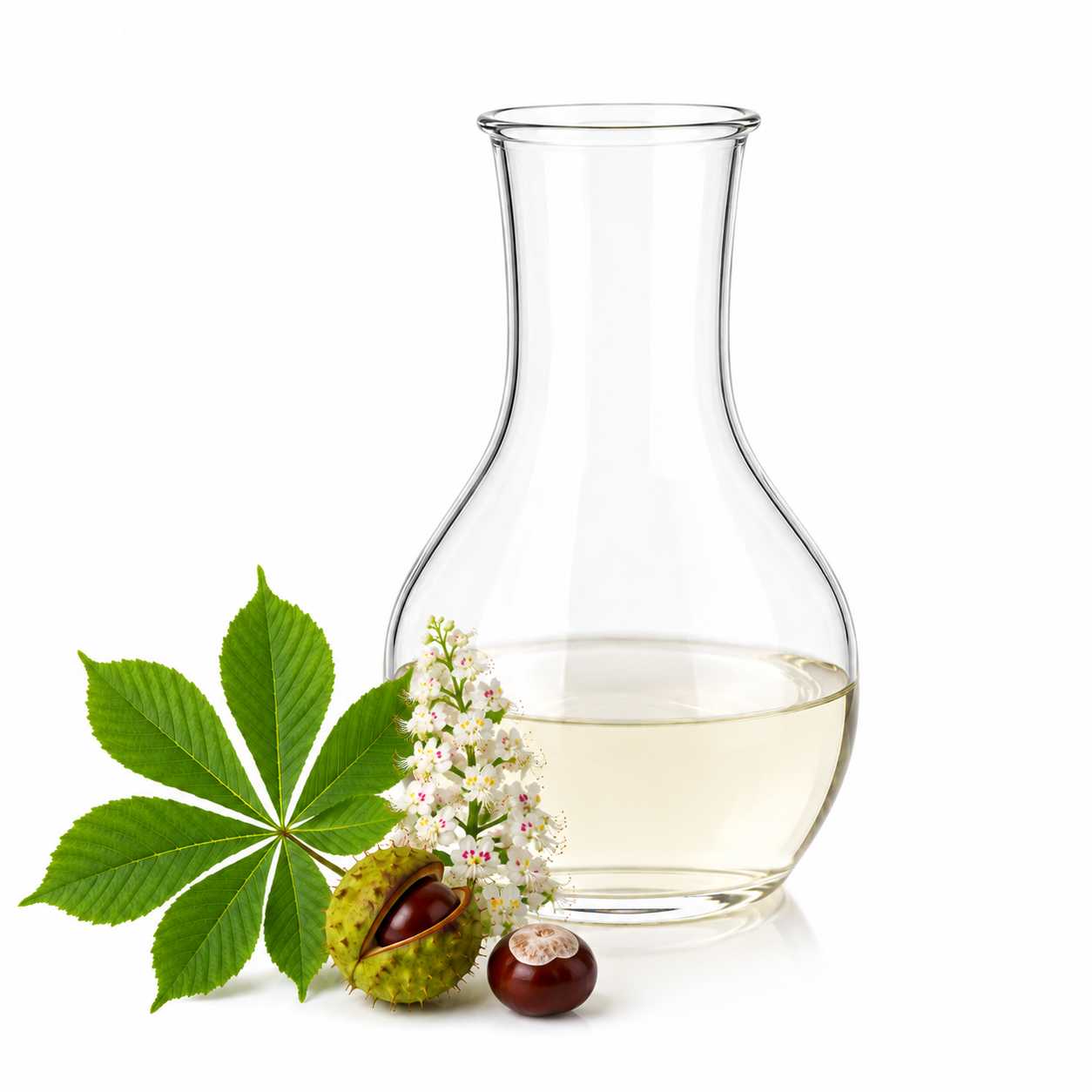
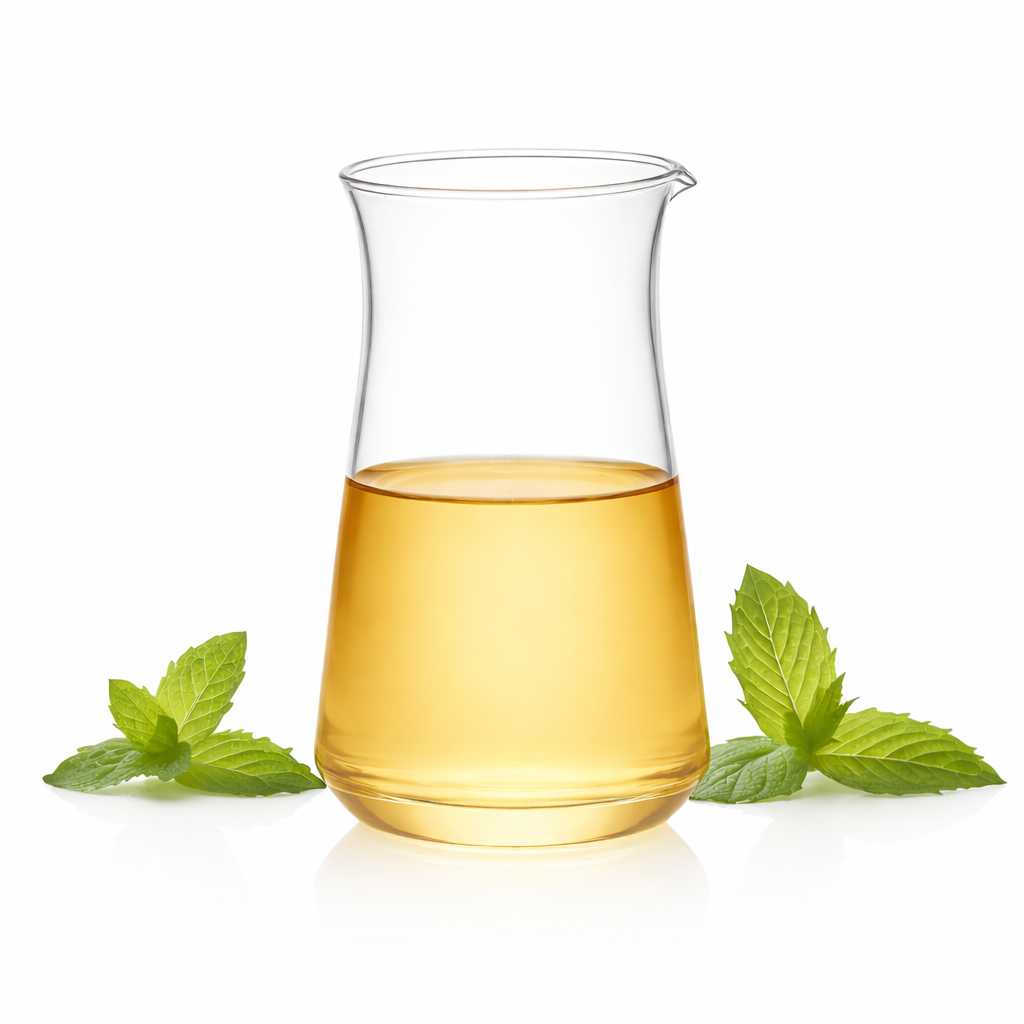
Active aqueous horse chestnut extract is an organic extract from horse chestnut seeds (Aesculus hippocastanum) that brings mainly the saponin aescin to cosmetics. full description
Lowest price in the last 30 days: €5.57
Active aqueous horse chestnut extract is an organic extract from horse chestnut seeds (Aesculus hippocastanum) that brings mainly the saponin aescin to cosmetics. Horse chestnut is traditionally used in products for tired and heavy legs and in eye area care.
The extract is water-soluble. In the formulation it is simply weighed in and mixed in cold, with no need for dissolving or heating.
Horse chestnut seeds are known for their content of saponins, the most important of which is aescin. In the seeds it is accompanied by flavonoids and tannins. For this reason horse chestnut has long featured in leg gels and eye gels.
The extract suits formulations intended to give the skin a feeling of freshness and lightness, for example after standing for a long time or after sport.
It is suitable for sensitive, mature and problematic skin, for the face, body, legs and the eye area. It can be used in both rinse-off and leave-on products. The raw material comes from the European Union and holds a COSMOS Organic certificate.
The extract belongs in the water phase. In toners, gels and serums it is simply weighed in and mixed. In emulsions it is added only after cooling below 40 °C; it does not belong in a hot water phase or a hot mixture.
The recommended usage rate is 1–10%.
The extract itself is strongly acidic. Its pH is 2.6–3.5, because it contains 1.5% citric acid. At a higher usage rate it noticeably lowers the pH of the whole product. After adding it, measure the pH and adjust it to pH 4–7.
The behaviour of aescin in a product depends on the pH. Around pH 4 and below it loses its charge, dissolves less well and aggregates. This shows up as cloudiness, separation or sediment. At a pH of around 6, even concentrated solutions remain clear.
For a clear toner or serum, aim for the upper part of the range, around pH 6.
An alkaline environment does not suit the extract. The ester bonds of aescin are hydrolysed in it and the composition of the active fraction may change. Do not add the extract to alkaline products, and do not raise the pH of the formulation above 7.
Do not combine the extract with strong acids, strong alkalis or strong oxidising and reducing agents.
The preservatives in the extract are not enough to preserve the finished product. The extract contains Sodium Benzoate and Potassium Sorbate, which protect the raw material itself. Both substances act mainly in an acidic environment, and at a pH of around 6 only a small part of them is in the active form. A product containing water needs its own broad-spectrum preservative.
At a pH closer to neutral, potassium sorbate oxidises more easily and EDTA speeds up this process.
In surfactant products, aescin behaves as a surface-active substance and can slightly support foaming. Caution is needed when thickening with salt. At pH 6–8 salt causes aescin to aggregate, and the product thickens and may even turn into a gel.
Add salt to a shampoo or shower gel in small portions and monitor the viscosity and clarity as you go.
The aqueous extract is not suitable for anhydrous products such as oils, butters and balms.


Variant: Aktívny vodný extrakt z pagaštanu konského BIO, 100 ml