+421 950 333 113info@handymade.store

Spend over €100 for discounted shipping!

CO2 Extracts

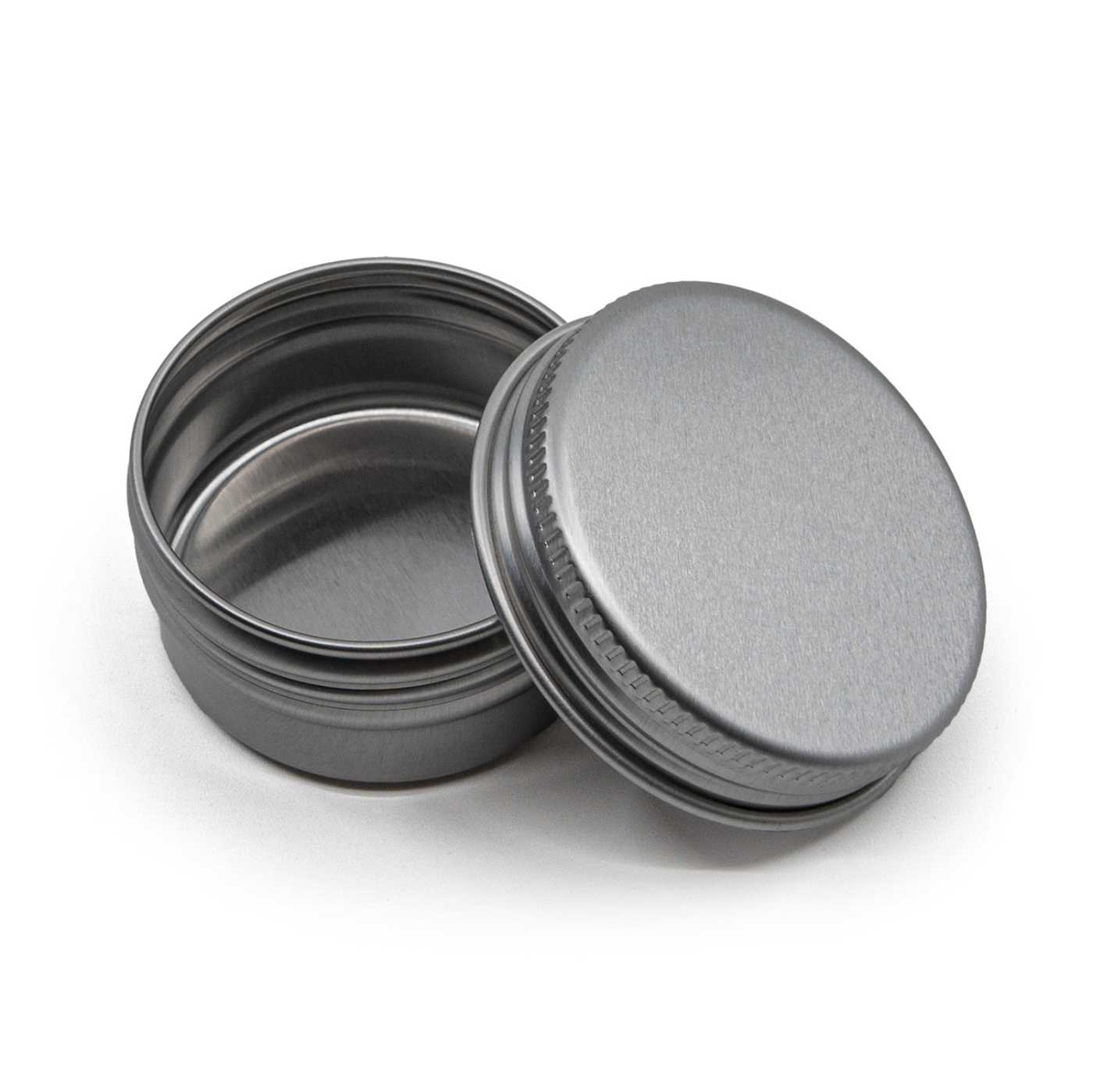
Rosemary CO2-se-plus Extract, ct Cineole, Organic, 10 ml

Pack size10 ml100 ml500 ml

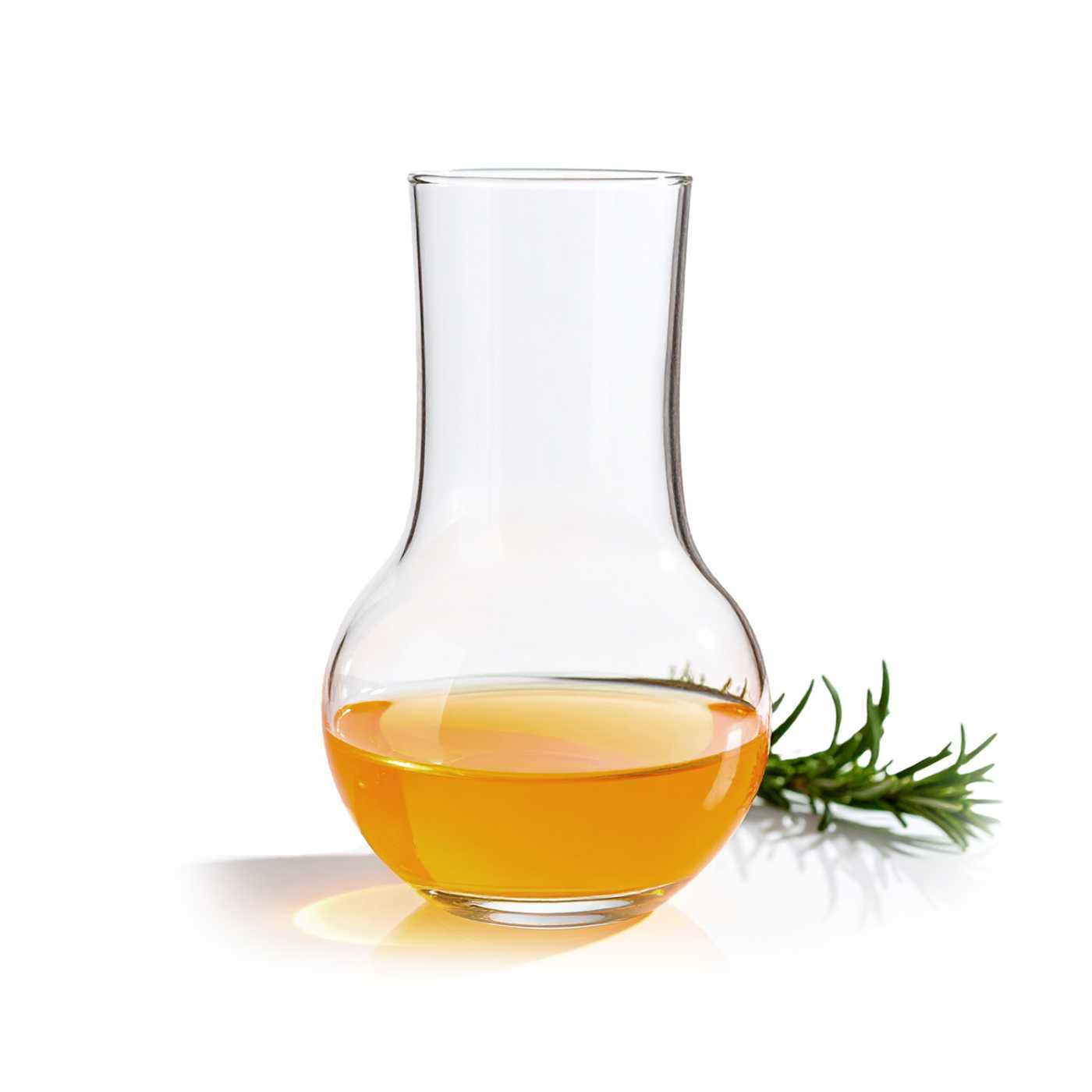
Rosemary CO2-se-plus extract, organic, ct cineole combines rosemary essential oil with a share of antioxidant phenolic diterpenes . full description

AvailabilityIn stock · 97 packs
Product codeCO401_10
Batch522012
Best before02/2031
€3.09incl. VAT€309.00/l

Lowest price in the last 30 days: €2.69

Product description

Rosemary CO2-se-plus extract, organic, ct cineole combines rosemary essential oil with a share of antioxidant phenolic diterpenes. It is obtained by supercritical carbon dioxide extraction from dried rosemary leaves (Salvia rosmarinus) from organic farming. In a formulation it brings the pronounced spicy scent of rosemary and, at the same time, components for which it is recommended mainly in oral care products.

The cineole chemotype means that 1,8-cineole predominates in the volatile fraction. The extract smells fresh and eucalyptus-like, with a woody-balsamic background. It is a concentrate: it is added to products in a small amount according to IFRA limits and is not applied directly to the skin.


What the extract contains

The volatile fraction makes up 70–90% of the extract. At least 35% of it is 1,8-cineole, 10–25% is camphor and no more than 8% is verbenone. These are complemented by alpha-pinene, beta-caryophyllene, limonene, p-cymene, borneol, bornyl acetate and other trace components. Besides the volatile fraction, the extract contains 0.5–3% of phenolic diterpenes, calculated as carnosic acid, which is their main component.

In production, besides carbon dioxide, ethanol from organic production is used as an auxiliary solvent, and the extract is then separated by fractionation. The residual ethanol content in the finished extract is below 1%. 38–53 kg of dried leaves are used per kilogram of extract.


Key properties

  • Rosemary scent – a characteristic spicy scent, usable as a fragrance component in perfumes as well as in cosmetics.
  • Action in the oral cavity – the manufacturer refers to a study according to which the main components of rosemary oil (1,8-cineole, camphor, alpha-pinene, verbenone and beta-caryophyllene) act as antimicrobials against microorganisms in the oral cavity. Use in toothpastes and mouthwashes is therefore worth considering.
  • Antioxidant diterpenes – carnosic acid and related substances give the extract an antioxidant character.
  • Certifications – the extract holds an organic certificate and a COSMOS certificate (100% certified ingredients), and it is certified kosher.
  • Clean extraction process – extraction takes place without inorganic salts and without heavy metals, and the finished extract contains no proliferating microorganisms.

Use in a formulation

The extract is soluble in oils and in alcohol and does not dissolve in water. In anhydrous products, oils and balms it is mixed directly into the oil phase or into the finished base. In alcohol-based perfumes and colognes it dissolves without further auxiliary substances. Water-based preparations, for example an alcohol-free mouthwash or a toner, require a solubiliser. Check compatibility with a specific solubiliser in the finished formulation.

The recommended processing temperature is below 40 °C. In emulsions it is therefore added only after cooling, with constant stirring, in the same way as other volatile fragrance components.

There is no single universal usage rate. The manufacturer does not state a recommended range, and the maximum amount in the finished product is determined by the IFRA limit for the given product category, for example category 1 for lip products or category 6 for toothpastes and mouthwashes. The limits for all categories are in the IFRA certificate in the Product documentation section.

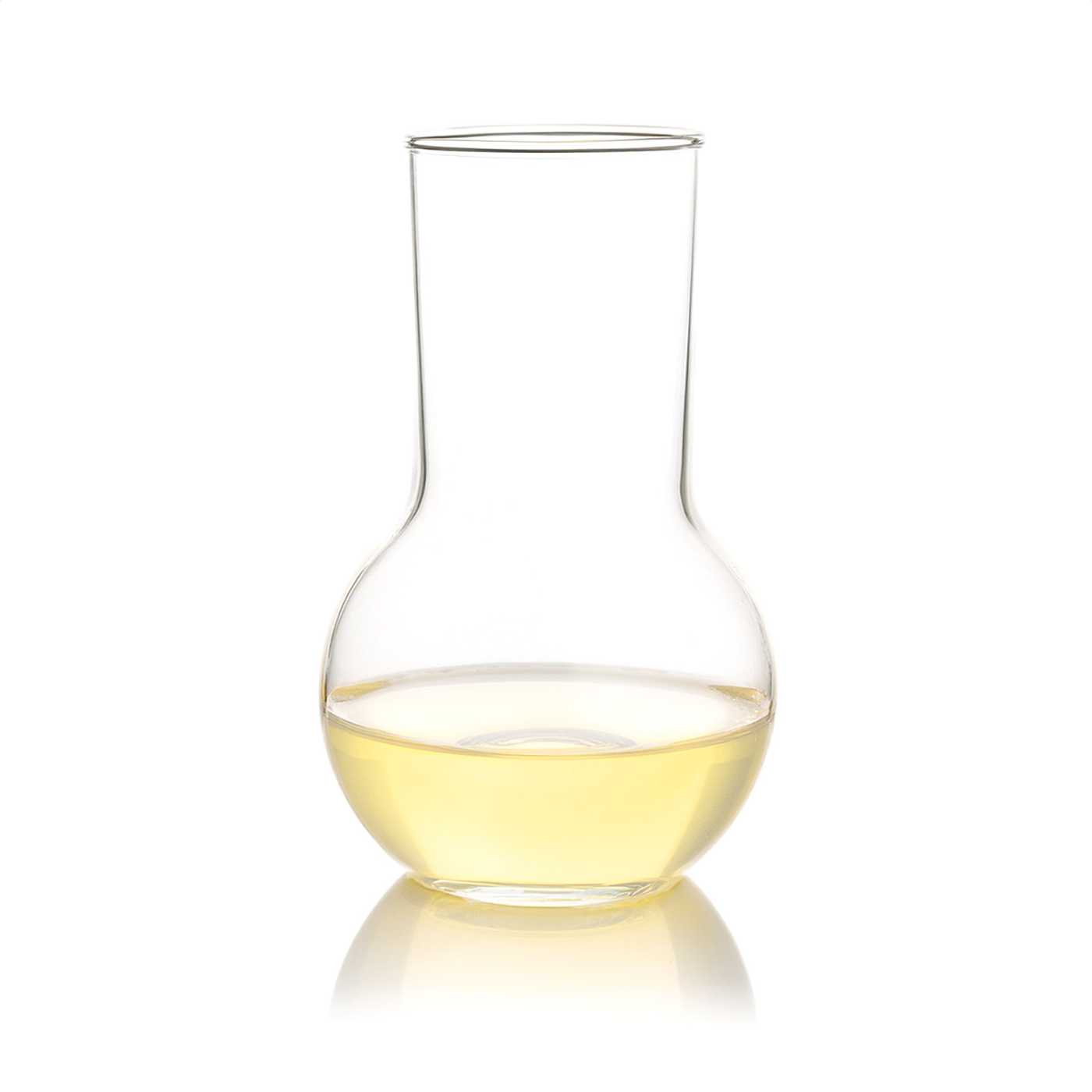
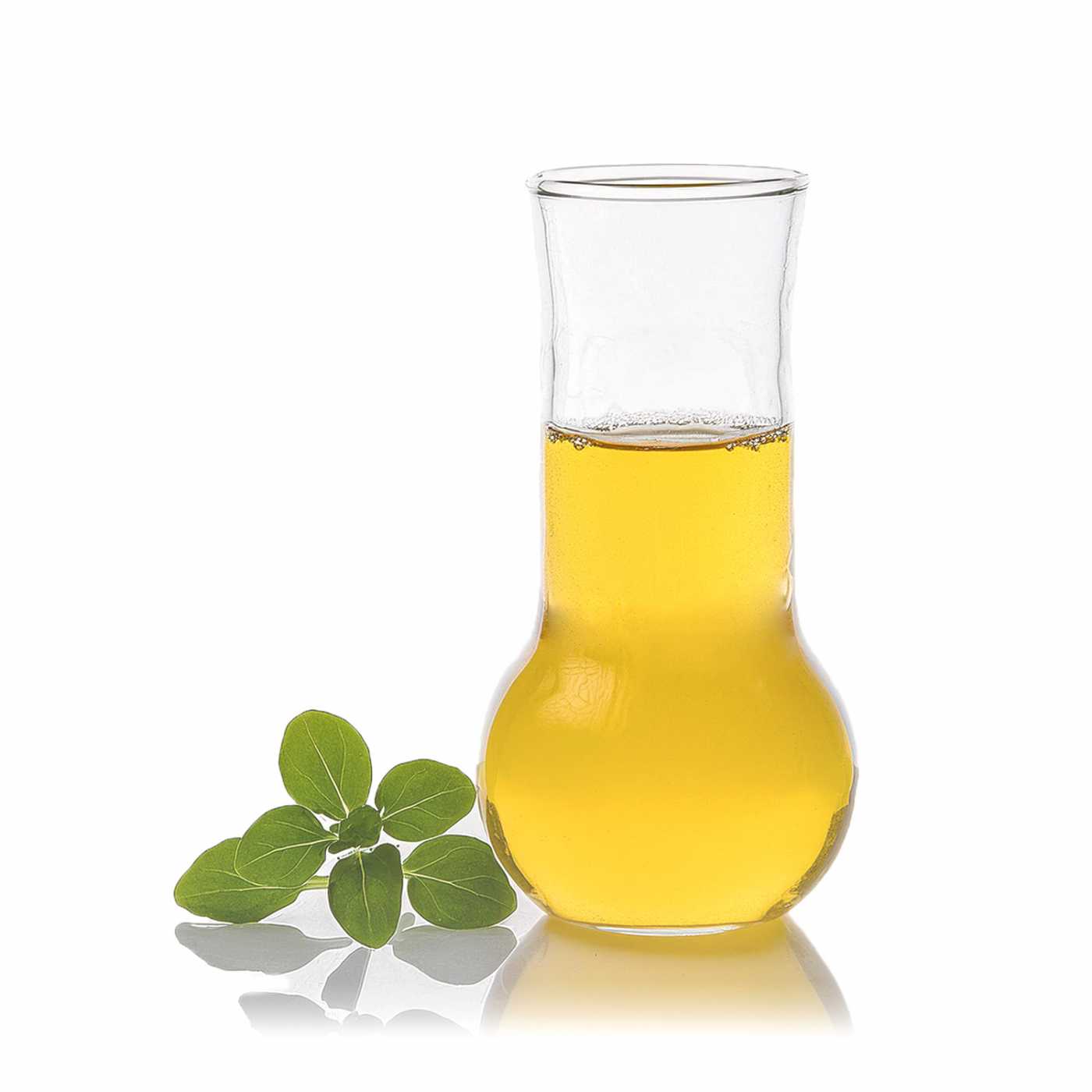
The scent is intense, so when designing a recipe it pays to start with a small amount and add more gradually. The extract is yellow to light brown, so a test sample is recommended in light-coloured bases.


Suitable for products such as

  • Toothpastes and mouthwashes – the main recommended area of use, where the extract combines the scent of rosemary with active components.
  • Perfumes, colognes and alcohol-based fragrance compositions – solubility in alcohol allows direct use as a spicy-herbal note.
  • Massage and body oils, balms – oil solubility and the fresh scent of the cineole chemotype.
  • Rinse-off products – soaps, shampoos and shower gels, where it serves as a fragrance component within the IFRA limits for category 9.

Good to know

The concentrated extract is not intended for direct application to the skin or for direct consumption. Always work it into a formulation before use and keep it out of the reach of children.

The extract contains fragrance allergens under Annex III of Regulation (EC) No 1223/2009. Camphor is typically present in an amount below 20% and beta-caryophyllene below 5%. An allergen is declared in the ingredient list if its concentration in the finished product exceeds 0.01% in a rinse-off product or 0.001% in a leave-on product. Therefore, calculate the allergen content for your specific recipe.

The extract also contains methyleugenol, the amount of which in cosmetics is restricted by Annex III of the Cosmetic Products Regulation. The value for a specific batch is stated in the certificate of analysis (CoA).

The substance is subject to classification under the CLP Regulation and is marked with the GHS02 (flammable), GHS07, GHS08 and GHS09 pictograms. Details of the classification and safe handling are in the safety data sheet (SDS).

The extract is of both food and cosmetic grade. In foods it is declared as a flavouring preparation or rosemary extract, and in food supplements as rosemary extract.


Frequently asked questions

Is rosemary CO2 extract soluble in water?
No, Rosemary CO2-se-plus extract, organic, ct cineole does not dissolve in water; it dissolves in oils and in alcohol. In water-based preparations, such as an alcohol-free mouthwash or a toner, it is added with the help of a solubiliser or worked into the oil phase of an emulsion. In alcohol-based products and anhydrous bases it dissolves directly.
How much rosemary CO2 extract should be added to cosmetics?
Rosemary CO2-se-plus extract, organic, ct cineole has no single universal usage rate. The manufacturer does not state a recommended range, and the maximum permitted amount is determined by the IFRA limit for the category of the finished product. Lip products fall under category 1, toothpastes and mouthwashes under category 6, and body oils under category 5A. The limits for all categories are in the IFRA certificate in the product documentation.
Can rosemary CO2 extract be used in toothpaste or mouthwash?
Yes, oral care is the main recommended area of use for Rosemary CO2-se-plus extract, organic, ct cineole. The manufacturer refers to a study according to which the main components of rosemary oil act as antimicrobials against microorganisms in the oral cavity. The extract is also of food grade. The amount is governed by the IFRA limit for category 6, and an alcohol-free mouthwash requires a solubiliser.
At what temperature is rosemary CO2 extract added to a cream?
Rosemary CO2-se-plus extract, organic, ct cineole is added at a temperature below 40 °C, that is, only into the cooled emulsion with constant stirring. It is handled in the same way as other volatile fragrance components. In anhydrous oils and balms it is mixed in after the melted base has cooled.
Does rosemary CO2 extract contain fragrance allergens?
Yes, Rosemary CO2-se-plus extract, organic, ct cineole contains camphor in an amount below 20% and beta-caryophyllene below 5%; both are fragrance allergens under Annex III of Regulation (EC) No 1223/2009. They are declared in the ingredient list if their concentration in the finished product exceeds 0.01% in a rinse-off product or 0.001% in a leave-on product. Typical values are in the allergen list in the product documentation.

Parameters

INCI
Rosmarinus Officinalis Leaf Extract
CAS No.
84604-14-8
EC number
283-291-9
Product colour
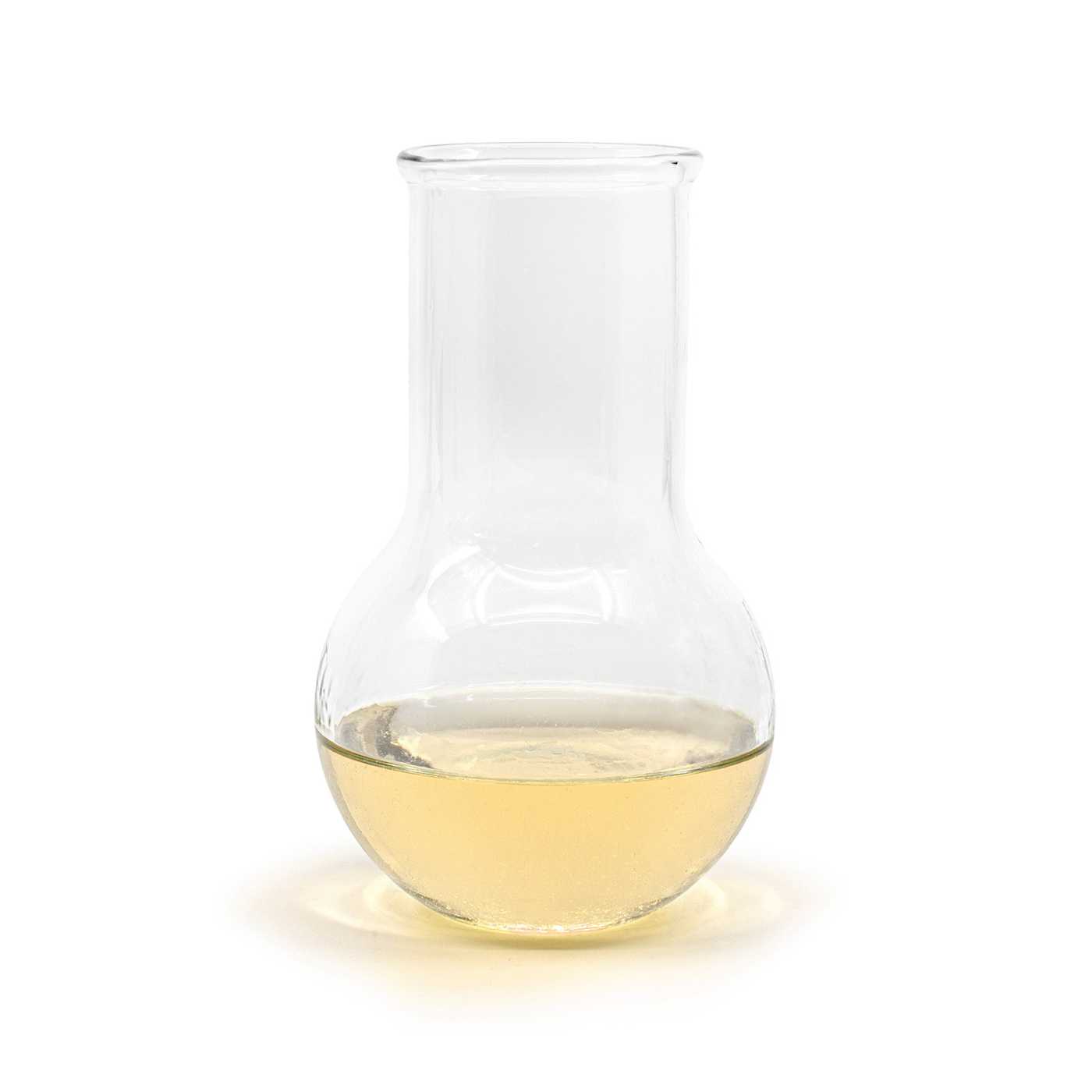
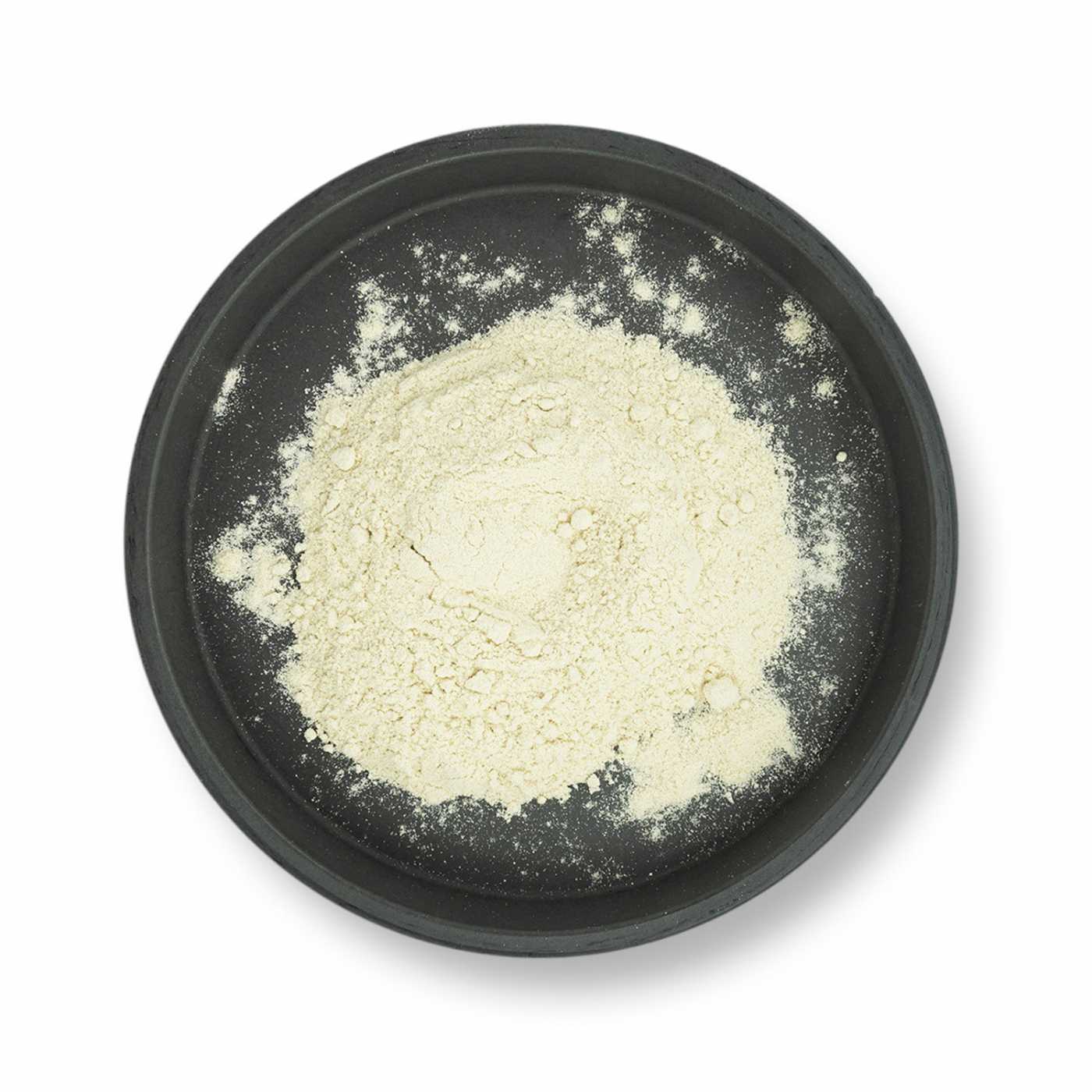
BrownYellow
Country of origin
MoroccoGreeceSpainGermany
Appearance
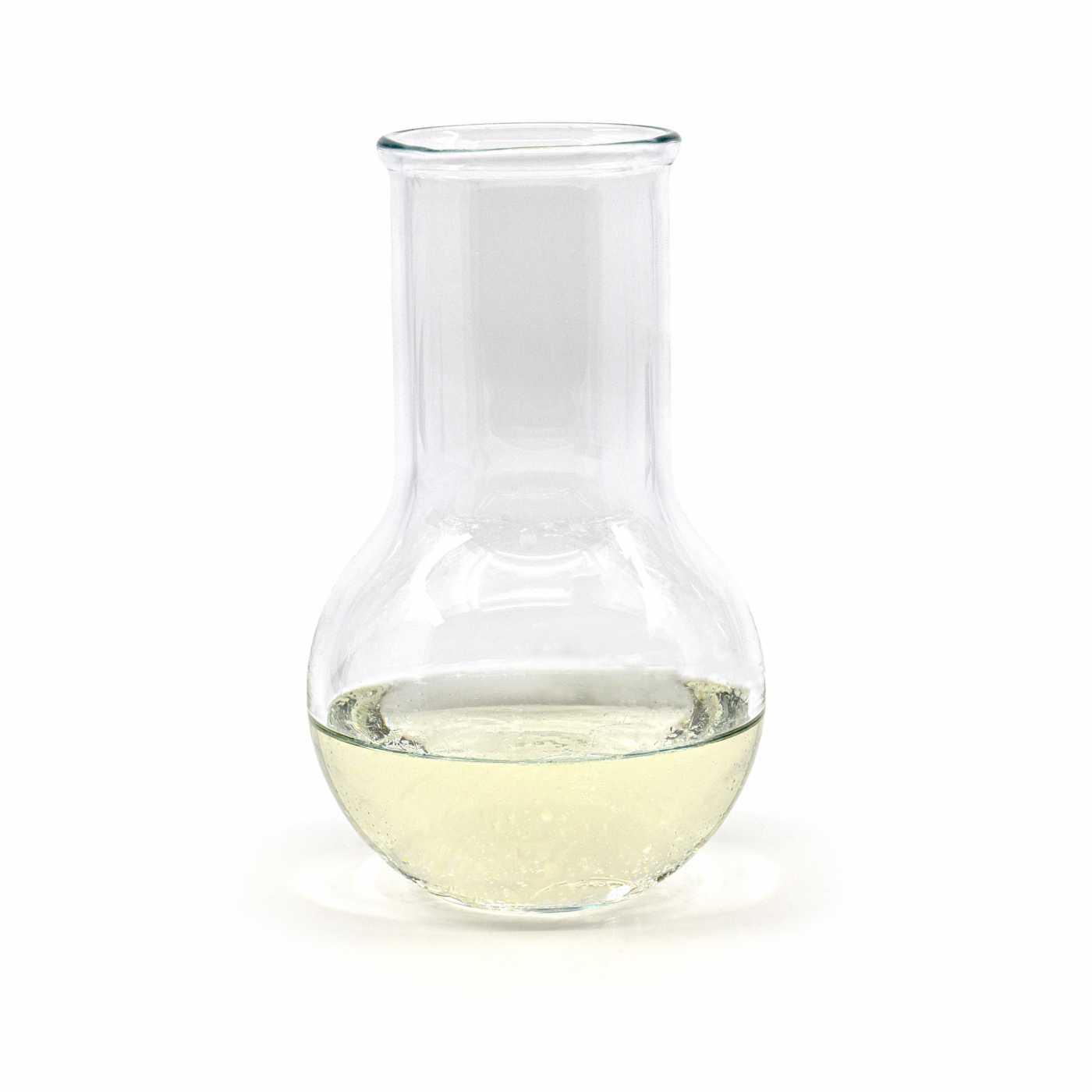
Oily liquid
Original best before date
28. 2. 2027
Formulation phase
Oil phaseCool-down phase
Application area
Oral care / dental care
Recommended processing temperature
< 40 °C
Application type
Leave-onRinse-off
Certifications
Organic certification
Manufacturer's certificate
COSMOS ApprovedKosher
Natural Index (NI ISO 16128)
1,00
Natural Origin Index (NOI ISO 16128)
1,00
Organic content
100 %
Renewable Carbon Content (RCC)
100 %
Volume
10 ml

Product documentation

CoACertificate of Analysis
batch 522012PDF ↓
TDSTechnical Data Sheet
Physical parameters and processingPDF ↓
SDSSafety Data Sheet
Available for purchased products —
Download all (ZIP)

2 PDF files in one archive

Andreea P.13 Oct 2026EN

Verified purchase

Variant: Rozmarínový CO2-se-plus extrakt BIO, ct cineol, 100 ml

Very good smell. It works good against hair fail.

Veronika F.19 Nov 2026SK

Verified purchase