Spend over €100 for discounted shipping!

+421 950 333 113[email protected]

COSMETICS WAXES

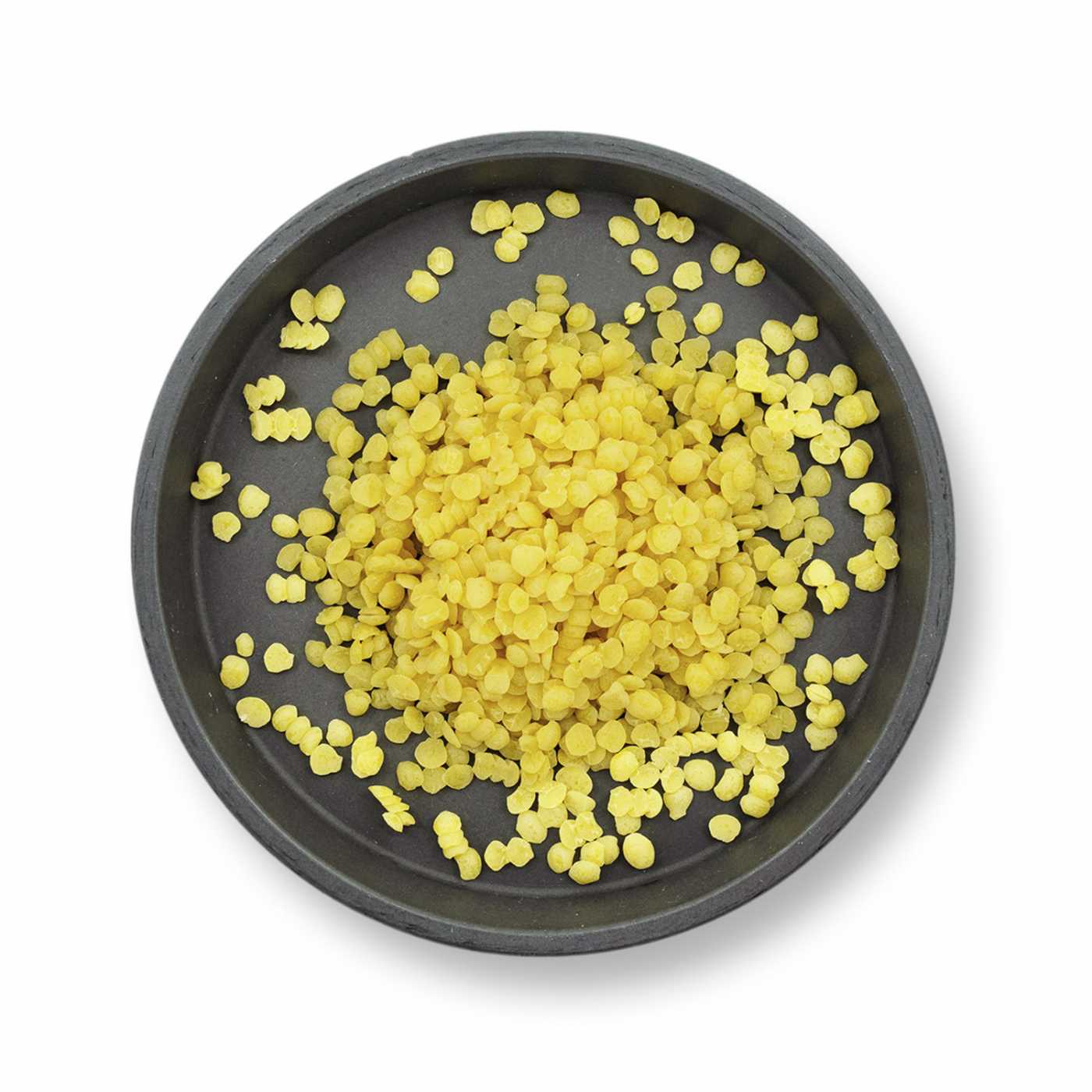
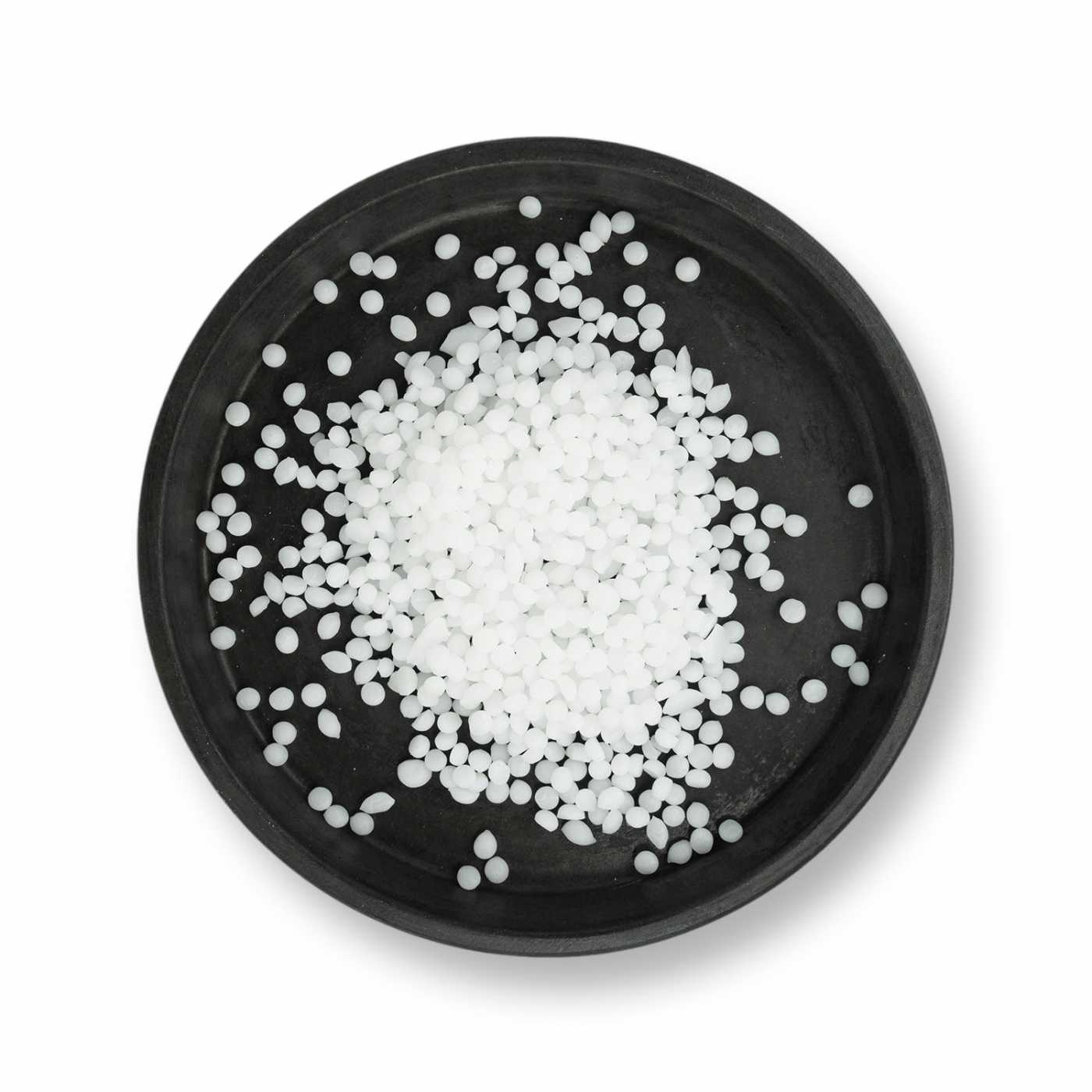
Yellow Beeswax, yellow pellets 1 kg

Pack size100 g500 g1 kg5 kg

Beeswax is a natural hardener and emollient of animal origin. It gives firmness to ointments, balms, and creams, and forms a protective film on the skin that reduces water loss. full description

AvailabilityPre-order
Product codeVO902_1
€29.39incl. VAT€29.39/kg

Lowest price in the last 30 days: €29.39

Expected back in stock: 25 Oct.~60 pkg on the way to us. This variant is currently out of stock — your order will be a pre-order and delivery may take longer.

Product description

Beeswax is a natural hardener and emollient of animal origin. It gives firmness to ointments, balms, and creams, and forms a protective film on the skin that reduces water loss. In a formulation it serves several roles at once: it thickens the oil phase, stabilises W/O emulsions, and softens the skin feel. The granulated form is easy to weigh and dose even in small batches.

The raw material is of cosmetic and pharmaceutical quality and contains no fragrance allergens subject to labelling. It is suitable for preparations for dry and sensitive skin including children's, where a protective and soothing effect matters.


What it is suitable for

  • Oil phase thickener – at the lower end of the dosage range it turns a liquid oil into a soft ointment; at a higher proportion a firm balm or stick forms.
  • Film-forming agent – leaves a breathable layer on the skin that reduces water evaporation and protects the skin from drying out.
  • W/O emulsifier and stabiliser – in fatty creams it helps keep the water phase dispersed in the oil and reinforces the emulsion structure.
  • Emollient – softens the skin and complements the oils and butters it is commonly combined with.
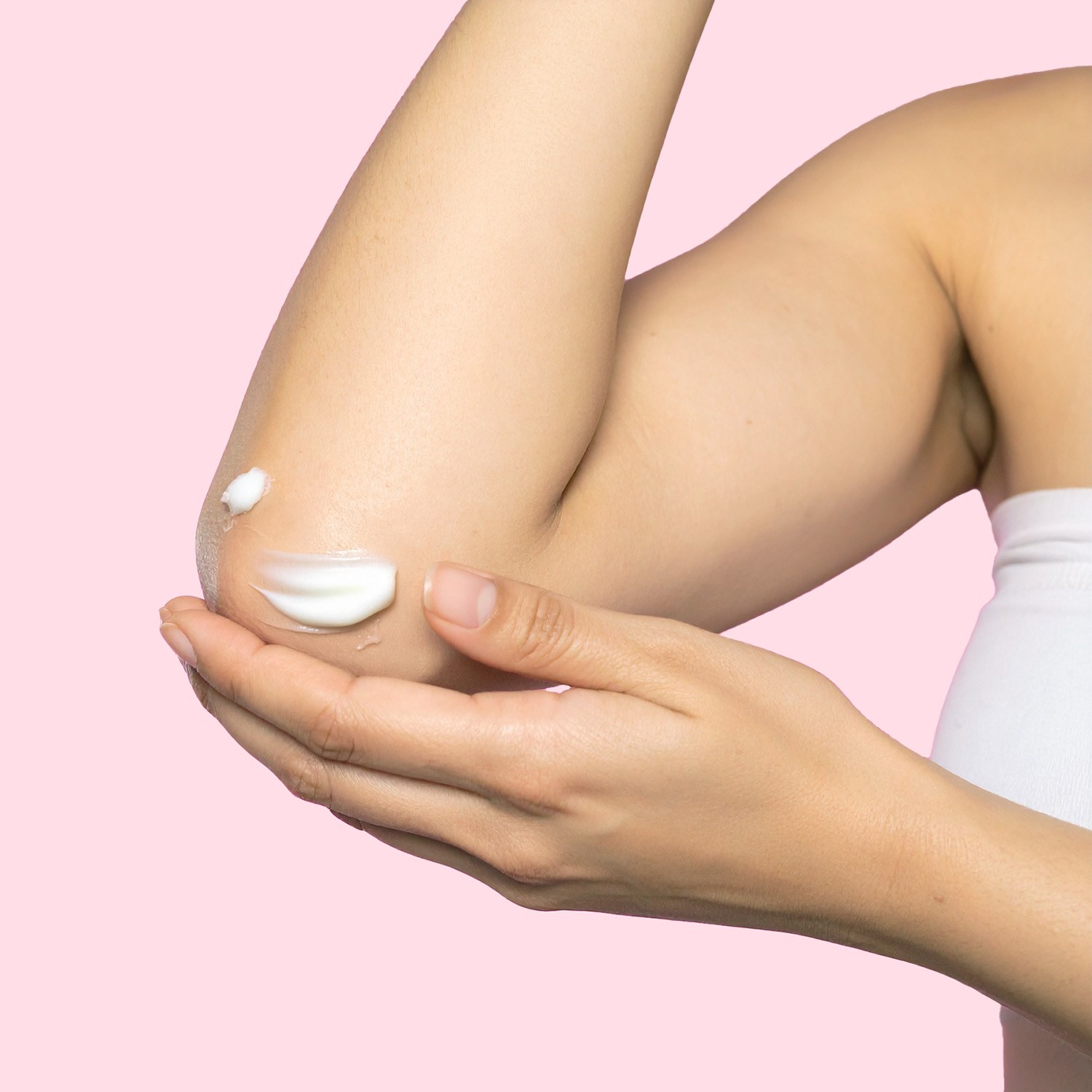
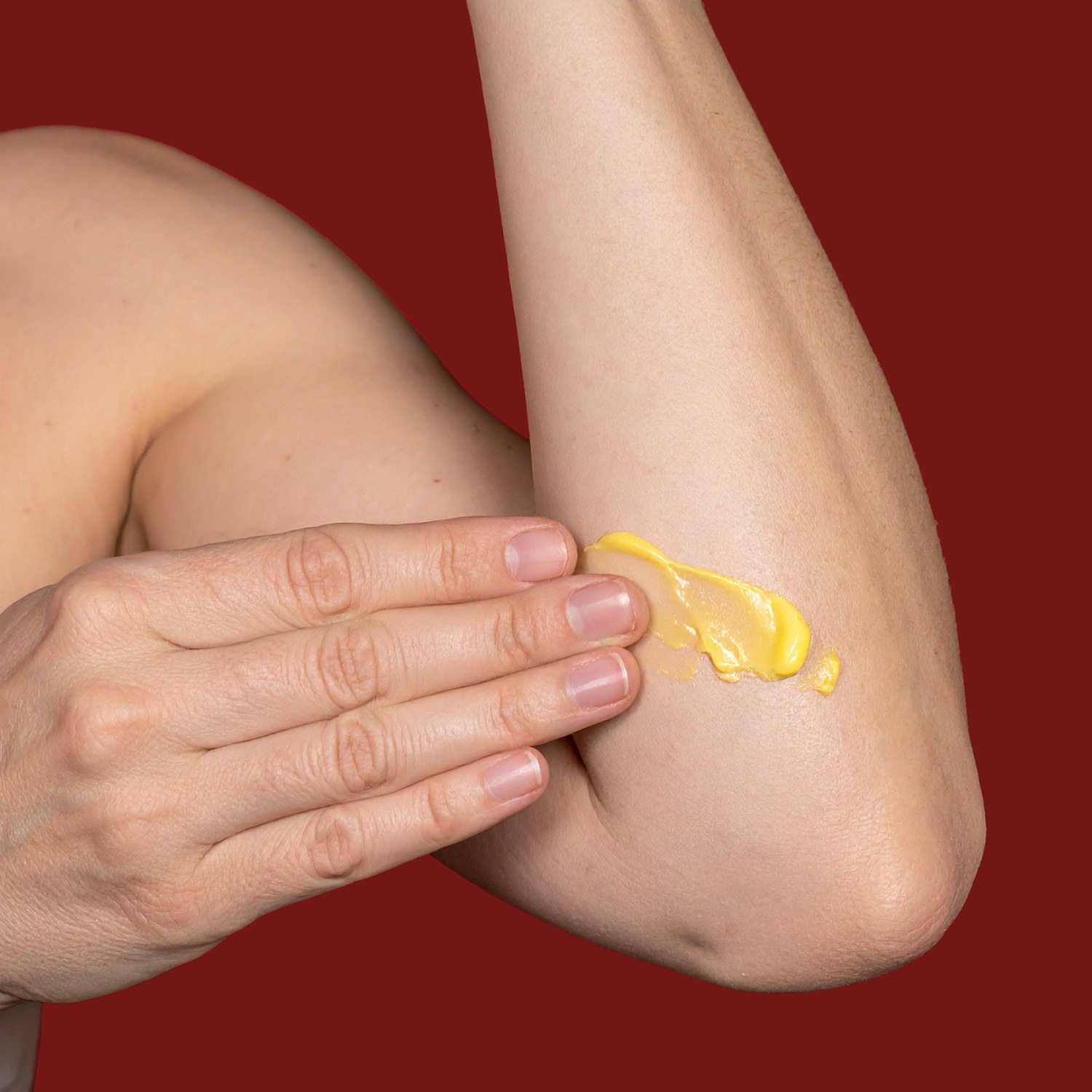
  • Skin barrier restoration – the protective film gives the skin time to regenerate, which is why wax is used in preparations for cracked and stressed skin on hands, lips, or elbows.

Use in formulation

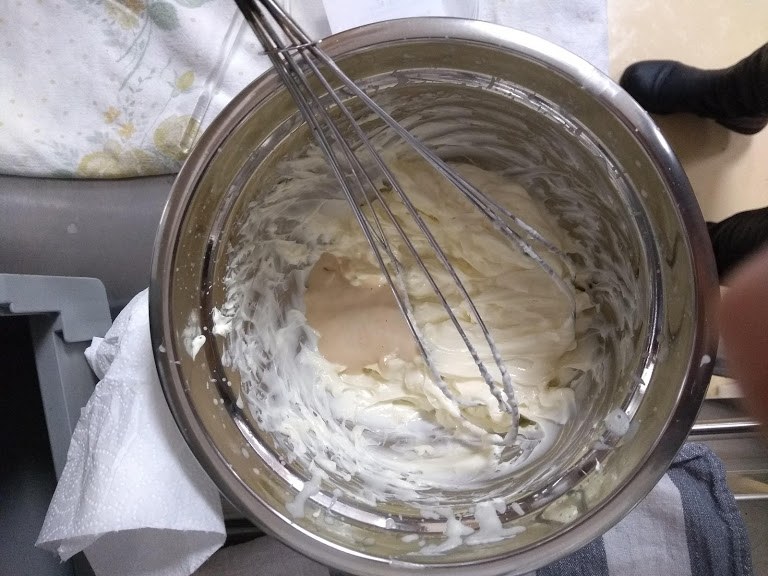
Wax belongs in the oil phase. The granules melt together with the oils and butters at a temperature above 70 °C, the mixture is stirred until completely clear, and then left to cool with constant stirring. It does not dissolve in water, so in emulsions it always goes into the part of the recipe that contains oils. When making W/O creams, both phases are heated to the same temperature and the water phase is added to the oil phase gradually with vigorous stirring.

The recommended dosage is 5 – 20 %. The lower limit is sufficient for slight thickening of an oil serum or massage oil. Mid-range values give an ointment and a jar balm. The upper limit is intended for lip sticks and solid balms that must hold their shape even in warm weather.

Before making a larger batch, test the hardness on a small sample. Drop a small amount of the melted mixture onto a cold plate and let it set. If it is too soft, add more wax. If it cracks or spreads poorly, reduce its proportion or add a liquid oil.

When melting, work in a water bath to avoid overheating the oil phase. Wax residues from containers and utensils are most easily removed while still warm with a paper towel; once set, wax is harder to release from surfaces.


Suitable for products such as

  • Lip balms and sticks – wax gives shape and protects lips from drying out.
  • Ointments and protective creams – for hands, elbows, heels, and stressed skin.
  • Baby and soothing balms – for sensitive skin, where an anhydrous composition is an advantage.
  • W/O creams – rich, nourishing night and winter creams with a higher proportion of oils.
  • Solid massage sticks and cuticle waxes – preparations that hold their shape without a jar.

Good to know

Anhydrous preparations made from wax and oils do not need a preservative as long as no water gets into them. Emulsions with a water phase must always be preserved and we recommend verifying their stability over time and under temperature changes. Compatibility with common oils, butters, and lipophilic active ingredients is unrestricted.

Wax is readily biodegradable and of fully natural origin, making it suitable for formulations labelled as natural cosmetics.


Yellow or white beeswax?

Both perform the same function in a formulation. Yellow wax retains its natural colour, so it slightly tints light formulations yellow. It is chosen where colour is not a concern or is desirable, for example in balms, ointments, and naturally-styled creams. White wax is bleached and does not colour the formulation; it makes sense in products where a clean shade matters or where precise colouring with pigments is required.


Frequently asked questions

Is beeswax soluble in water?
No, beeswax is insoluble in water and dissolves only in oils and fats. It is therefore added to a formulation exclusively via the oil phase, in which it disperses evenly after melting. It cannot be used in water-based products such as tonics or hydrolate sprays.
How much beeswax should I use in a lip balm?
For a lip balm in stick form, the upper end of the recommended 5 – 20 % range of beeswax is used so the stick holds its shape. A jar balm can get by with a lower proportion to allow easy scooping with a finger. The final hardness also depends on the butters used, so we recommend verifying it on a small sample.
Does beeswax need to be heated?
Yes, beeswax is incorporated into a formulation exclusively under heat, at a temperature above 70 °C together with the oil phase. The granules melt at this temperature and form a clear mixture with the oils that sets upon cooling. When processed cold, the wax would remain as undissolved granules.
Is beeswax suitable for sensitive and baby skin?
Yes, yellow beeswax is suitable for sensitive and baby skin and contains no fragrance allergens subject to labelling. It forms a protective film on the skin that reduces water loss and supports skin barrier restoration. For baby preparations it is most commonly used in anhydrous balms without preservatives.
Can beeswax be used as an emulsifier in a cream?
Yes, beeswax functions as a W/O emulsifier and stabiliser in fatty water-in-oil type creams. As the sole emulsifier it tends to give simple, rich creams, so it is commonly supplemented with another W/O emulsifier in formulations and emulsion stability is verified over time. For O/W emulsions, i.e. light creams and lotions, it is not an emulsifier.
Does yellow beeswax colour the finished product?
Yes, yellow beeswax will give light formulations a subtle yellow to honey-toned tint. In balms and ointments this is usually fine and looks natural. If you need a purely white cream or plan to colour the product with pigments, choose bleached beeswax, which will not colour the formulation.

Parameters

INCI
Cera Alba
CAS No.
8006-40-4
Product color
Yellow
Formulation phase
Oil phase
Recommended processing temperature
> 70 °C
Recommended dosage range
5 – 20 %
Natural Index (NI ISO 16128)
1,00
Natural Origin Index (NOI ISO 16128)
1,00
Renewable Carbon Content (RCC)
100 %

Product documentation

TDSTechnical Data Sheet
Physical parameters and processingPDF ↓
Download all (ZIP)

1 PDF files in one archive

Learn how to work with it

From our blog
REVIEWS

Verified by customers.

No reviews yet.

Only customers with a delivered order can write reviews.