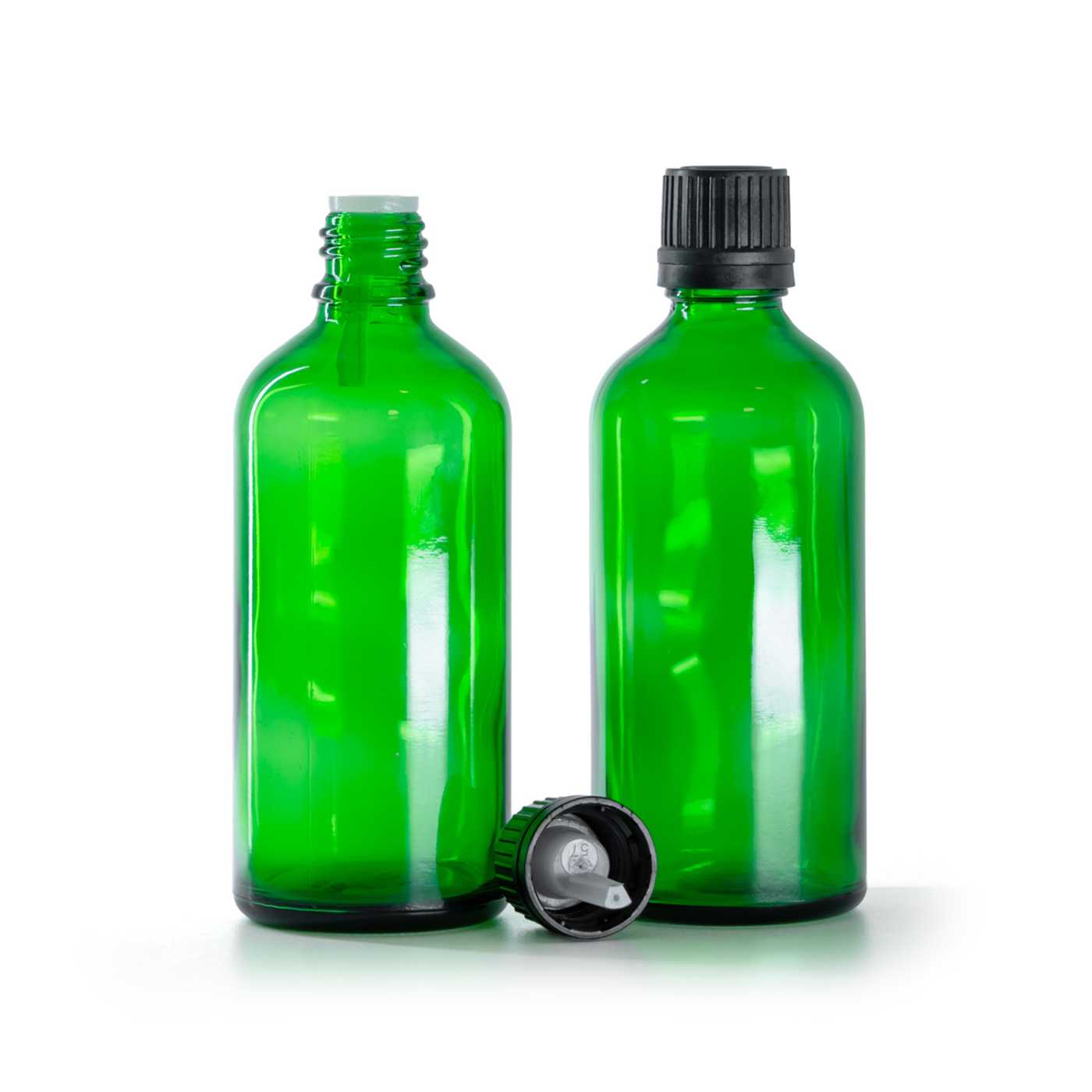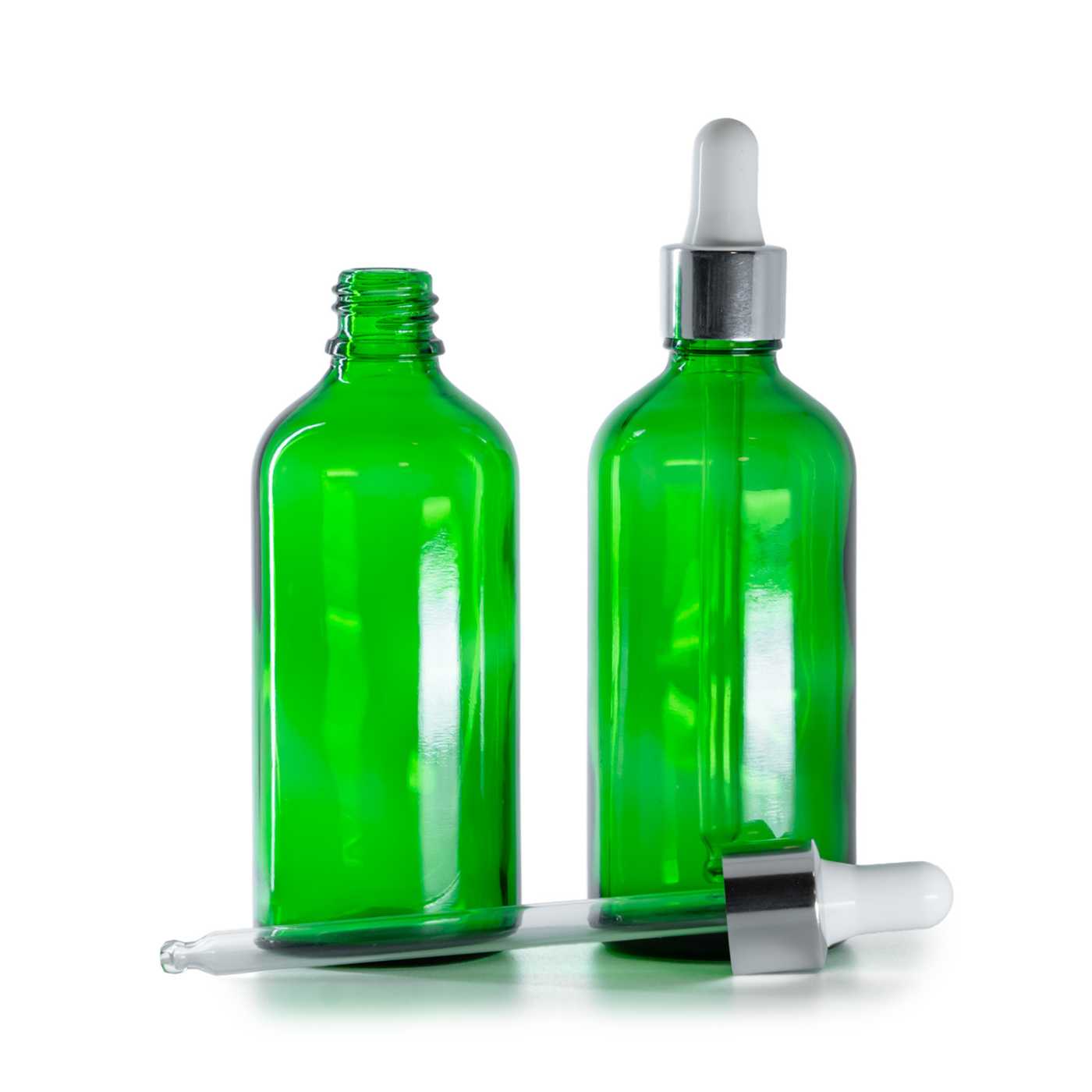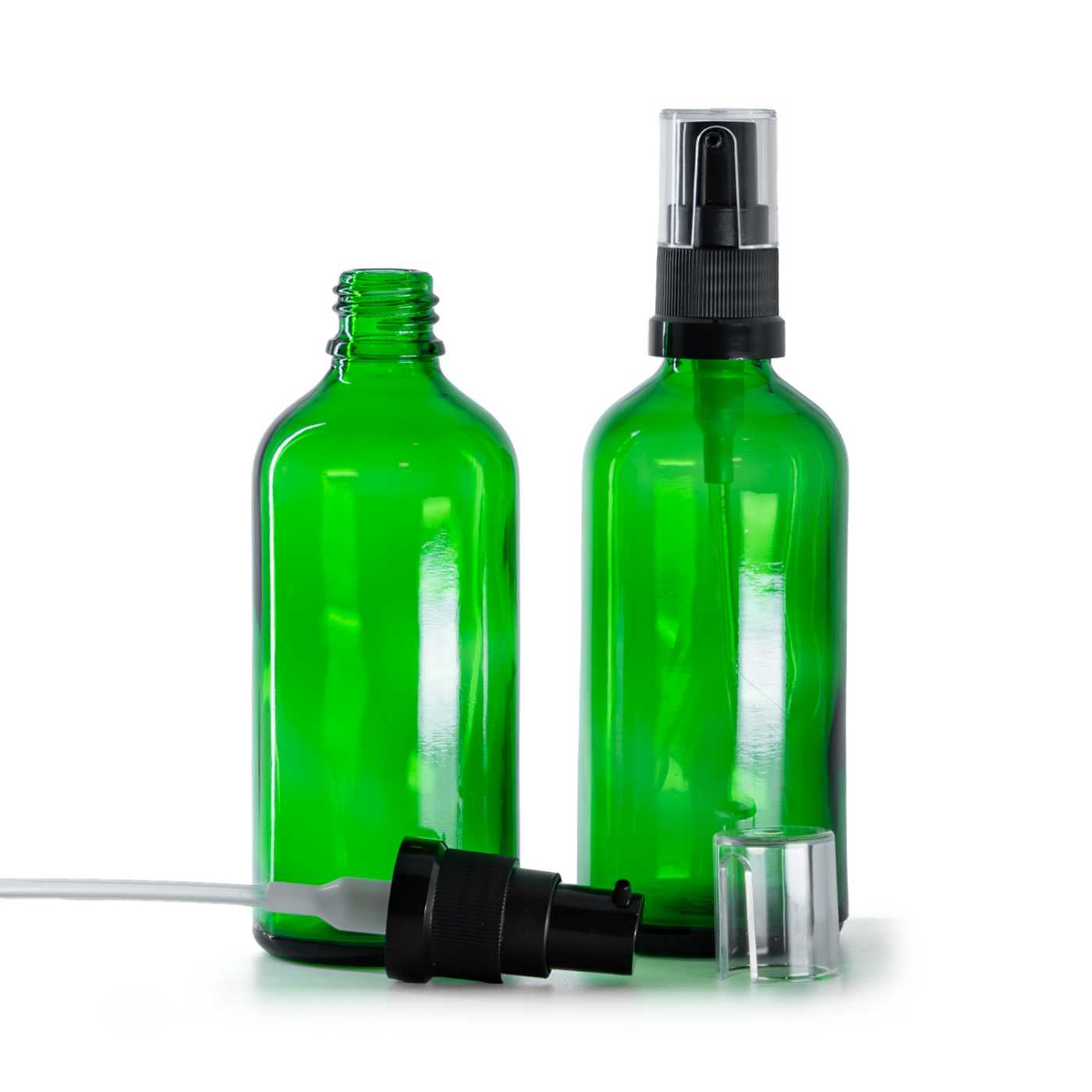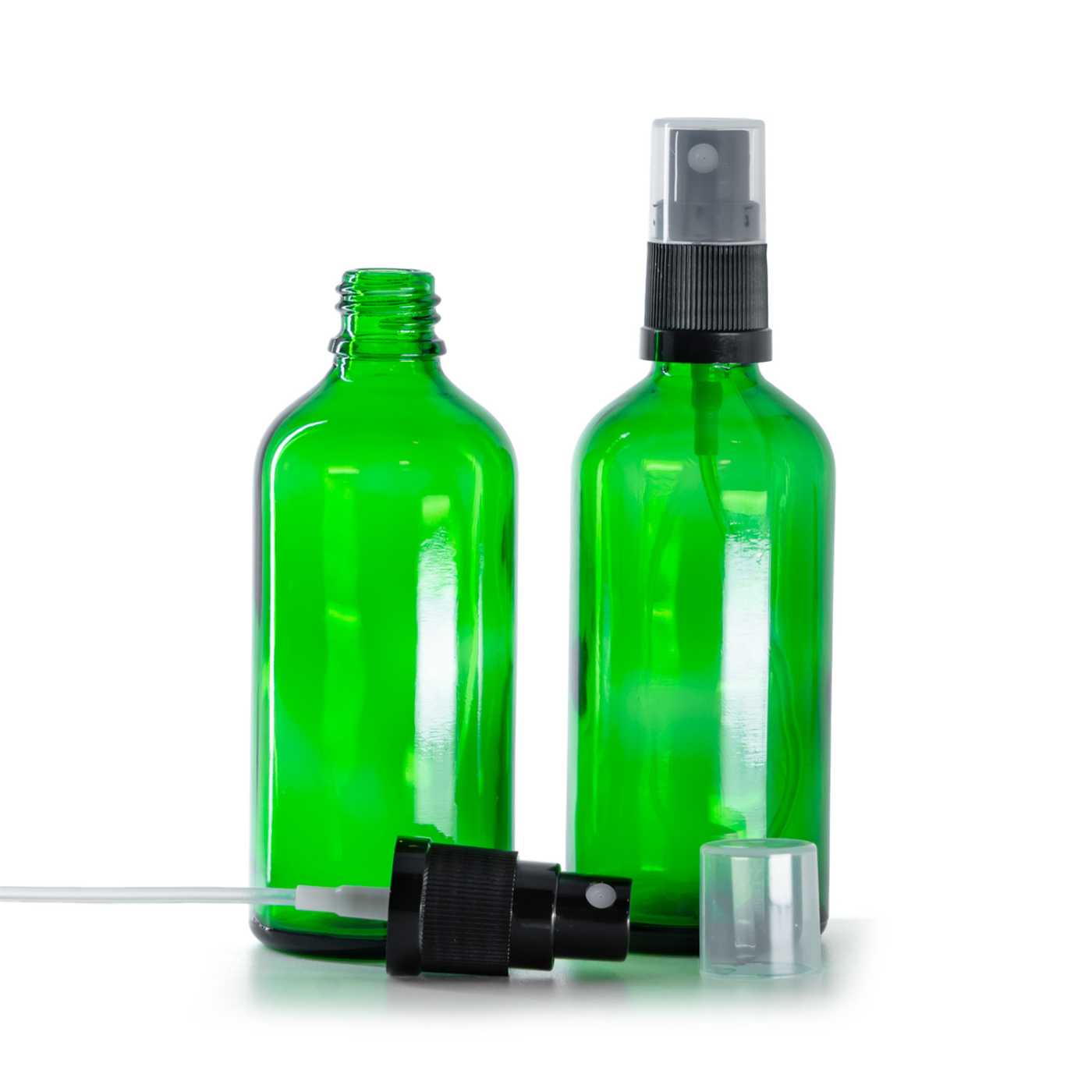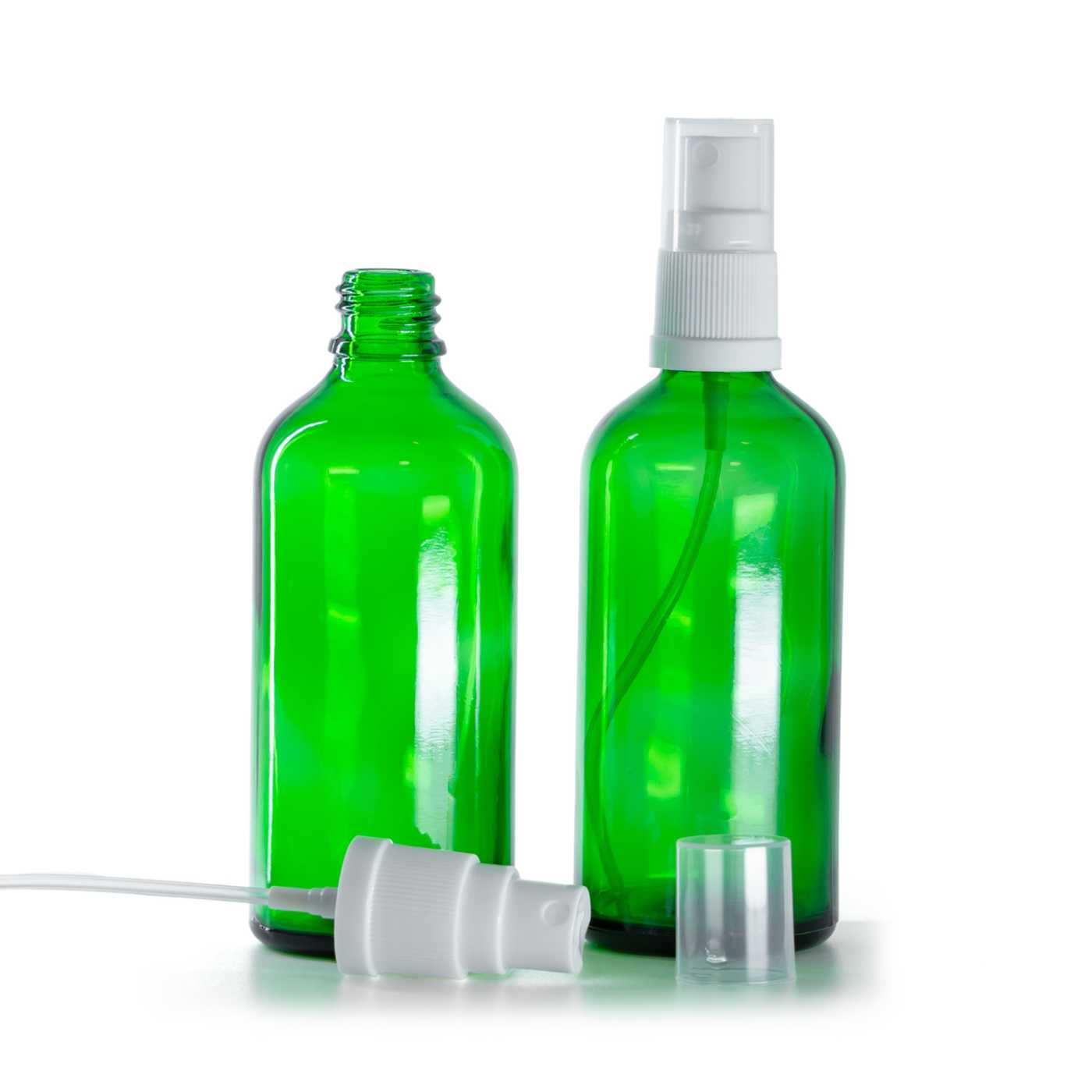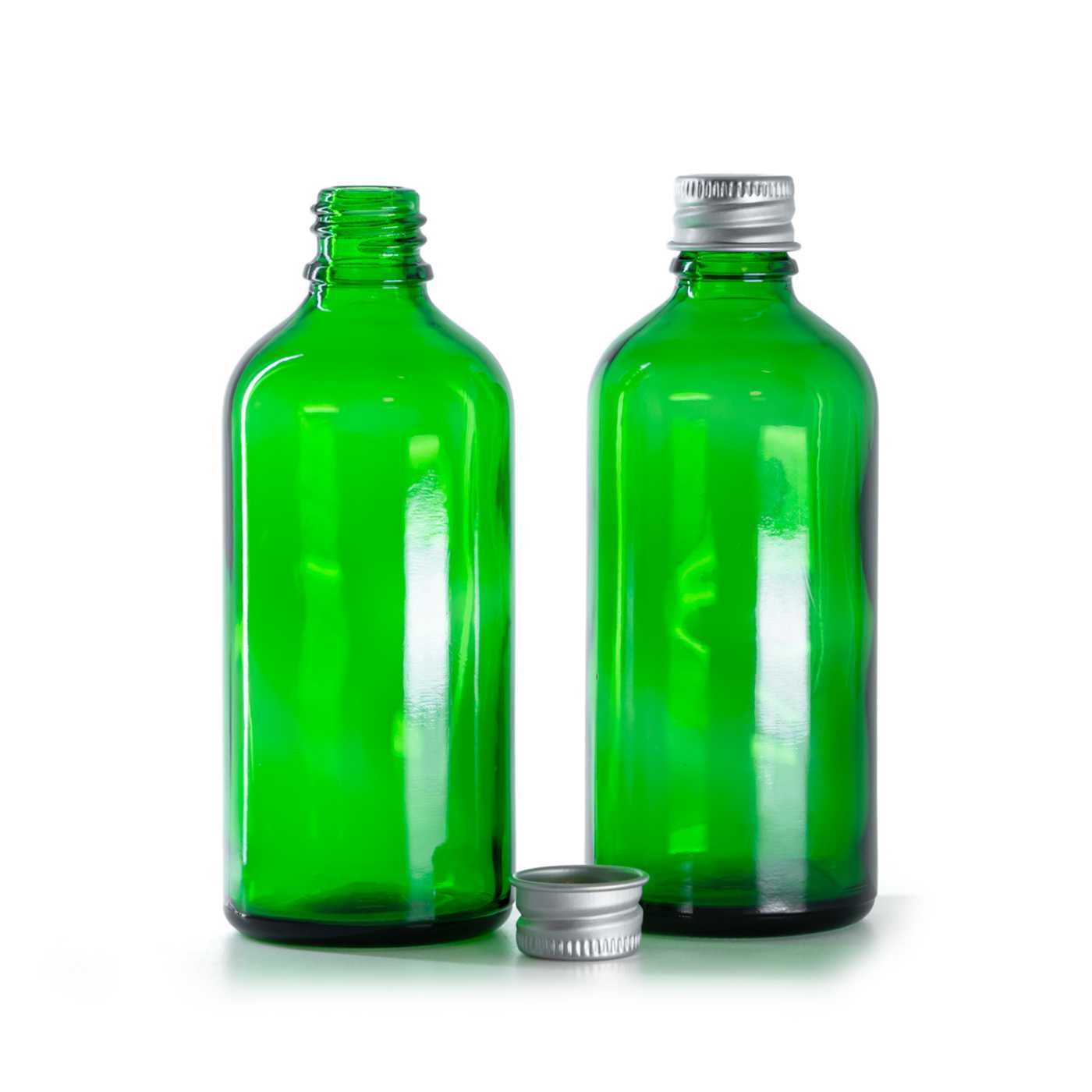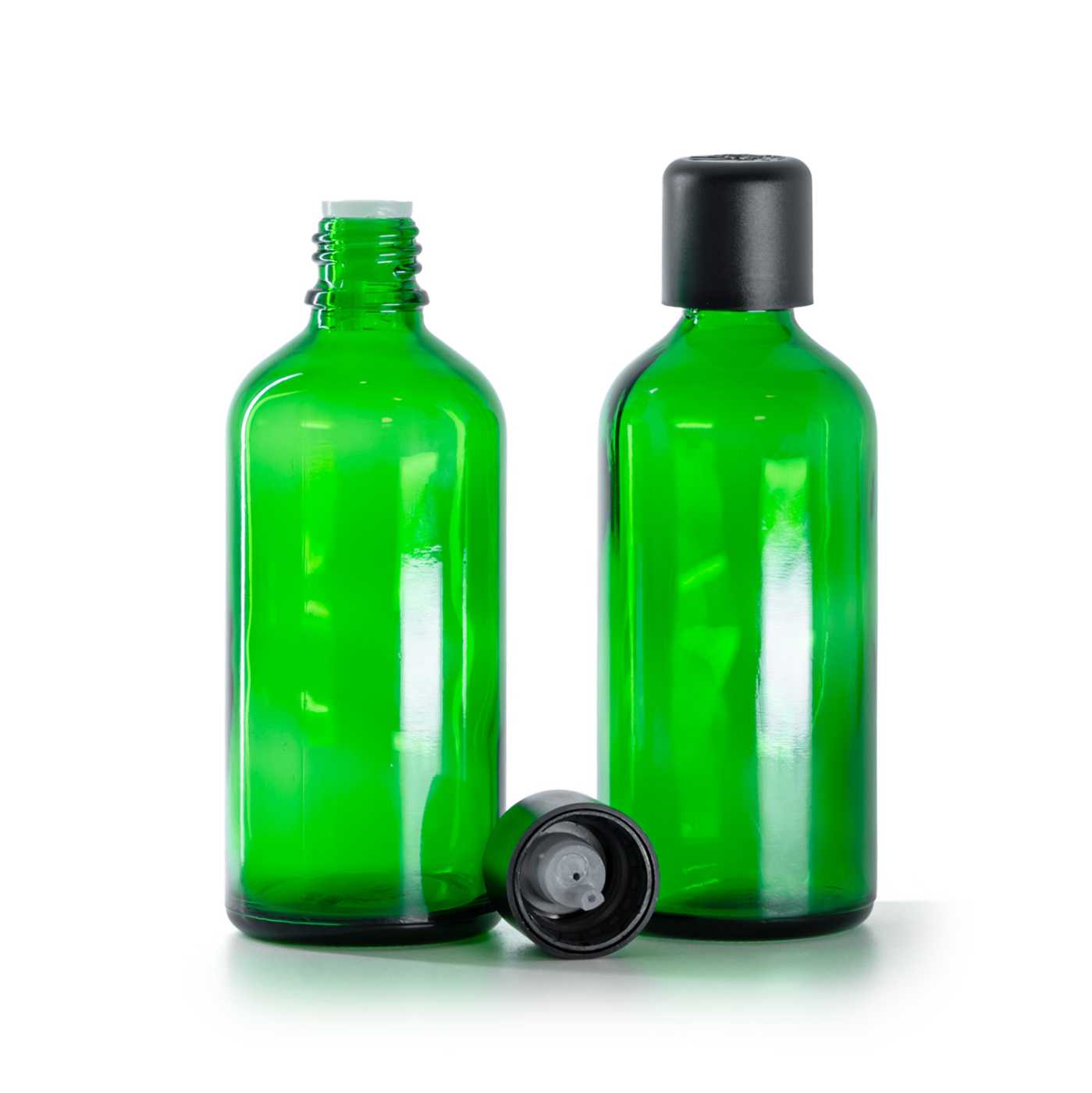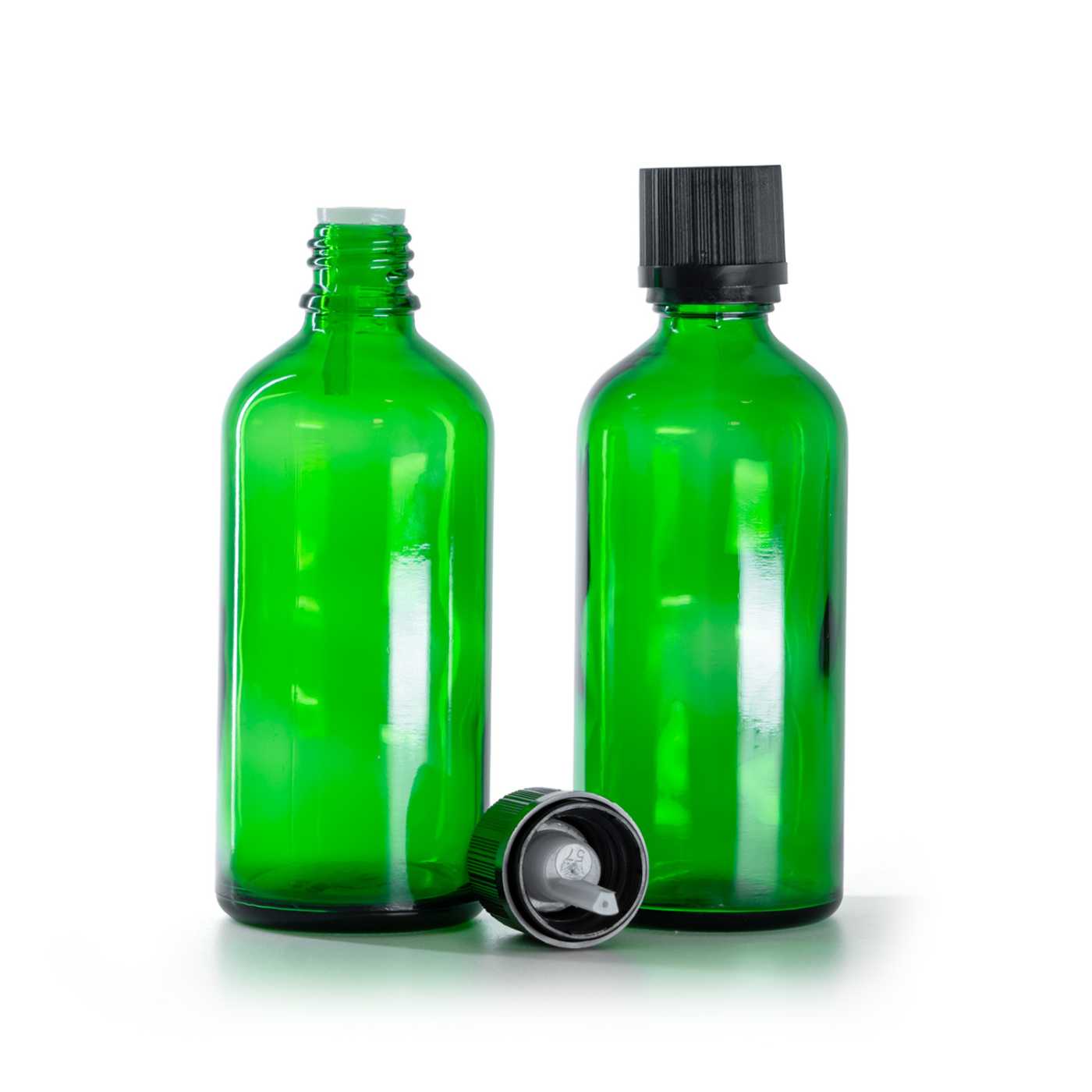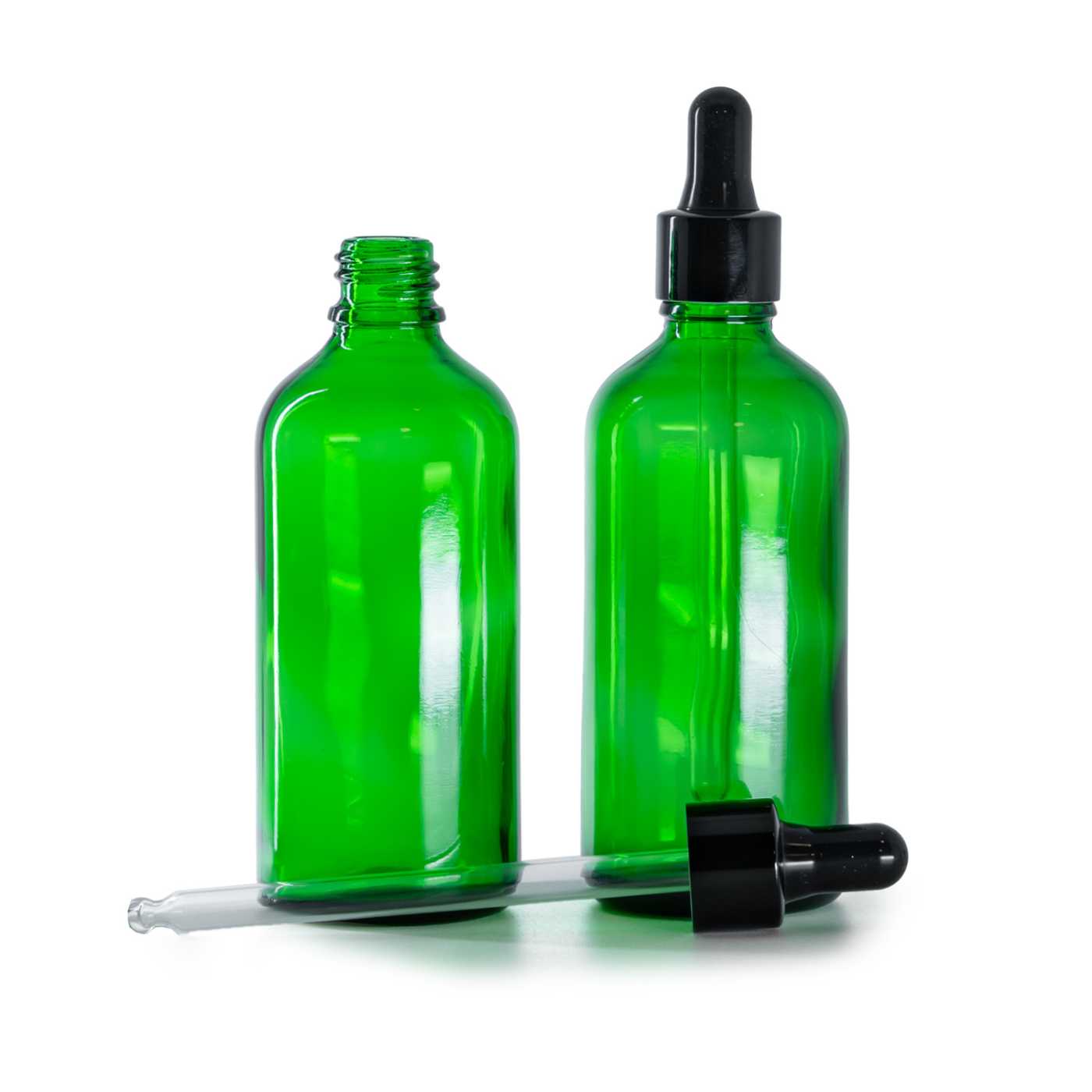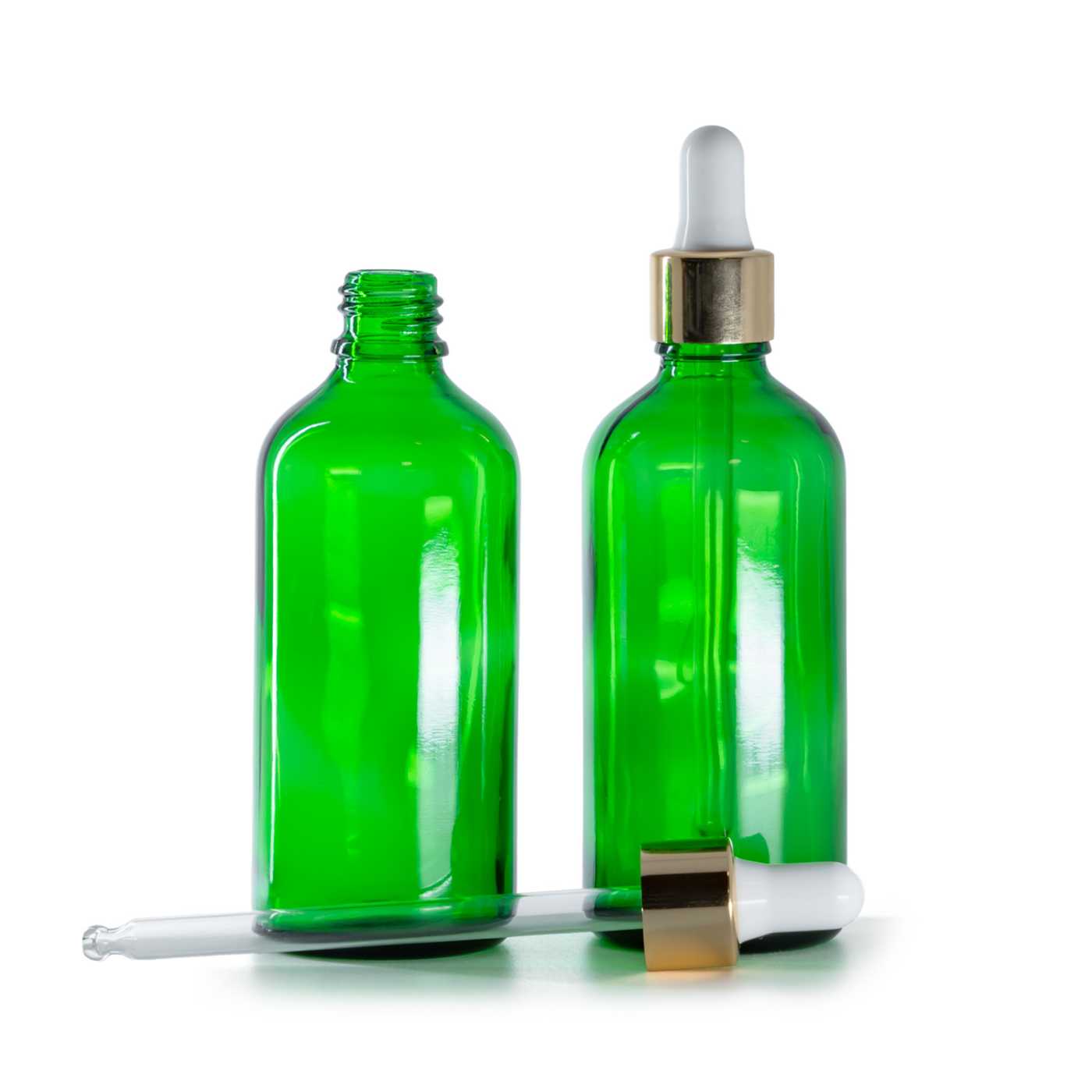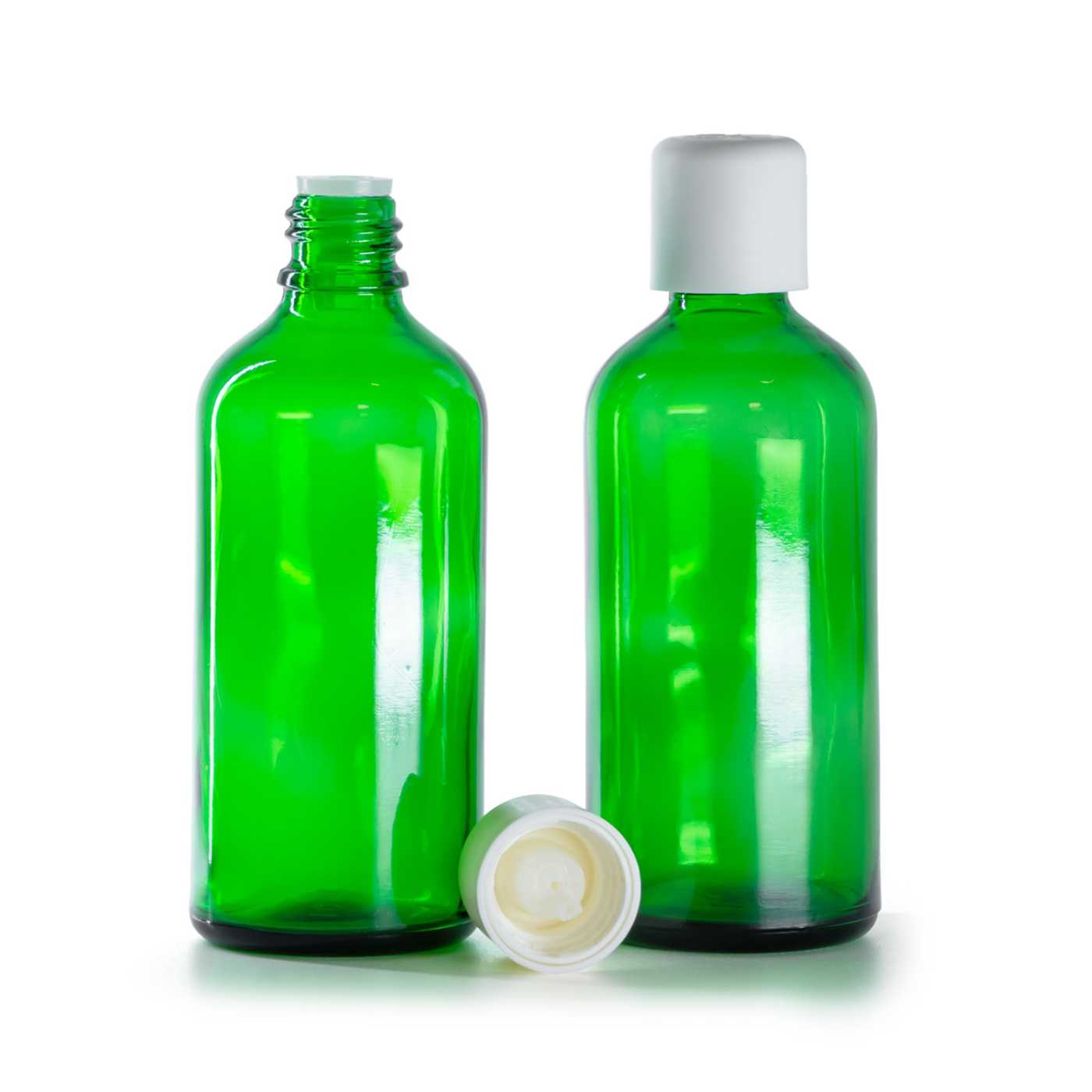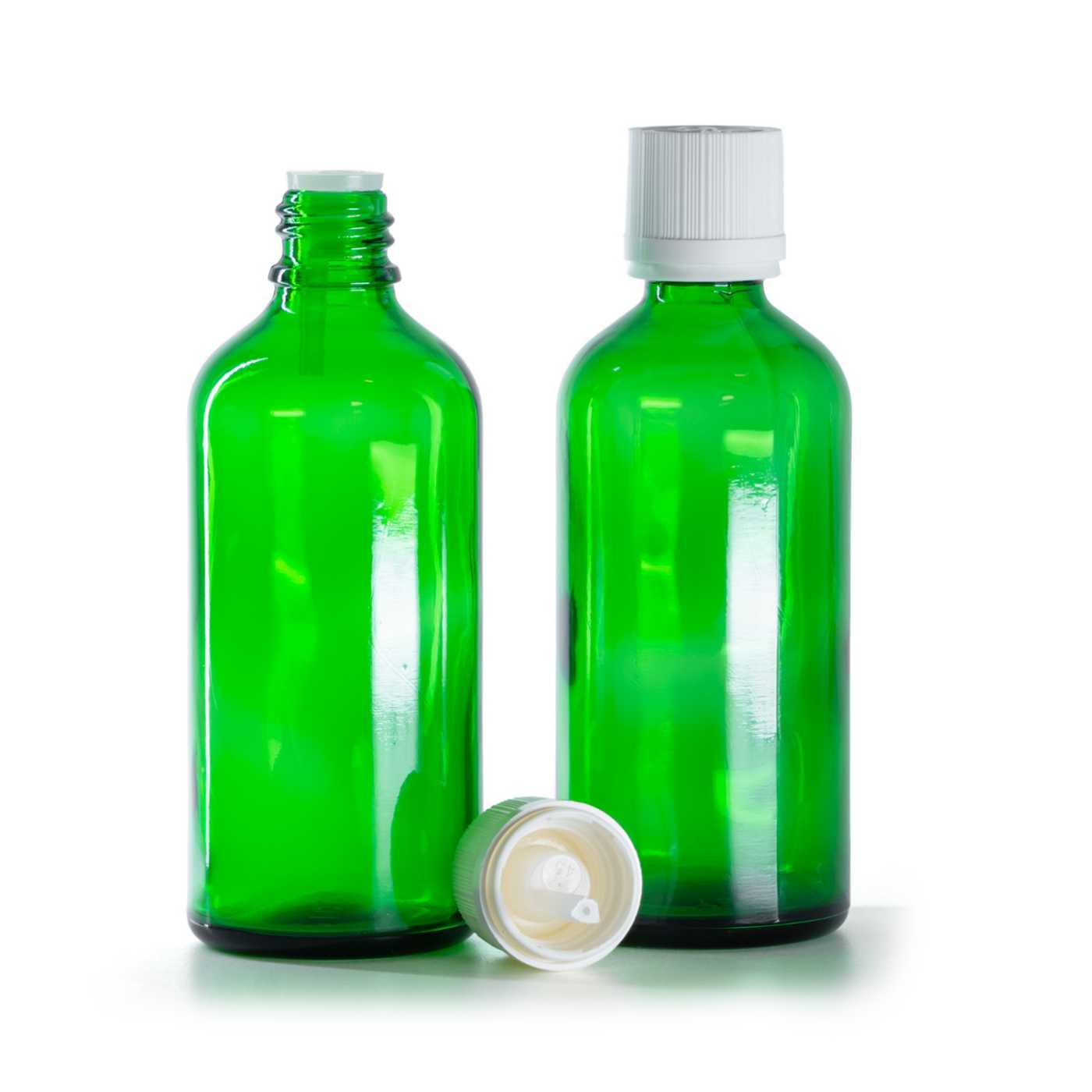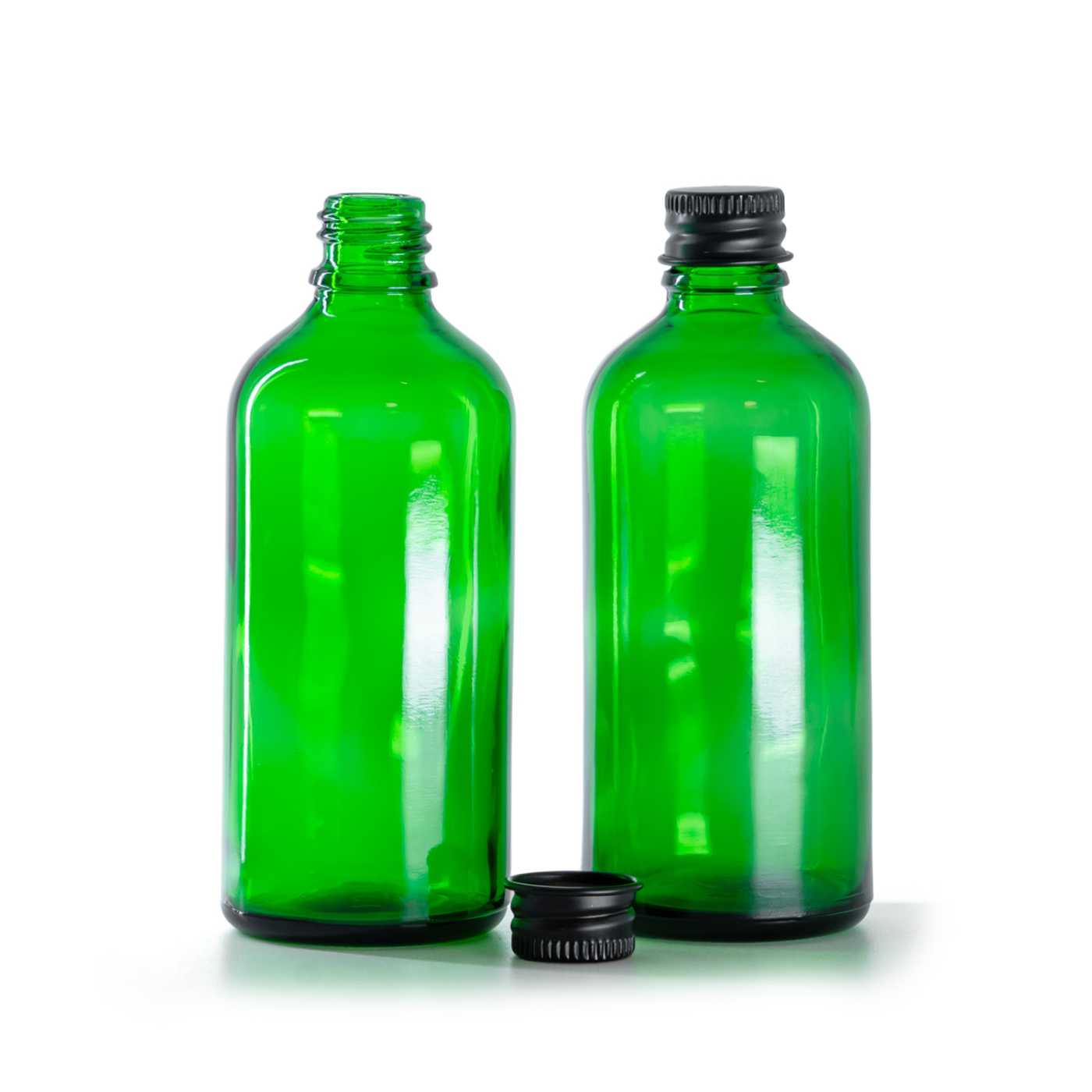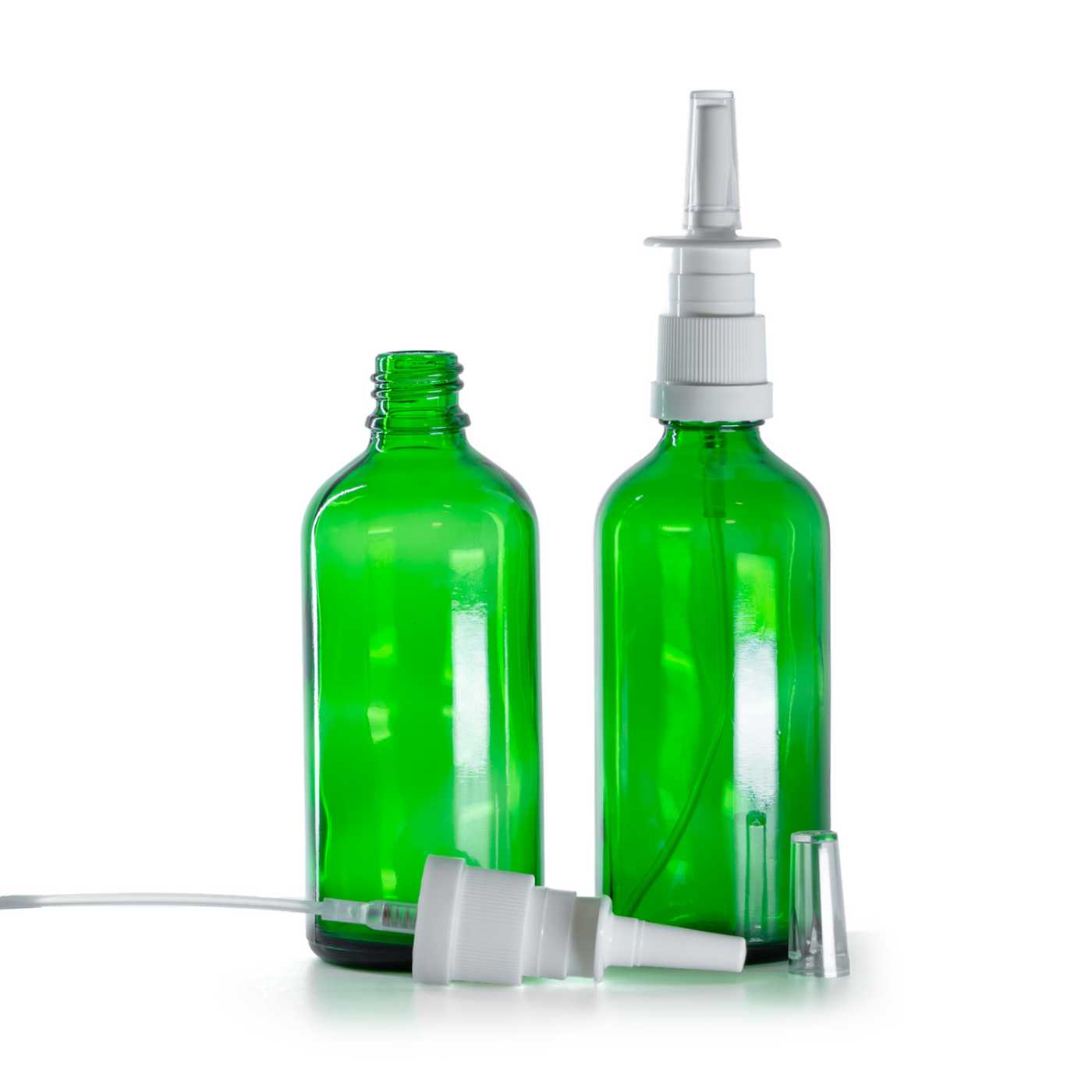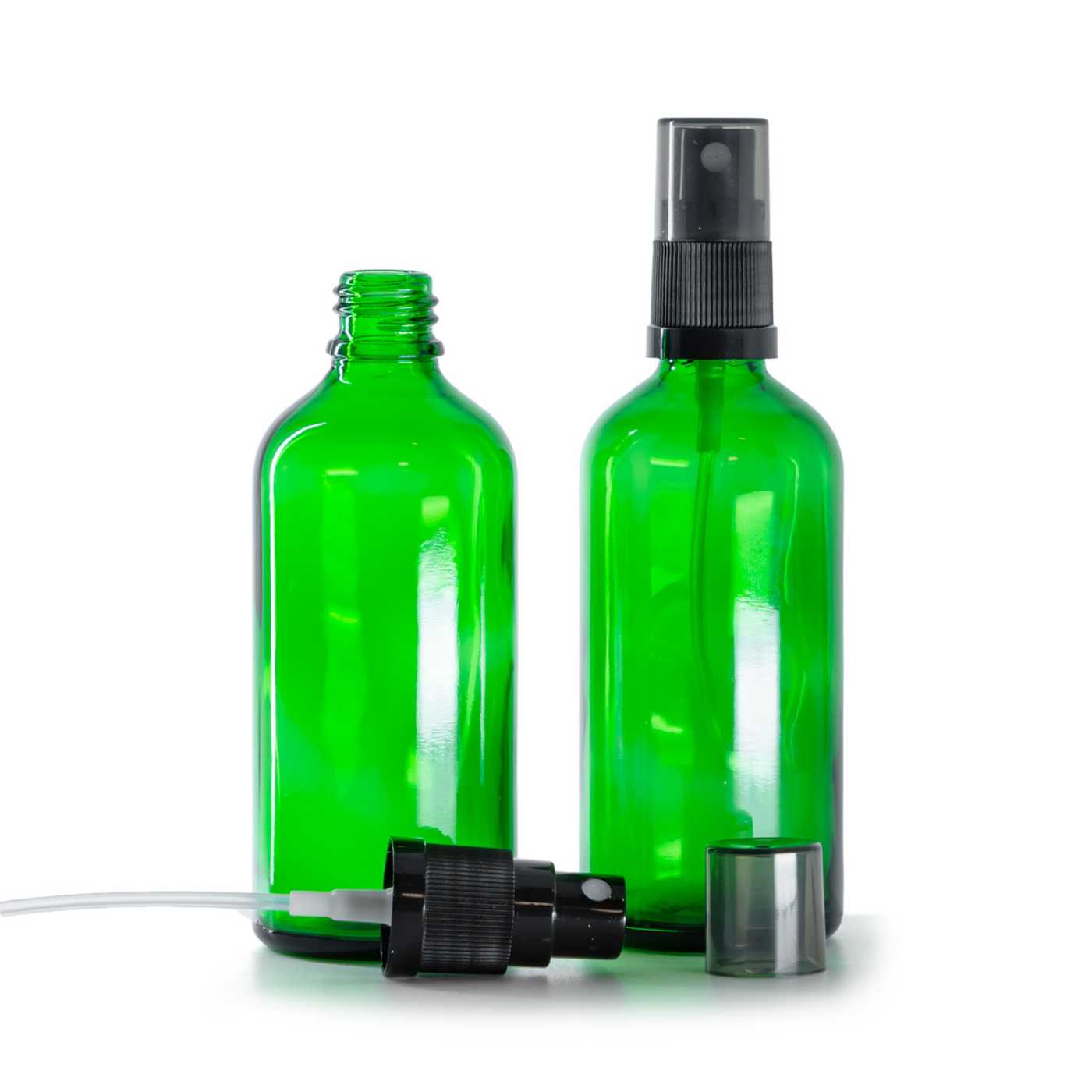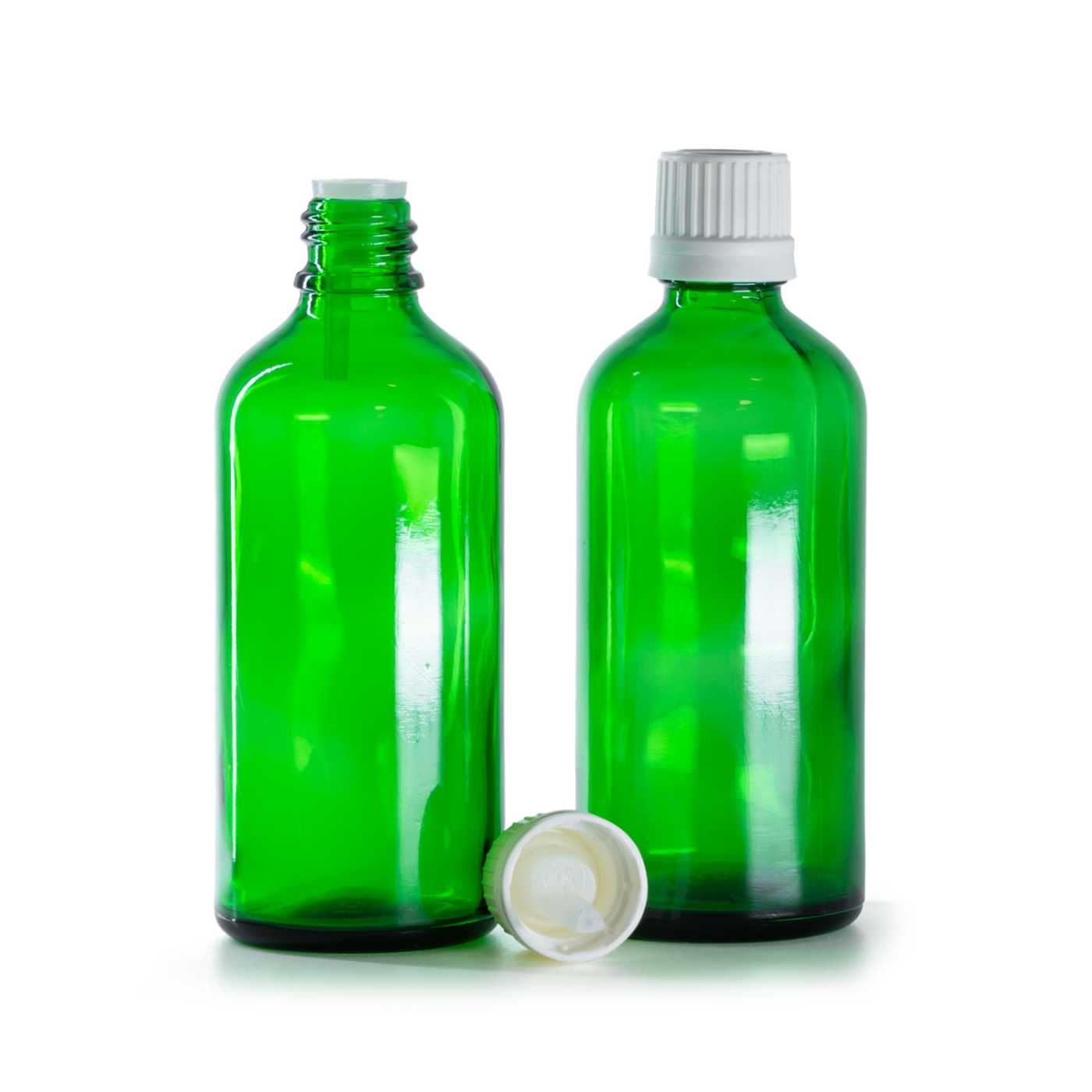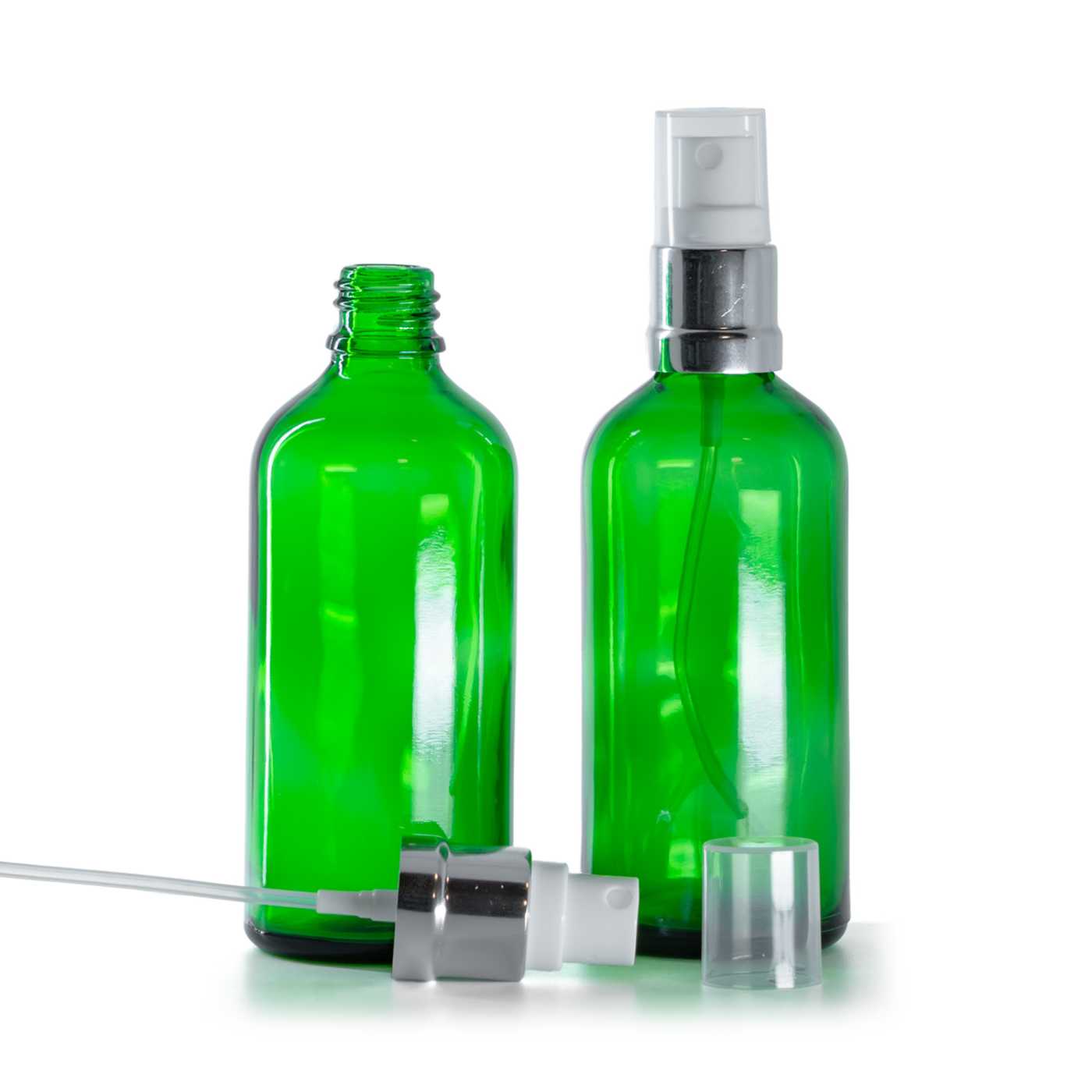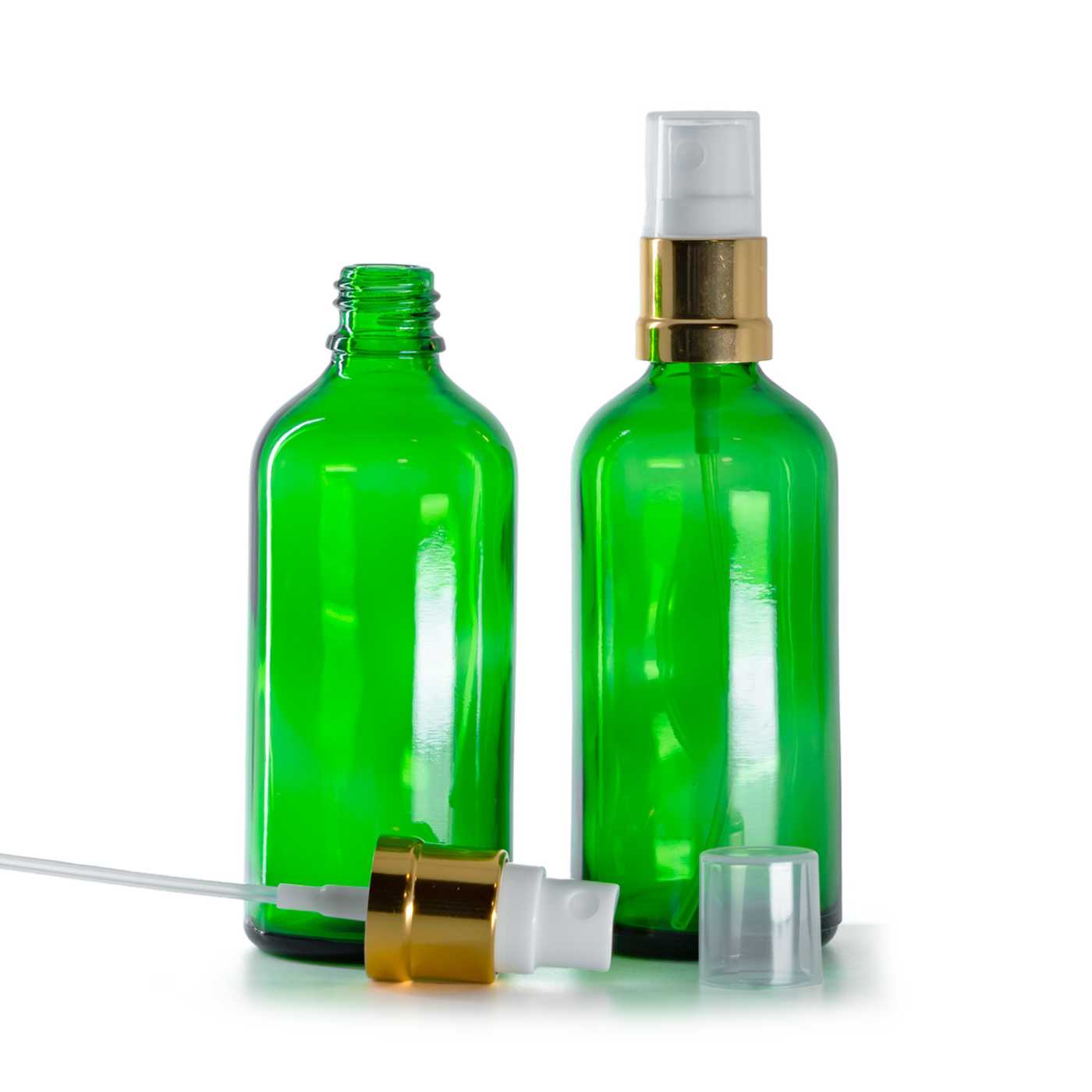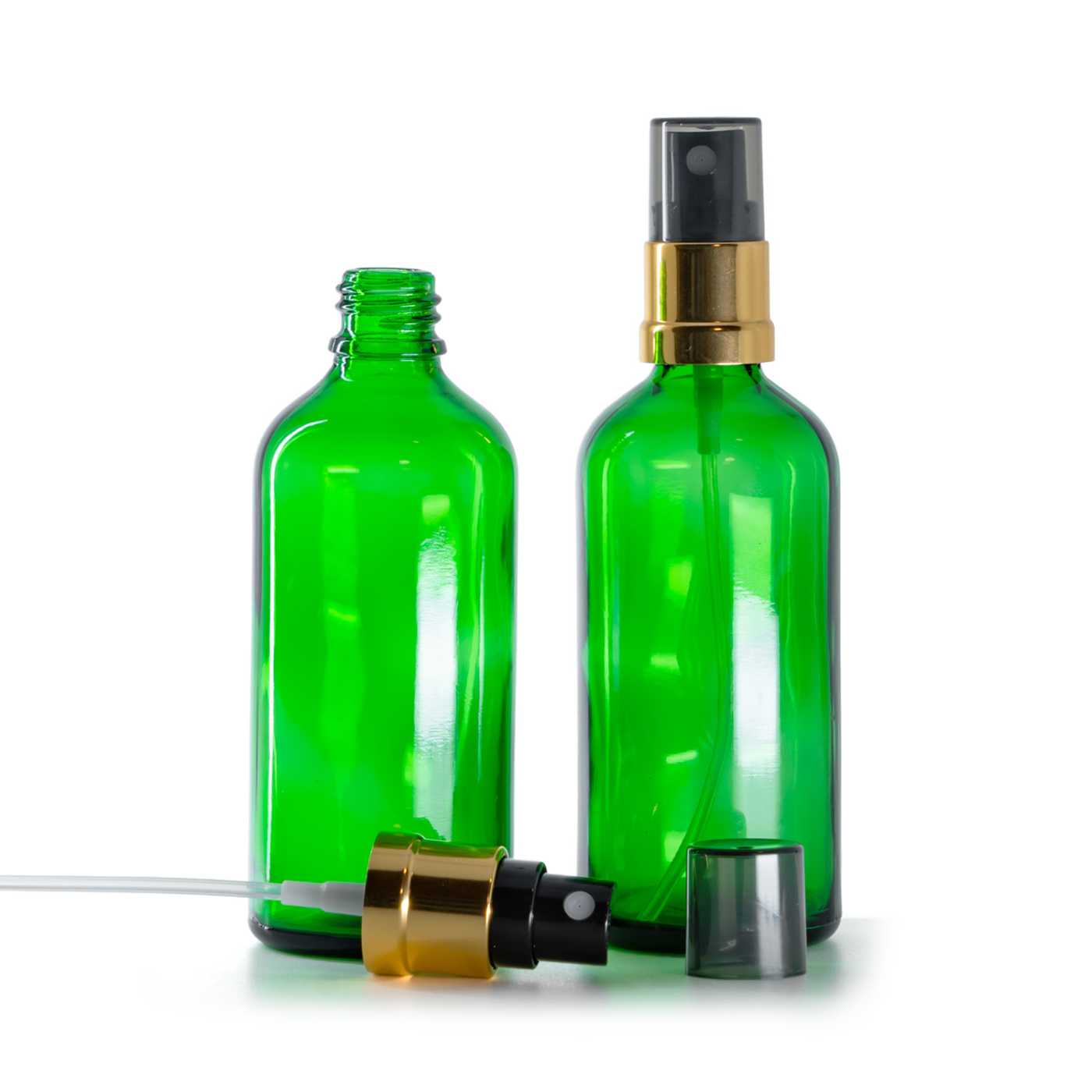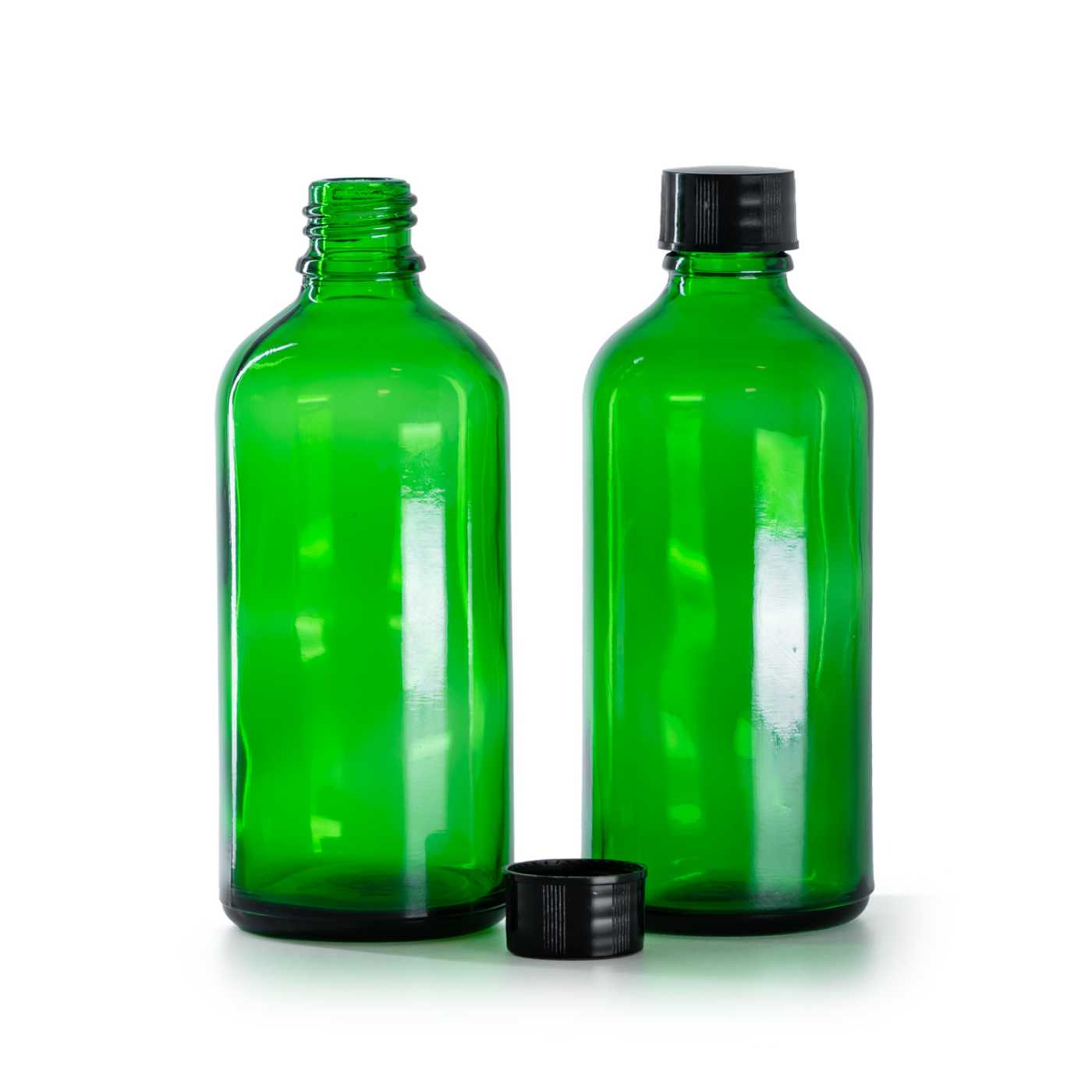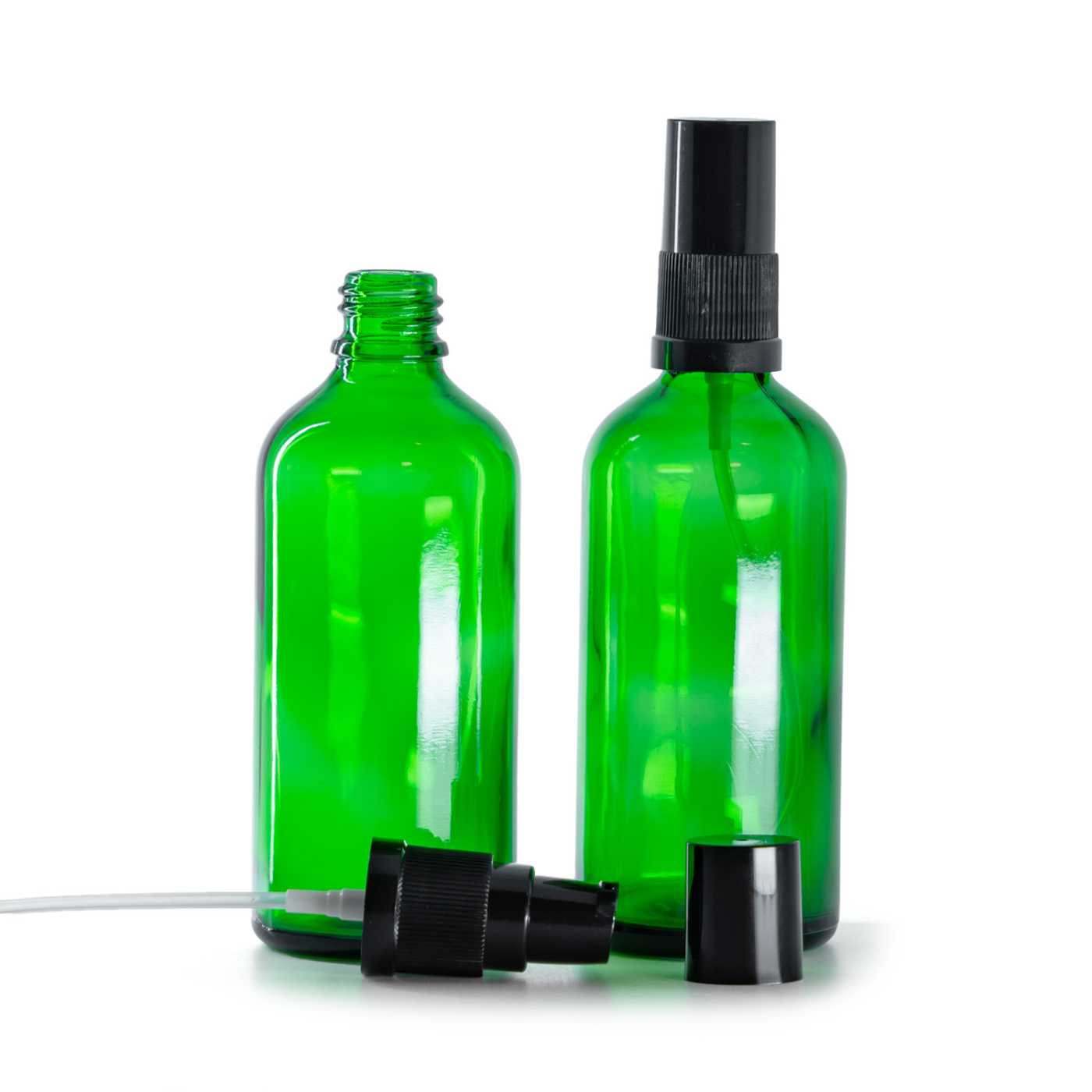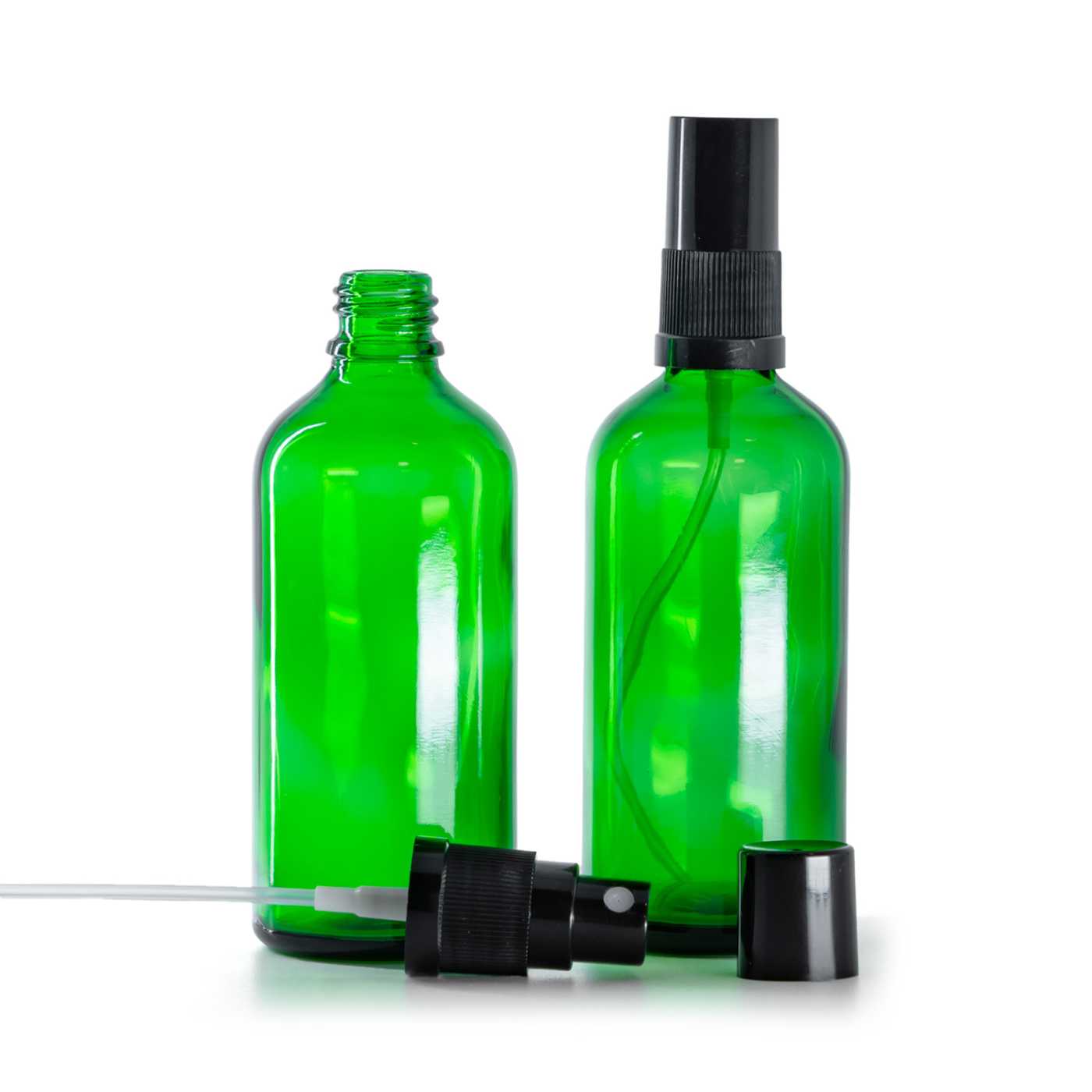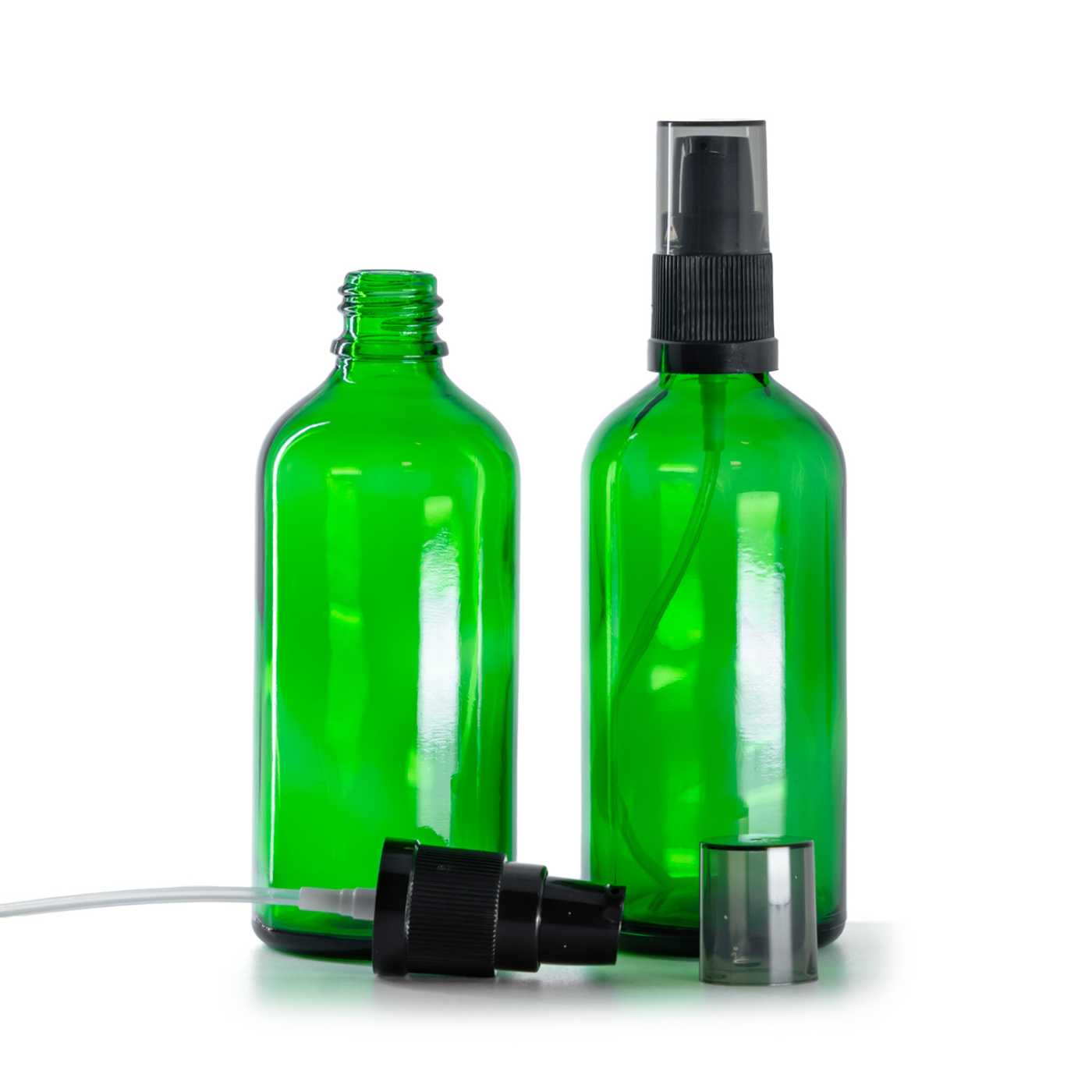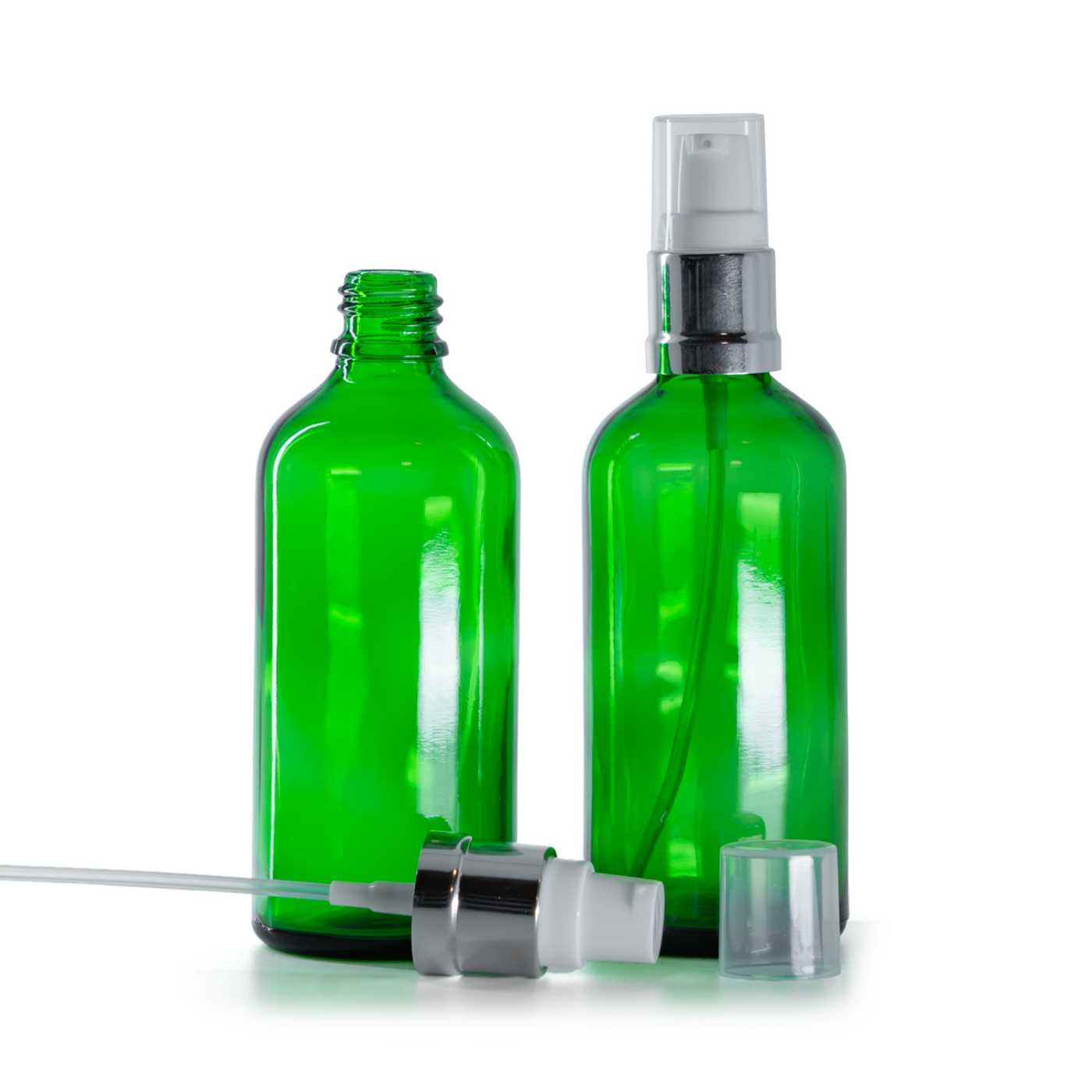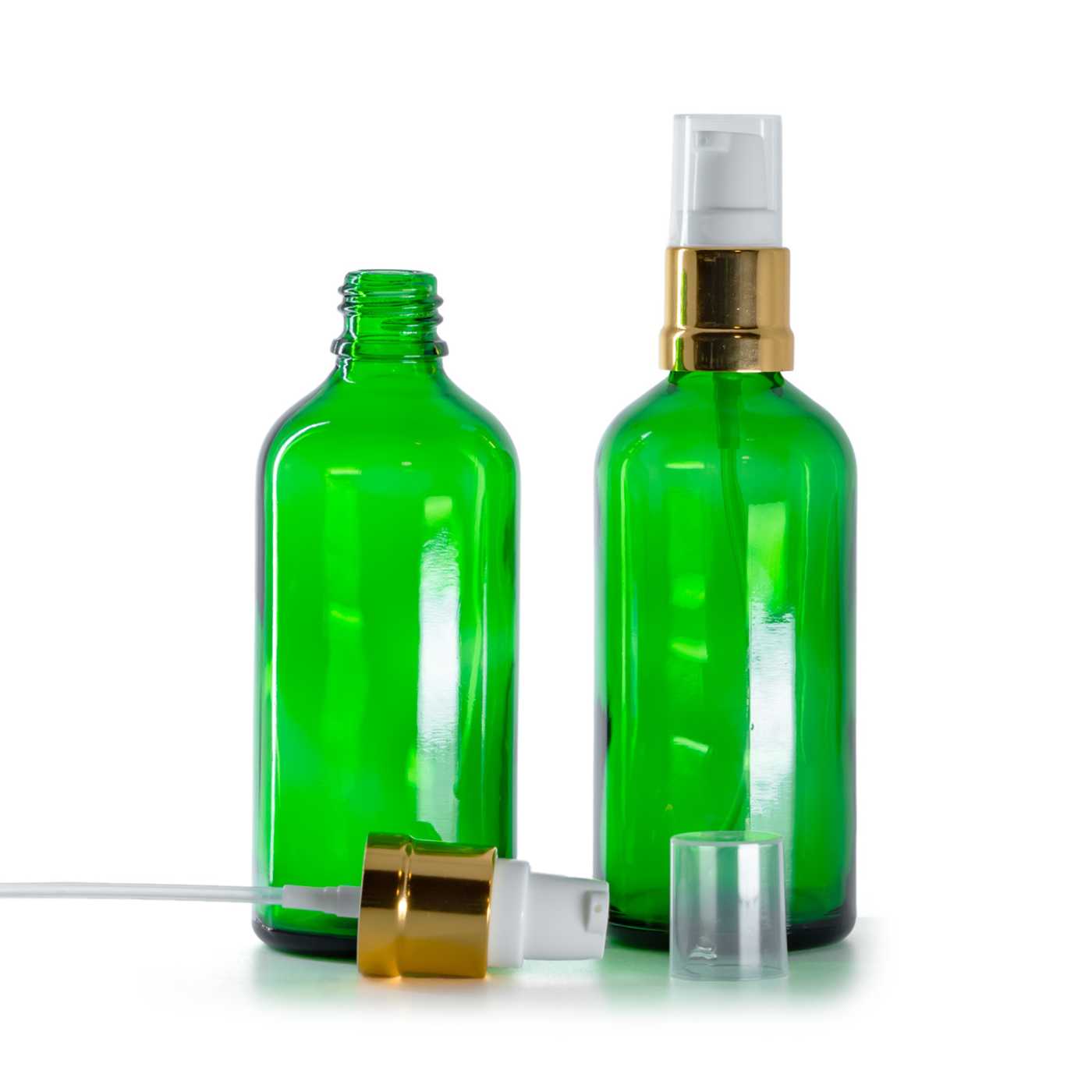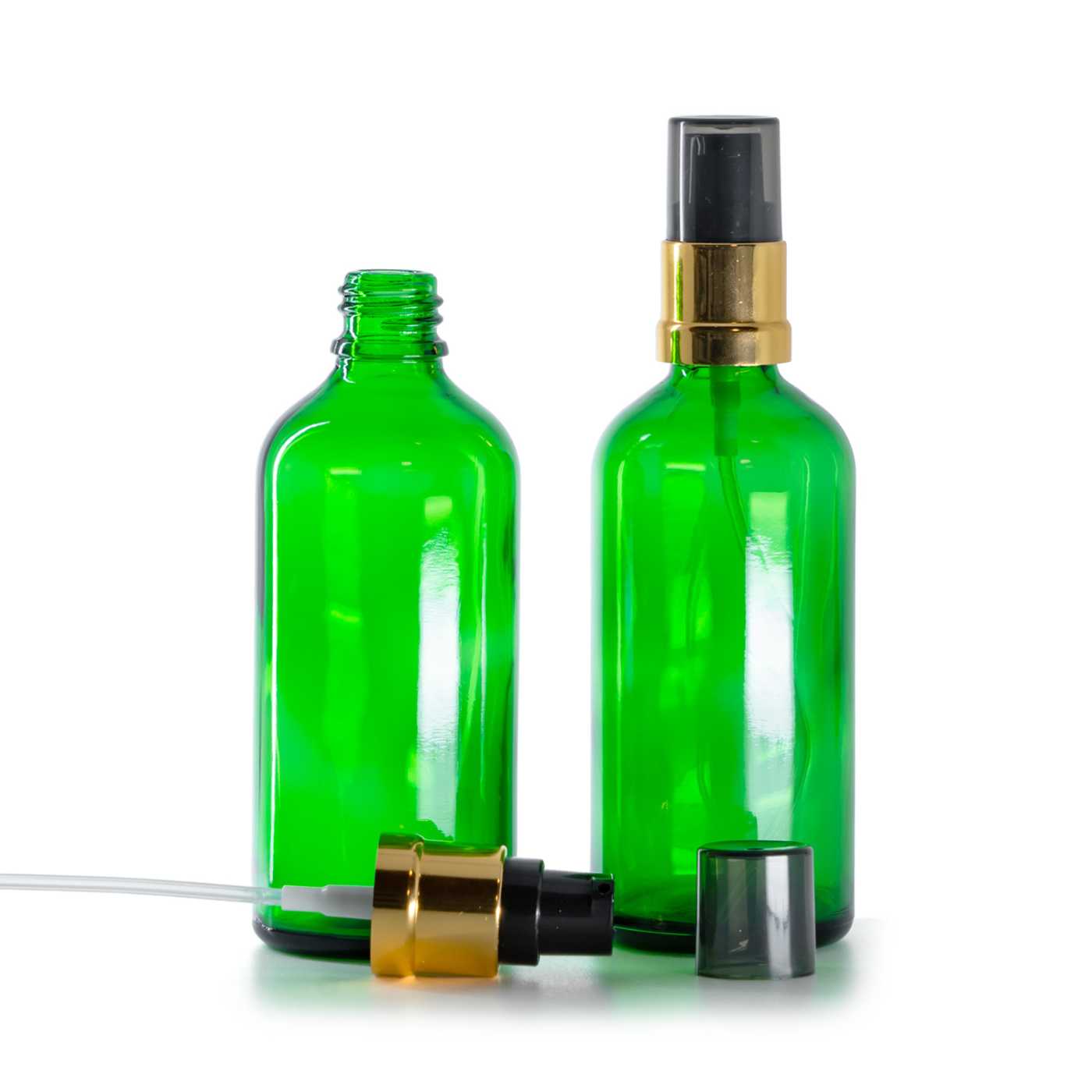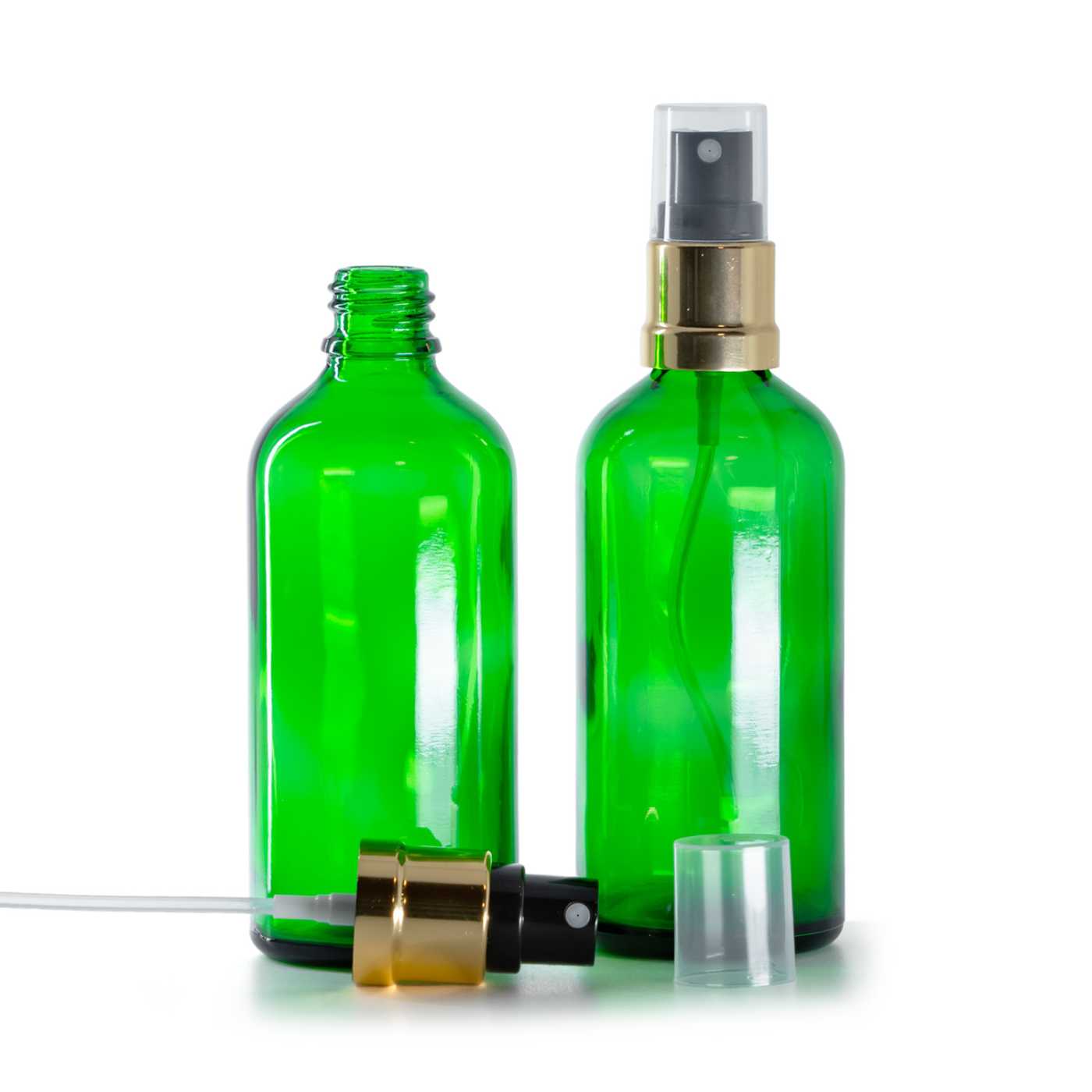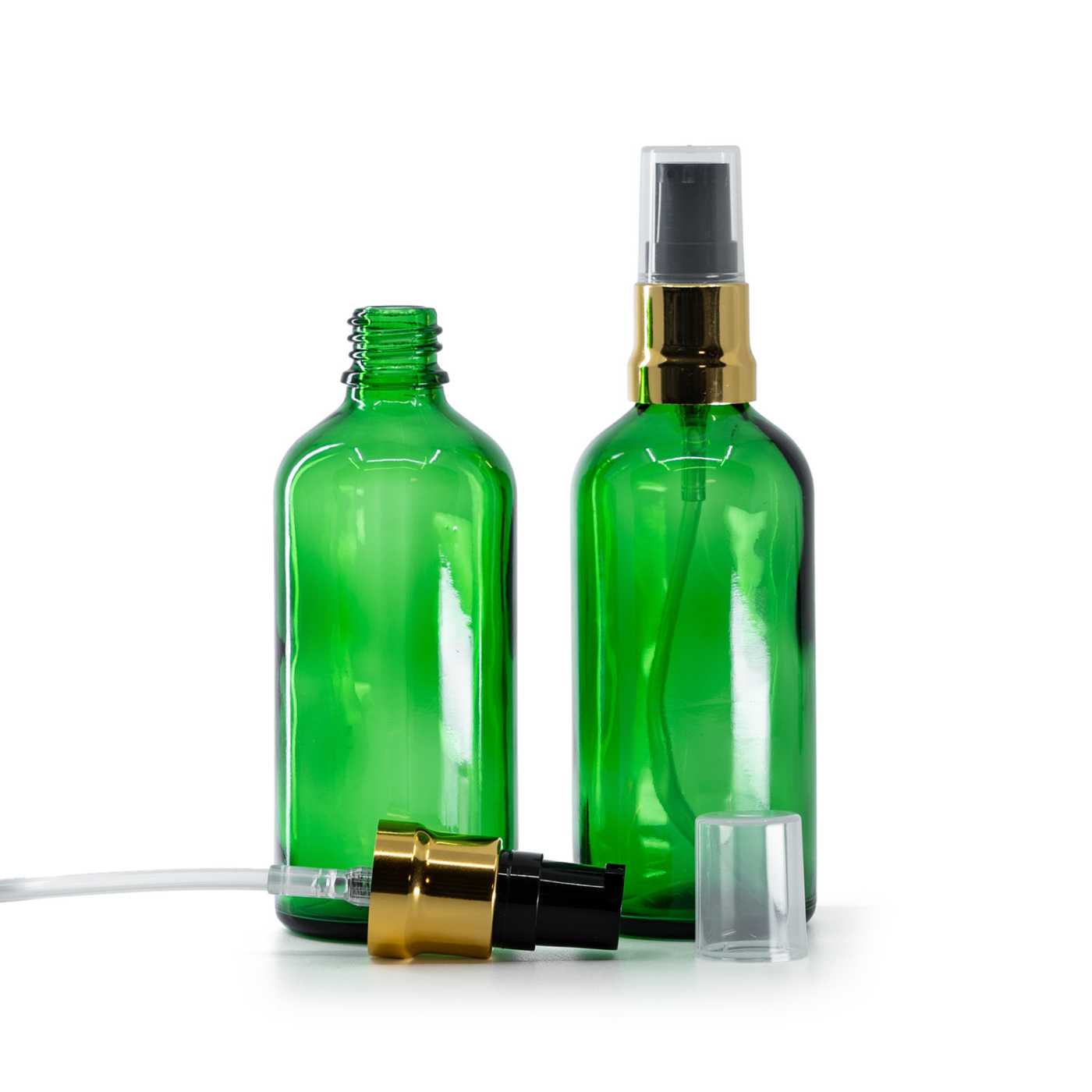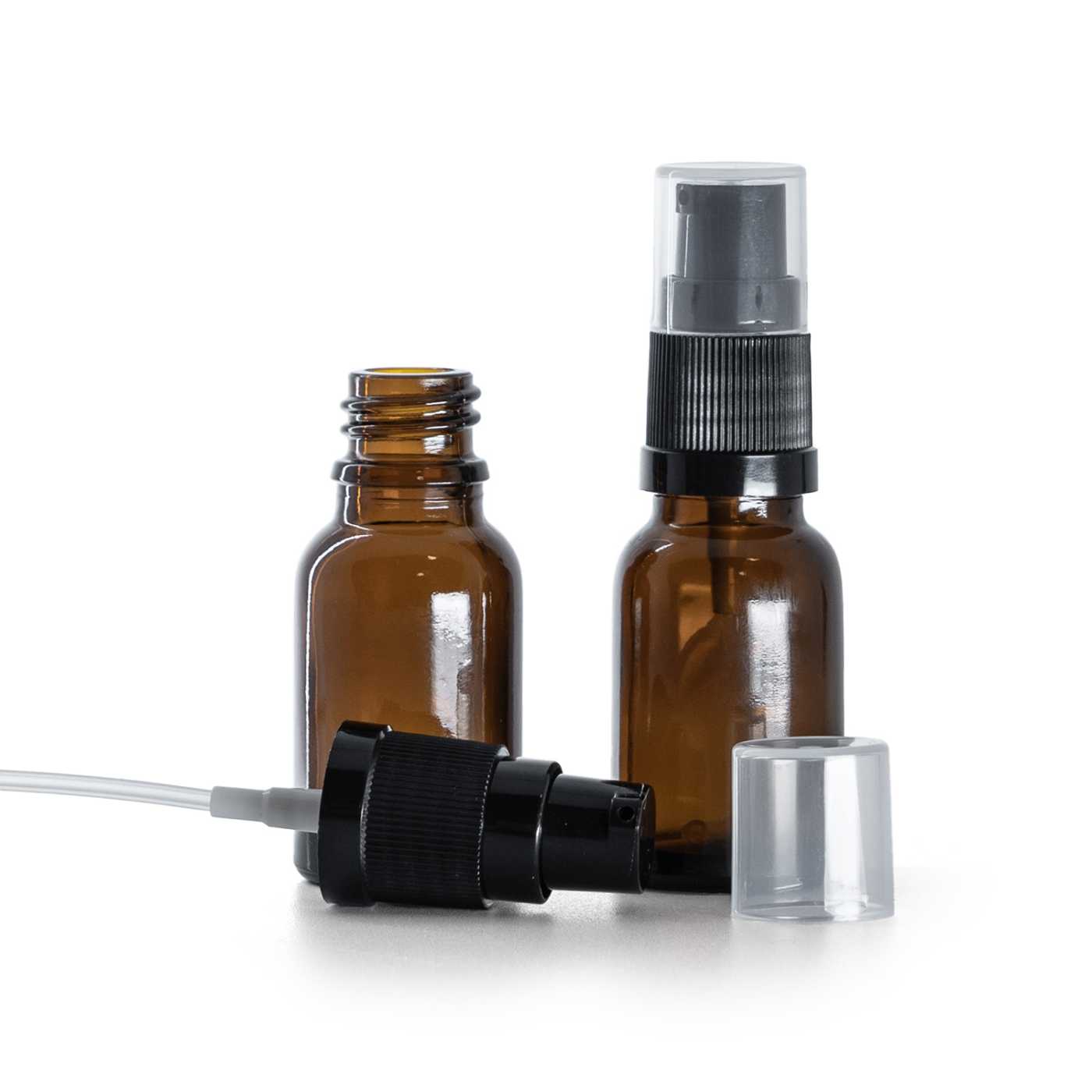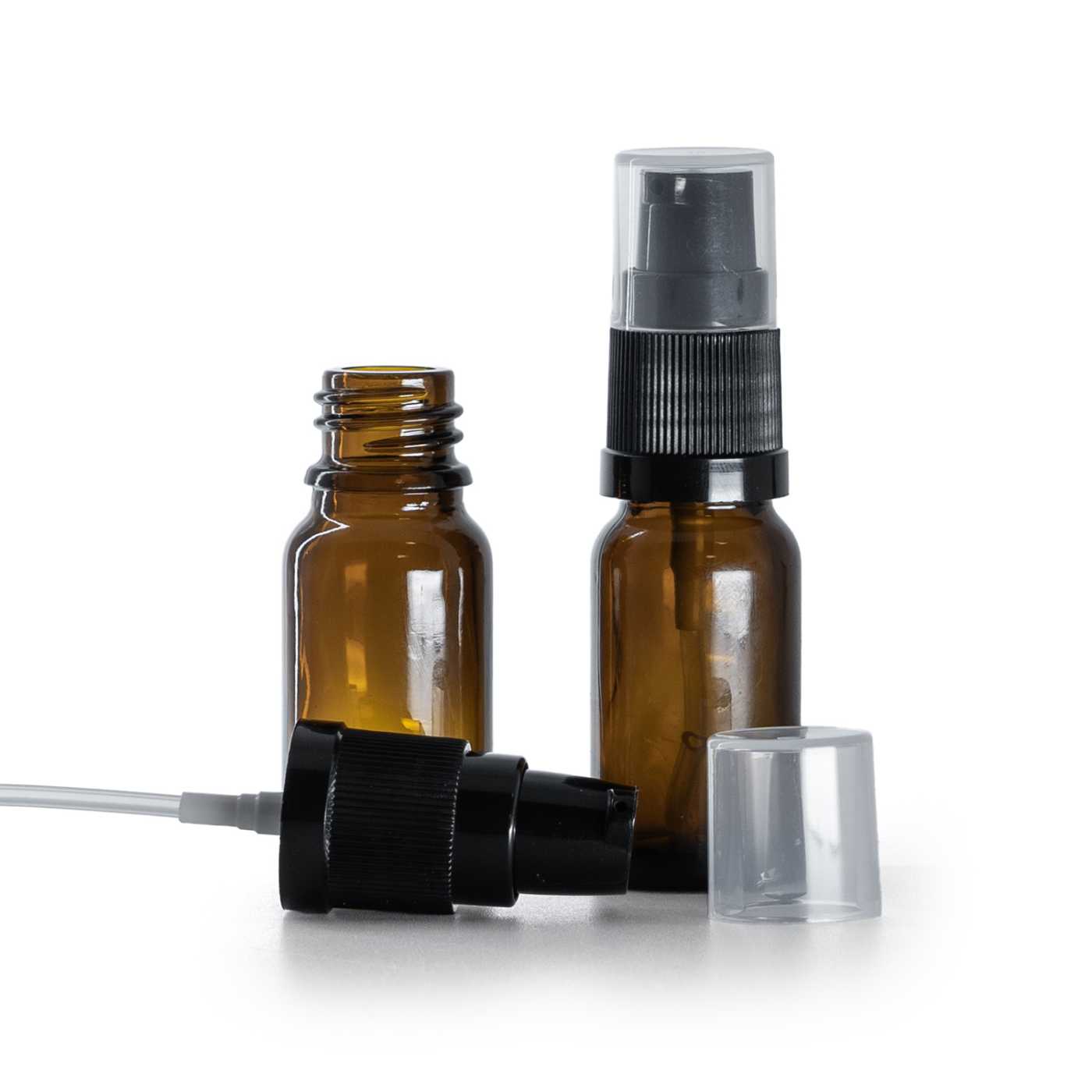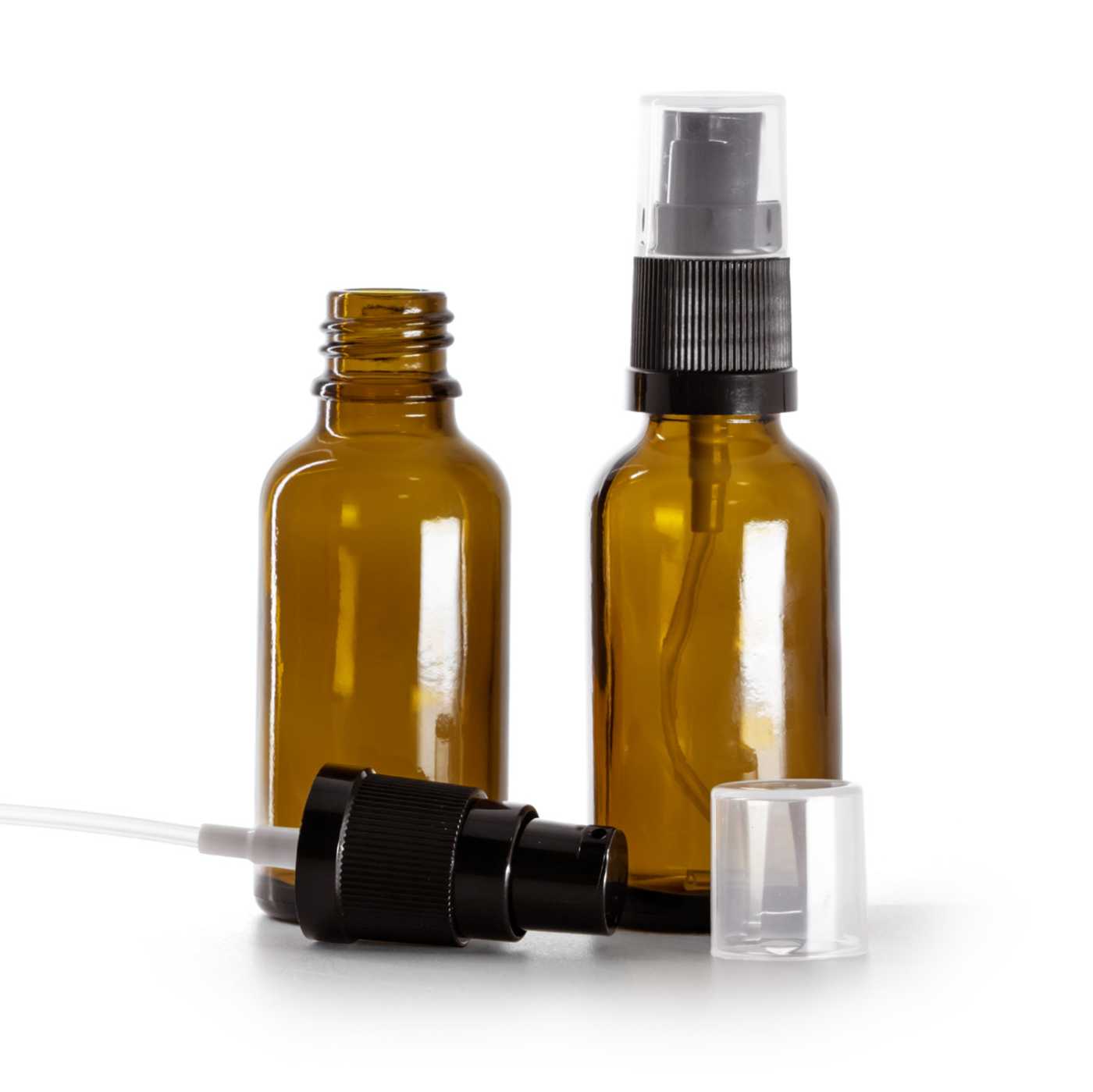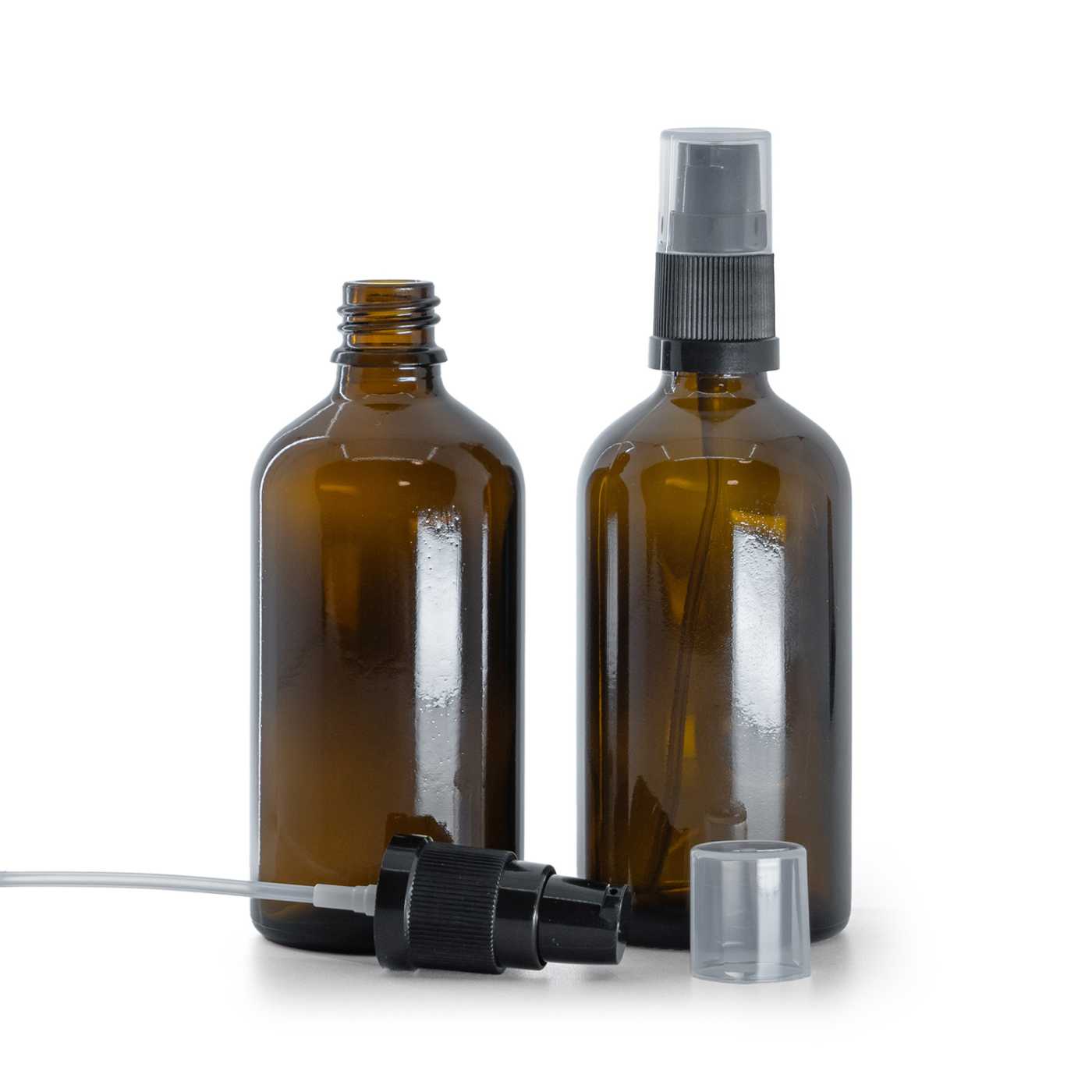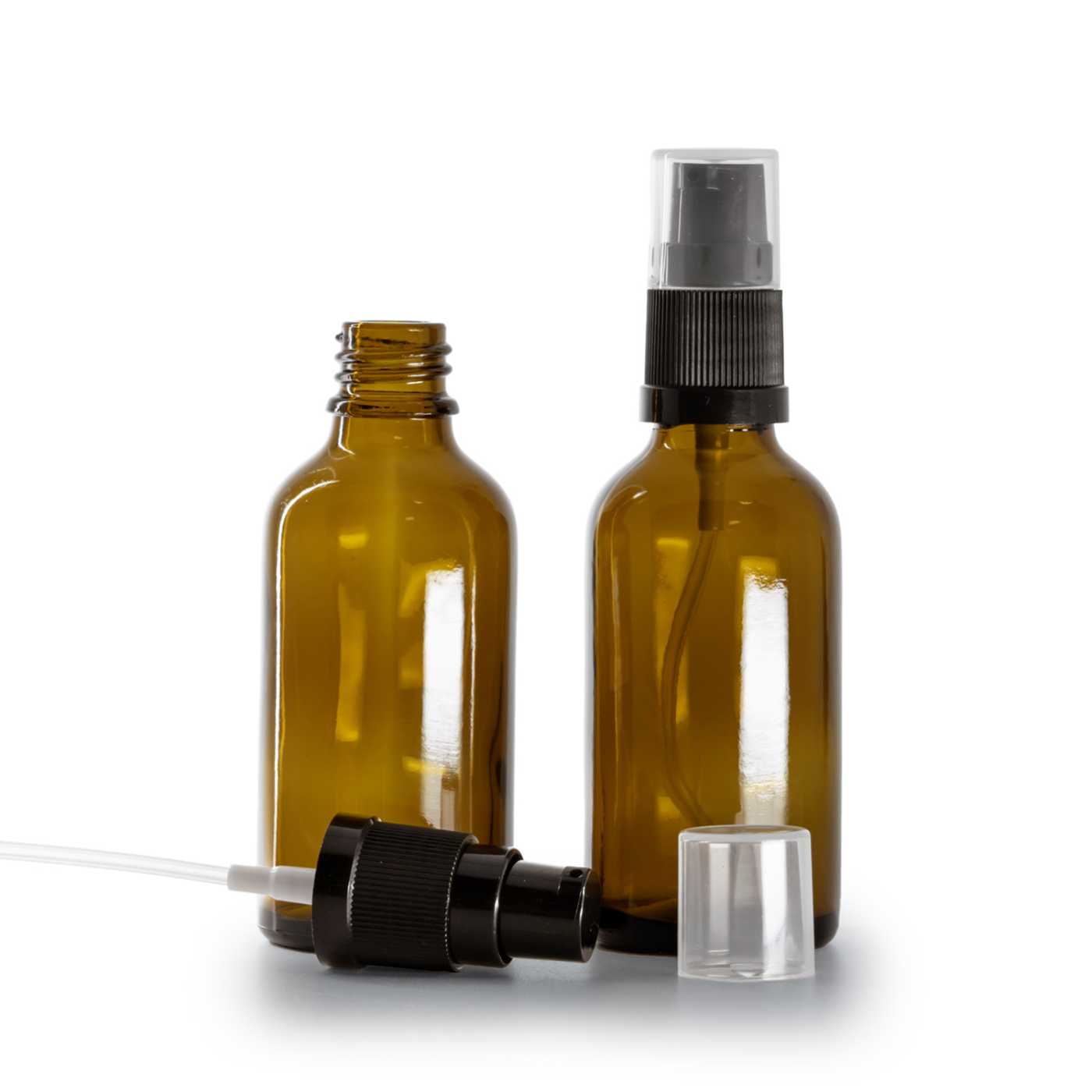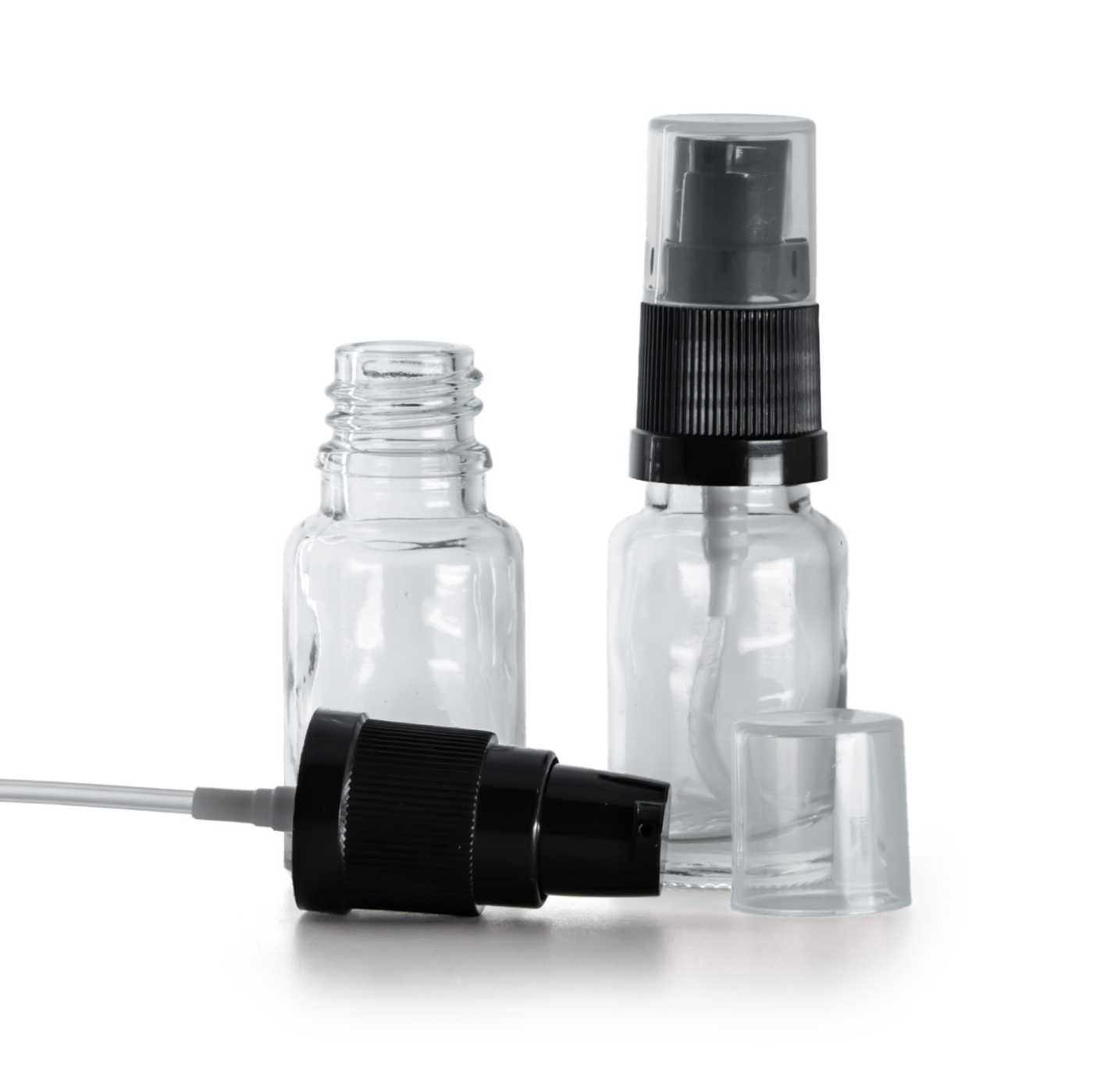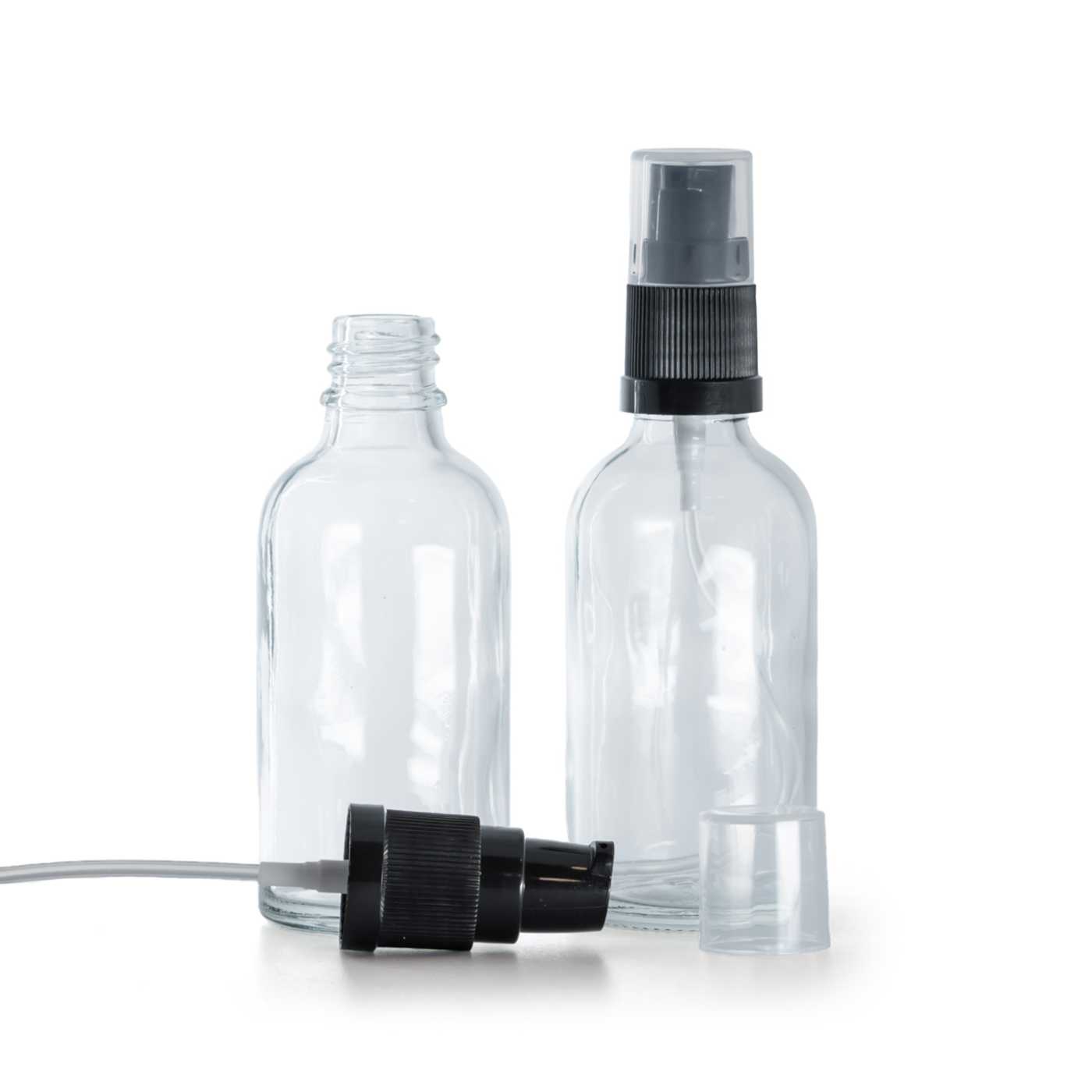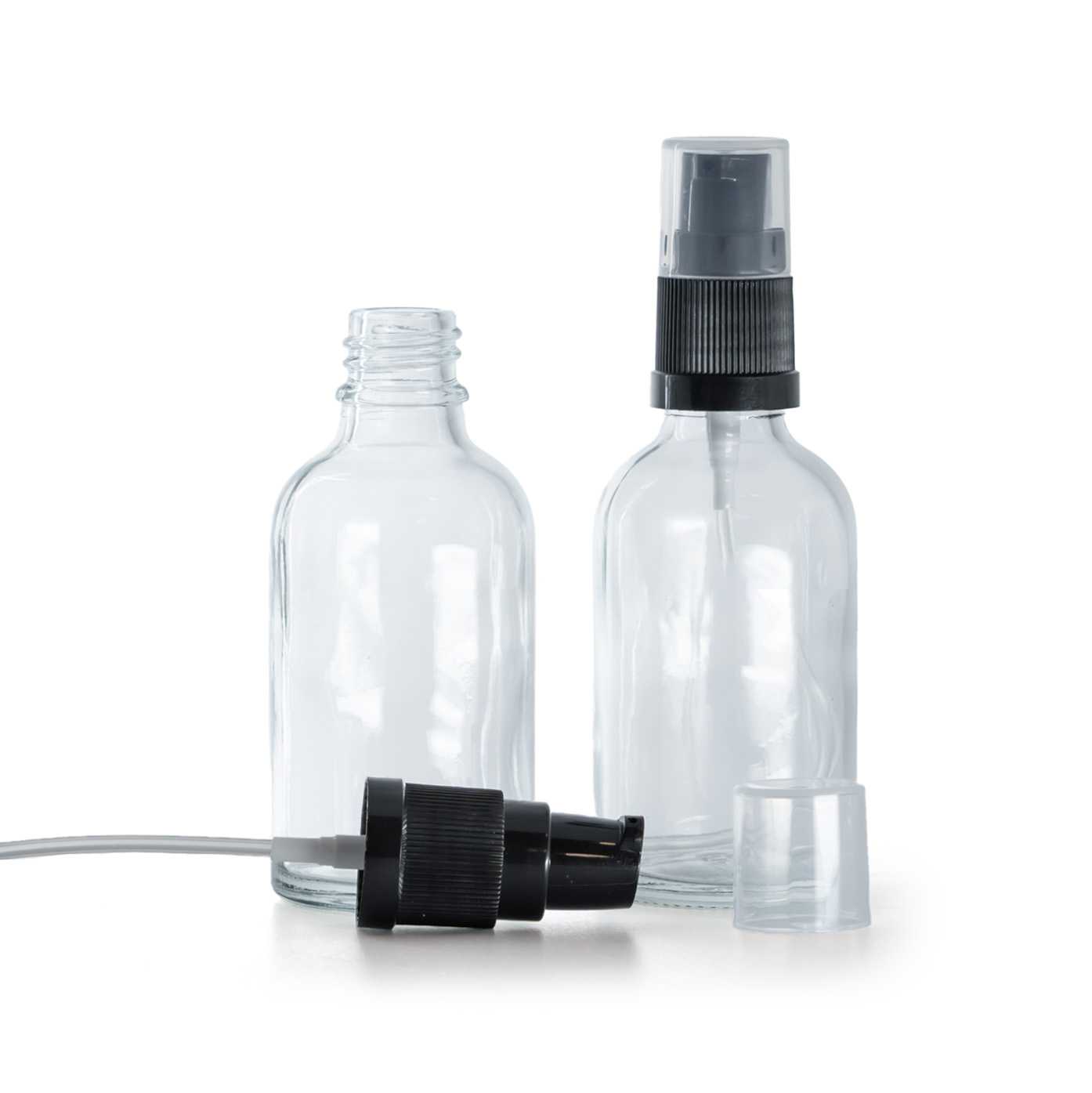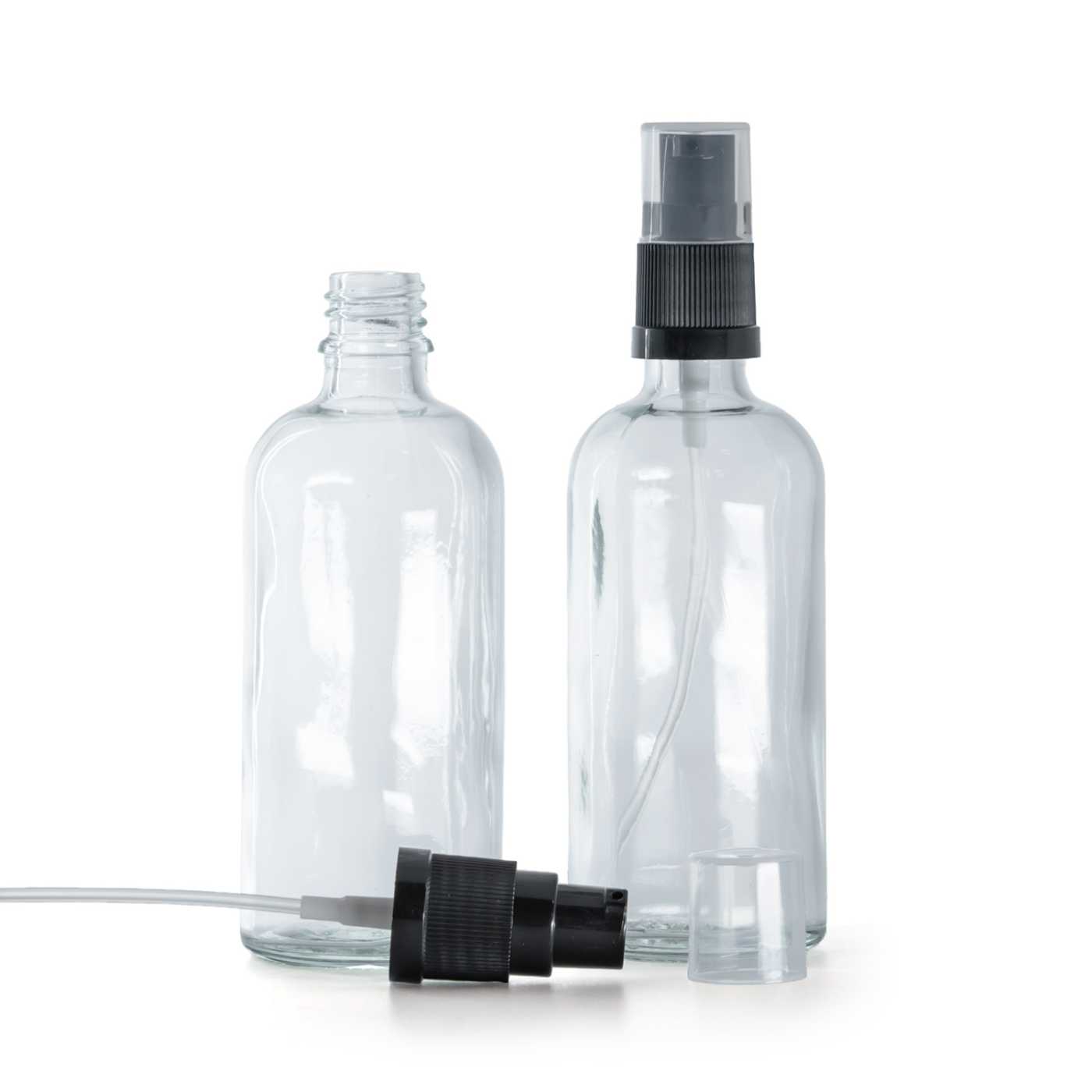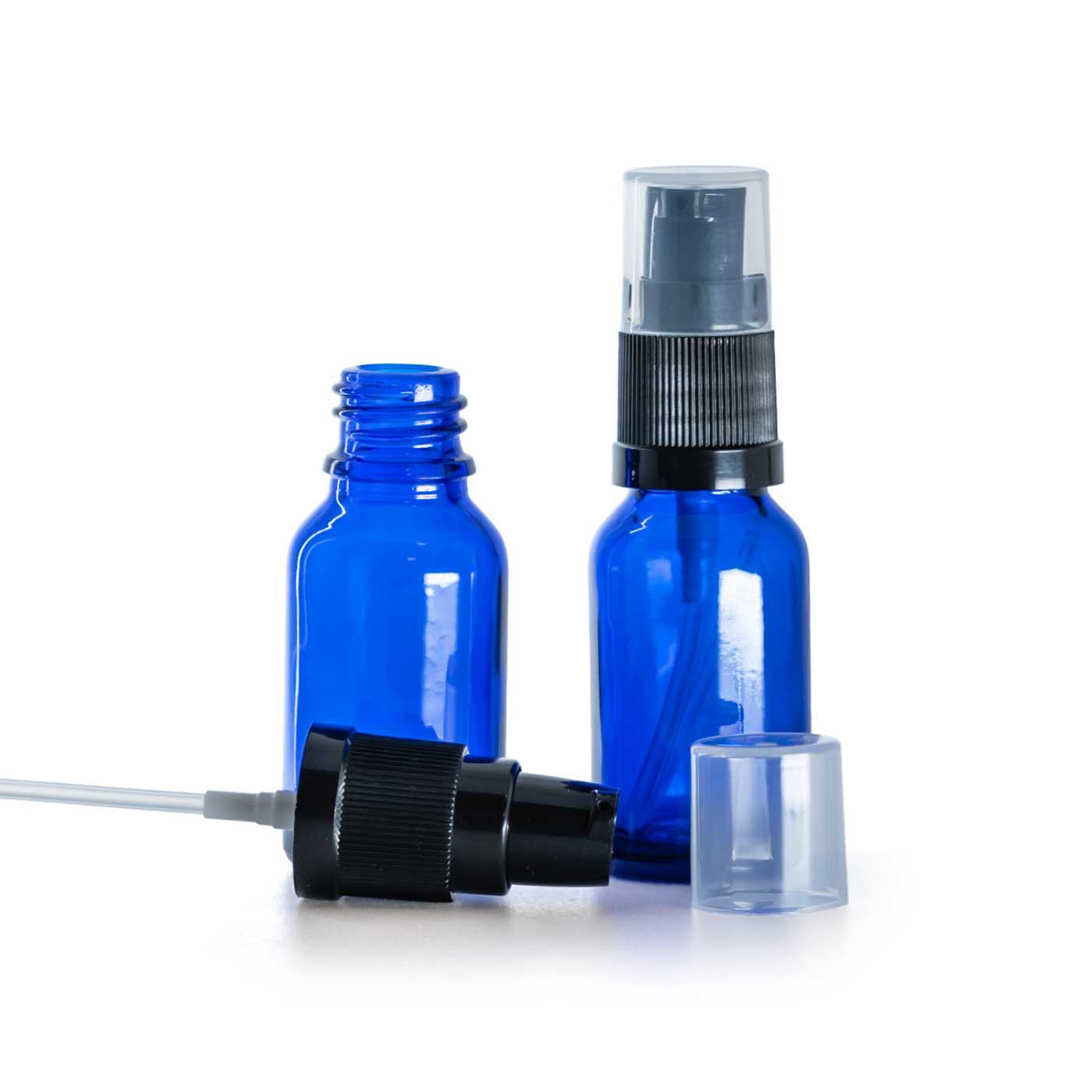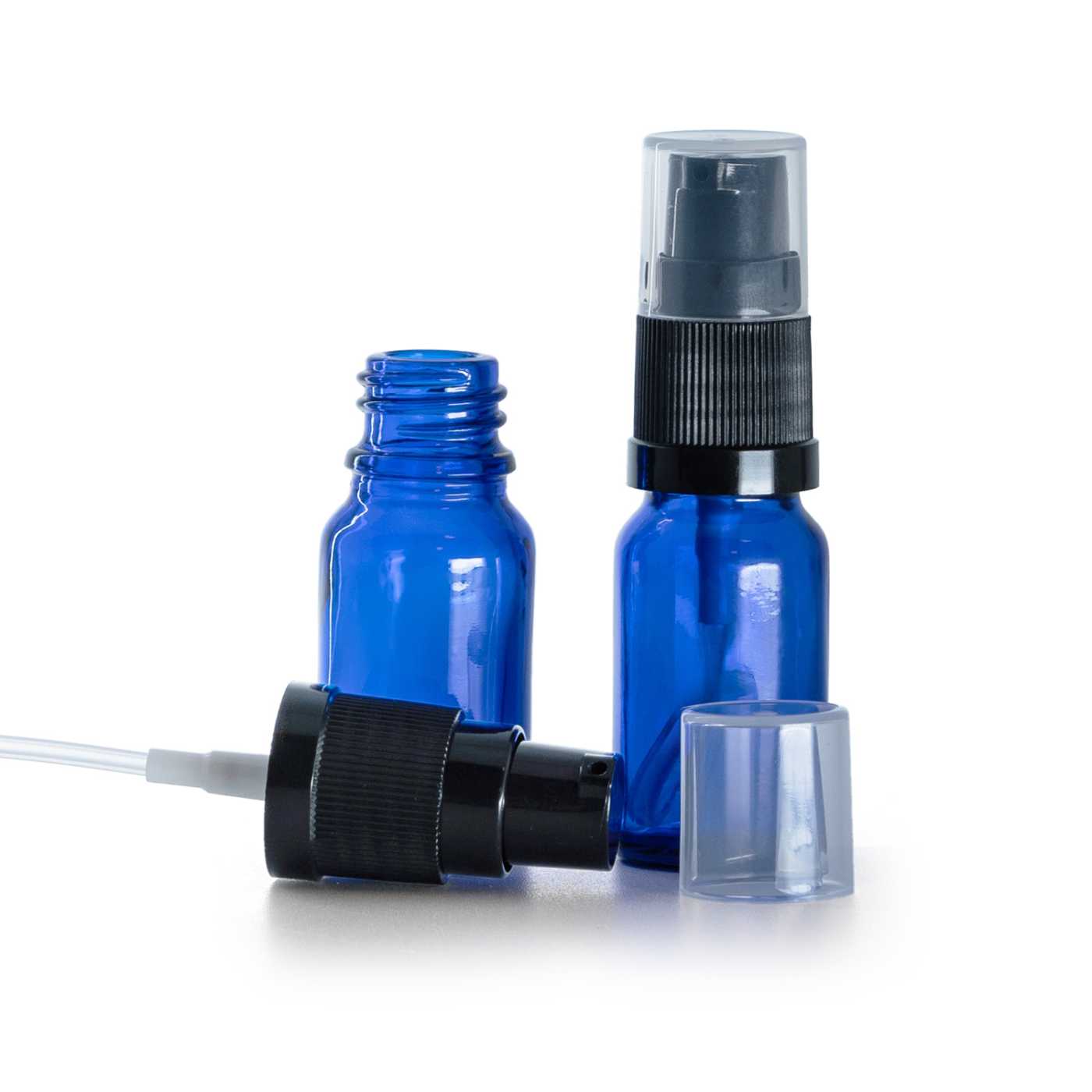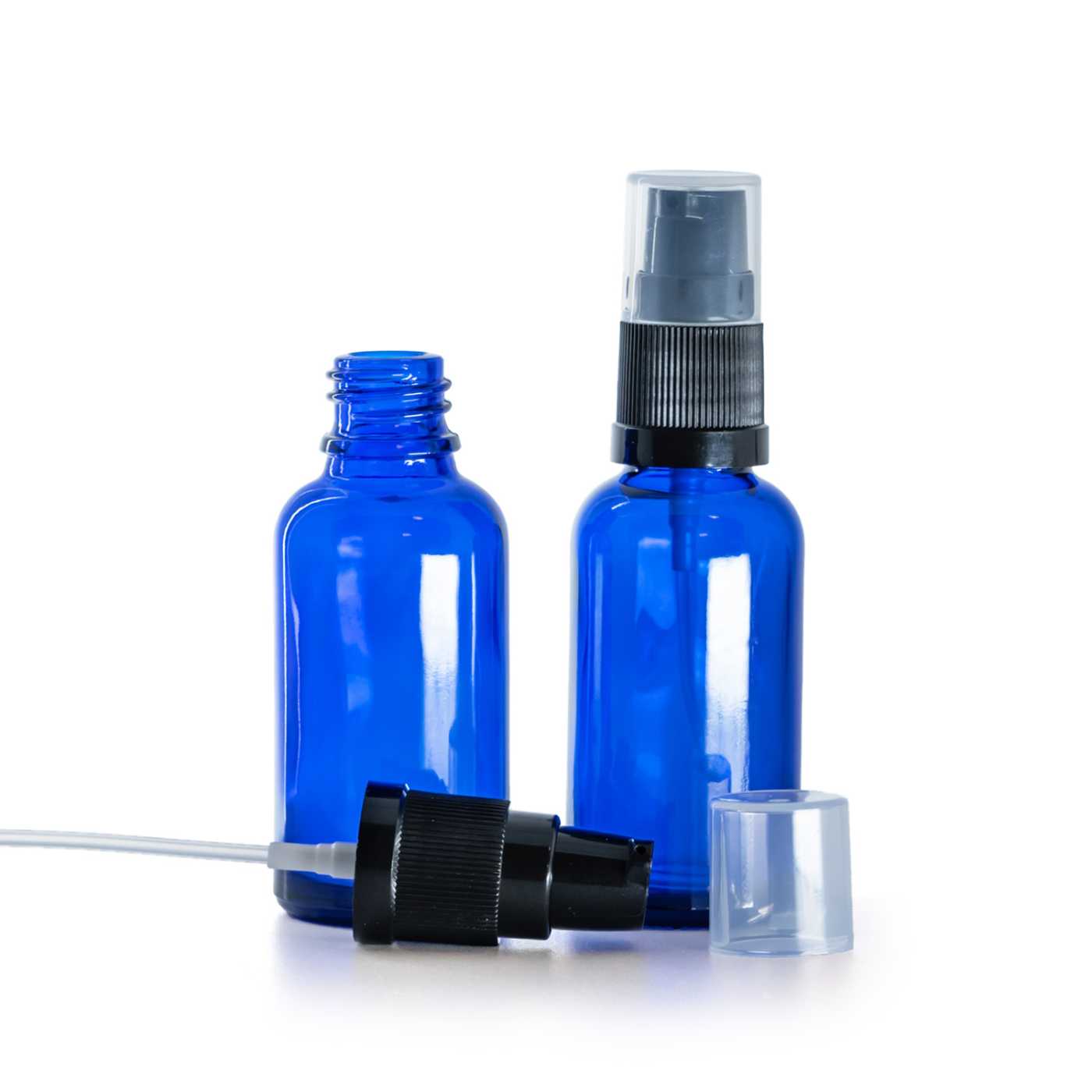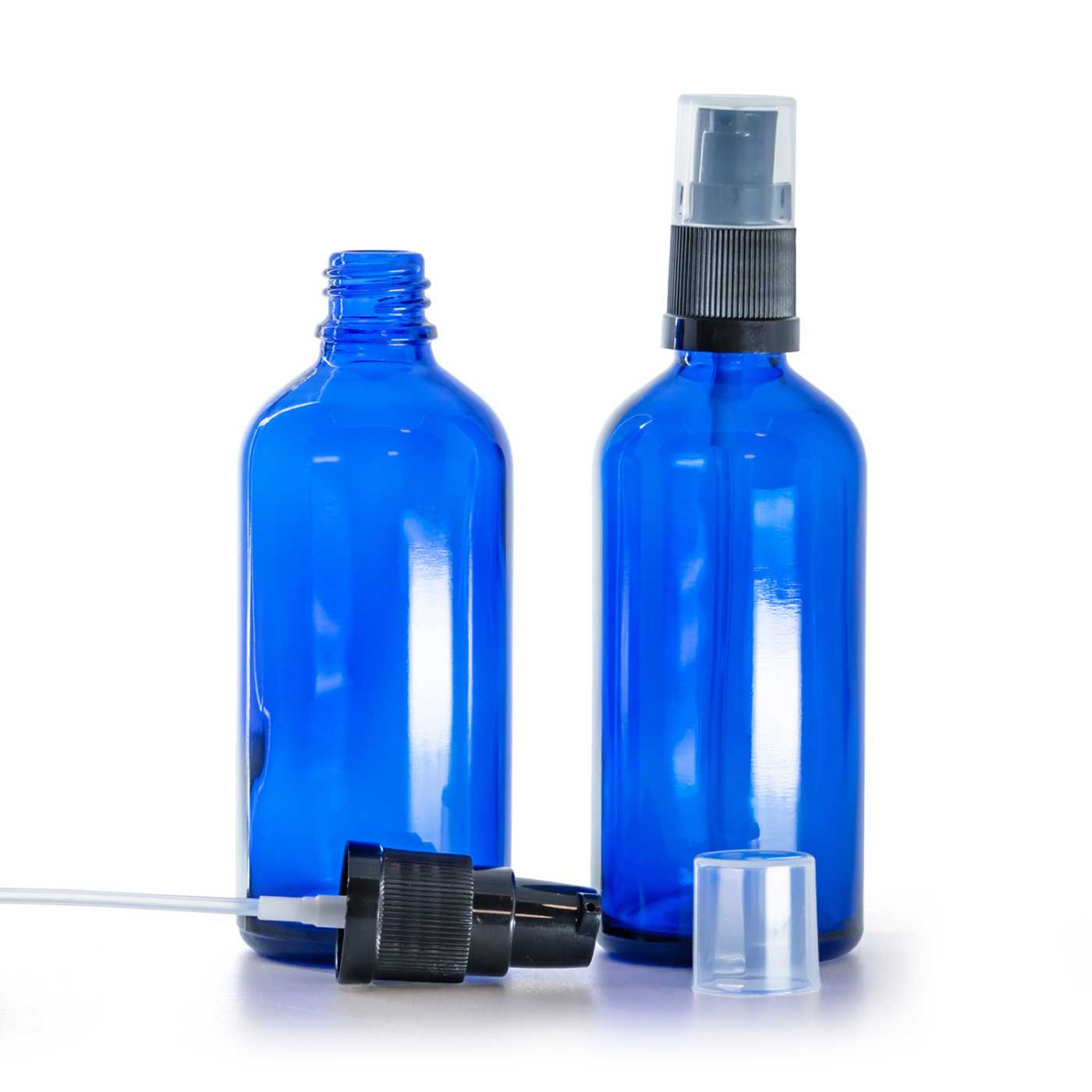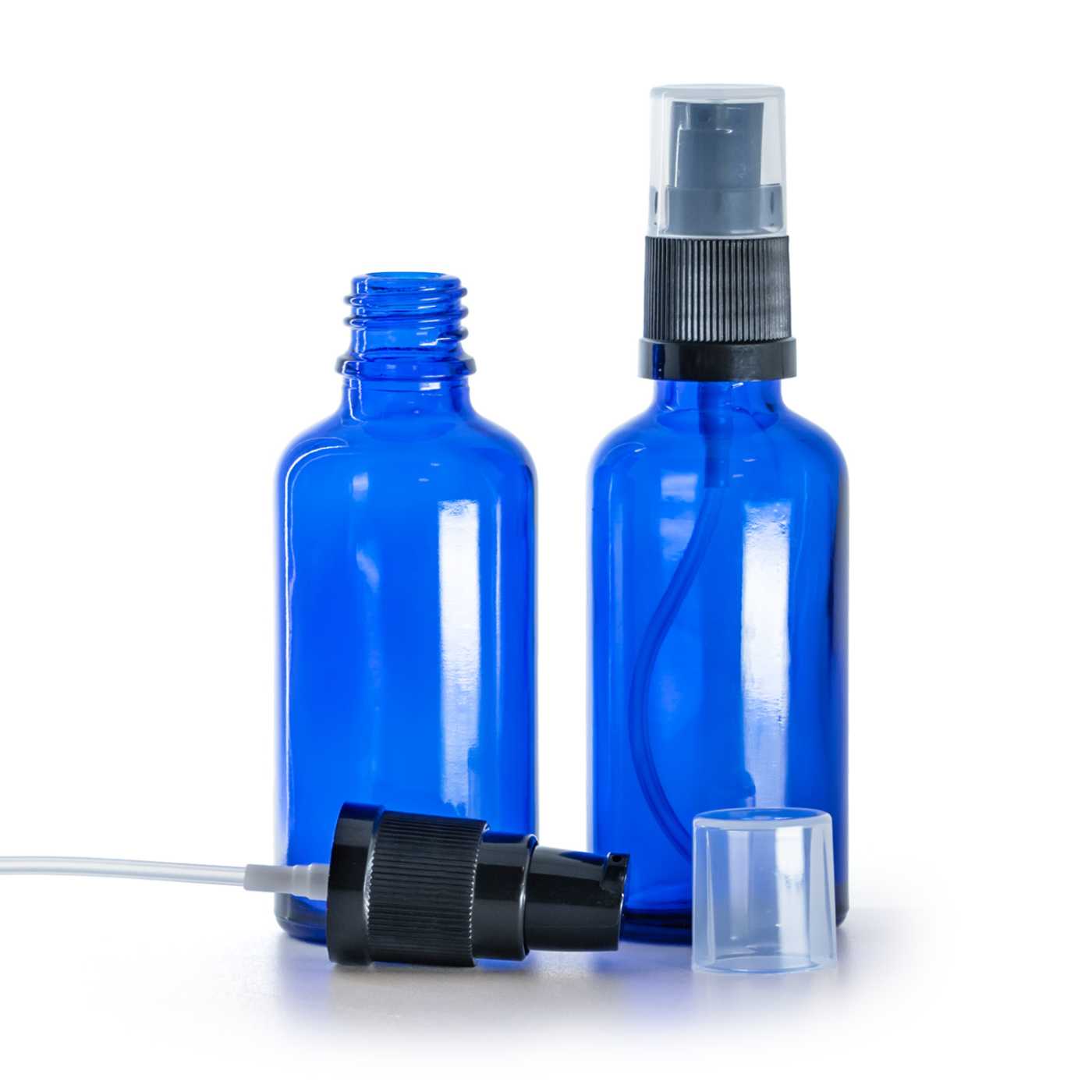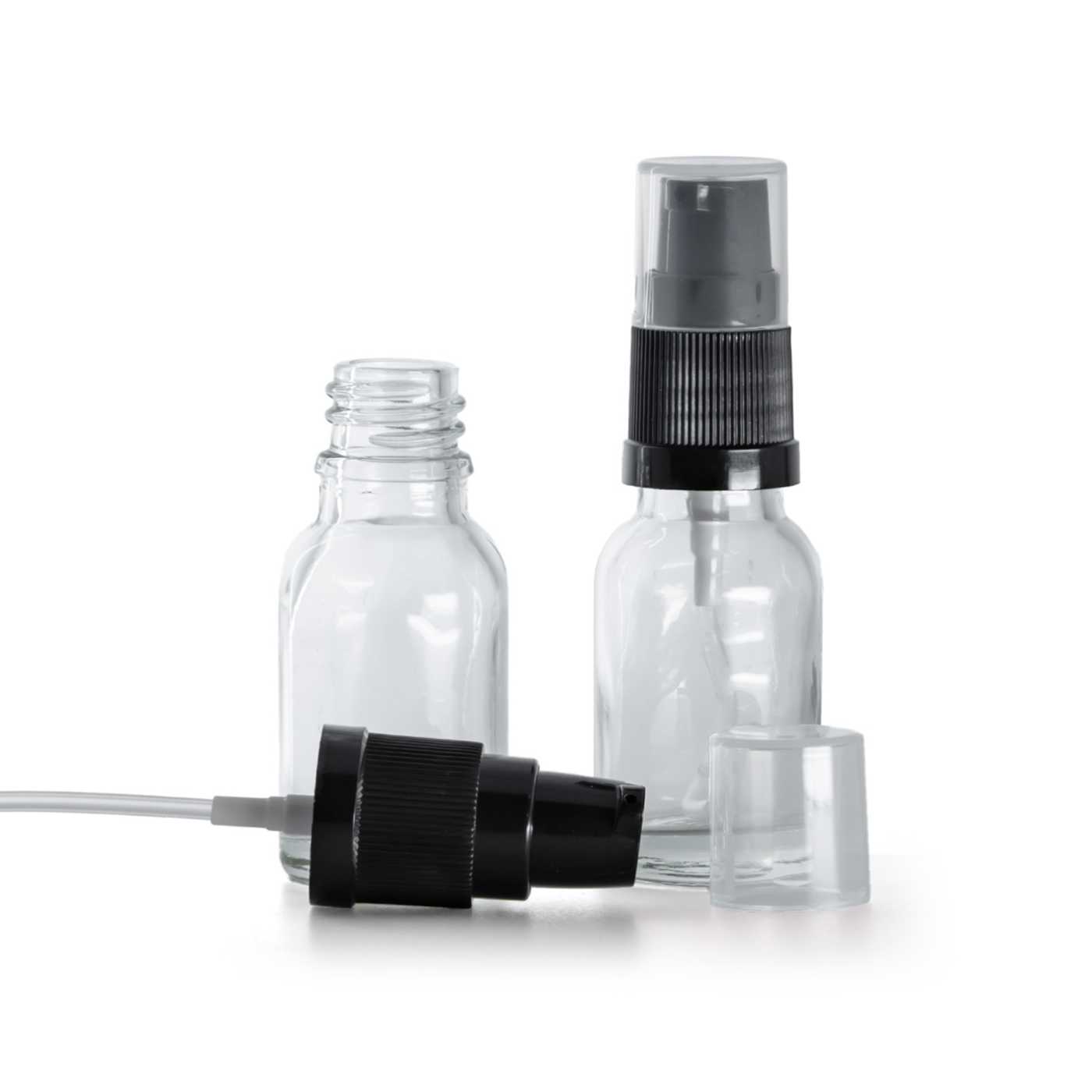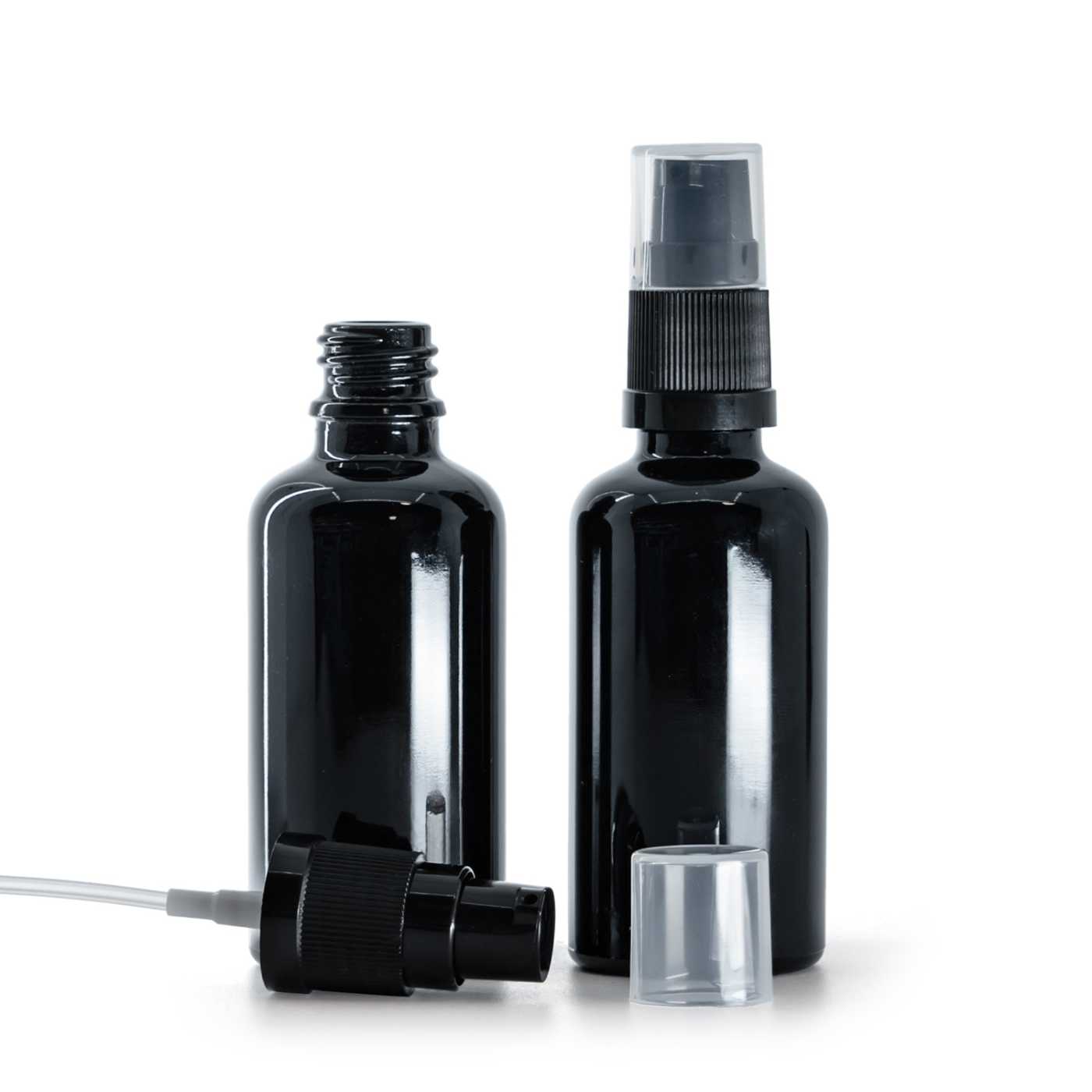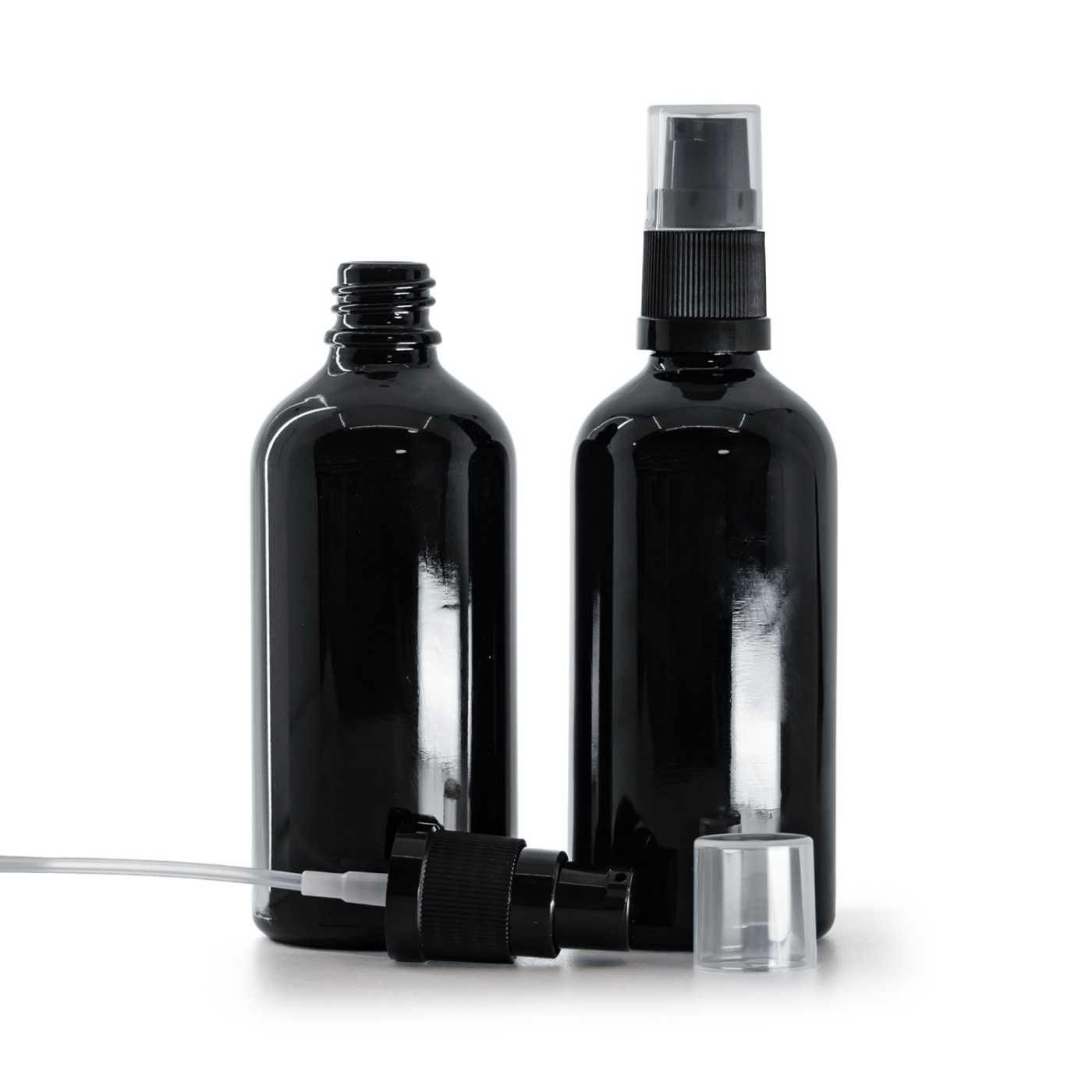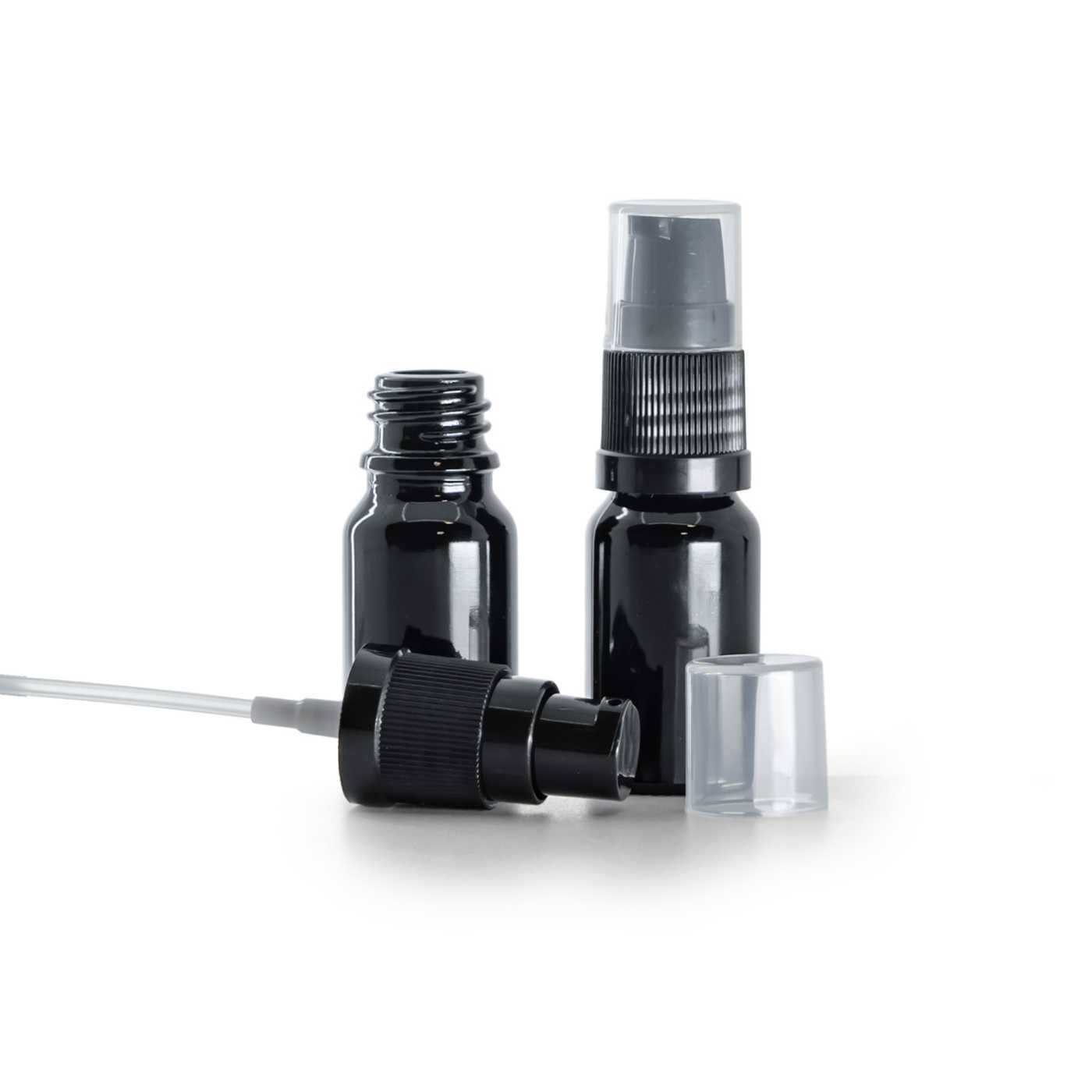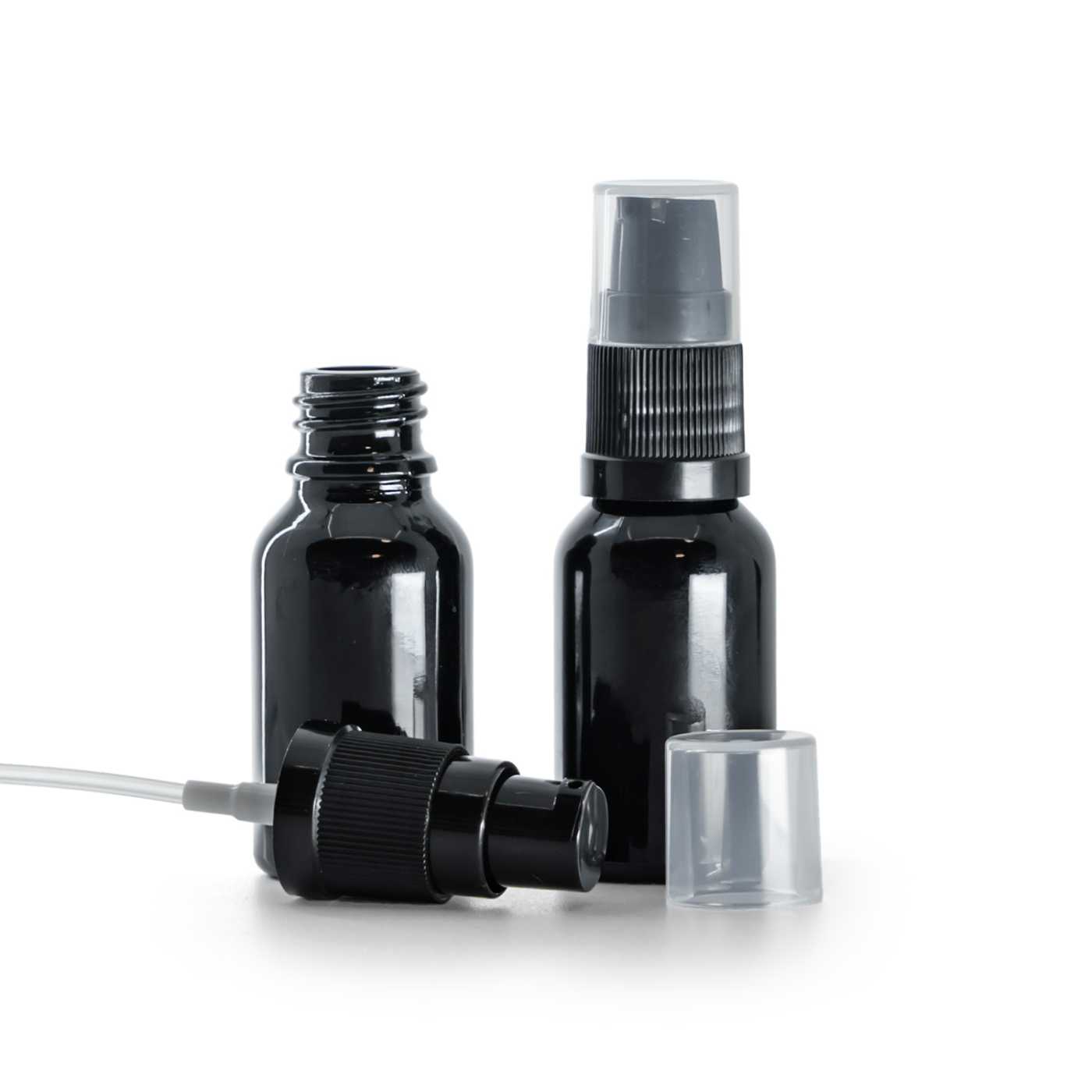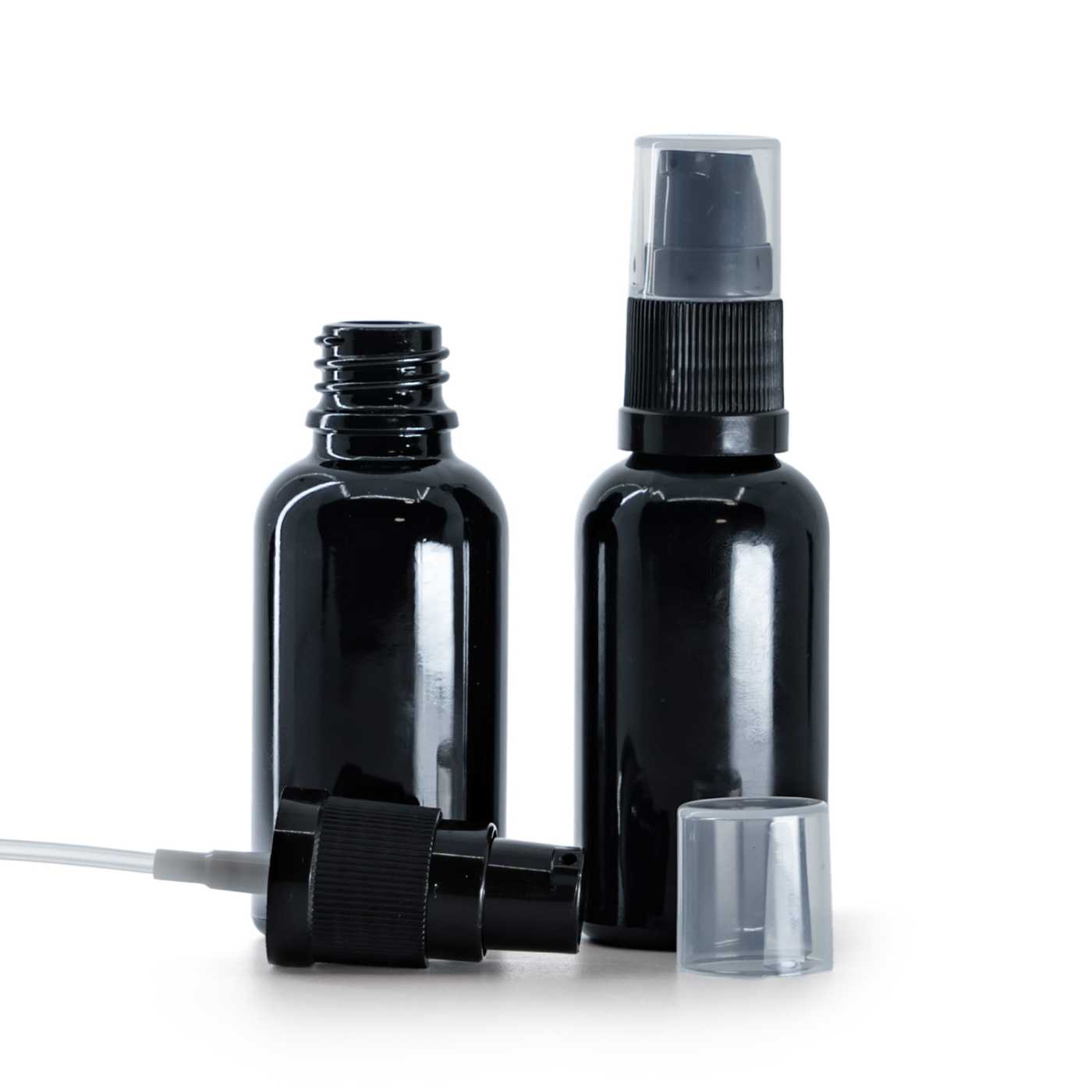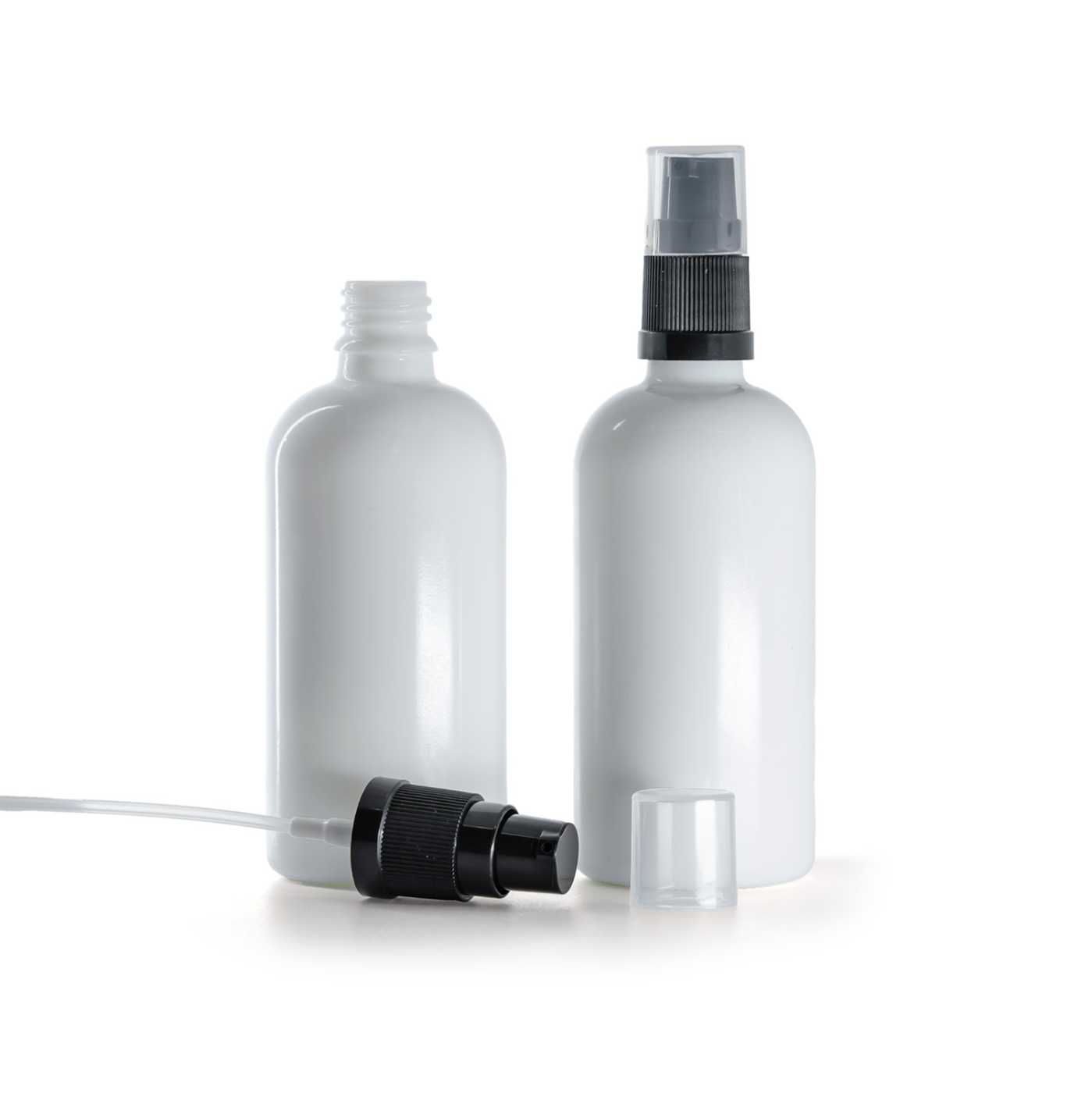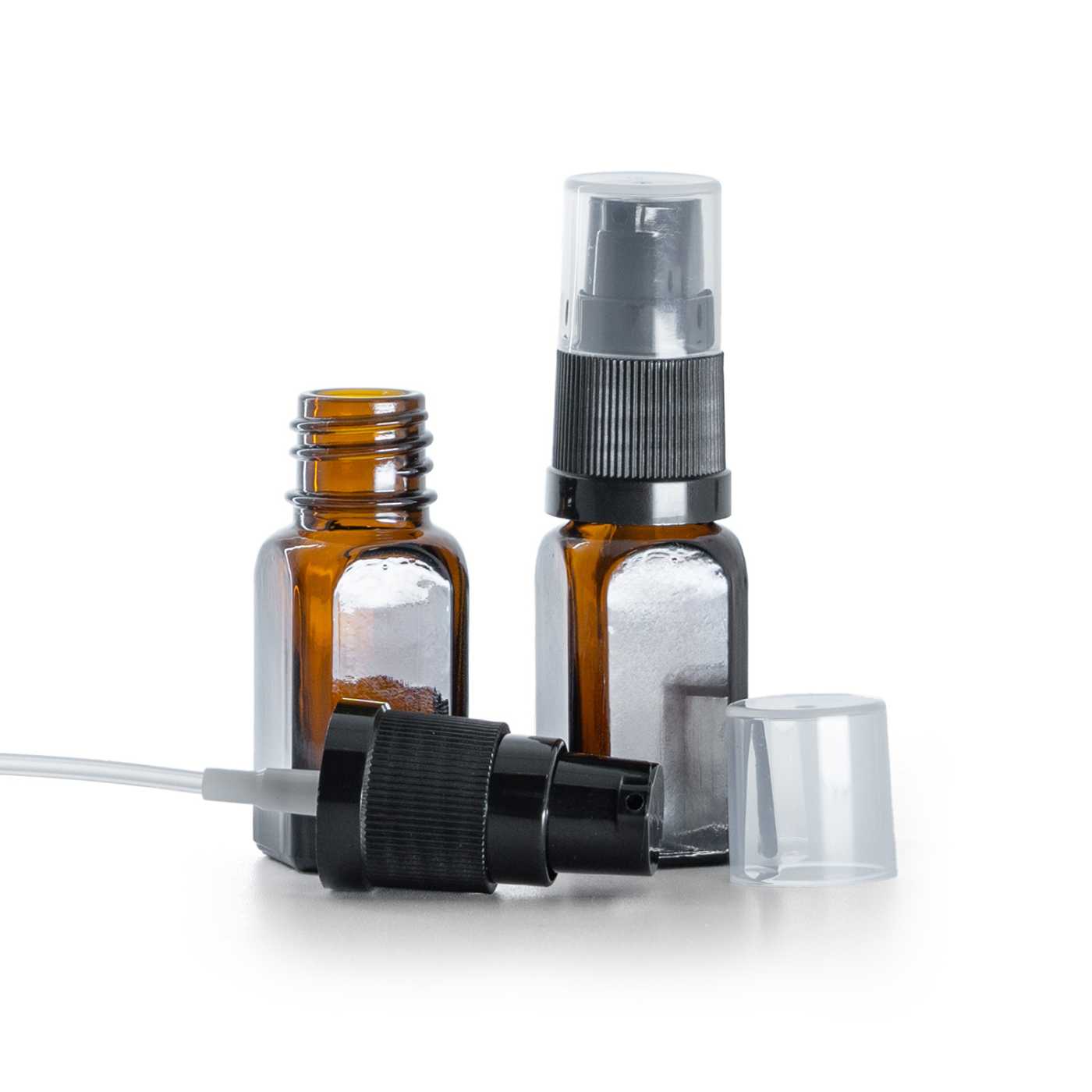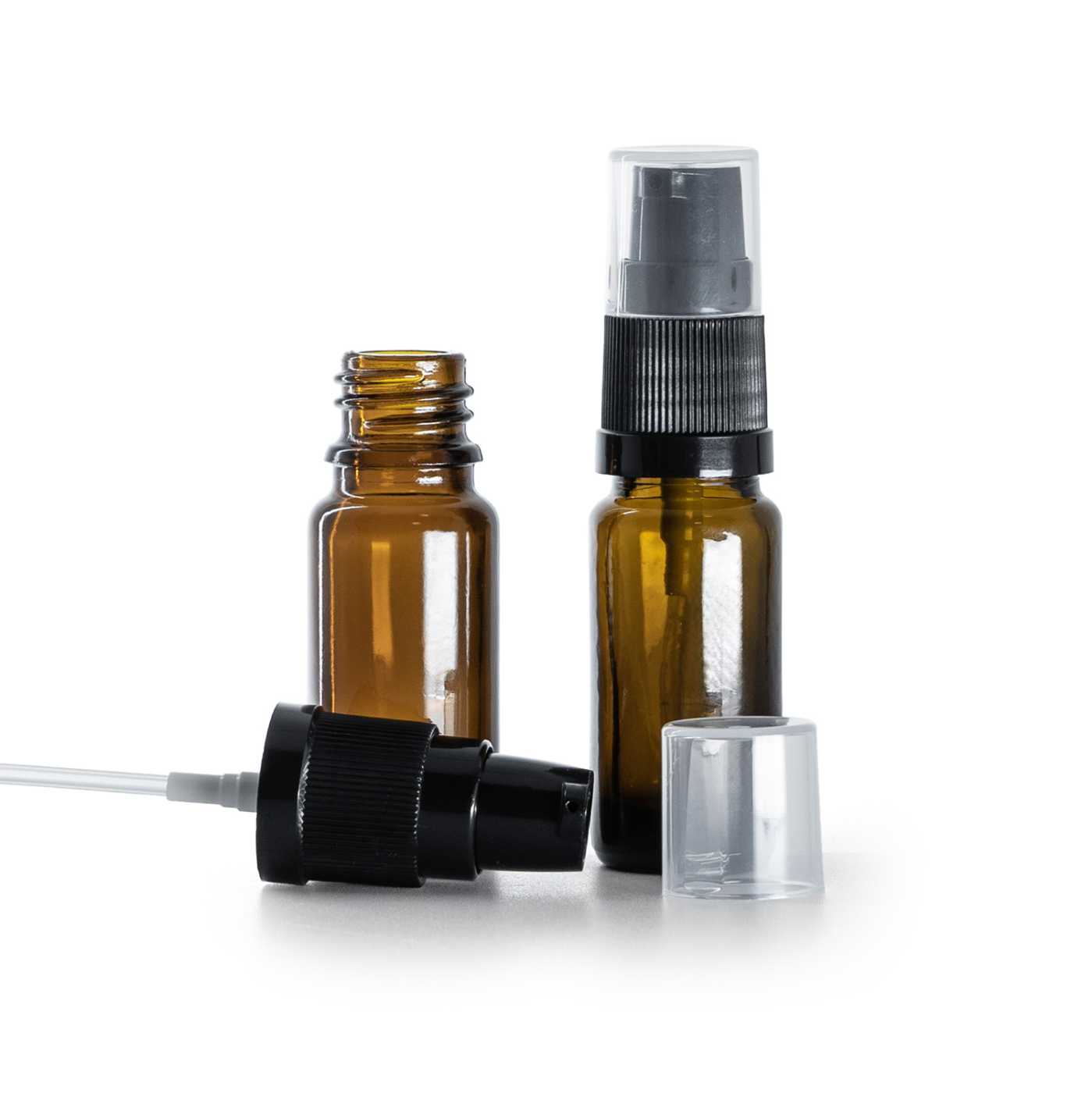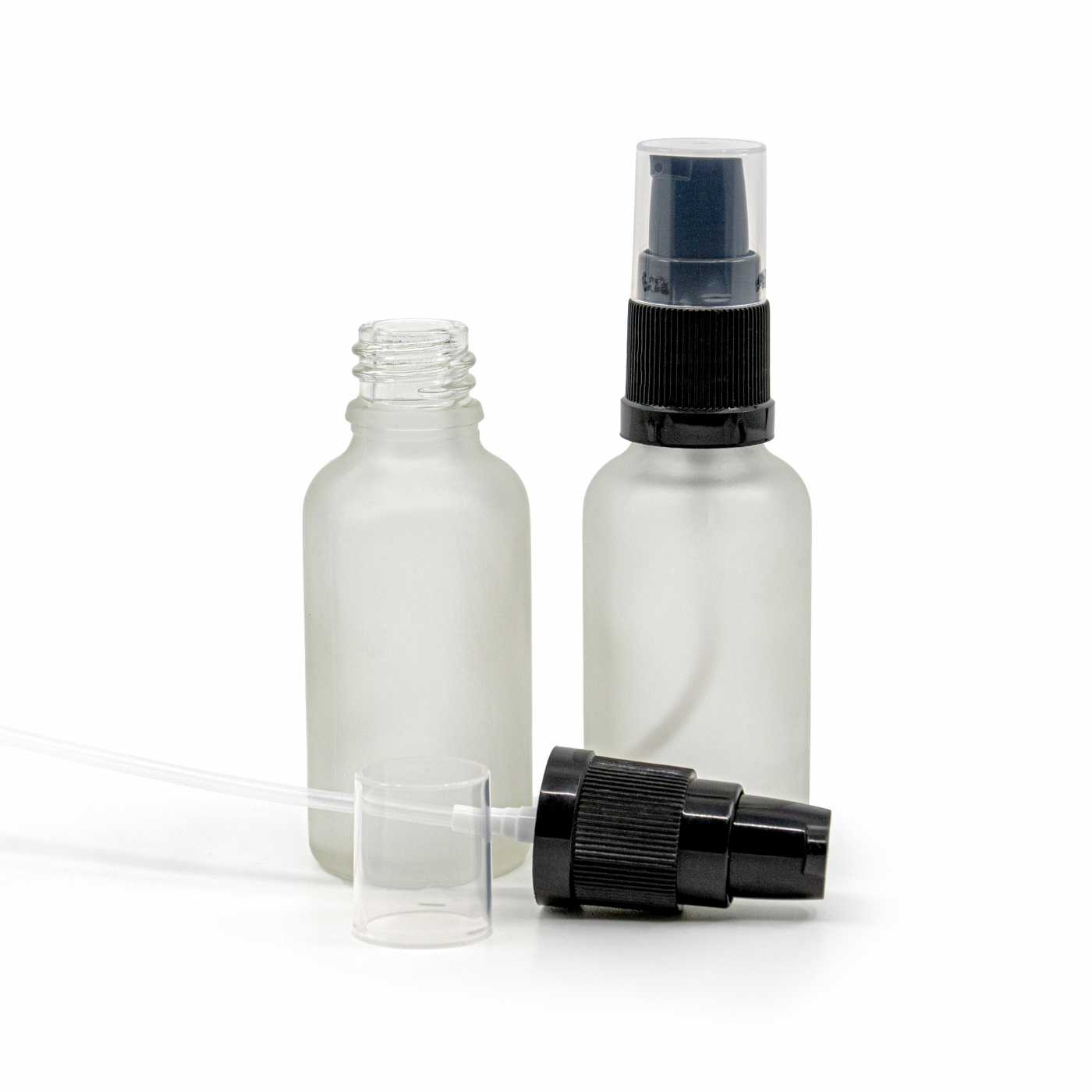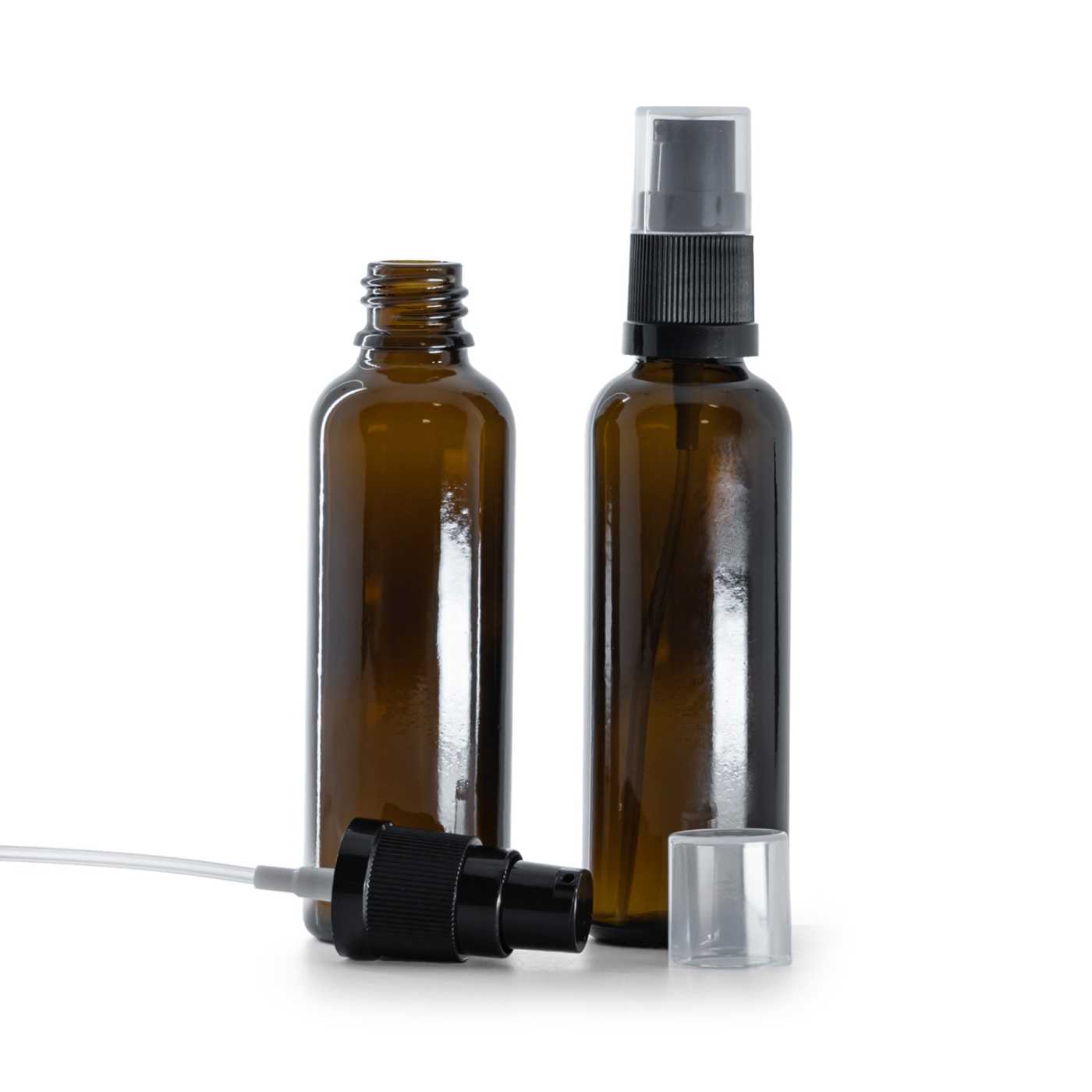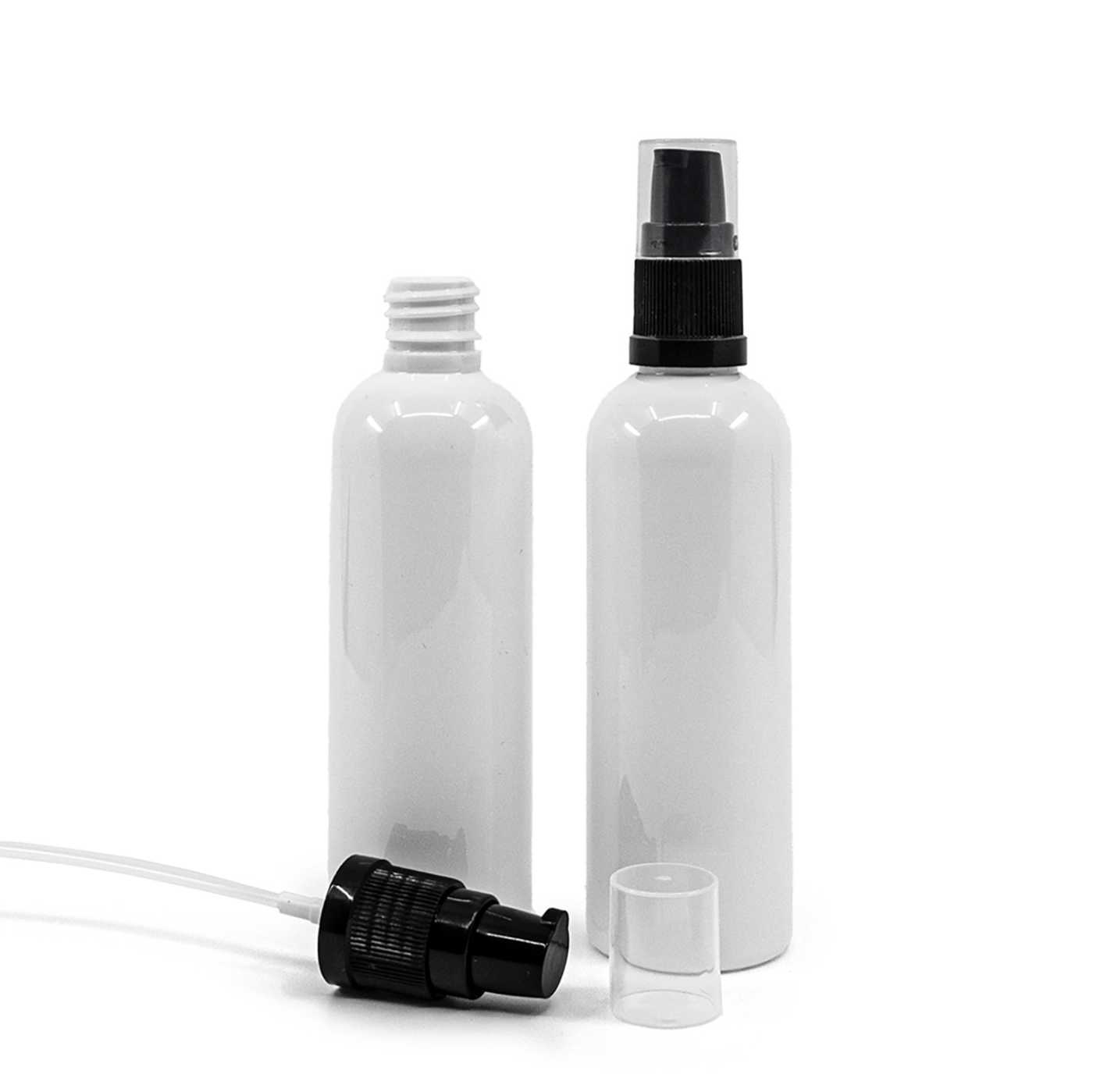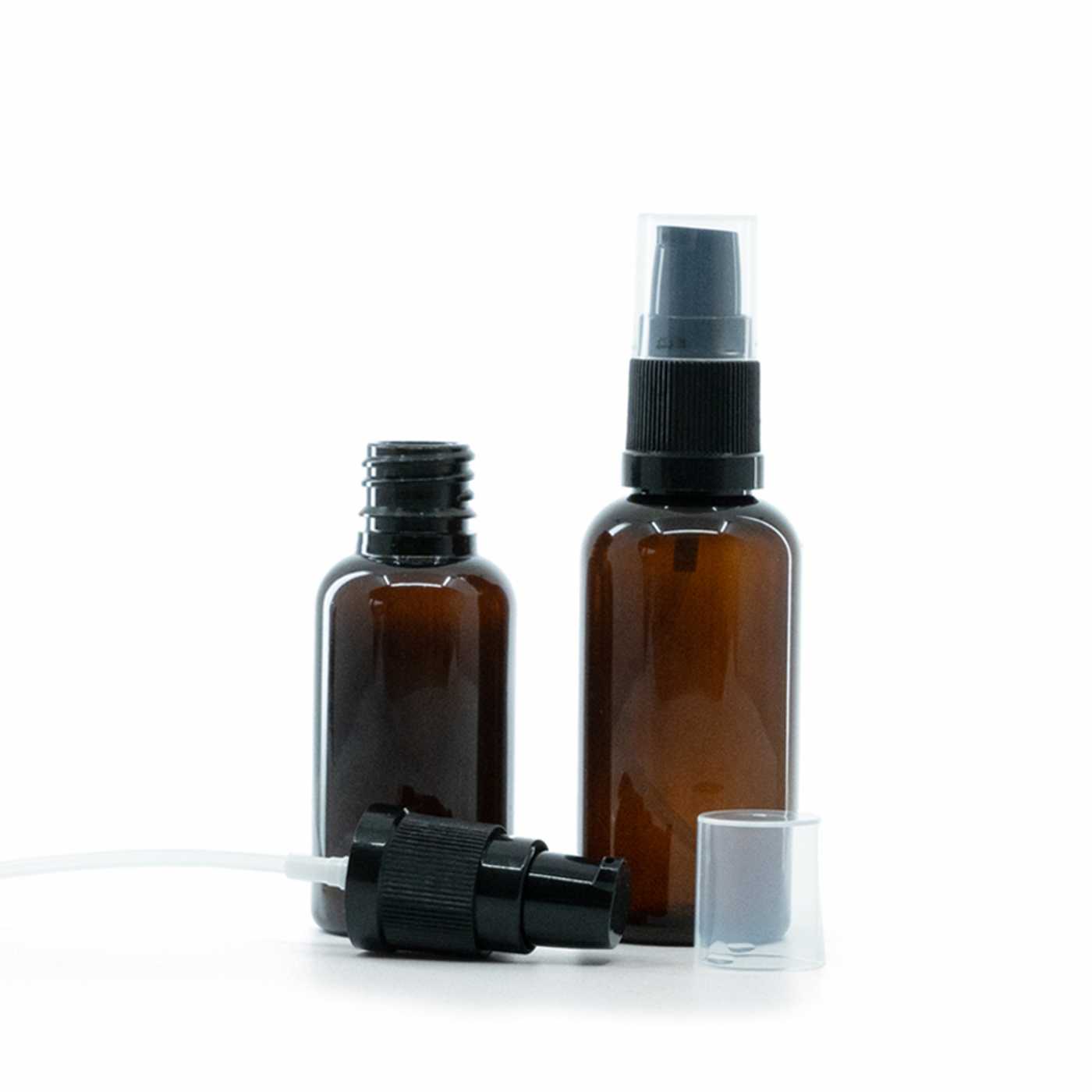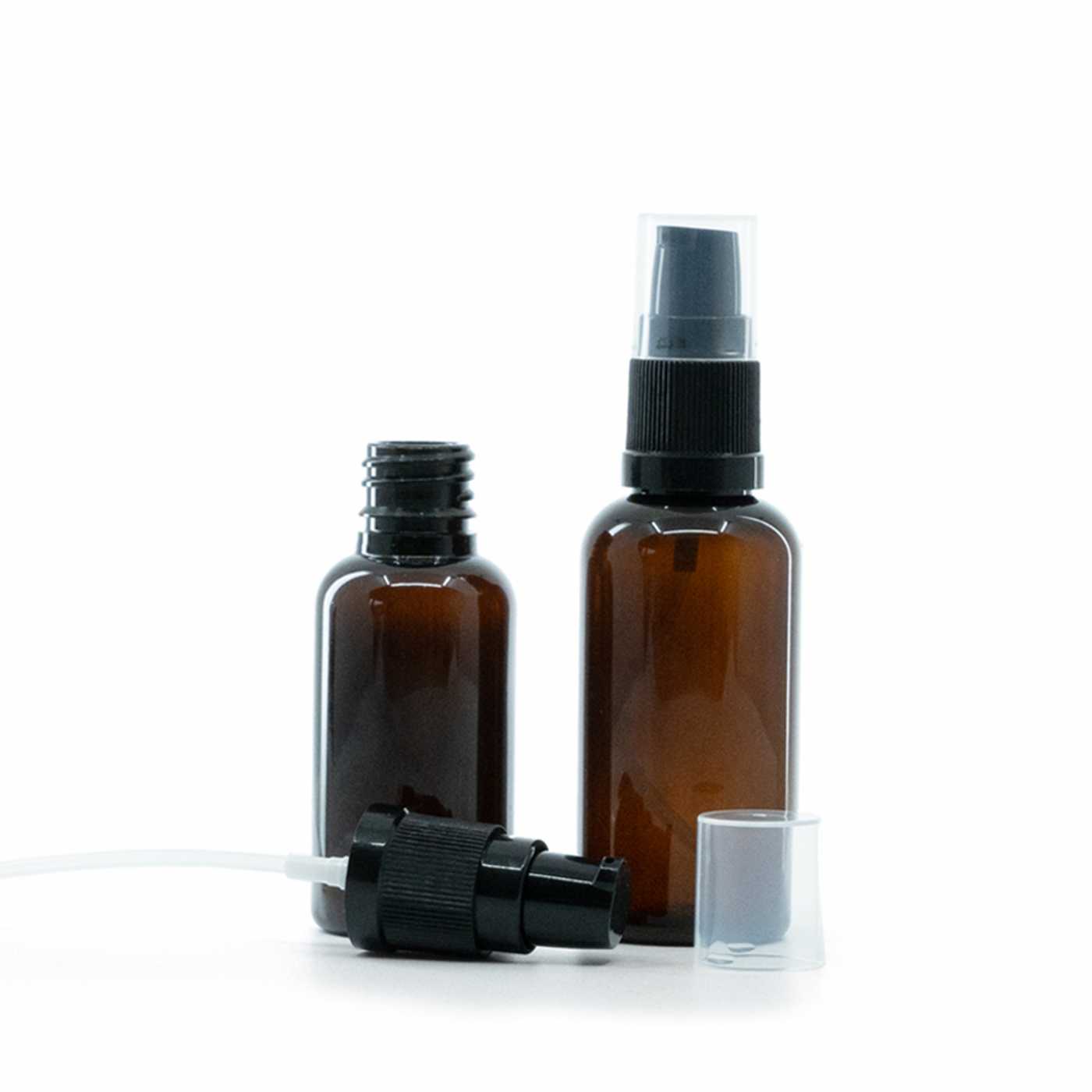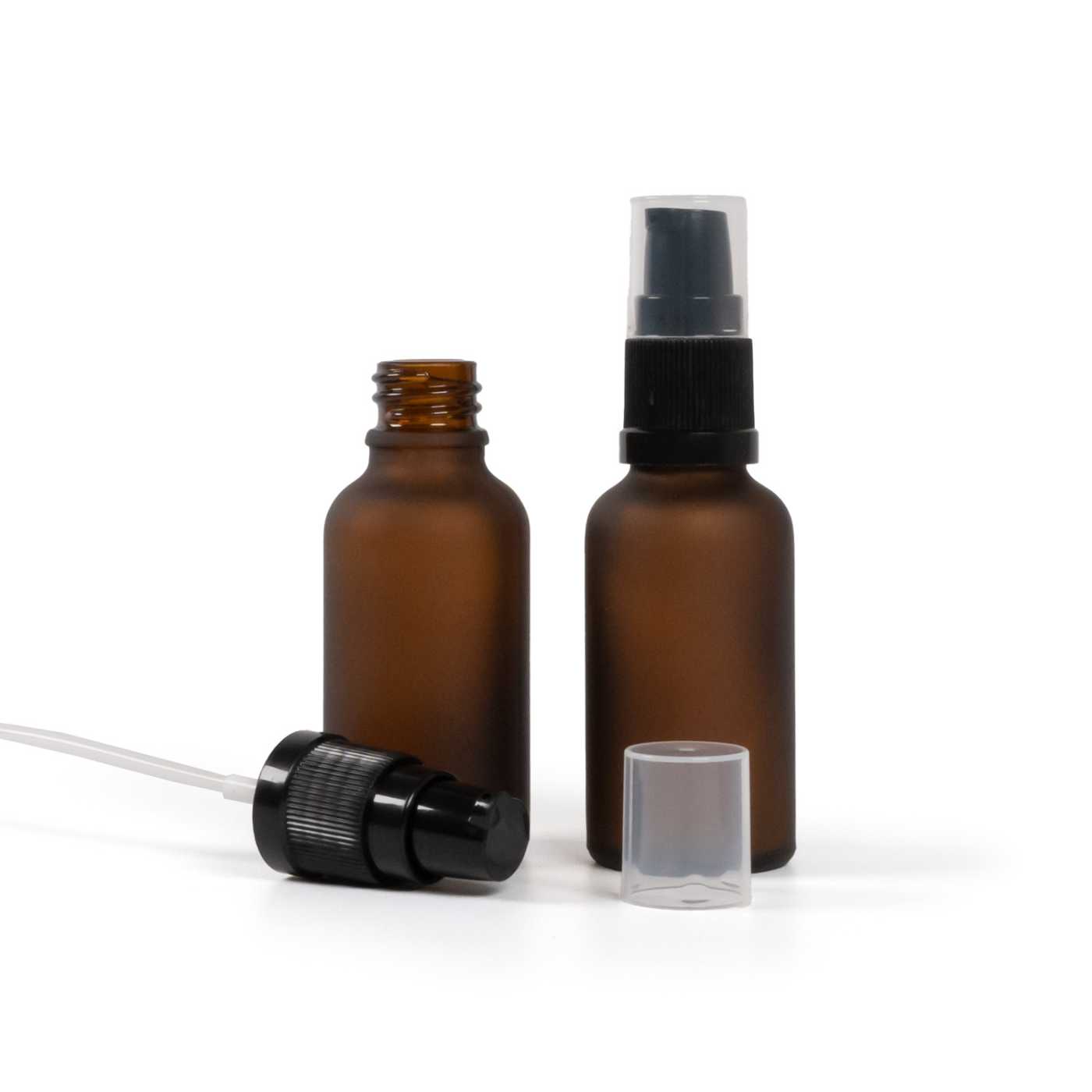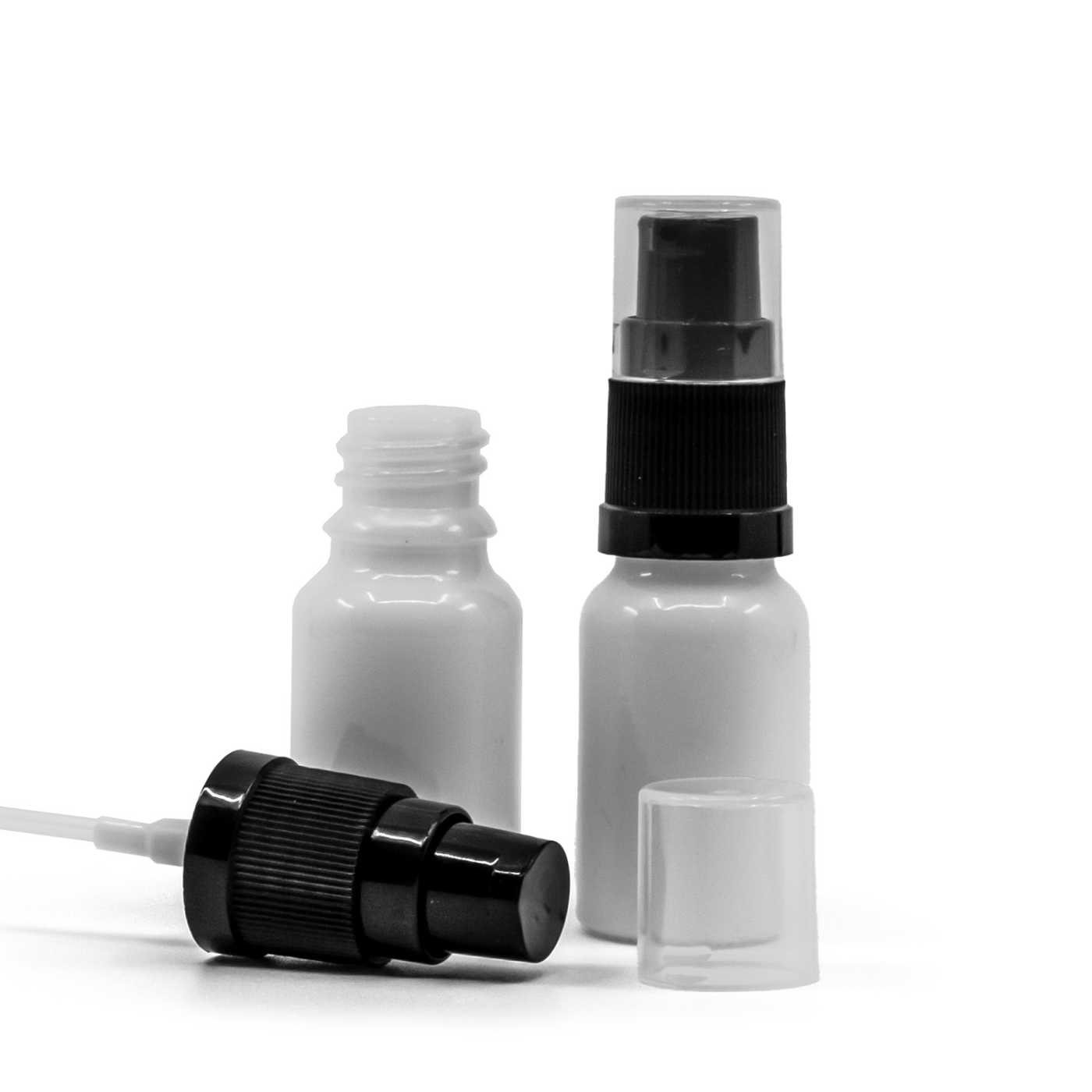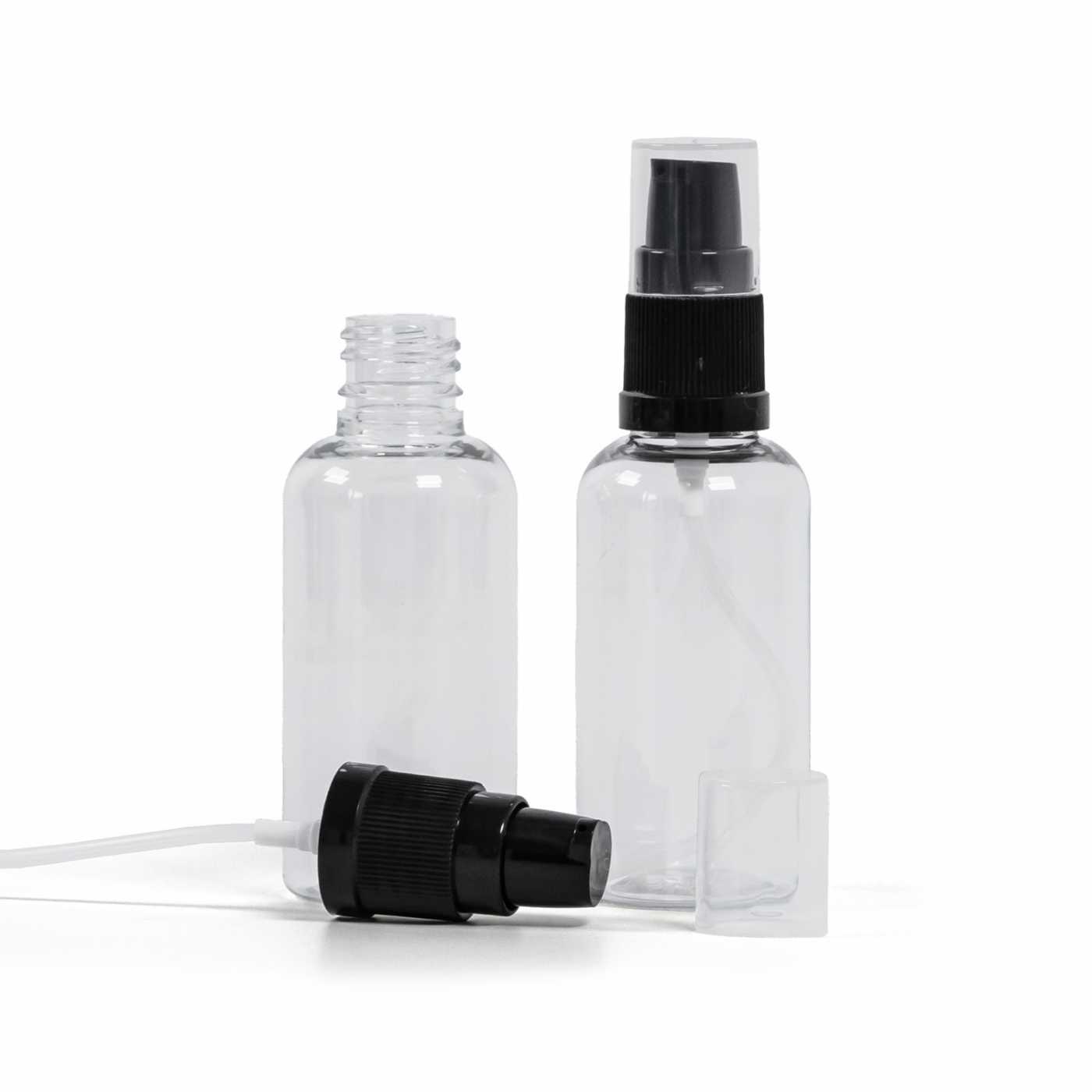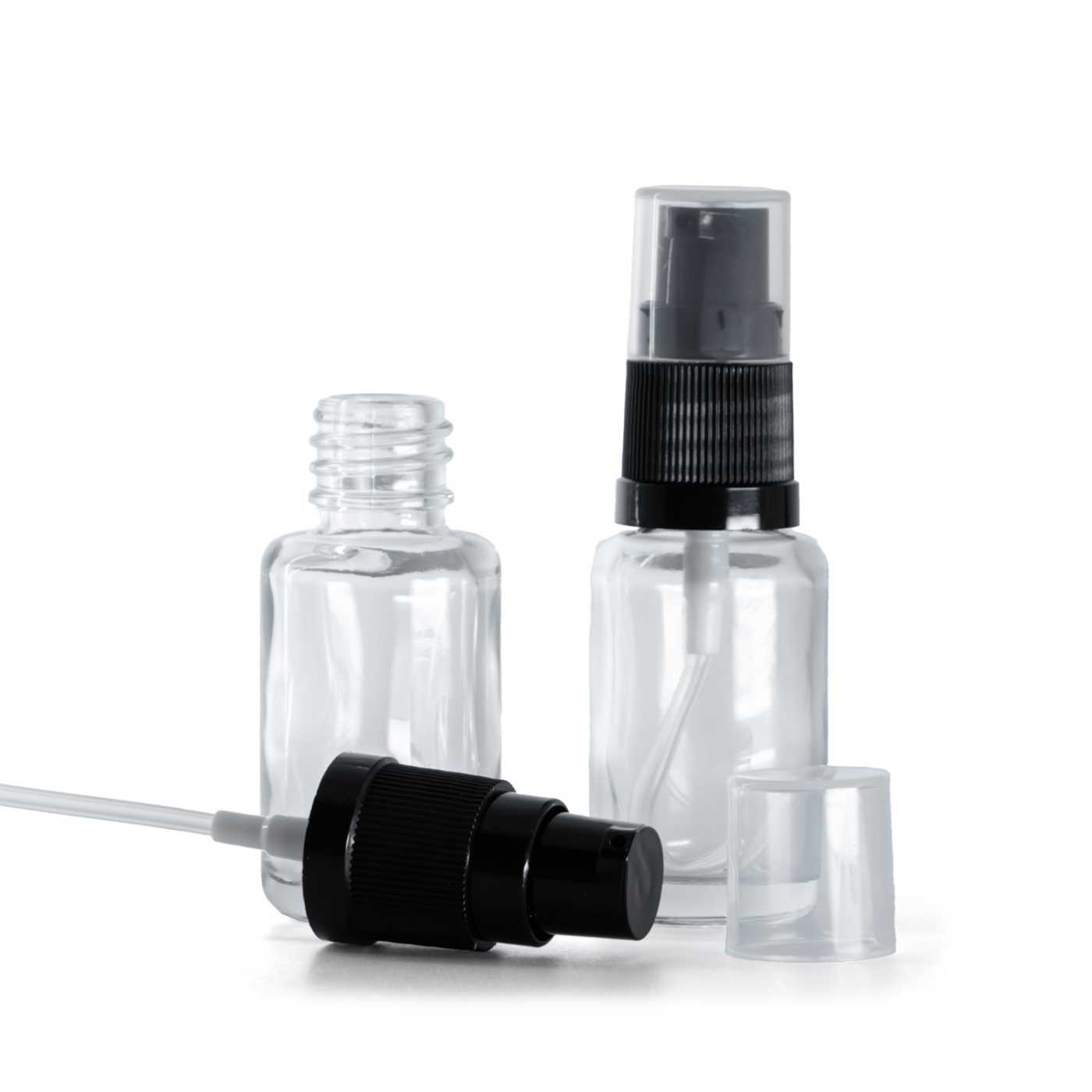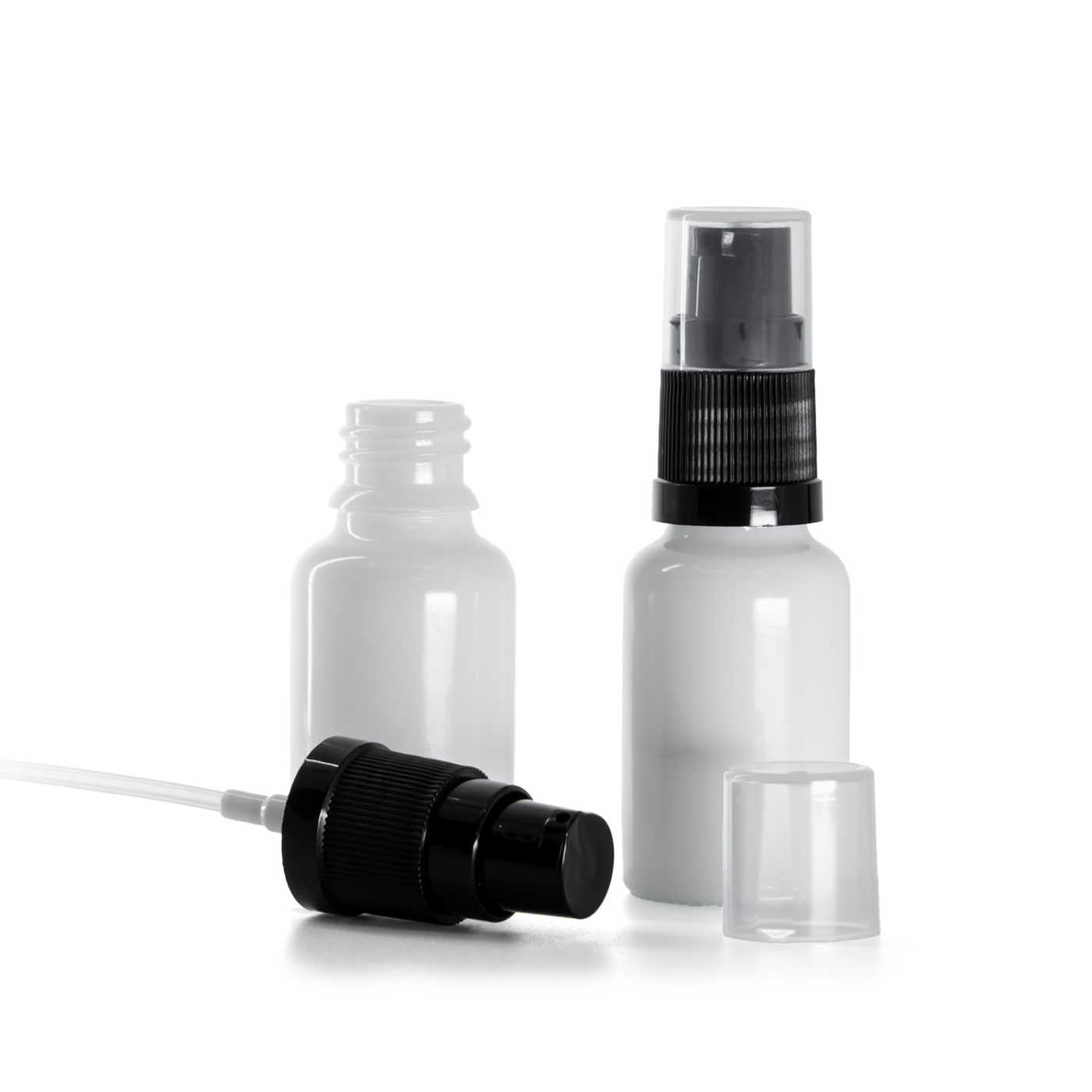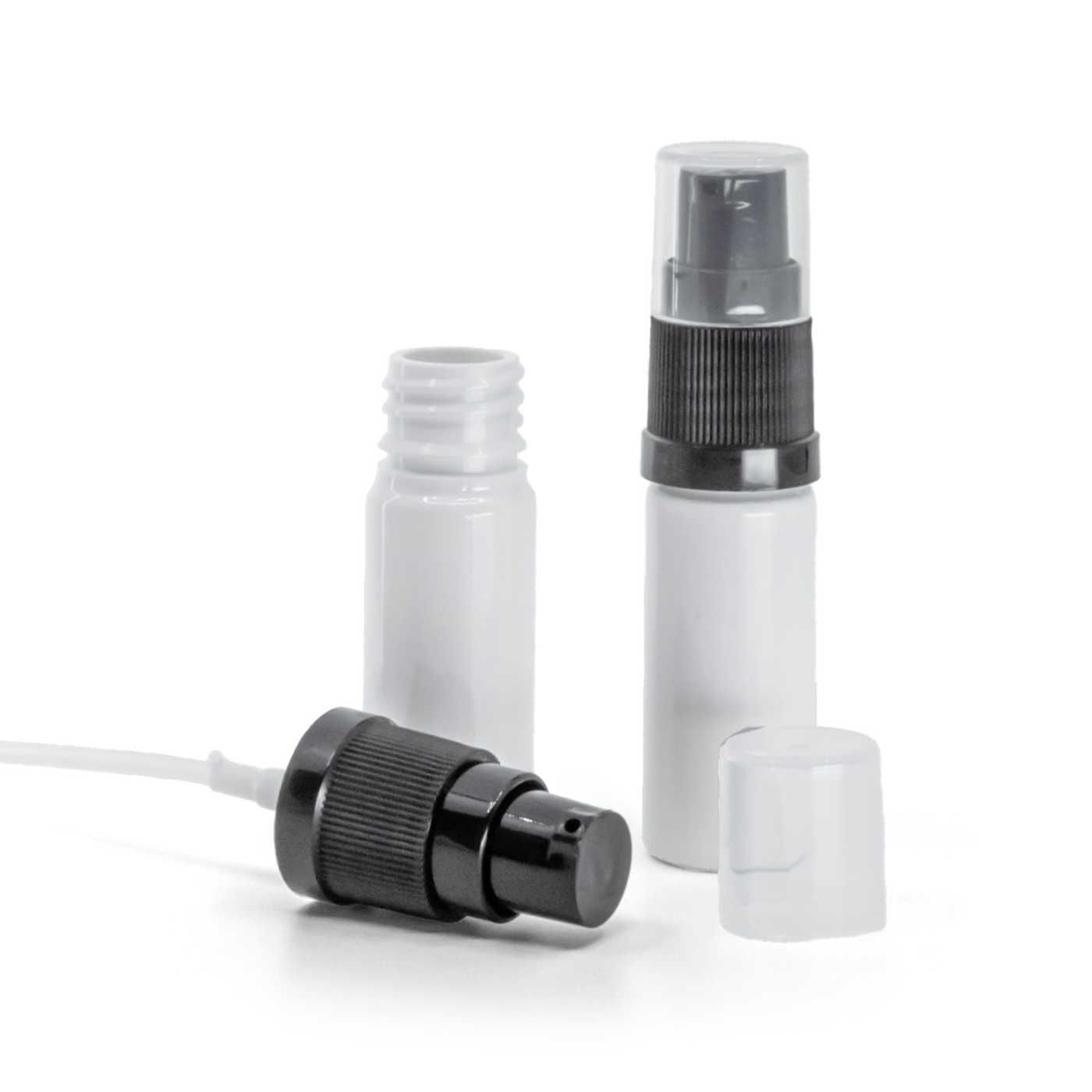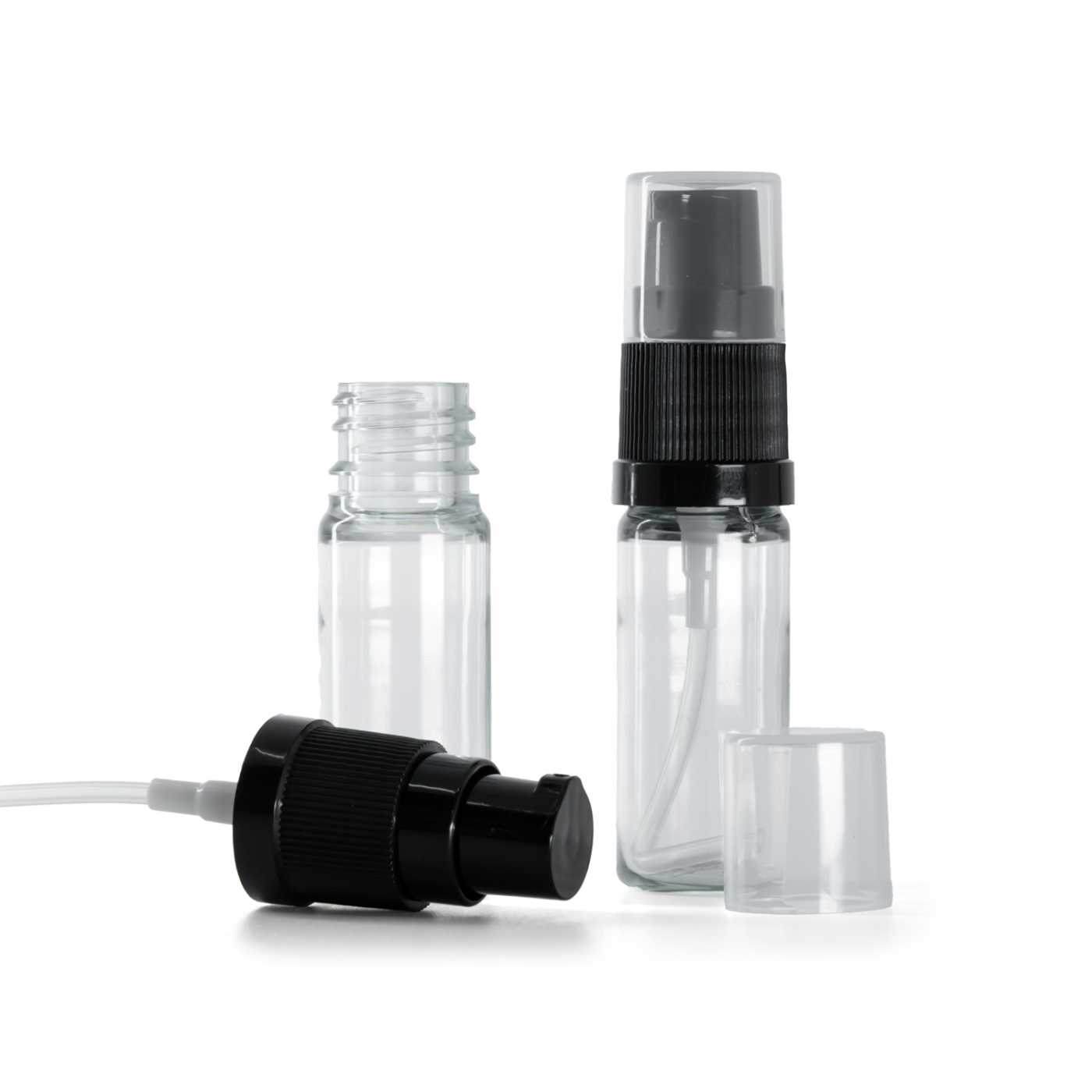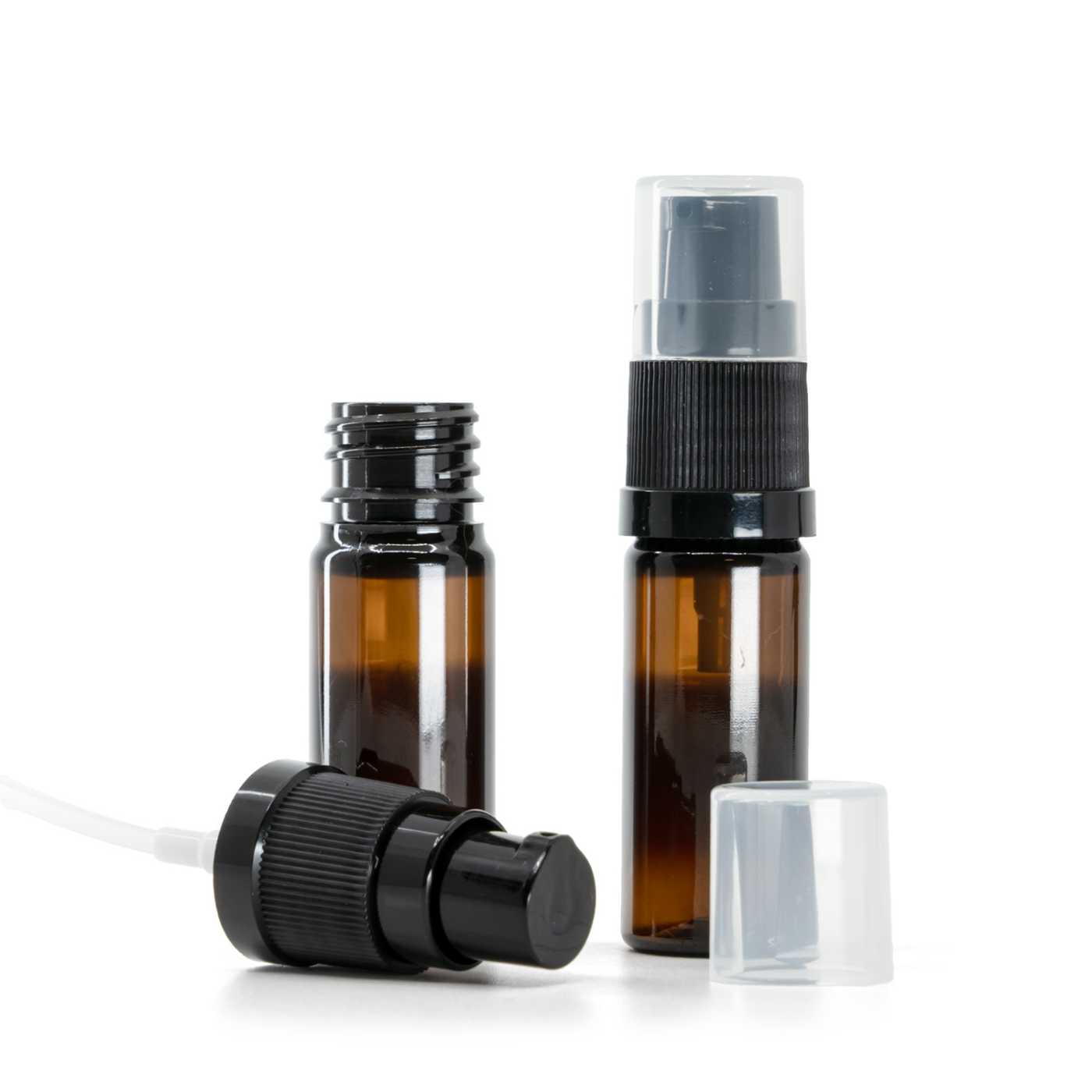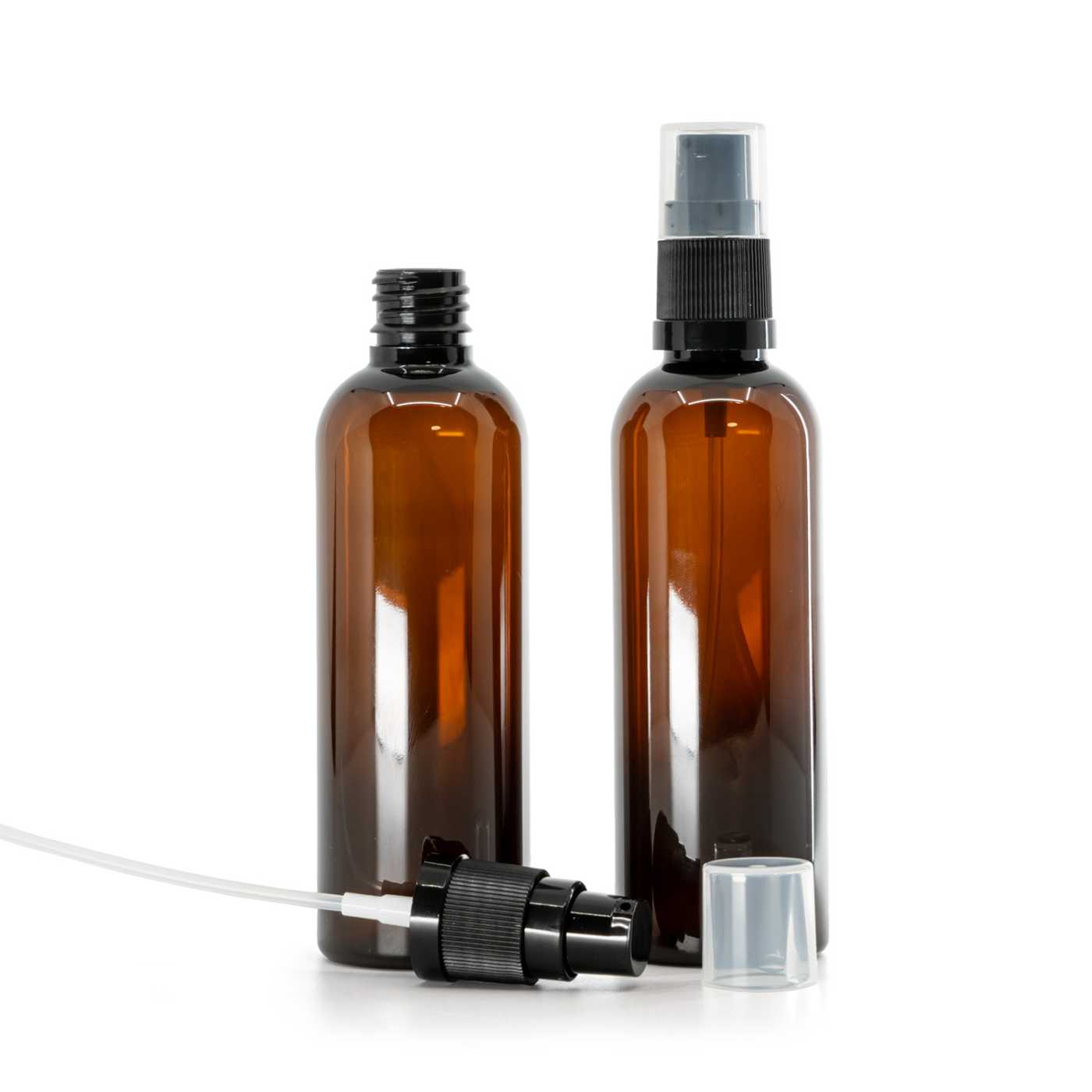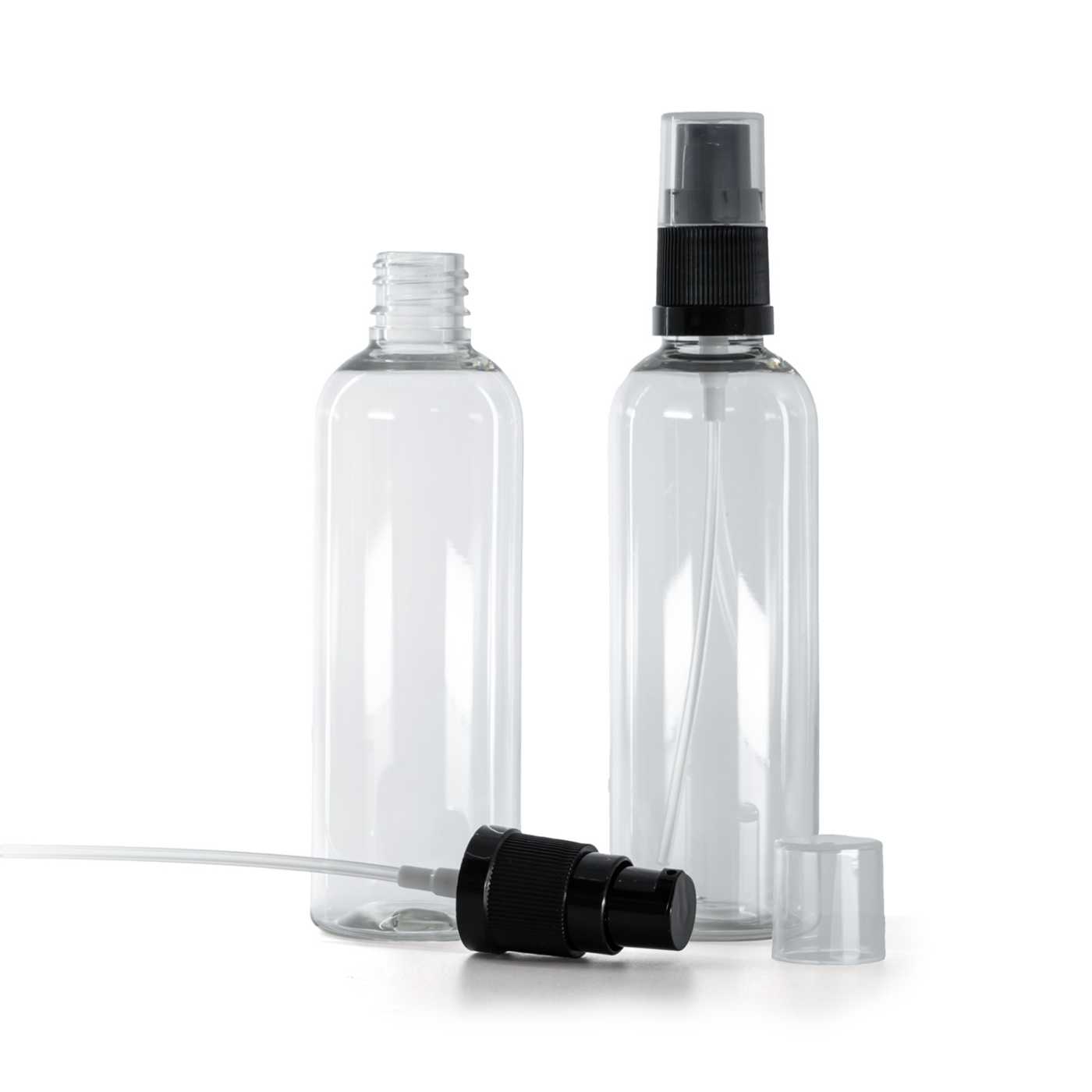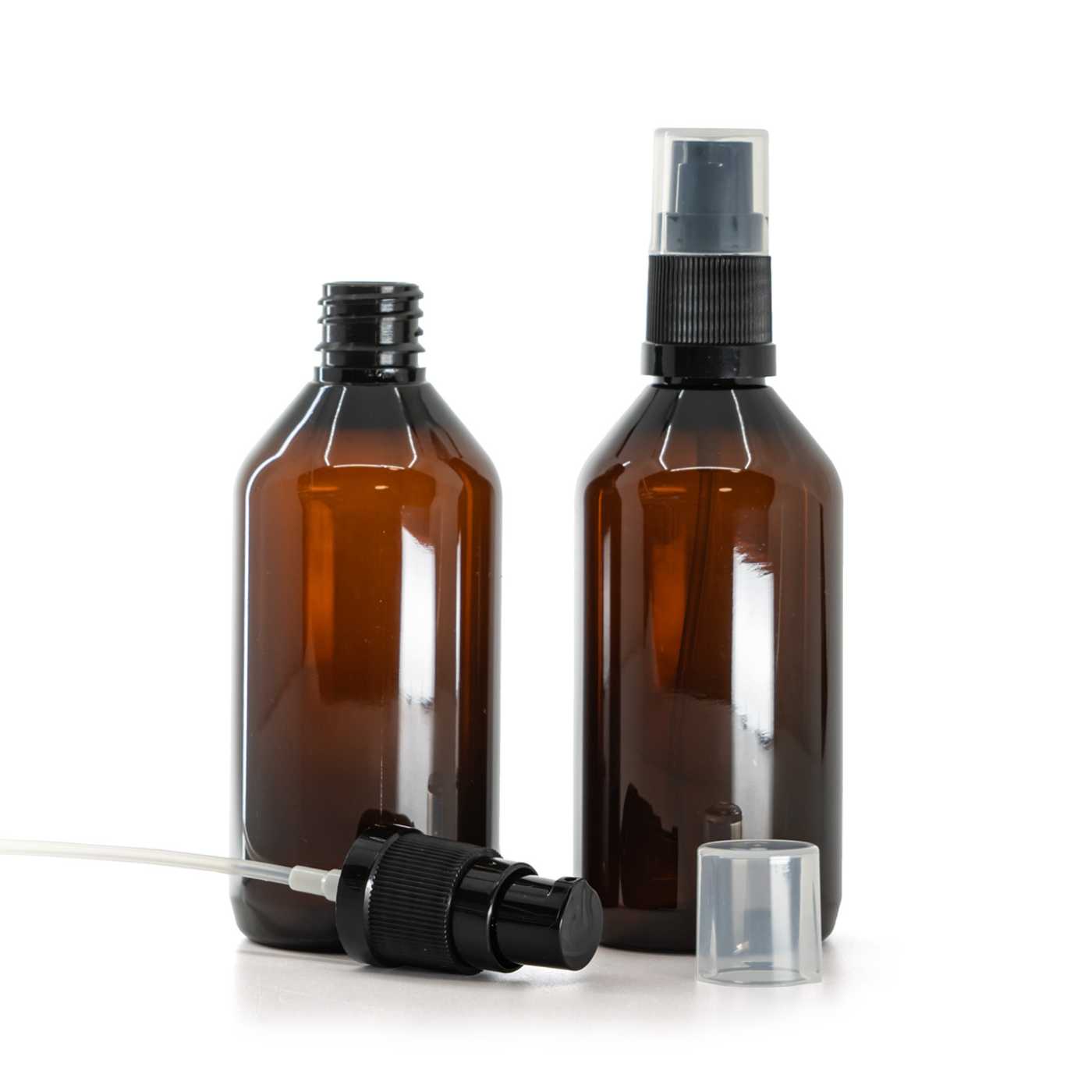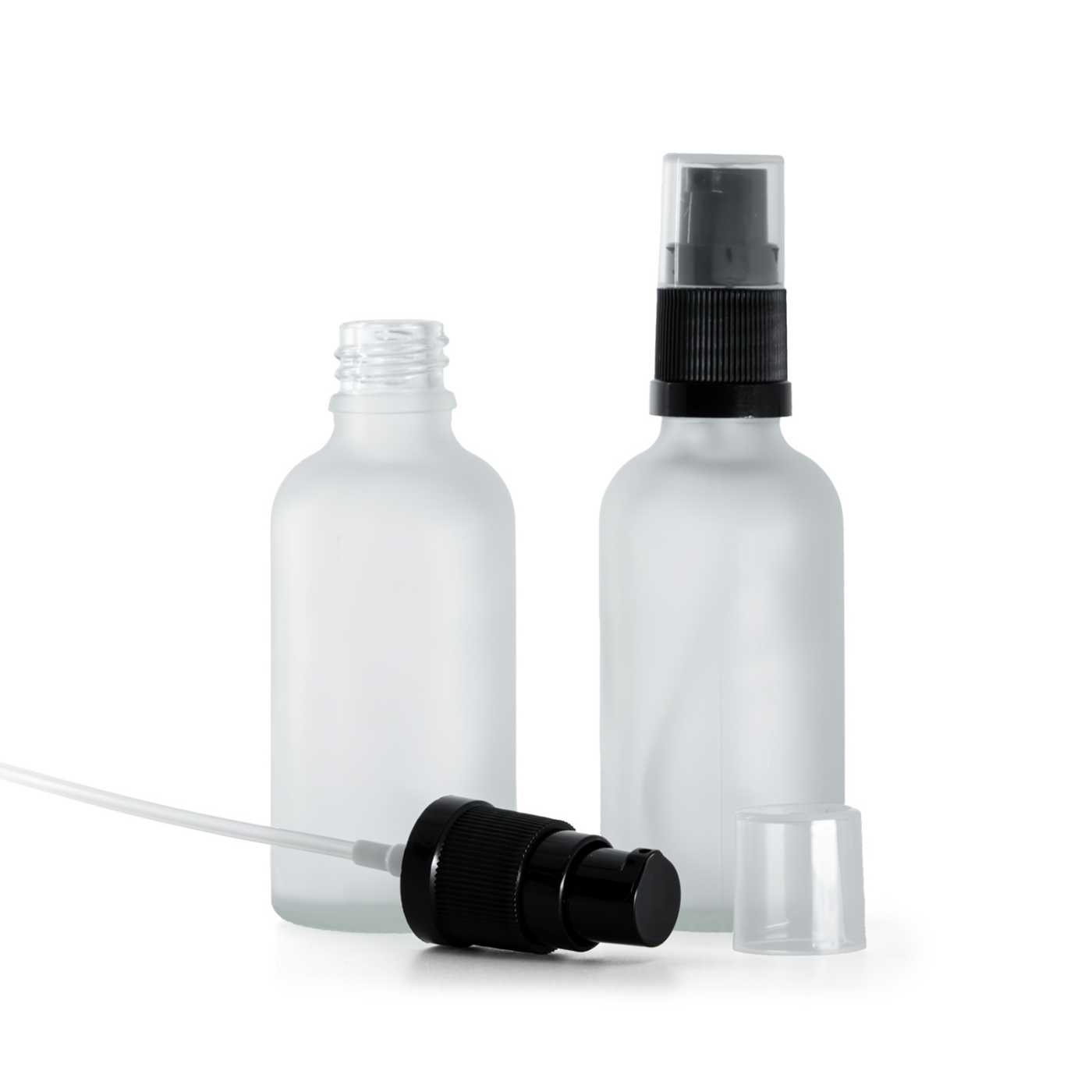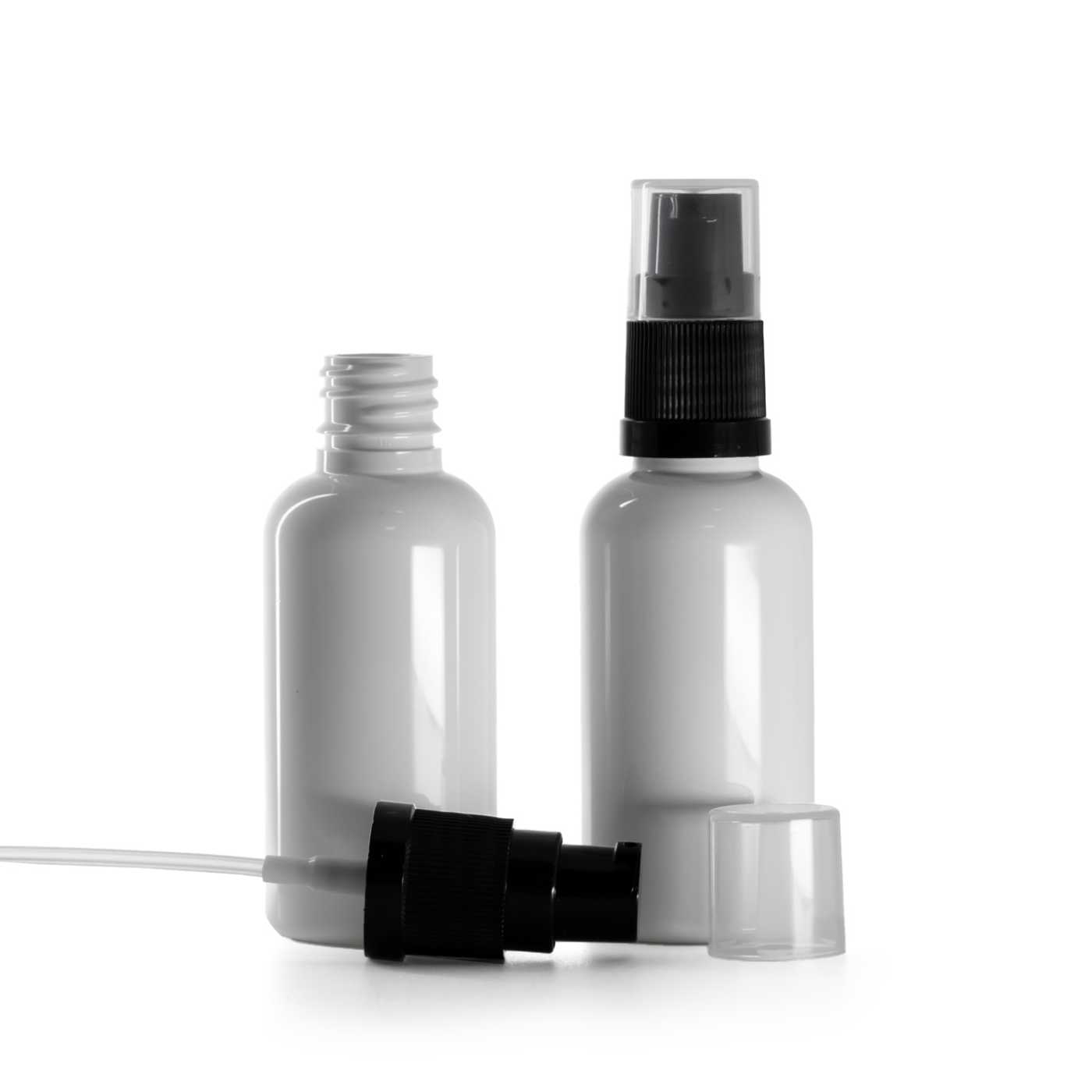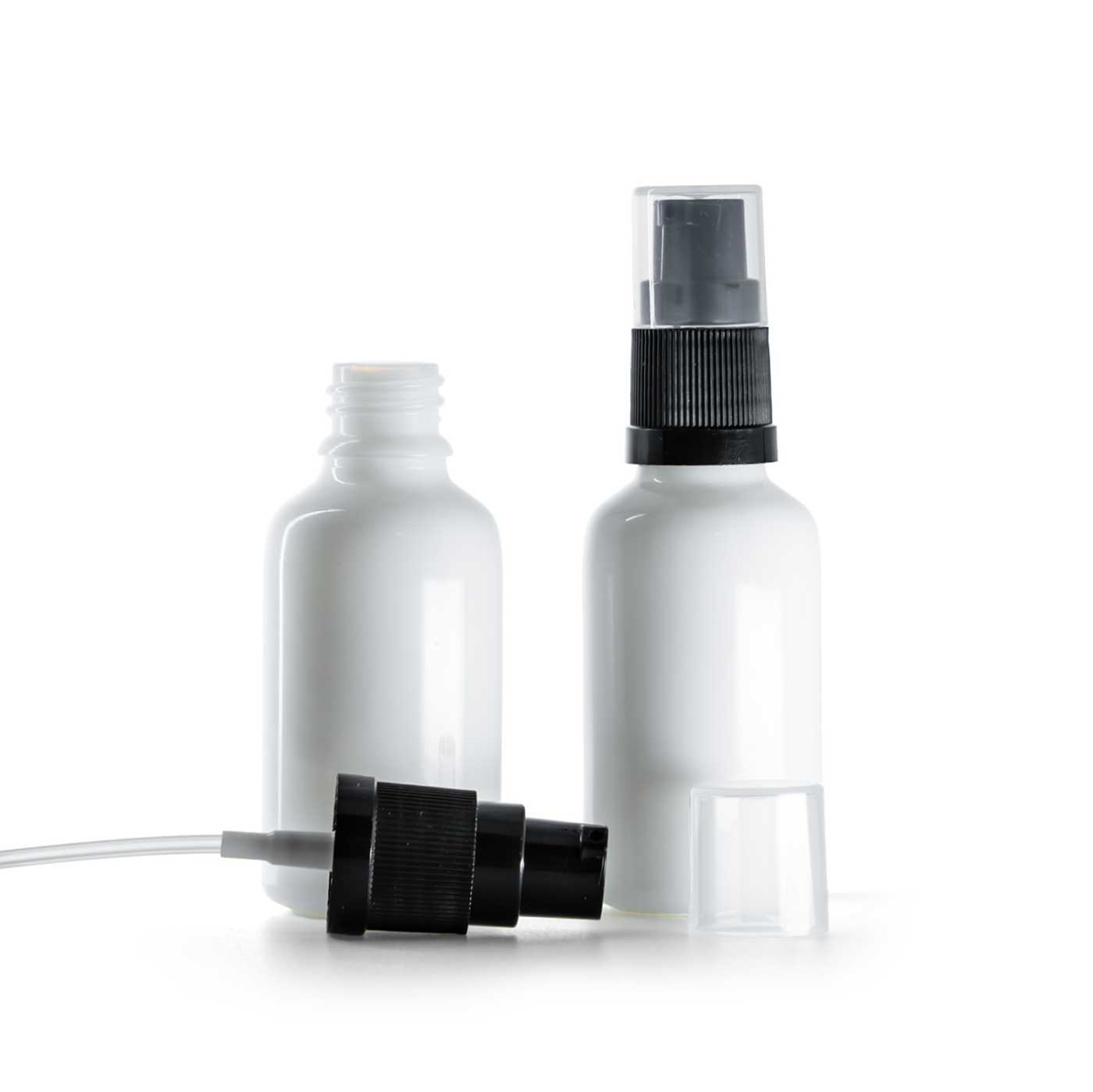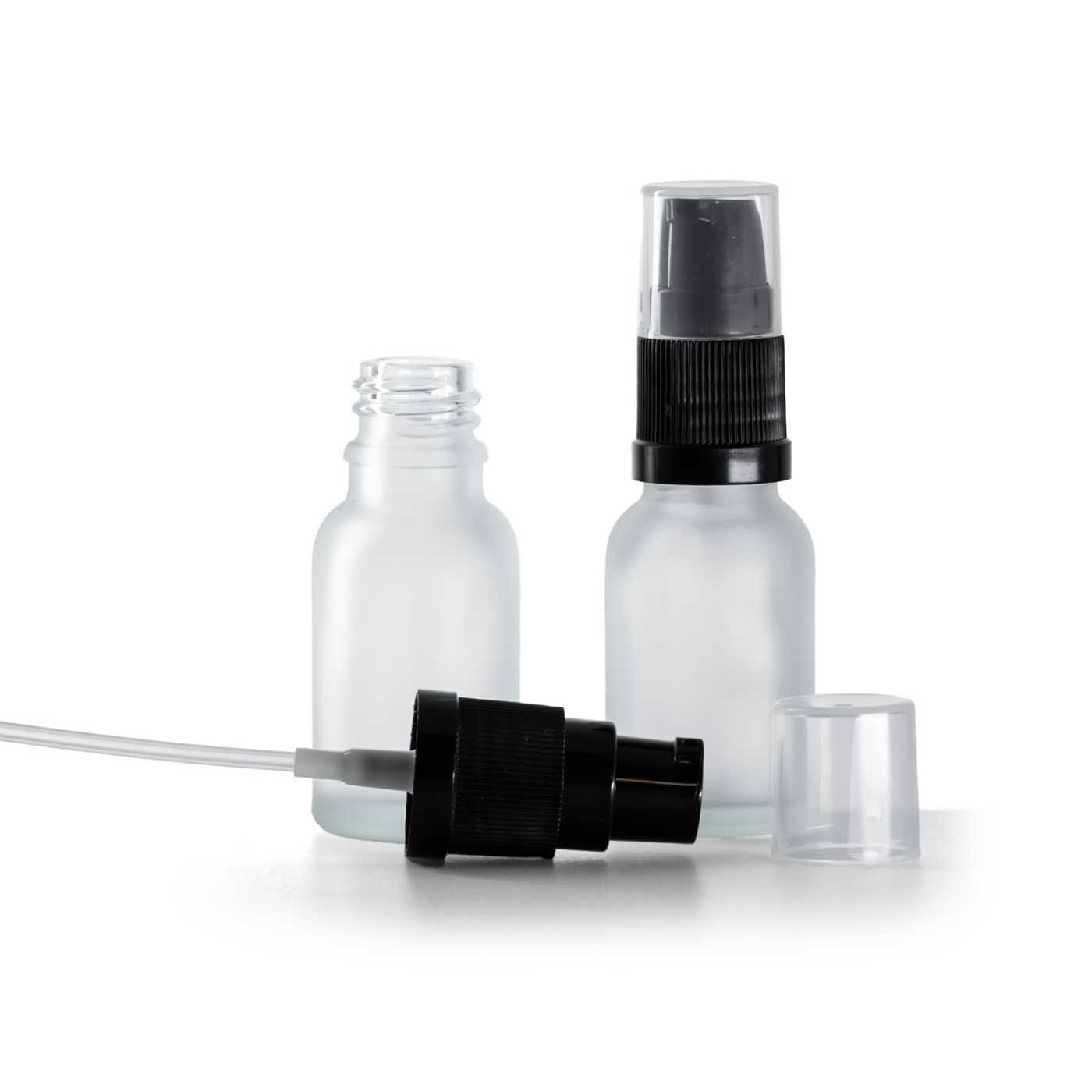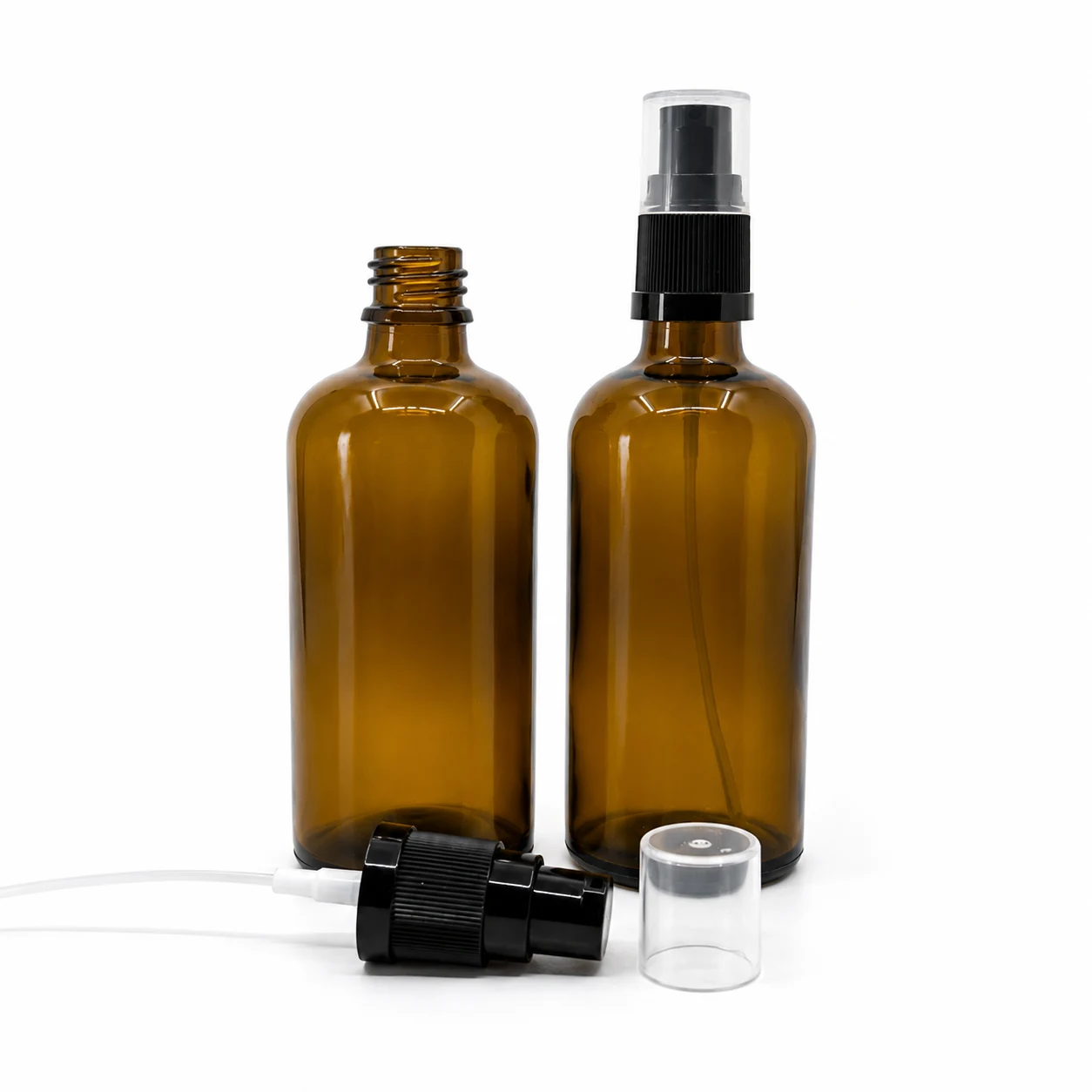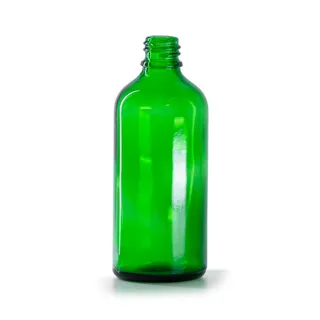
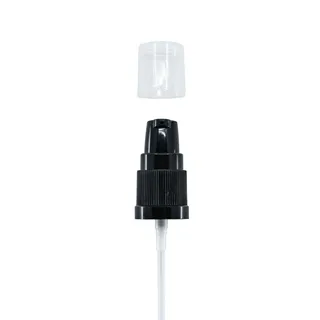
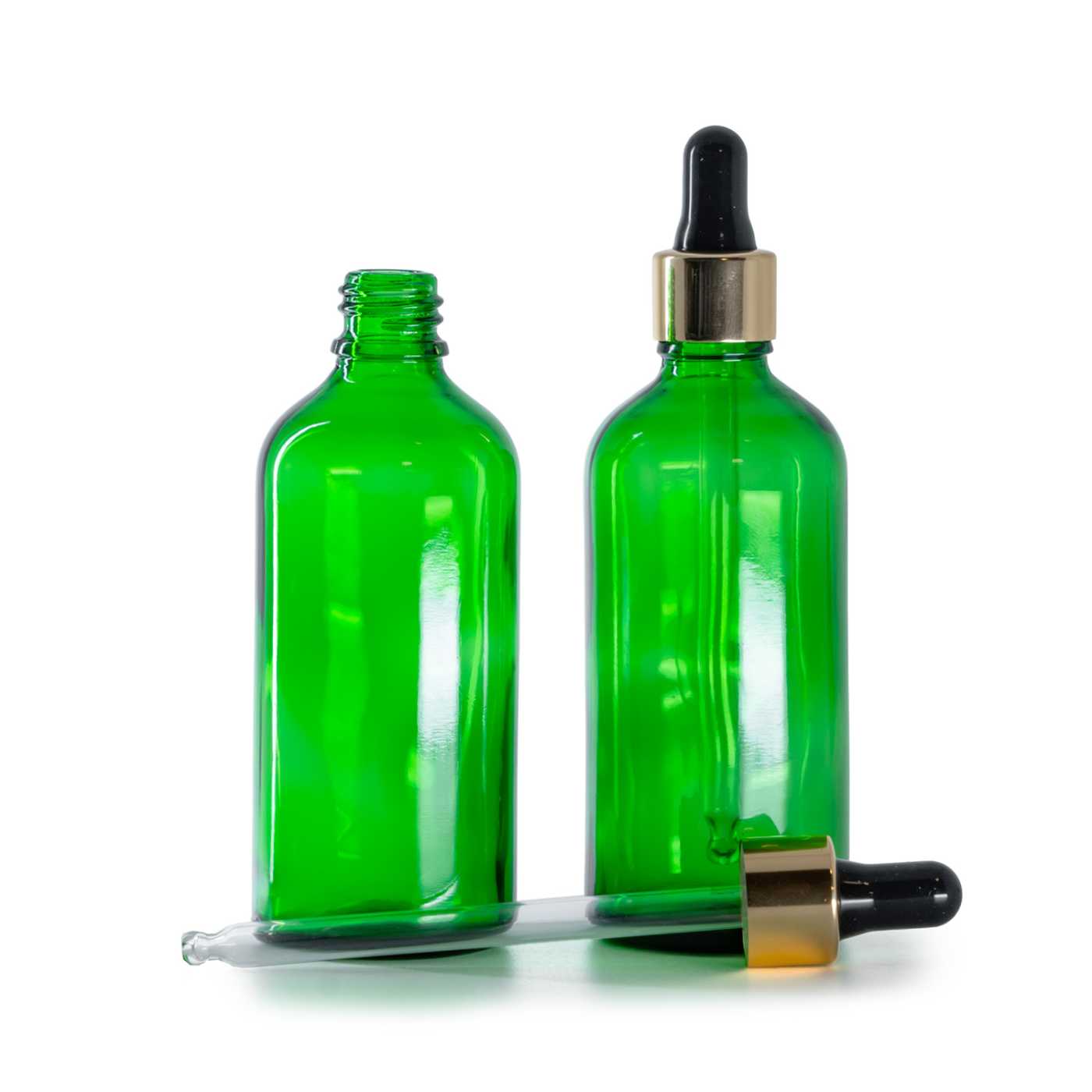
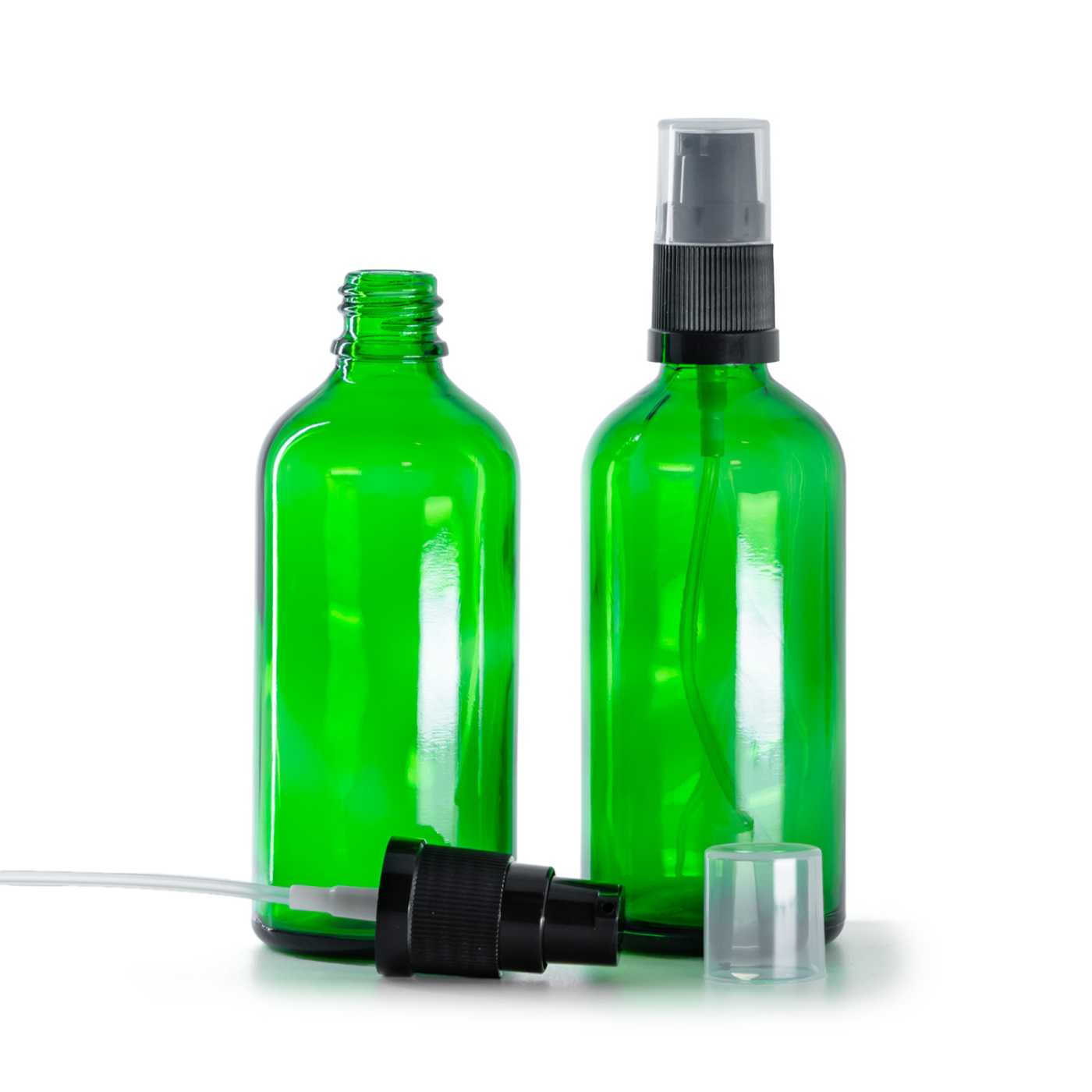
Green Glass Bottle, Gold Black Dropper, 100 ml
Pre-order€1.58

GLASS BOTTLES 100 ml
Pack size10 ml15 ml30 ml50 ml100 ml
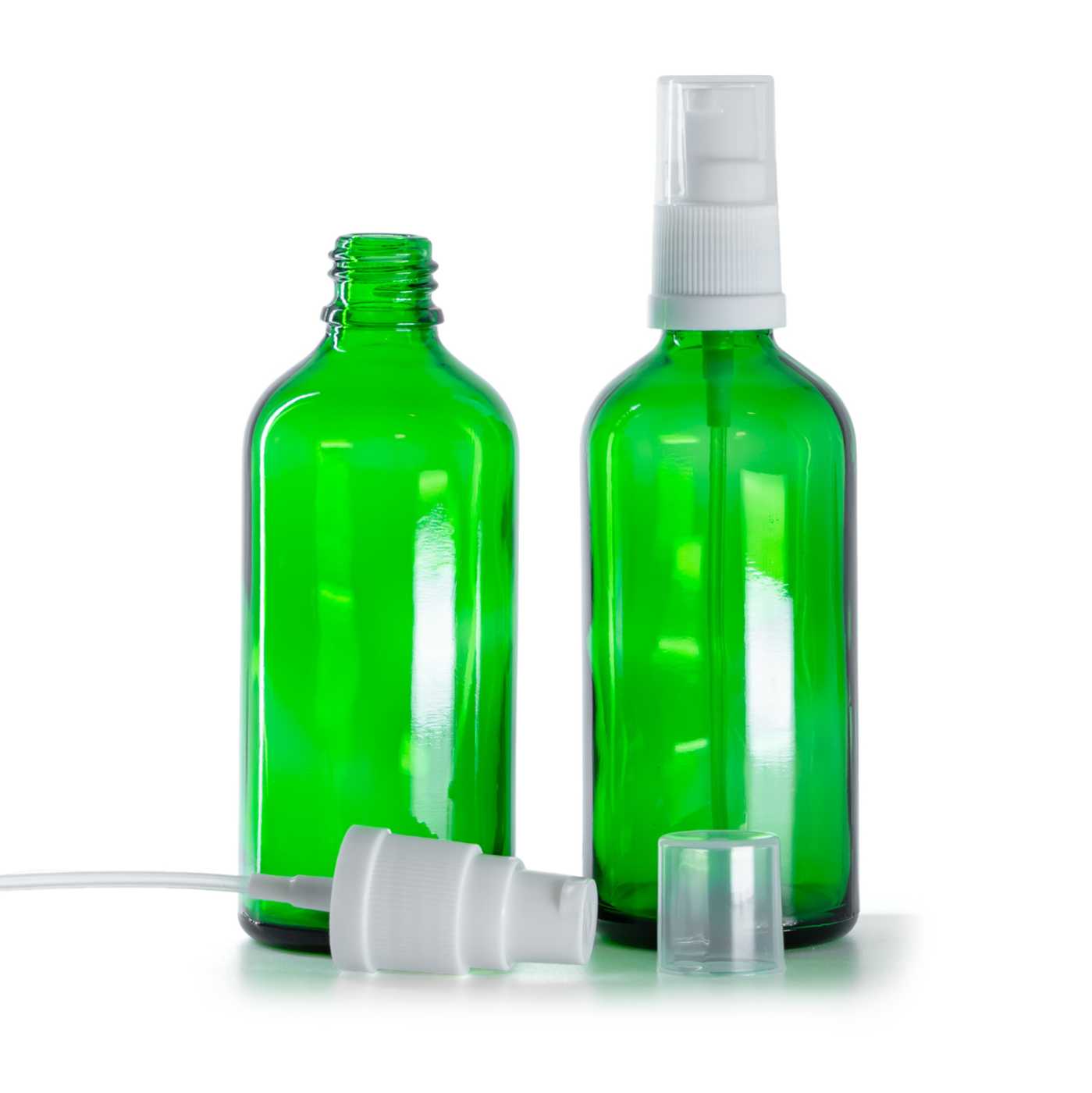
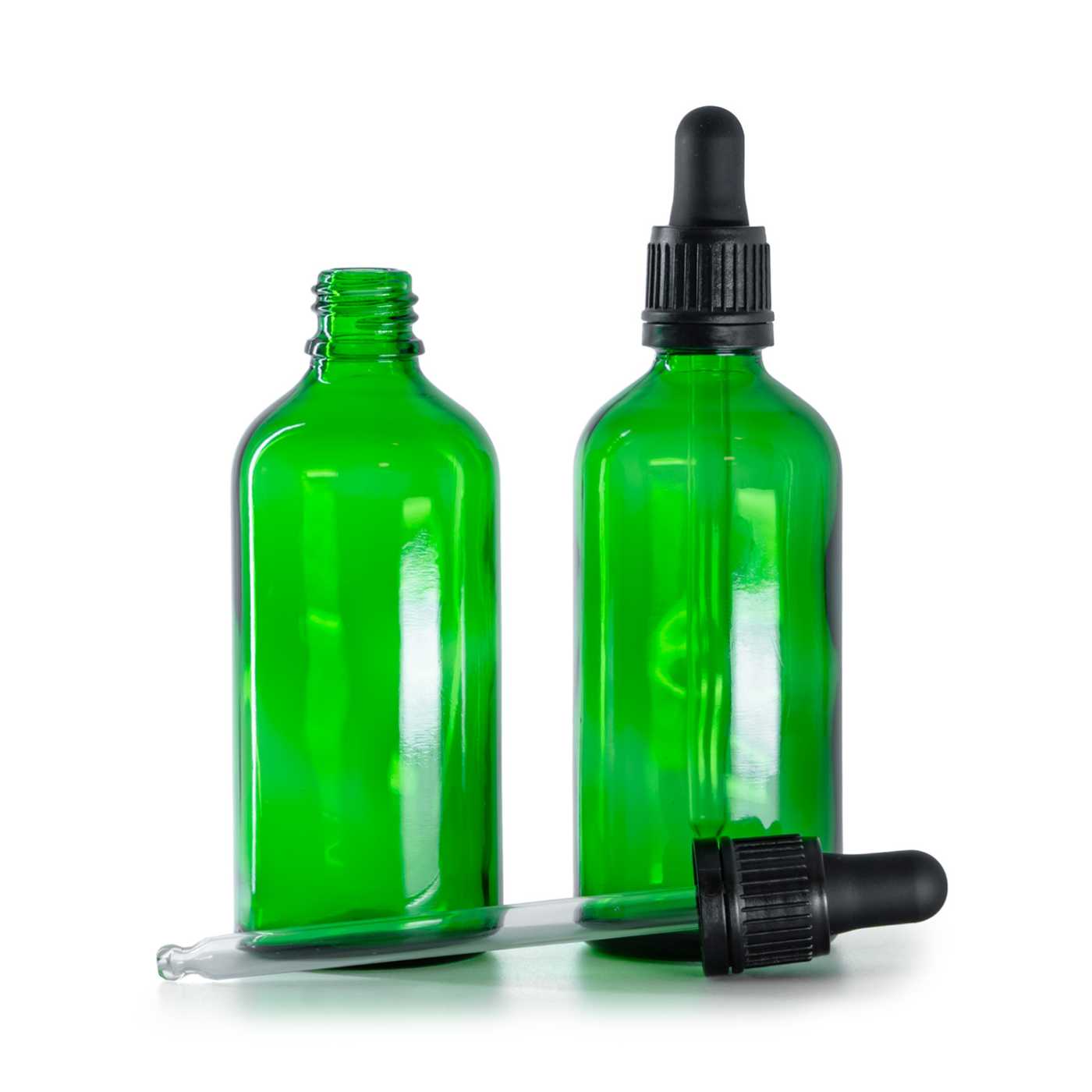
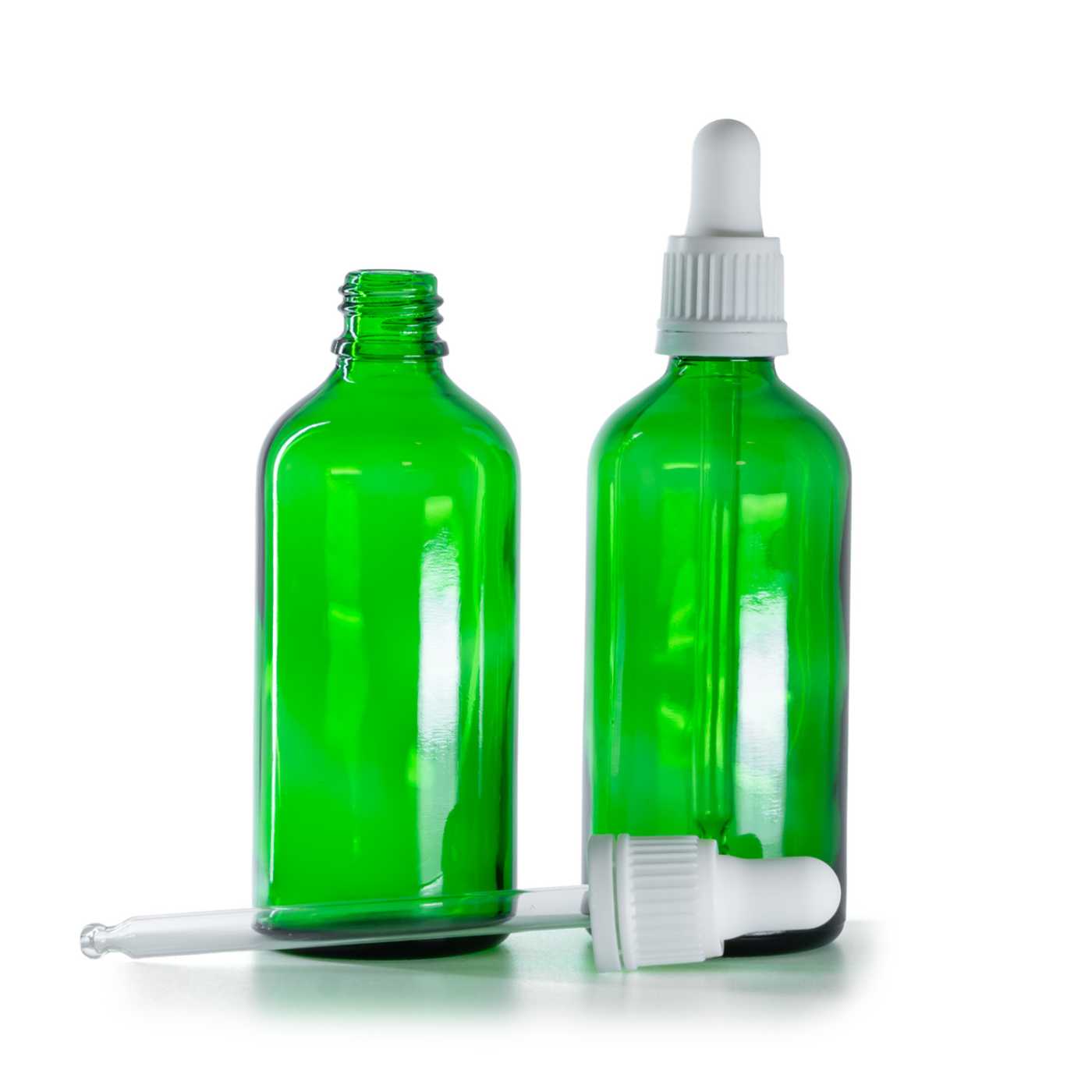
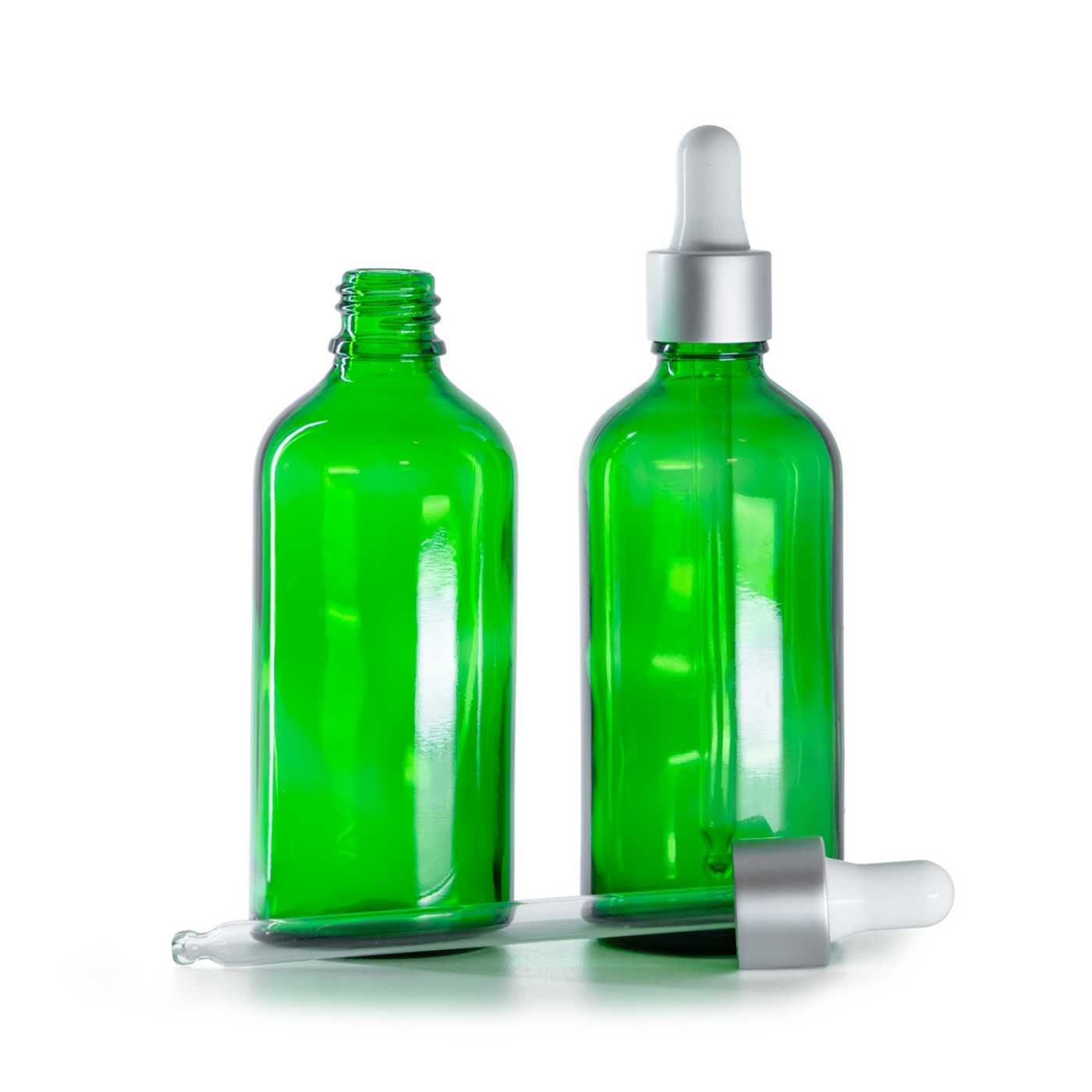
A ready-made combination of a green glass bottle in a vial shape with a capacity of 100 ml and a black cream dispenser for an 18 mm neck solves one practical issue: you dispense cream, lotion or serum by pressing, not… full description
Lowest price in the last 30 days: €1.38
Total for 1 pcs: €1.38
Quantities add up across all combinations of this bottle.
Add 69 more pcs and the price drops to €1.30/pc.
A ready-made combination of a green glass bottle in a vial shape with a capacity of 100 ml and a black cream dispenser for an 18 mm neck solves one practical issue: you dispense cream, lotion or serum by pressing, not by unscrewing the cap and scooping with your fingers. The set is designed for liquid to medium-viscosity cosmetic preparations.
Green glass blocks part of the light, making it suitable for formulations with vegetable oils, vitamins or extracts that are not helped by direct light. Glass does not react with the contents and does not absorb fragrances, which is especially valuable with scented emulsions. The dispenser seals the contents from air and delivers a small, repeatable dose with each use, which preserves the product and reduces the risk of contamination. The set is declared as suitable for contact with cosmetic products; the declaration of conformity and certificate are available with the product.
The dispenser draws the contents through a tube, so it works best with textures that flow: facial and body milks, light to medium-viscosity creams, serums, gel creams, fluids or liquid cleansing emulsions. Thick ointments, balms, butters and anhydrous textures that are solid at room temperature will not pass through the dispenser and the mechanism will jam. For these, jars or tubs are more suitable.
Pure oils can be dispensed, but may drip from the nozzle after pressing, and a thin oil may retract from the tube over time. For oil-based serums, we therefore recommend testing the behaviour on a single unit before larger-scale filling.
Set the viscosity of the emulsion so that it can be poured smoothly from the bottle. If only air comes out after pressing, or the dispenser offers great resistance, the cream is too thick and needs to be reformulated, not pushed harder.
Nominal volume is the amount the bottle is intended for during normal filling. Total volume to the brim is the physical volume up to the neck and is slightly higher. The difference provides a reserve for the dispenser, whose tube and lower part take up space in the bottle, and for the expansion of the contents with temperature changes. The bottle should therefore be filled to the nominal volume, not to the brim. If filled right up to the neck, the contents will be forced through the thread when fitting the dispenser and the outside of the bottle will get dirty.
Before first use, wash and disinfect the bottle with isopropyl alcohol or ethanol and allow to dry completely. Rinse the dispenser with warm water, or pump alcohol through it and let it drip dry. Residual water in the tube would dilute the first doses and could introduce microorganisms into the emulsion.
After fitting the dispenser, check that the tube reaches the bottom and is not bent against it. If it is too long, shorten it with a diagonal cut just above the bottom so that it draws up the last traces of the contents. The first few presses will prime the dispenser; the contents will come out after that.
Glass does not tolerate sudden temperature changes. Allow a hot emulsion to cool to at least lukewarm before filling, and do not move the bottle from cold water directly into hot. The plastic parts of the dispenser are made of polypropylene, which tolerates common cosmetic ingredients well. With a high proportion of essential oils or solvents, we recommend checking the seal on a test unit.
The dispenser does not guarantee complete leak-tightness during transport. When sending finished products to customers, wrap the bottle in a bag or seal the nozzle to prevent any leakage from soiling the parcel.
For the label, use the flat section of the bottle's body. Standard self-adhesive labels as well as wet-environment labels, which are more suitable for the bathroom, adhere well to glass.
The glass is fully recyclable once emptied; the dispenser is plastic waste and is sorted separately from glass. With repeated use, the spring action of the dispenser mechanism gradually weakens, so it is best to replace it after several cycles.
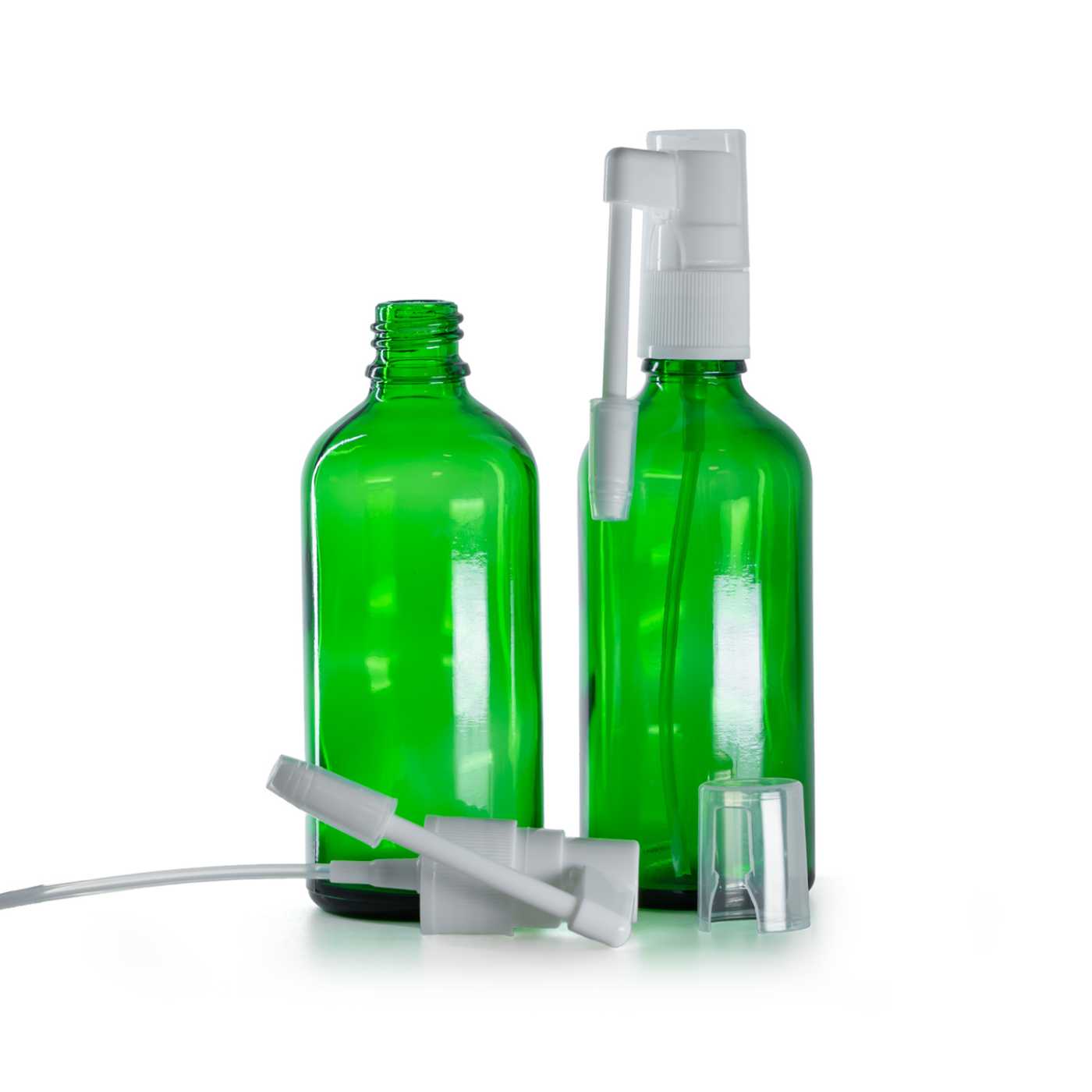
The bottle has an 18 mm neck and can also be used with other closures of the same neck type from the Handymade range. For a custom combination, we recommend checking the seal and the behaviour of the closure with the specific formulation.
Only customers with a delivered order can write reviews.