Vitamin C, Ascorbyl Glucoside, 5 g
Pre-order€6.99(€1,398.00/kg)

ACTIVE INGREDIENTS
Hyaluronic acid HMW binds a large amount of water on the skin surface and provides long-lasting hydration. It also thickens the water phase into a clear gel , so in a serum it can partly replace the thickener. full description
Lowest price in the last 30 days: €113.40
Hyaluronic acid HMW binds a large amount of water on the skin surface and provides long-lasting hydration. It also thickens the water phase into a clear gel, so in a serum it can partly replace the thickener.
This high-molecular-weight form of 1.5–2 MDa is produced by fermentation of plant-derived carbohydrates, without raw materials of animal origin. It is added to serums, creams, lotions and masks aimed at hydration, skin elasticity and fine lines.
The effect of hyaluronic acid depends on the length of its chain. Sodium hyaluronate is a polysaccharide and its chains can vary in length. A longer chain means a higher molecular weight, more bound water and less penetration into the skin.
The 1.5–2 MDa form remains mainly on the surface. There it binds water and creates a hydrating film that limits the drying out of the skin. The skin looks smoother and more elastic, and fine lines are less visible.
It penetrates into the deeper layers only slightly. For deeper penetration, forms with a lower molecular weight are chosen, and in serums the two are often combined.
The word “plant” in the name refers to the origin of the raw material. Hyaluronic acid used to be obtained from animal tissues, for example from rooster combs. This one is produced by microbial fermentation of carbohydrates from maize, wheat and sugar cane. The fermentation is carried out by a non-genetically modified strain of Streptococcus zooepidemicus.
The raw material is vegan, gluten-free, free of palm oil-derived ingredients and GMO-free. It holds COSMOS Approved and NATRUE Approved status.
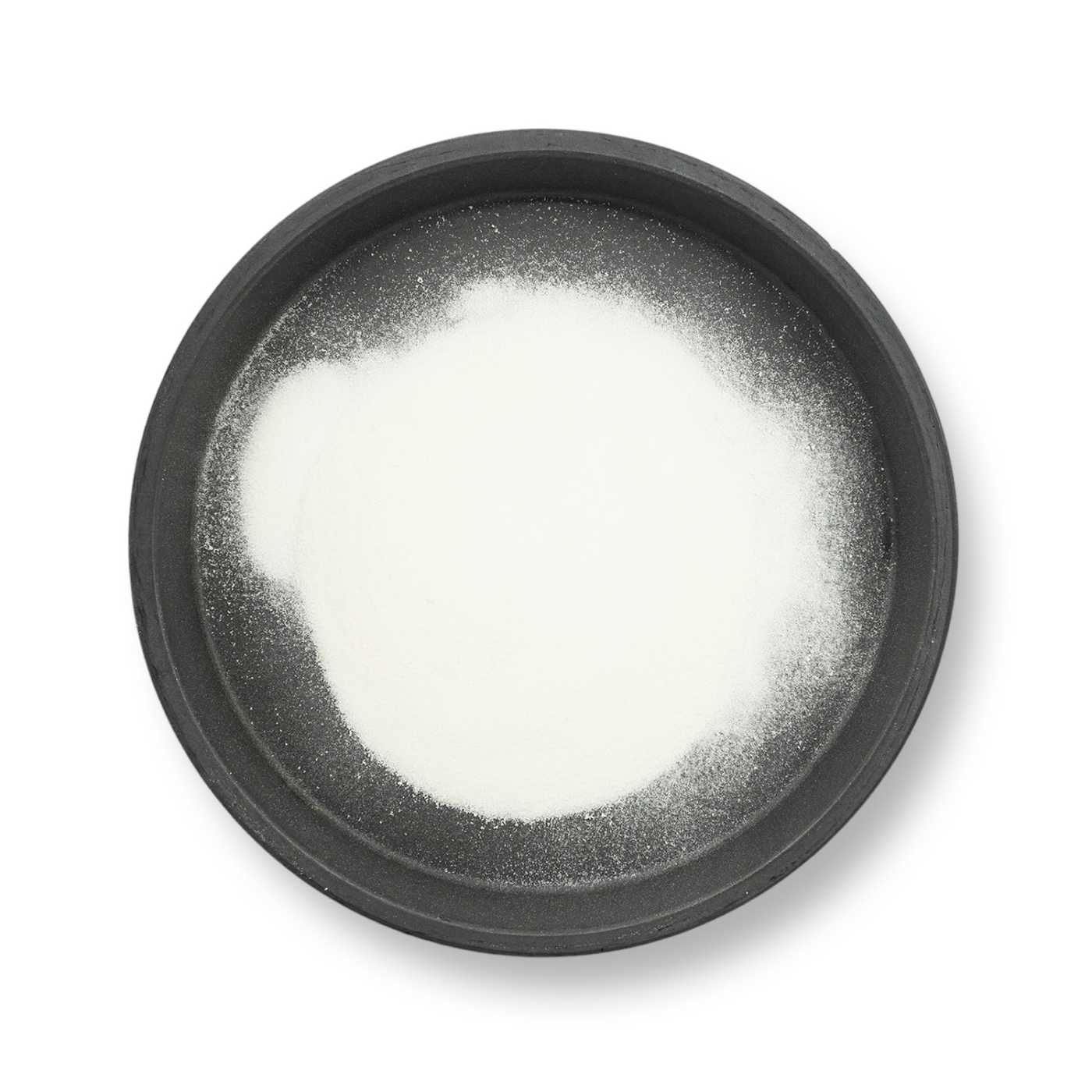
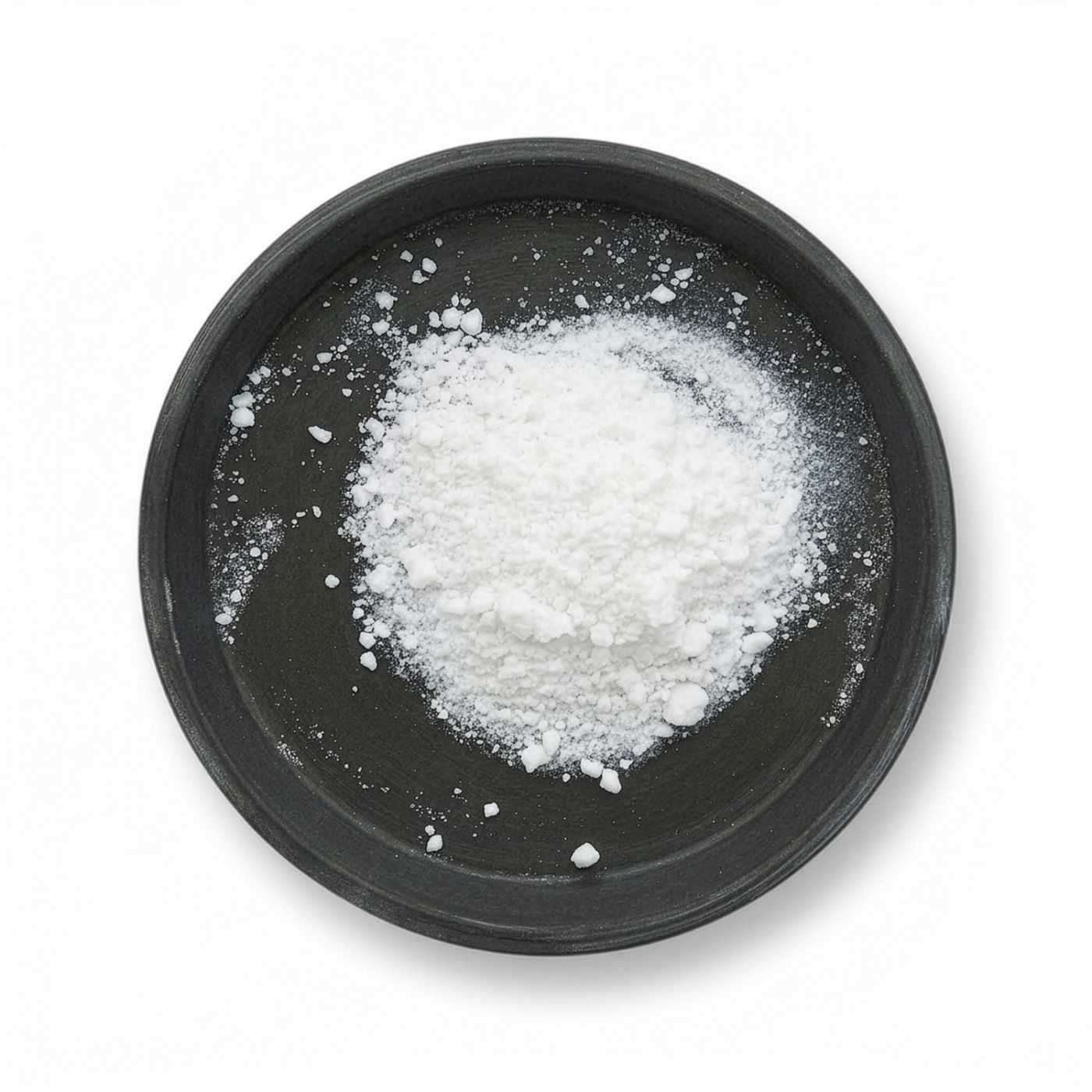
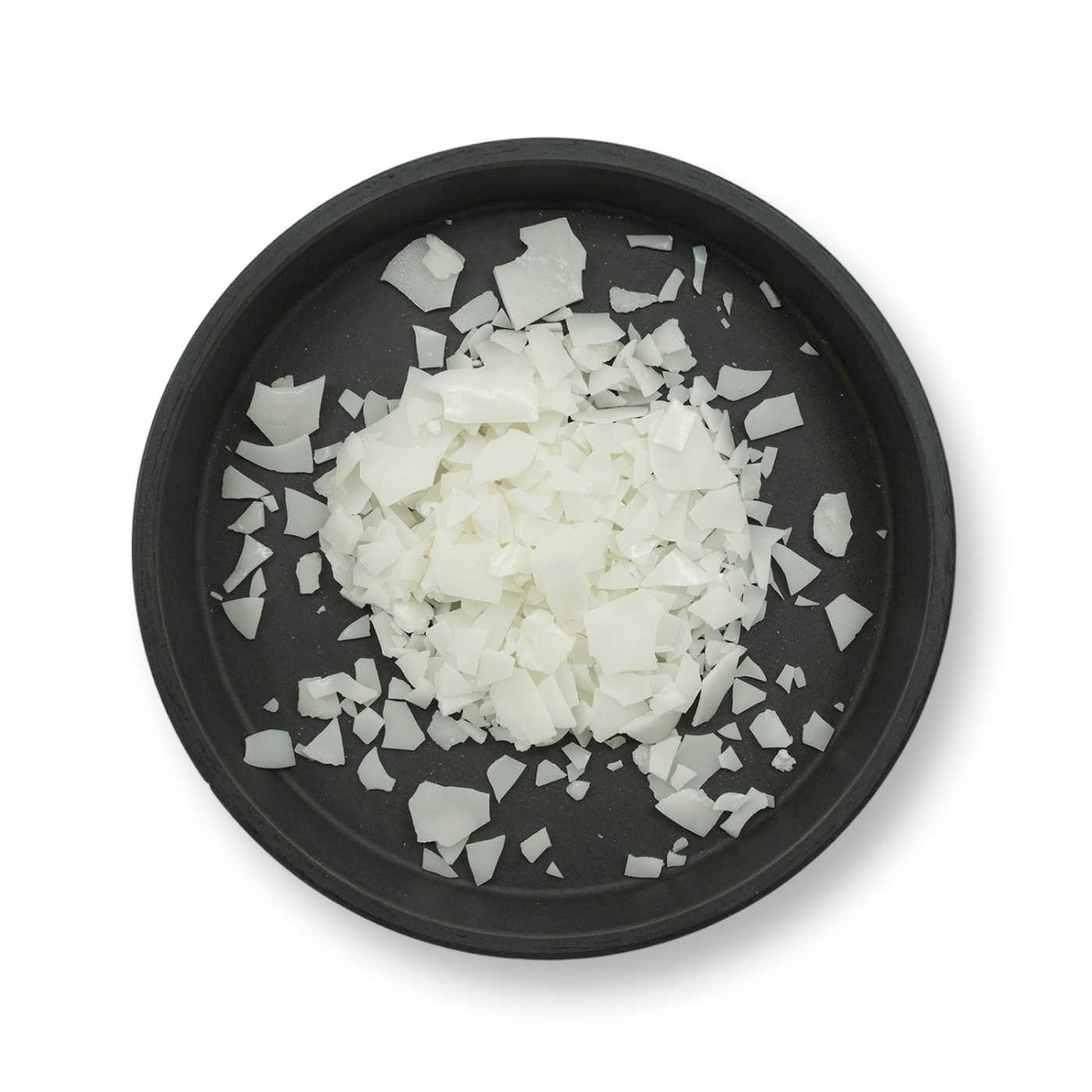
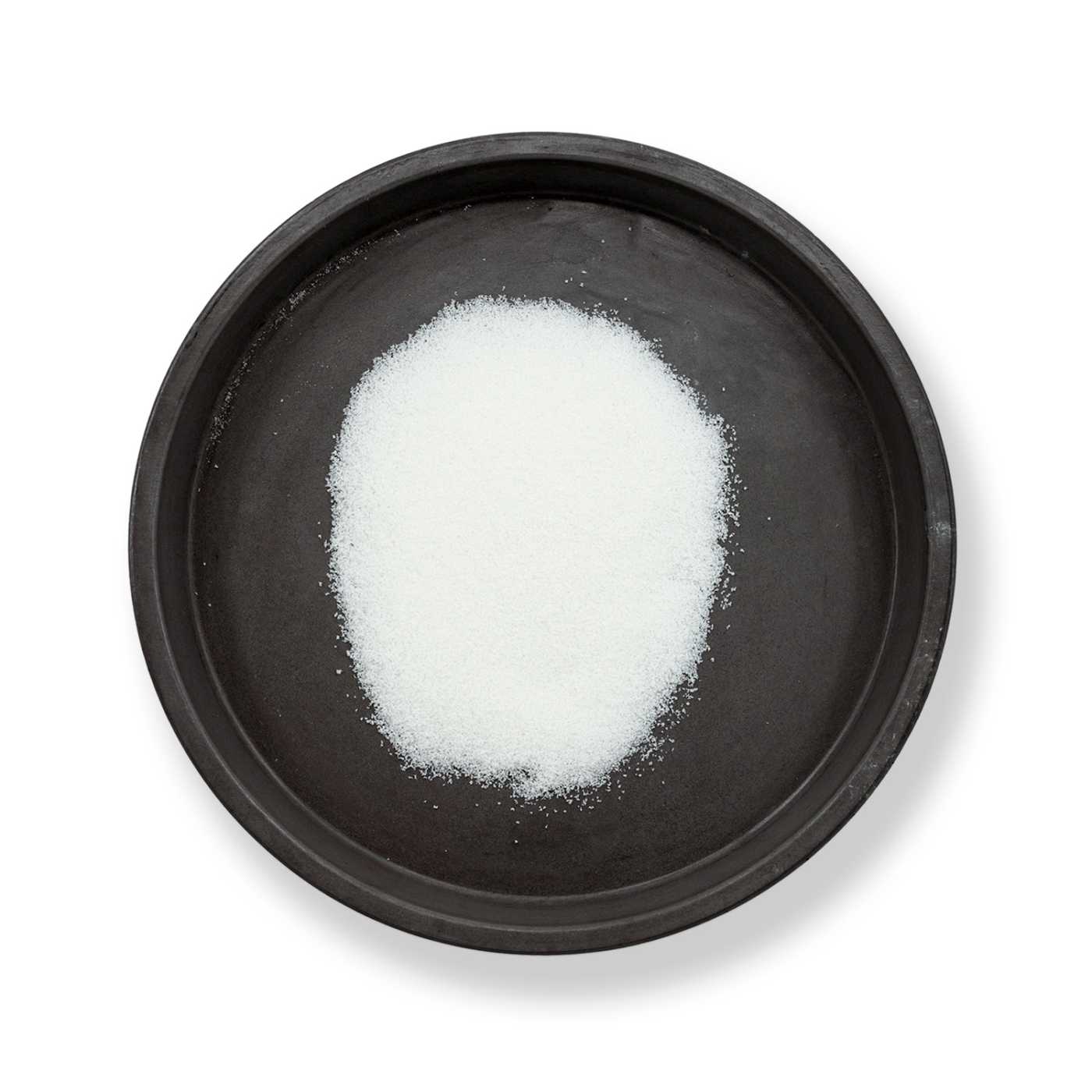
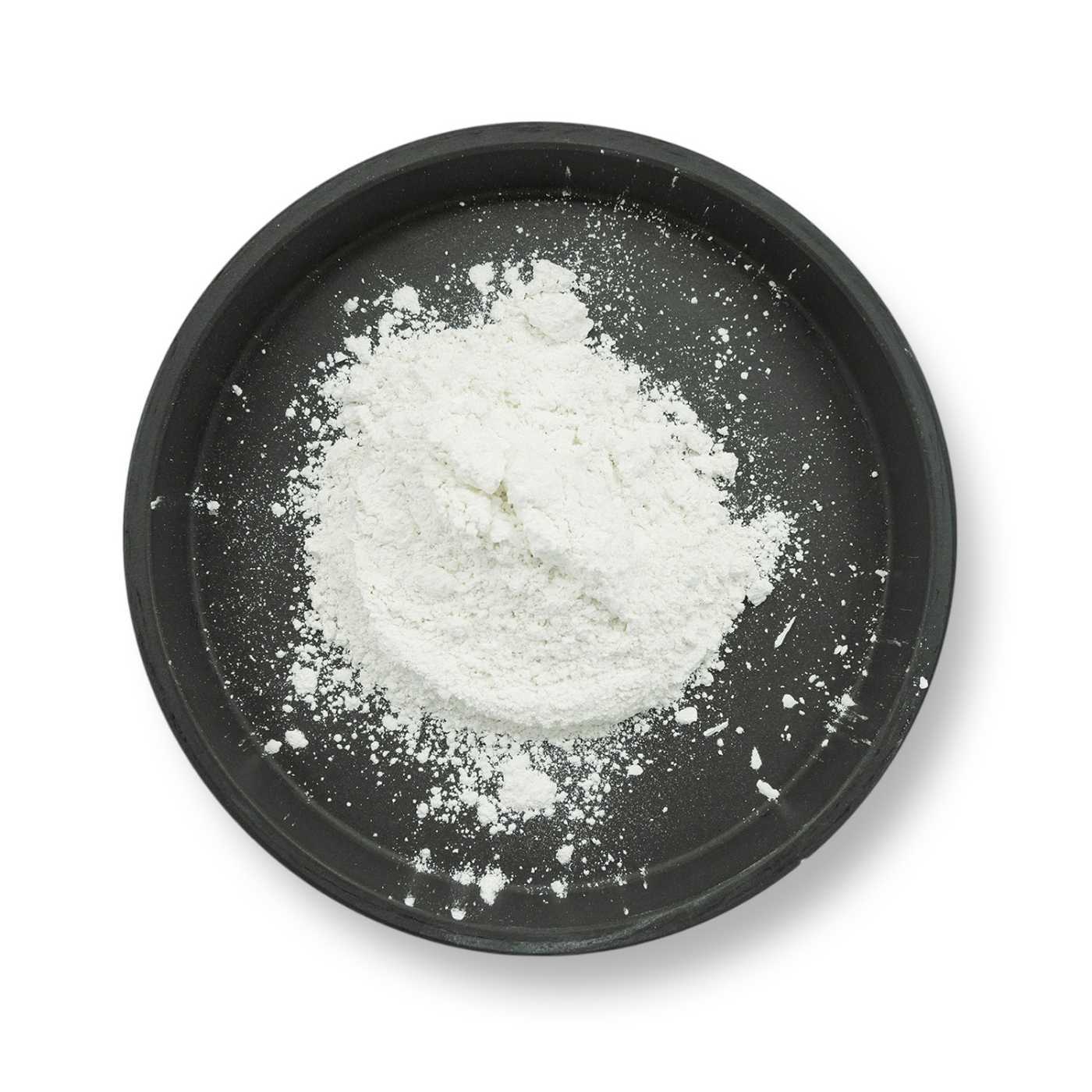
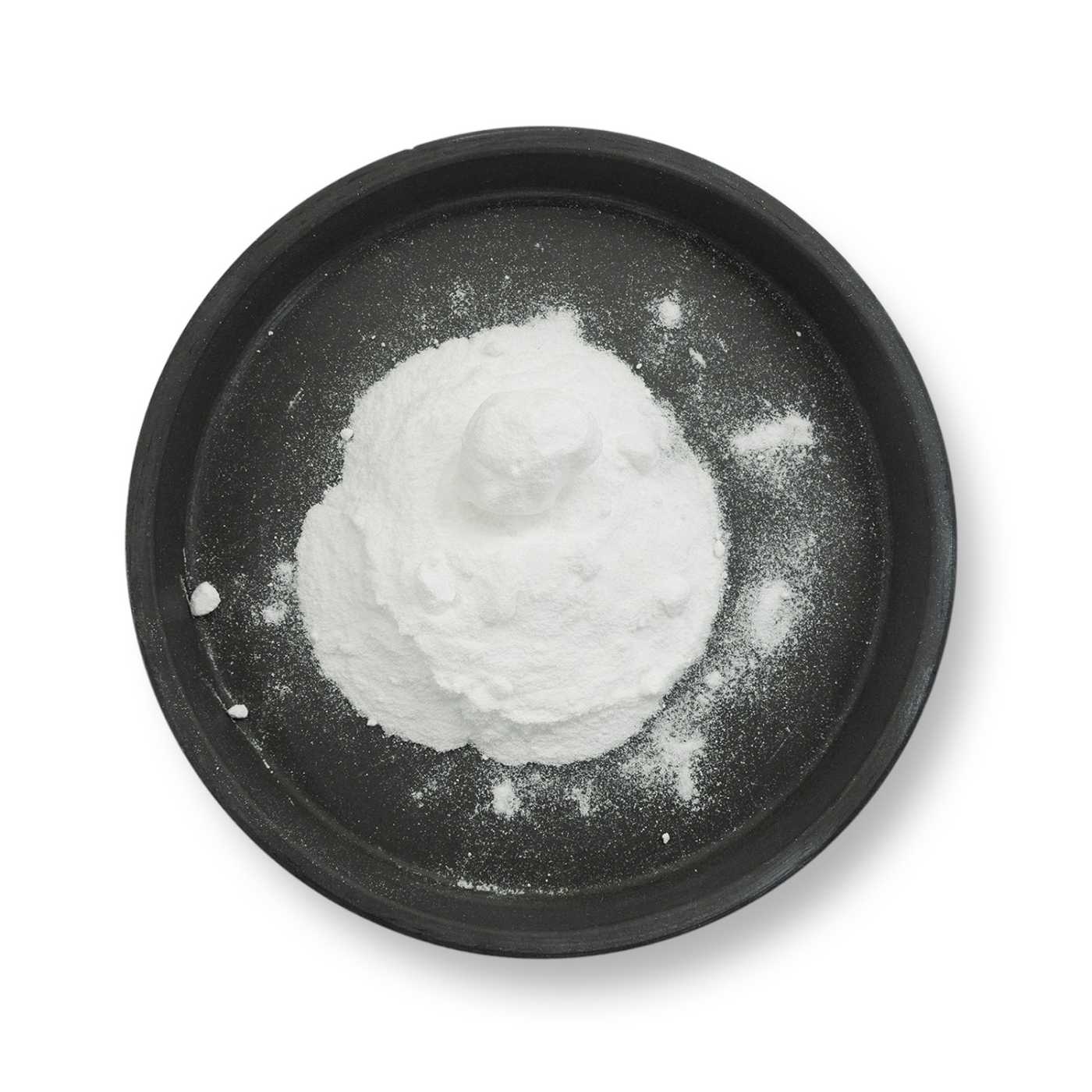
The white powder dissolves in water and belongs in the water phase. It is processed at a temperature below 40 °C. In emulsions it is added only after cooling, together with other sensitive ingredients, or it is pre-hydrated in cold water.
Dissolving takes time. Sprinkle the powder into the water gradually while mixing intensively until it dissolves completely. If added all at once, it forms lumps with a dry core. If dissolving is slow, a short homogenisation at the lowest setting helps.
Lumps can be prevented in two ways. Sprinkle the powder onto the surface of the water phase, let it swell overnight and only then stir. Or first mix it with glycerine, add it to the water and leave the mixture to finish hydrating for several minutes.
The high-molecular-weight form does not tolerate strong shear forces. Long, intensive homogenisation can break the chains, after which the gel thins and the effect decreases.
The usage rate is 0.05–0.5%, most often around 0.1% in formulations. Face creams usually contain 0.1–0.2%, masks around 0.05%. At 0.2–0.5% it forms a clear gel in water with a typical slippery feel, which in a serum replaces part of the thickener. At lower rates the thickening is barely noticeable and hyaluronic acid is usually supplemented with xanthan gum or carrageenan. Above 0.5% the product thickens considerably and becomes more expensive.
The finished product should have a pH in the range of 5–8.

Great!
Translated automatically
A quality product
Translated automatically