−10 % with codePre-orderSold out
VIVASTAR CS 3005 XV, Caesalpinia Spinosa Gum, Xanthan Gum, 50 g
€6.99(€139.80/kg)

CO2 Extracts
Pack size10 ml50 ml
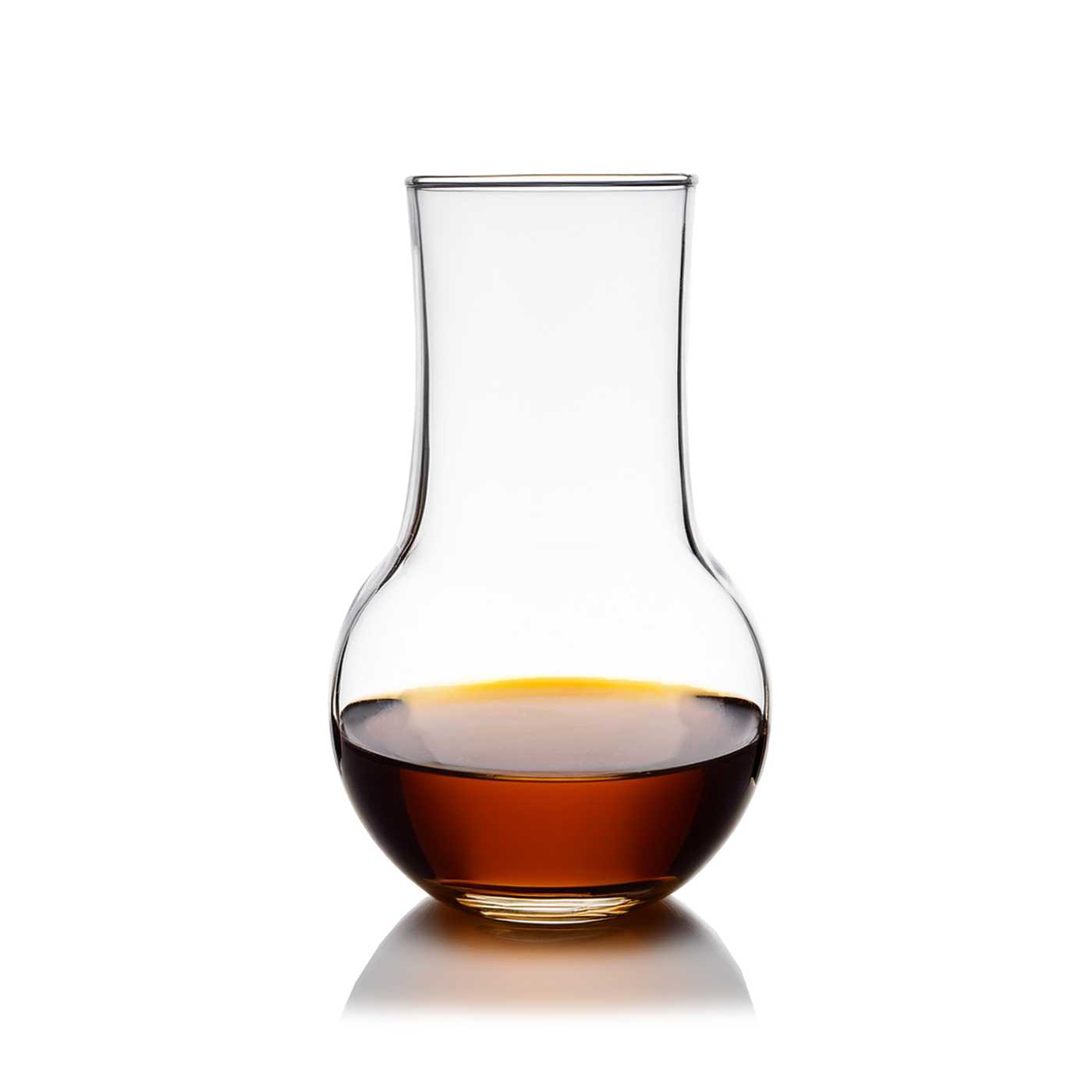
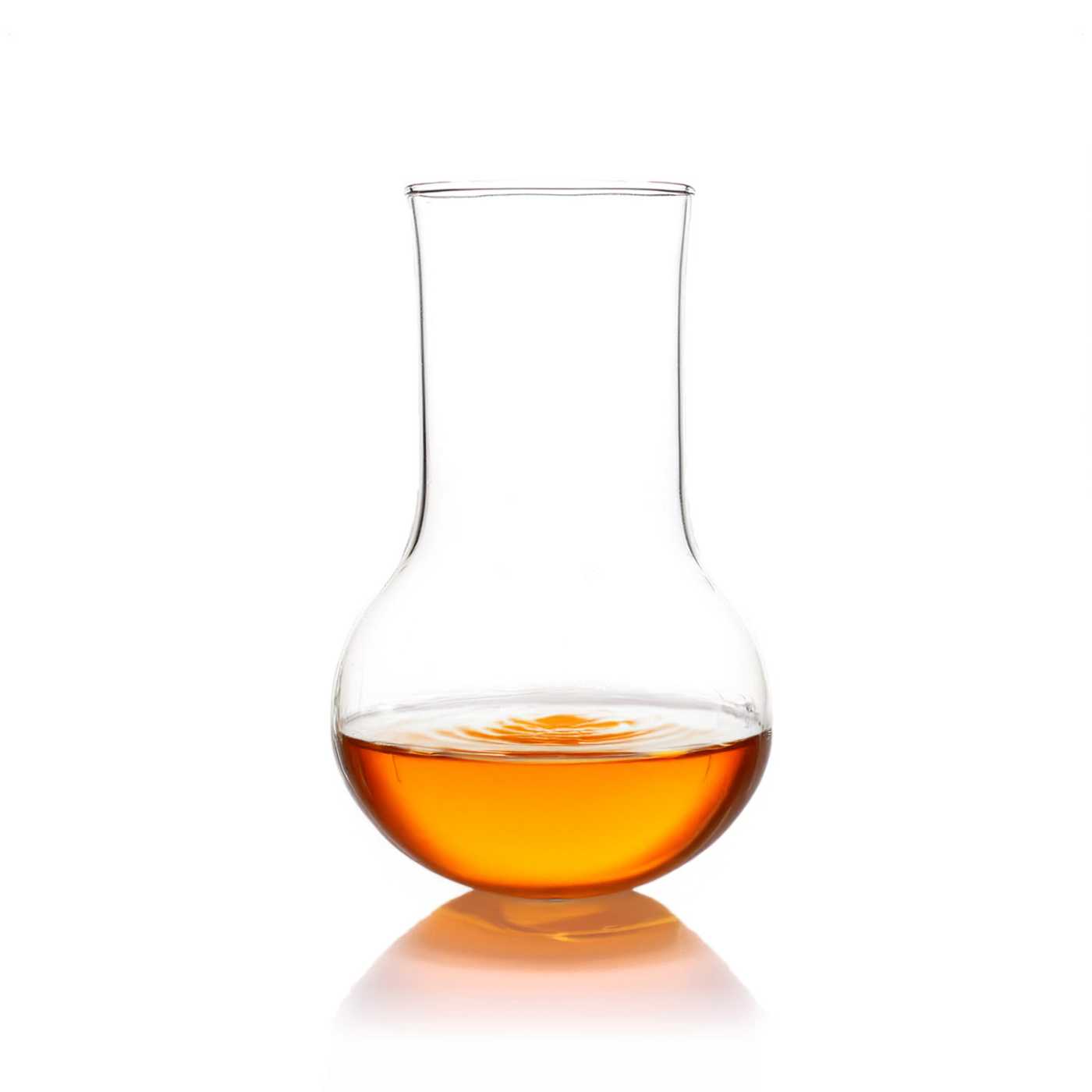
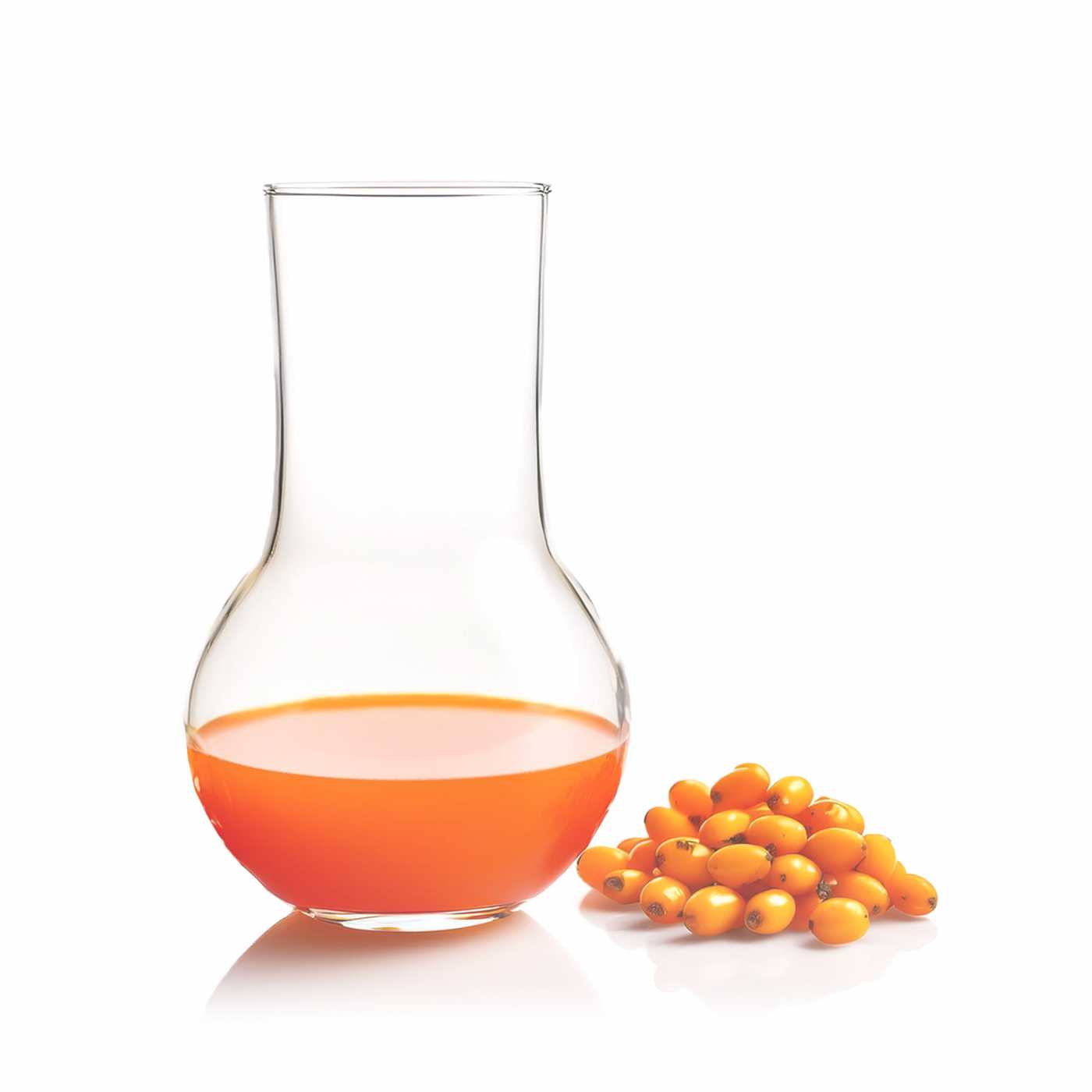
Sea buckthorn pulp CO2-to extract, organic brings the carotenoids and fatty acids of sea buckthorn pulp into cosmetics without dilution in a carrier oil. full description
Lowest price in the last 30 days: €4.99
Sea buckthorn pulp CO2-to extract, organic brings the carotenoids and fatty acids of sea buckthorn pulp into cosmetics without dilution in a carrier oil. It is obtained from the fruits of sea buckthorn (Hippophae rhamnoides) by carbon dioxide extraction, which draws the full range of fat-soluble substances out of the pulp.
It is used in products for dry, stressed and mature skin, in body oils and balms, and in hair care. The extract is of European origin and comes from plants grown to organic standards.
Sea buckthorn pulp is rich in carotenoids. These pigments act as antioxidants and help protect the skin from the effects of free radicals. The fat component consists mainly of palmitoleic and palmitic acid, accompanied by tocopherols and phytosterols.
On the skin, the extract acts as a nourishing oil. It softens the skin, replenishes lipids in its surface layer and limits water evaporation, thereby supporting hydration. It is added to formulations for the regeneration and soothing of dry, rough or environmentally stressed skin and to mature skin care. In hair care, it supplements the oil component of masks and oils for the hair ends.
The designation CO2-to means total extract. Under pressure, carbon dioxide draws the fat-soluble substances out of the pulp and, once the pressure is released, escapes from the extract completely. No solvents remain in the raw material.
The extract always belongs in the oil phase. It is oil-soluble and does not dissolve in water. In anhydrous products such as face oils, oil serums and balms, it is mixed into the other oils. In products containing water, it is incorporated through an emulsion or with a suitable solubiliser, otherwise it separates from the water phase.
Temperature is important. In emulsions, the extract is added only after cooling; in balms and butters, it is added to the cooled mixture. In oil blends prepared cold, it is added directly.
Process the extract at a temperature below 40 °C. Do not add it to the hot phase while melting wax or during emulsification.
It is compatible with anionic and non-ionic surfactants and with both acidic and neutral pH. It can also be used in cleansing products. In the sample shower gel formulation, it is used at 2%, in the oil phase together with vegetable oils, squalane, caprylic/capric triglyceride and rosemary extract.
For a new formulation, we recommend starting with a small test batch and checking the shade of the finished product.
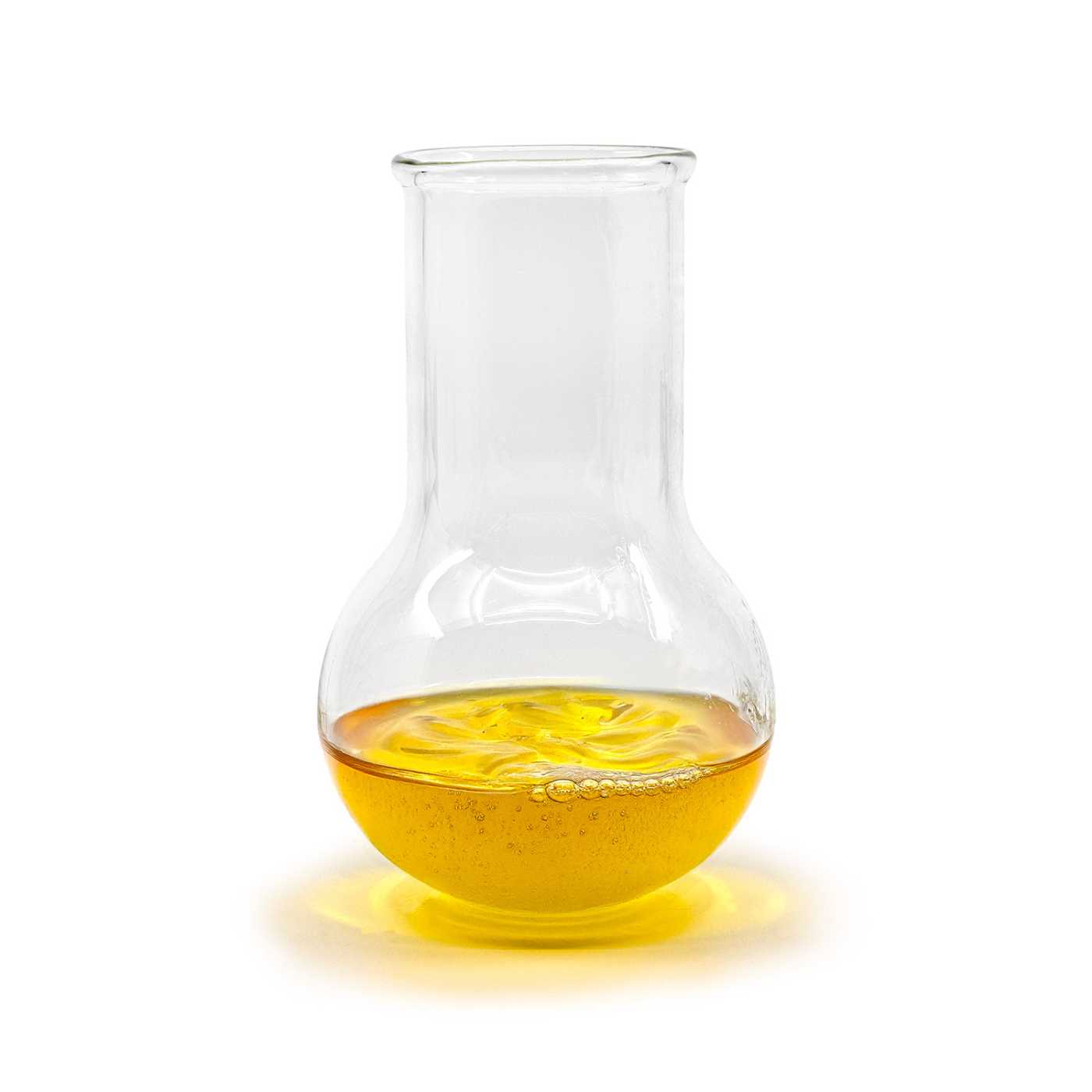
The extract is clear to cloudy and has the typical sea buckthorn scent. Slight cloudiness of the raw material itself is not a defect.
Unrefined sea buckthorn pulp oil is more sensitive to oxidation than refined oils. After opening, it is worth limiting its contact with air and heat.
The raw material is not classified as hazardous under the CLP Regulation. When handling the concentrated extract, we recommend oil-resistant gloves and eye protection.

Handymade quality extracts, I love them.
Translated automatically