+421 950 333 113info@handymade.store

Spend over €100 for discounted shipping!

CO2 Extracts

Vanilla CO2-to Extract, 12% vanillin, 50 g

Pack size5 g10 g50 g

Vanilla CO2-to extract, 12% vanillin Vanilla CO2-to extract brings the fragrance and flavour of genuine fermented vanilla pods to cosmetics in concentrated form. full description

AvailabilityPre-order
Product codeCO701_50
€121.96incl. VAT€2,439.20/kg

Lowest price in the last 30 days: €121.96

Expected back in stock: 20 Nov.~20 pkg on the way to us. This variant is currently out of stock — your order will be a pre-order and delivery may take longer.

Product description

Vanilla CO2-to extract, 12% vanillin

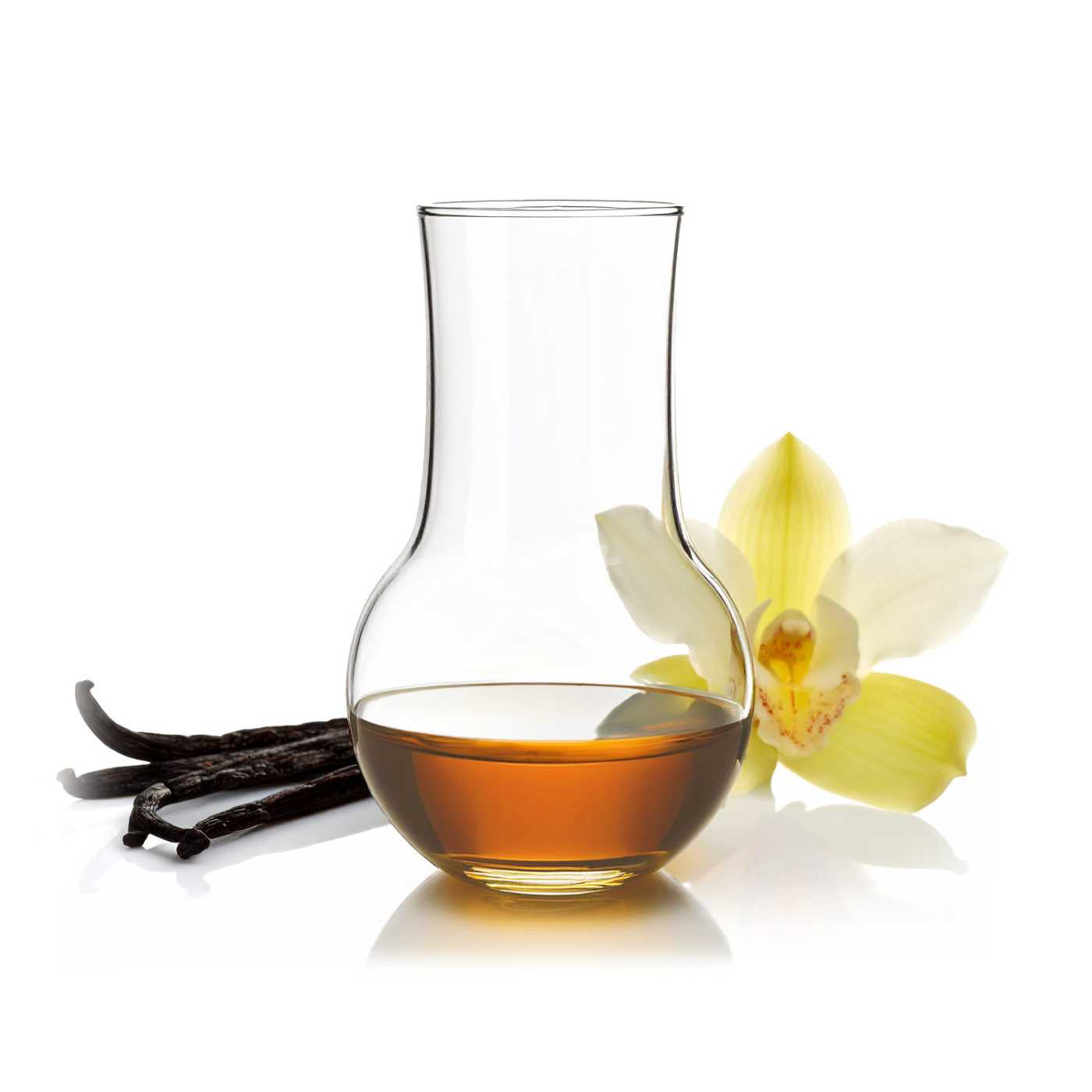
Vanilla CO2-to extract brings the fragrance and flavour of genuine fermented vanilla pods to cosmetics in concentrated form. It is obtained from the dried fruit of Vanilla planifolia by supercritical carbon dioxide extraction, with ethanol as a co-solvent. One kilogram of extract requires 11–14 kg of pods, and the finished raw material contains 11–13% natural vanillin. In a formulation it works as a fragrance ingredient, and in lip balms, lipsticks and toothpastes it also improves the taste. It is both cosmetic grade and food grade, so it can also be used as a flavouring in the making of confectionery, desserts, drinks or liqueurs.


What it smells like

Fermented vanilla pods are among the most aromatically complex raw materials, containing more than 250 fragrance and flavour components. Carbon dioxide extraction captures them gently, so the extract has a high proportion of top notes and the fragrance is well balanced. The base is a sweet vanilla note with a subtle rum-like hint, complemented by light to medium resinous notes. In the background there is a hay-like, phenolic character typical of fermented pods. Besides vanillin, the extract contains traces of p-hydroxybenzaldehyde, vanillic acid and lipids from the pods.


Key properties

  • Fragrance ingredient with natural vanillin – with an 11–13% vanillin content, the extract is a concentrate for oil-based products, balms and perfume compositions.
  • Fragrance and flavour in one raw material – it scents cosmetics, flavours toothpastes and improves the taste of lipsticks and lip balms.
  • Soluble in oil and alcohol – it belongs in the oil phase and is compatible with alcohol, but it does not dissolve in water.
  • Antioxidant and soothing effect – the literature attributes an antioxidant effect to vanilla extract, and it has a soothing effect on the skin. Its main function, however, remains fragrance.
  • Verified natural origin – the extract is approved according to COSMOS (Ecocert Greenlife) and NATRUE (EcoControl) standards, has halal and kosher certificates and contains no GMO-derived ingredients.

Use in formulations

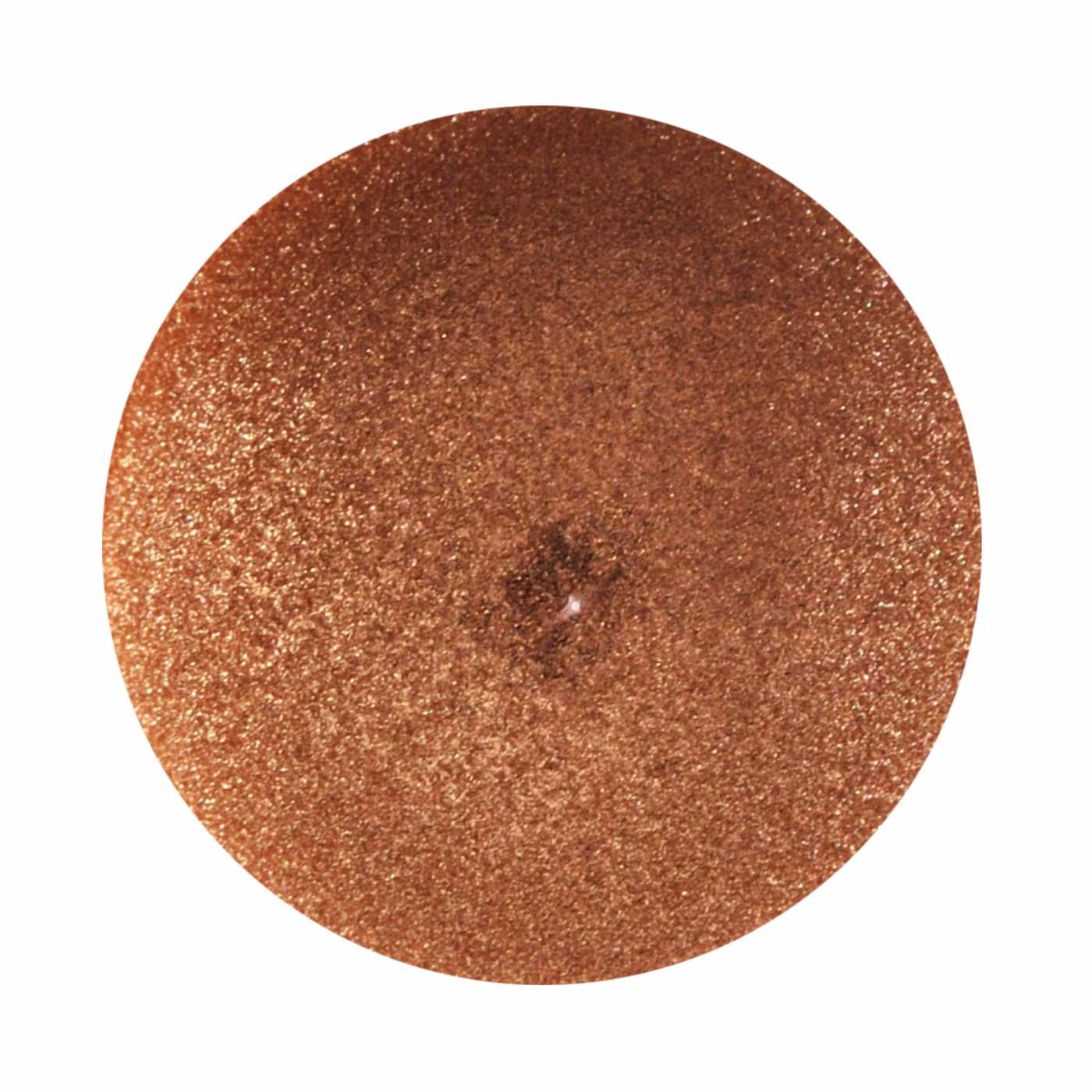
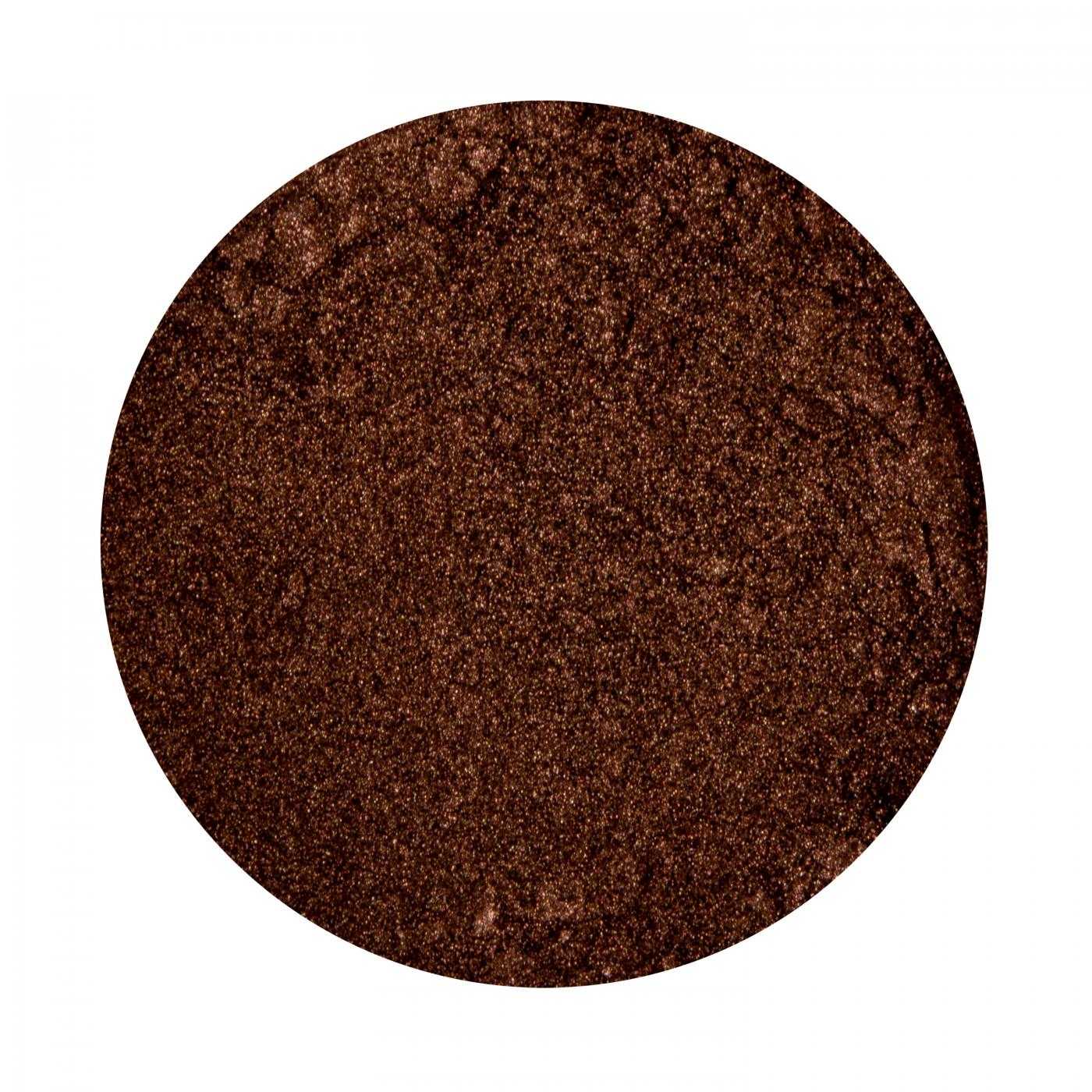
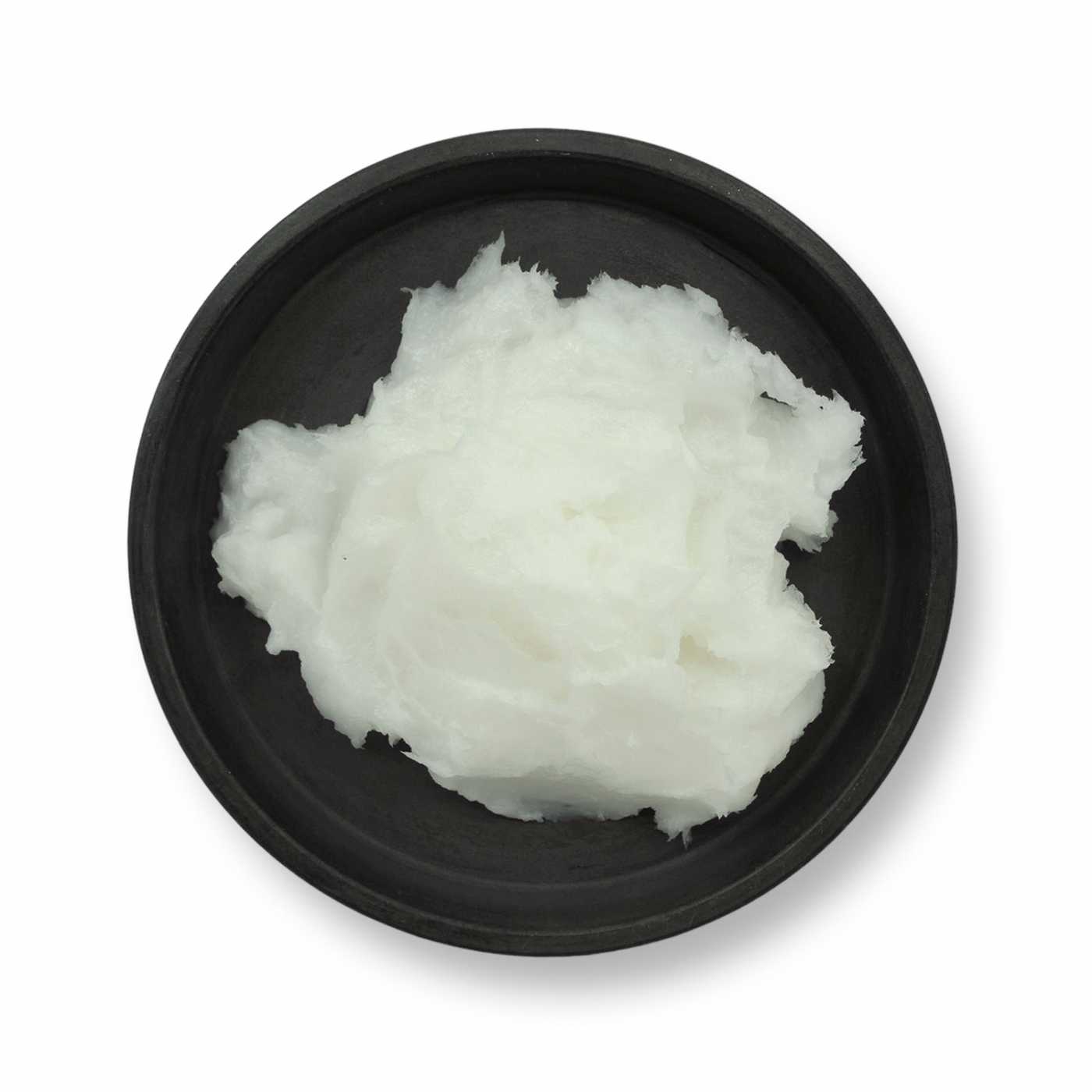
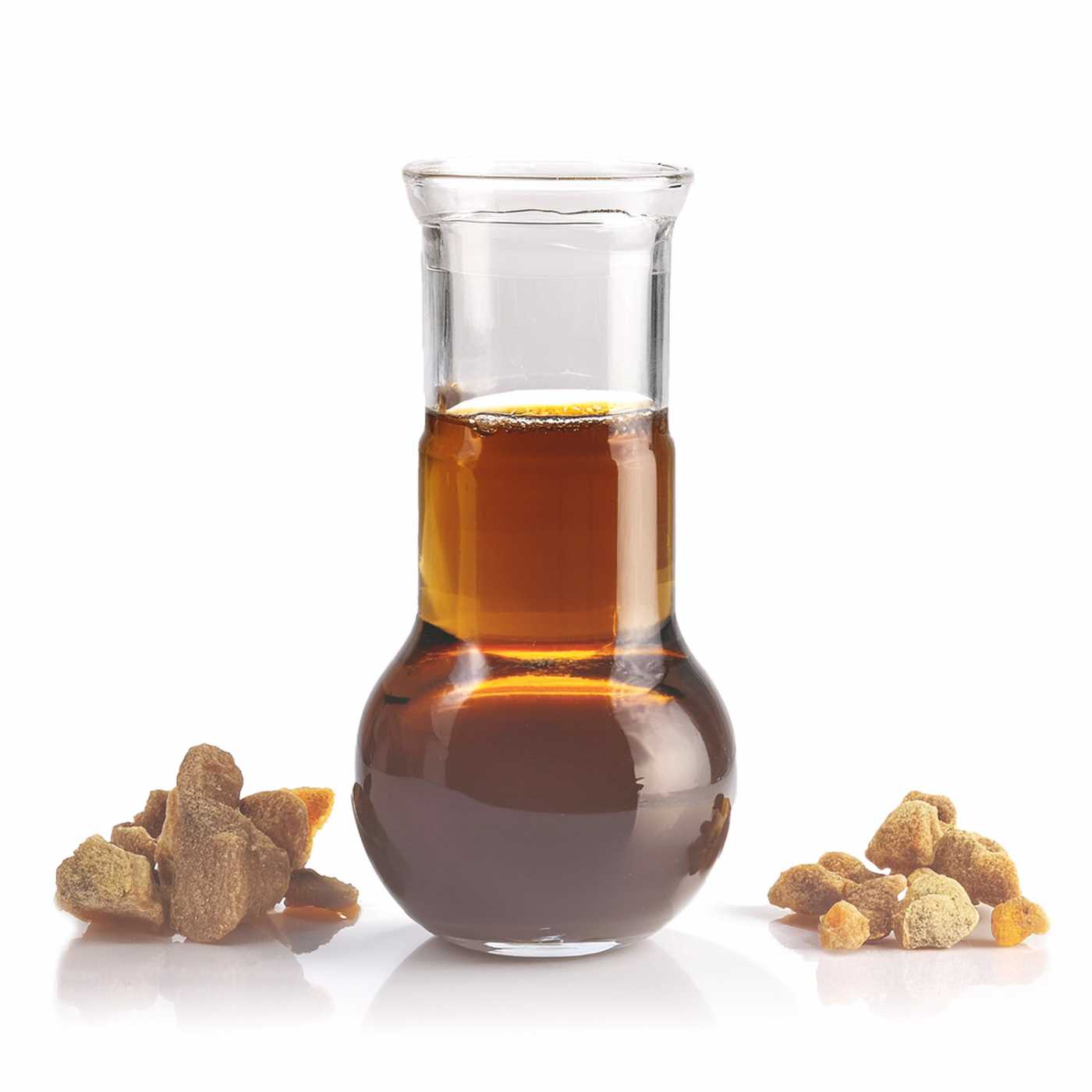
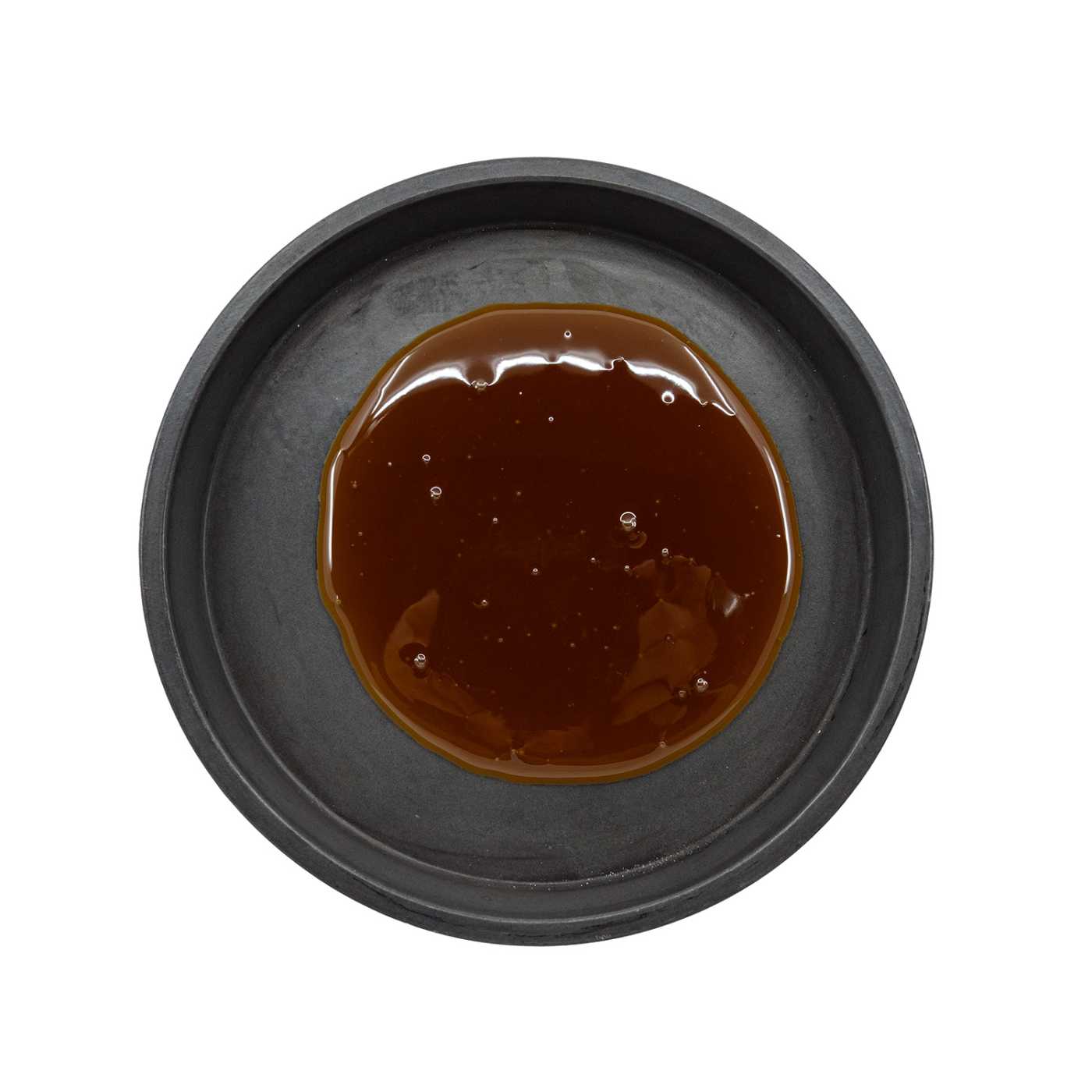
At room temperature the extract has a viscous to paste-like consistency and a light brown to brown colour. Before use, melt it and mix thoroughly, and only then weigh it out. The recommended processing temperature is up to 40 °C. For this reason, add it to emulsions only after cooling, at the end of mixing.

Place the container with the extract in a warm water bath, stir, and weigh it out only when it is liquid. An unstirred, paste-like extract cannot be measured out accurately.

The extract is added to the oil phase. It dissolves in vegetable oils and butters and is also compatible with alcohol, so it is suitable for alcohol-based perfumes. It does not dissolve in water. It works best in formulations with a pH of 4–8 and is intended for leave-on and rinse-off products for all skin types.

There is no single universal usage rate. The manufacturer does not state a recommended range, and the maximum permitted amount in the finished product is determined by the IFRA limit for the given category; for example, category 1 includes lip products. You can find the limits for all categories in the IFRA certificate in the Product documentation section.

The extract is a concentrated raw material intended for further processing. Do not apply it directly to the skin or consume it undiluted. Keep it out of the reach of children.


Suitable for products such as

  • Lip balms and lipsticks – vanilla fragrance and a sweetish taste, with the usage rate according to the IFRA limit for category 1.
  • Toothpastes and mouthwashes – a natural flavouring and fragrance ingredient.
  • Body oils, butters and creams – it dissolves in the oil phase without any additional auxiliary substances.
  • Solid, oil-based and alcohol-based perfumes – a sweet vanilla base for the composition.
  • Hair oils and serums for hair ends – it dissolves in an oil base without any adjustments.
  • Home food use – a flavouring for baked goods, desserts, ice cream or liqueurs.

Good to know

Colour. The extract is brown, so it slightly tints light creams, balms and butters. For colourless products, test a small amount and monitor the colour during the stability test as well.

Allergens. The product contains fragrance allergens listed in Annex III of Regulation (EC) No 1223/2009, as amended by Regulation (EU) 2023/1545. If a concentration of 0.01% in rinse-off or 0.001% in leave-on products is exceeded, the substance must be stated in the list of ingredients. The typical content of individual allergens in the extract is given in the allergen sheet.

Classification. The substance is classified under the CLP Regulation and labelled with the GHS07 pictogram (irritant, sensitisation, mild toxicity). It is not classified as CMR. Details on safe handling are provided in the safety data sheet. The product is expected to contain volatile organic compounds and residual ethanol from the extraction at less than 0.2%.

Purity. The extract contains no inorganic salts, heavy metals or viable microorganisms. It contains no materials of animal origin and does not require CITES certification.

The raw material meets the requirements of Regulation (EC) No 1334/2008 on flavourings and of Regulation (EC) No 1223/2009 on cosmetic products, so you can use a single pack for both cosmetics and home-made sweets.


Frequently asked questions

Is vanilla CO2 extract soluble in water?
No, vanilla CO2-to extract does not dissolve in water. It dissolves in vegetable oils, butters and alcohol, so it is added to the oil phase or to an alcohol base. It is not directly suitable for products without an oil or alcohol component, and it is advisable to check its behaviour in the formulation beforehand on a small sample, including the appearance after several days.
How much vanilla CO2 extract should I add to a lip balm?
There is no single universal value; the amount is determined by the IFRA limit for category 1, which includes all lip products. The manufacturer does not state a recommended usage range. The specific limits for each product category are given in the IFRA certificate in the Product documentation section. The extract contains 11–13% vanillin, so a pronounced taste and fragrance can be achieved within this limit.
Why is vanilla CO2 extract solid at room temperature and how do I process it?
At room temperature the extract has a viscous to paste-like consistency because, besides aromatic compounds, it also contains lipids from the pods. Before use, warm the container in a water bath, stir the contents and weigh them out in liquid form. The processing temperature should not exceed 40 °C. In emulsions, add it in the final phase after cooling.
Will vanilla CO2 extract colour the finished product?
Yes, the extract is light brown to brown and, depending on the usage rate, it will tint light products. In darker butters, oils or tinted lipsticks it is not visible. For white creams and colourless balms, make a sample and monitor the colour during the stability test.
Do I have to list vanilla CO2 extract among the allergens in the list of ingredients?
The extract contains fragrance allergens from Annex III of Regulation (EC) No 1223/2009, but they must be listed only when their concentration in the finished product exceeds 0.01% in rinse-off or 0.001% in leave-on products. Whether you exceed the limit depends on the usage rate of the extract and on the typical content of the given substance according to the allergen sheet. The calculation is done separately for each allergen.

Parameters

INCI
Vanilla Planifolia Fruit Extract
CAS No.
84650-63-5
EC number
283-521-8
Product colour
Brown
Odour
Sweet
Appearance
Paste
Formulation phase
Oil phase
Function in formulation
Fragrance component
Recommended processing temperature
< 40 °C
Application area
FaceHairBodyLips
Recommended formulation pH range
4 – 8
Application type
Leave-onRinse-off
Suitable for
All skin types
Natural Index (NI ISO 16128)
1,00
Natural Origin Index (NOI ISO 16128)
1,00
Renewable Carbon Content (RCC)
100 %

Product documentation

CoACertificate of Analysis
batch 662105PDF ↓
batch 52412PDF ↓
batch 362212PDF ↓
batch 6623VPDF ↓
Laboratory results of a specific batchPDF ↓
TDSTechnical Data Sheet
Physical parameters and processingPDF ↓
IFRAIFRA Certificate
batch 6623VPDF ↓
batch 662105PDF ↓
batch 52412PDF ↓
batch 362212PDF ↓
AllergensAllergen Declaration
batch 6623VPDF ↓
batch 362212PDF ↓
SDSSafety Data Sheet
Available for purchased products —
Download all (ZIP)

12 PDF files in one archive

Sascha29 Sept 2026DE

Verified purchase

Variant: Vanilkový CO2-to extrakt BIO, 12% vanilín, 10 g