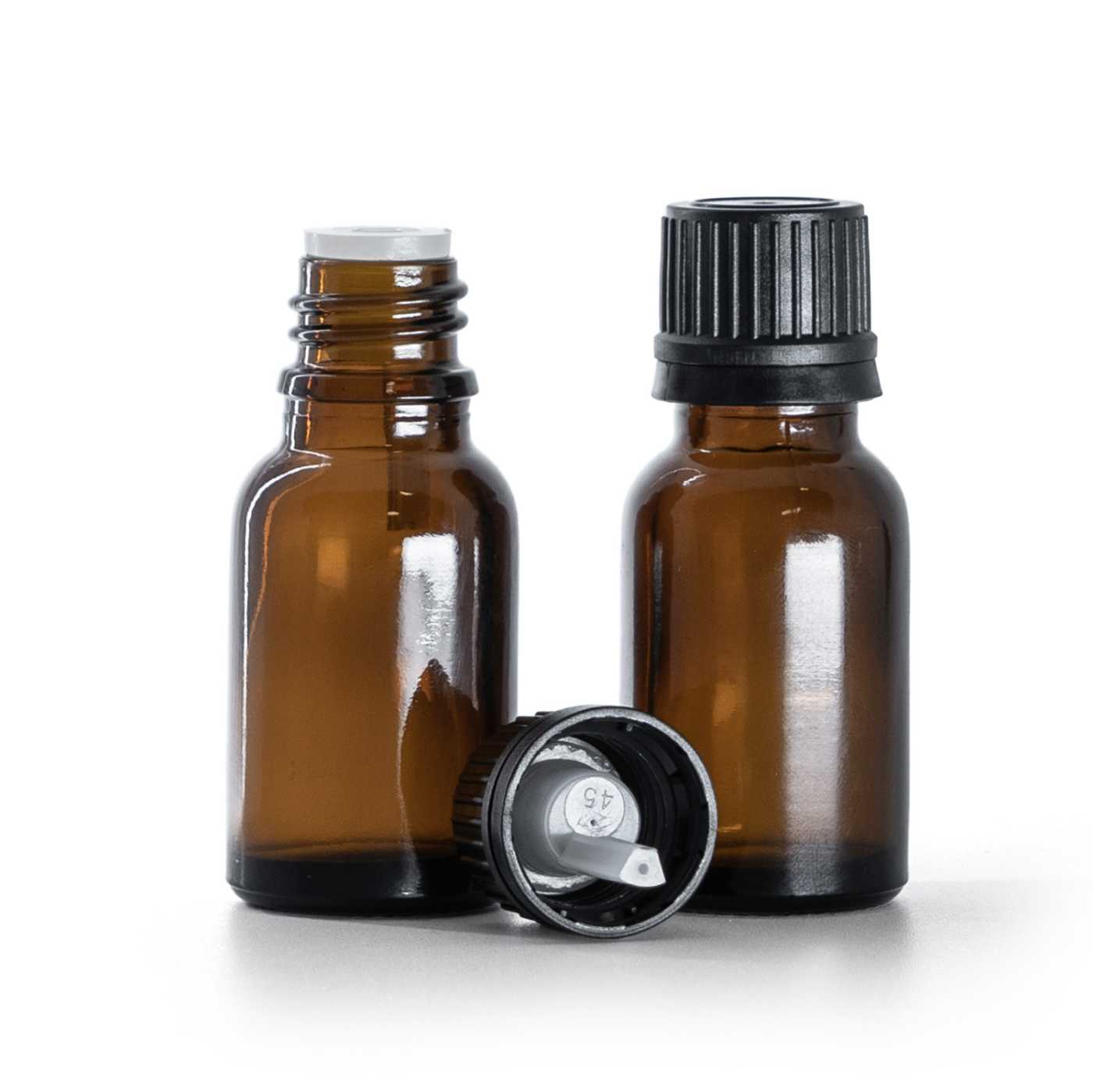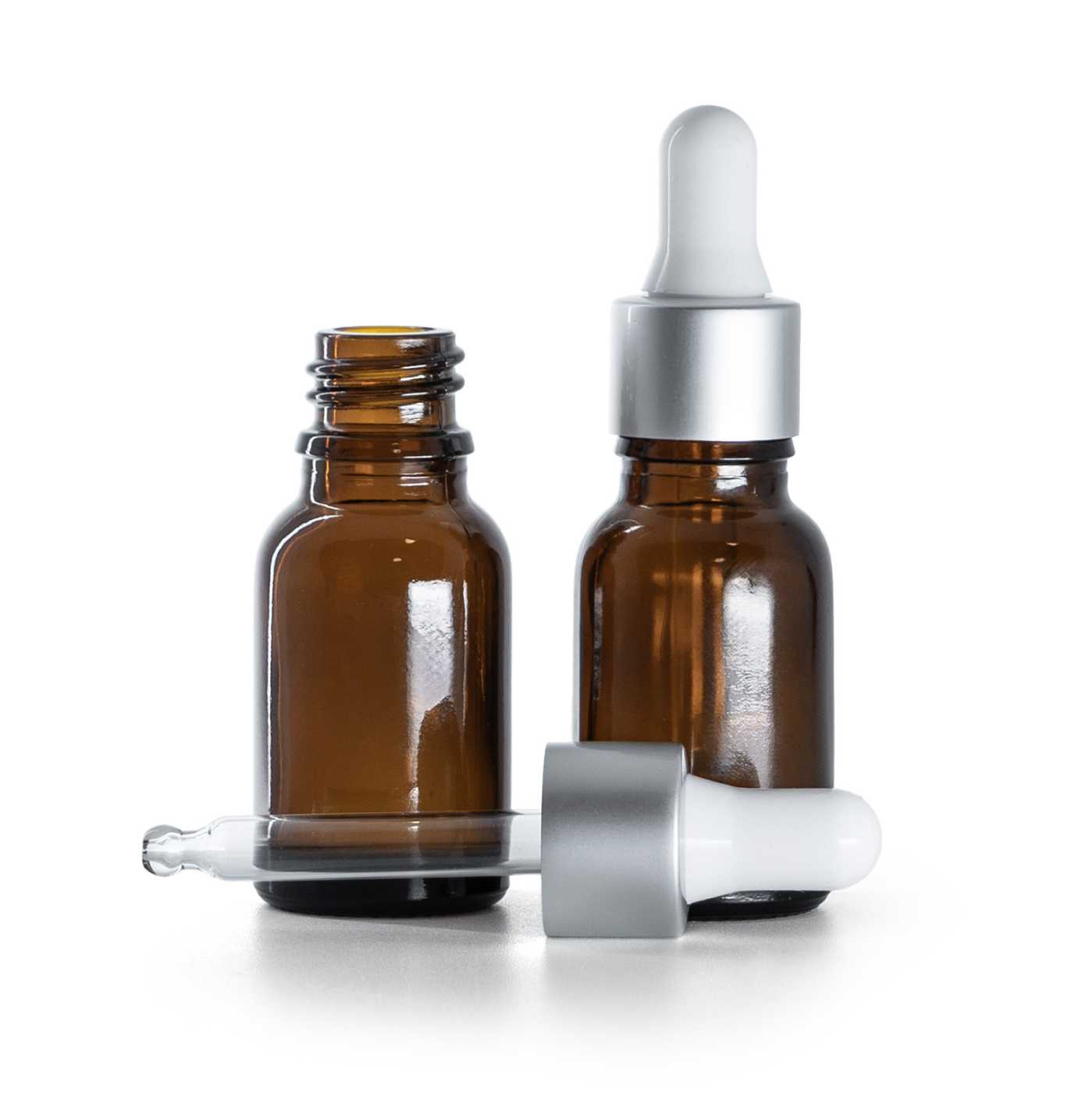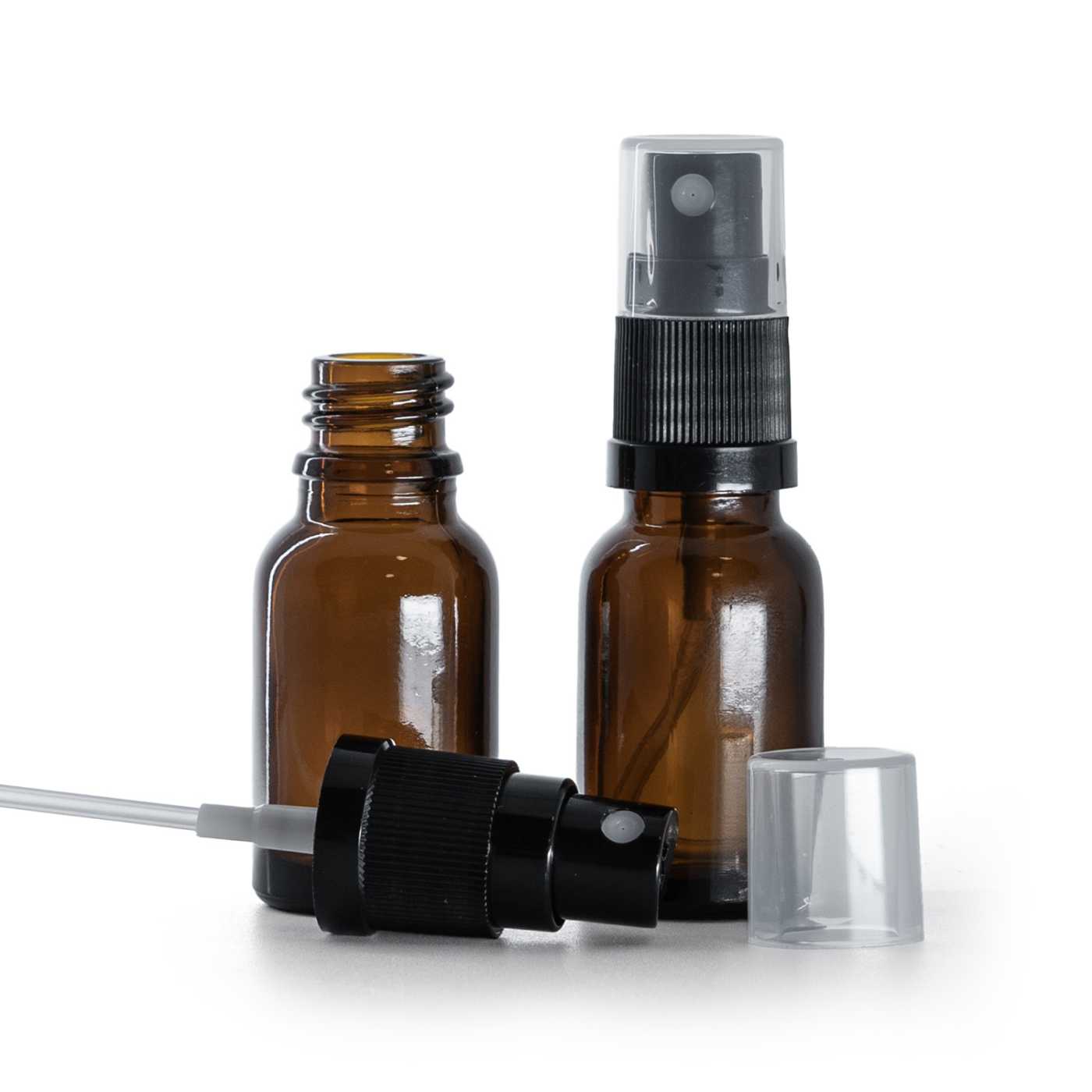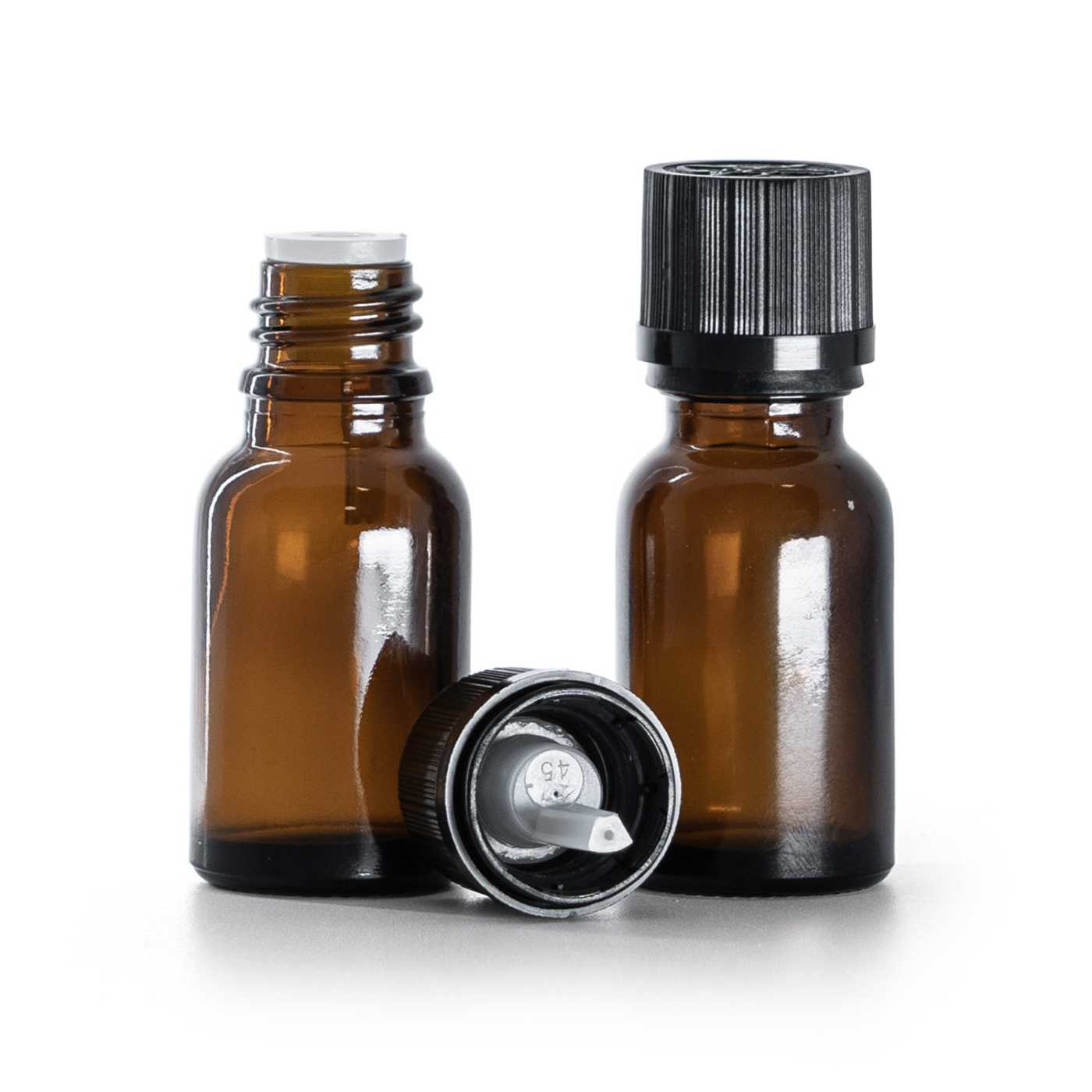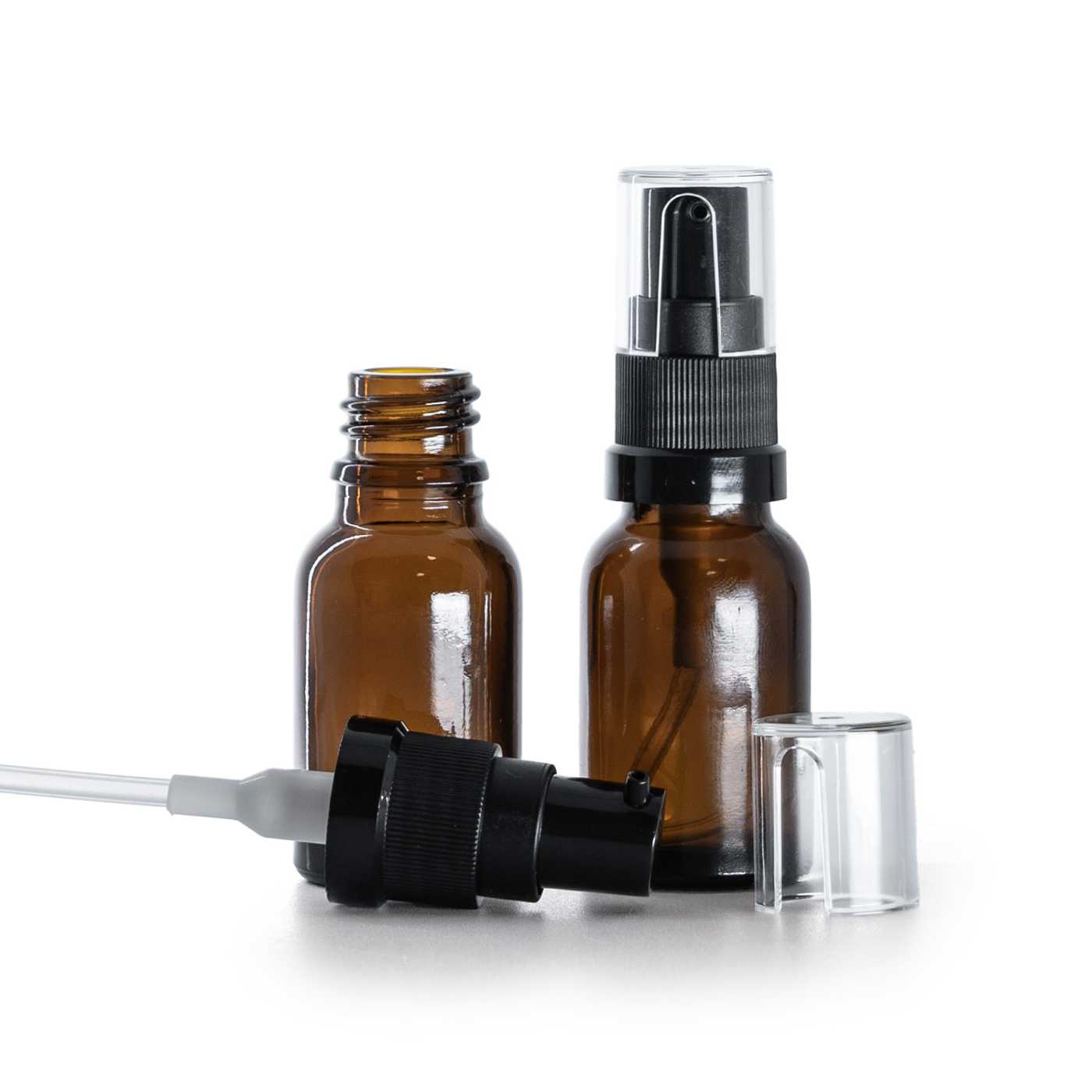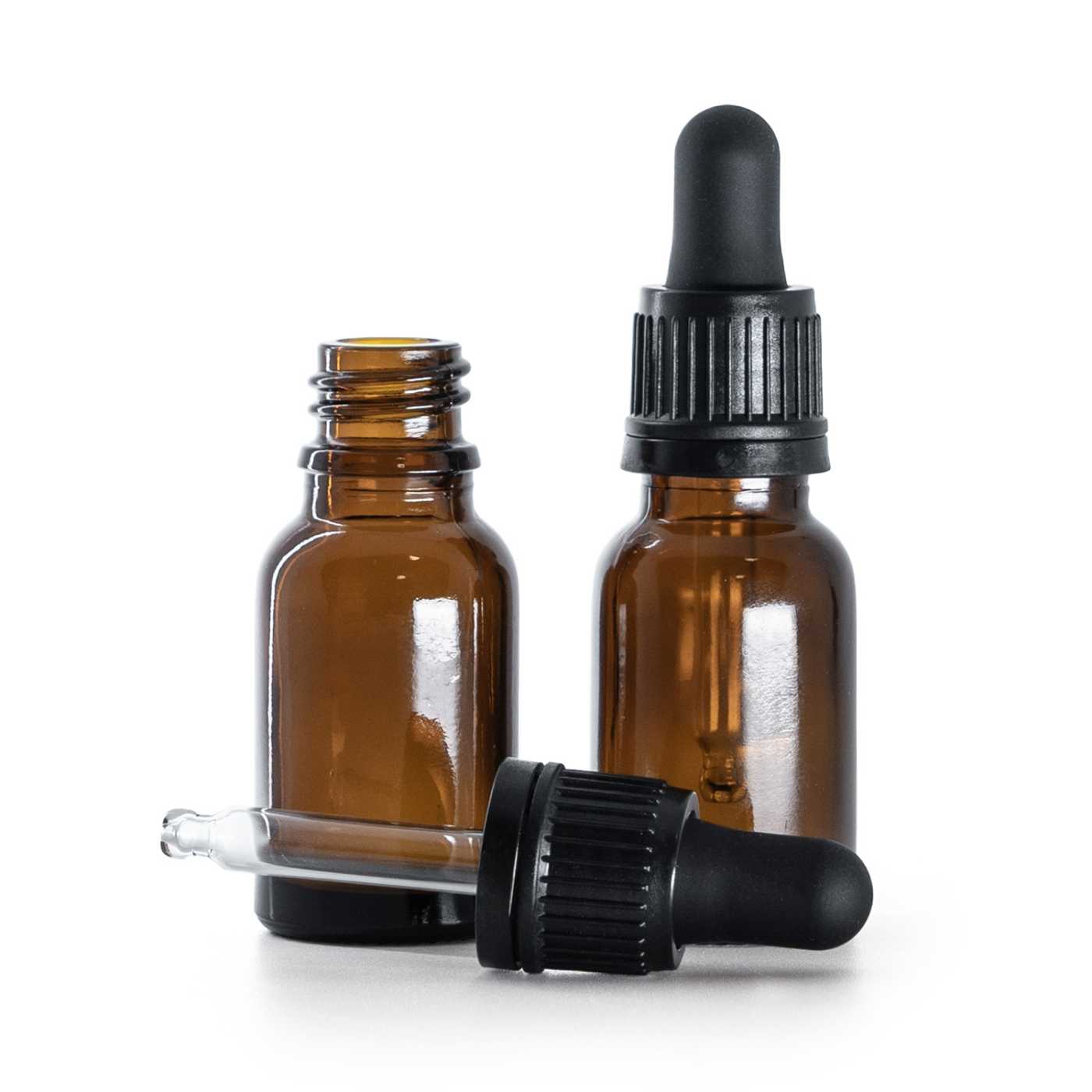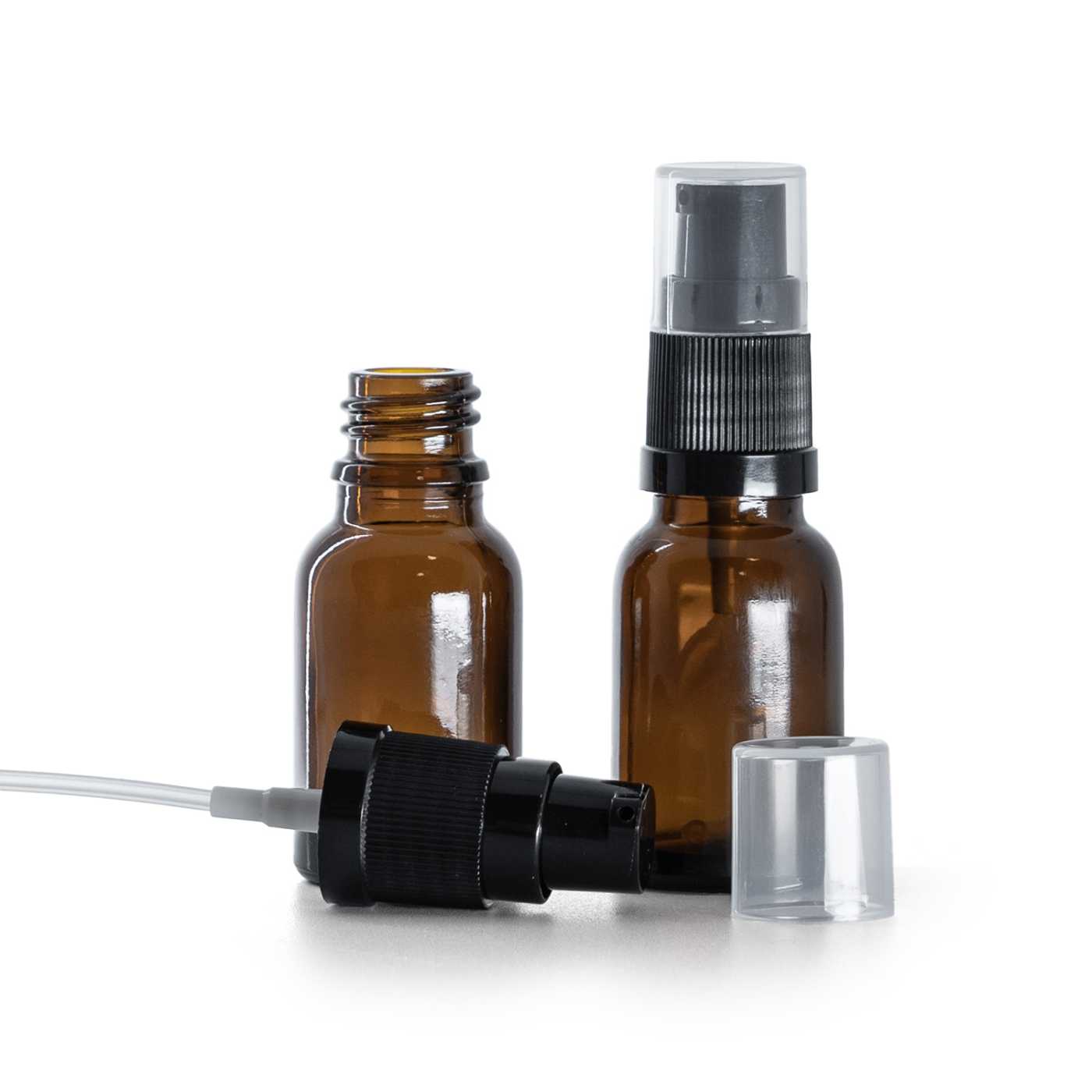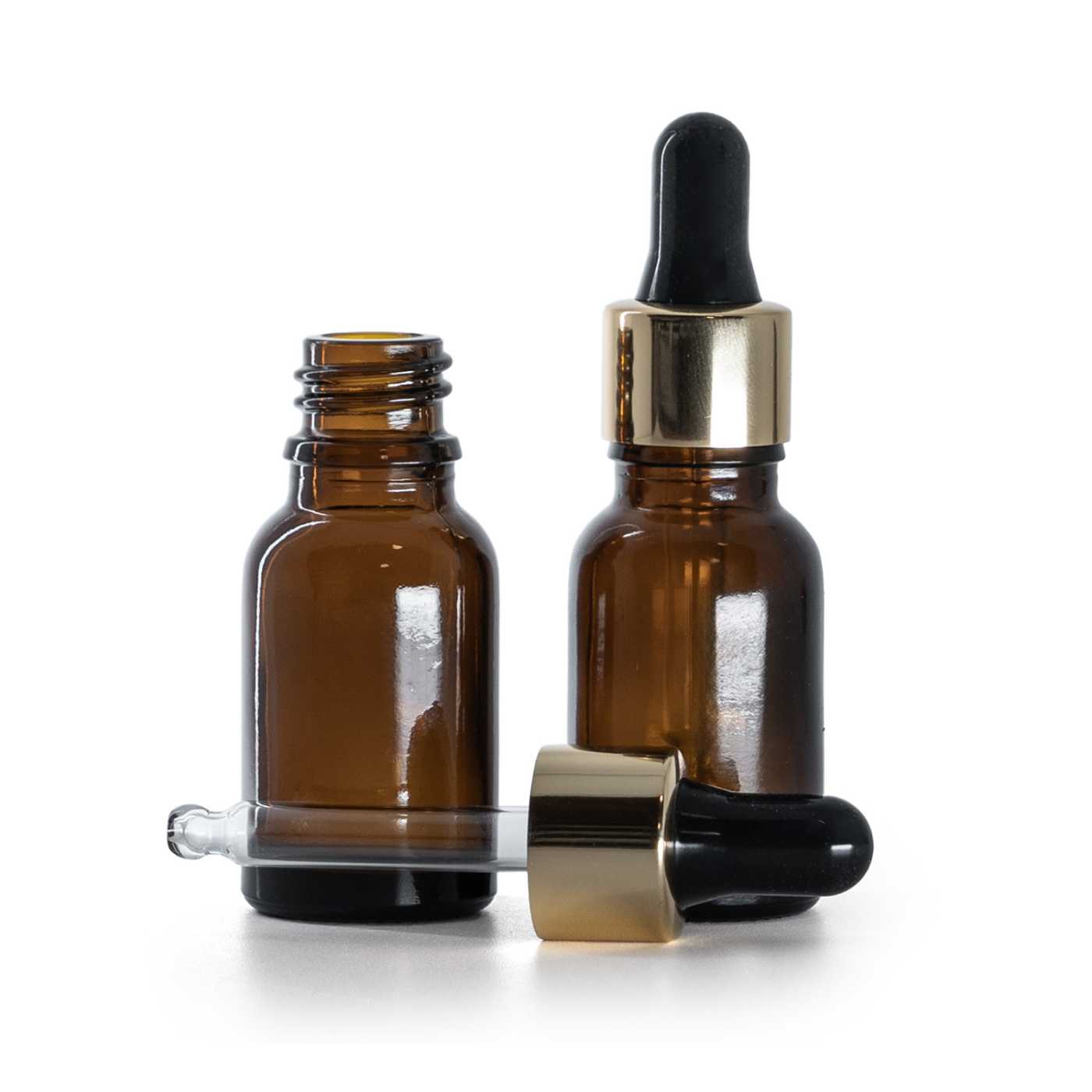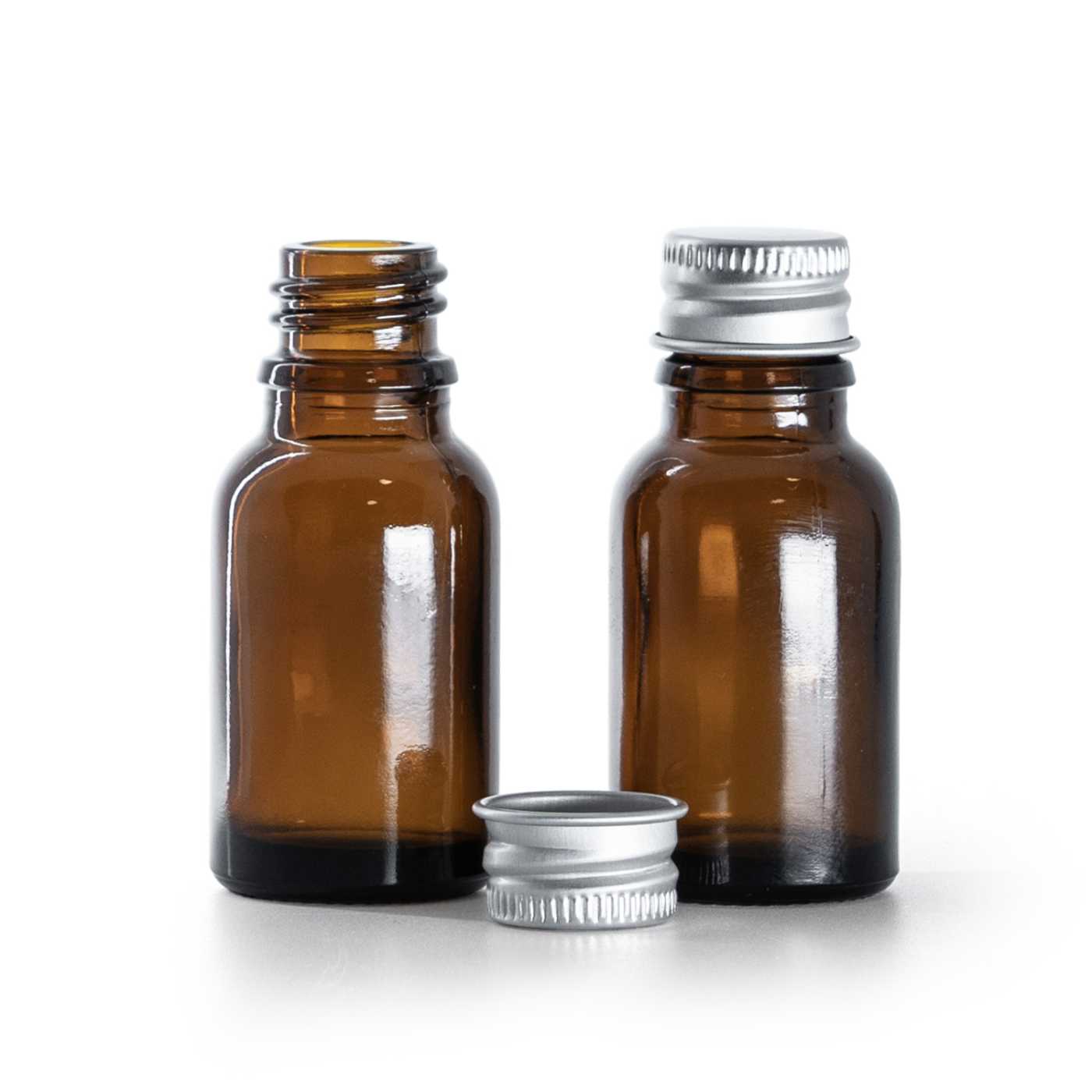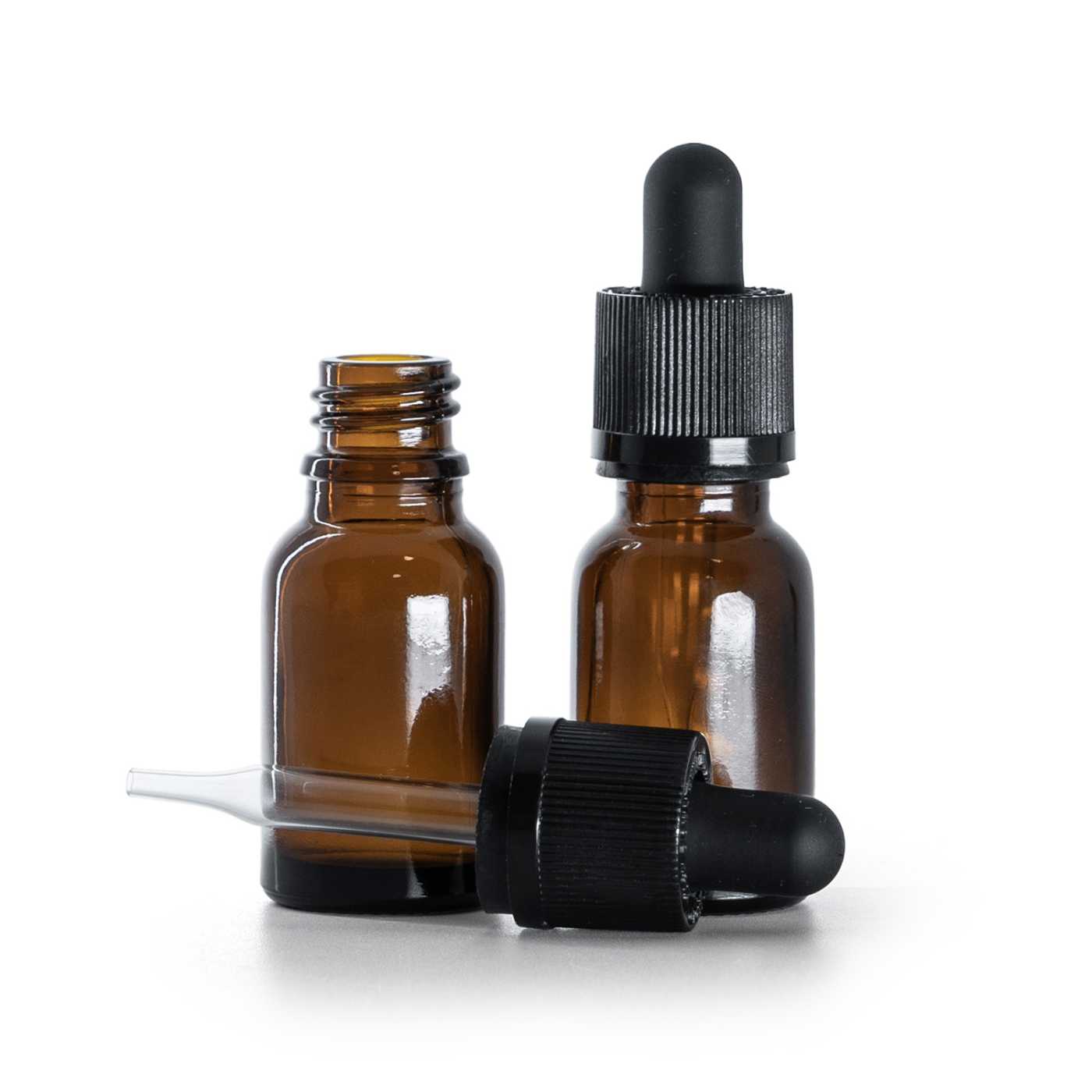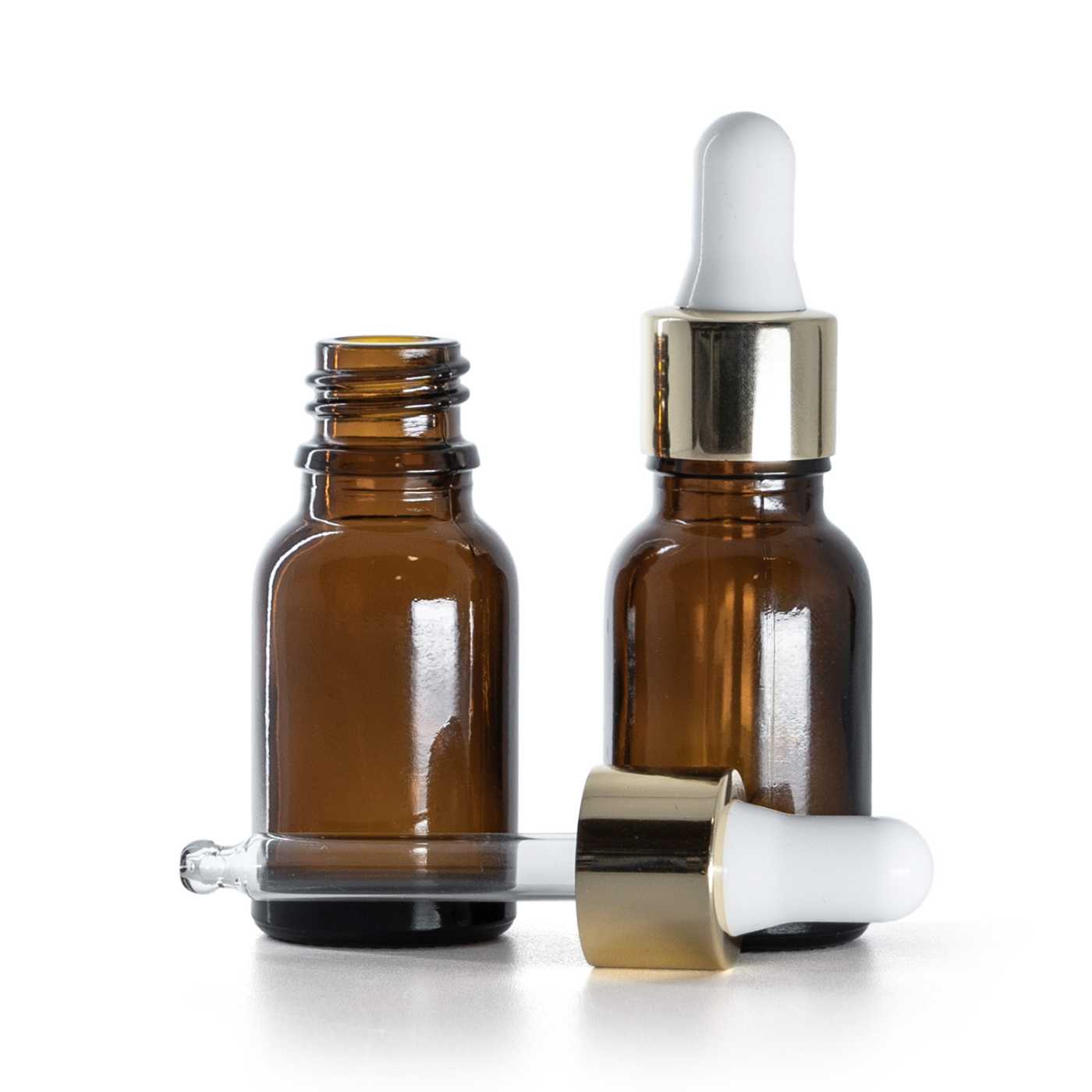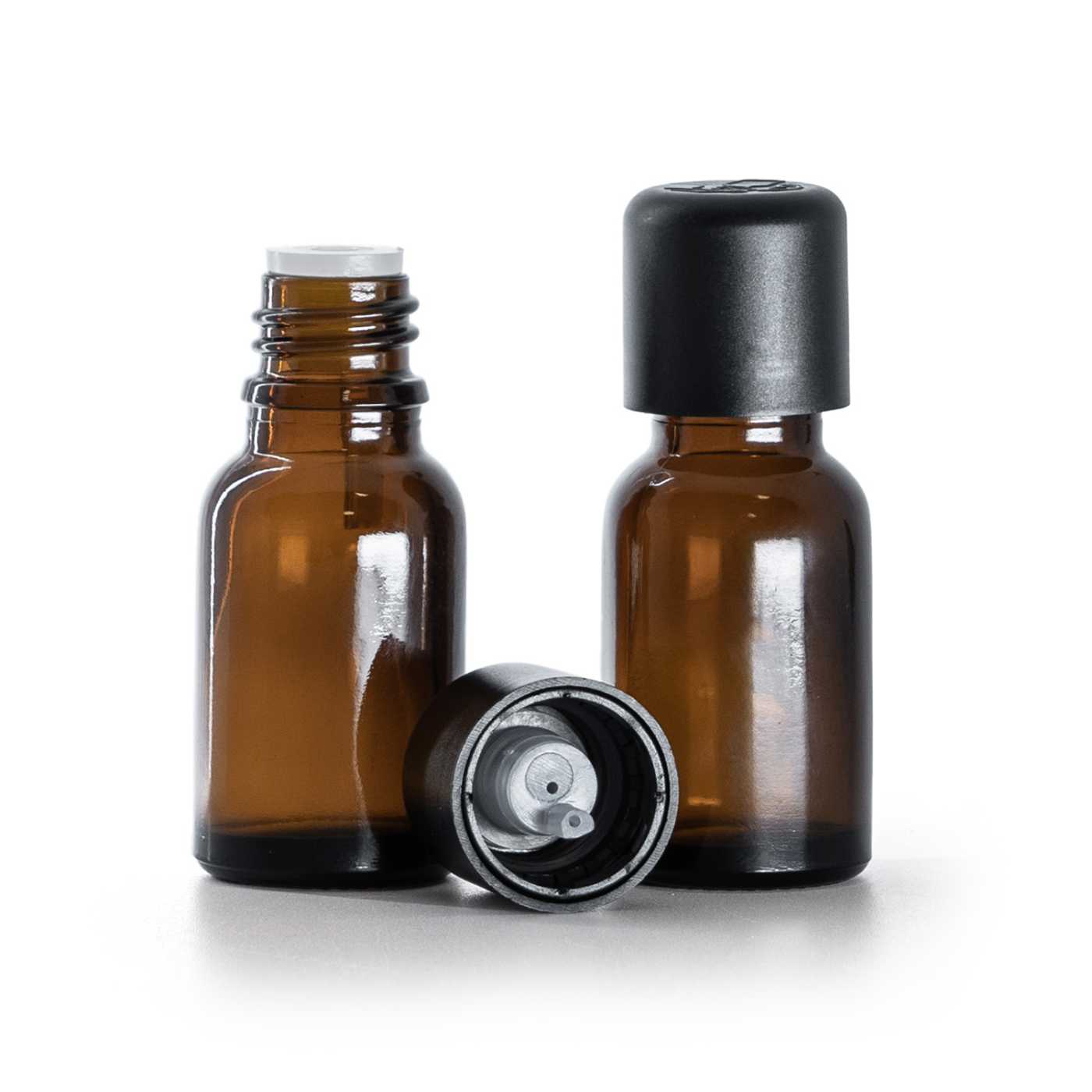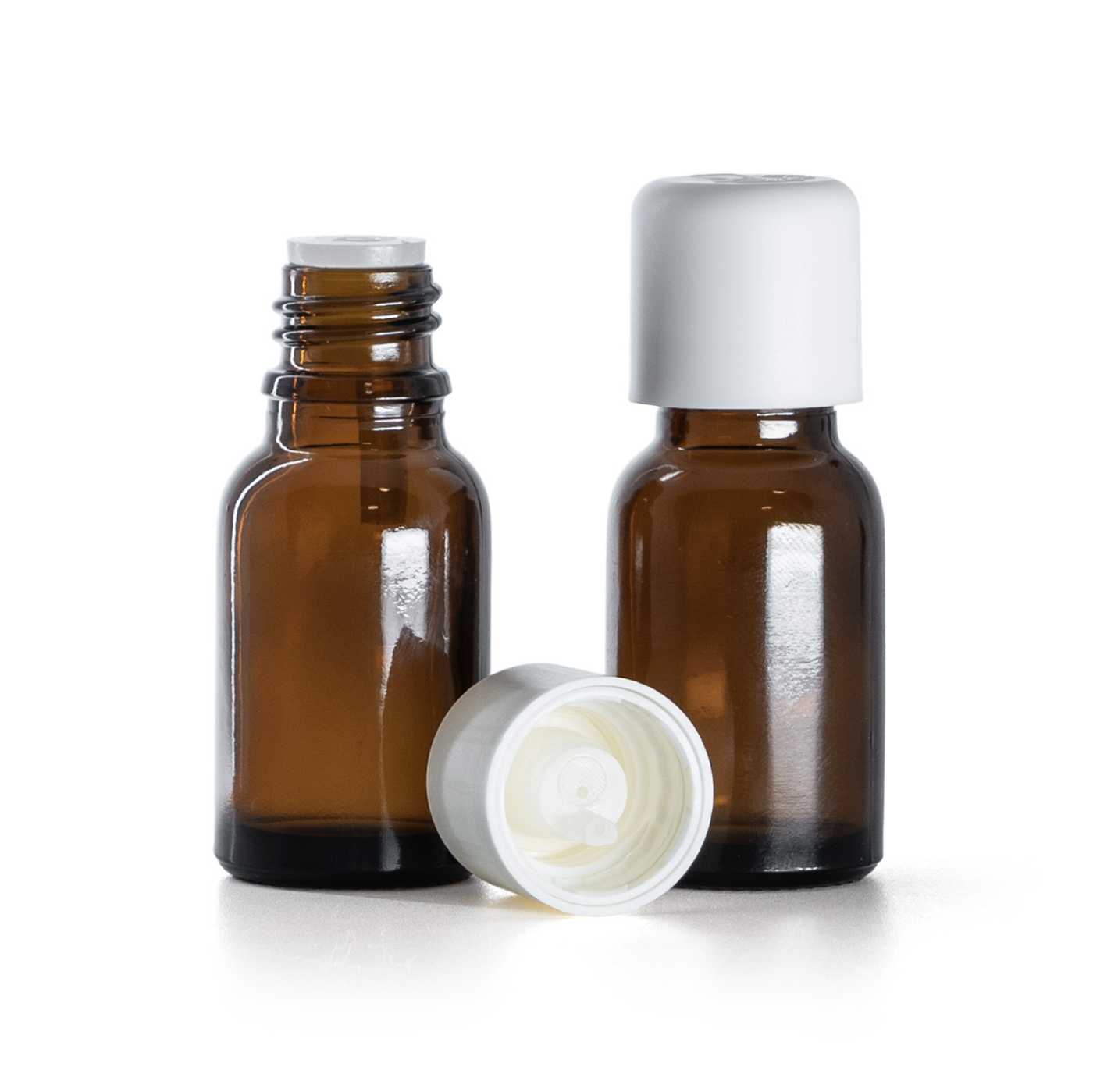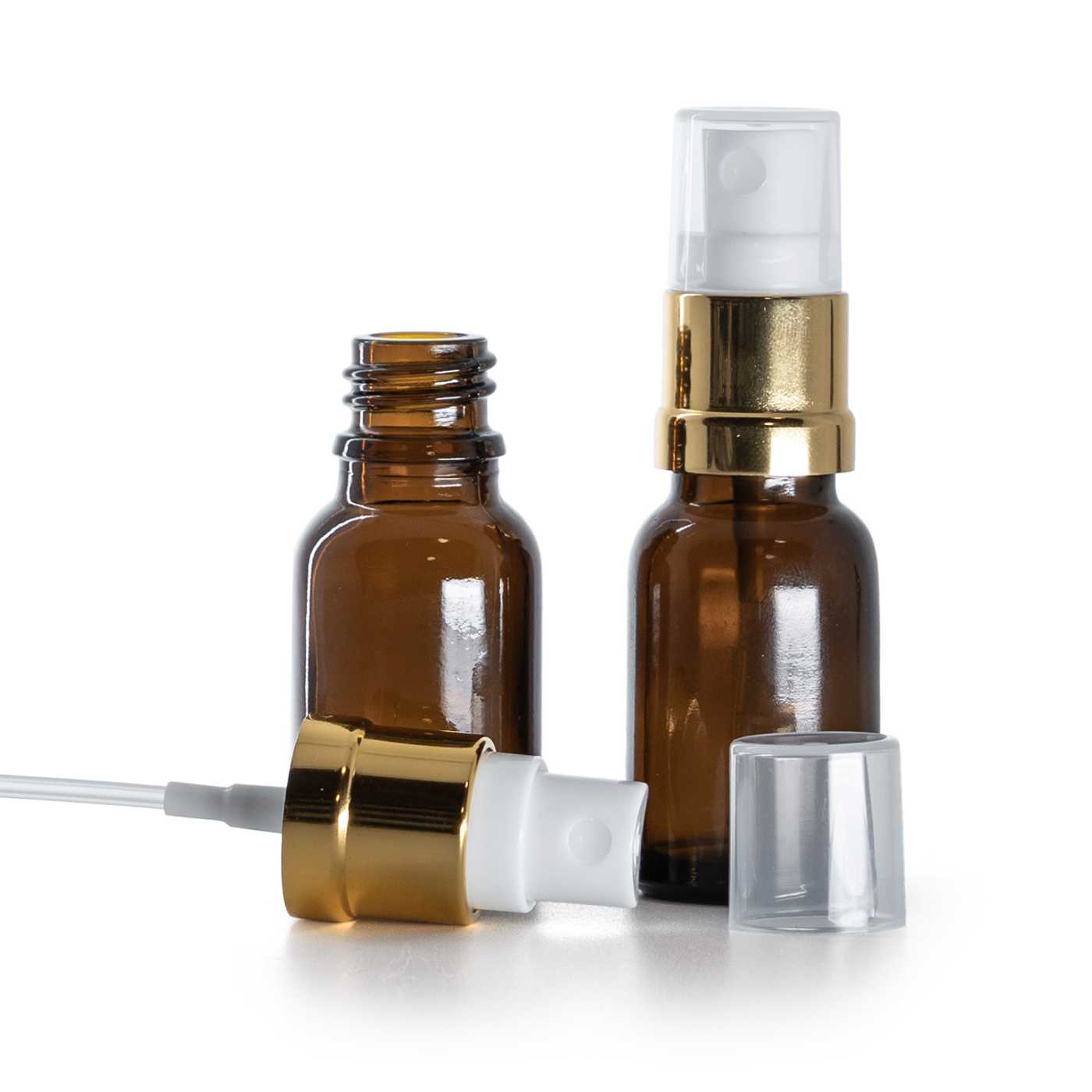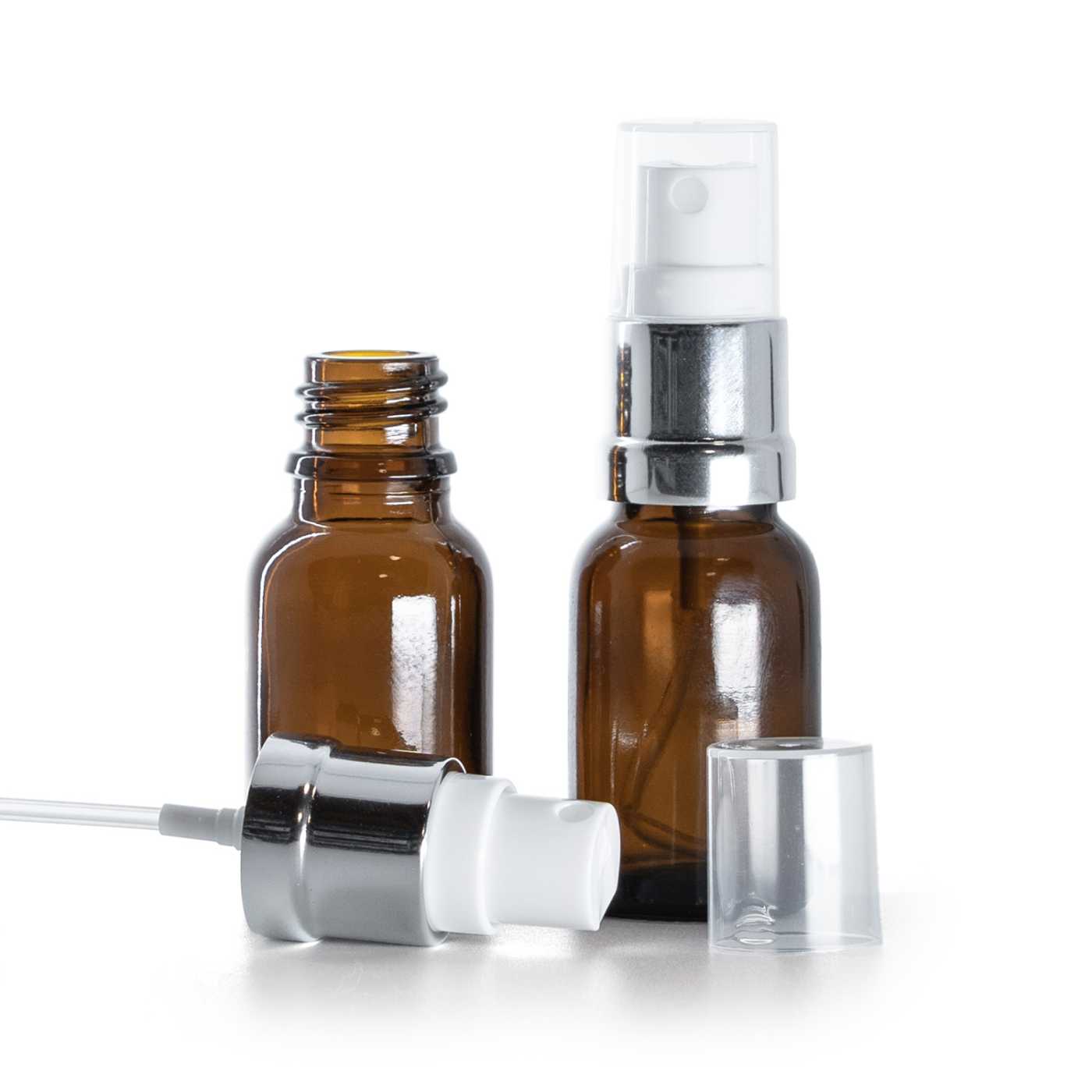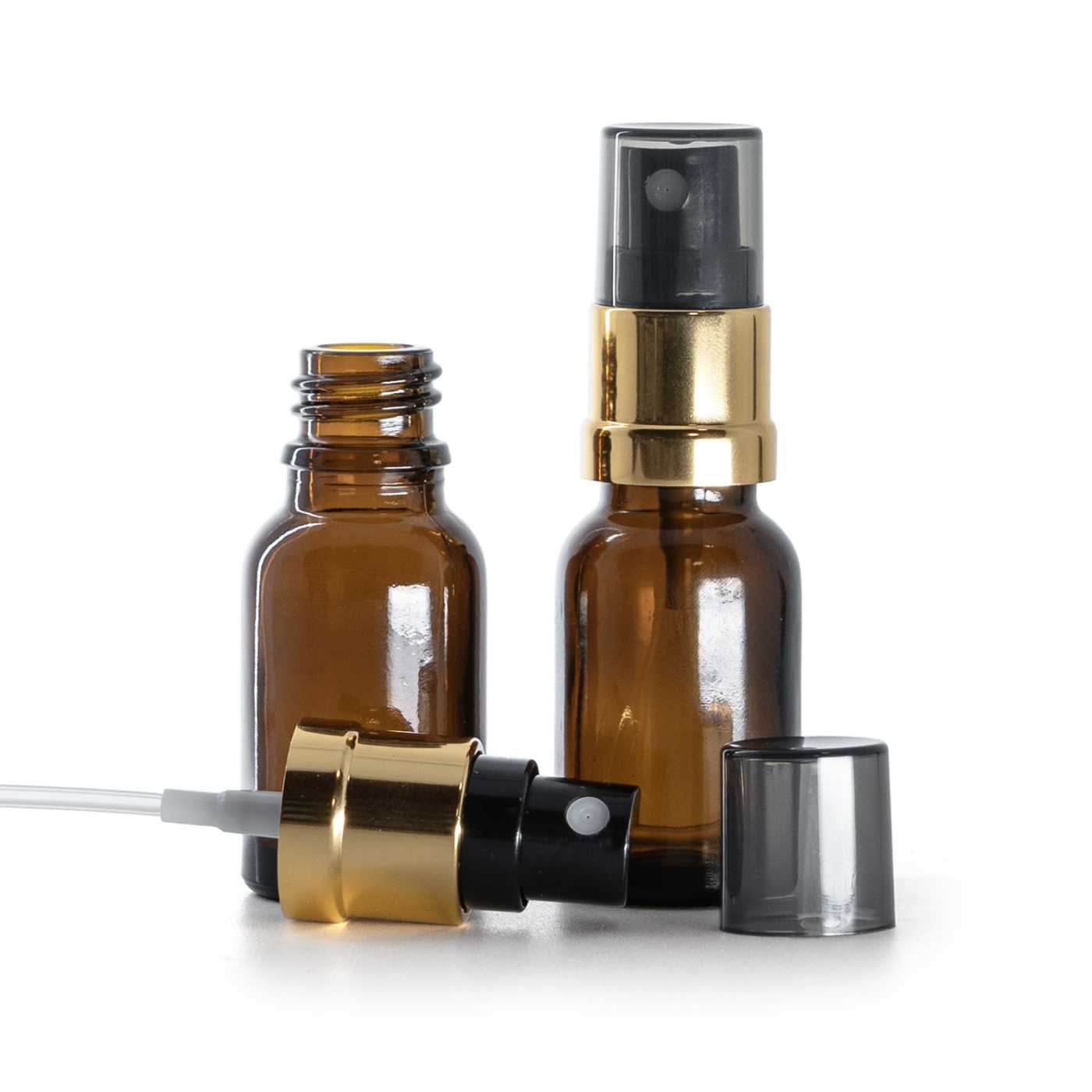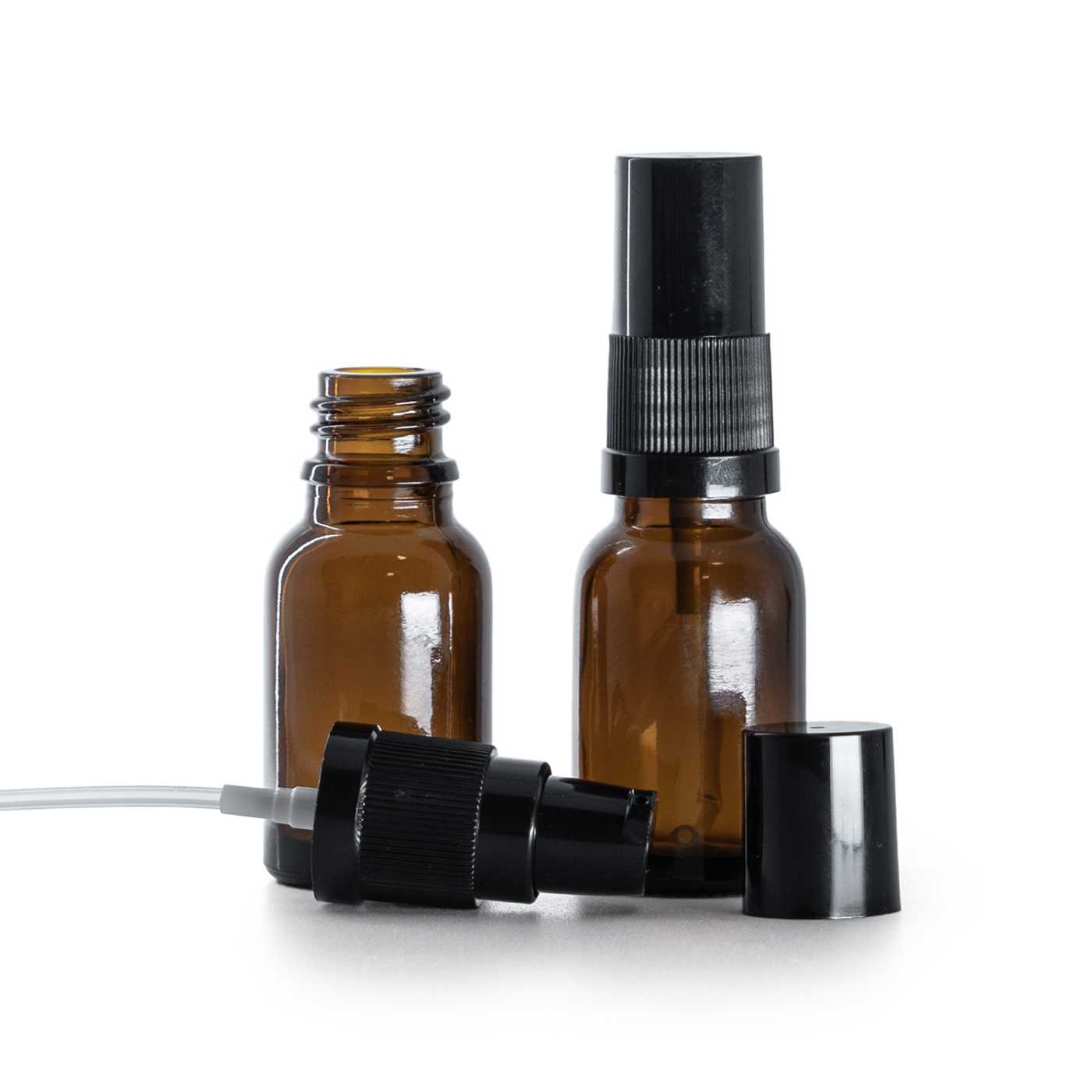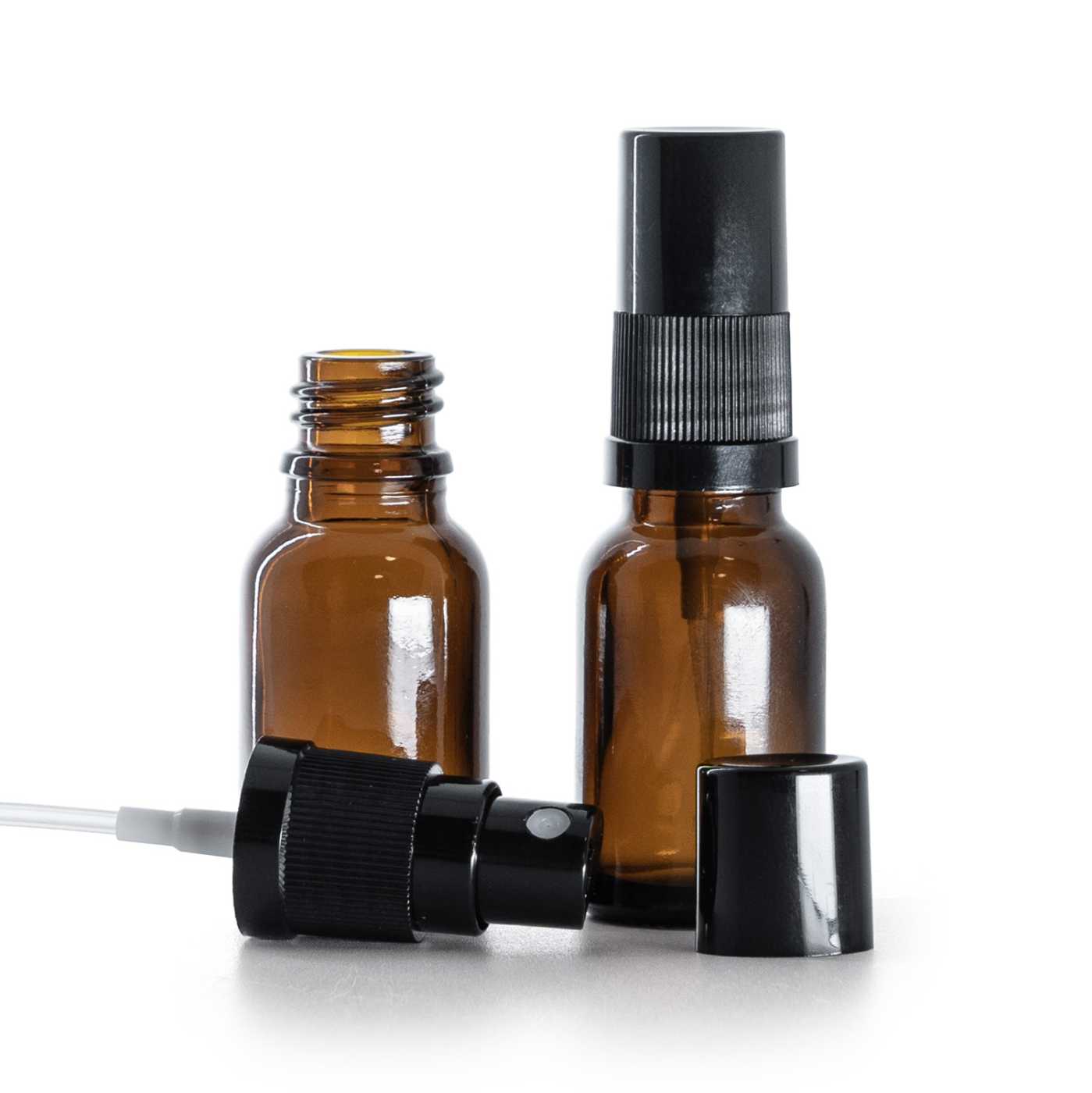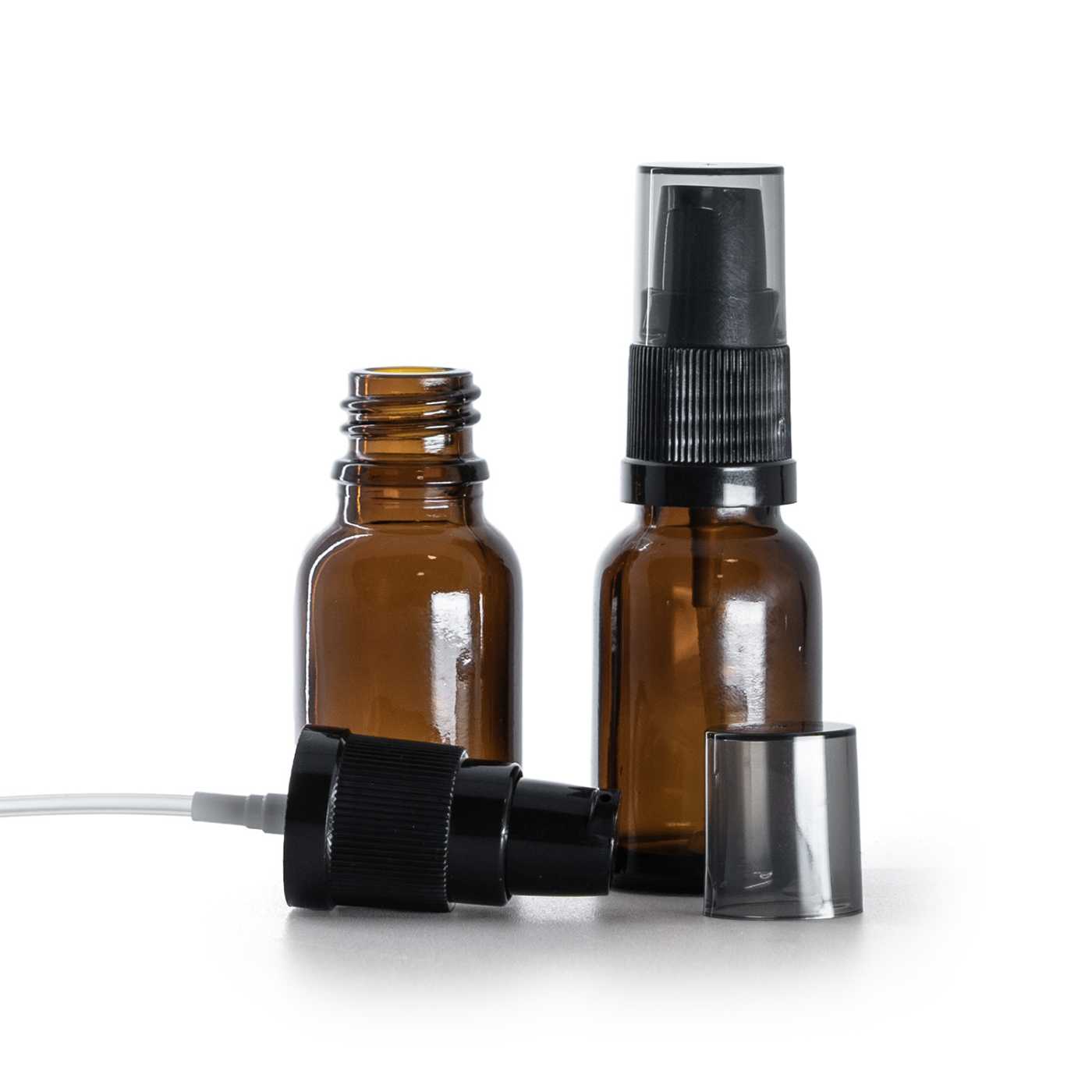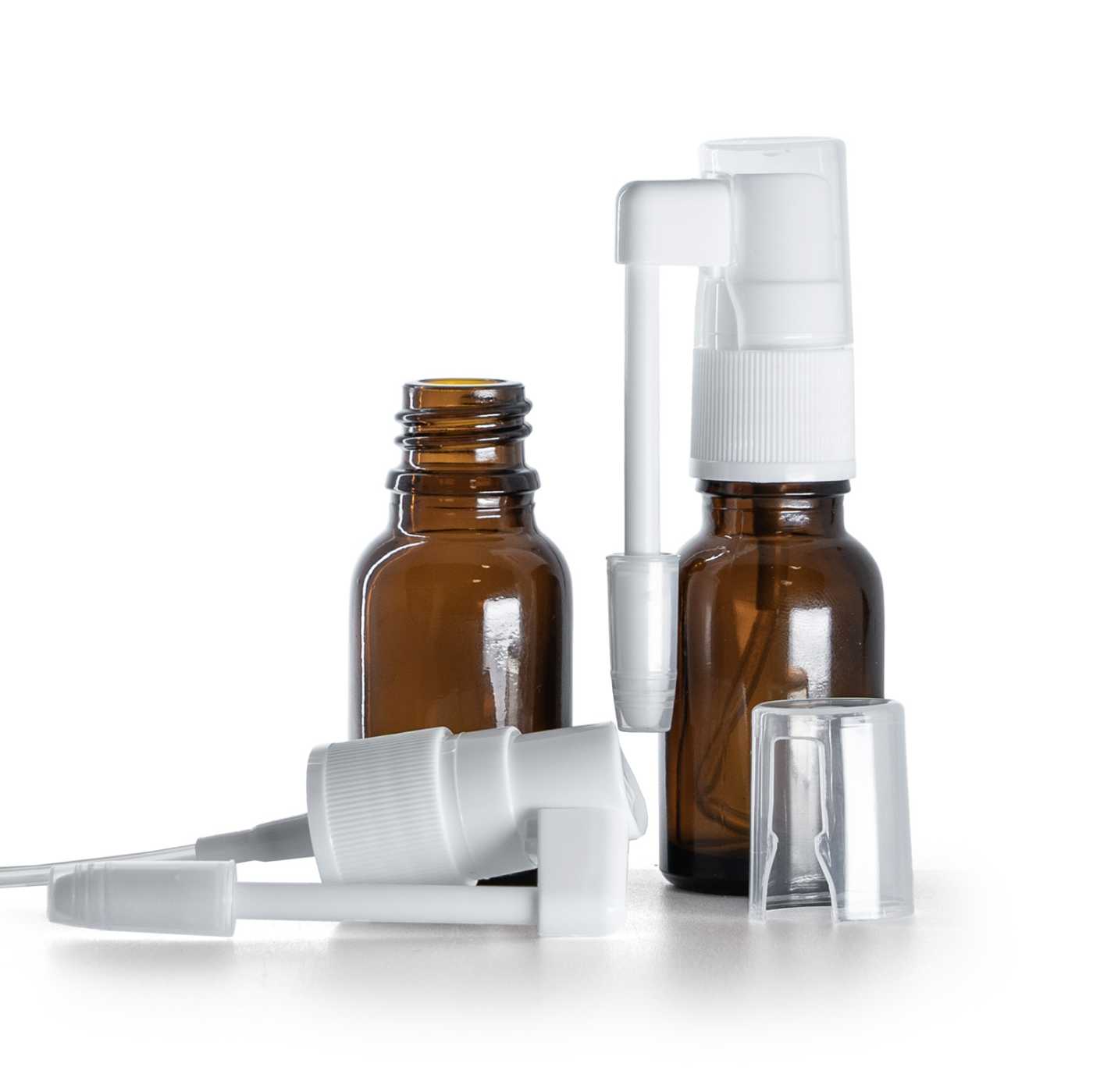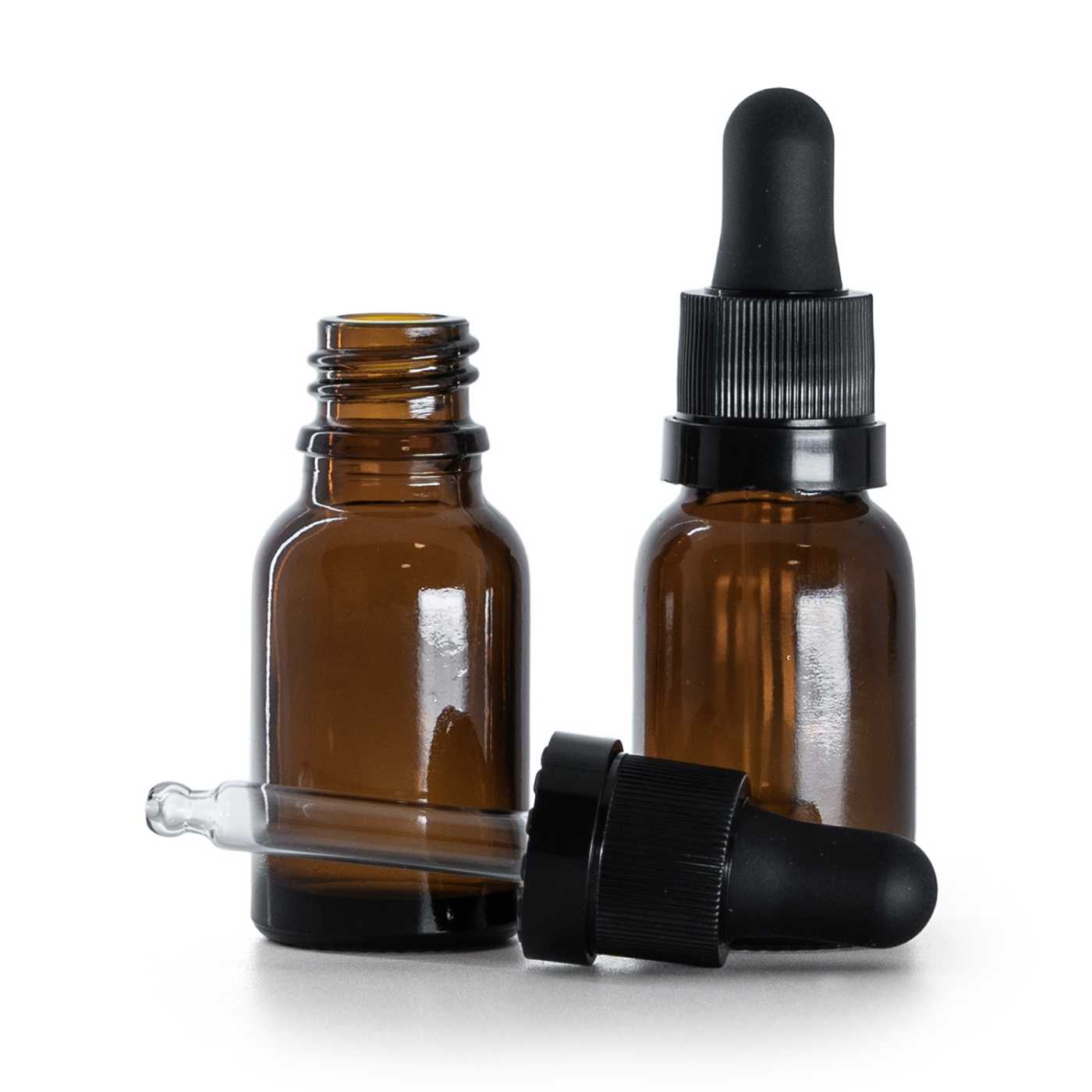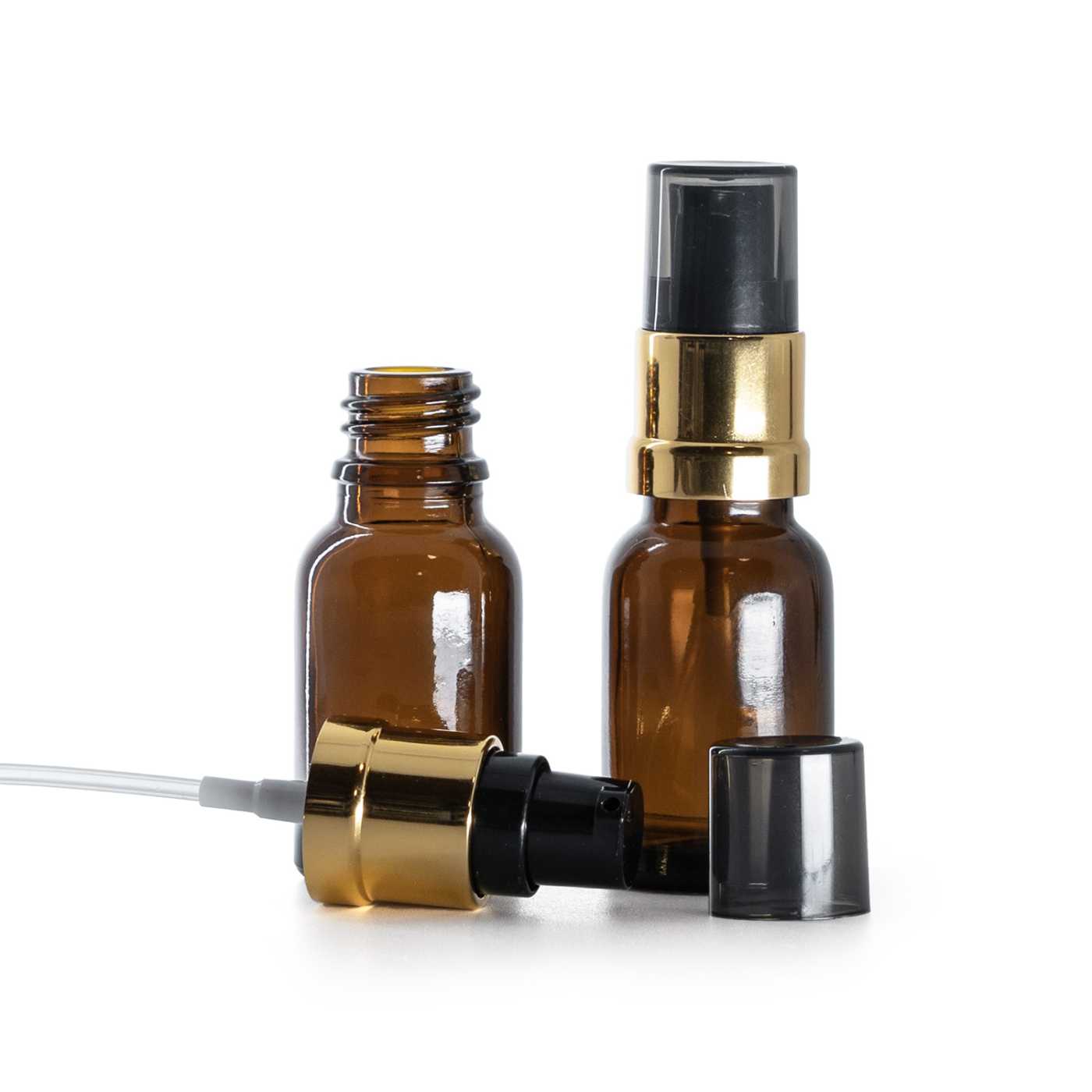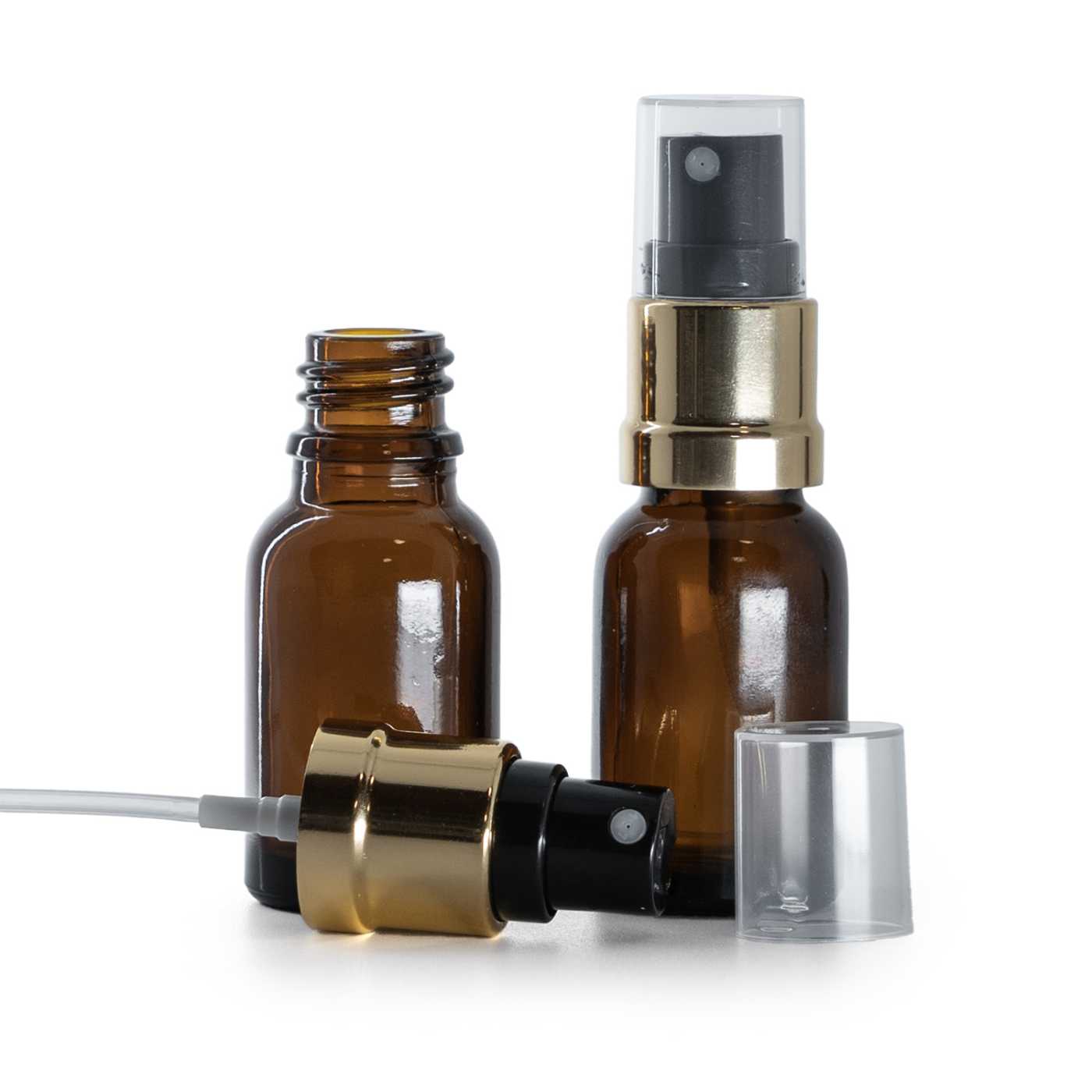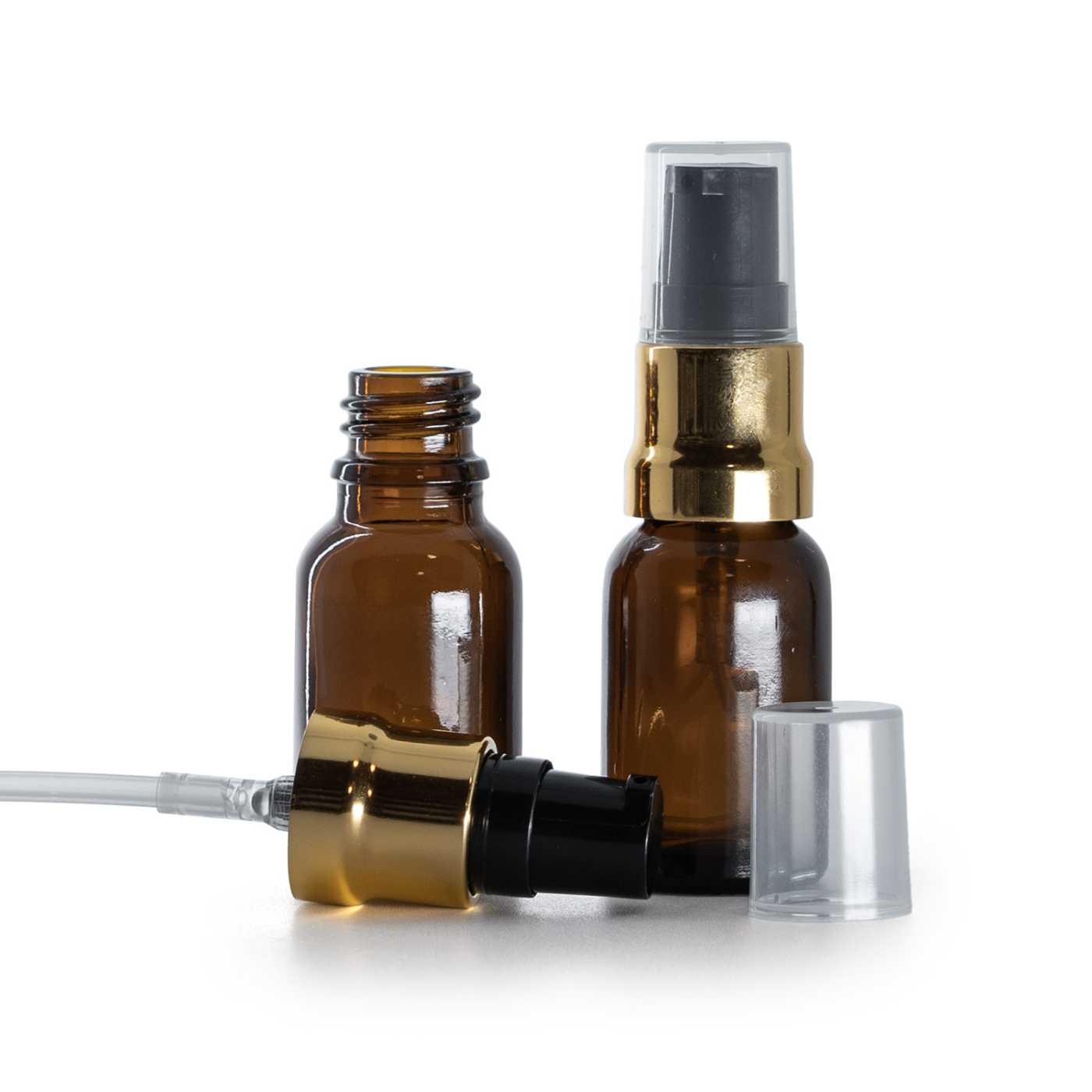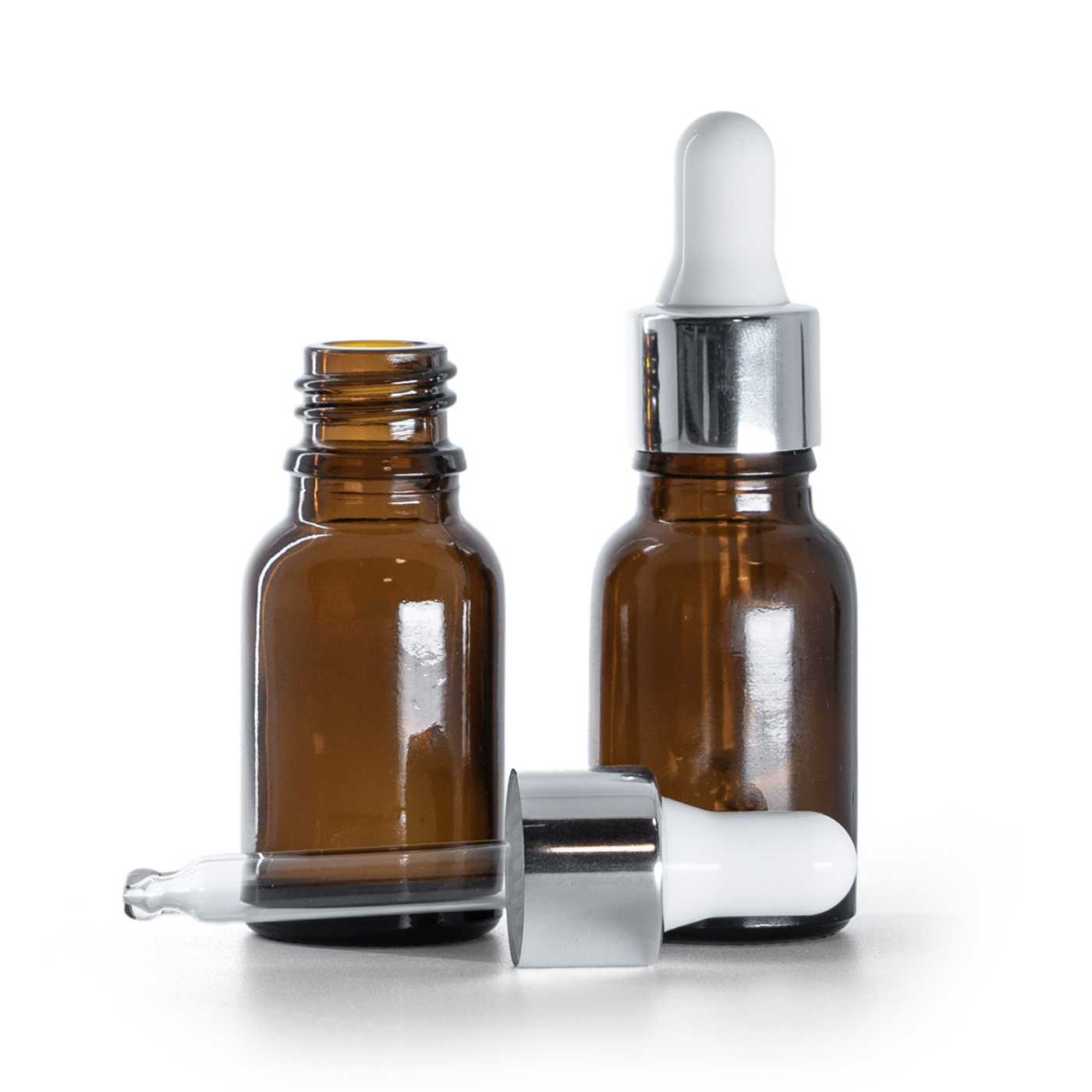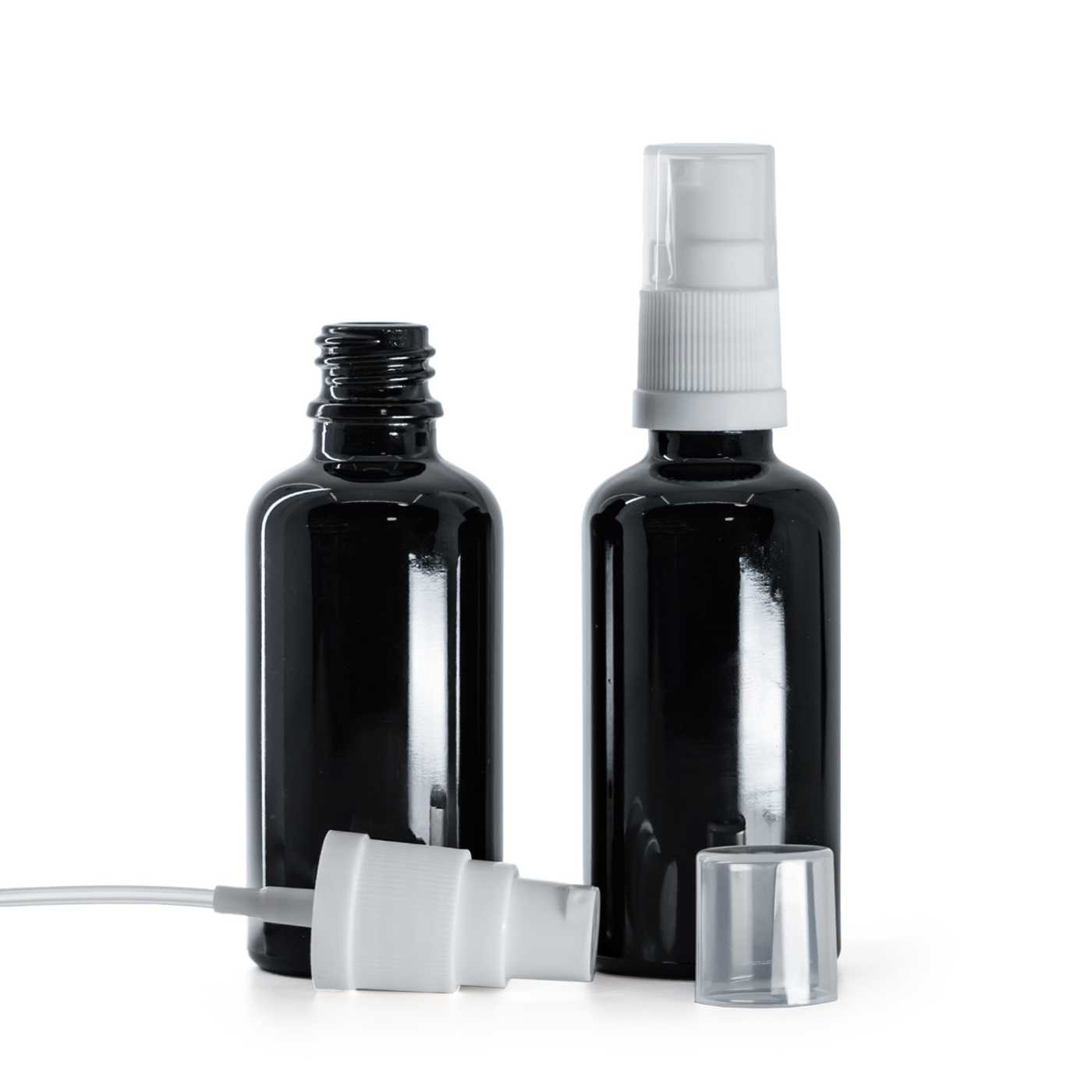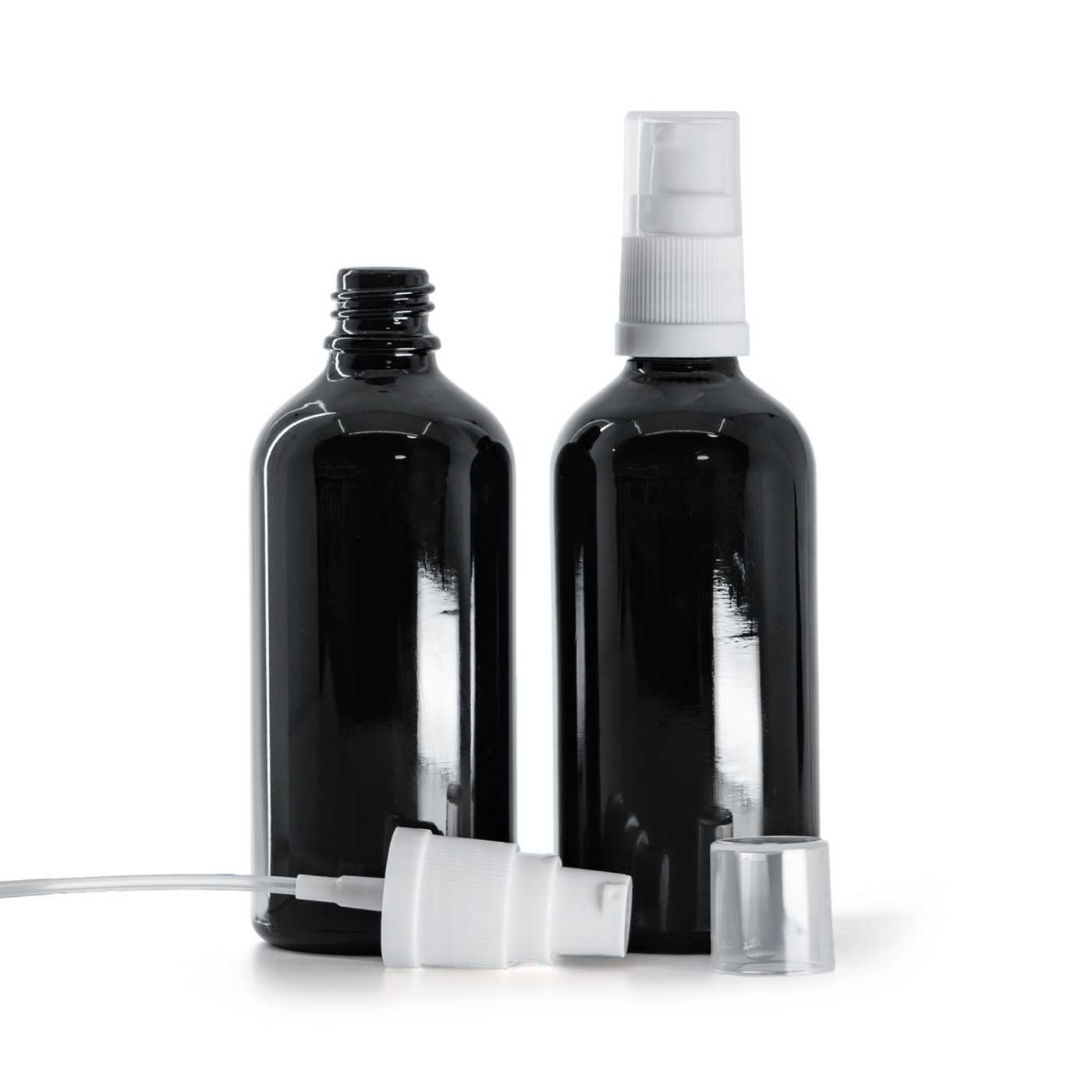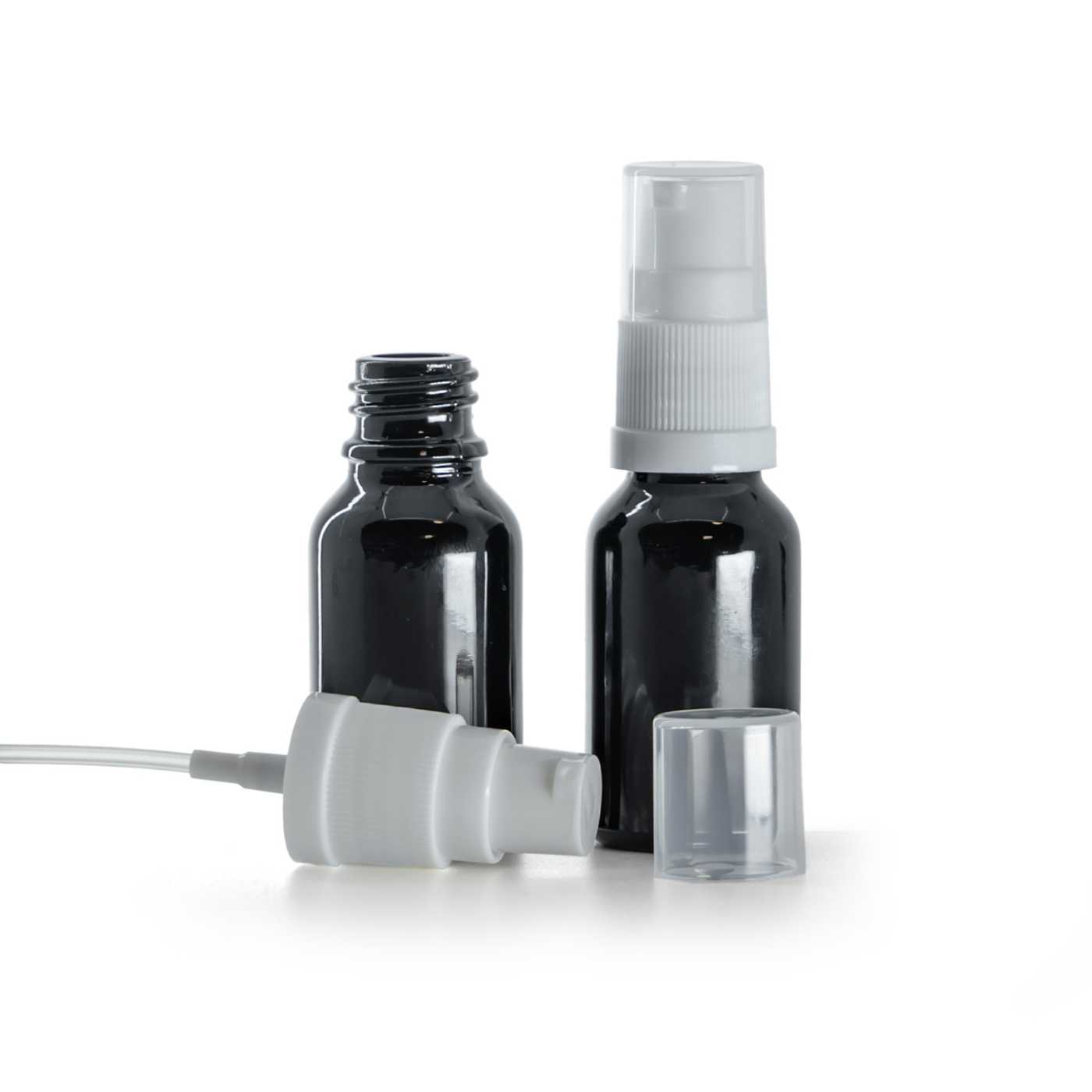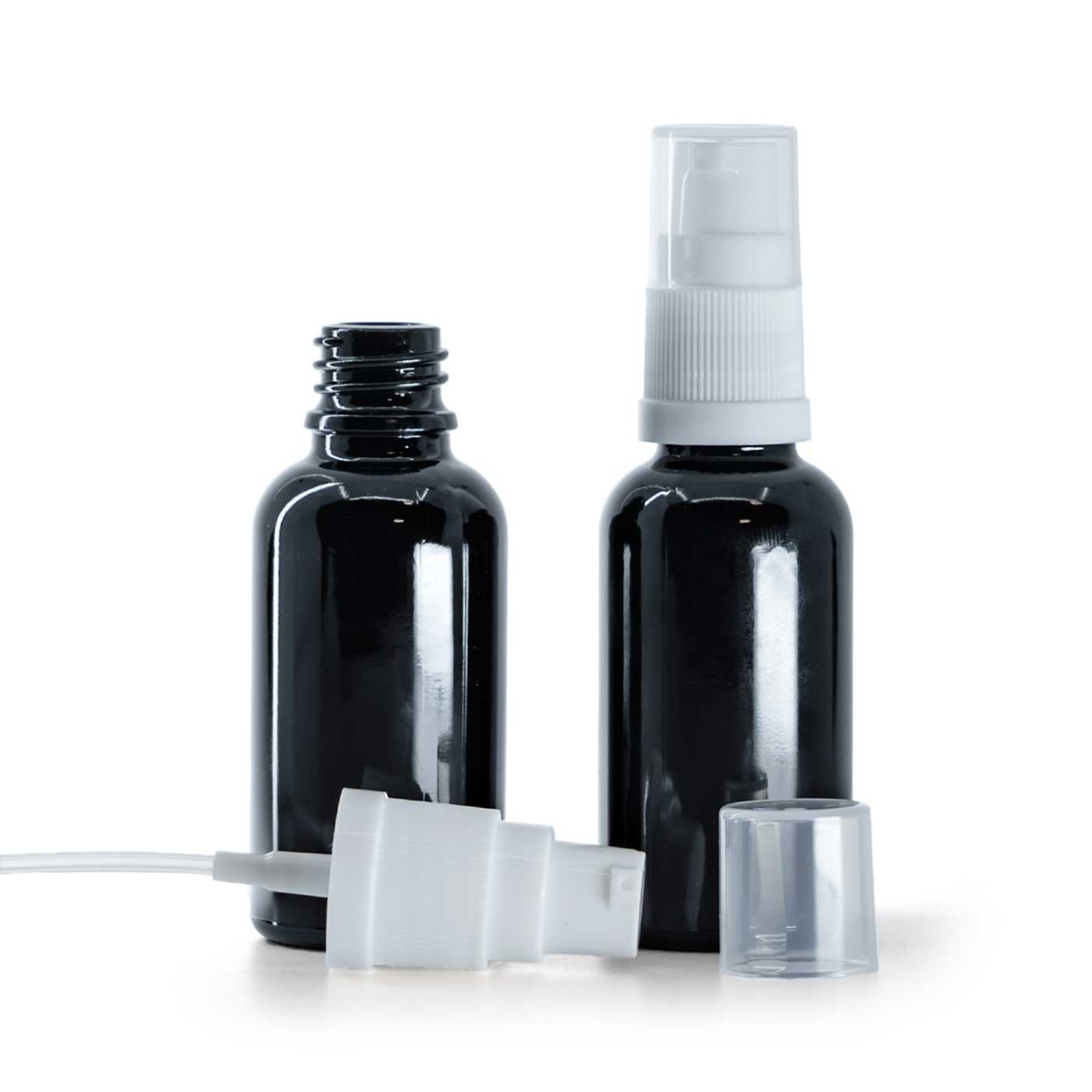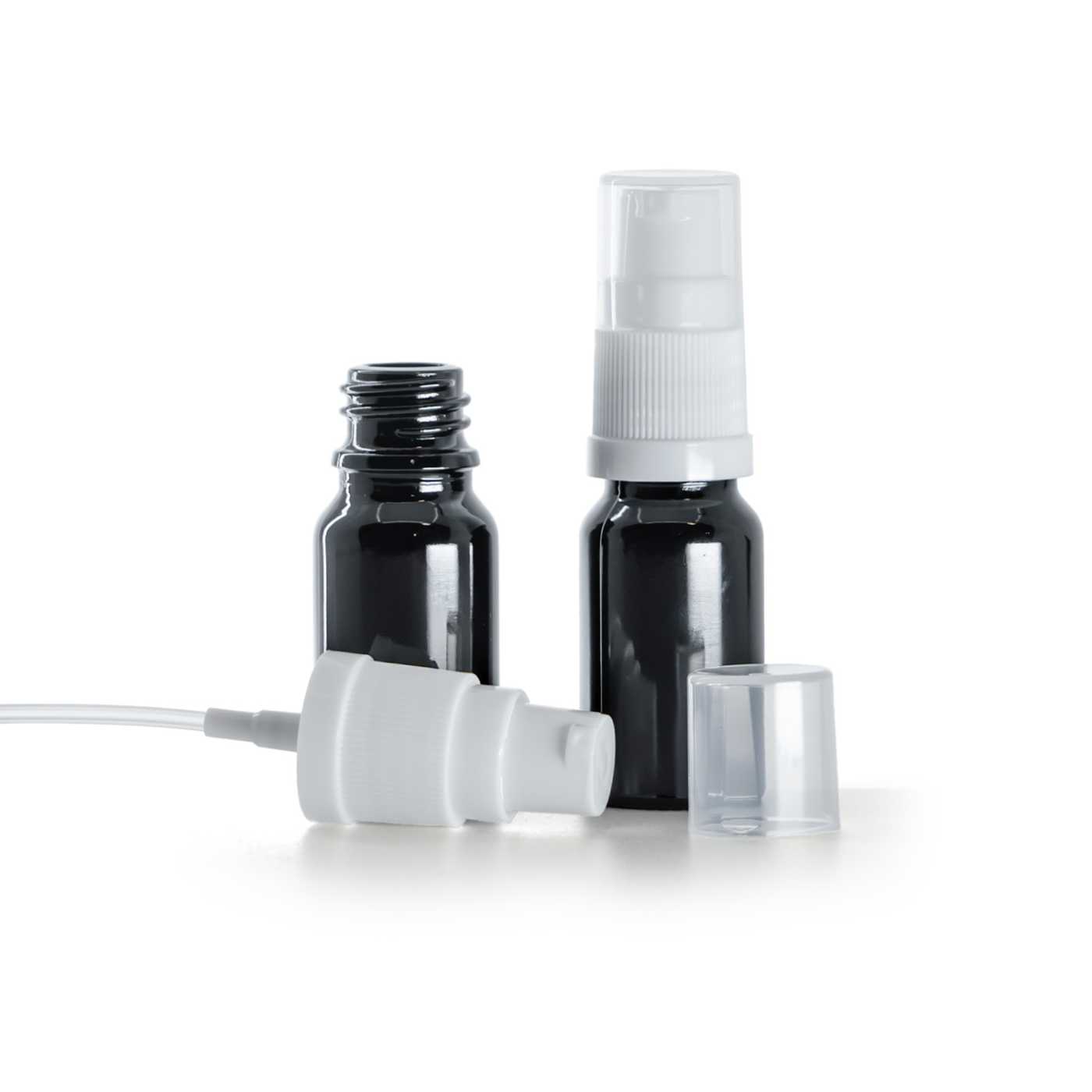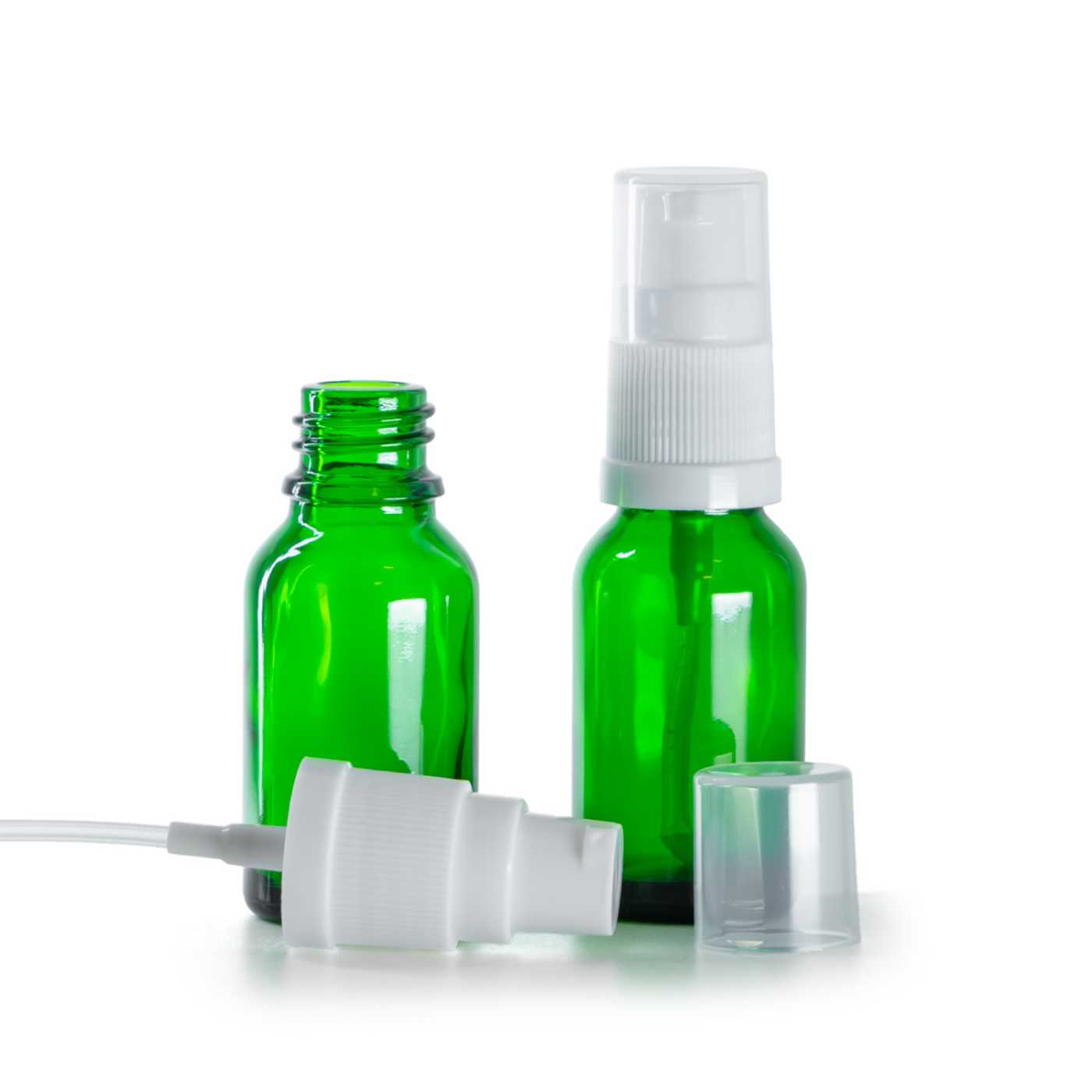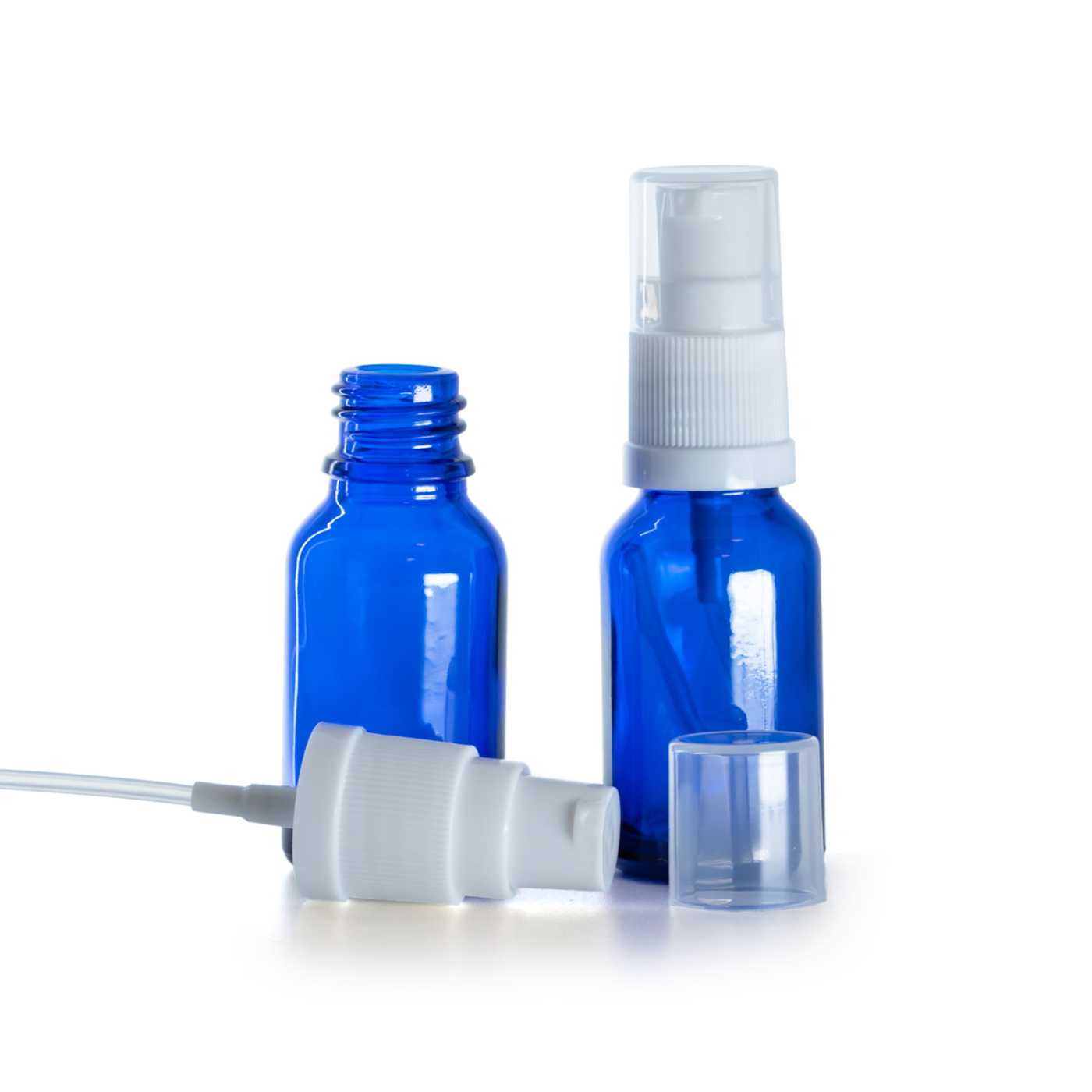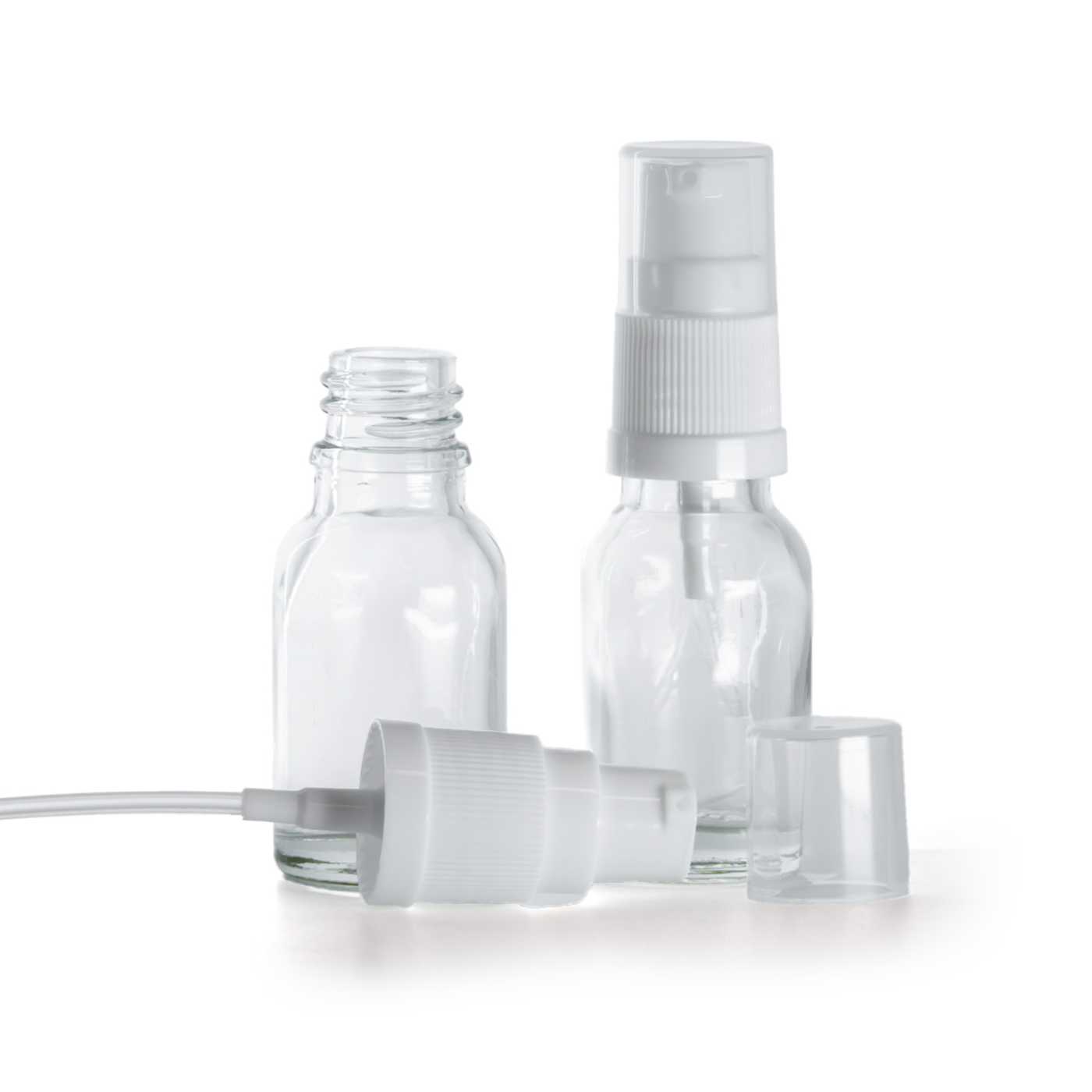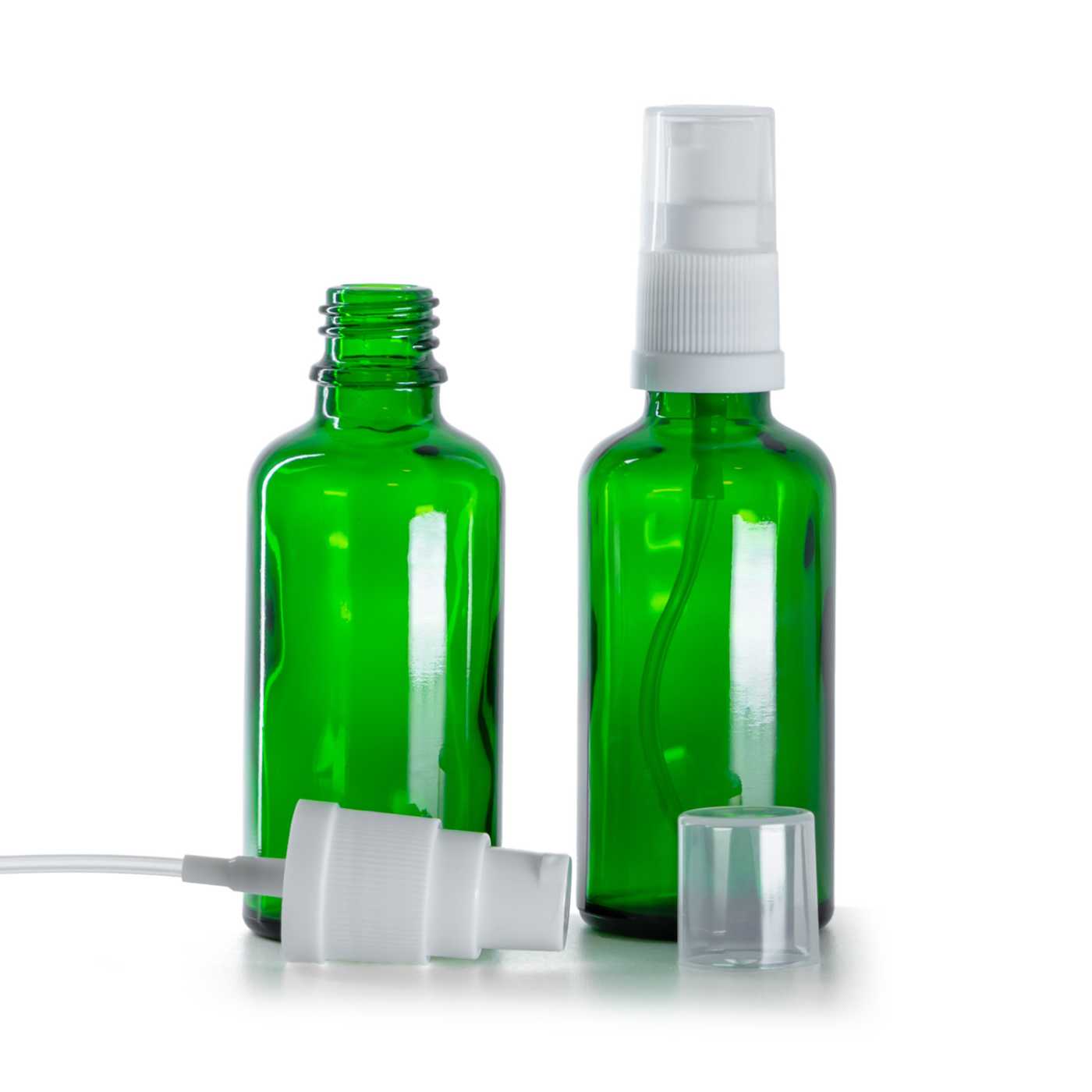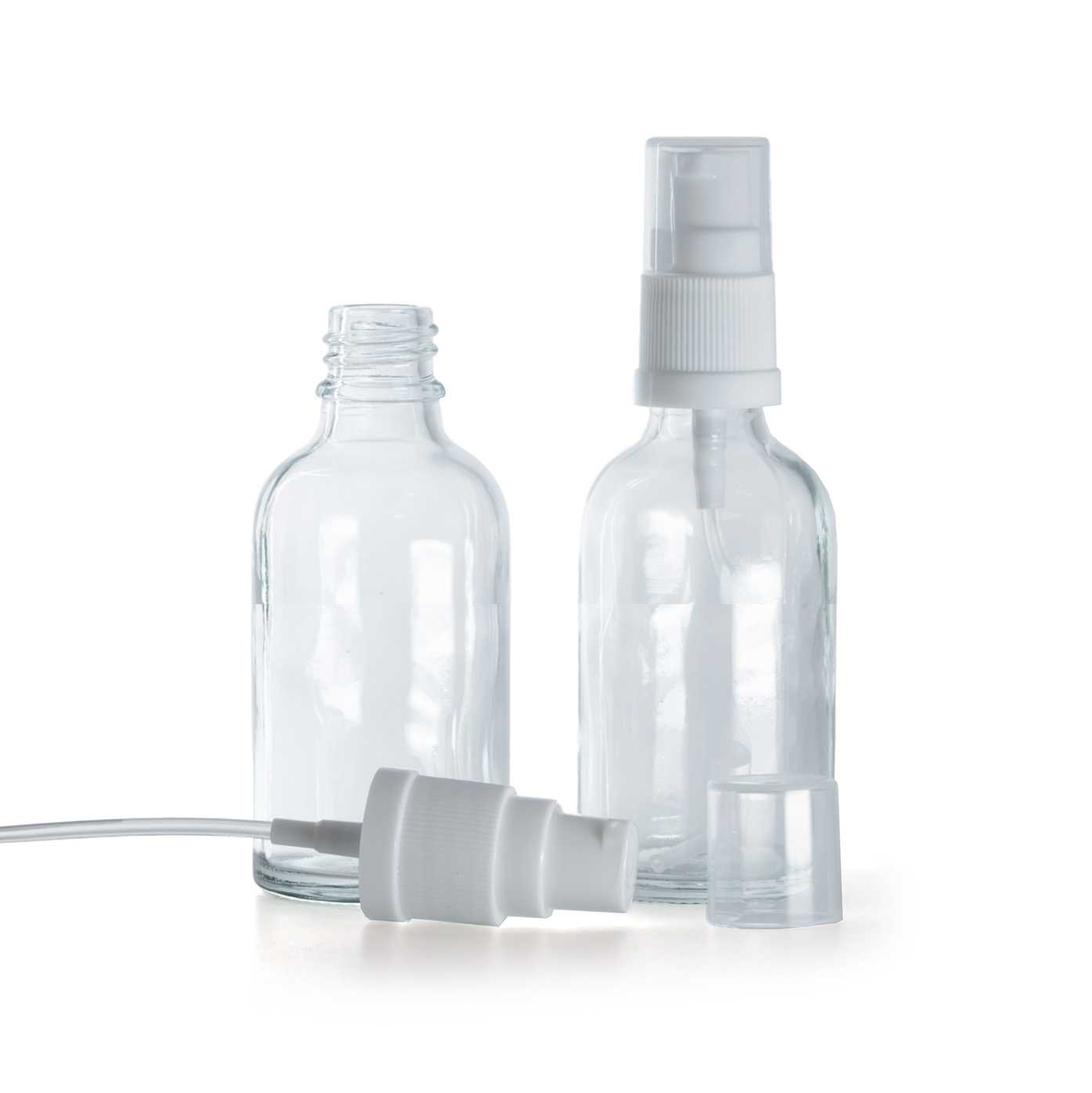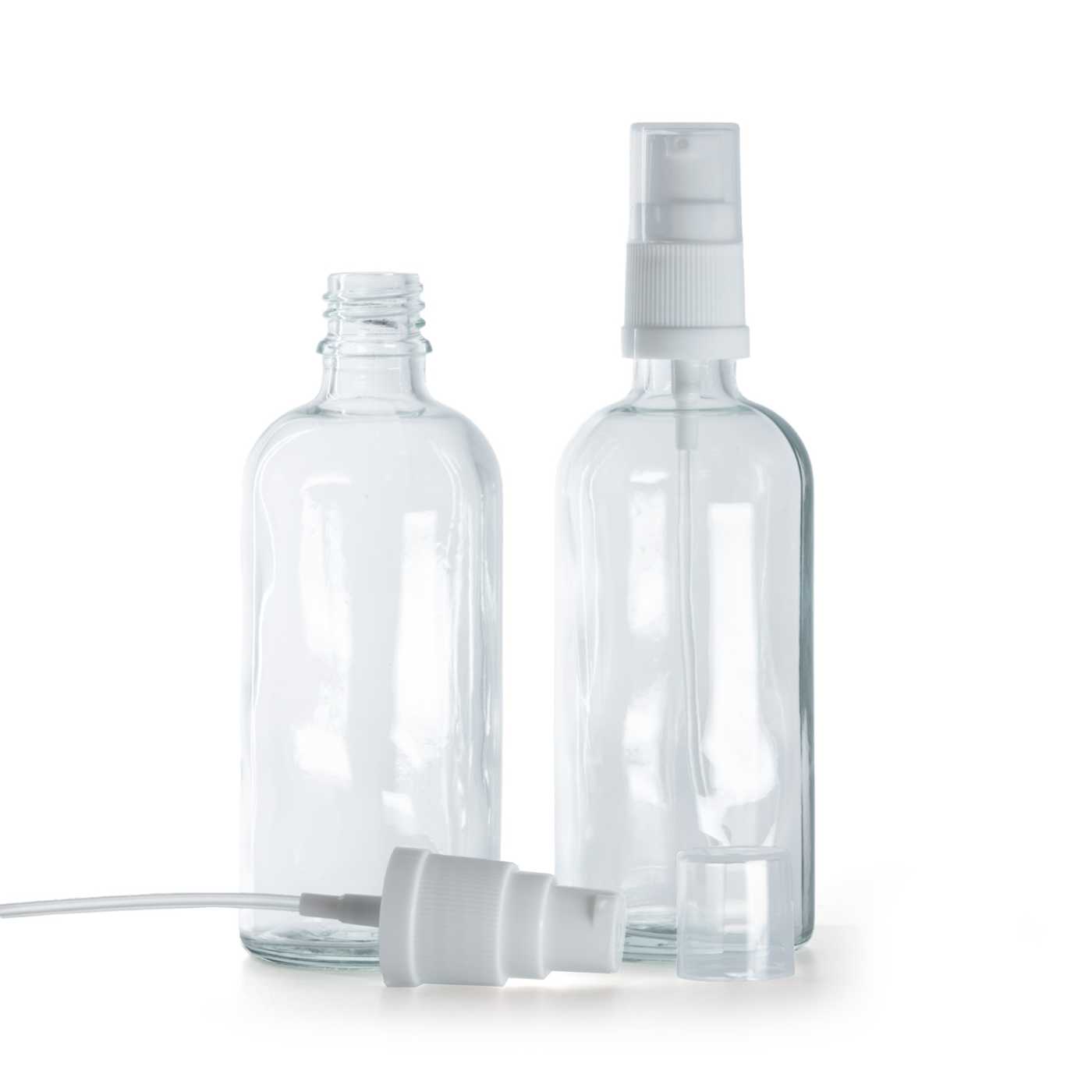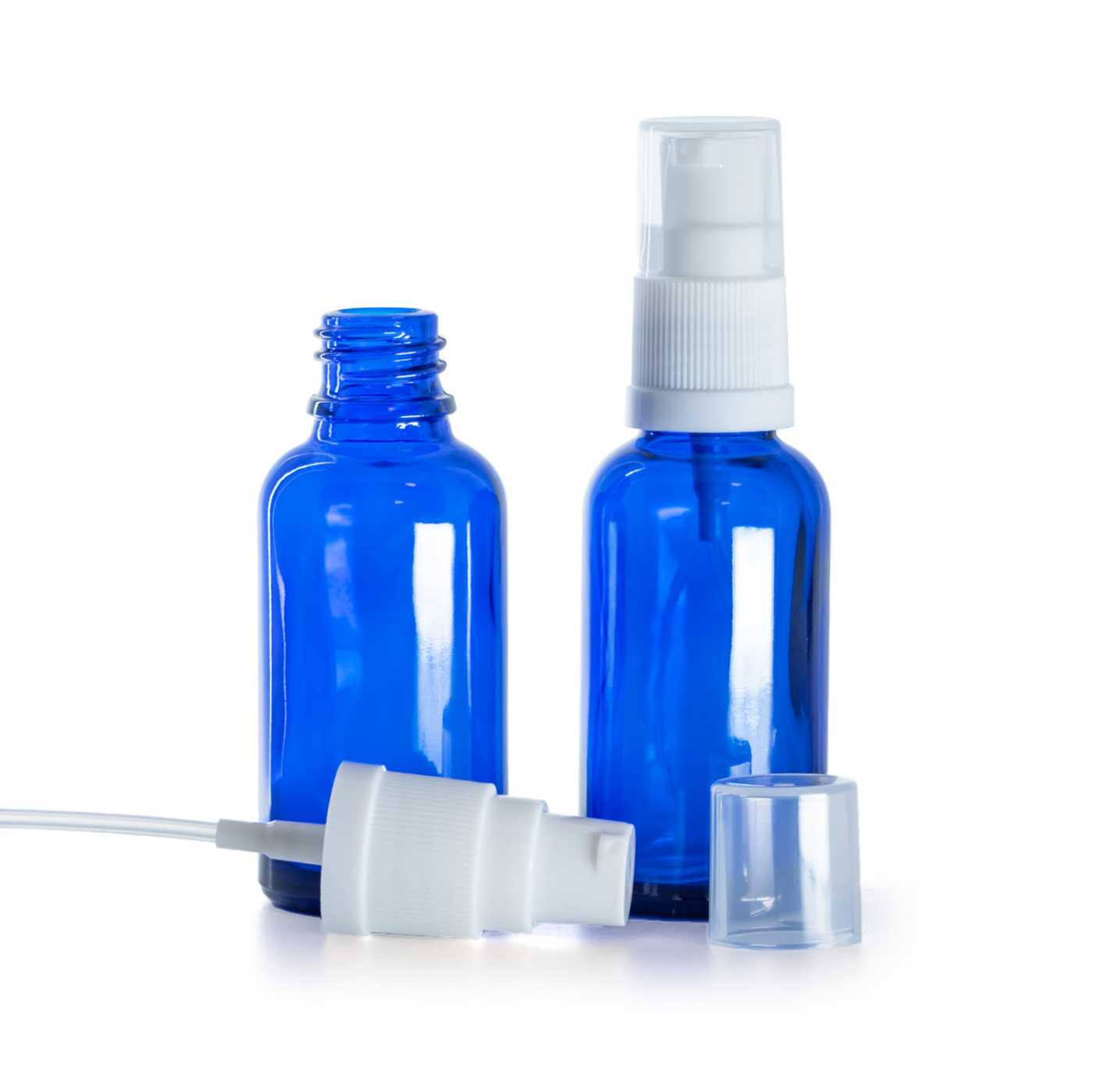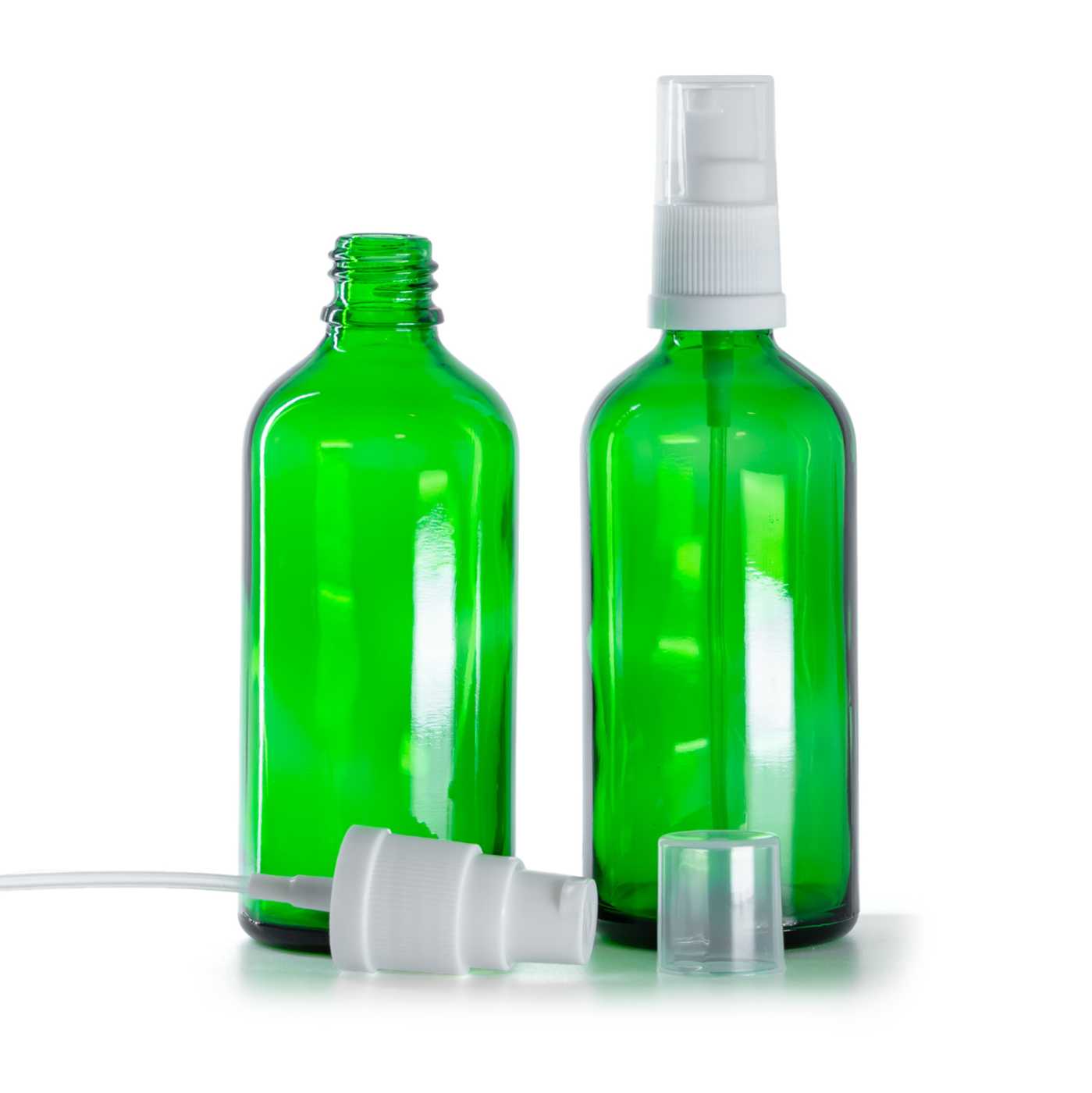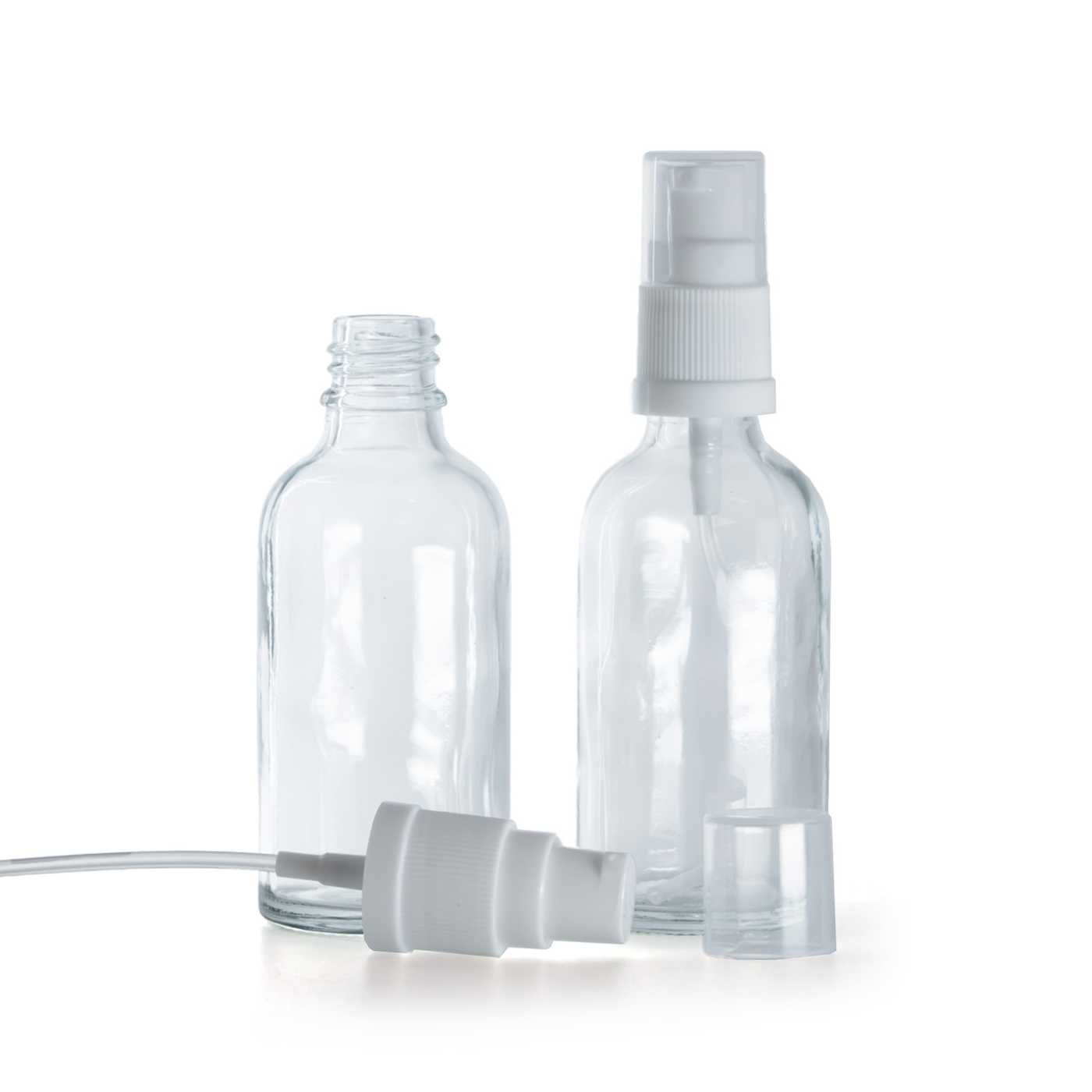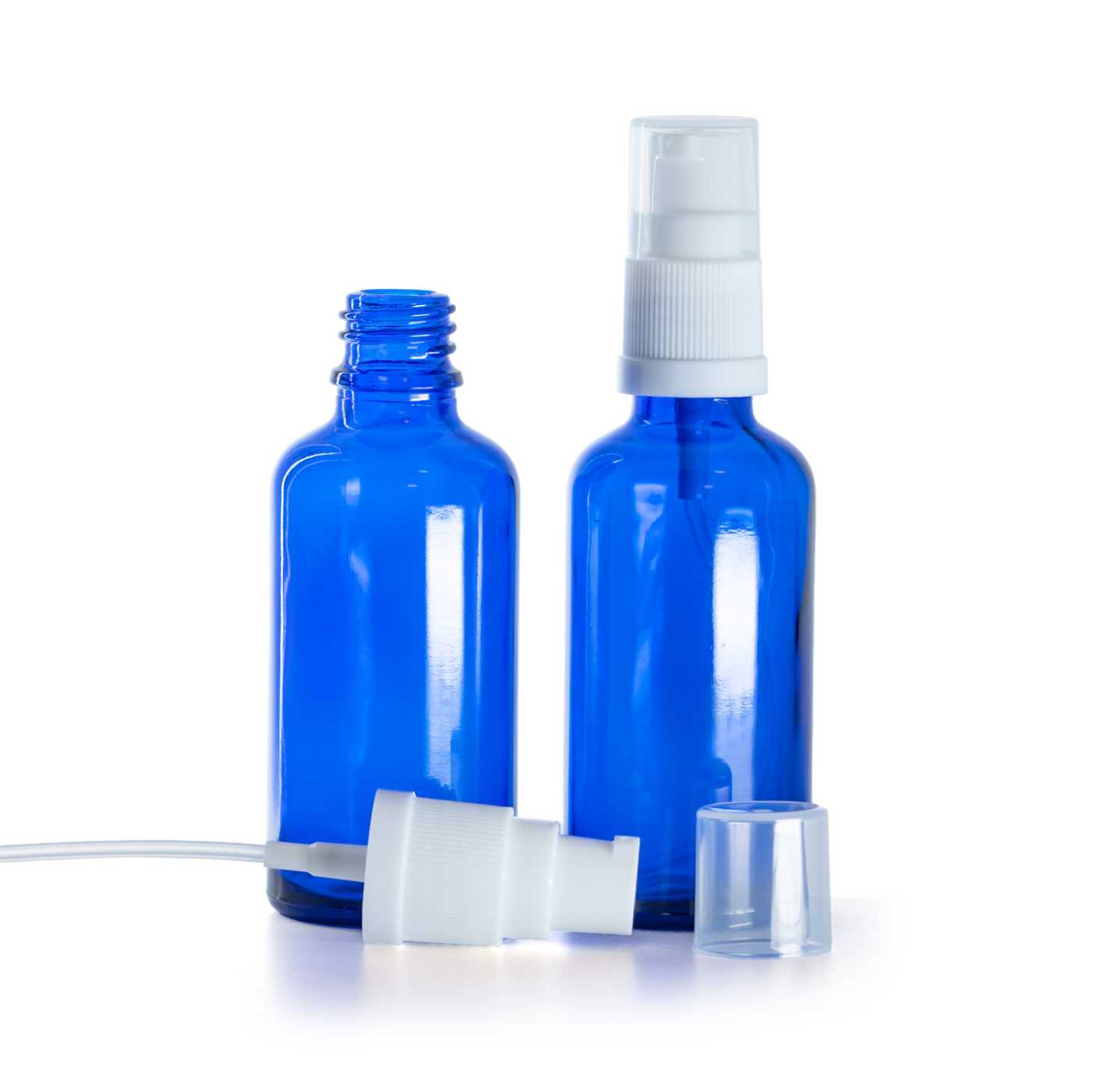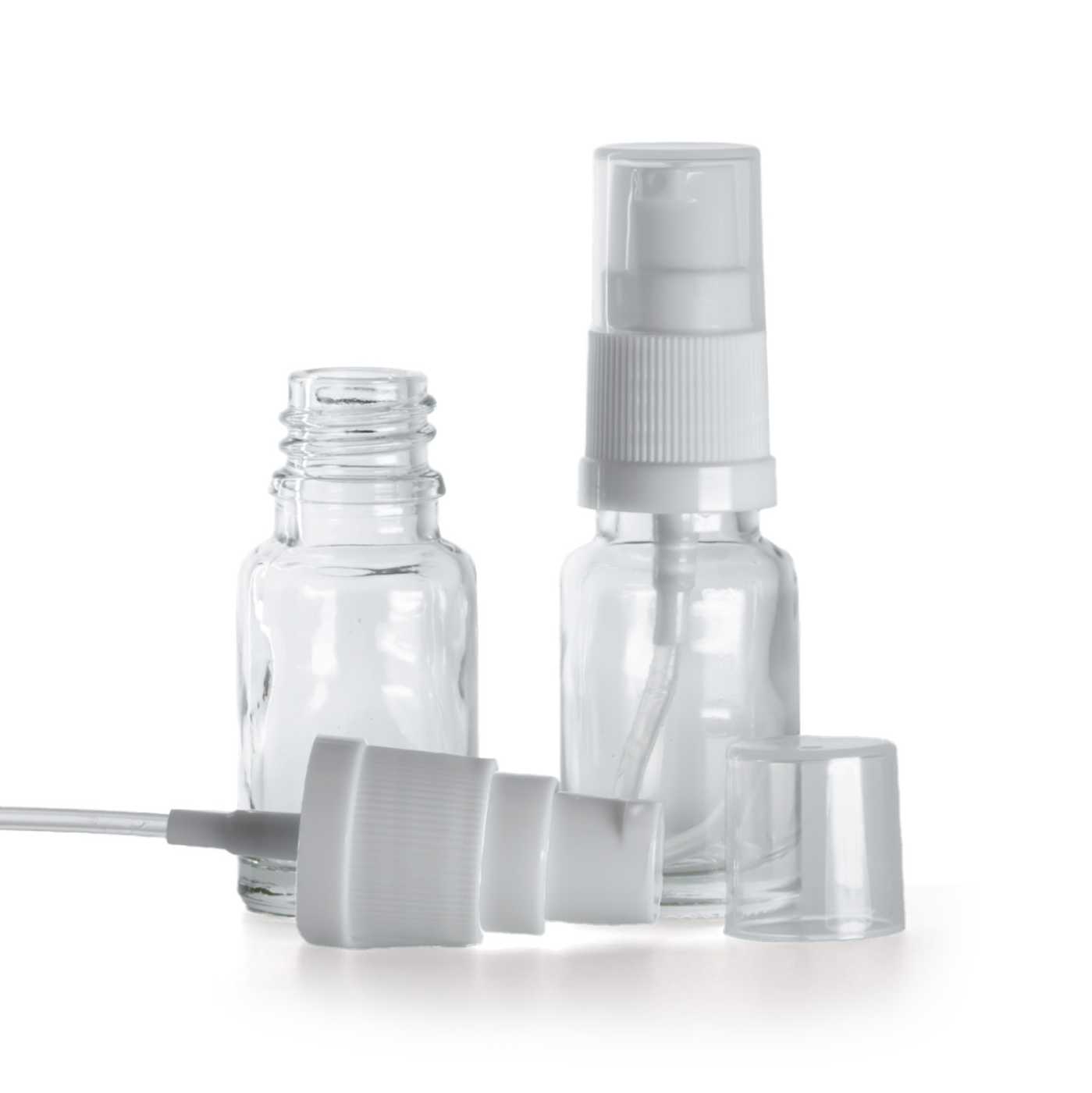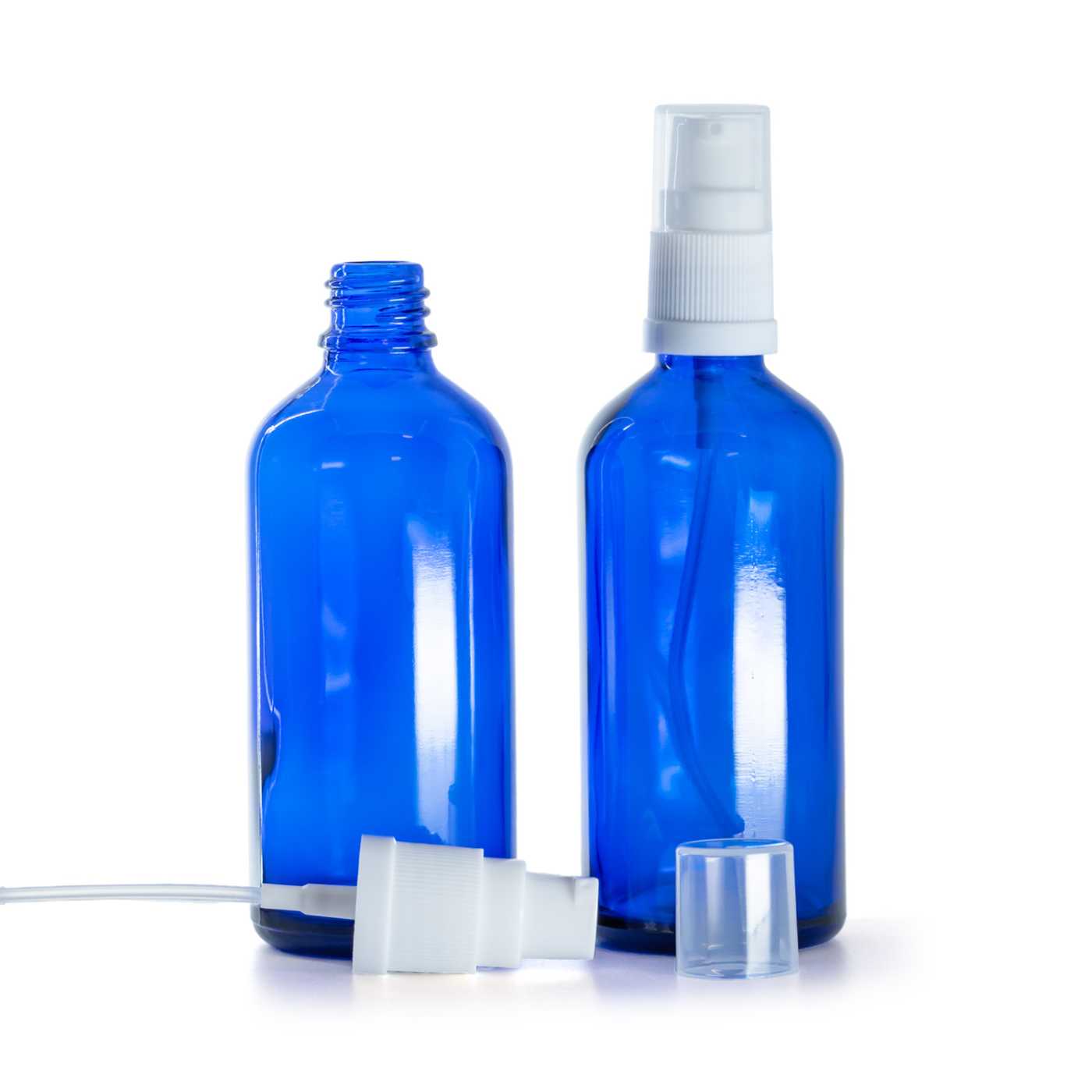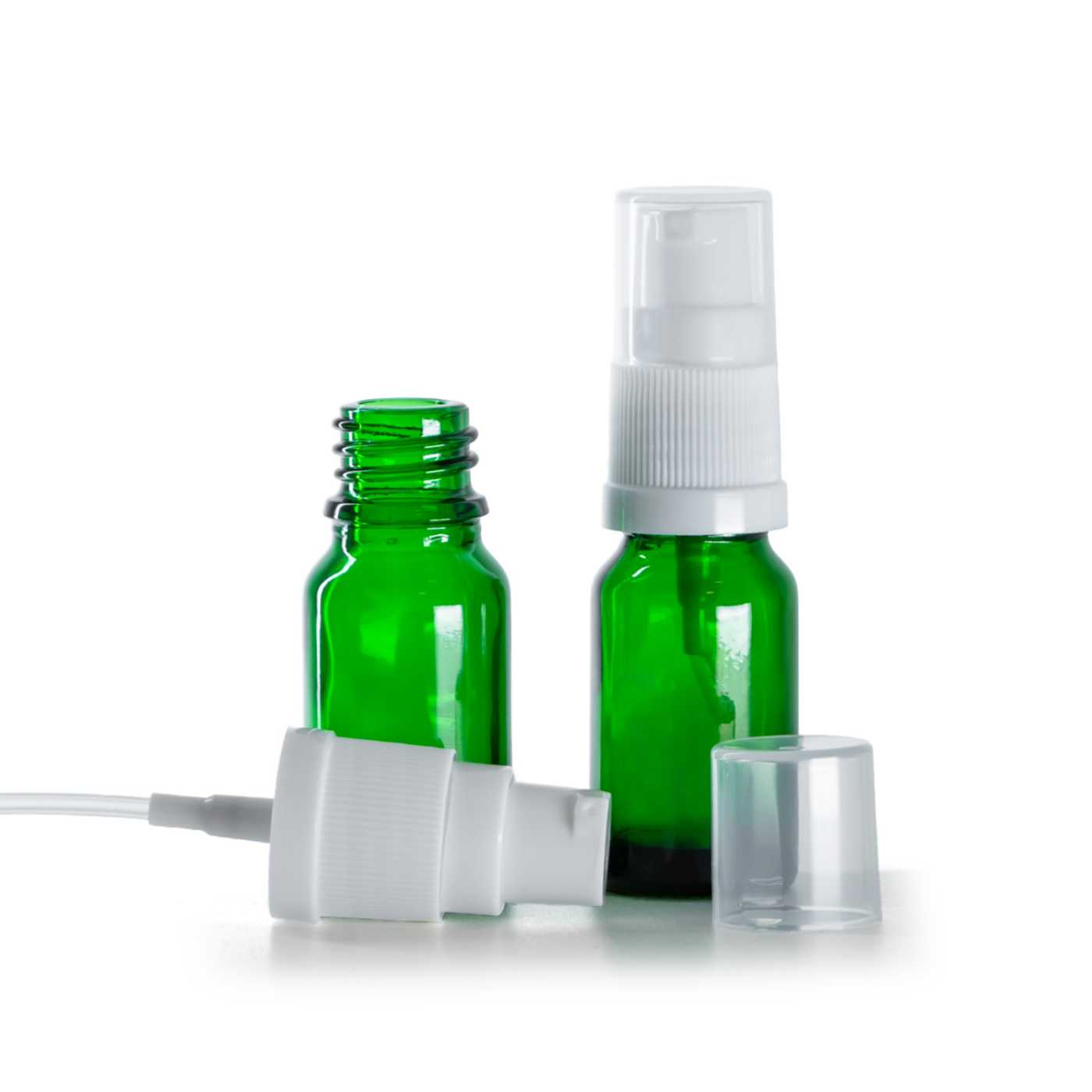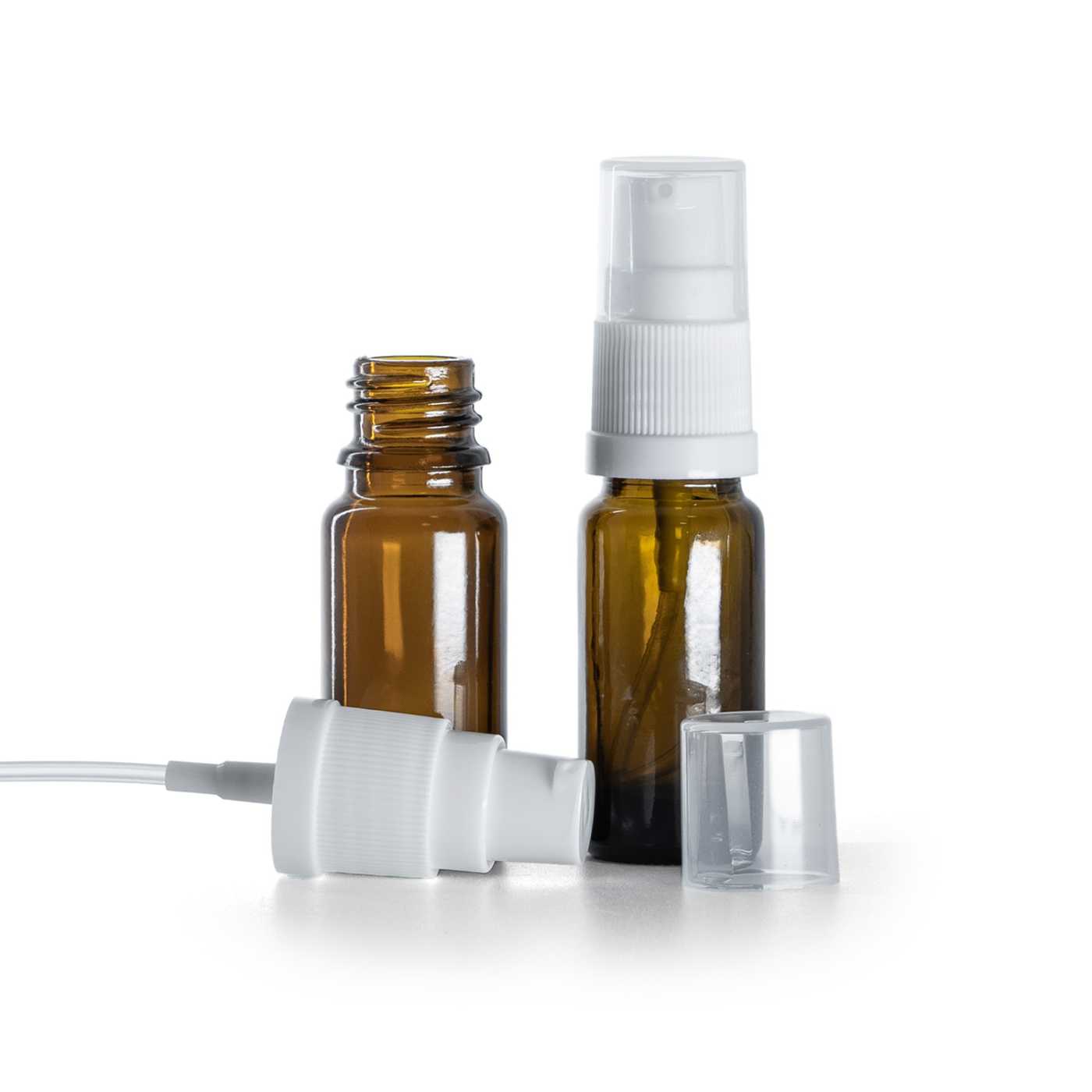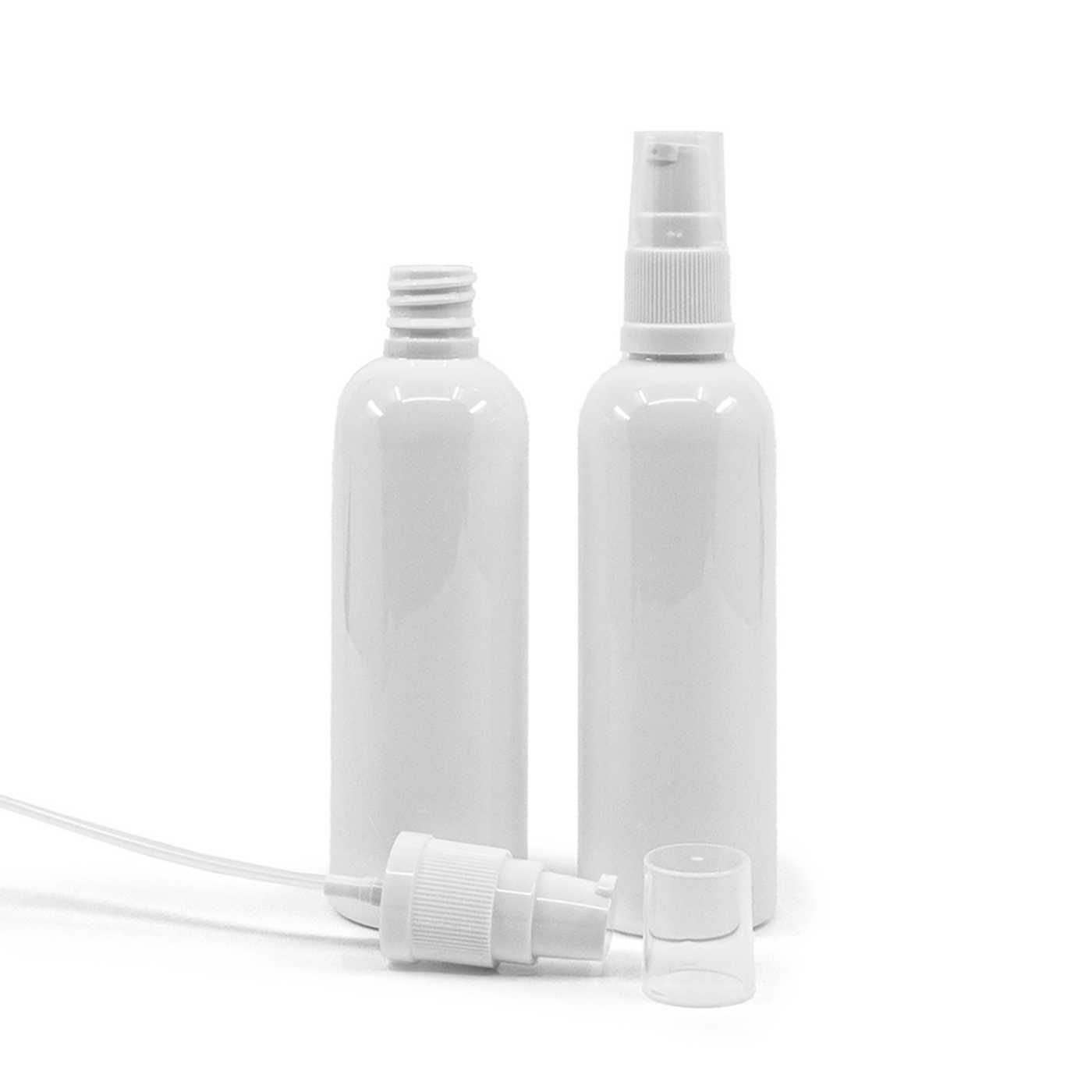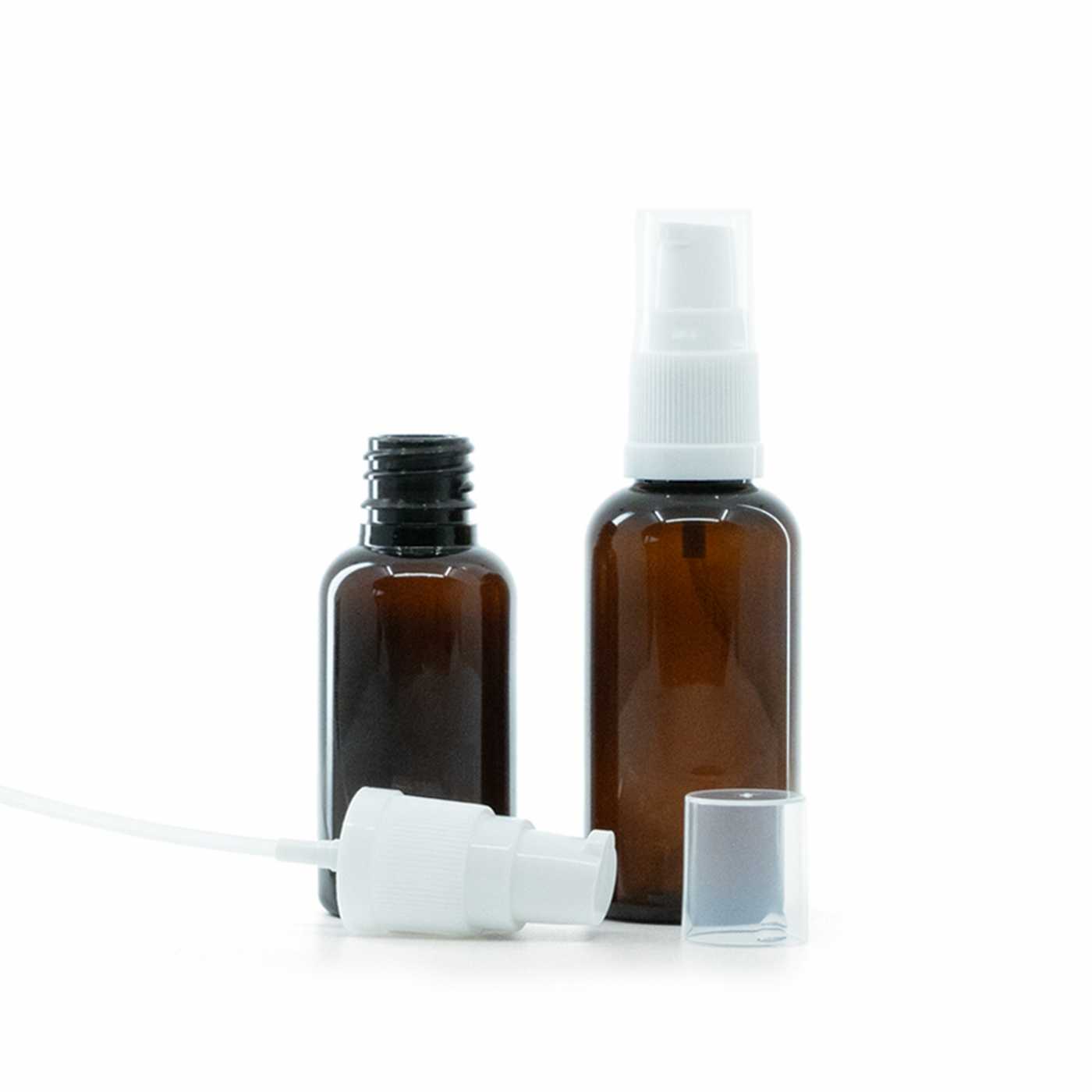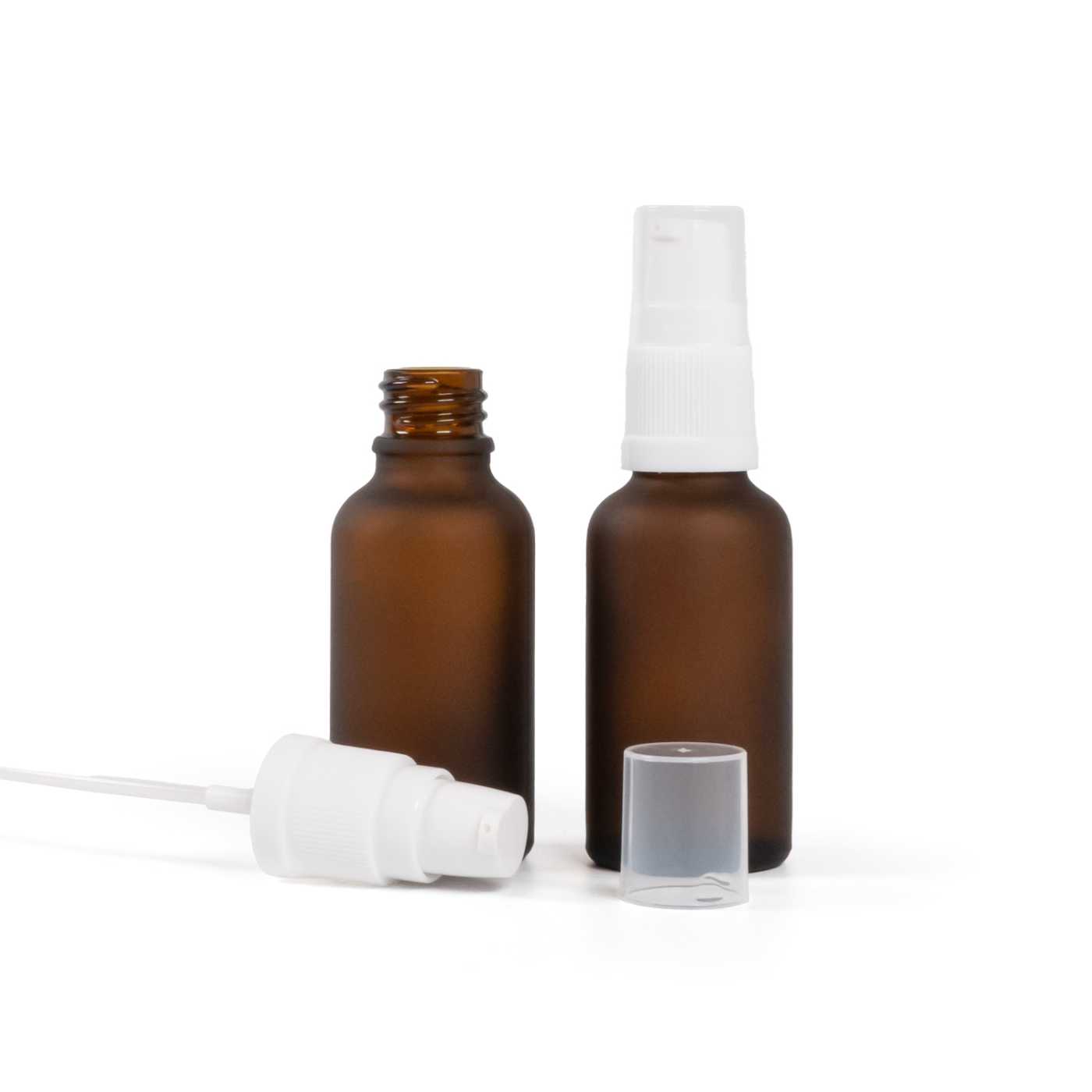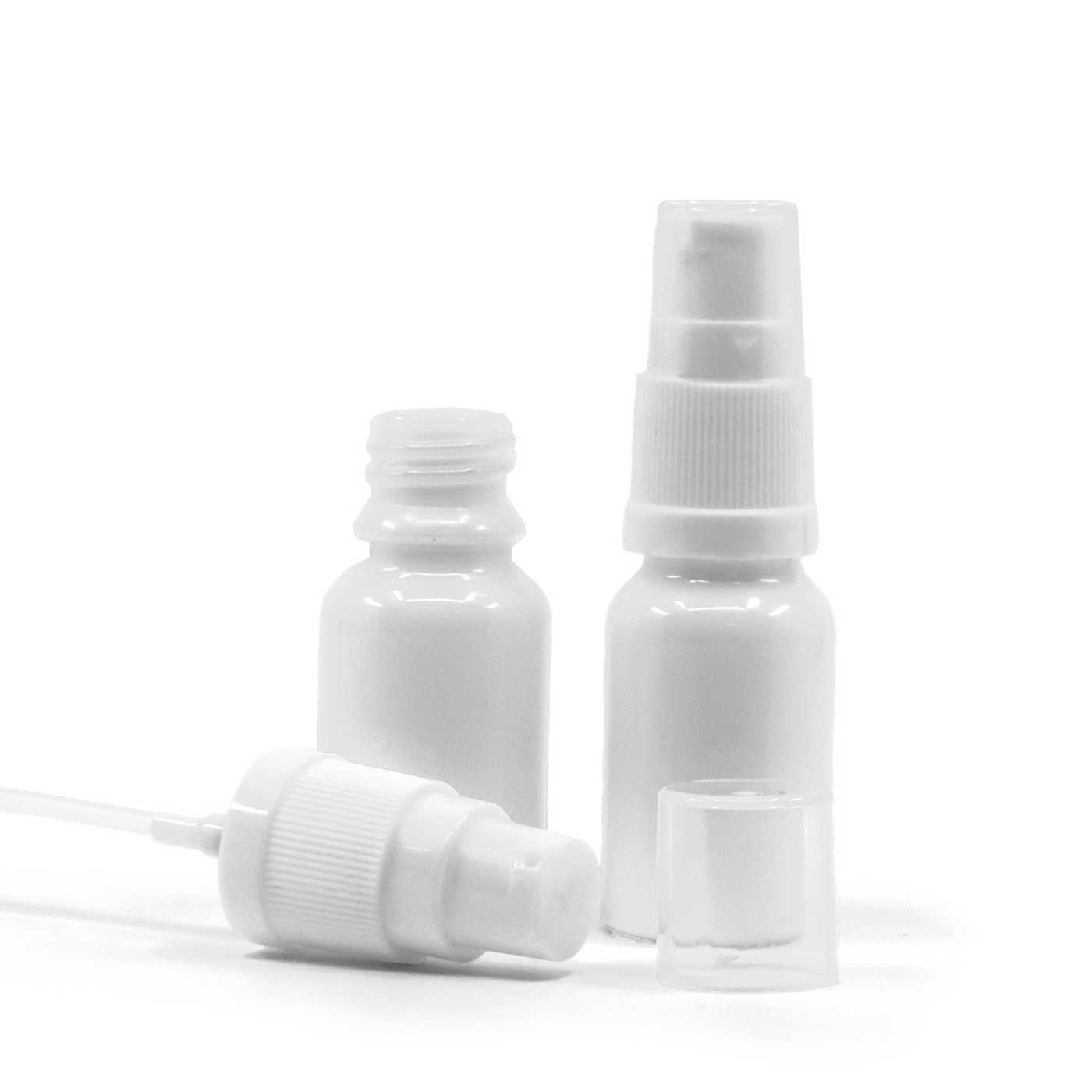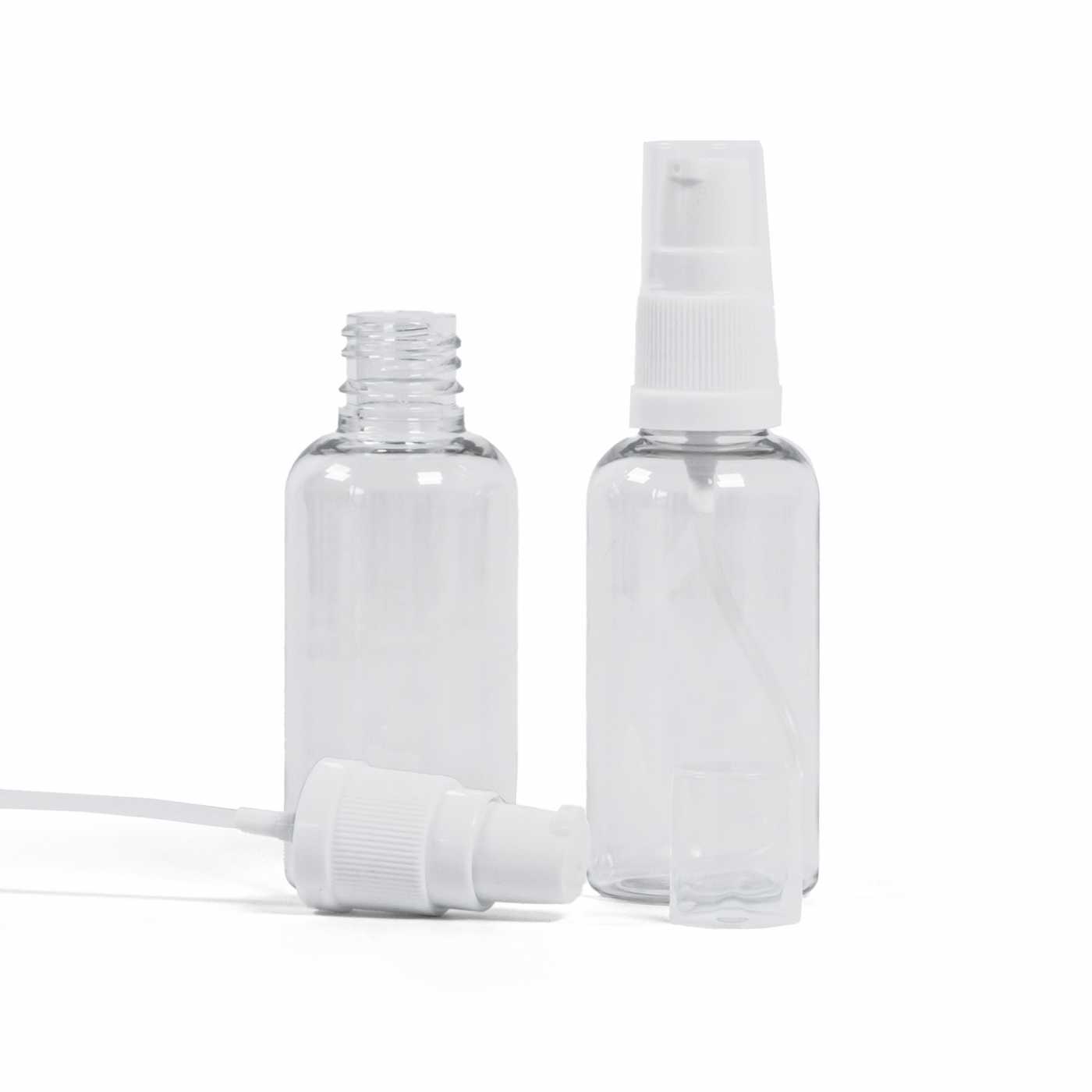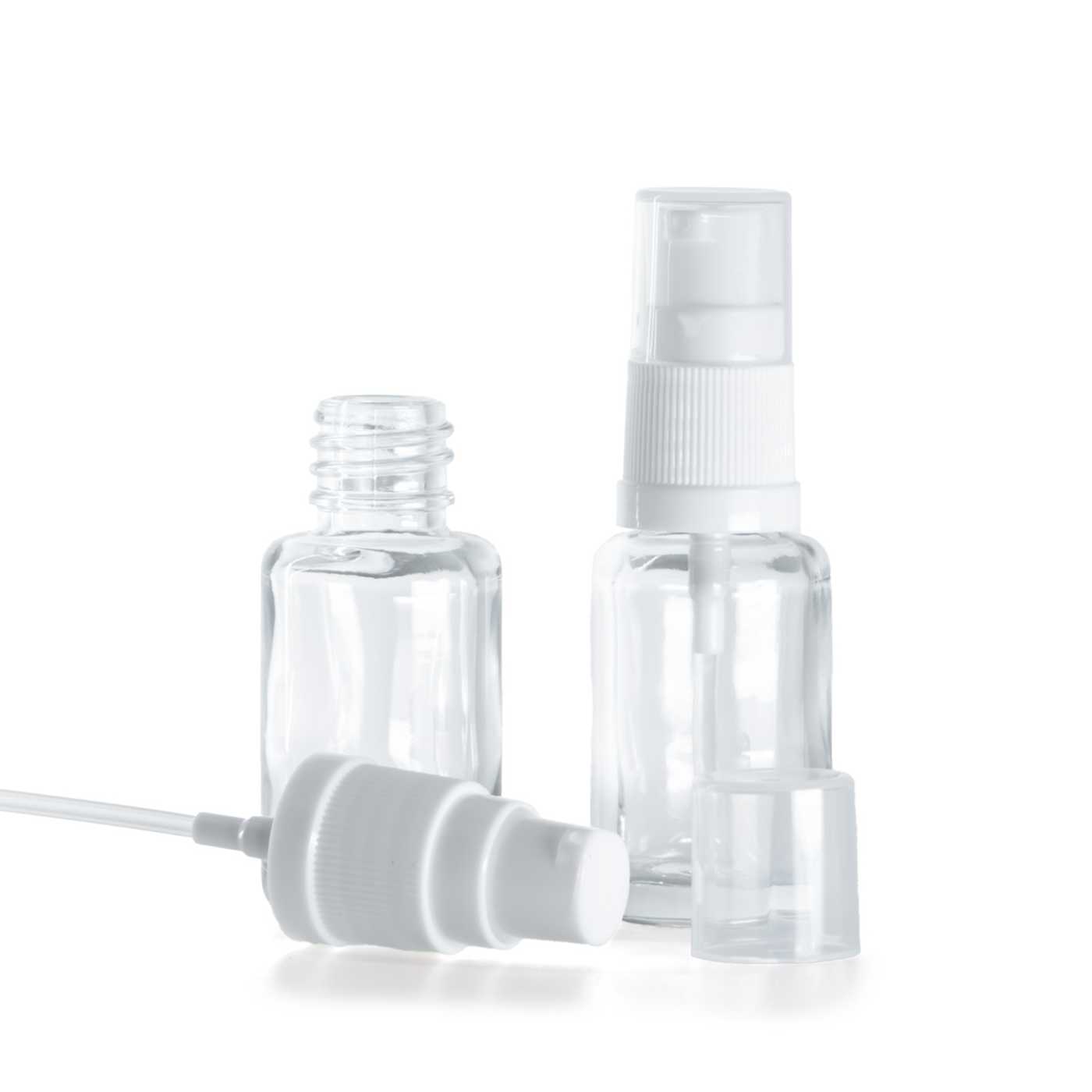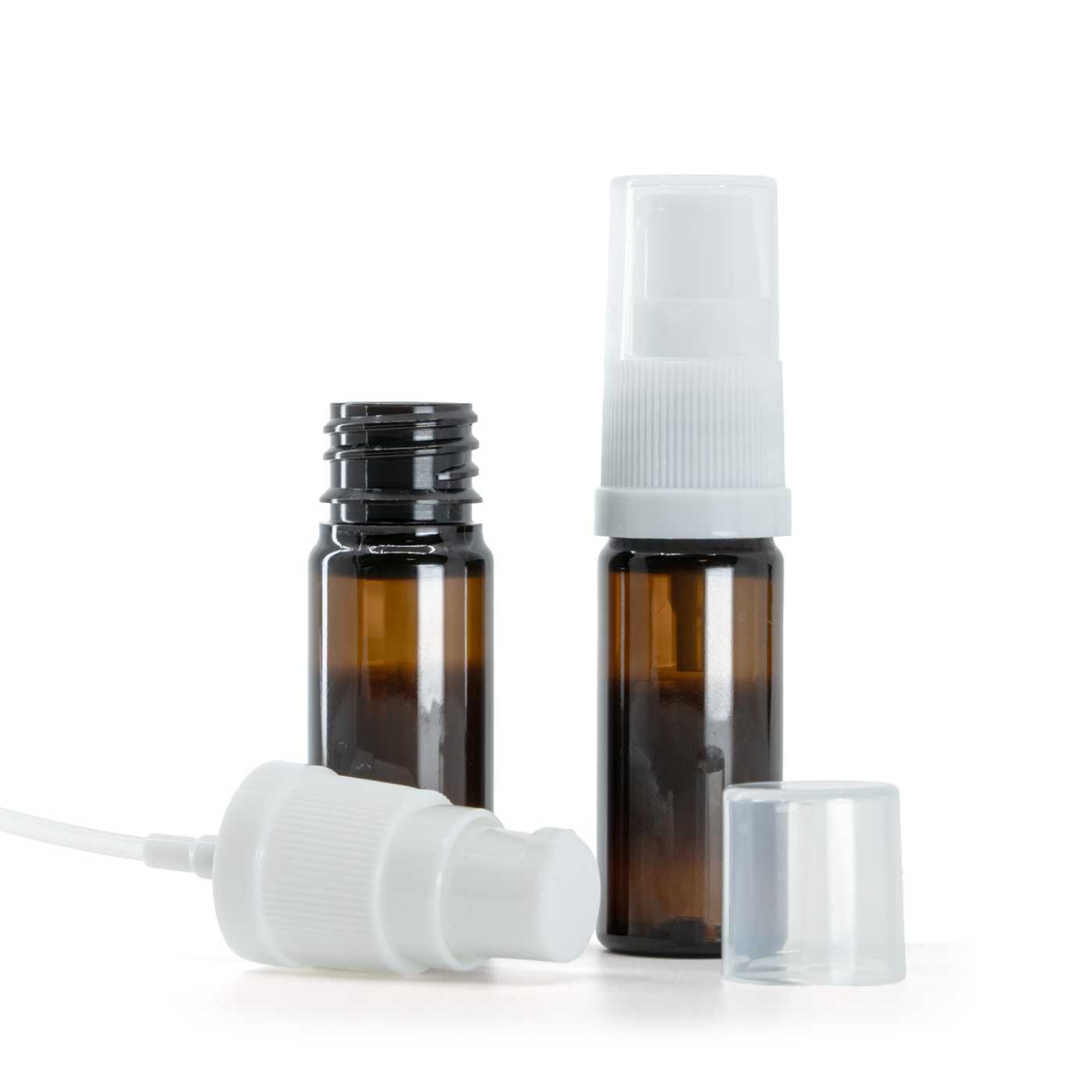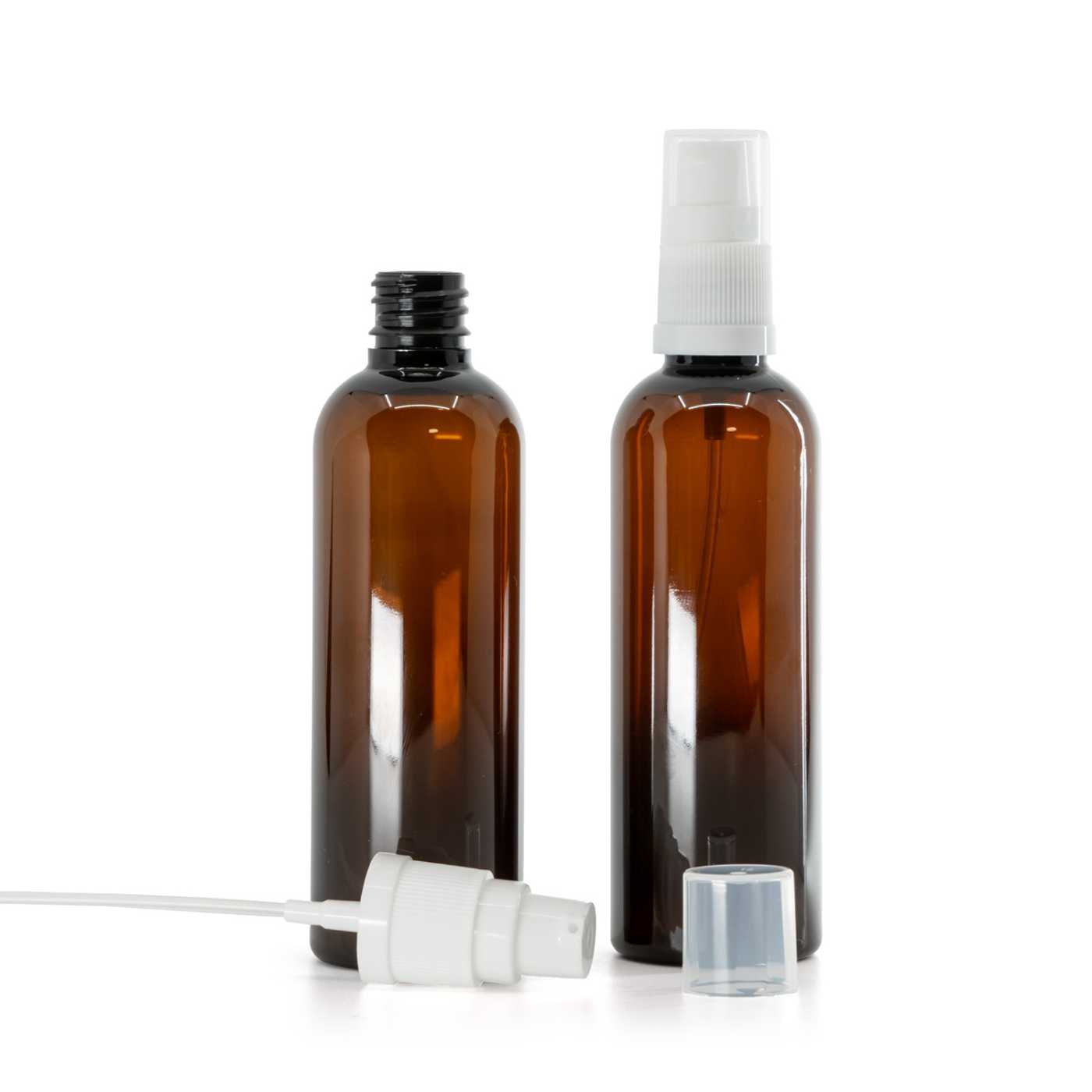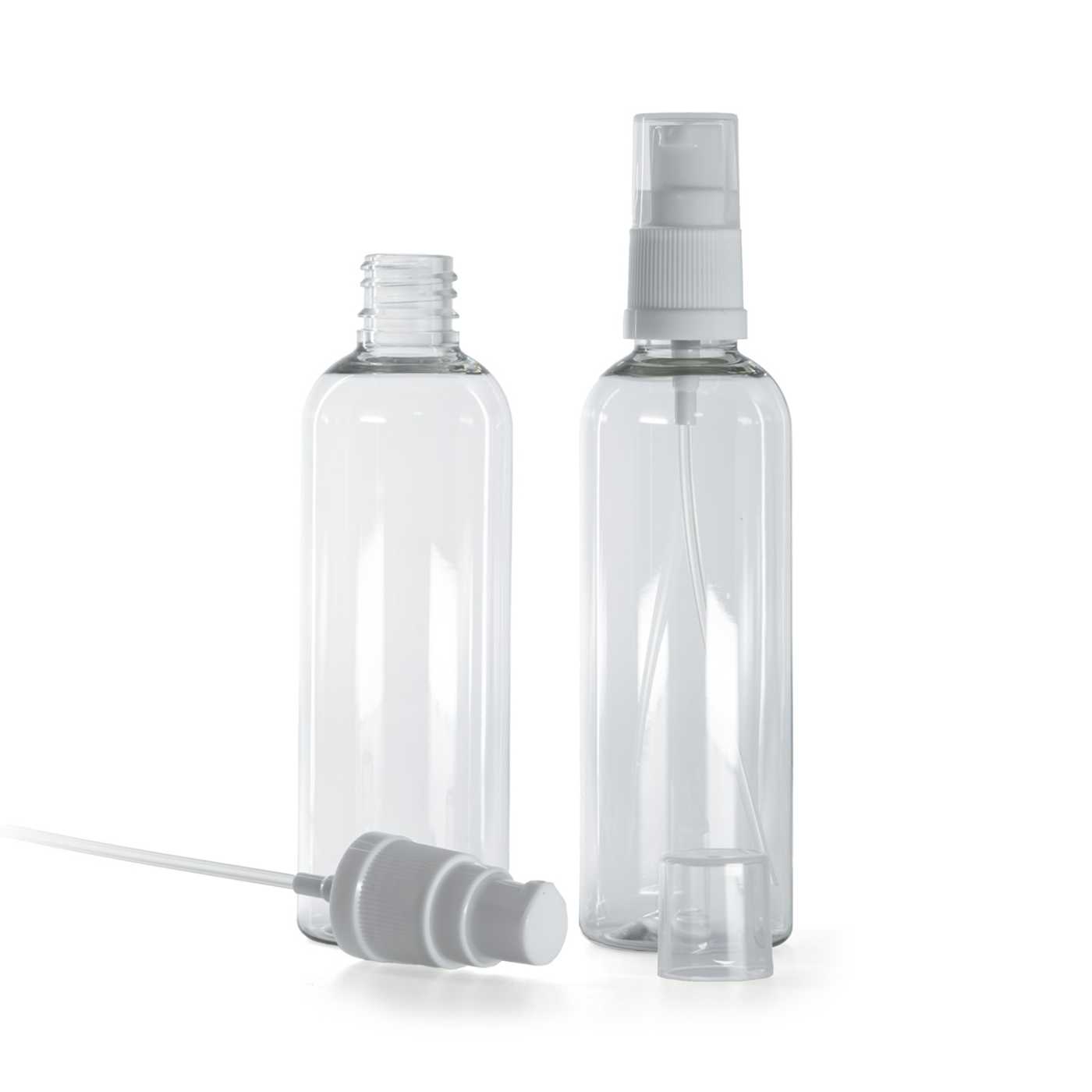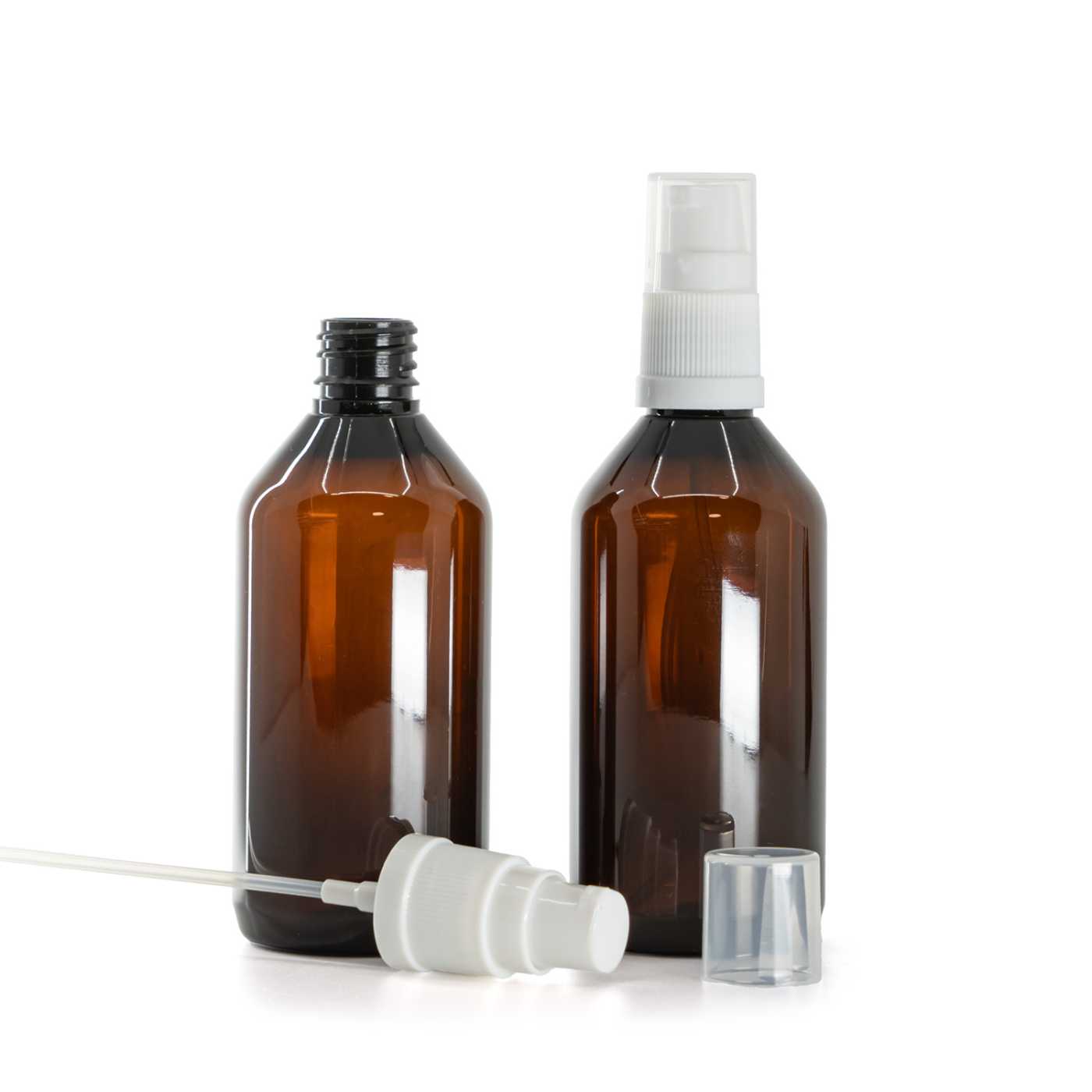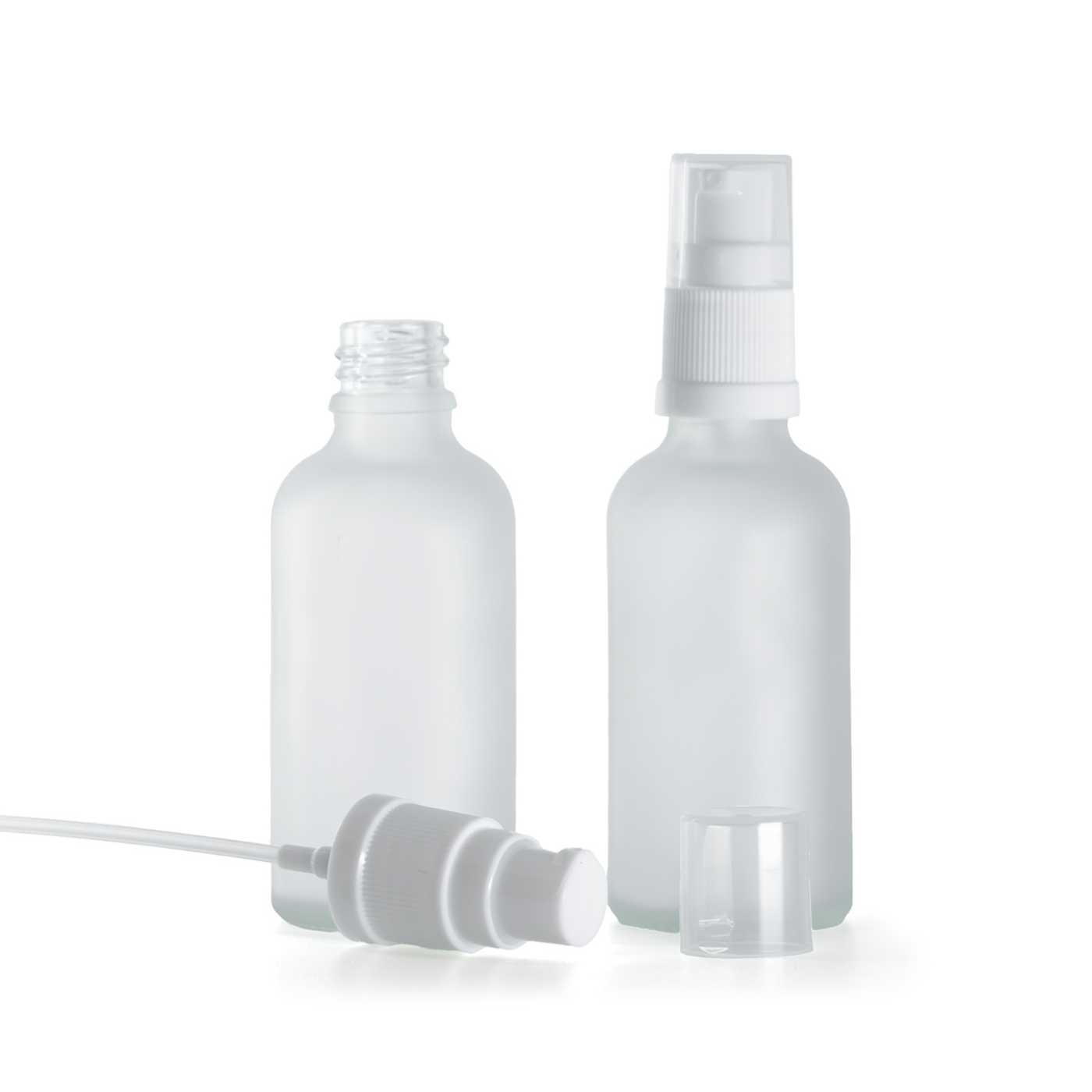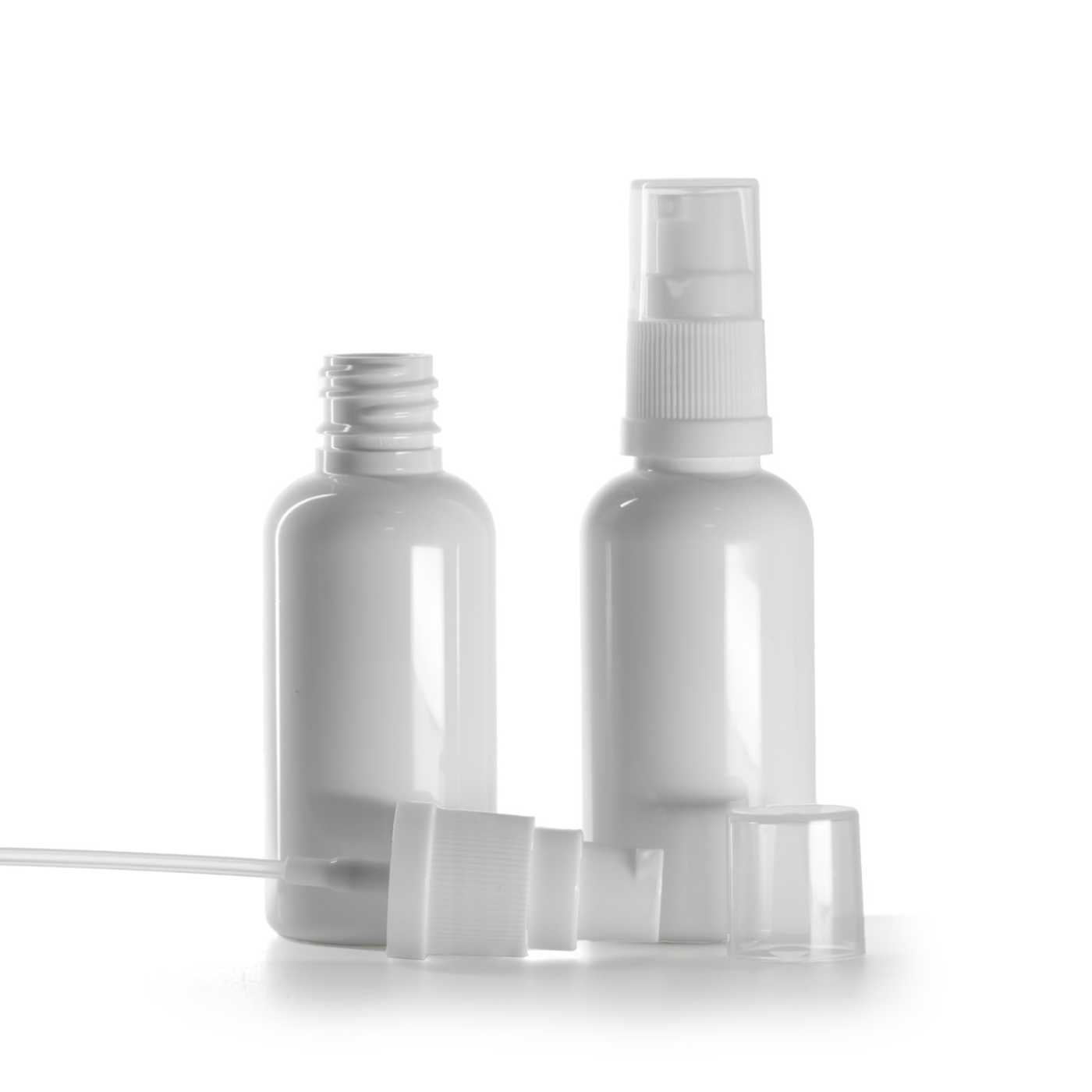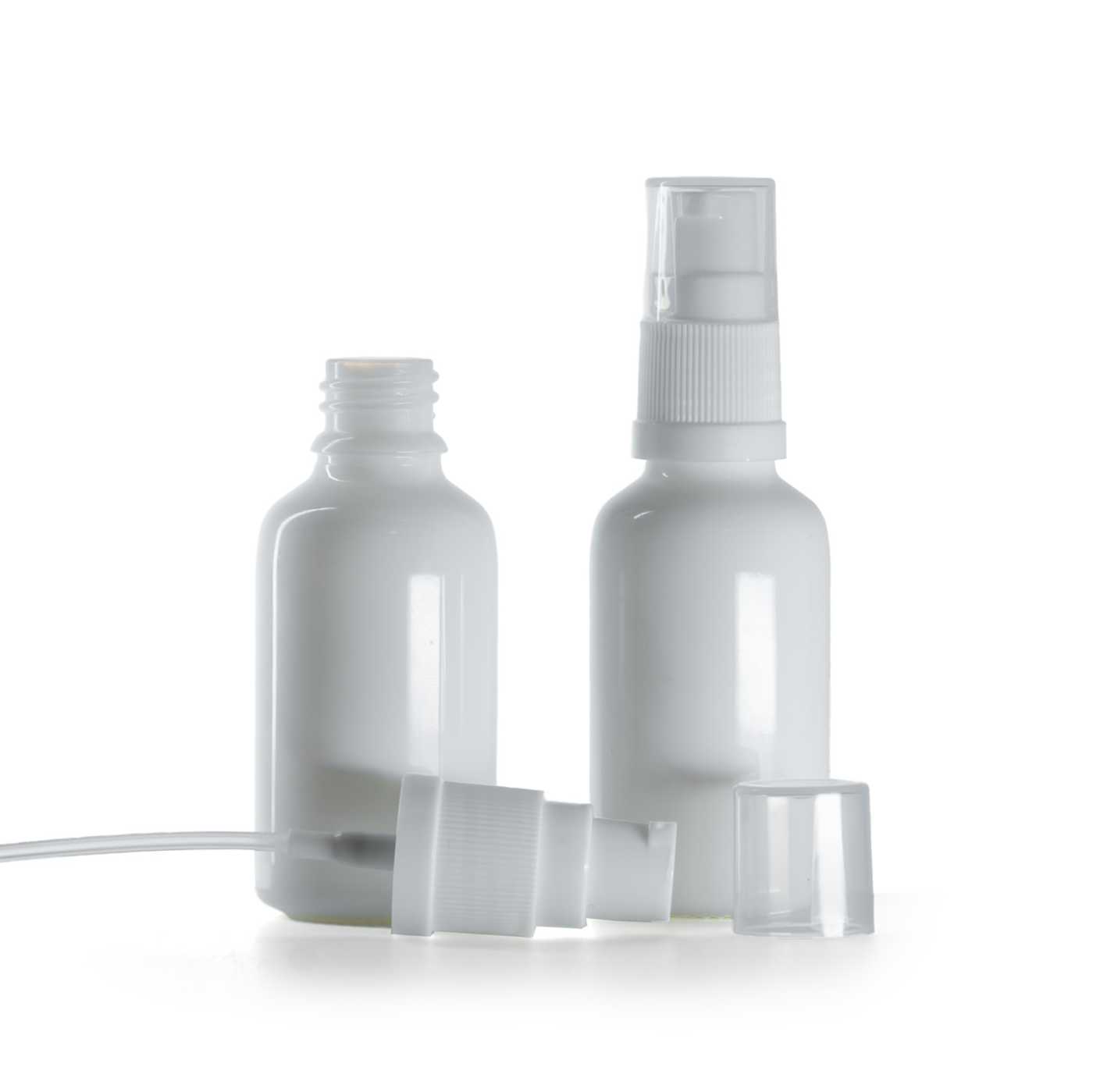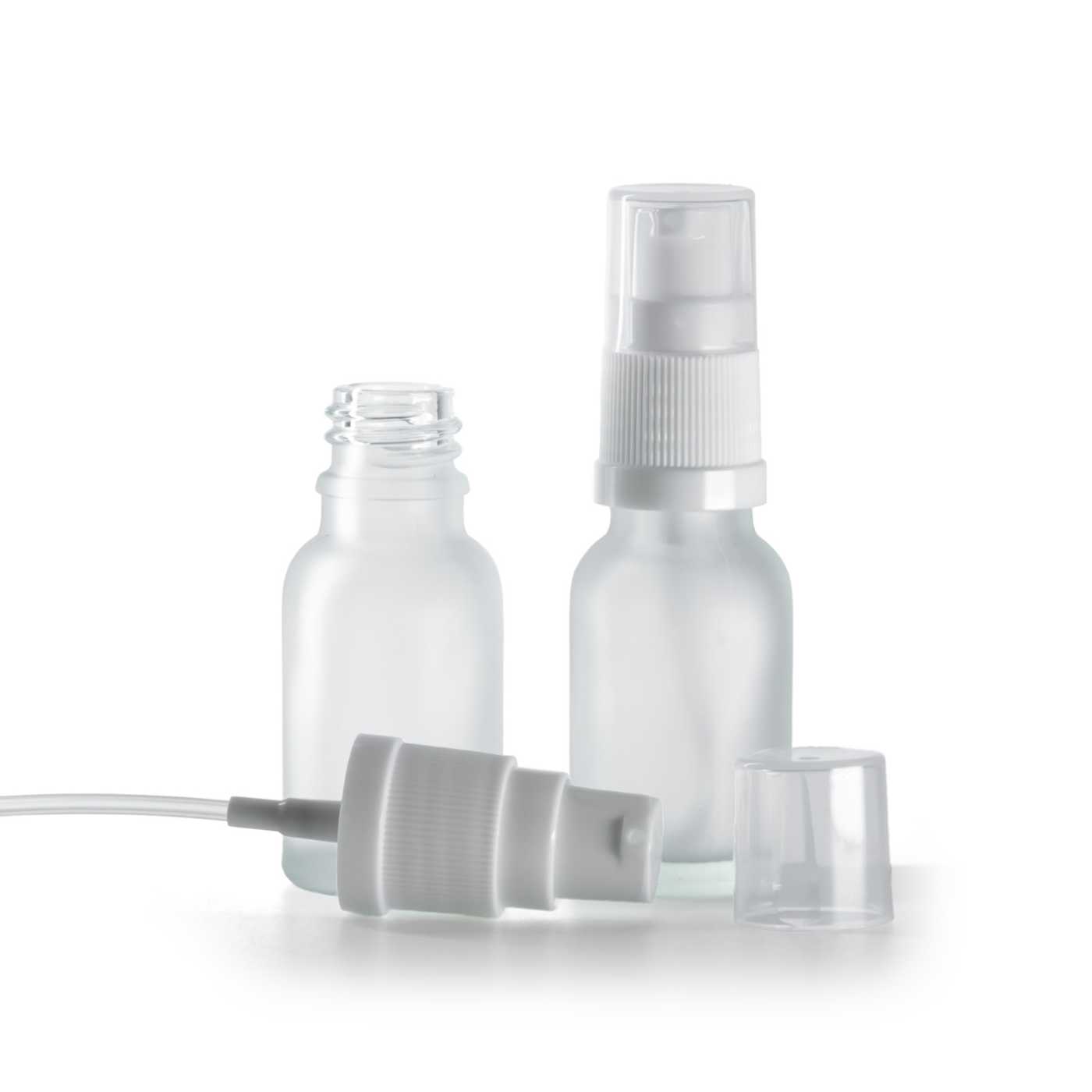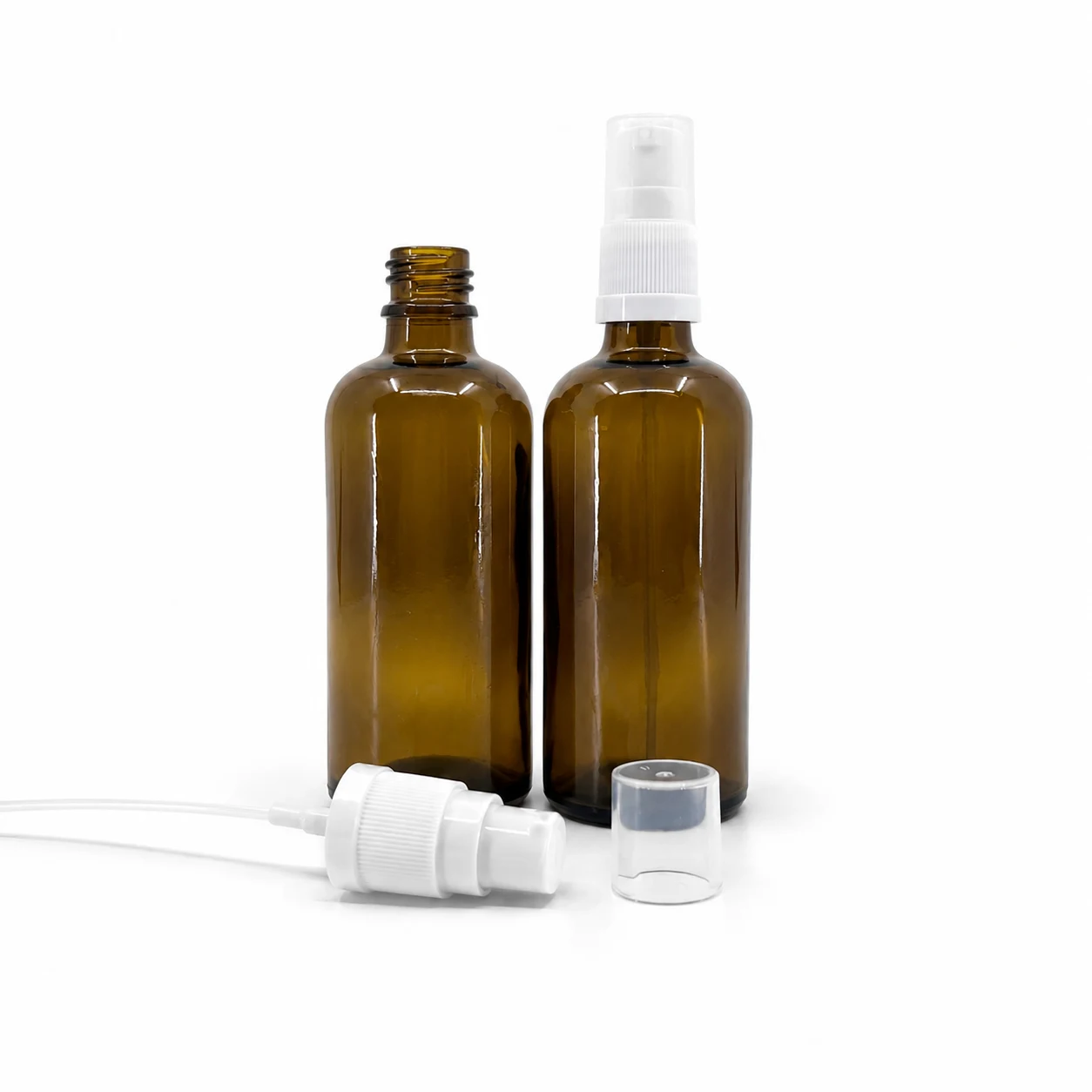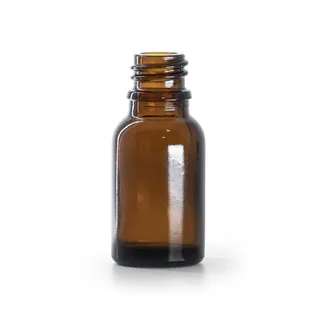
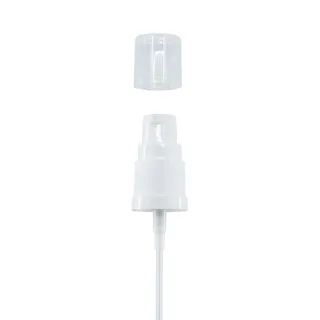
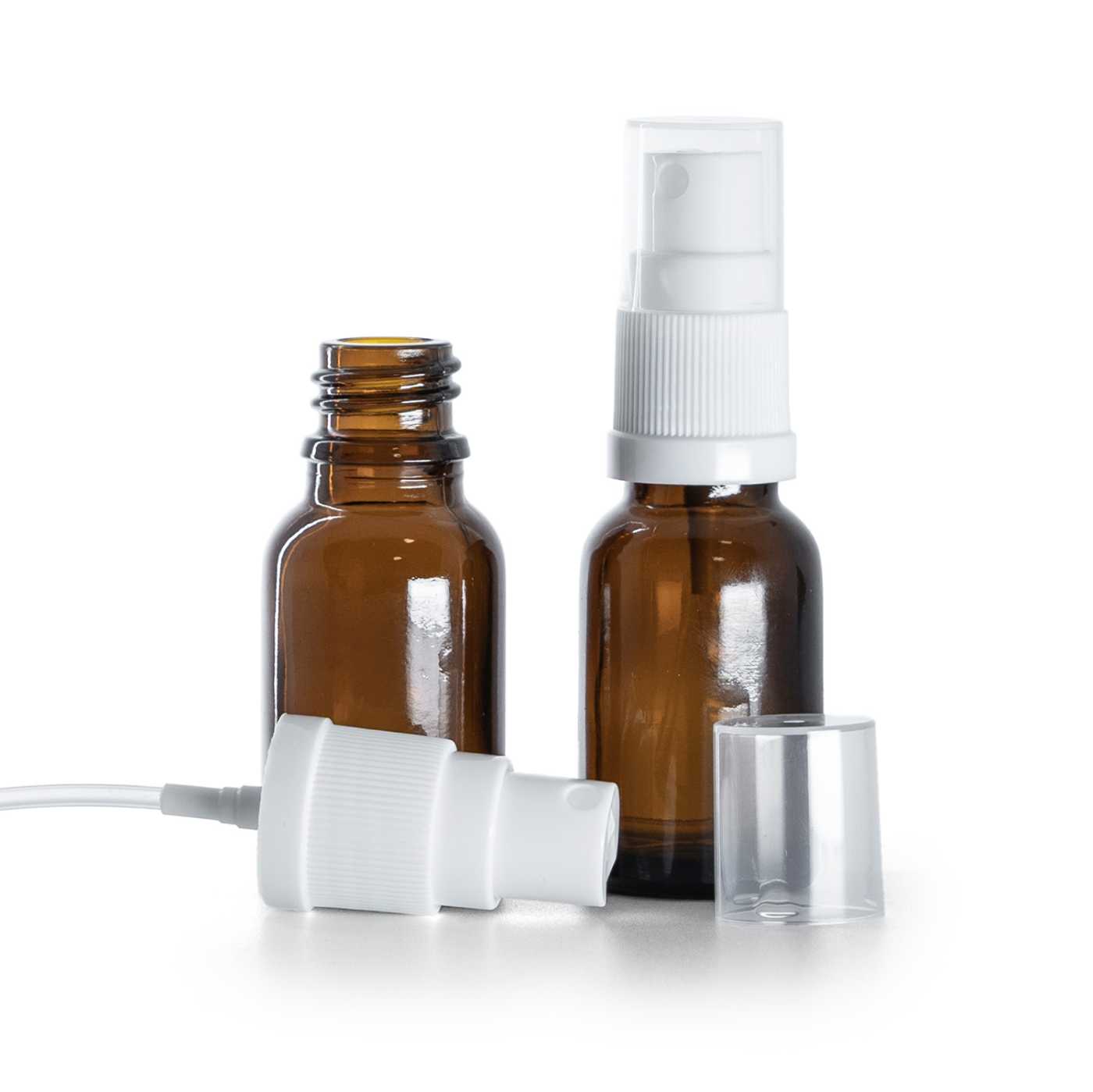
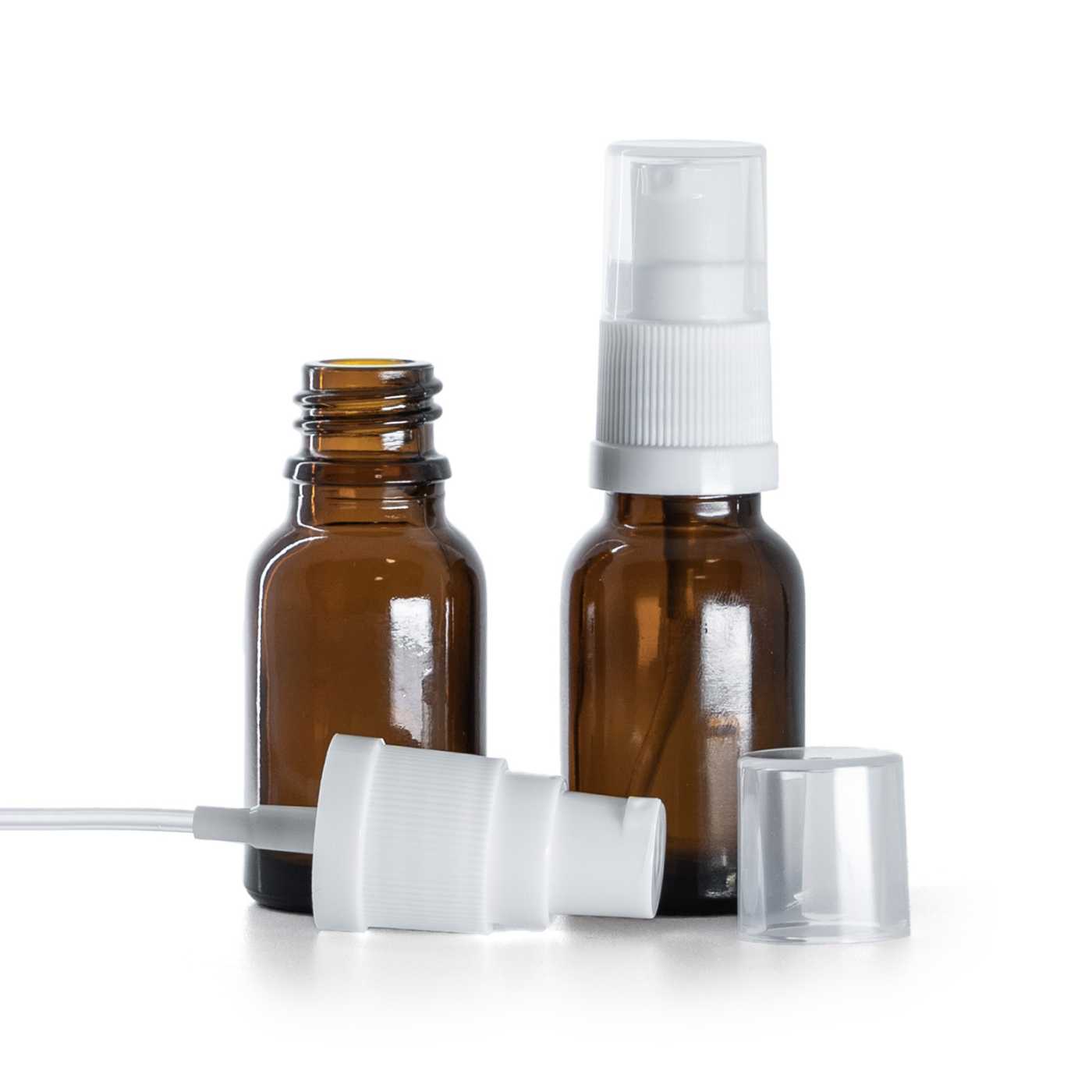
Amber Glass Bottle, White Spray, 15 ml
Pre-order€0.69

GLASS BOTTLES 15 ml
Pack size10 ml15 ml30 ml50 ml100 ml
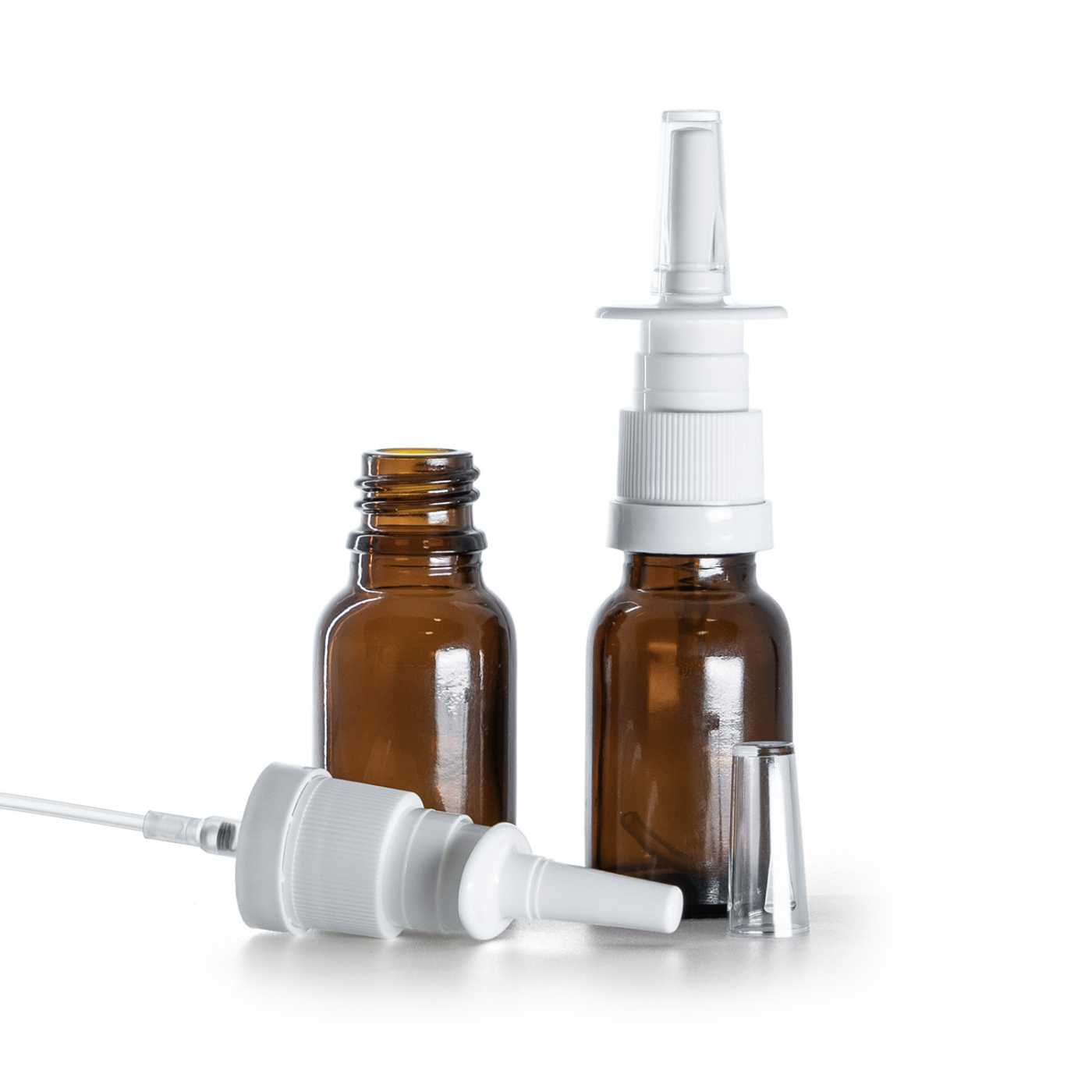
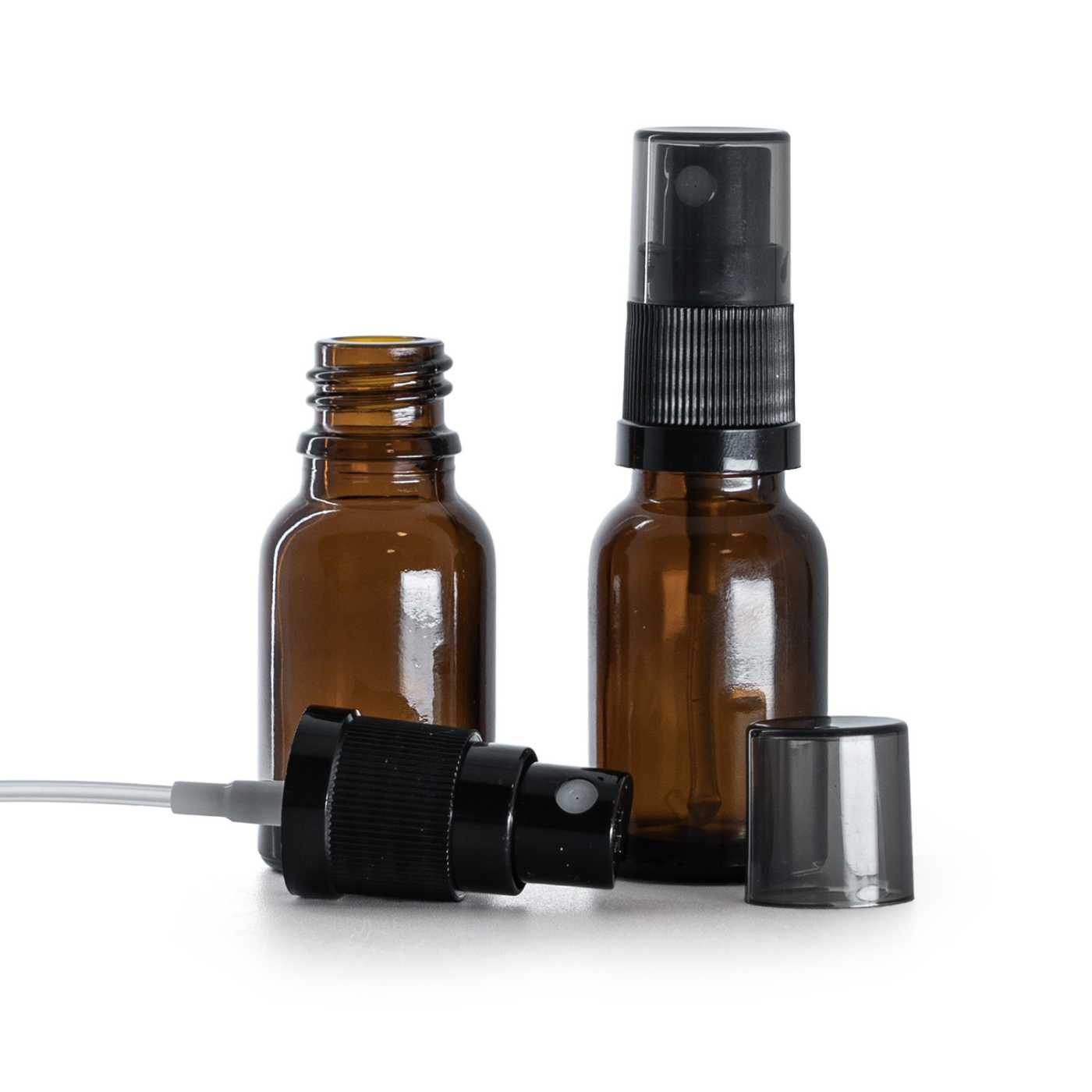
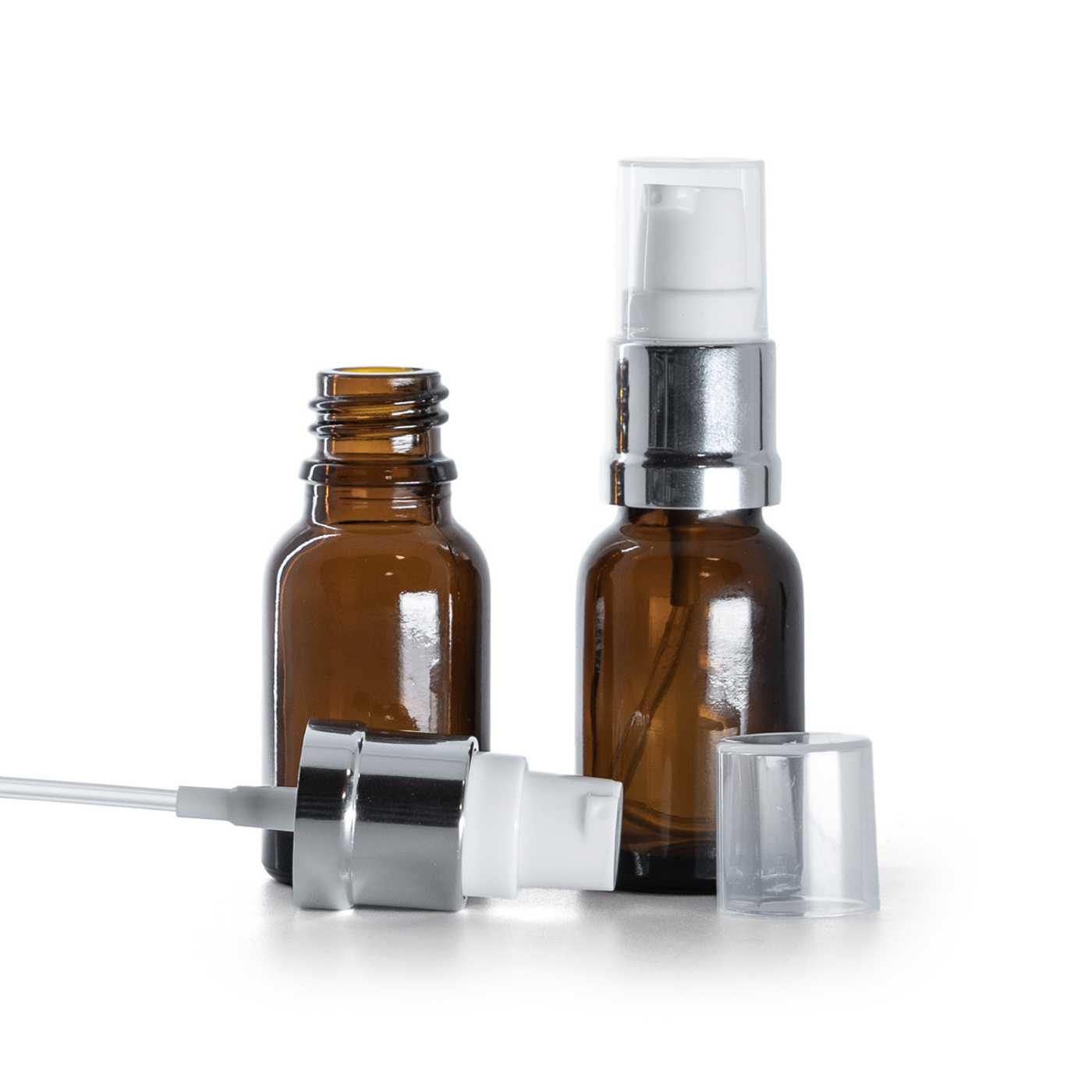
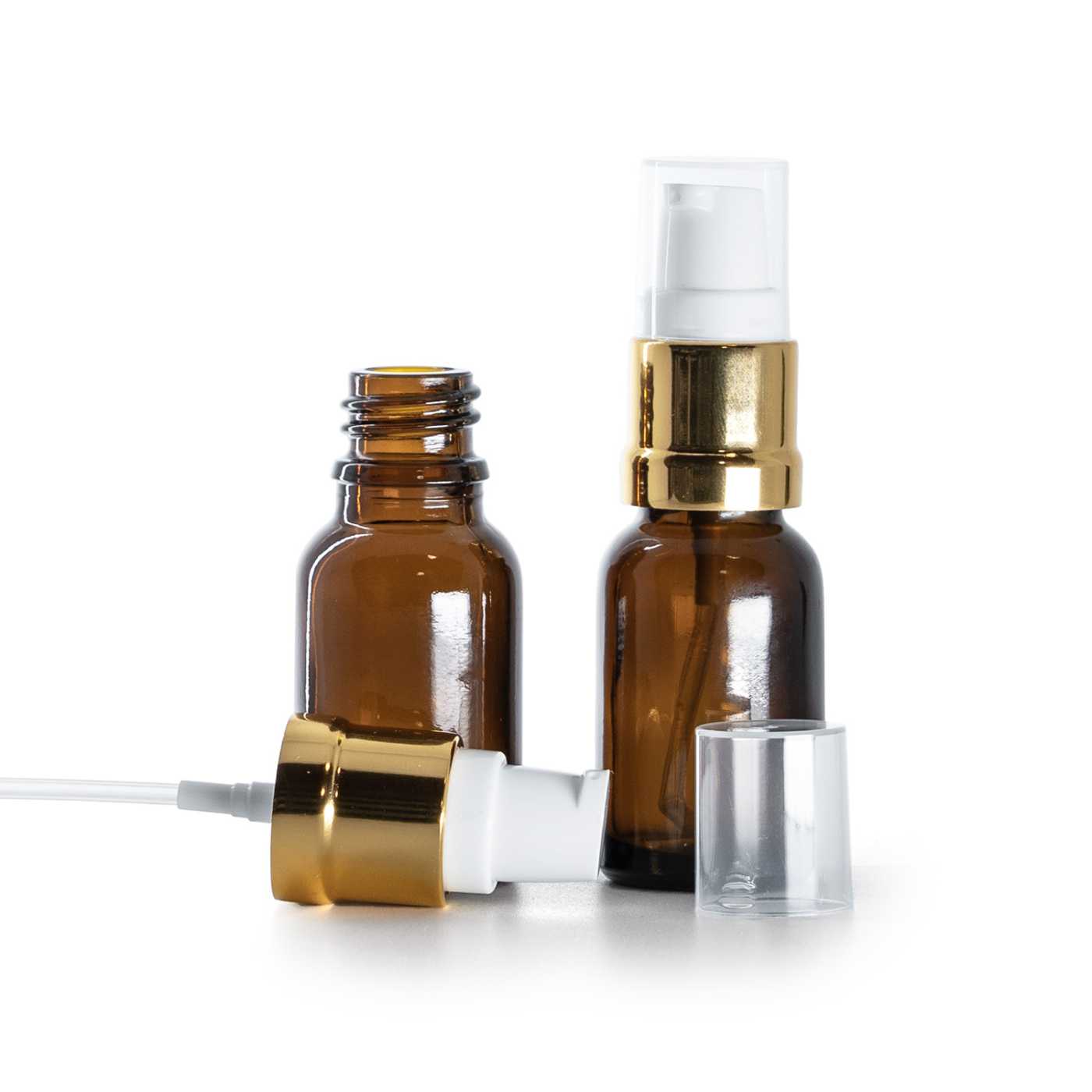
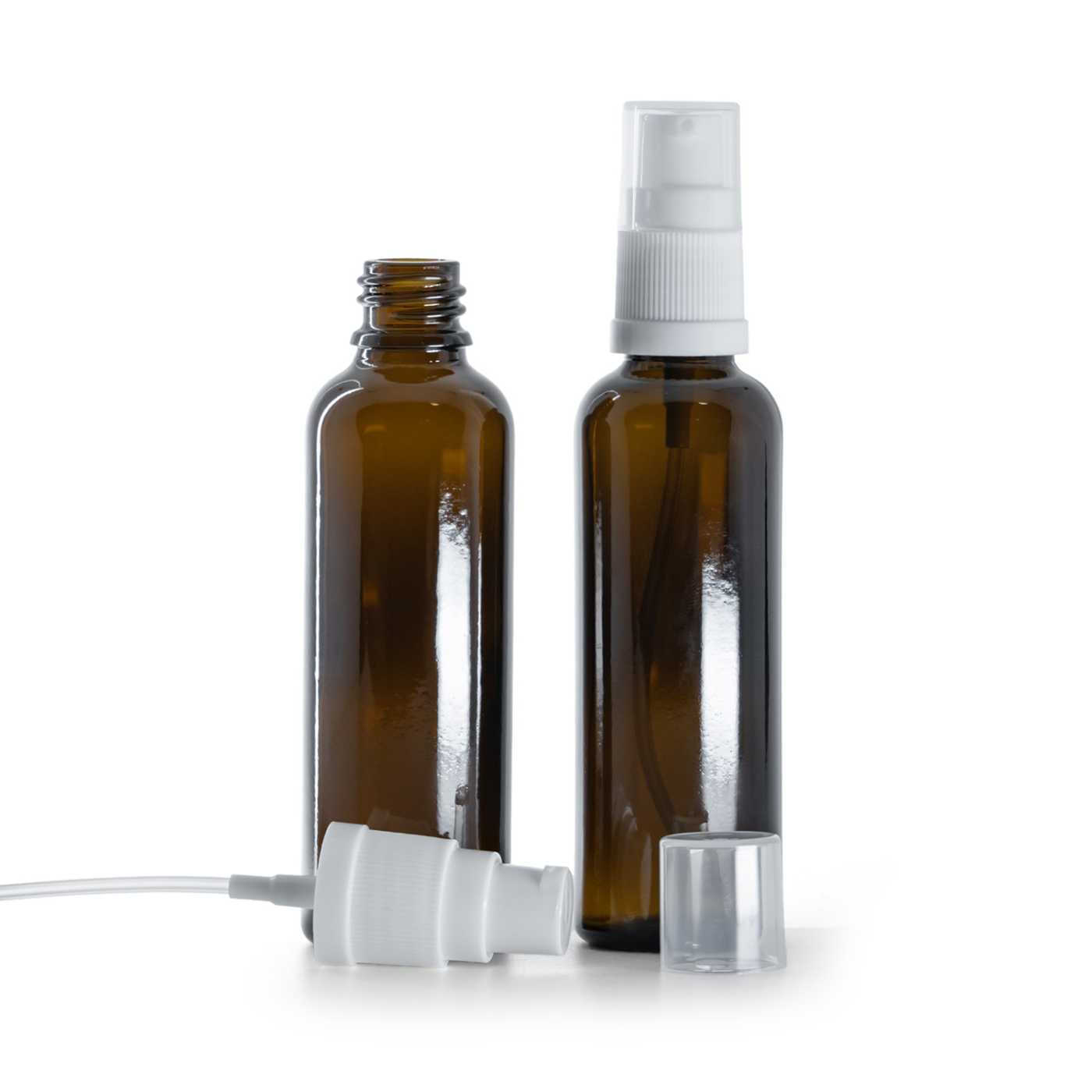
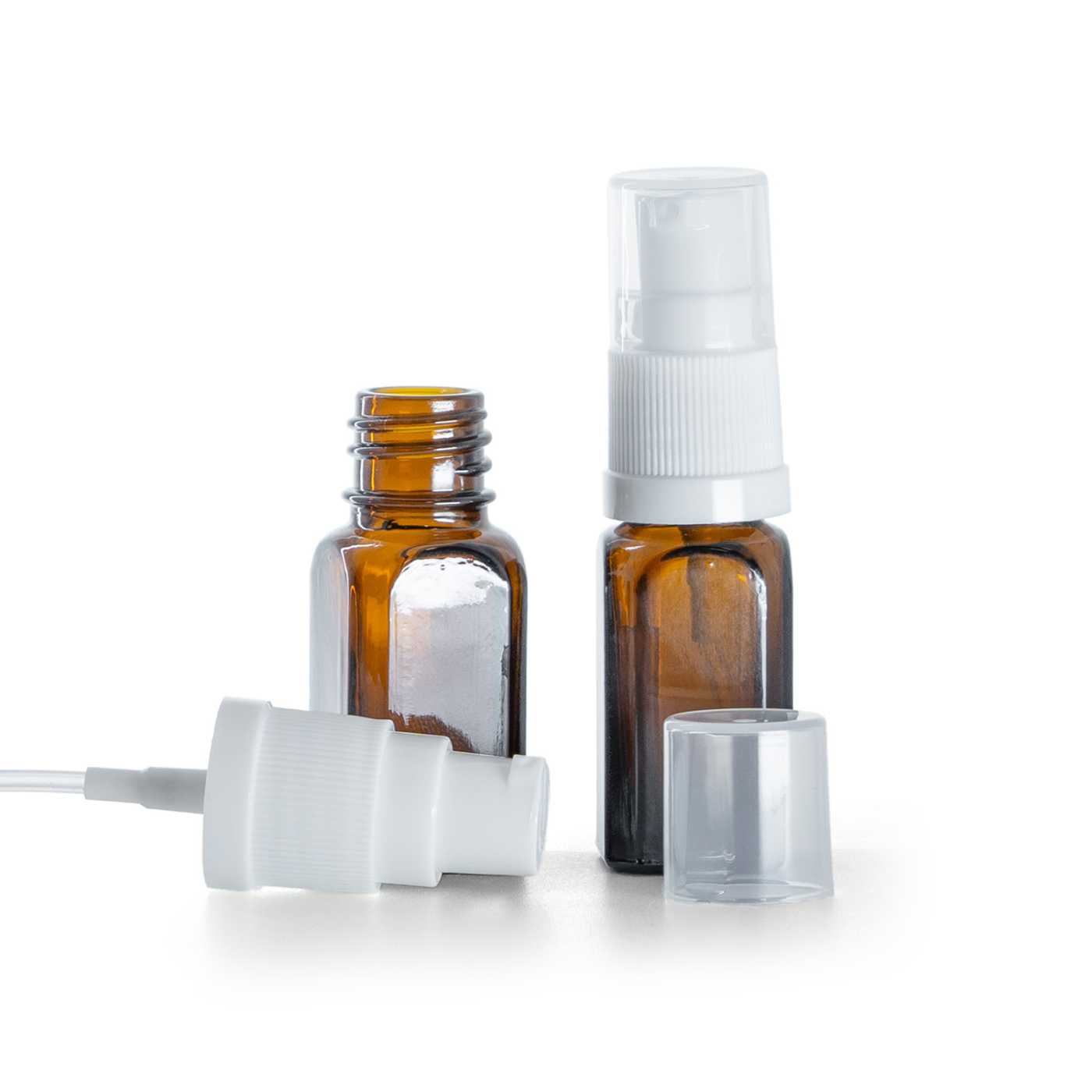
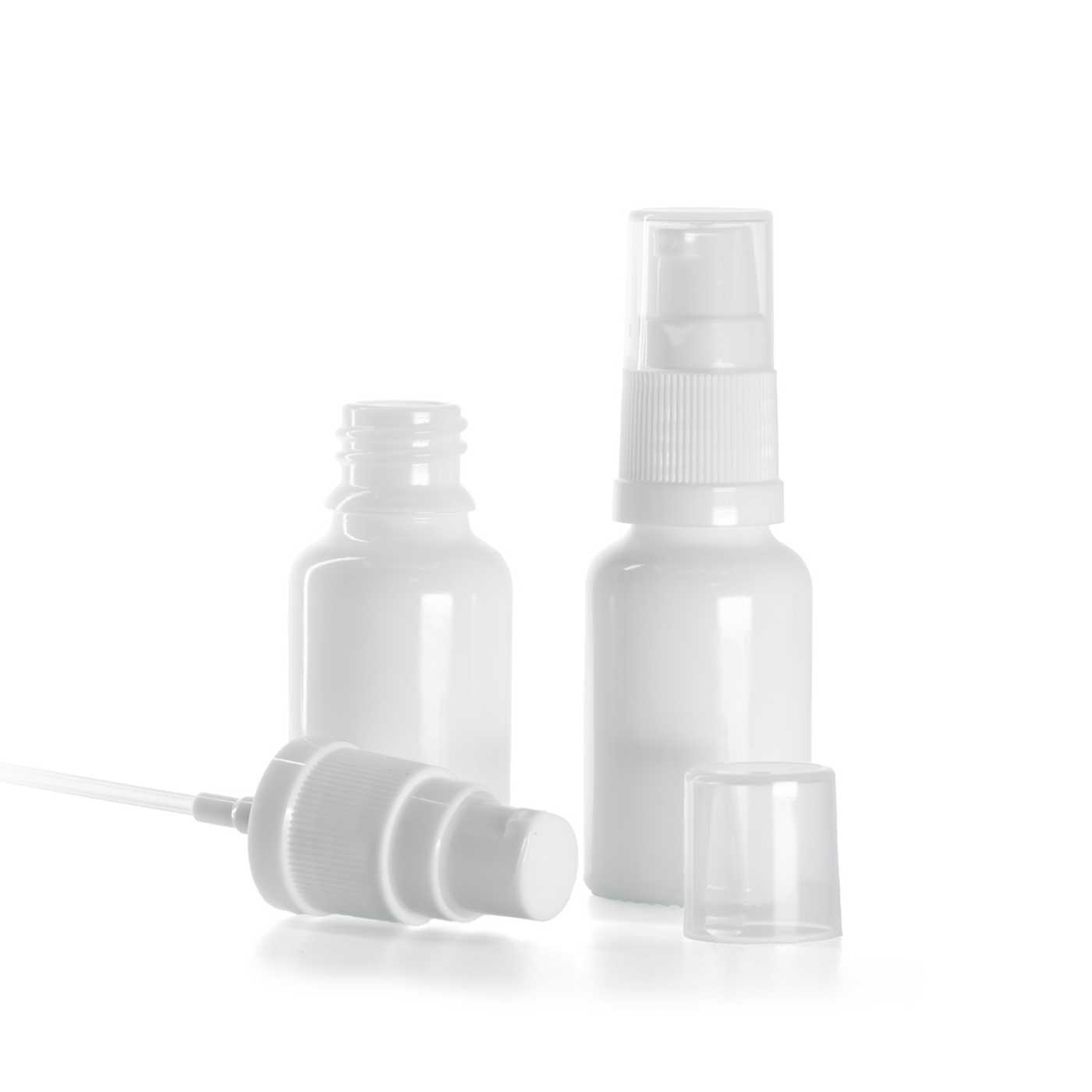
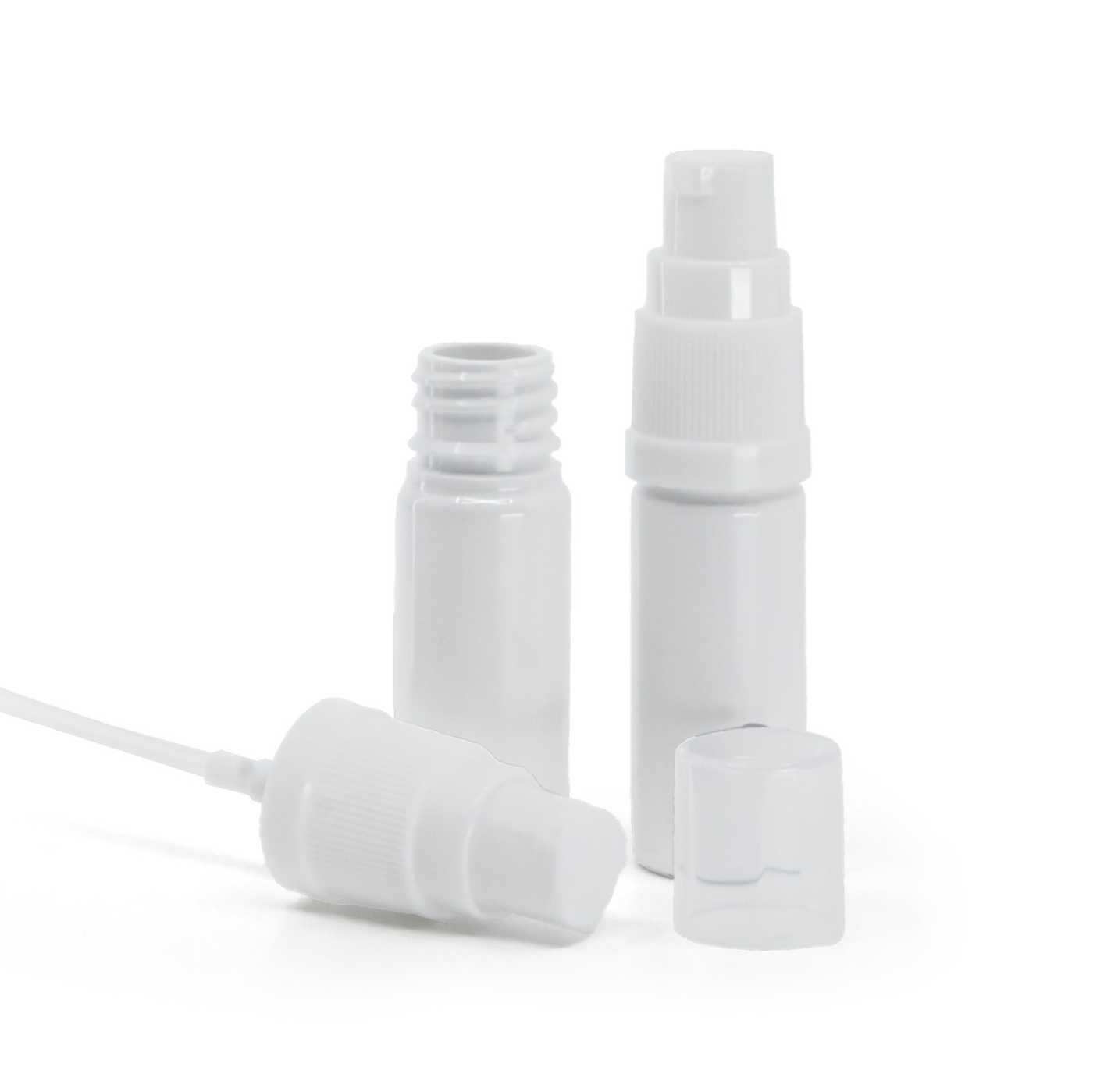
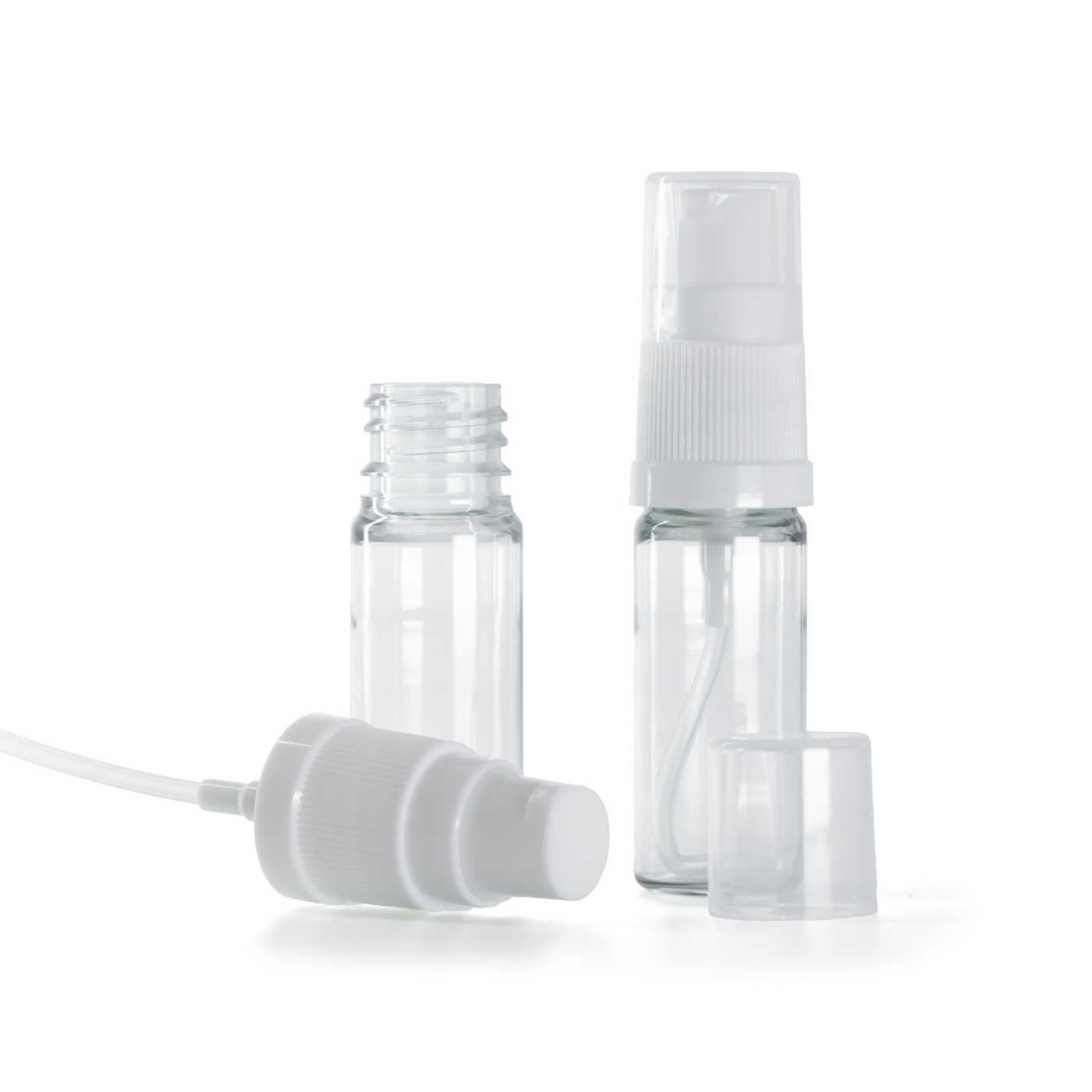
A small brown glass bottle with a white pump dispenser is designed for serums, light creams and emulsions that are used in small doses. full description
Lowest price in the last 30 days: €0.71
Total for 1 pcs: €0.71
Quantities add up across all combinations of this bottle.
A small brown glass bottle with a white pump dispenser is designed for serums, light creams and emulsions that are used in small doses. Brown glass limits light exposure to the contents, helping to protect sensitive components such as vitamins, plant extracts and unstable active ingredients. The pump allows the product to be dispensed without putting fingers into the container, so the contents are less contaminated during use. The set with a capacity of 15 ml is suitable for samples, travel sizes, eye and facial serums or concentrated creams used in small amounts.
The set is declared as suitable for contact with cosmetic products. The declaration of conformity and test reports for both components can be found with the product. The set is not approved for contact with food, so it is not suitable for filling edible oils, syrups or other food preparations.
The pump dispenser is designed for contents with low to medium viscosity that can be drawn up through the tube and pushed through the pump head. In practice, this includes:
Very thick creams, ointments and balms with waxes are less suitable. The pump will not draw them up reliably, or part of the contents will remain on the walls of the bottle. The pump can technically handle liquid oils and watery tonics, but with very thin contents it may drip briefly after pressing. It is advisable to test the behaviour with the specific formulation.
The pump tube is longer than the height of the bottle so that it can be adjusted. Before first use, trim it with a sharp knife or scissors so that it reaches just above the bottom. Otherwise it will kink and the pump will not draw up the product.
Two volume values are given for packaging. Nominal volume is the amount the container is intended for during standard filling, and this is the amount stated on the label of the finished product. Total volume to the brim is the physical volume of the bottle up to the neck. The difference between them provides a margin for the tube and the pump body, which reach into the contents when screwed on, and for the slight expansion of the emulsion with temperature changes. The bottle is therefore filled to the nominal volume, not to the brim. If overfilled, the contents would be pushed out through the neck when fitting the pump.
Preparation before filling. Before first use, wash both the glass and the pump, disinfect with isopropyl alcohol or ethanol and allow to dry completely. Moisture in the tube or pump body would enter the product and promote microbial growth in insufficiently preserved emulsions.
Pump activation. After fitting, the pump head should be pressed several times until the tube and chamber fill up and the first dose comes out in full. It is advisable to inform the customer of this on the label or in the instructions.
A pump with a tube is not an airless system. With each press, air is drawn into the bottle, so aqueous and emulsion formulations require a preservation system just as in a conventional container. Light protection by brown glass does not replace a preservative or antioxidant.
Pump material. The pump body is made of polypropylene. For formulations with a high proportion of essential oils, solvents or strong surfactants, we recommend verifying that the plastic does not change its properties or lose its seal over time. Glass has no such limitations.
Heat and filling. Glass can withstand filling with a warm emulsion, but sudden temperature changes can cause cracking. Allow the hot phase to cool to at least lukewarm temperature and do not place the bottle on a cold surface immediately after filling.
Labelling. The smooth cylindrical shape of the bottle allows a label to be applied around the circumference. Light and white labels stand out on brown glass.
Reuse and recycling. The bottle can be reused after thorough cleaning and disinfection. The pump is harder to clean because product residues remain in the tube and chamber; when changing the formula it is better to use a new one. When disposing, glass goes with glass and the plastic pump goes with plastics — separate them before discarding.
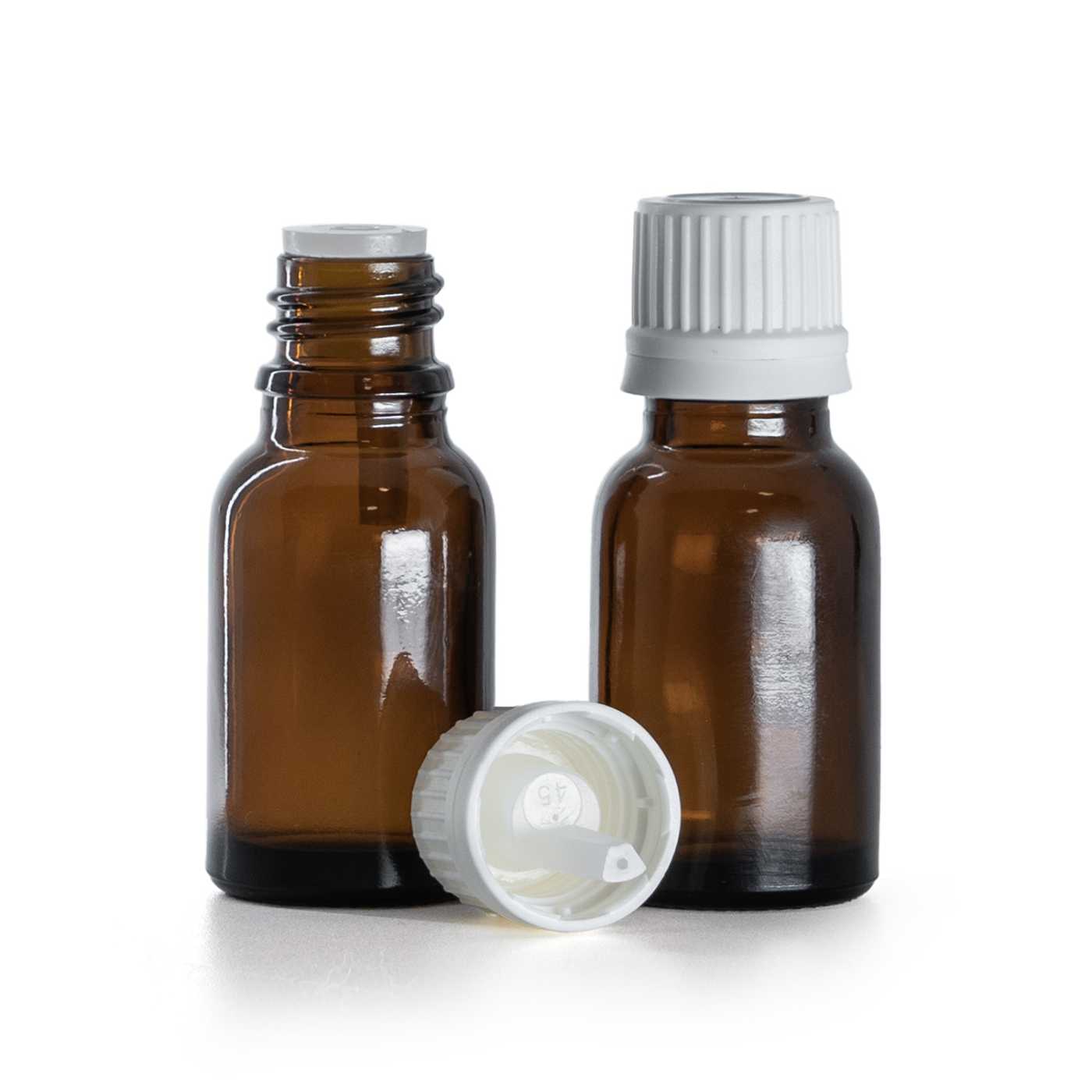
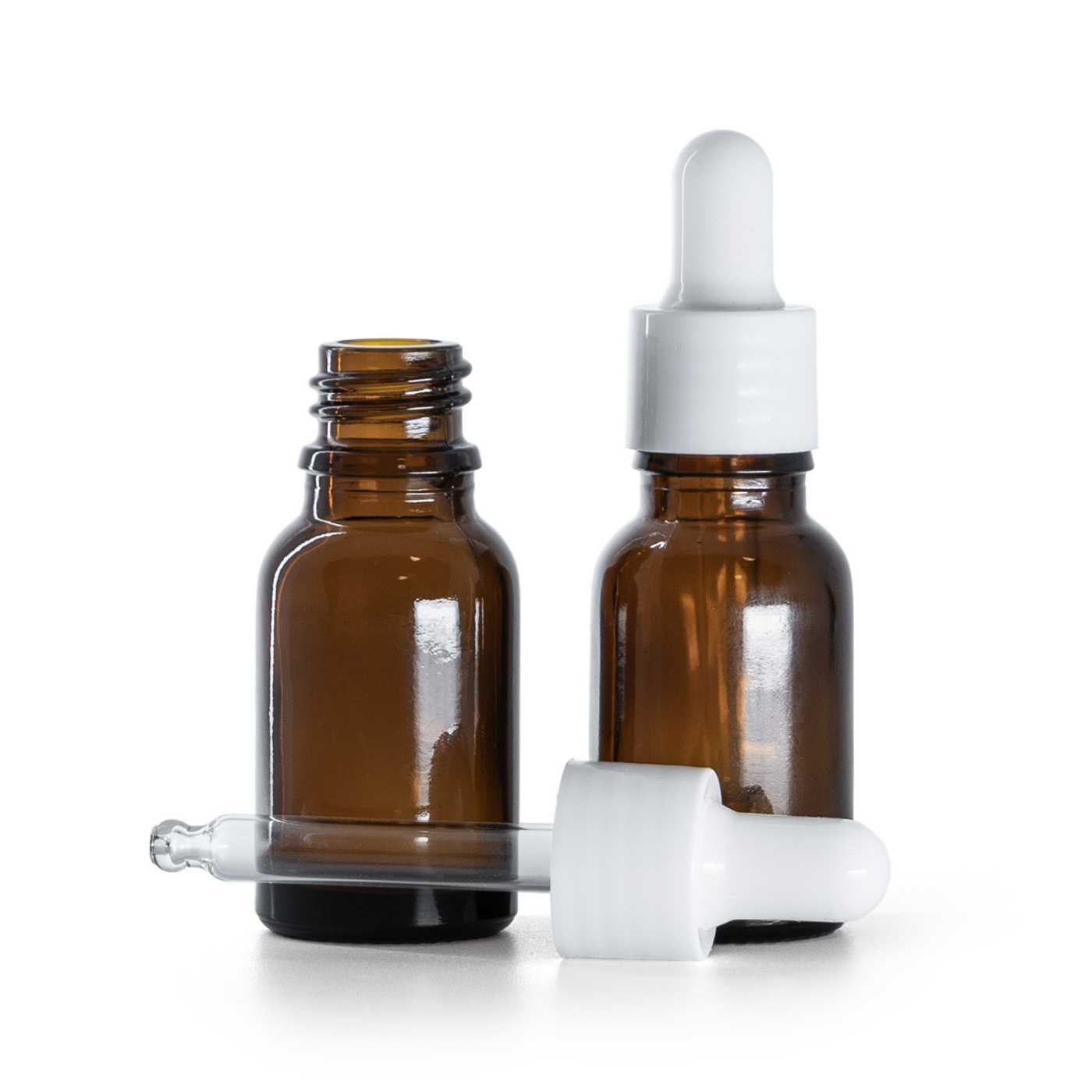
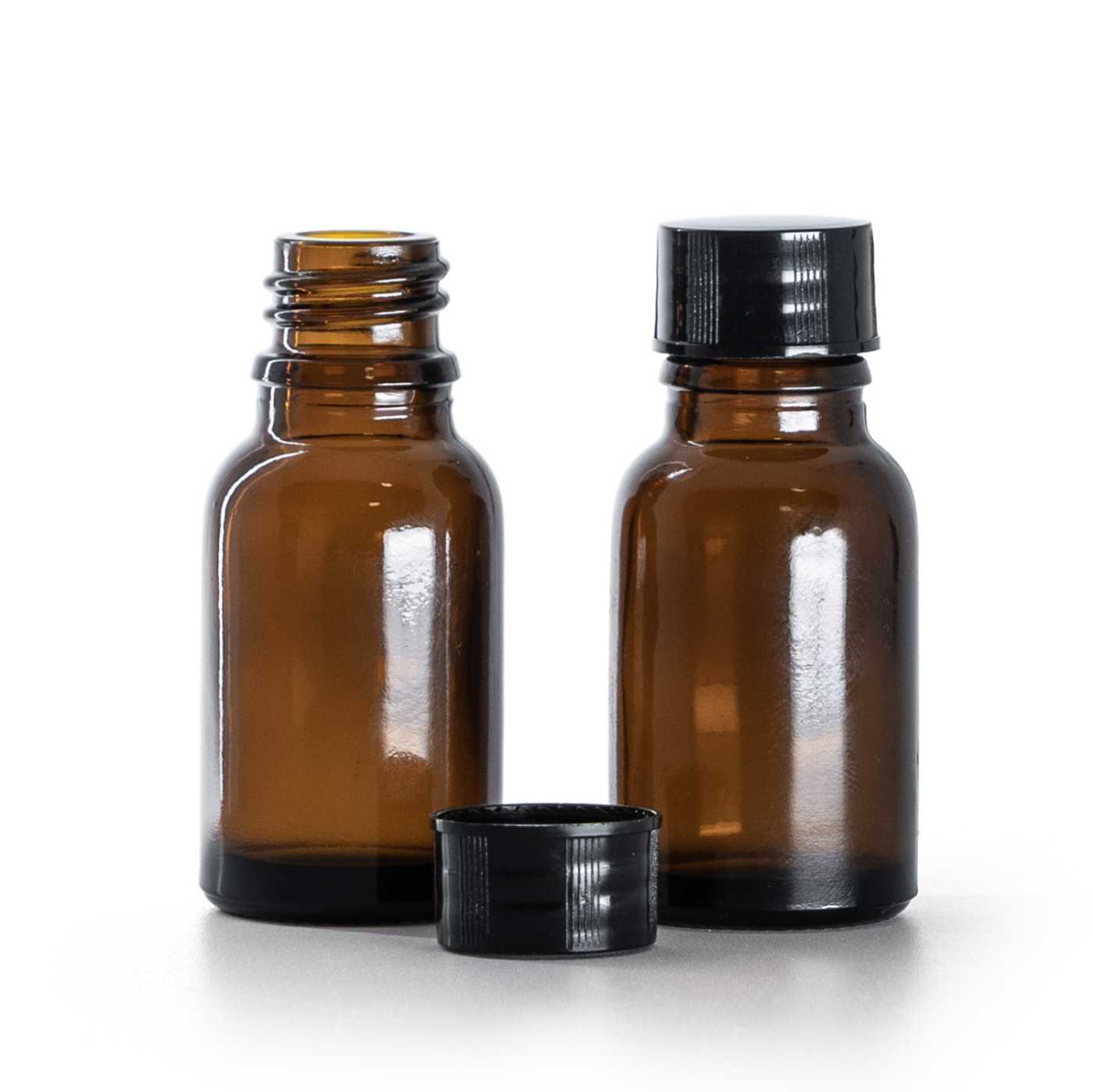
If you are choosing a different closure for the bottle, look in the Handymade range for closures with the same neck type as stated in the specifications. With your own combination, we recommend verifying the seal and dispensing with the specific formulation.
Only customers with a delivered order can write reviews.